How to plan an adventure
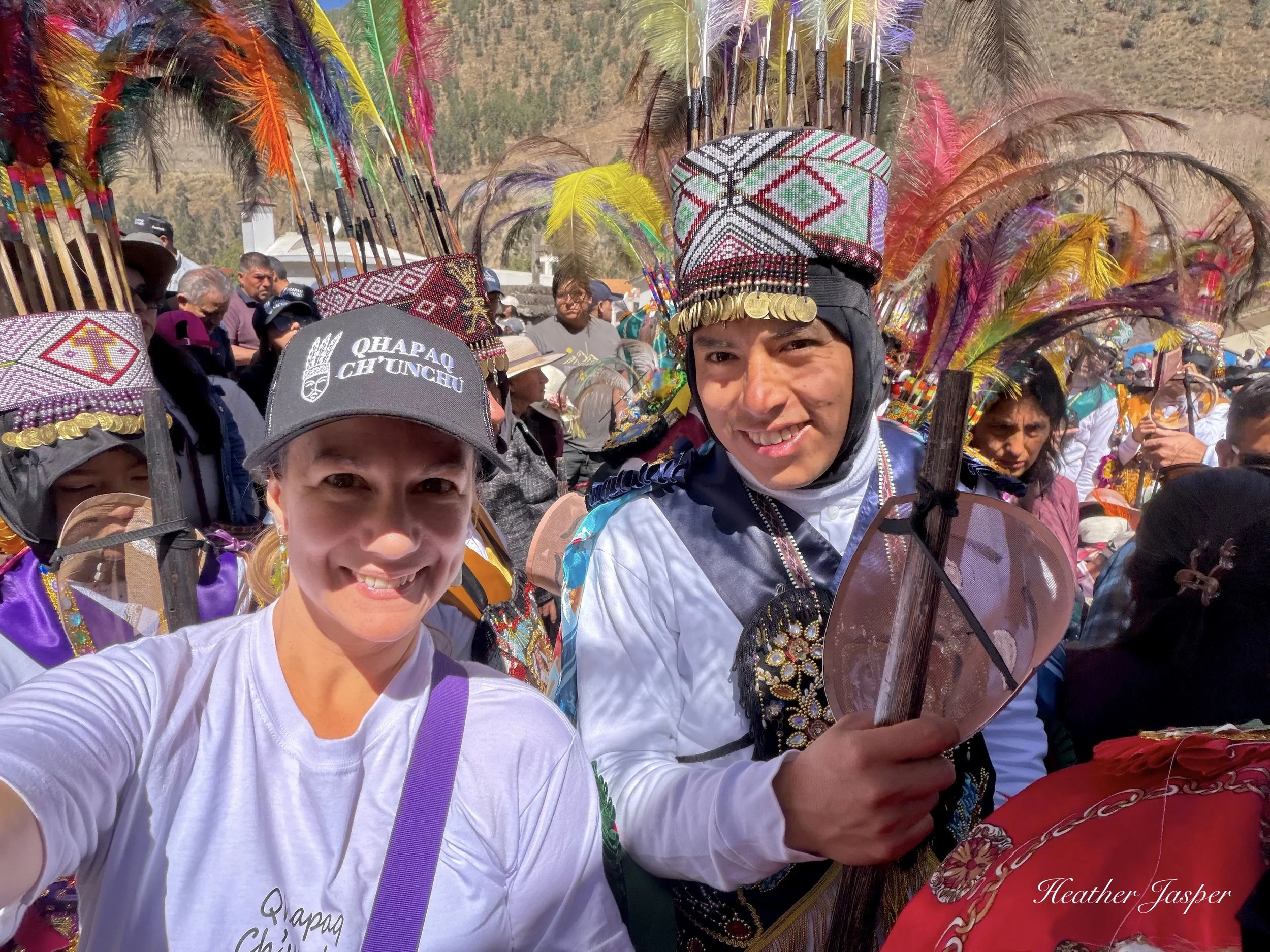
Even a familiar place can bring you an adventure. Every year, Paucartambo feels like an adventure.
I think an adventure is anytime you’re outside your comfort zone, trying something new or testing the limits of your mental and physical endurance.
Adventures come in all shapes and sizes but I’m going to lump them into three categories: physical adventures, cultural adventures and wildlife adventures.
Physical adventures can be anything from climbing a volcano to kayaking whitewater. Cultural adventures are festivals, events and places that are entirely outside your comfort zone. Wildlife adventures might not involve any physical activity but take you deep into wilderness or nature preserves.
Here’s my top 3 tips for planning adventures.
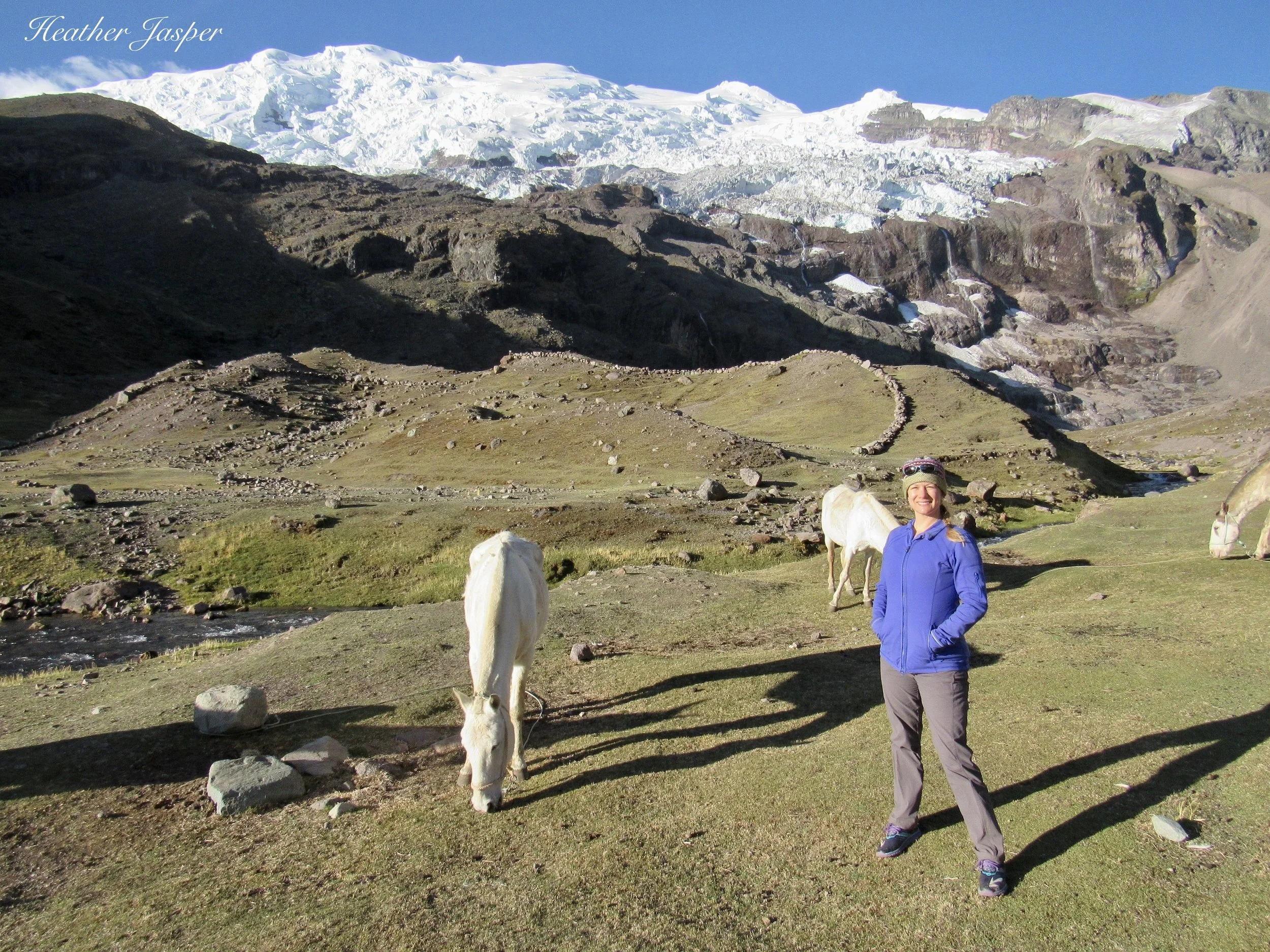
On my 4-day trek around Mt. Ausangate we camped around 14,000ft above sea level every night and hiked up to 15,000ft every day.
1. How to plan a physical adventure
This might be the most obvious of the three, but it doesn’t have to be extreme. I don’t think you have to try to ski to the South Pole to have an adventure. Pick a physical activity you enjoy, like hiking or biking, then look for somewhere unfamiliar where you can do it. If you’re comfortable hiking in forests, look for a desert or other unfamiliar ecosystem. If you’re used to road biking, rent a mountain bike for a day and try a single-track ride. Another option is to try something completely new, like canyoning or skydiving. I think anything that gets your adrenaline pumping counts as an adventure.
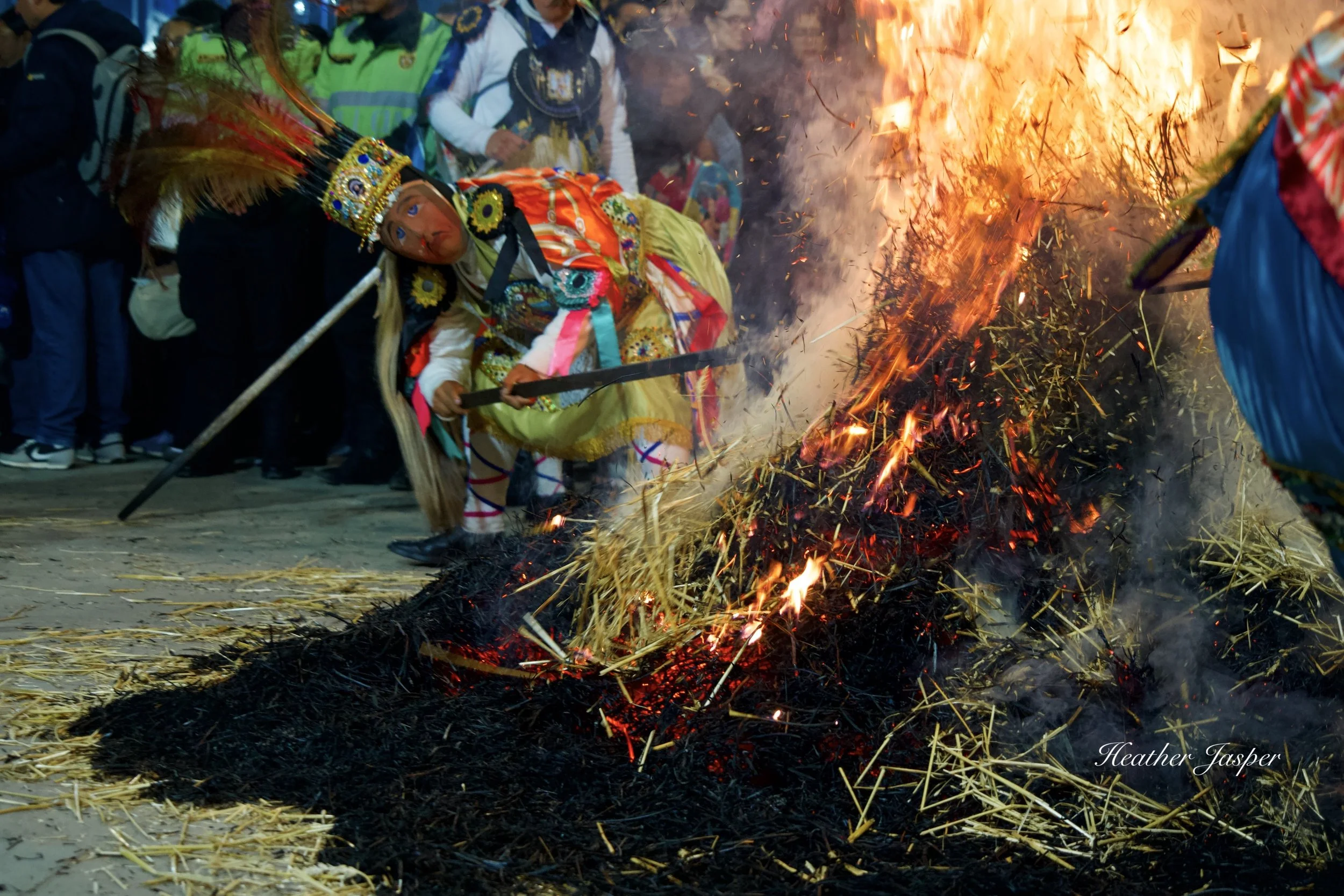
The first night in Paucartambo is Q’onoy and I sit as close to the bonfires as I dare.
2. How to plan a cultural adventure
Cultural adventures are on my mind after my week in Paucartambo. The four days of the Festividad de la Virgen del Carmen were definitely an adventure, even though this was my 4th time attending. (As soon as I get my blog post about following the Qhapaq Ch’unchu done I’ll post the link here). Mardi Gras in New Orleans or Rio de Janeiro, New Year’s Eve in Times Square, Octoberfest in Germany, Diwali or Holi in India and Día de los Muertos in Mexico are all great examples. Go with an open mind and let the festivities carry you along.
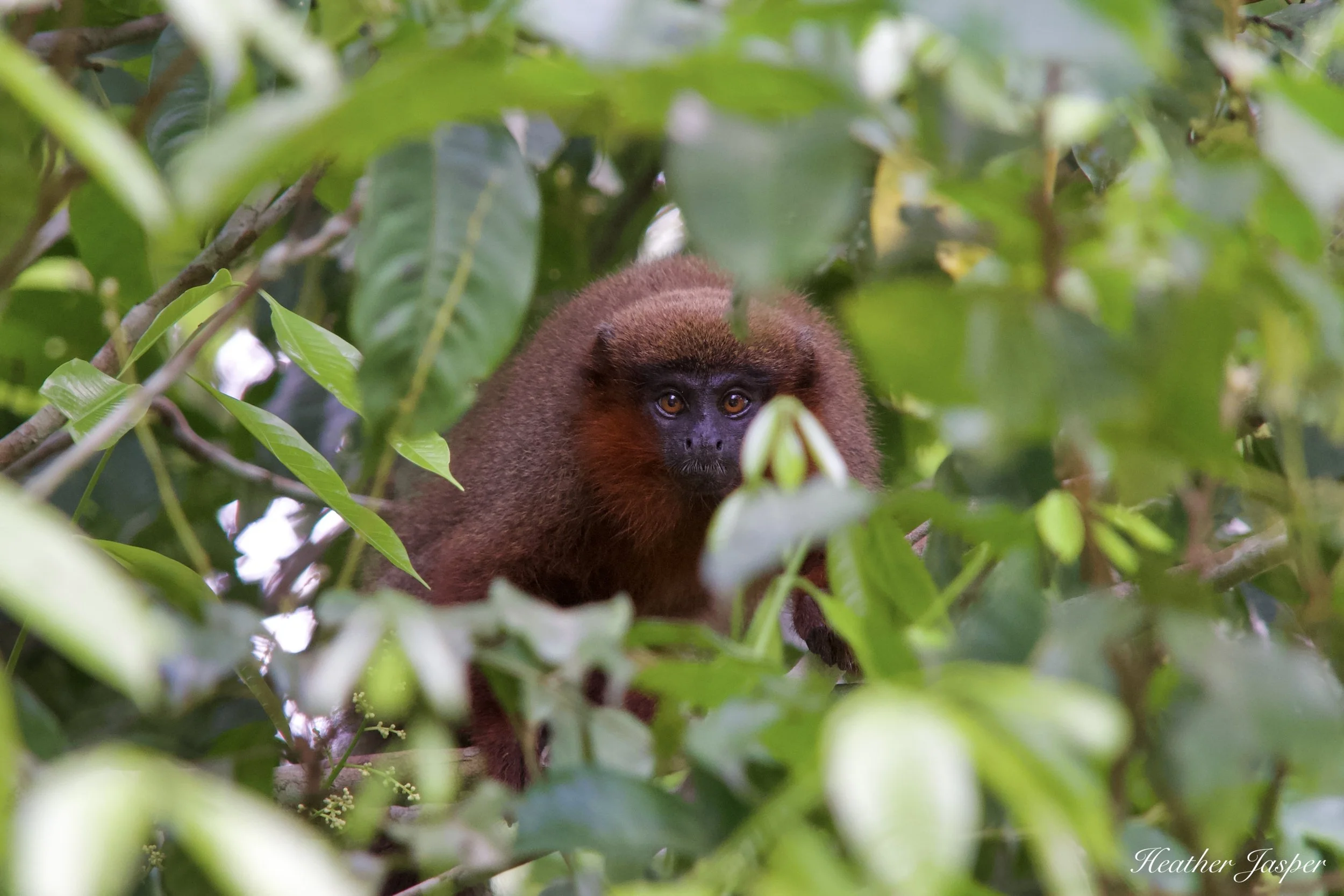
I didn't have to walk far from the Tambopata Research Center to be deep in the jungle and see this Titi monkey.
3. How to plan a wildlife adventure
Most wildlife adventures focus on a specific animal, like whale watching, or a specific place, like the Galapagos. Make it an adventure by picking something entirely outside your comfort zone. If you can’t go somewhere far away, try doing something familiar differently. Instead of going to the same meadow to see birds like you always do, go at night and see if there are bats or other nocturnal wildlife that you’ve never seen before. Take a bright light and a white sheet with you to see what kinds of moths and other critters come out at night.
An adventure doesn’t have to be an expensive trip. Just pick something that gets your adrenaline pumping.
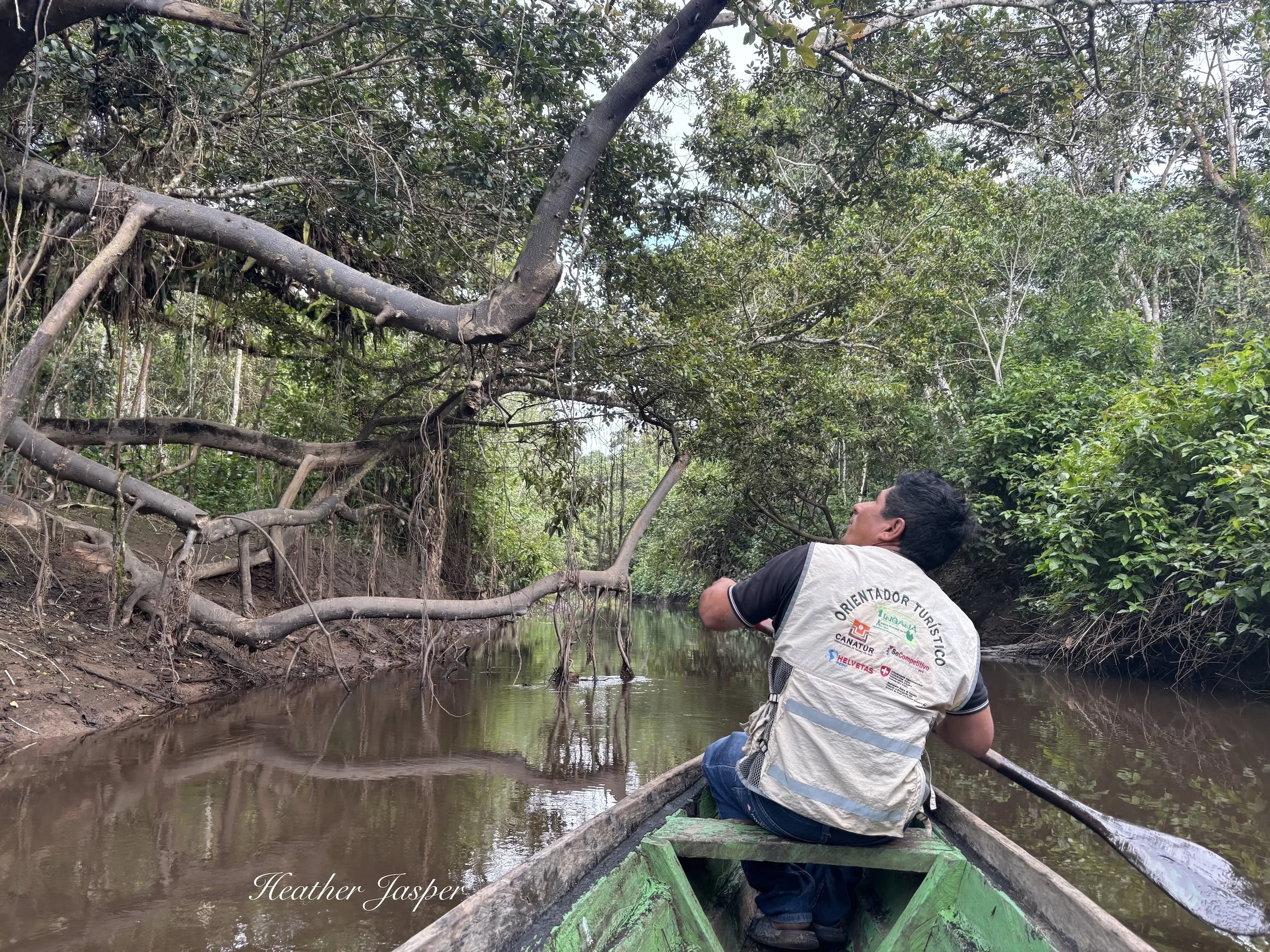
One of the adventures I included for Peru was paddling into the Tingana wetlands near Moyobamba in northern Peru.
New article: 10 Unique Adventures in South America
This article was so much fun to write! I found ten adventures that are unique to South America for Fodor’s Travel. I covered adventures in Colombia, Ecuador, Peru, Bolivia, Chile, Argentina and Brazil with everything from caving and climbing volcanoes to where to see wildlife like whales, penguins, birds and even moths.
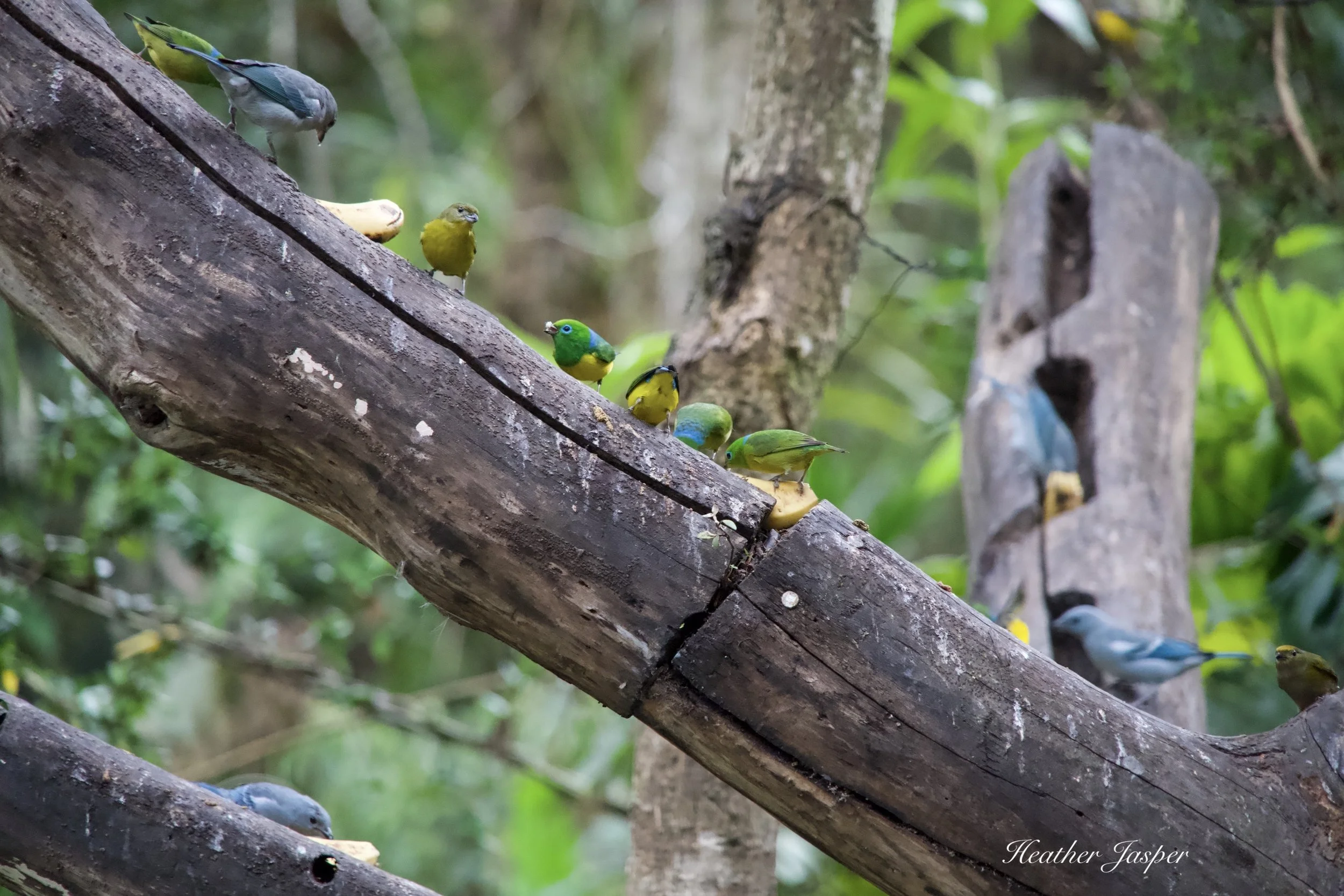
Birdwatching at Inkaterra felt like an adventure, though I was only a few feet from my room.
New blog: Inkaterra Machu Picchu Pueblo Hotel
This was my second time at Inkaterra’s Machu Picchu Pueblo Hotel, and I loved it even more than the first stay because I planned time to just be at the hotel. I got a tour of the orchid garden, I wandered the tea plantation to see how their award-winning green tea and black tea are made, and I spent a couple hours one morning birdwatching.