How to save money at airports
Airport prices keep going up, with one notable exception that I’ll get to – keep reading!
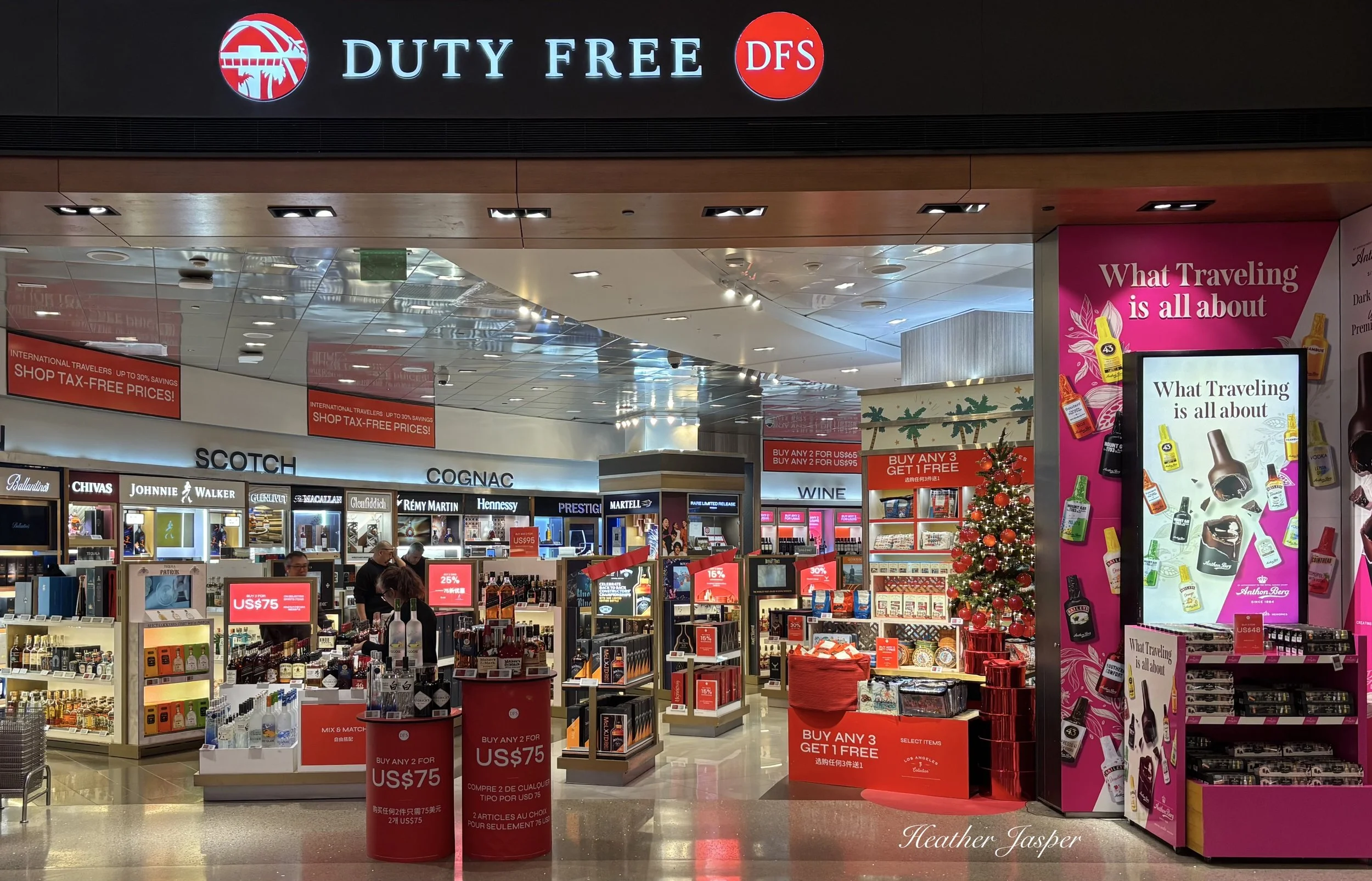
Buy at duty free shops because it’s convenient, not because you think it’s a deal.
Top tip: Plan ahead – so you don’t have to buy anything.
I’m sorry if that wasn’t what you wanted to hear, but there really aren’t any hacks on this one. Prices of airport food, beverages and even candy are significantly higher (on the scale of 10-85% higher) and the only way to not pay those outrageous prices is to bring what you need with you.

Airports are big business!
Business Insider analyzed revenue for US airports and the increase isn’t in the number of people buying, it’s in prices.
Always take an empty water bottle.
If you’re flying to and from countries with safe drinking water, it’s ridiculous to have to pay $8 for a bottle of water that you could have for free from any drinking fountain – if you had an empty bottle. (Plus, that airport water comes in non-recyclable plastic).
Take food with you.
In North America don’t take liquids or spreadables, like peanut butter. (I’ve learned the hard way that yoghurt and apple sauce are considered spreadable). If you’re flying in South America (like Lima to Cusco or Santiago to Buenos Aires) you are allowed to have water and food, even yoghurt.
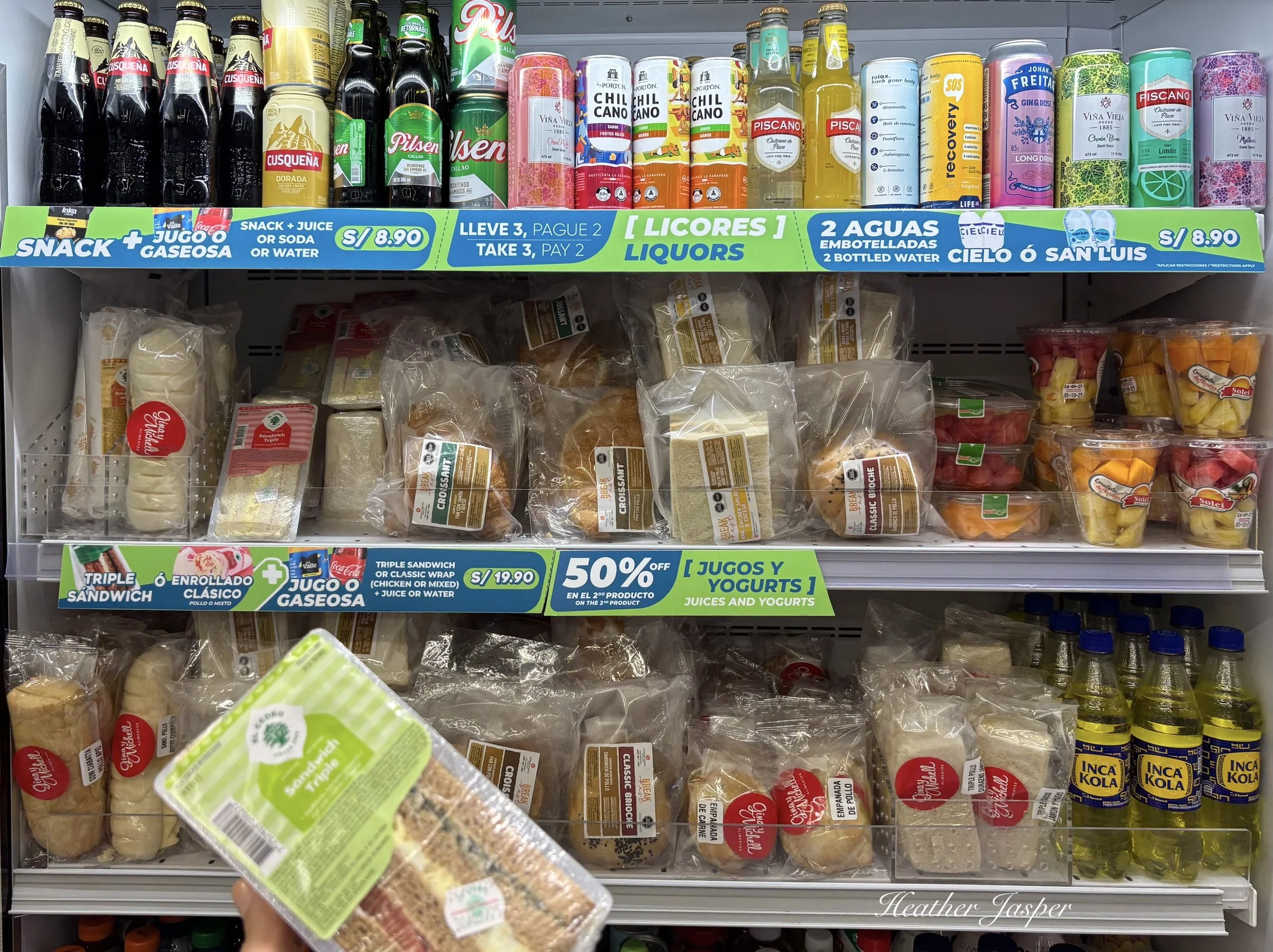
I rarely have to resort to airport-quality food, but my flight from Chachapoyas to Lima was 5 hours late and I was hungry but still had to make my connection to Cusco. That sandwich was disgusting.
I know bringing food is not always easy.
In June this year I had to scramble to find something I could take to eat for dinner on my flight from DC to NYC. I was staying at an AirBnb in DC with an empty kitchen and no restaurants nearby. I managed to get a burrito to go but had to ask the staff to take it out of the cardboard container and wrap it in foil because it had to fit in my backpack for my 1-hour metro ride to the airport, where I then had to get it through security.
For many people, it would have been worth paying $25 at the airport for that $15 burrito, just to avoid the hassle. Sometimes, the hassle isn’t worth it to me either.
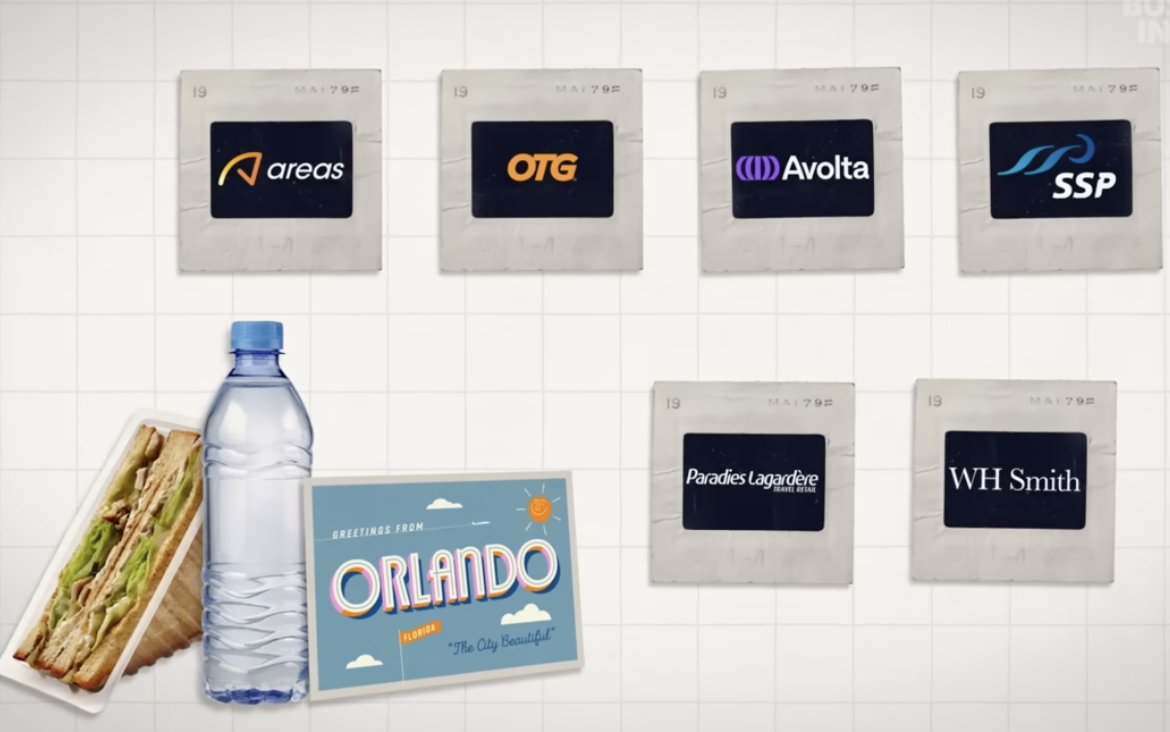
According to Business Insider, these six mega-businesses own almost all airport shops and restaurants.
Why are airport prices so high?
Airports know that travelers are a captive audience and if we’re hungry, we’ll buy something. In the US, there are six companies that own most of the concessions in airports, so while it may look to you like there are five different fast food places in an airport food court, they’re probably owned by the same company. They can set prices equally high at all five of their restaurants.
Does anybody regulate airport prices?
In most airports, prices are not supposed to be more than 10-15% above “street price” of the same product outside the airport, but companies are allowed to decide what street price is. If they find a convenience store that sells beef jerky for $7, even if that same product is $3 at a nearby grocery store, the airport can say the street price is $7.
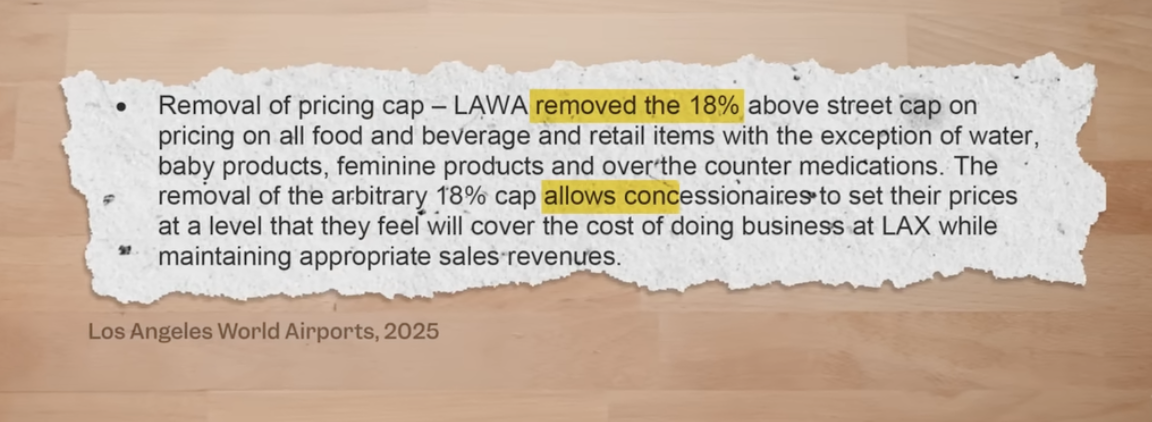
Some airports don’t have caps on markups: LAWA (which regulates LAX) just scrapped their 18% limit. Also, enforcement is lax and inconsistent. Nobody will check the airport price against the street price for everything on offer at the airport.
Same price, different quality.
Another thing you have to watch for at airports is simply getting less – less in quantity and quality. Have you ever eaten at a restaurant at the airport and found the food was clearly worse than at the same company’s restaurant outside the airport? Serving less is just as common as charging more.
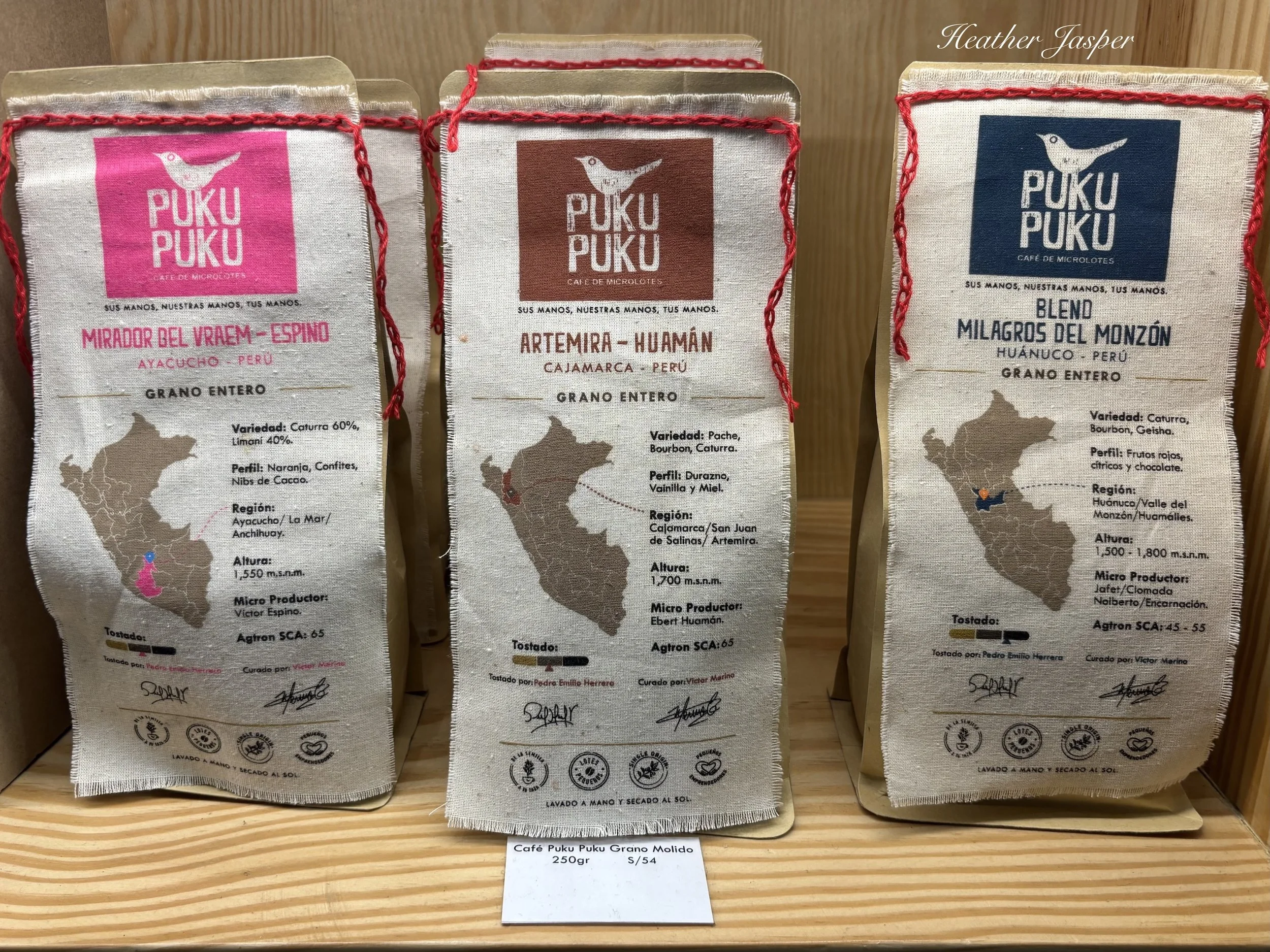


Here's how I avoid buying at airports.
I always have an empty water bottle with me going through security – or a full bottle if I’m flying in South America. I bring snacks: my own pretzels and peanuts (or carrot sticks and apple slices). If I’m going to be in an airport or on a plane during mealtime, I try to bring real food. The most portable takeout I’ve found is a burrito but on my last flight from Boise to LA I took a container of cheese tortellini that I cooked the day before. I ate it at a table in the LA international terminal food court and got a few jealous glances from people eating overpriced fried food. (If you don’t want to carry around plastic containers on your trip, save something that you’d normally throw away at home and reuse it to take food with you, then throw it away at the airport).
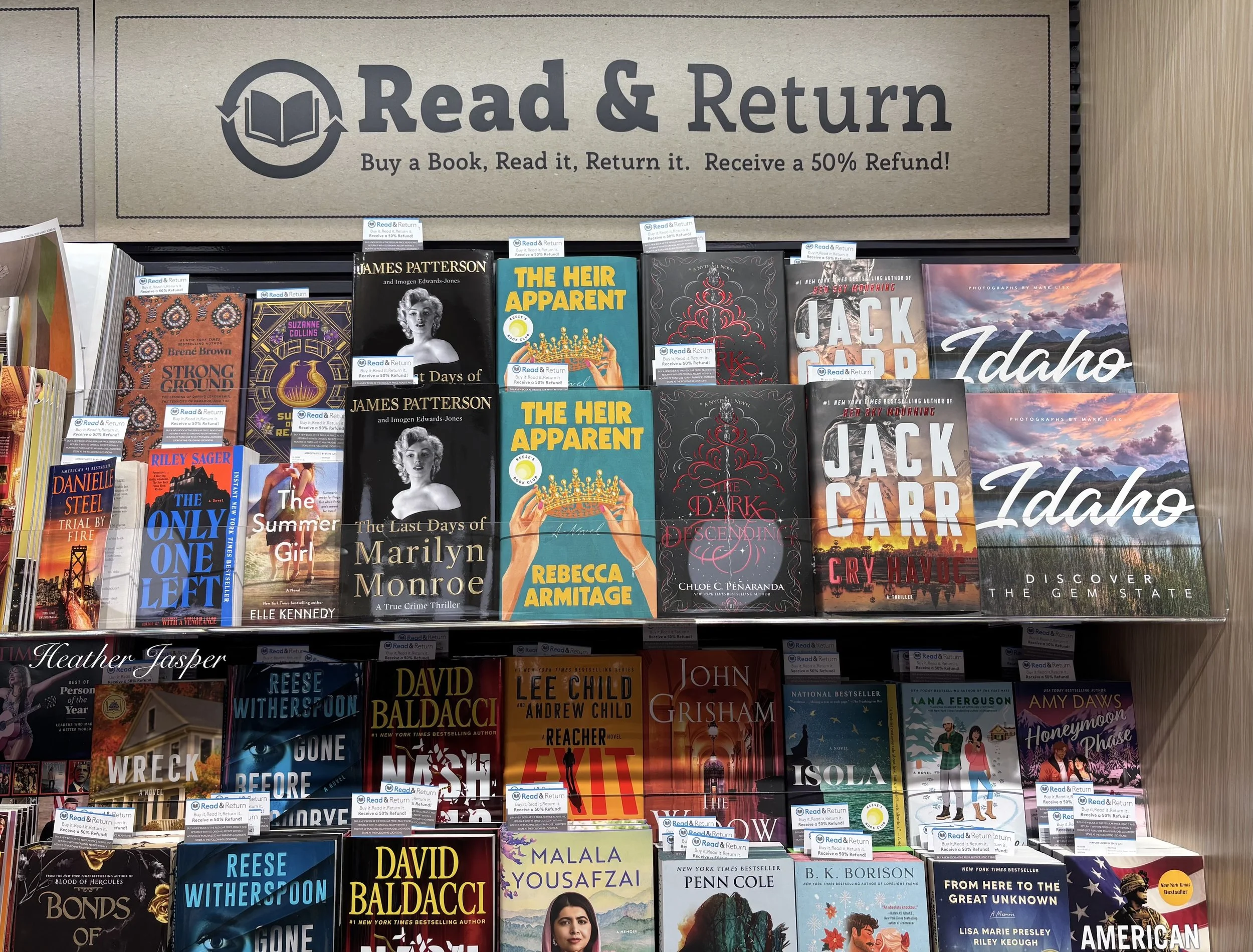
Airport bookshops owned by Paradies Lagardère (one of the big 6) now offer a 50% refund for books returned to one of their airport shops.
I buy souvenirs before I get to the airport – though books aren’t usually marked up over the cover price. This week I even saw an airport bookstore that offers a 50% refund when you return a book within six months to one of their airport shops.
Which airport is the exception?
Portland, Oregon’s PDX doesn’t allow vendors to mark up prices over street price. If you pay $2 for a bag of MnMs at the grocery store in Portland, that same bag will cost $2 at the airport. So, if you’re flying through PDX, don’t bother bringing food from home, unless you want something you know you can’t get at the airport – like a good homemade tortellini salad.
This Business Insider video has more info on Portland’s unique airport, and the six companies that own almost all airport stores and restaurants.
New Blog
Santa Teresa Viceroyal Art Museum
This convent is rarely visited by tourists, but is absolutely worth your time. It was recommended to me by the concierge at Palacio Guaqui, who told me I could see everything in about half an hour. It was so interesting I stayed over two hours!
New Writing Projects
I won’t have many new articles for a while because I’m busy working on two different book projects, one for Lonely Planet and one for Rough Guides. Don’t forget that you get 30% off all my Rough Guides with my author code AUTHOR0018.