Travel Tip 155
How to feel safe when you travel
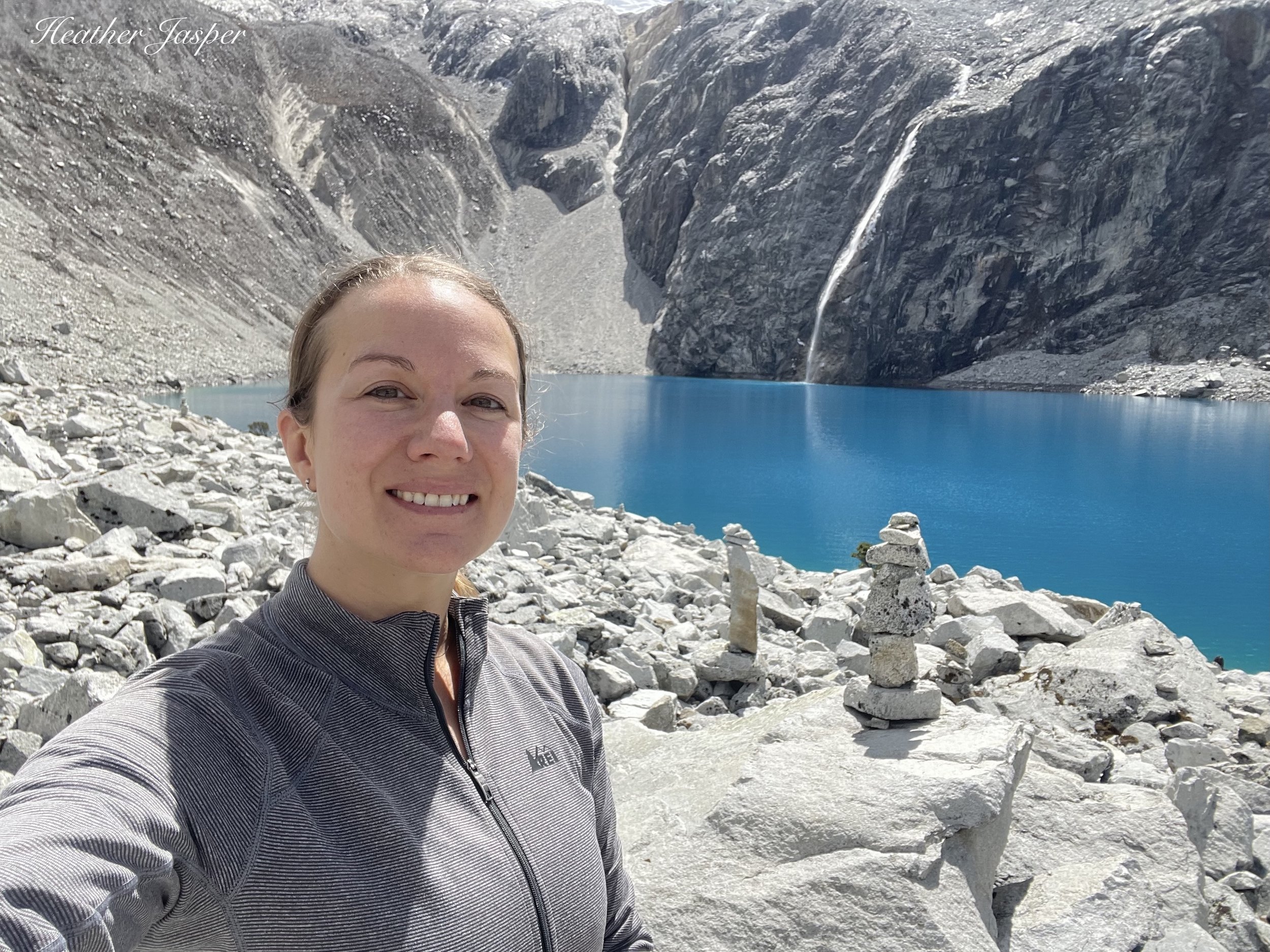
I hiked alone the first time I went to Lake 69 but it’s such a popular hike that I was never actually alone on the trail.
This is one of the most subjective parts of travel.
In this travel tip I’m only addressing feeling safe, not being safe. There are lots of times I feel safe that I’m statistically not safe. Being in a car is statistically unsafe, especially compared to being in an airplane, yet most of the time I’m in a car I feel safe.
I don’t believe it’s possible to be safe.
There is an infinite number of ways we can be injured or killed in modern life, from traffic accidents to gas leaks at home. A thousand years ago, people didn’t have to worry about mass shootings but there were a lot more ways to die of injury and disease then. My point is, the world is not safe and in terms of travel, I’m talking about feeling safe, not being safe. Of course, there are things you can do to make your trip safer, but that’s a different set of travel tips.
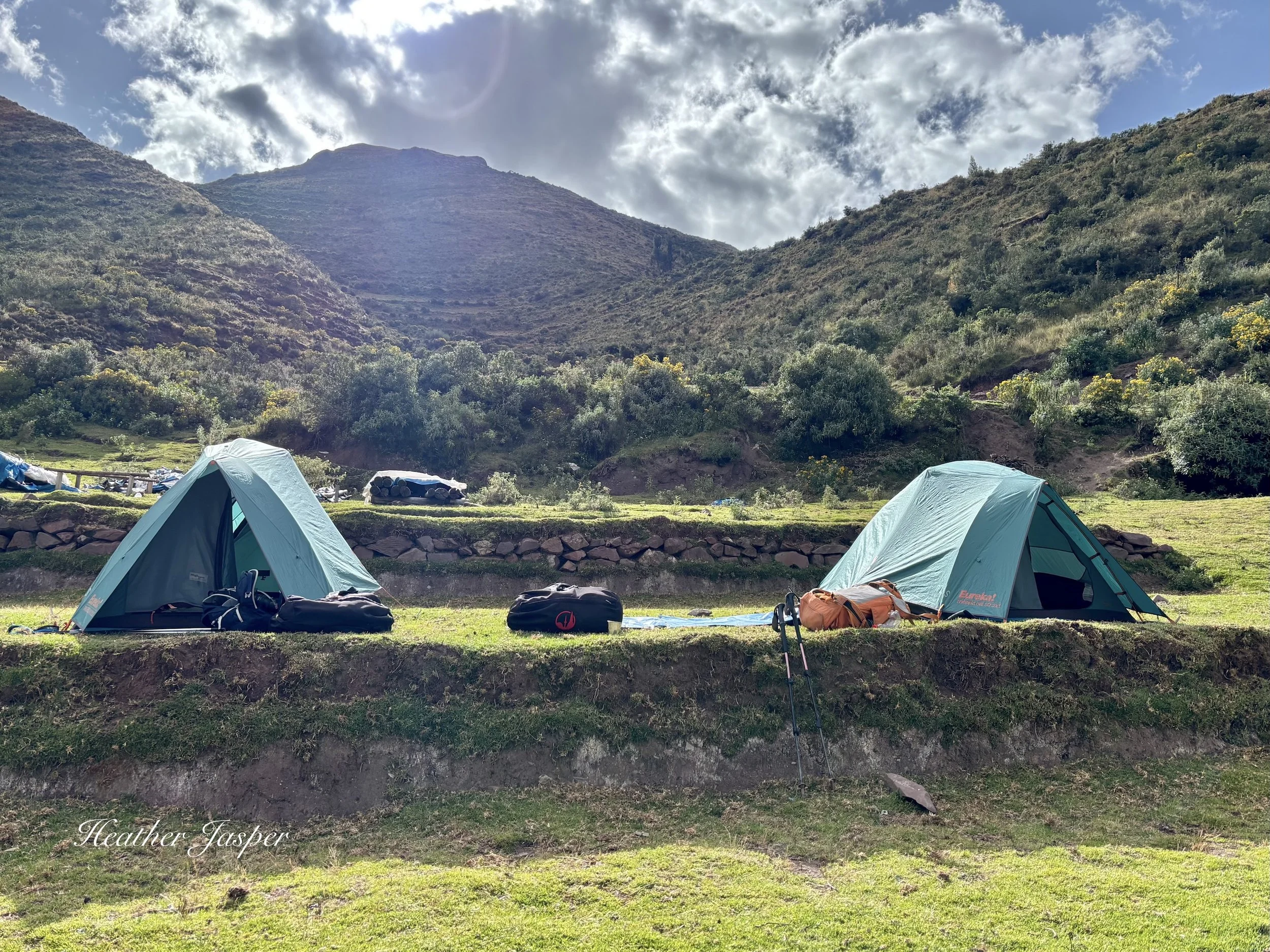
I felt just as safe in this tent on the Quarry Trek as I do in my own bed at home.
We each have our own opinions about what does and doesn’t feel safe.
Our feelings of safety mostly depend on our experiences but also on how people treat and react to us in different contexts.
The examples that come to mind are camping and mosh pits.
People who have been camping dozens of times and always had a positive experience will probably feel safe when camping but the first time you spend a night in a tent in the wilderness it’s understandable if you don’t feel safe. People who have moshed at dozens of concerts will probably feel confident jumping into a mosh pit, though I think safety is debatable. That’s probably because I’ve been camping hundreds of times without incident and never once entered a mosh pit.
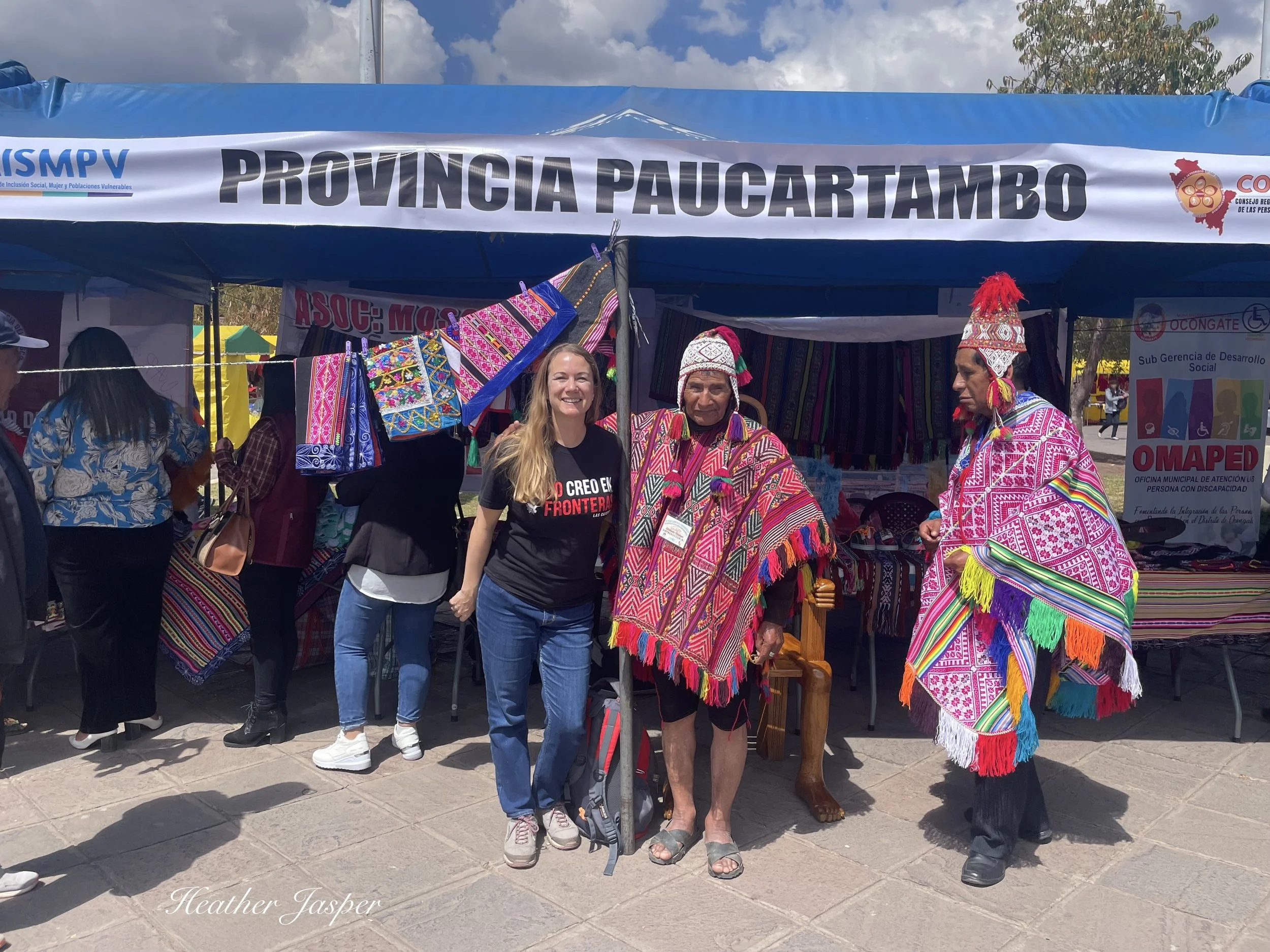
I look different from most Cusqueñians, but in Peru that doesn’t make me feel unsafe. (Probably partly because of white privilege).
People’s judgements are often skin deep.
Depending on who we are and what we look like, we may get treated differently at the campground, in the mosh pit or anywhere, really. Gender, skin tone, accent, clothes, size and at least a dozen other visual markers get people treated differently. If we’re going somewhere that we’ll stand out because of how we look, we should expect to be treated differently from locals who look like they belong. The key here is that looking different doesn’t necessarily make us unsafe, even if it makes us uncomfortable.
There’s a difference between feeling uncomfortable and feeling unsafe but the line between the two is as unique to each of us as our fingerprints.
Do we always need to feel safe when we travel?
Some of us travel to push our boundaries, get outside our comfort zone and experience an adrenaline rush. Some of us just want a relaxing experience that will refresh us. Sometimes we want a combination of both. Decide how safe you need to feel before you try to maximize safety for every moment of your trip.
Here’s how to feel safe/safer when you travel.
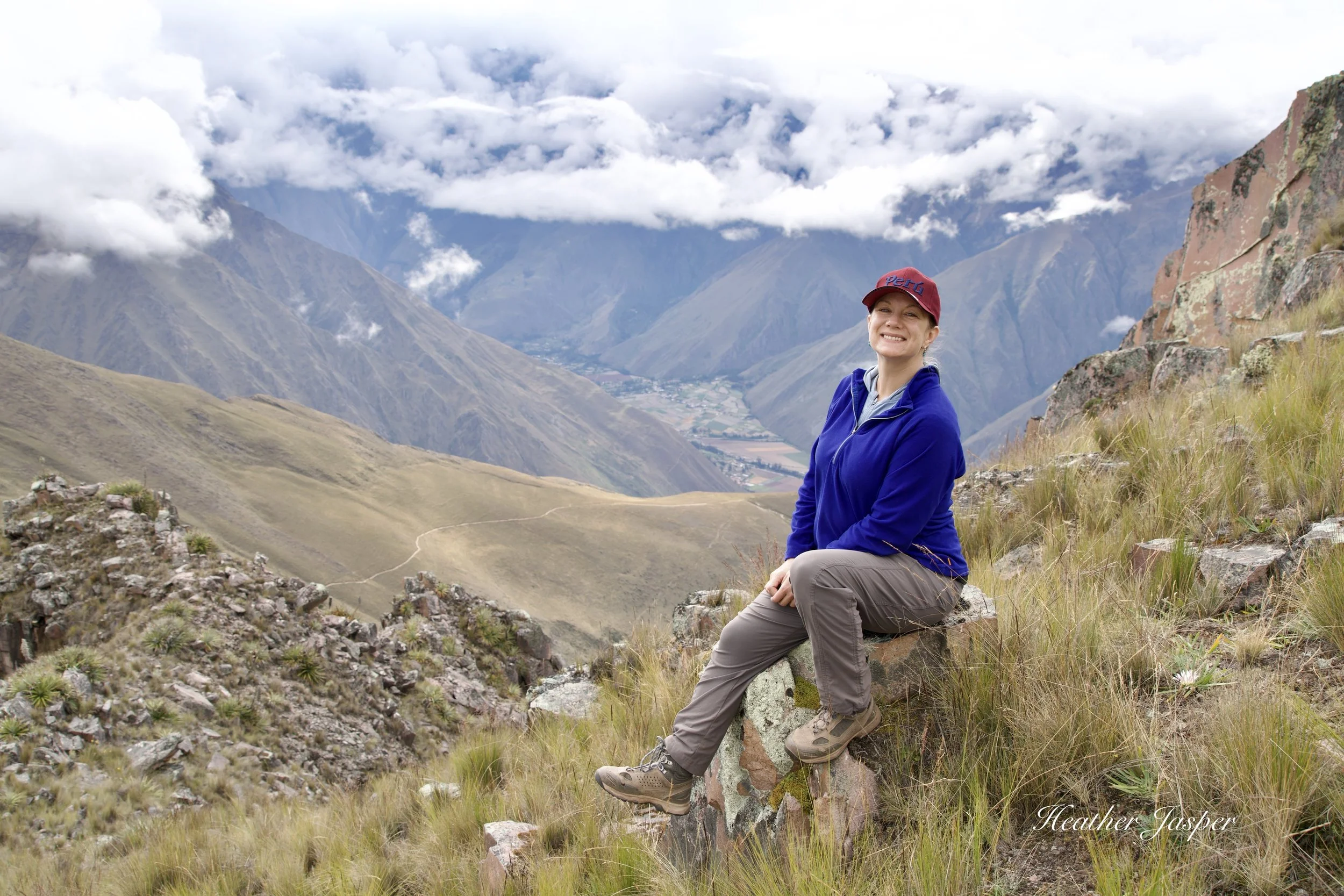
I always feel safer in the mountains than in a city, no matter what country I’m in.
1. Decide when you feel safest during your normal day to day.
Do you feel safest at home? In the car or bus? At work or school? At the grocery store or library? At a park or on a hiking trail? Do you feel safest around lots of people or when you’re alone? When planning a trip, maximize the number of times you’ll be at a place that’s similar to places you feel safe.
If you feel safest at home, book a hotel that has a pool and spa and activities you can do without leaving the hotel. If you feel safest at a library, plan to visit a lot of museums. If you feel safest when at a park alone, plan time in outdoor areas that are never crowded.
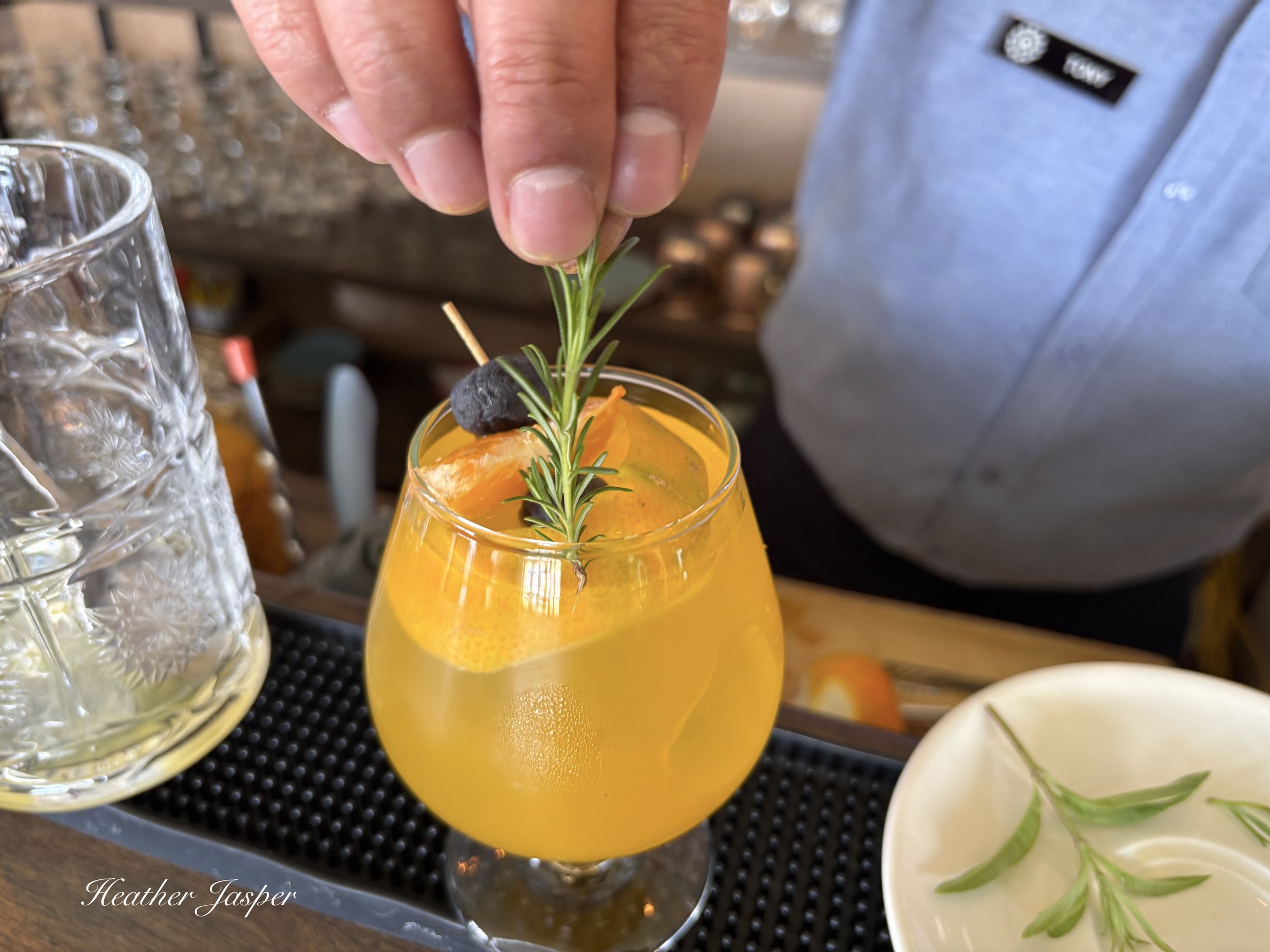
I tend to feel less safe in bars and don’t spend much time out drinking, even with a group of friends.
2. Think critically about times you’ve felt unsafe.
What was it about those times that made you feel unsafe? Was it the location, crowd, actions of other people, something you did or another reason?
Maybe you were on public transportation and got robbed or groped. Maybe you went on a hike alone and got lost. Maybe you got roofied in a bar. (For the record, all of the above have happened to me, but it hasn’t stopped me from taking public transportation, hiking alone or going to bars).
3. Push just one boundary at a time.
Don’t go to a new country where you don’t speak the language for the first time and go diving with sharks for the first time on that same trip. Either of those is likely to make you feel unsafe and I recommend testing just one at a time. The first time you go to a country where you don’t speak the language, do familiar activities. The first time you go diving with sharks, make sure the people you’re diving with are both experienced and speak your language.
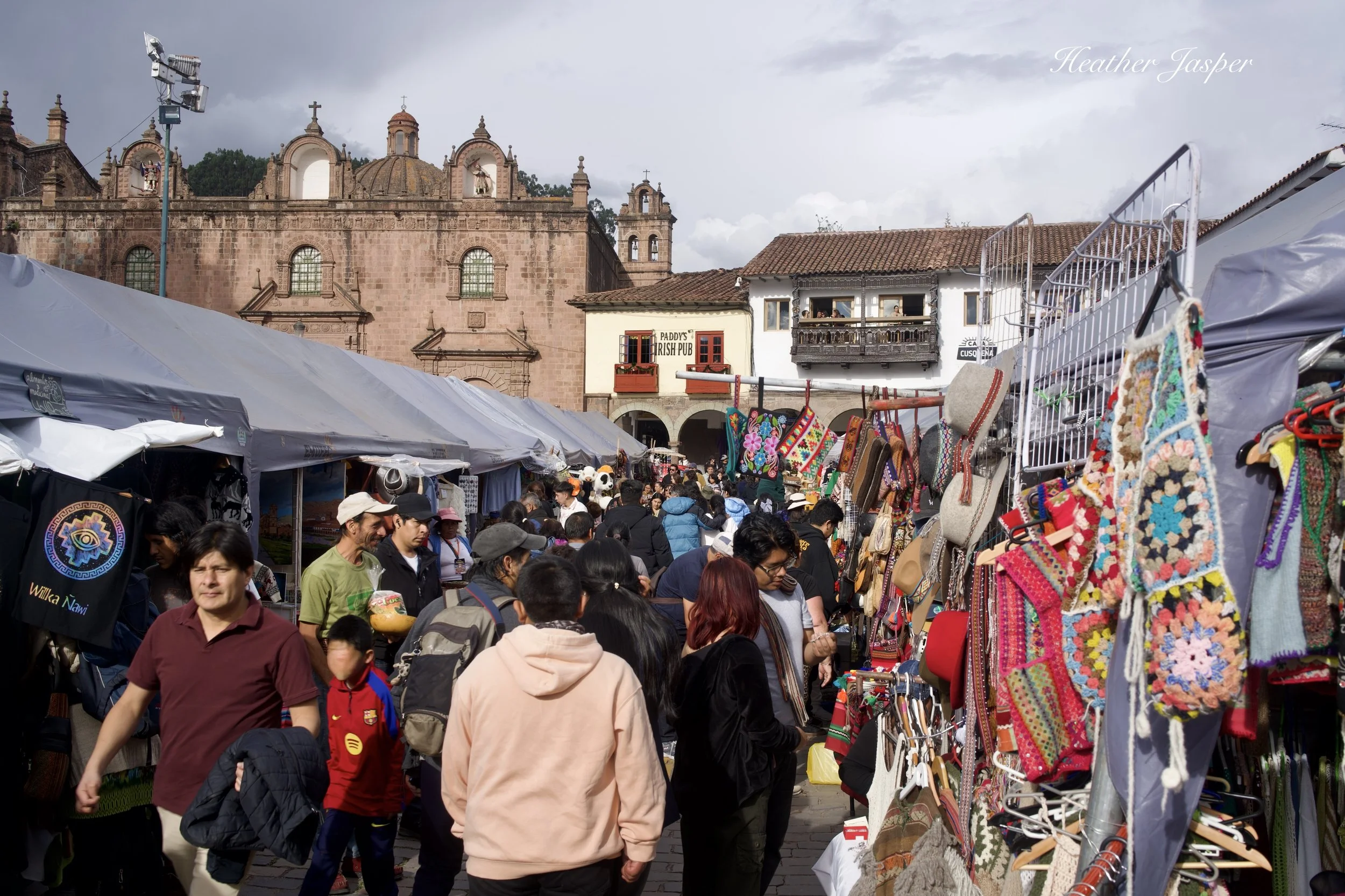
If you don’t feel safe in crowds, plan just half an hour at the market, not a whole afternoon.
4. Try exposure therapy
If you already have a therapist, tell them you what makes you feel unsafe that you want to be able to handle. I’m not a therapist and can’t tell you how to use exposure therapy to feel safer when you travel. Still, if there’s something you want to do but think you’d be too afraid, talk with a therapist about it and see if exposure therapy can get you more comfortable with whatever it is.
5. Jump in the deep end
This is not always a good idea, but sometimes you can just steel yourself and try something that makes you feel unsafe. I’ve been thinking about sky diving since I met a group of Peruvian Air Force Special Forces. I know for a fact I will not feel safe if I ever sky dive, even if I’m with an Air Force officer. And yet, I’m tempted. It’s not something exposure therapy would help. If I decide to go for it, I’ll just have to jump.
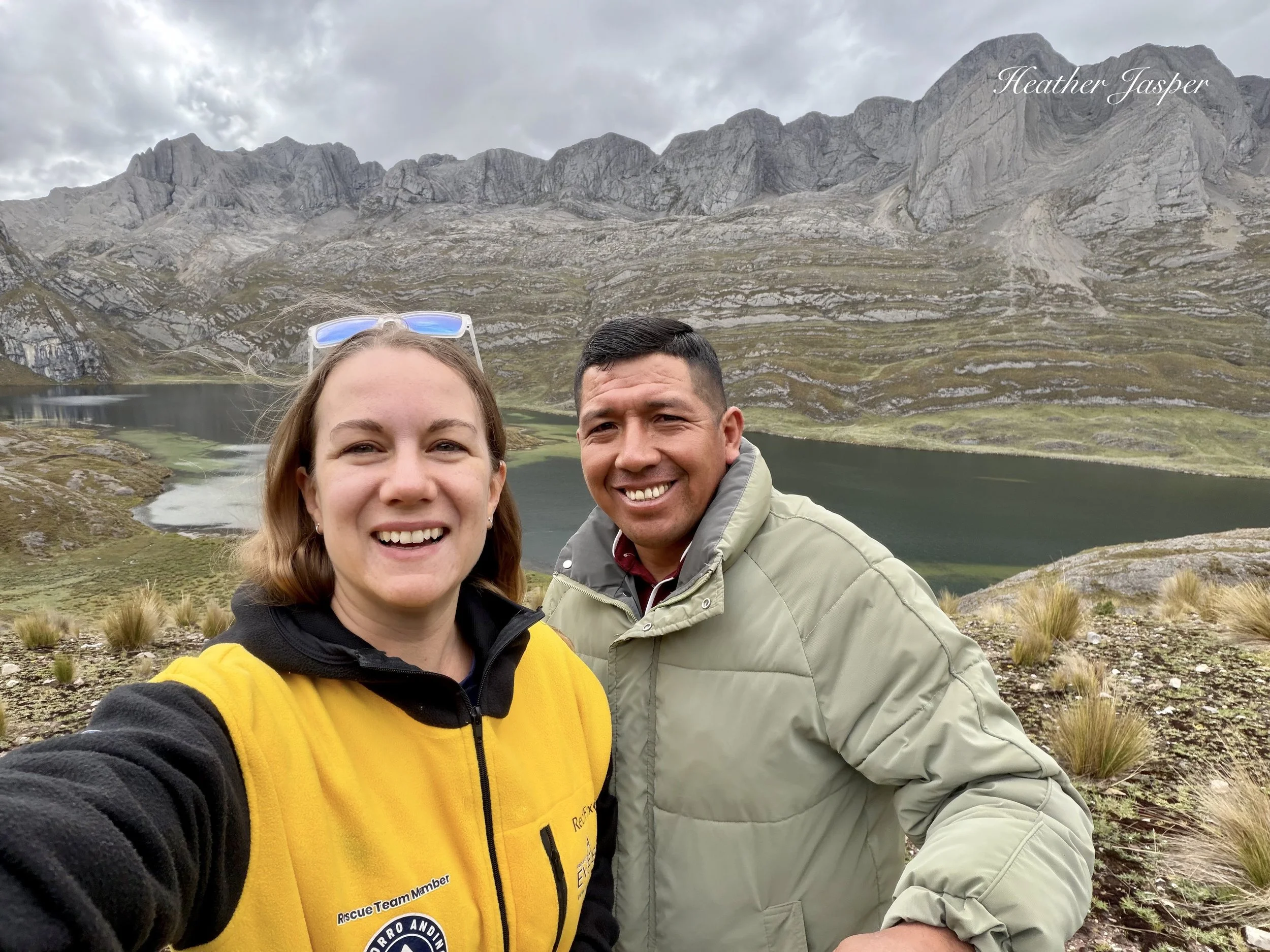
Emiliano stopped the car so I could get a photo of Canrash Lake and was good natured enough to jump in a selfie with me.
Take a deep breath.
On my recent trip from Huaraz to Huánuco I did a big section of dirt road across deserted mountains in the car of a guy I had just met, Emiliano. (The dirt section was about 25 km of our 75km trip Chavín to Huallanca). Being in a car with a strange guy in the mountains is the sort of thing that would have terrified me in my 20s. The past seven years I’ve lived in Peru, I’ve done a lot of things that would have felt unsafe two decades ago. I’ve traveled enough now that often when I’m trying to decide how safe I feel, I just take a deep breath and think about how many times I’ve done something less safe or even objectively stupid. I’m still here typing, so I’ve survived all that stupidity so far.
The more I travel, the more perspective I have about what feels unsafe but probably isn’t.
Driving up and over those mountains was objectively unsafe, because the road was horrible and totally isolated. But that was my plan from the beginning of the trip. The fact that a stranger was driving wasn’t the unsafe part. My goal of traveling by road from Huaraz to Huánuco was unsafe simply because roads here tend to be terrible. Yet in my 20s, I would have focused on the driver as the unsafe factor: being alone in the mountains with a man I just met.
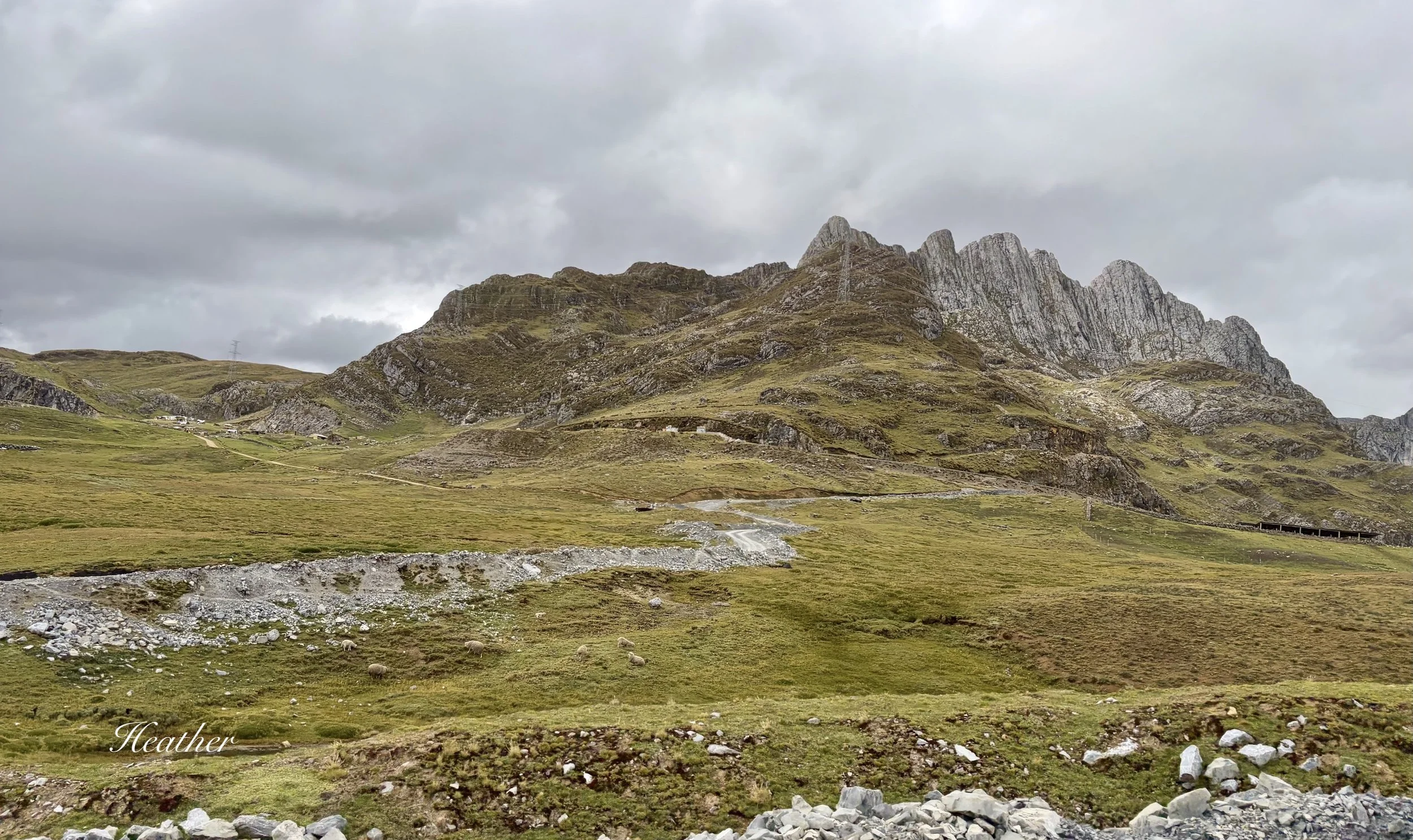
The road from Chavín was beautiful but desolate. If we’d had an accident it could have taken a long time for anybody to come rescue us.
Of all the things I enjoy about being in my 40s, the best part is being less afraid of strangers.
I’ve met enough people in the past 28 years of solo travel that strangers no longer make me feel unsafe. Thousands of people, men and women, have been helpful, kind and generous to me in those 28 years traveling alone. Only one guy in a bar roofied me – and I wasn’t alone that night. From those numbers, I conclude that strangers are usually safe. Emiliano was probably much safer than his car. I didn’t ask the last time he’d had his brakes checked before we headed up into the mountains.
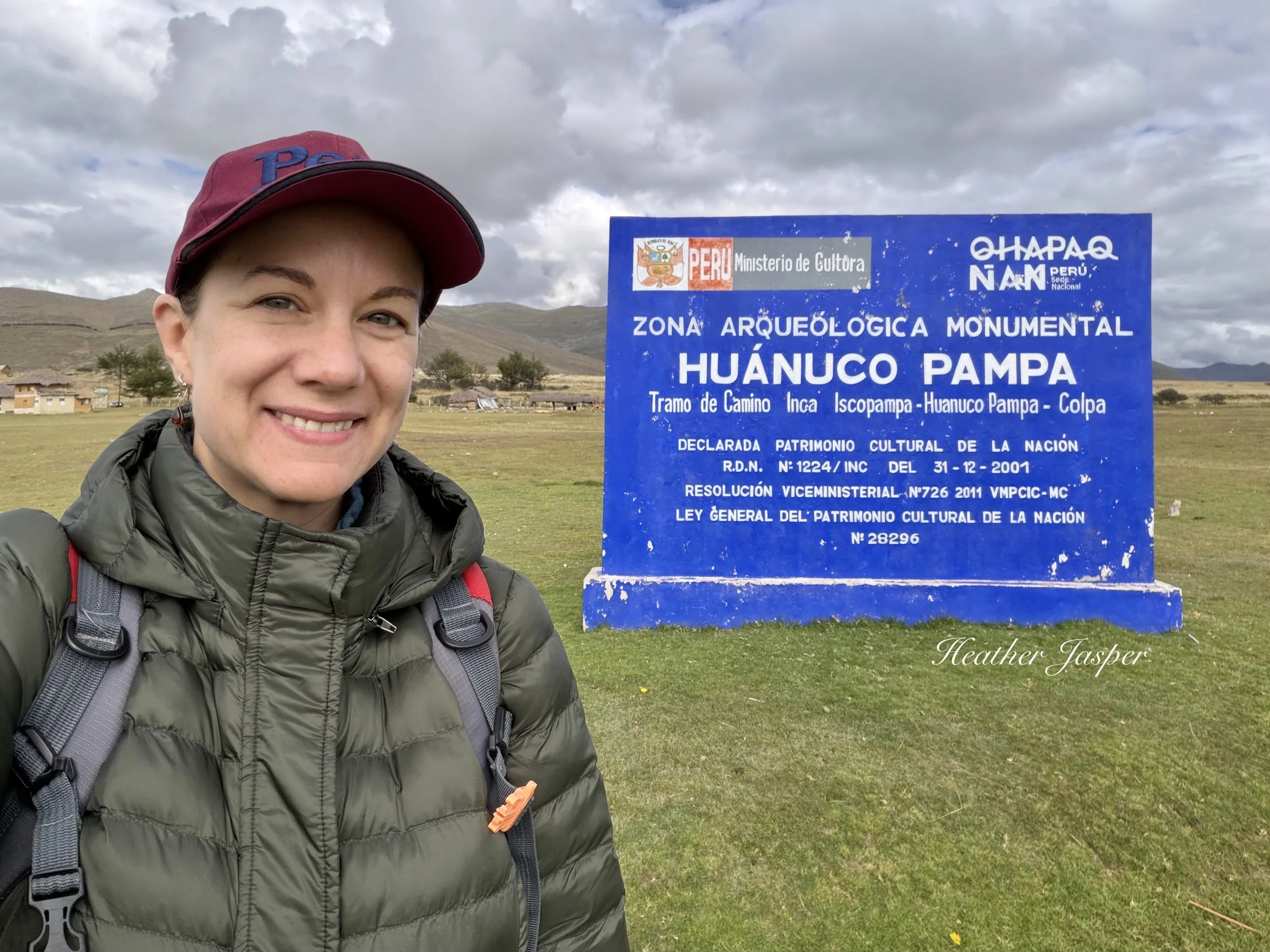
New Blog: Huánuco
Here’s all the things I loved about my trip to Huánuco, plus tips on where to stay and what to eat.