How to Slow Travel
I think of myself as a slow traveler and advocate of slow travel – but what does that mean?
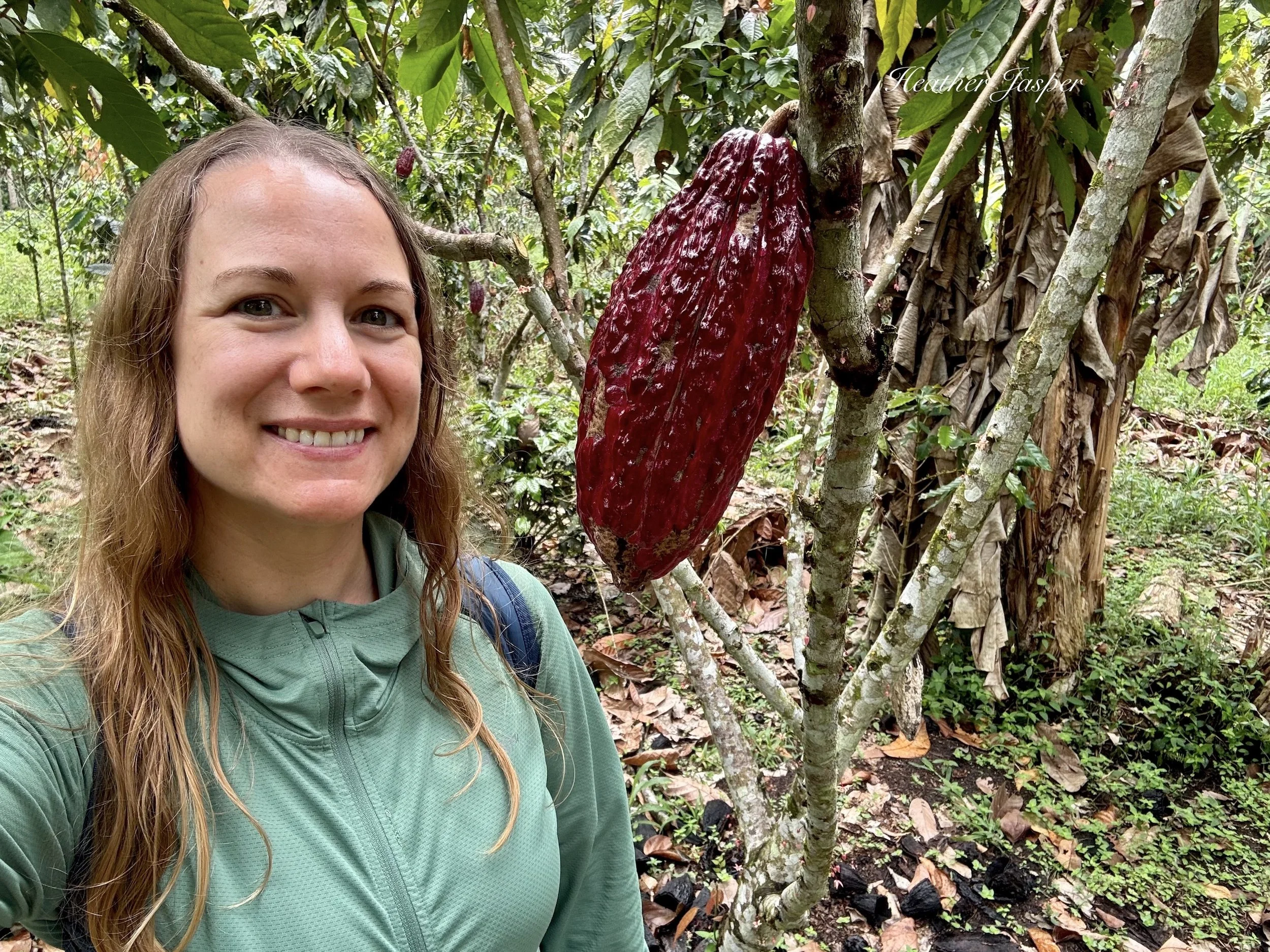
Slow travel gives you the time to indulge your curiosity - like my visit to a cacao farm to see how chocolate is made near Moyobamba, Peru.
What is slow travel?
Think of the difference between fast food and slow food. You can eat potatoes either way. You can eat dried potatoes reconstituted into McDonalds fries and deep fried or you can eat a blended leek and potato soup. The difference is the way you prepare the potatoes and the nutrition you get from them.
The difference between fast travel and slow travel is similar. You can go to the same place either way. The difference is the way you prepare the trip and the experience you get from it.
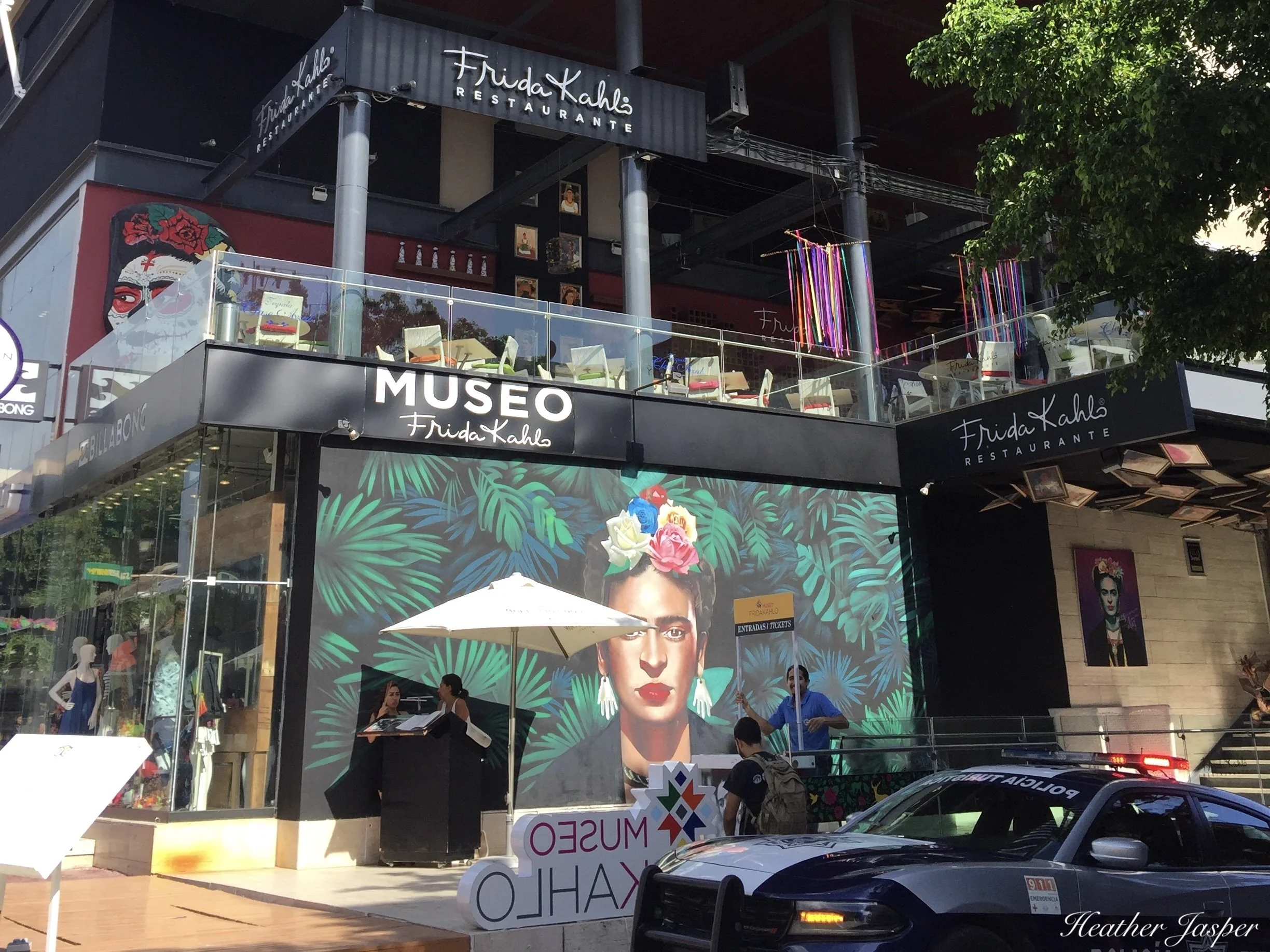
You could spend a week in Playa del Carmen. Or you could go to the Frida museum and leave town, like my mom and I did.
To deep-fry or to sauté on low heat?
With one week in Mexico, you can quickly pick the top tour operator that appears on a search for “tours in Mexico” and you can simply sign up for their most popular 7-day itinerary. Fast. Easy. But the experience? Probably not very satisfying.
Devote more time to preparing the trip, like the time you would take to slowly sauté the leeks to start the soup.
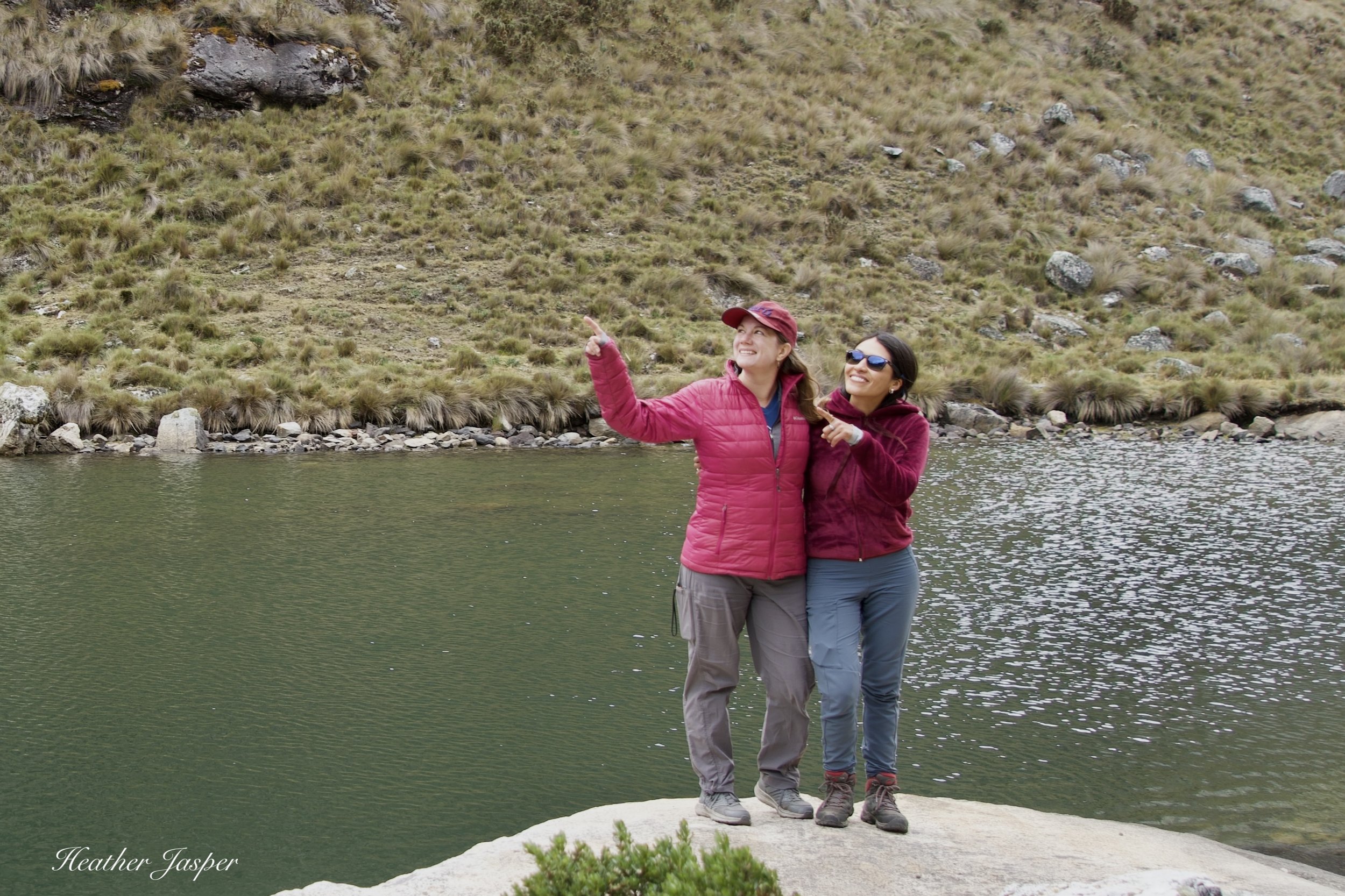
Take the time to find local companies like Explorandes who hire guides like Banesa Arahualpa.
Here’s my top 5 tips for slow travel
1. Who will you entrust with your trip itinerary?
Think about what kind of tour operator you want and pick a couple adjectives to add to the first search: adventure, outdoor, sustainable, city, beach, adults-only, family-friendly, etc. Take the time to dig through the options and pick a couple that look like your ideal tour operator. Contact both and check that what they claim on their website is backed up by your communication with them. Another option is to not do any tours and just do your own thing every day, using public transportation and hiring a local guide when you get there.
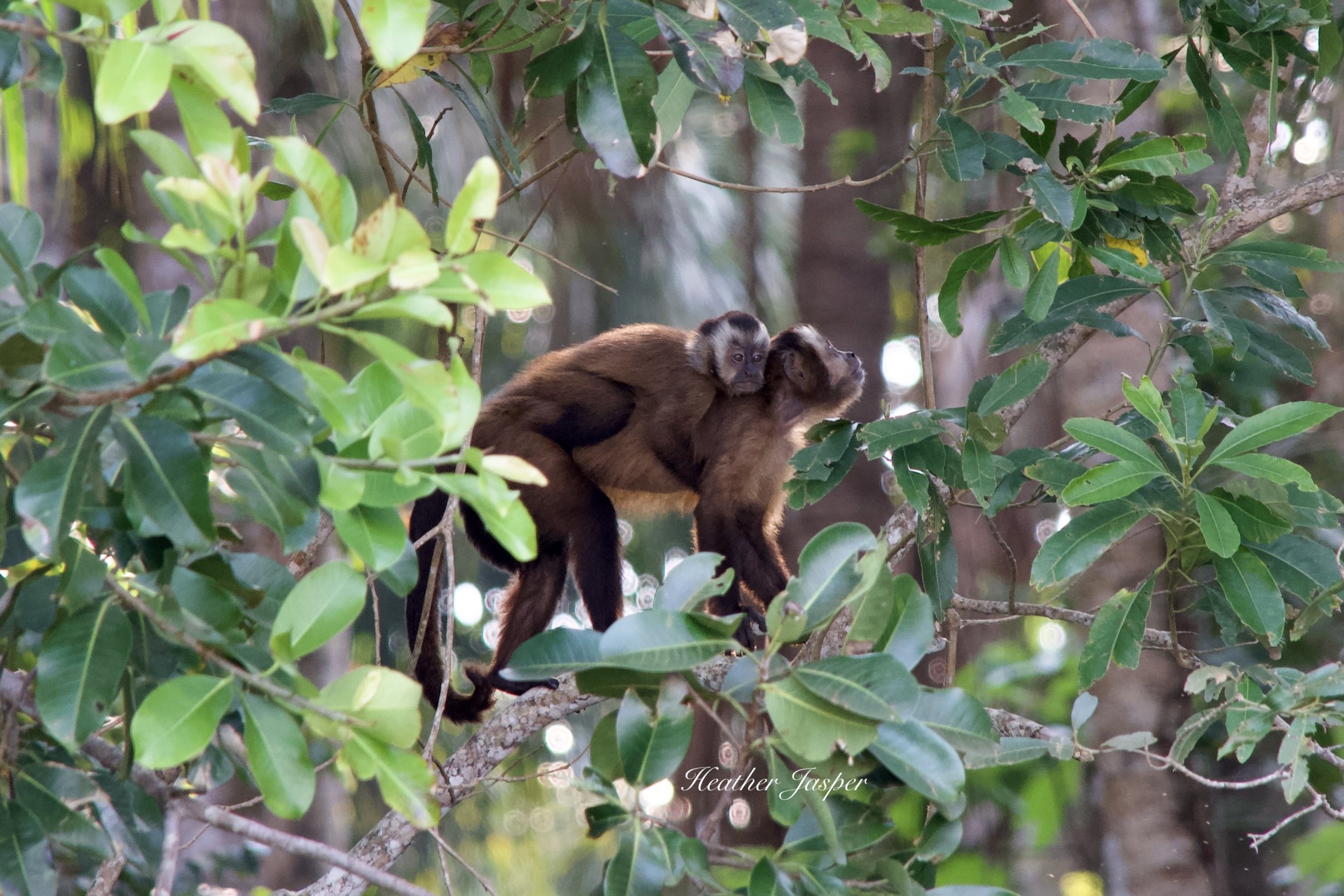
On my first trip to Puerto Maldonado, I did a tour of Lake Sandoval where I saw these capuchin monkeys.
2. What will you do during the trip?
Next, take the time to look through all their tour options. Besides the content of the tours, consider if you want an organized tour every day of your trip. Do you want a day or two at the beginning or end that doesn’t have a structured tour? This is a slow process, but I promise it’s worth it. When I went to Puerto Maldonado in 2022, I left the last day free and while I was there several people told me I had to see Lake Sandoval. If I hadn’t had a free day, and taken the time to ask locals what I was missing, I would have missed that capuchin monkey with a baby, above.
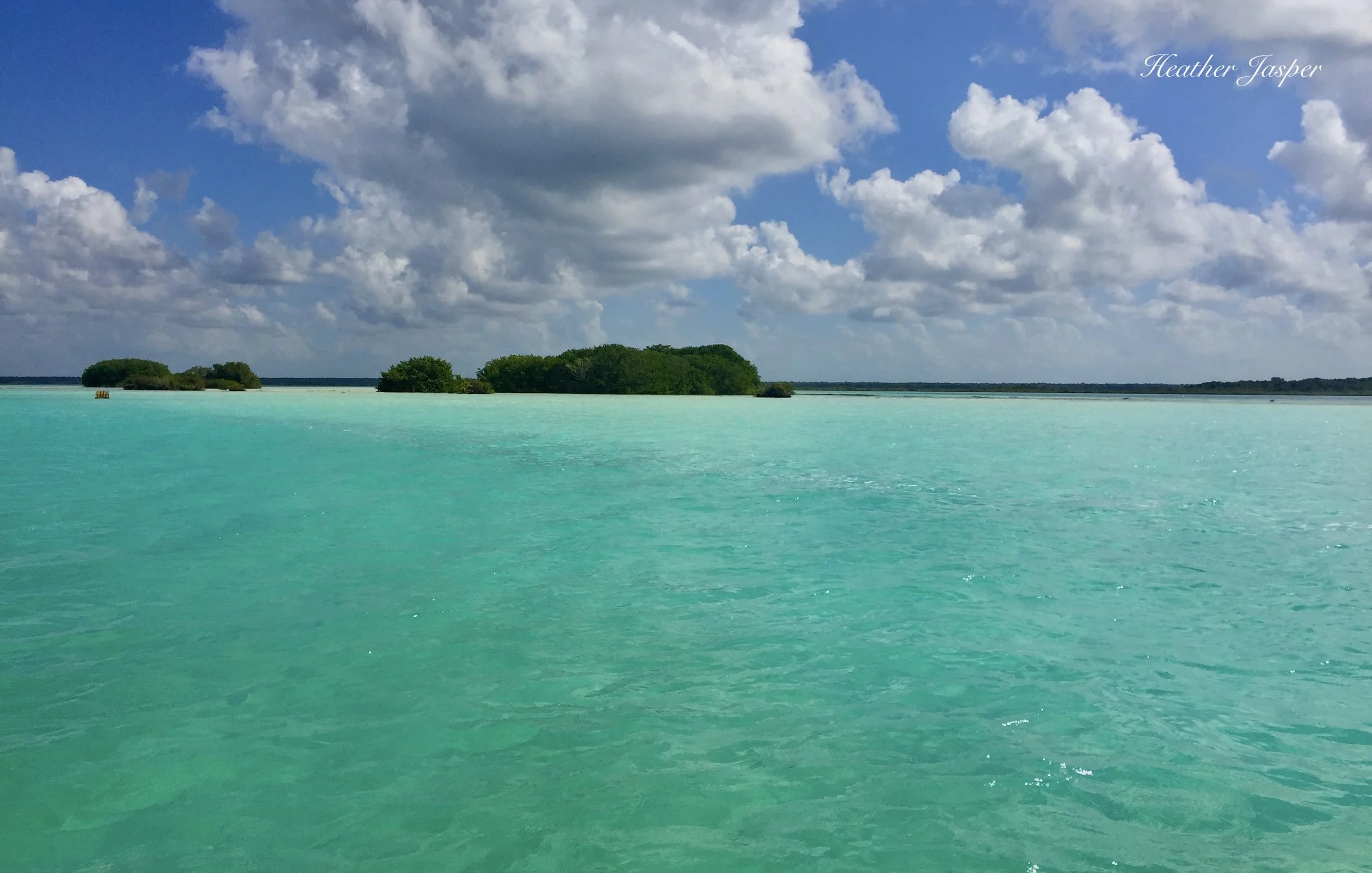
After a couple hours in Playa del Carmen, Mom and I kept driving south until we stumbled upon Bacalar Lagoon, which we loved.
3. What can you add that’s unique?
Look for something special you can do in the destination that’s not the generic ketchup and mayo that people put on fries. Ignore the two things that are the top social media posts about the place. Look for the little sprig of rosemary that you’ll float on the top of the leek and potato soup. You probably won’t find it on social media, but you might find it in a book, a documentary film or a blog written by a local. You might find it on the day you leave yourself free time to wander without a plan or to take the recommendation of a local.
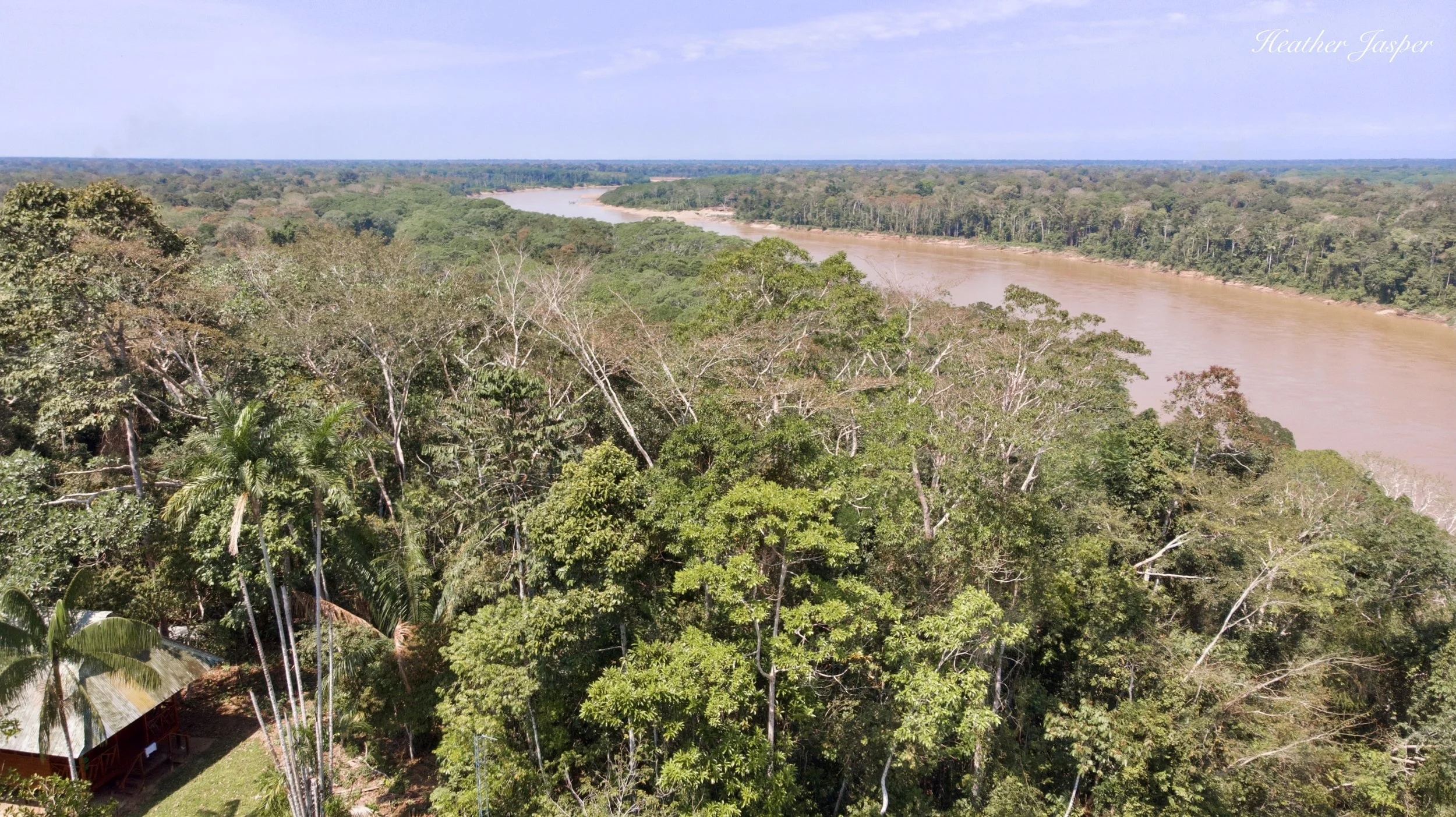
If you want somewhere even more unique than a local guesthouse, stay at a scientific research center like Los Amigos, one of three Conservación Amazonica research station in Peru, which protects 360,775 acres of rainforest.
4. Where will you stay?
There’s plenty of international hotel chains that have somewhere standardized for you to stay. McDonald’s fries are standardized too. Take the time to research neighborhoods of the city you’re visiting or small towns nearby. Look for locally owned guesthouses and family-run hotels. The flavor will be so much better – I promise!
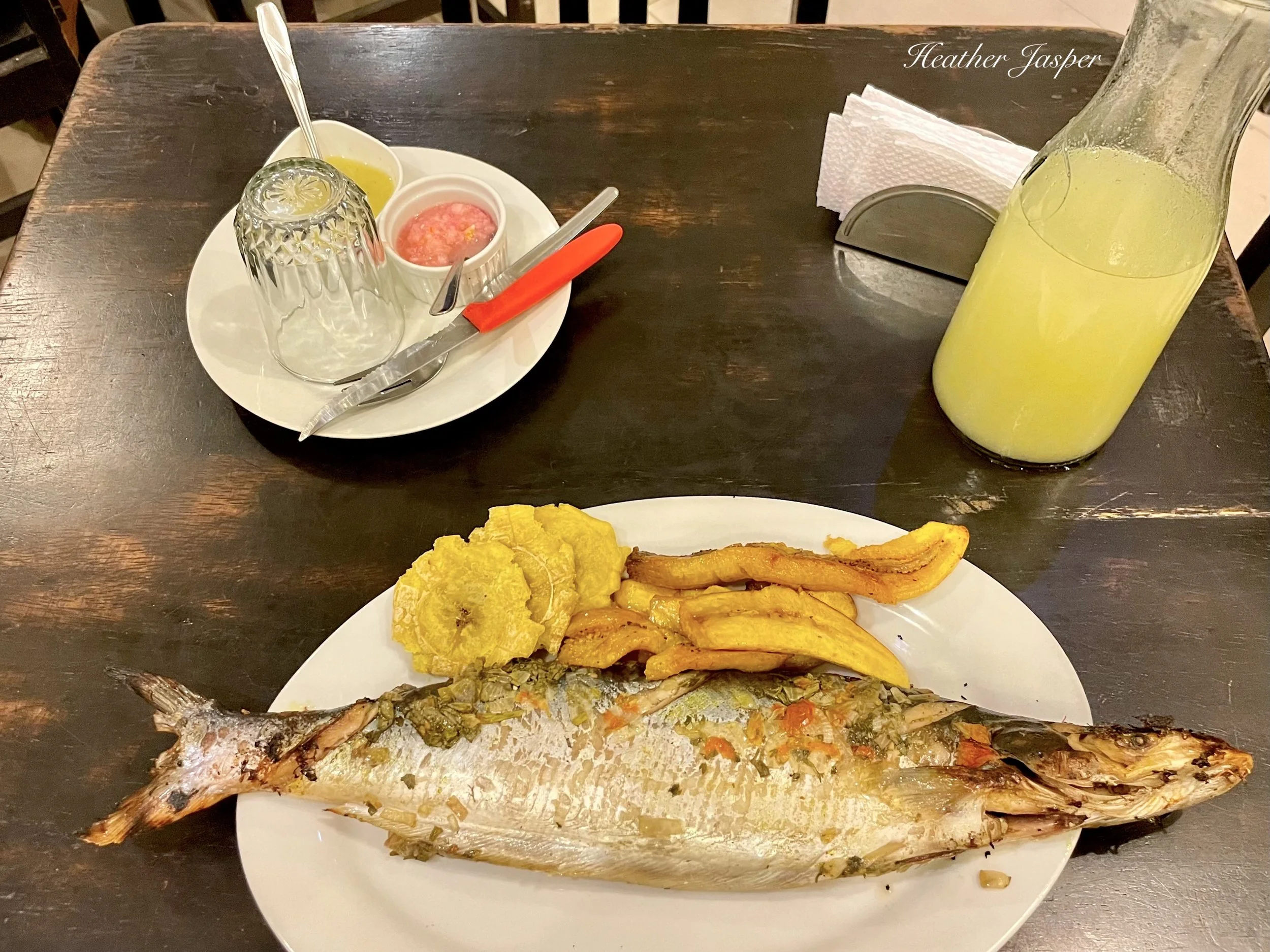
In Iquitos, somebody recommended that I order patarashka. I knew it would be fish, but I didn’t know it would be a whole fish.
5. What will you eat?
There are more locally owned restaurants than hotels around the world, so this is usually the easiest step. Look for food blogs about the destination to see what local cuisine is like and when you’re there, take the time to ask locals for recommendations of their favorite places to eat. Please don’t eat generic fast food that’s identical to what you can get at home. You can learn so much about a culture through their food. It’s always worth it.
That’s slow travel in five easy steps!
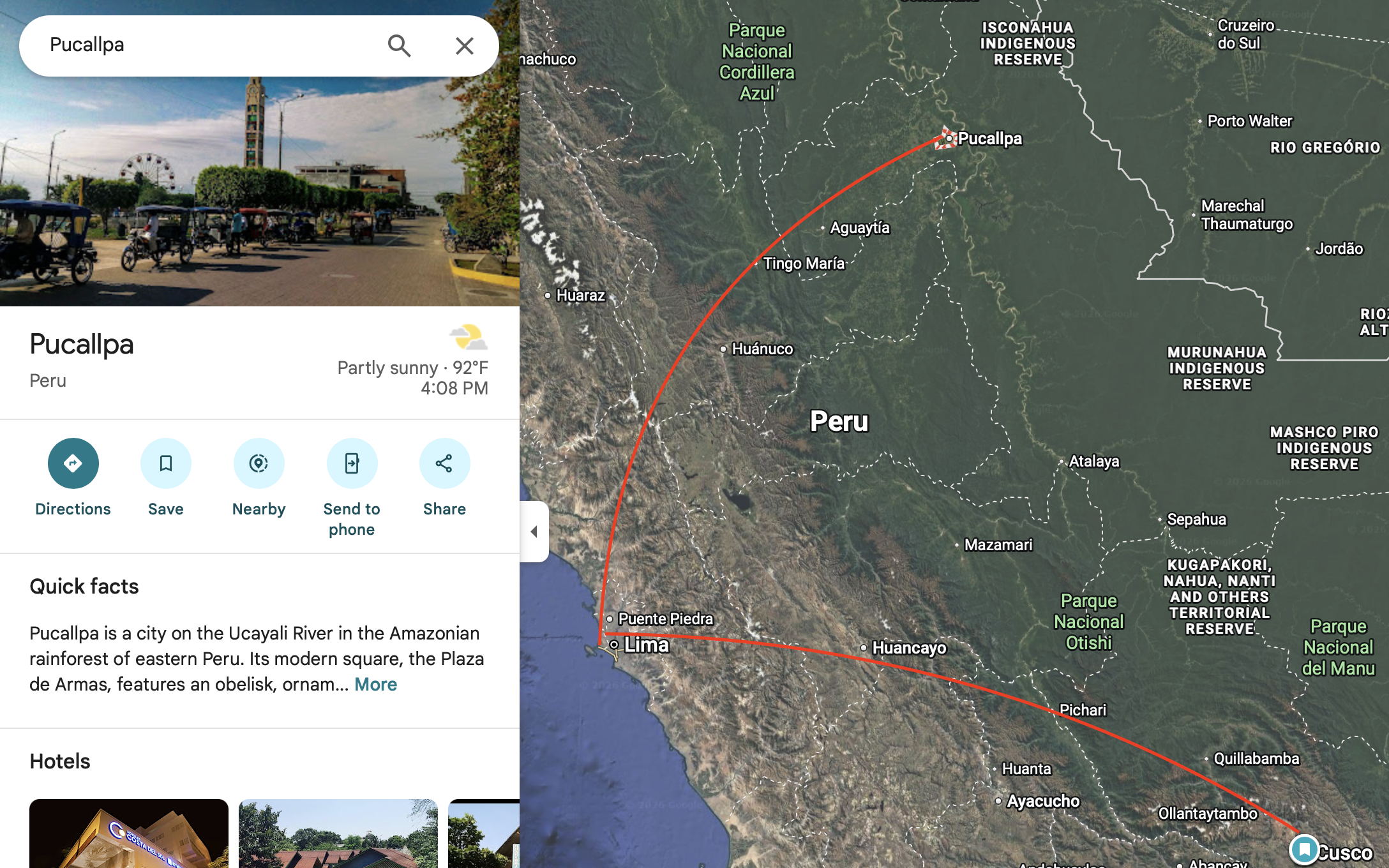
Pucallpa is my first trip into the jungle this year and to get there I first have to fly to Lima.
Case in point: My next trip is Pucallpa
Next week I’m going to Pucallpa, a place most people visit for two days. I’ll be there seven days and six nights. Why? Well, I’m hoping I’ll find enough to do that I can recommend people stay longer.
Here’s how I’m following my five pieces of advice above.
First, I’m entrusting my itinerary to myself and to the Peruvian tourism board, which has an office in Pucallpa. I’ve been sending them questions about what to do by email: iperupucallpa@promperu.gob.pe. Second, I’m going to focus this trip on art and food, visiting artisan workshops and markets and searching for the best ice cream in town. I asked the tourism board for help, and they sent me the names and numbers of people I can contact who are experts in local art.
Third, I’m leaving the last two days of my itinerary empty so I can add something that’s recommended by locals while I’m there. Fourth, I’m staying in two locally owned hotels, though one is also part of a big chain. Fifth, besides my hunt for the best local ice cream maker, I’m going to search the markets for any fruit I haven’t seen elsewhere in Peru. Plus, any trip into the jungle is always an opportunity to find locally grown coffee and cacao/chocolate.
Watch for a Pucallpa post on my Peru blog sometime next week!
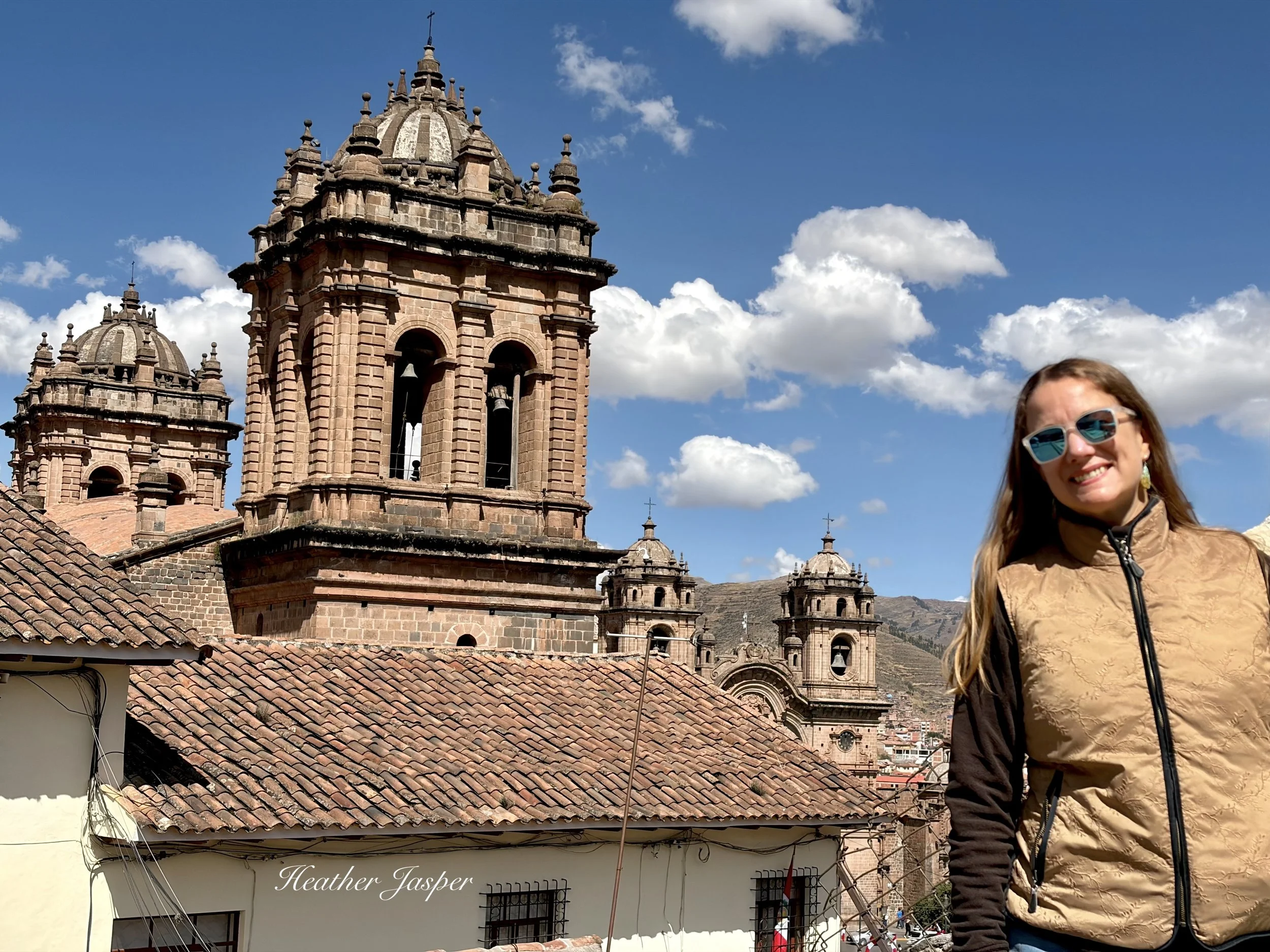
The blog below tells you where this is and where else I loved taking photos in Cusco.
New blog post: The Complete Guide to Cusco, Peru
After living in Cusco and writing about the city since 2019, I finally compiled all my travel tips in once place for you! Where to go, what to do, where to stay, where to eat and how to deal with the crazy high altitude!