How to hire porters
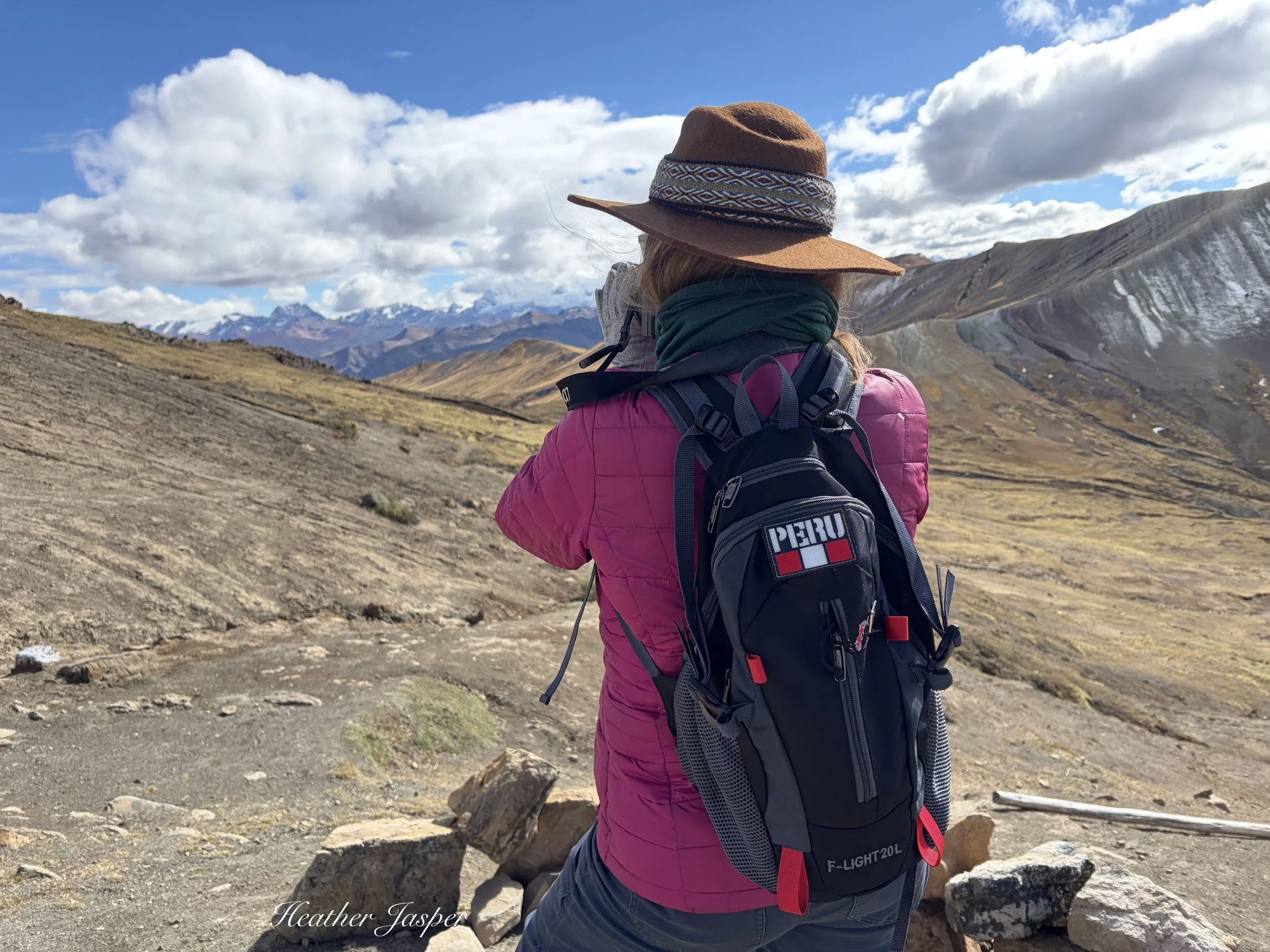
For clients (tourists) to carry packs like this on multi-day treks, porters are carrying much, much more.
This is not what I wanted to write about this week.
But Gabriel Ríos Mamani surely didn’t want to die this week either. He was a porter on the Inca Trail for Alpaca Expeditions who was abandoned in a snowstorm and died of hypothermia on August 17. His death is restarting a conversation in Cusco about how porters are treated, but he’s not the first to die and it’s too soon to know if his death will actually change anything here.
When governments don’t protect workers, it’s up to travelers to ensure that their vacation doesn’t hurt – or kill – the people who make that vacation possible.
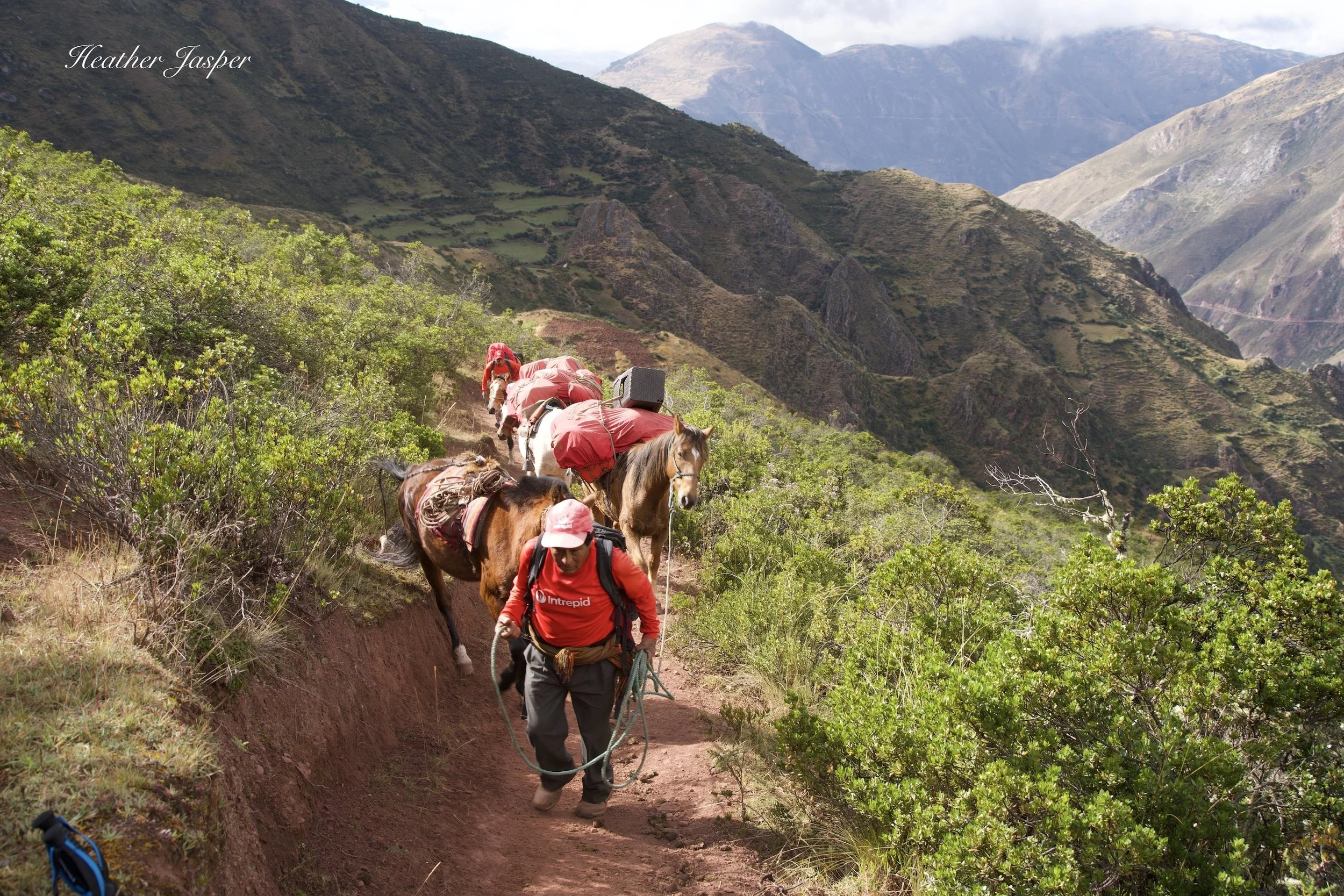
You don’t have to hire porters. Many treks have packhorses, like this trail on the Quarry Trek.
People who write about travel, like me, must write more about porters.
In Peru, the only trail with porters is the Inca Trail, because sections are original stone from over 500 years ago and horses would destroy it in a day. In Tanzania, the only trail with porters is Kilimanjaro. In the Himalayas, there are countless trails with porters in Nepal, Pakistan, India, China and Bhutan. Every one of these countries has problems with porters being treated unfairly.
People die on Everest all the time.
I hear this argument a lot: yes, porters die but so do their clients.
These two groups are not equal. Clients, i.e. climbers and tourists, choose to go on vacation to these places and choose to hike dangerous trails. Porters usually don’t have other work options because their government doesn’t provide adequate education that would give them other employment opportunities. The relationship between employer and employee is not equal. Climbers choose to put themselves at risk. Porters have to put themselves at risk to make a living and they should be fairly compensated for that risk.
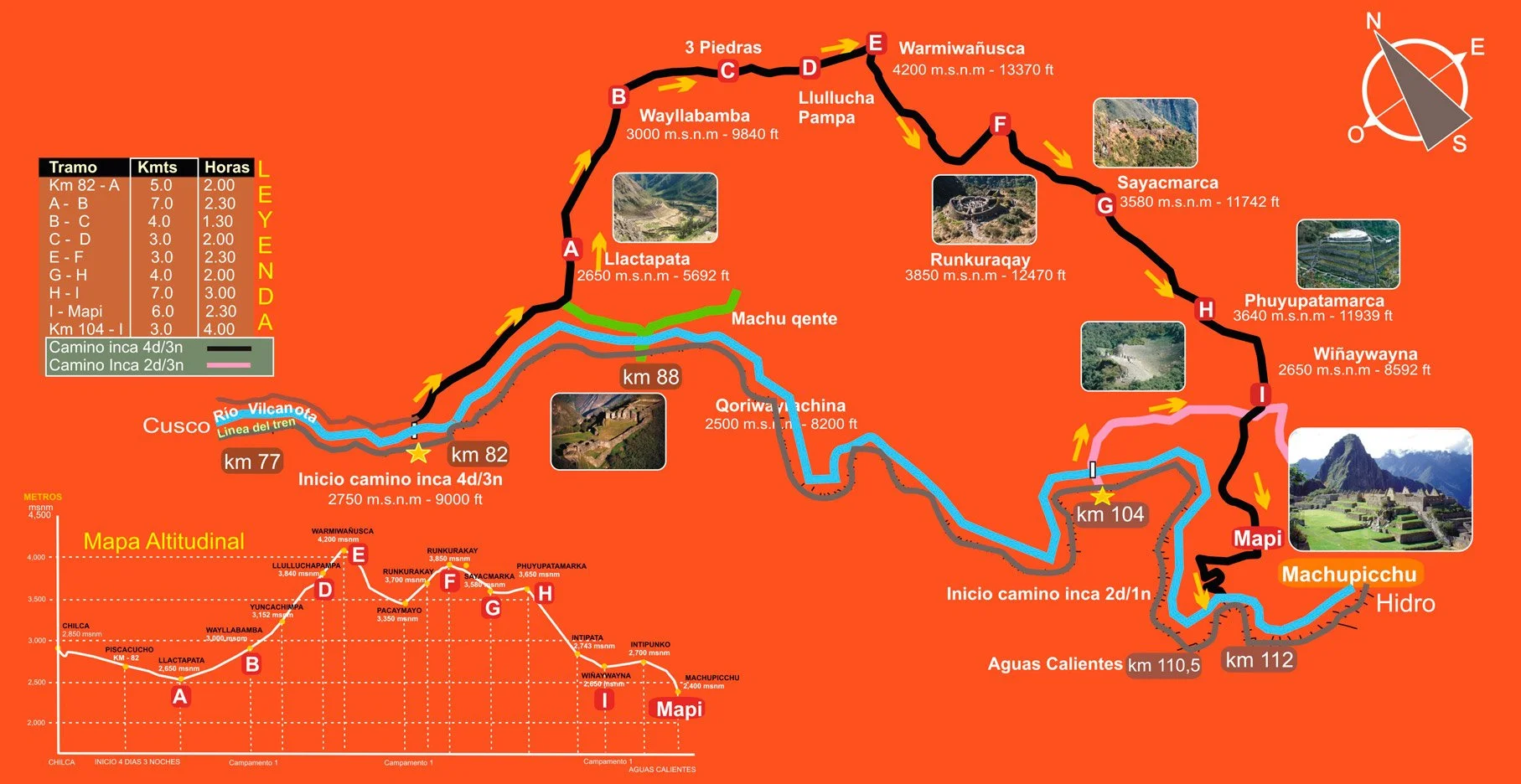
The Inca Trail starts at km82 and goes to Machu Picchu. You can still get to Machu Picchu walking by doing the pink trail that starts at km104 and does not require porters because you sleep in a hotel.
This is a global problem, but my examples are local.
Porters on the Inca Trail are given up to twice the legal limit (20 kilos) to carry, putting them at risk of injury. They do not have dry, warm places to sleep at night so are often carrying 40 kilos for several days with little to no sleep. They are not given adequate food to eat or clean water to drink. They do not have adequate clothes or shoes that fit.
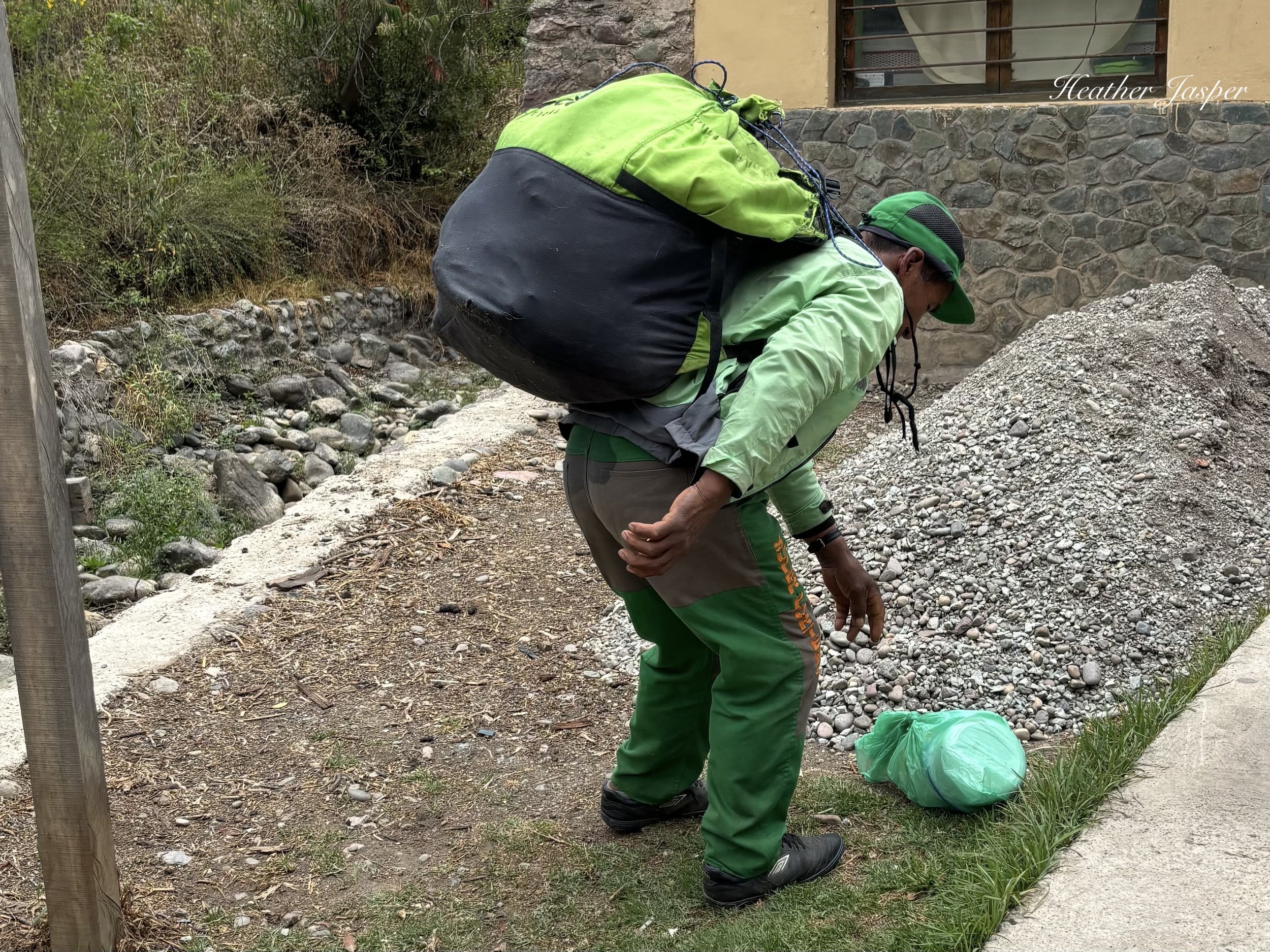
I often see Alpaca Expeditions like this one in Ollantaytambo, after they get off the Inca Trail. Note that the backpack has no waist strap to put weight on the hips. It’s round so it jostles side to side, causing back injuries.
Why did Gabriel Ríos Mamani die?
Gabriel worked for Alpaca Expeditions, which overloads their porters more and pays less than any other company in Peru – according to every interview I’ve done with porters and guides over the past five years. What I know of Alpaca Expeditions leads me to assume that: He was carrying about 40 kilos, he did not have adequate shoes, he did not have warm clothes, he had not eaten much that day or the previous day, he was dehydrated, he did not sleep the night before, he did not have any training for how to survive in a snowstorm or other extreme weather event and all of his colleagues were in exactly the same situation.
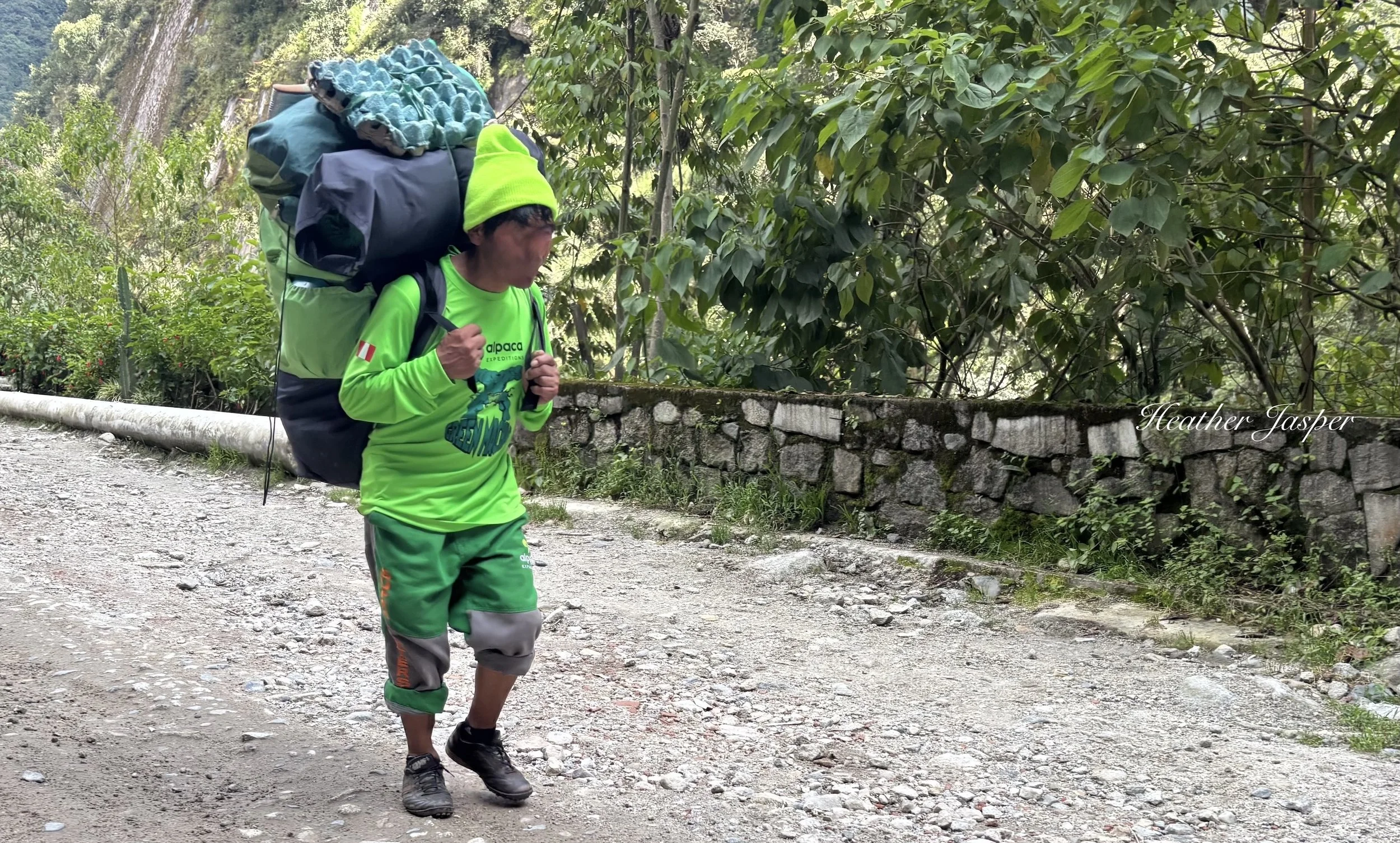
This porter in Aguas Calientes is coming off the Inca Trail, so this is his 4th day with that pack and no waist band.
Gabriel died just before Dead Woman’s Pass, which is at 4,215m/13,828ft above sea level. The last videos of him show him sitting on the trail wearing a green Alpaca Expeditions hat, wrapped in a sheet of plastic as if it were a blanket. The hat is a ball cap for sun, not a warm hat. It appears he does not have a warm coat. People reported he was drunk but I think it’s worth noting that the symptoms of hypothermia are very similar to being drunk: difficulty speaking and walking. People with hypothermia often slur their words and are clumsy.
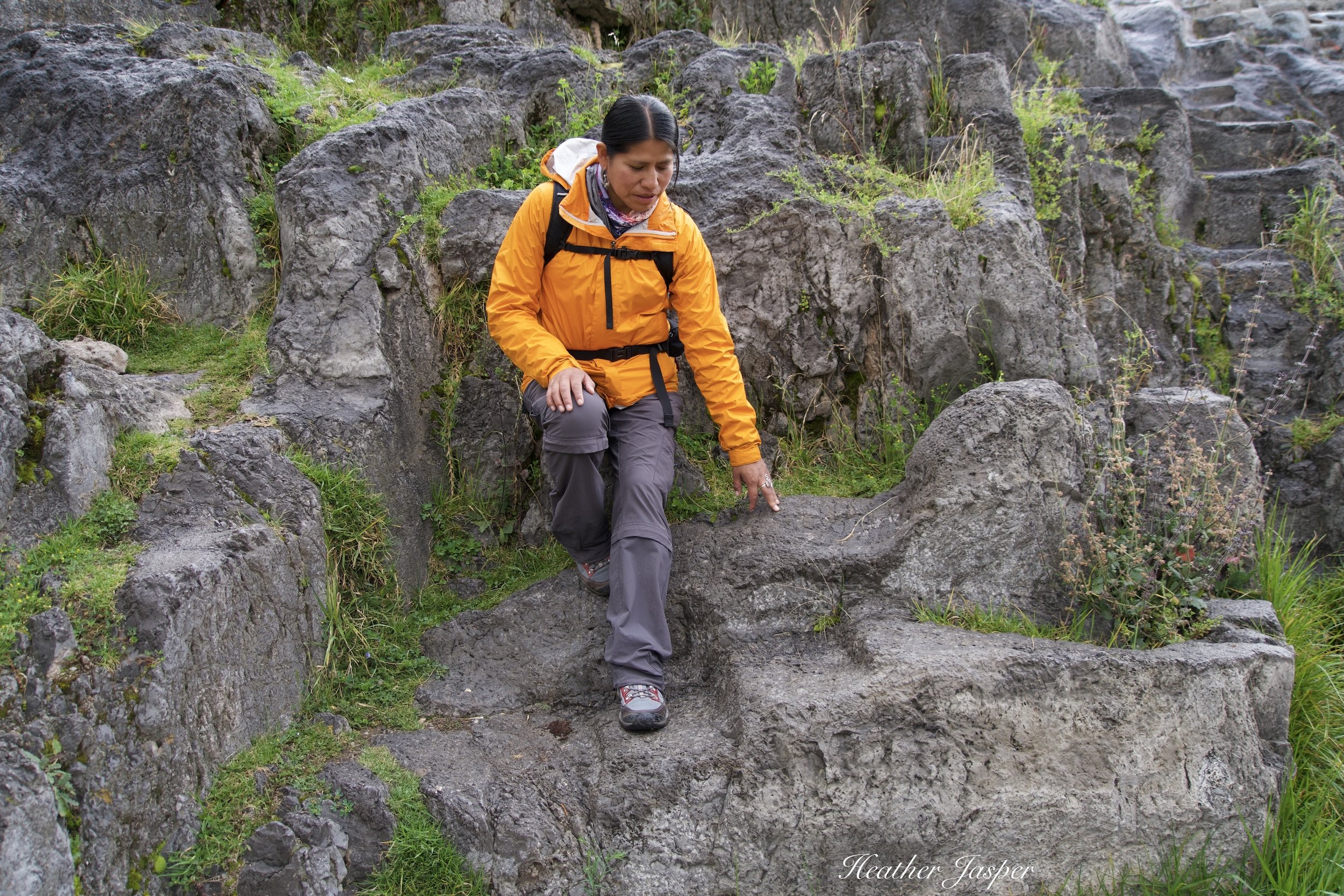
Liz Montesinos is one of the guides who has told me how Inca Trail porters are treated - and how that treatment hasn’t improved in the 10+ years that she’s worked on the Inca Trail.
How did this happen?
In Peru, the porters hired on the Inca Trail have some legal protections, but those laws are not enforced because of corruption and chaos in the government. (In the past ten years, Peru has had ten presidents). I know companies in Cusco who use those laws to manipulate their clients, proudly telling international travelers that Peru has laws to protect porters – without mentioning that the company doesn’t follow those laws.
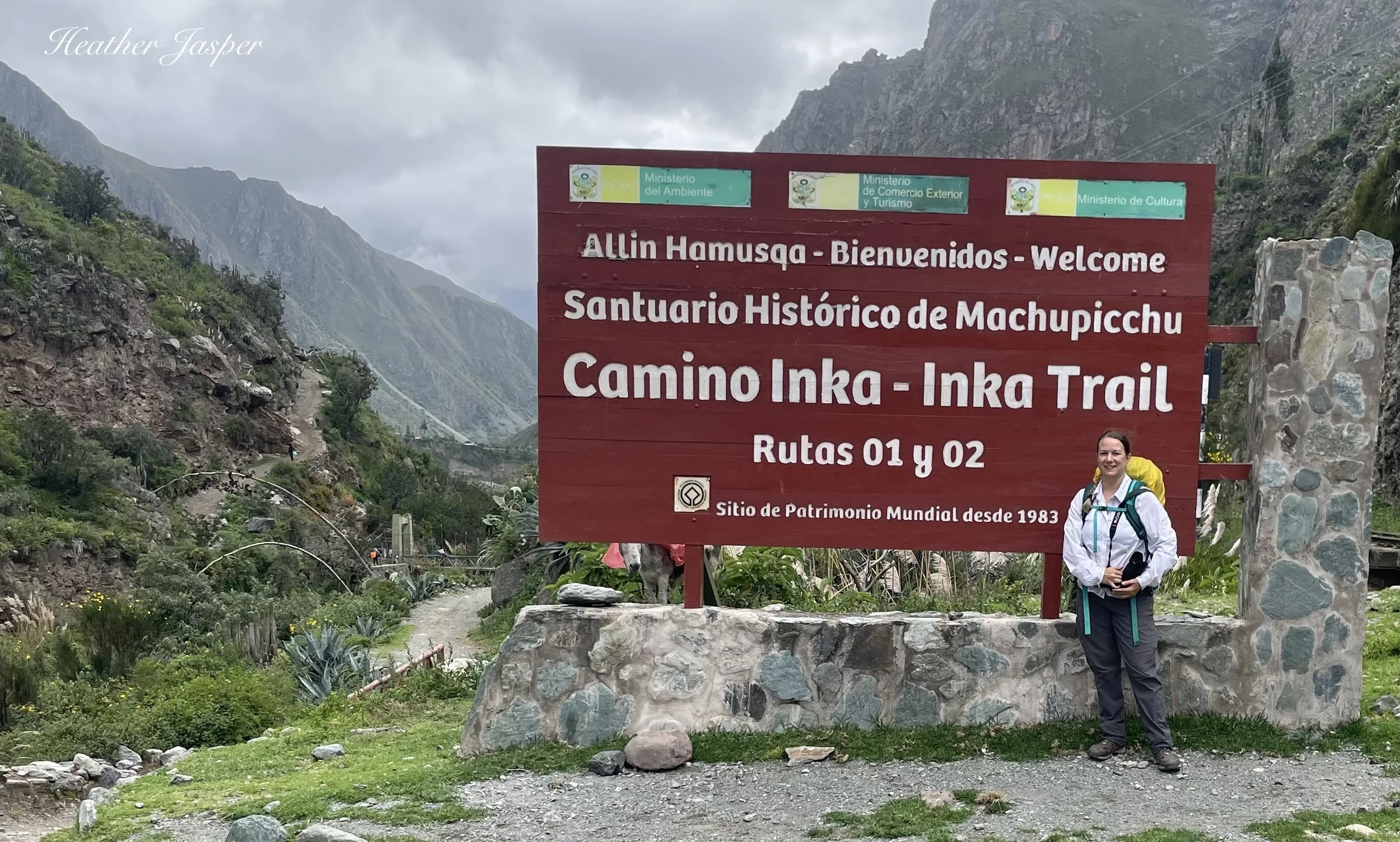
I hiked the Inca Trail in 2017 and 2019 before I understood just how problematic it is. Lots of people fall into the same trap, which is why I feel obligated to write about it.
I have grown to hate the Inca Trail.
I hiked the Inca Trail in 2017 and 2019, before I knew how it facilitates abuse of porters. Since then, I have written so much about how porters are treated unethically on the Inca Trail that I’m sick of it. I don’t want to write more about the Inca Trail. I wish they would just close the whole thing down for good and I wouldn’t have to write about it anymore.
Unfortunately, the trail is still open and with Gabriel’s death this week, I have to write about it again.
Thousands of people around the world hire porters without understanding how to do it ethically. Even if you never hire porters, this advice applies to paying workers (guides, drivers, hotel staff, etc) around the world.
Here’s what you need to know about hiring porters.
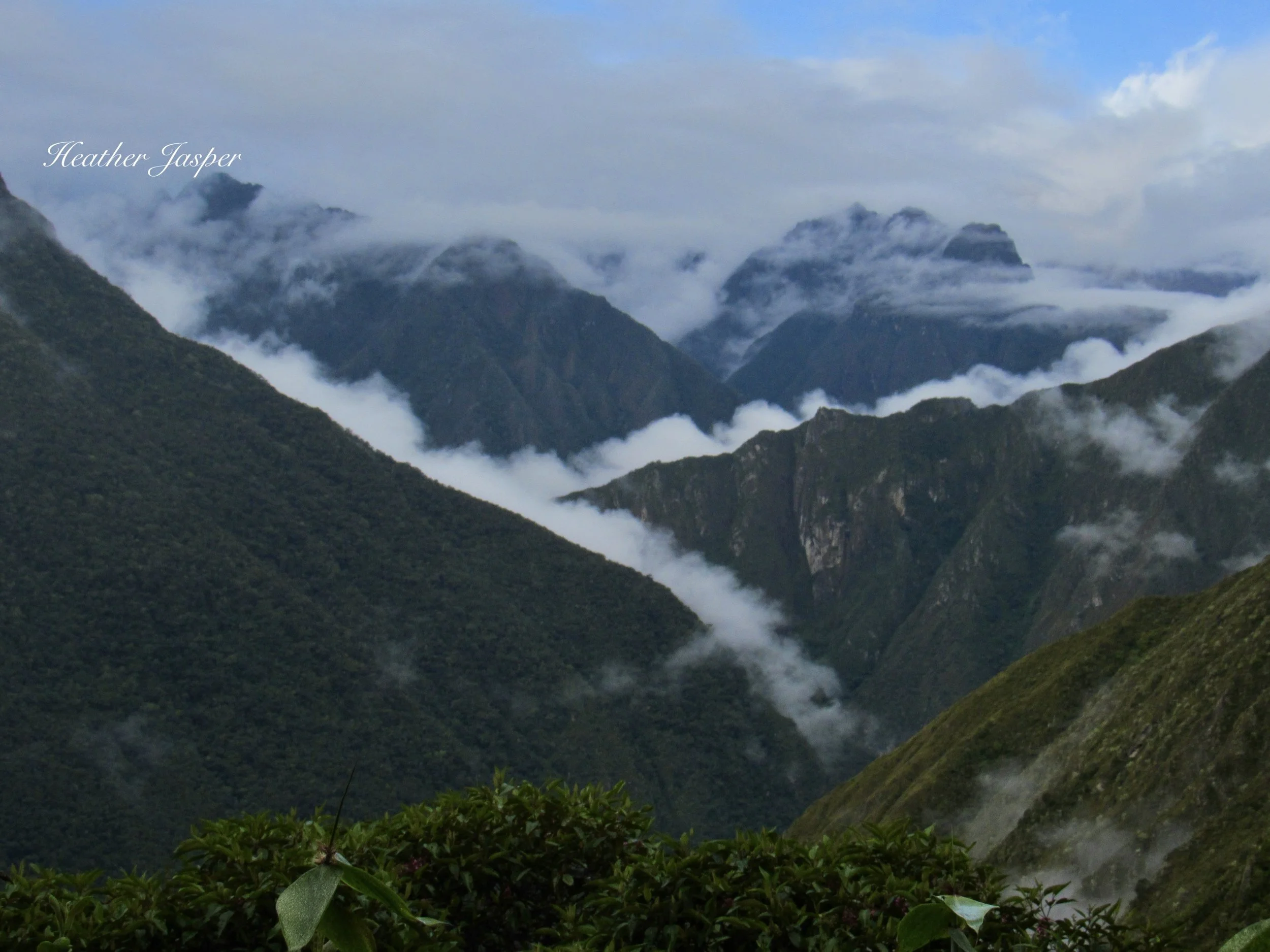
The high altitude and rugged mountains of the Inca Trail makes it difficult for both trekkers and porters.
Where do people hire porters?
The Inca Trail, the Himalayas, Kilimanjaro – most international travelers can’t do these trails without porters. Every year a few people hike the Inca Trail, climb Himalayan peaks and summit Kilimanjaro without porters, but the vast majority of international travelers hire porters.
Why hire porters?
The main reason people hire porters is because they don’t spend enough time at altitude to acclimatize enough to carry their own gear. Many travelers are physically able to carry weight at sea level, or wherever they live, but can’t do it at the altitudes they face in the Andes, the Himalayas or at the top of Kilimanjaro.
What do porters do?
The main job of a porter is to carry climbing and camping gear. Many porters also ensure their international clients are healthy, hydrated, and fed, even when they lose their appetite because of the altitude. In many places, like the Inca Trail, porters also set up tents and cook for their clients.
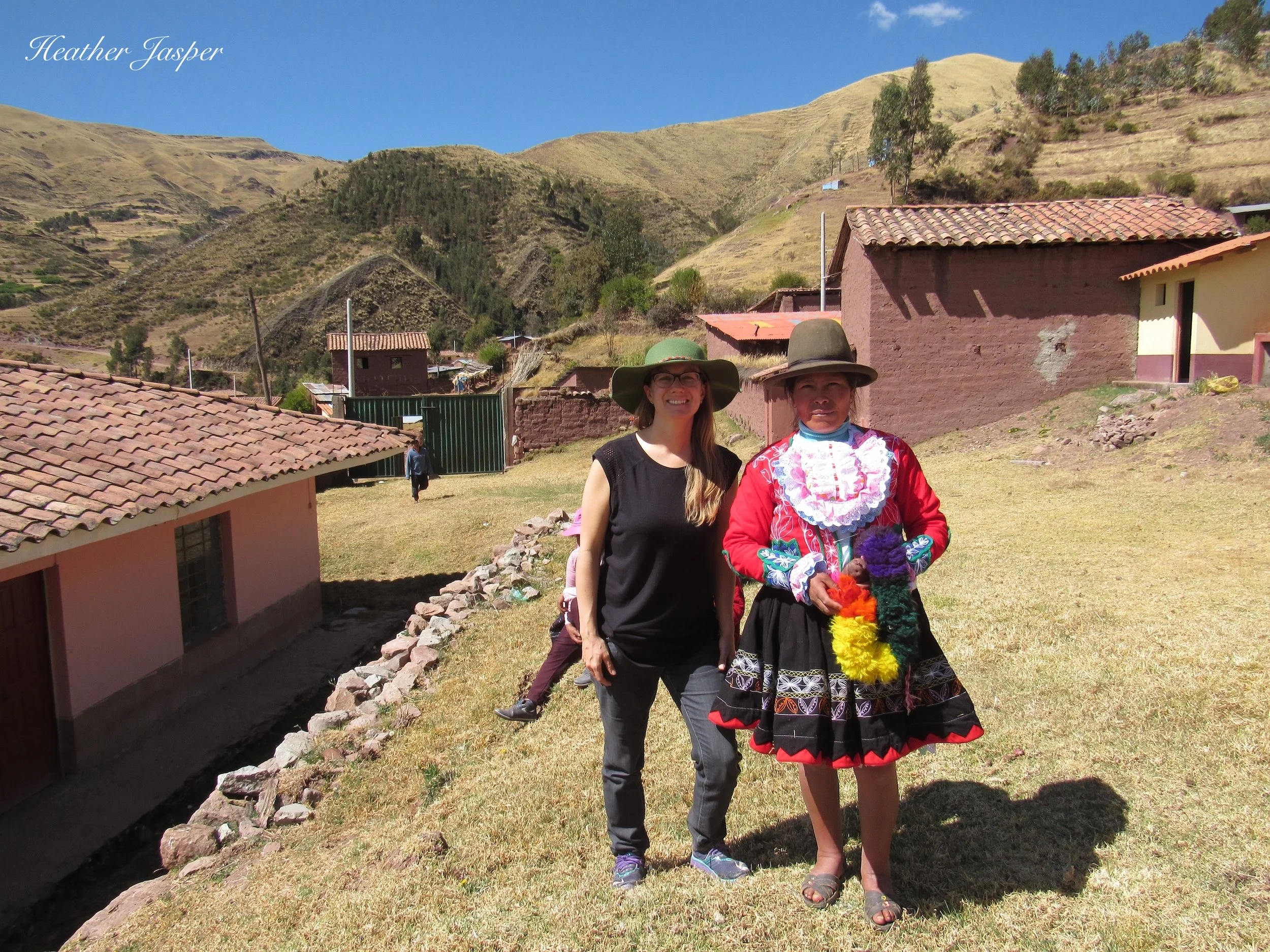
Many rural villages in Peru, like Picol, do not have adequate education or employment opportunities.
Who works as a porter?
In the Himalaya, porters are called Sherpas because some people who work as porters are ethnically Sherpa. Sherpa is a culture and an ethnicity, not a job. Not all porters in the Himalaya are Sherpas and not all Sherpas are porters, but the name has stuck. In Peru, most porters are ethnically Quechua, from isolated mountain villages where people speak Quechua as a first language and learn Spanish in school or on the job as adults. For centuries, this has been mostly a man’s job, but in Peru, Nepal, and Kenya every year more women work as porters.
Why do people work as porters?
Like any job, people do it for the money. Some porters genuinely love hiking in the mountains and don’t mind carrying heavy gear, as long as they’re treated fairly. Some can’t find other work because they didn’t have access to education as children and therefore don’t have other opportunities for work as adults.
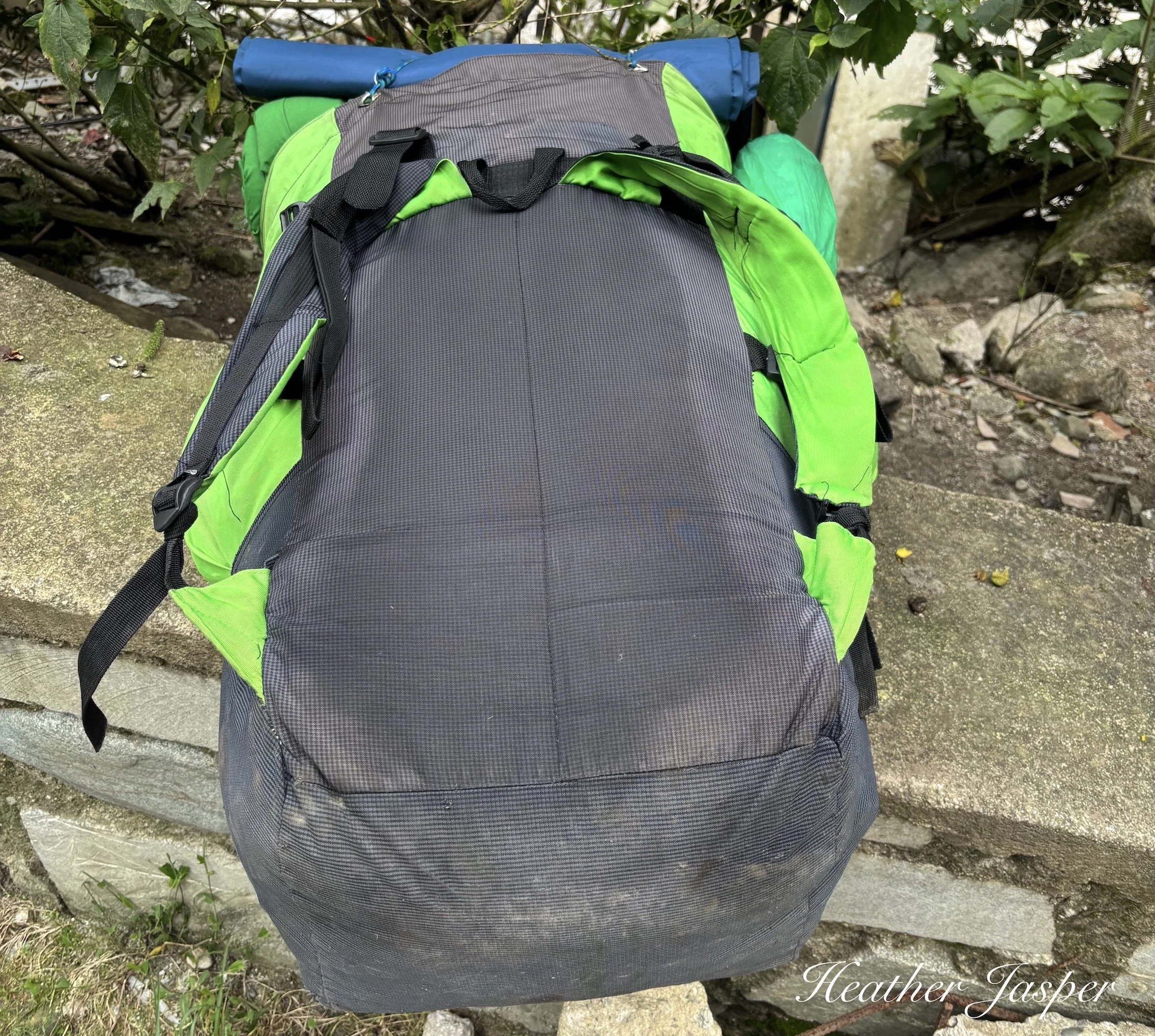
I saw this Alpaca Expeditions backpack abandoned in Aguas Calientes. Imagine wearing this for 4 days and carrying 40 kilos in it.
What risks do porters face?
Carrying heavy loads on rough trails puts porters at high risk for ankle, knee and back injuries. Most do not have modern backpacks with waist belts and so they carry the weight on their shoulders, not on their hips, giving them frequent shoulder injuries. They are often hurrying up trails to arrive before the clients so the tents will be set up and food ready, putting them at further risk of injury. They often do not have adequate places to sleep or adequate food, meaning that they’re doing all this while exhausted and hungry.
How to hire porters ethically?
First, research the laws of the country, usually Peru, Nepal, and Kenya. You need to know what the weight limit is and not overburden your porters. You also need to know what the minimum wage is. While employers for most jobs pay above the minimum wage, for porters it’s common for companies to pay only the minimum but then expect clients to tip them at the end of the trek or expedition.
If you’re paying a company that is hiring porters for you, it’s your responsibility to ask questions about these issues.
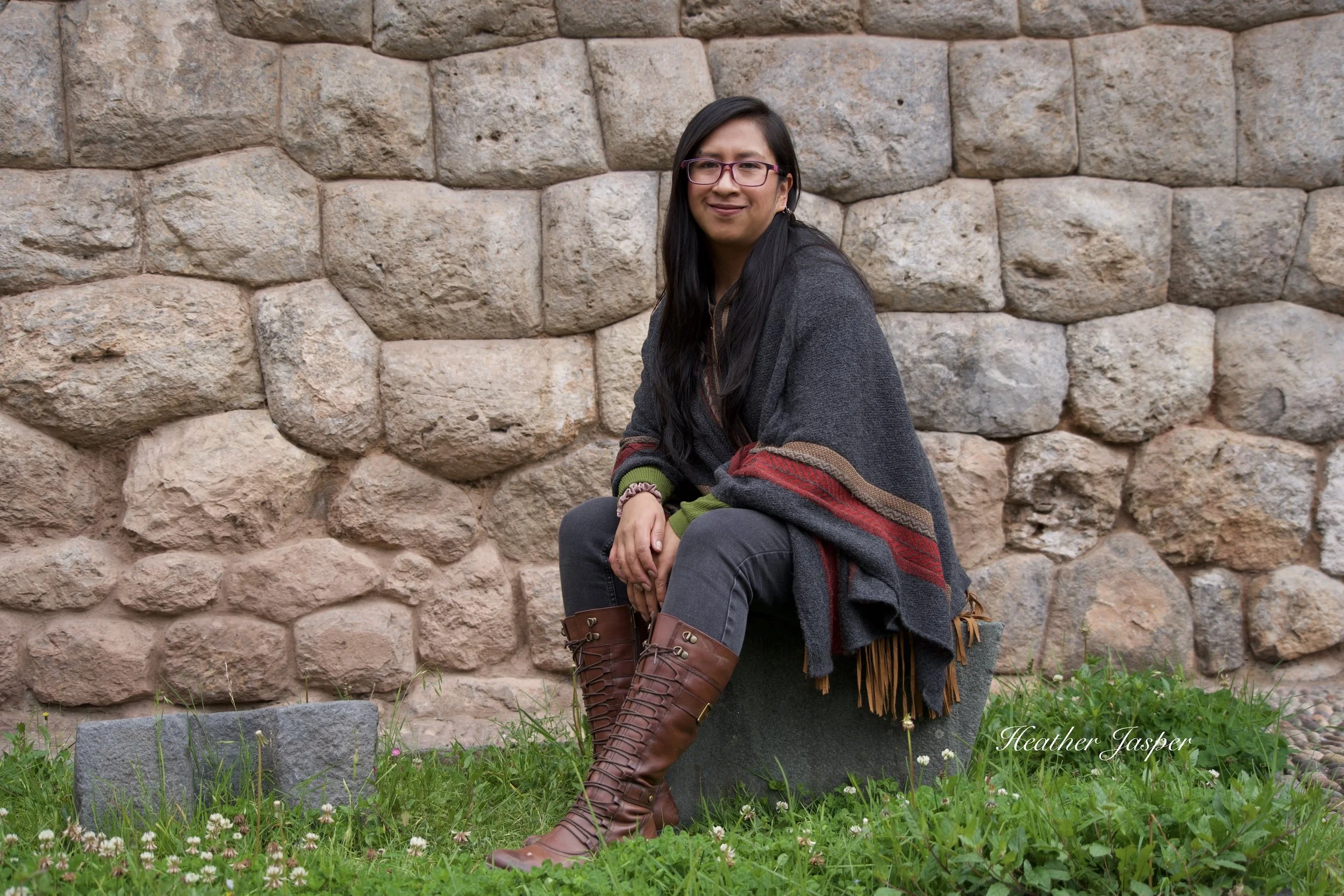
Shandira Arque Lucana is a Cusqueñian guide who has told me a lot about how porters are treated on the Inca Trail.
How should I tip porters?
Like any service work, porters who do a good job should be tipped. When deciding how much you want to tip, consider how much they do for you, and how hard it would be to do without them. Also, consider how much the trip cost. For example, most people pay $800-$1200 for the 4-day Inca Trail but don’t know that porters are paid less than $100 for those four days, which is half the legal wage. (This is where it’s important to know the laws of the country you’re going to).
If you pay $1000 for the trek, consider if the porter contributes to more than 10% of your experience. Also, figure out how much of that $1000 goes to buying permits, food and transportation, how much goes to the guide and to each porter. Anything leftover is usually profit for the company and if it’s more than half you should find a different company. The people who do the hardest work should get the most money.
The bottom line: do your research before you decide on a company and pay a deposit.
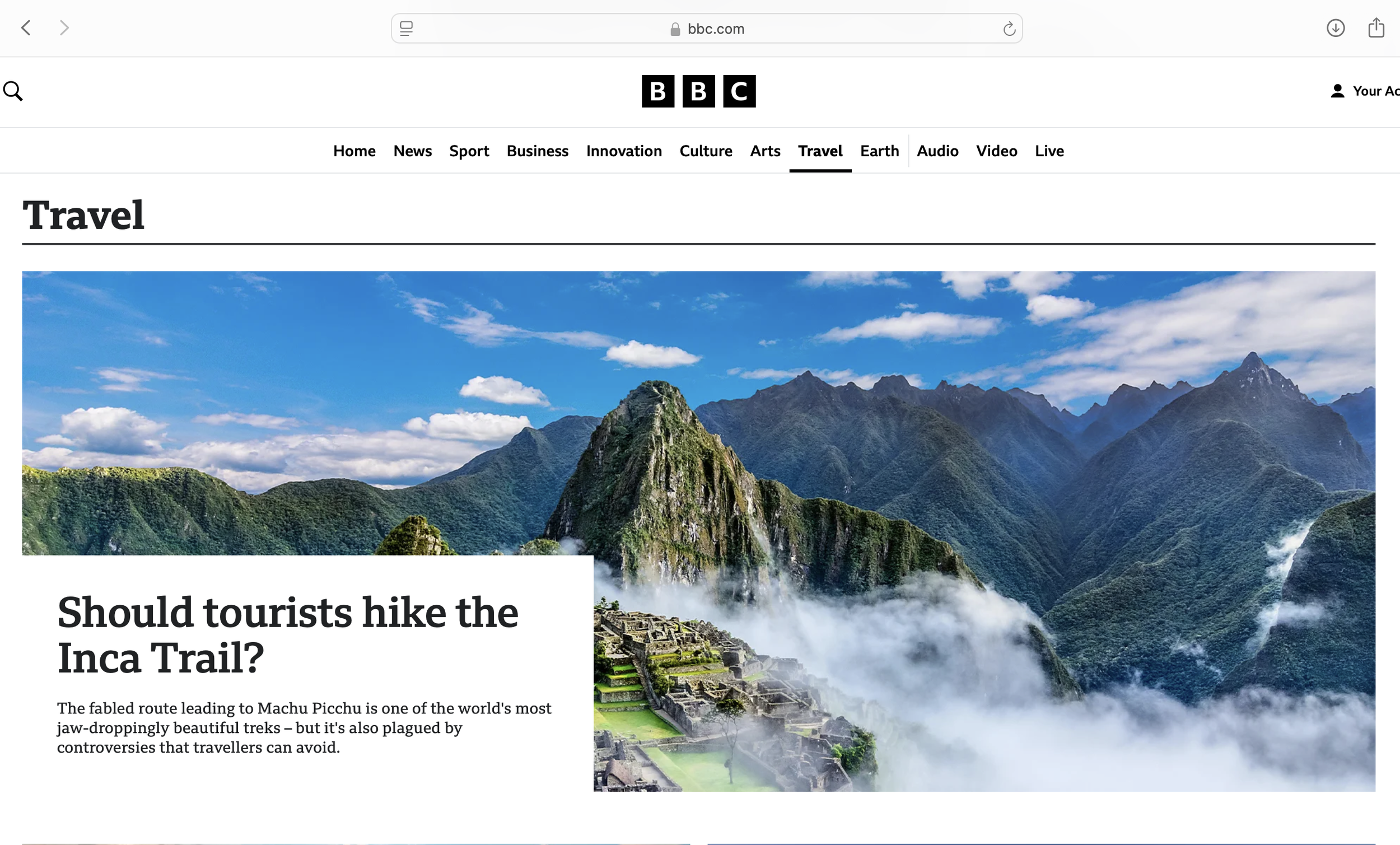
Article: Should you do the Inca Trail?
BBC Travel published my article about the Inca Trail in 2025. Click on the title above to see what it’s like to hike the Inca Trail and what you need to know before you decide to do it.
Blog: Inca Trail Closed August 19-22
After the storm that killed Gabriel Ríos Mamani, authorities closed the Inca Trail for a few days. Sections of the trail washed away in the storm and others were badly damaged. Here’s what I know about the tragedy.
Blog: Don’t hike the Inca Trail
The title completely gives away the angle of the blog, but every year I report on the Inca Trail convinces me even more that this trail should be shut down. This blog also has suggestions for other treks you can do in the Cusco region.