Travel Tip 166
How to support local artists when you travel
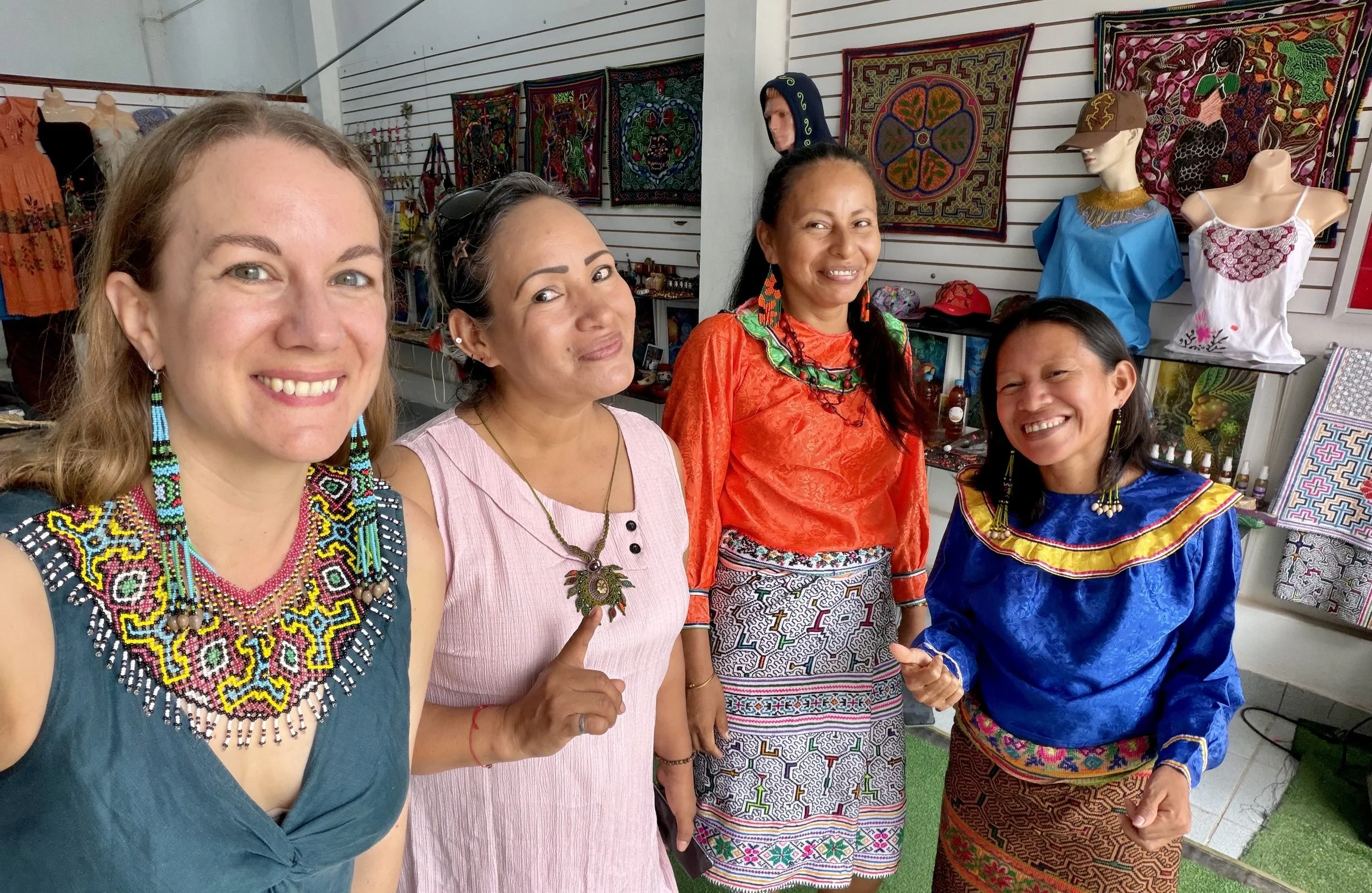
These three artists in Pucallpa made traditional Shipibo art, especially through embroidery of designs called kené.
Art is such a powerful way to learn about the culture of the places you travel.
Around the world, art museums and public art installations are among the most popular tourist destinations.
The Louvre in Paris, the Prada in Madrid, The Met in New York and Frida Kahlo’s house in Mexico City are highlights for thousands of tourists every year. Yet, you don’t have to go to a museum or search for world-famous art to have an enriching experience.
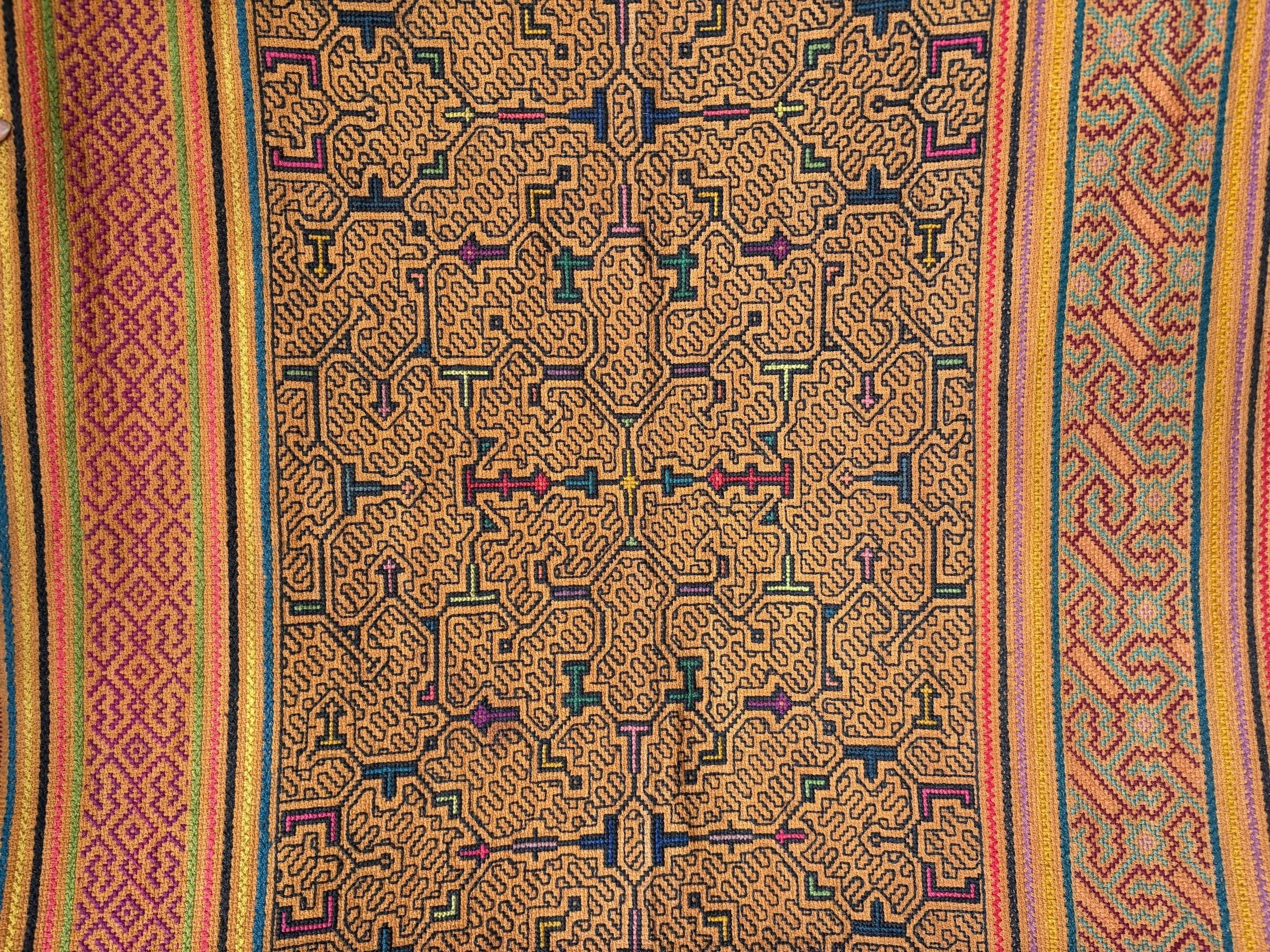
Each of these three patterns tells a story and the one in the middle is an abstract map of Shipibo communities.
Be open to different kinds of art.
Many tourists in Cusco want to buy paintings, but that’s a very European art form. Sure, you can buy paintings in Cusco, but they’re not very representative of local culture. Andean art is often textile and ceramic, as is art from the rainforest.
Last week I met several artists in Pucallpa who only do textile art, weaving and embroidery. They make beautiful art, but you have to recognize that embroidery is art, not just a hobby. They also sell paintings, but they’re painted on cloth, not a stretched canvas.
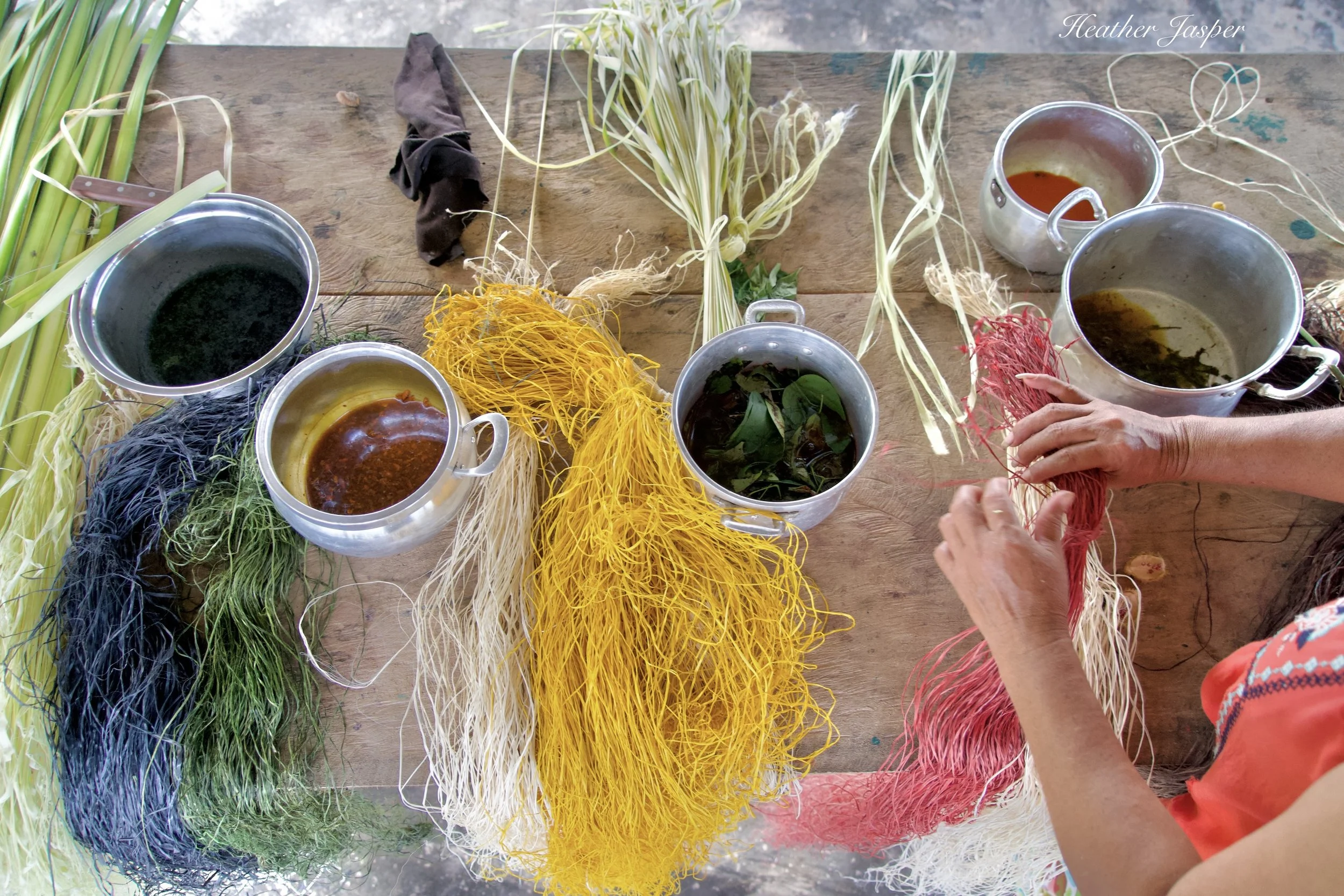
The creativity required to make dyes out of plants from the jungle is just one step in palm fiber art.
Process is art.
When you’re looking at an art form that’s unfamiliar to you, ask about the process to make it. The first time I saw woven palm art in the rainforest, I didn’t understand each artistic step in creating, say a basket. The artist sources the palm fibers and plants to make dye from the forest, carefully removes the part of the palm they’ll use and makes the dyes. It’s days of careful creativity before they even begin to weave the basket.
My top 5 tips for supporting artists
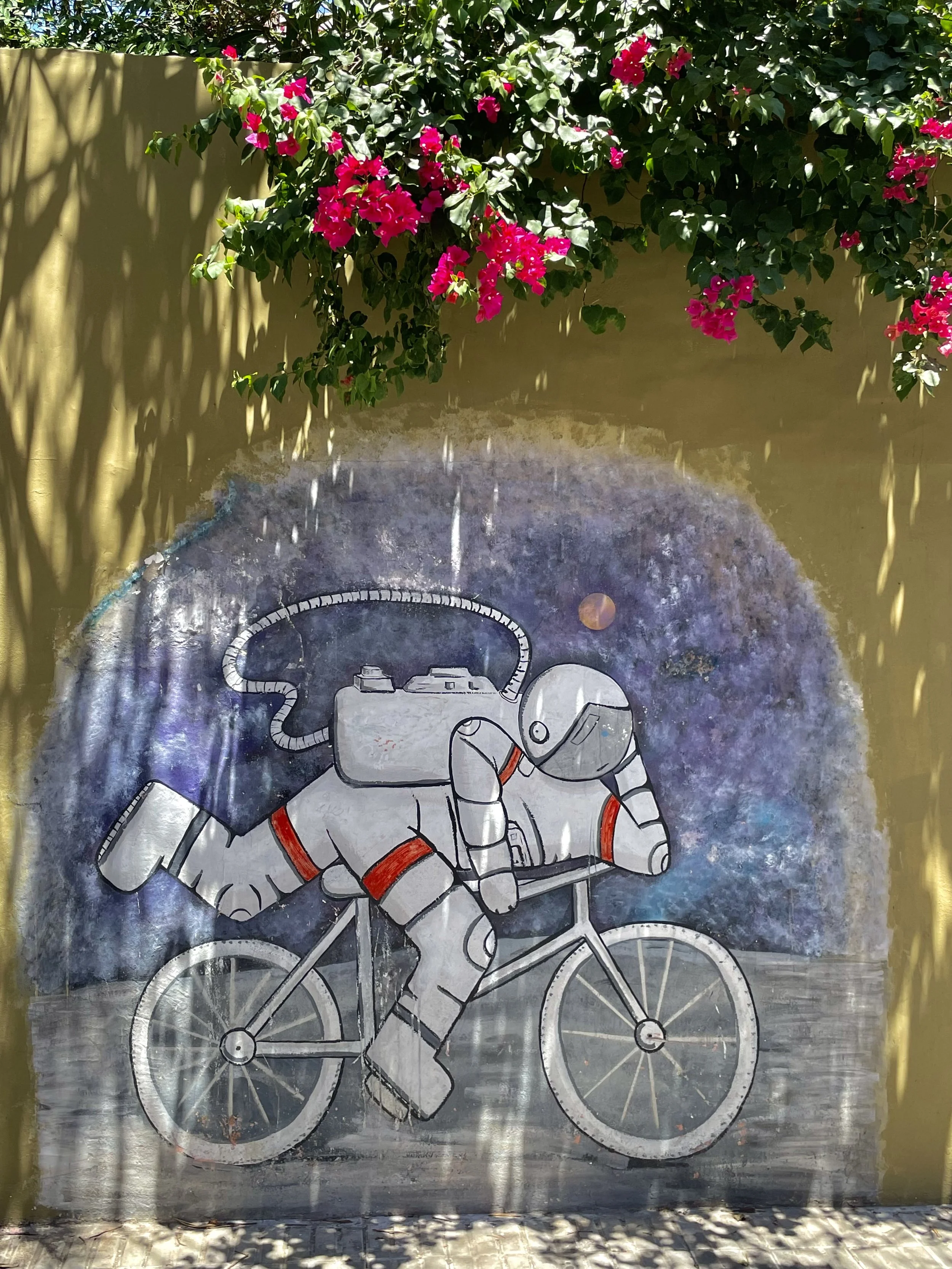
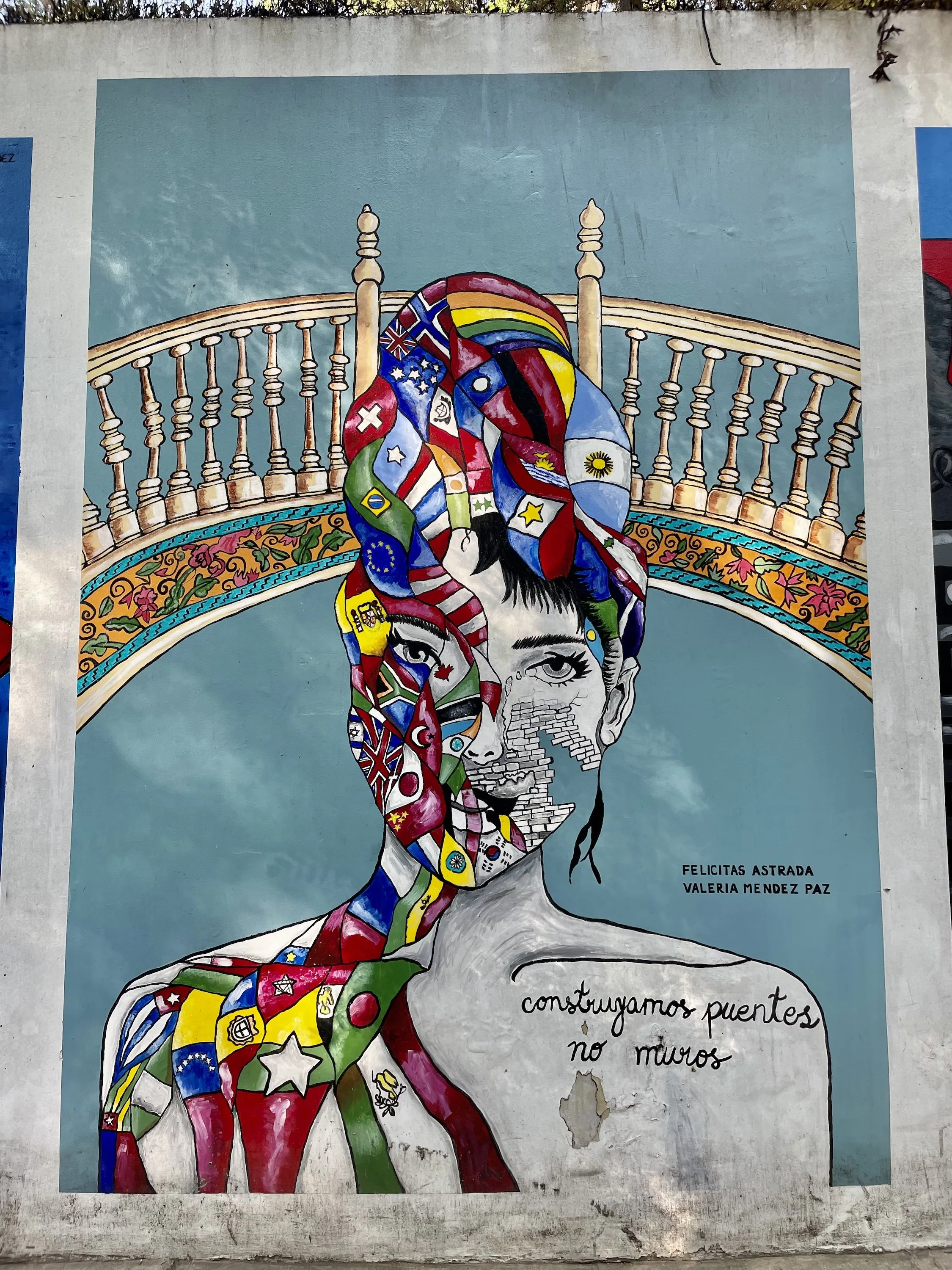
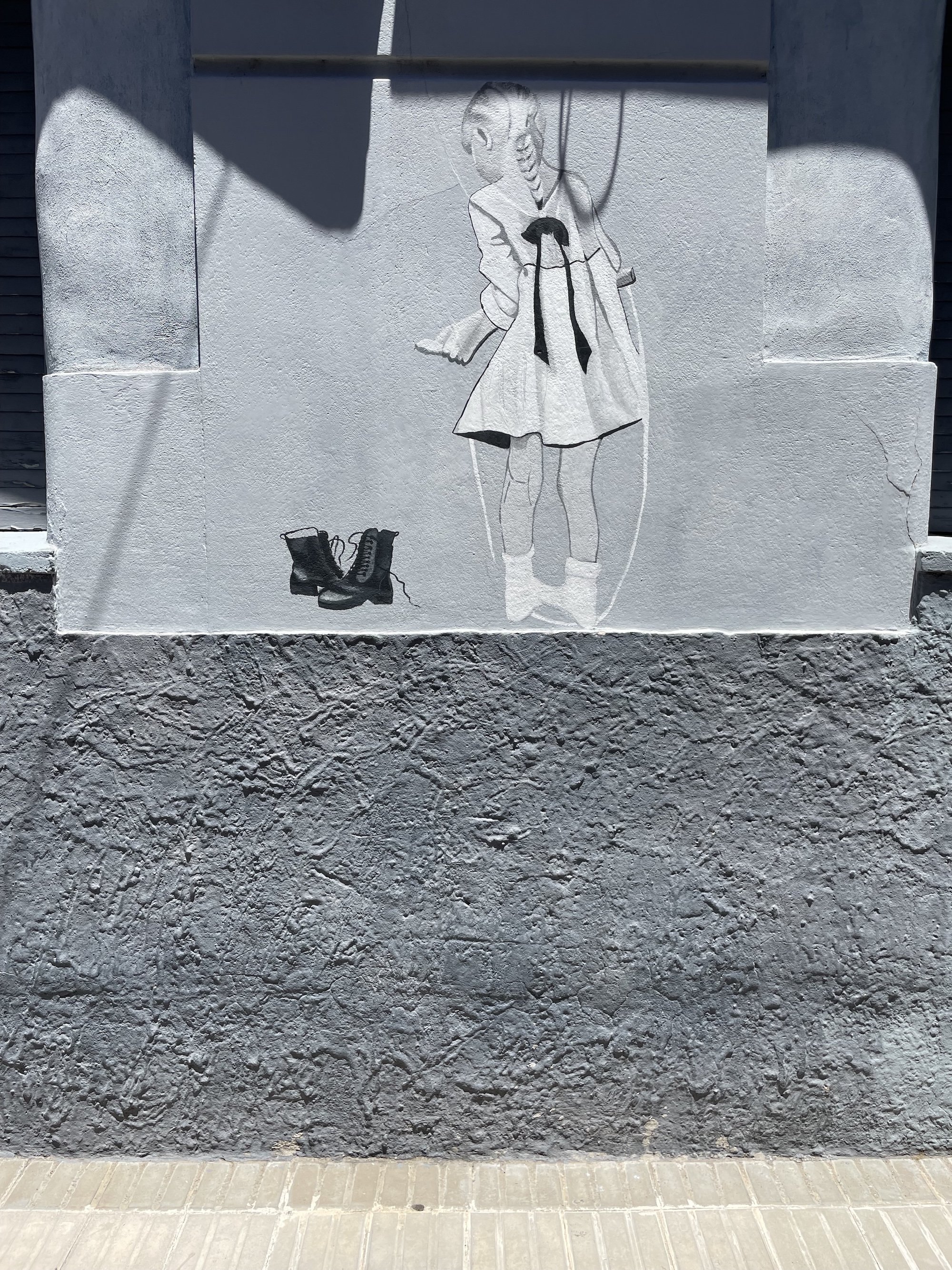
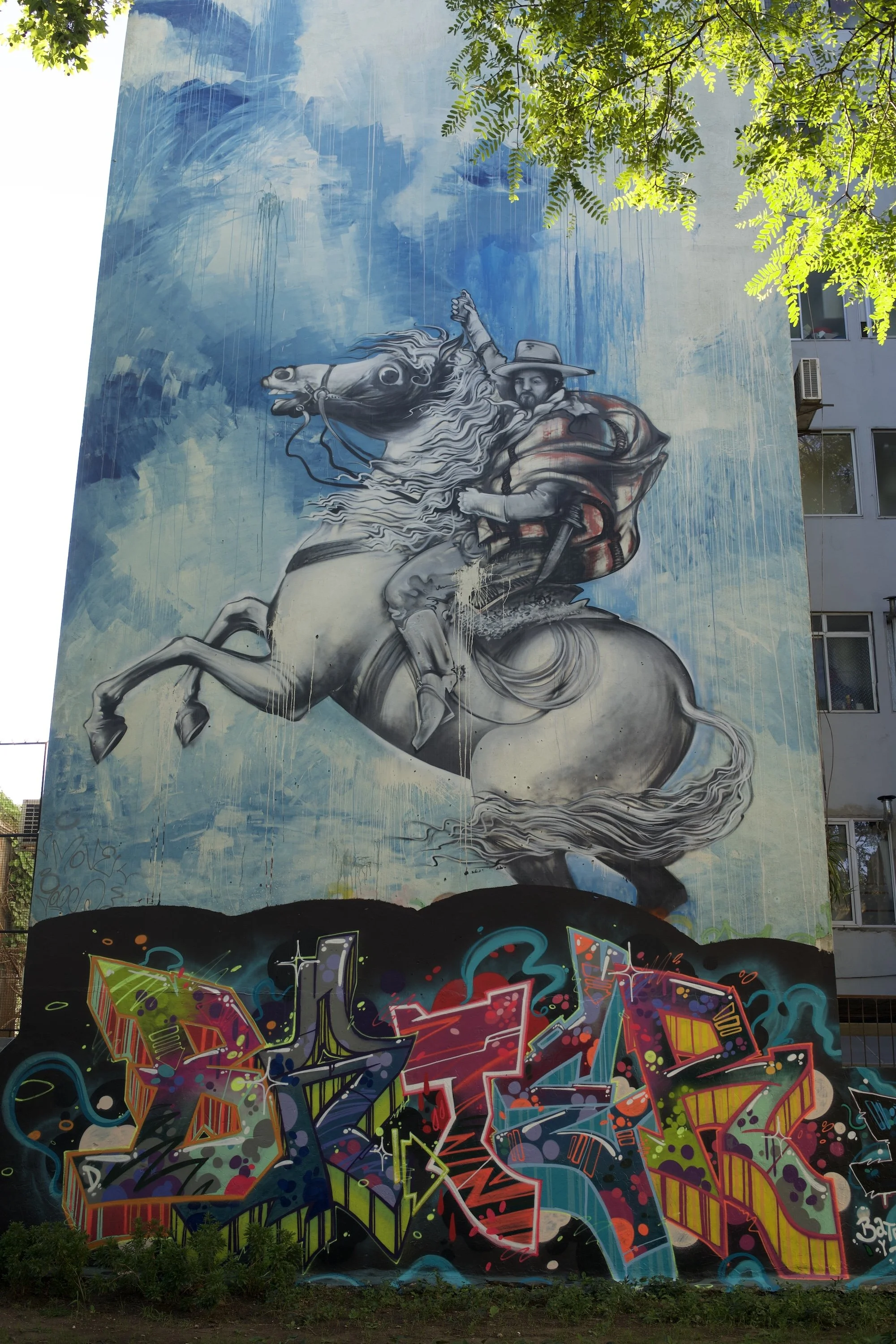
1. Look for street art when you travel.
Street art is immensely popular in South America, especially in Buenos Aires (above) and Medellín. Lima’s Barranco neighborhood has fascinating street art, from murals to giant sculptures of turkey vulture heads. Murals usually have an artist’s signature, and these days often have their social media handle or a QR code to their website.
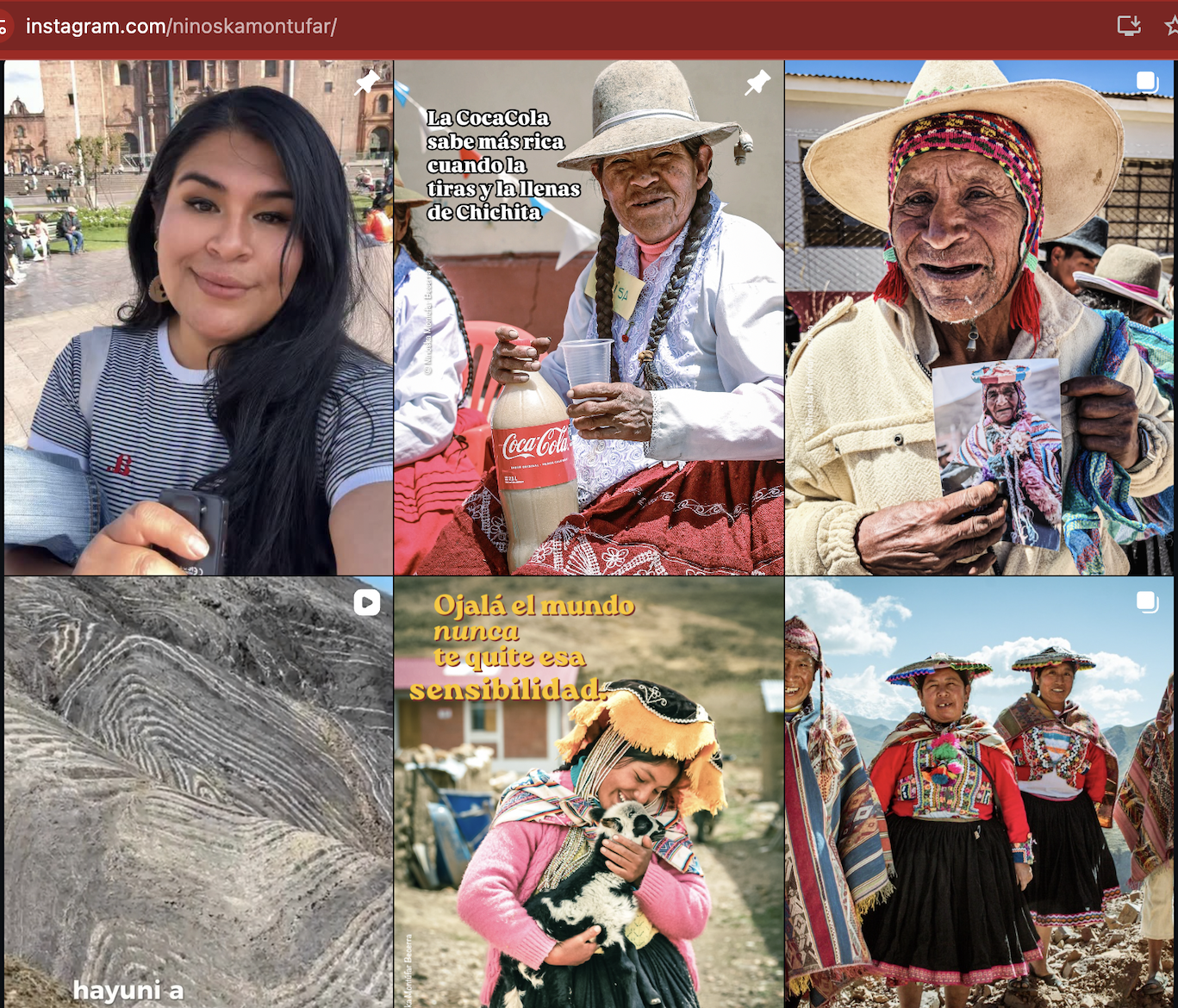
Ninoska Montúfar Becerra is one of my favorite Cusqueñian photographers and following her on Instagram is one way to support her art.
2. Support artists online
Even if you don’t buy something directly, following artists on social media and interacting with their posts helps their online visibility. You could help them get discovered by somebody who does buy their art.
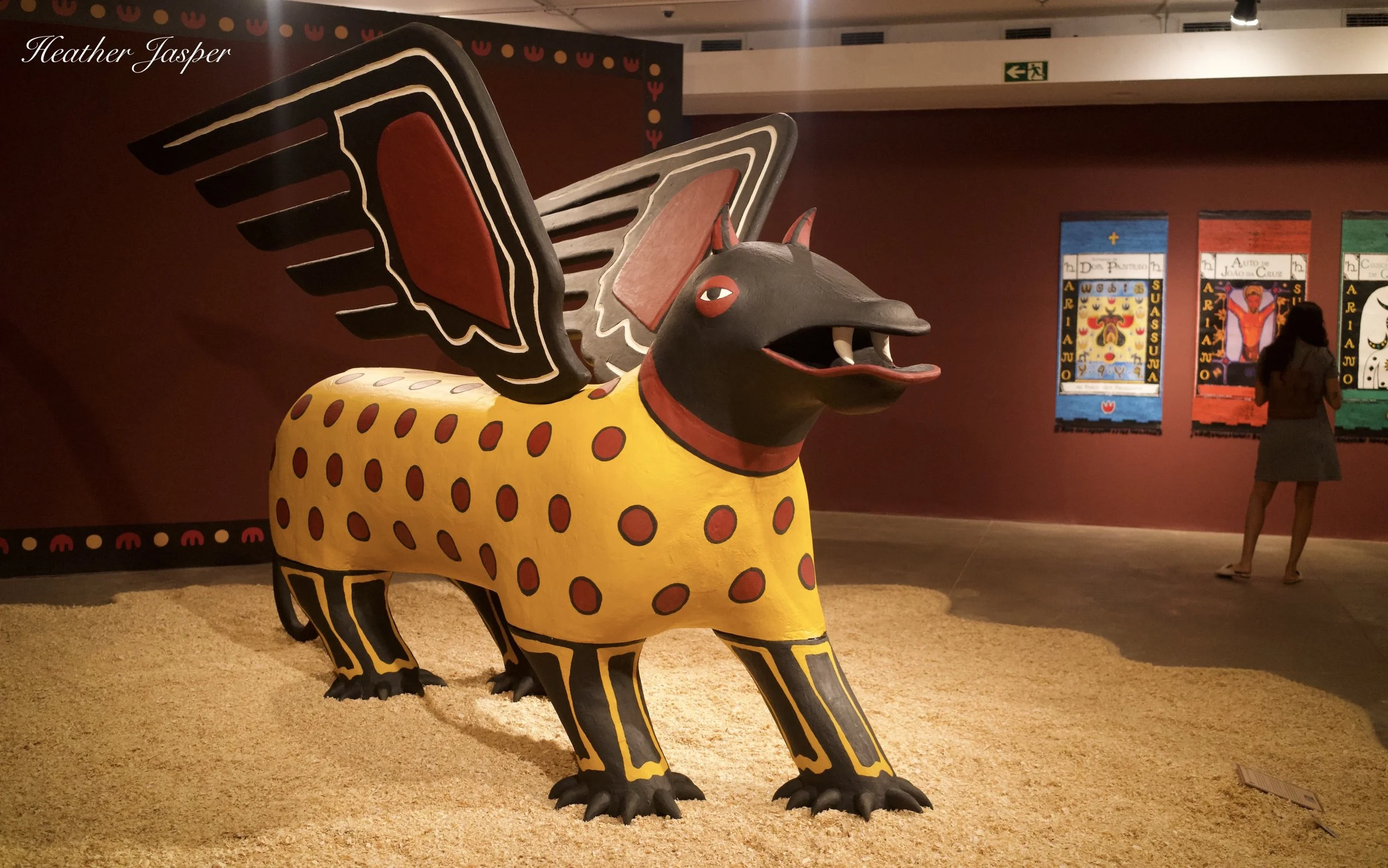
Brasilia has some of my favorite museums and they all have spaces for local artists.
3. Go to art museums
Most art museums support local artists even when they don’t have big exhibits of local art. They provide meeting spaces for artists, free events and help local artists in all sorts of ways.
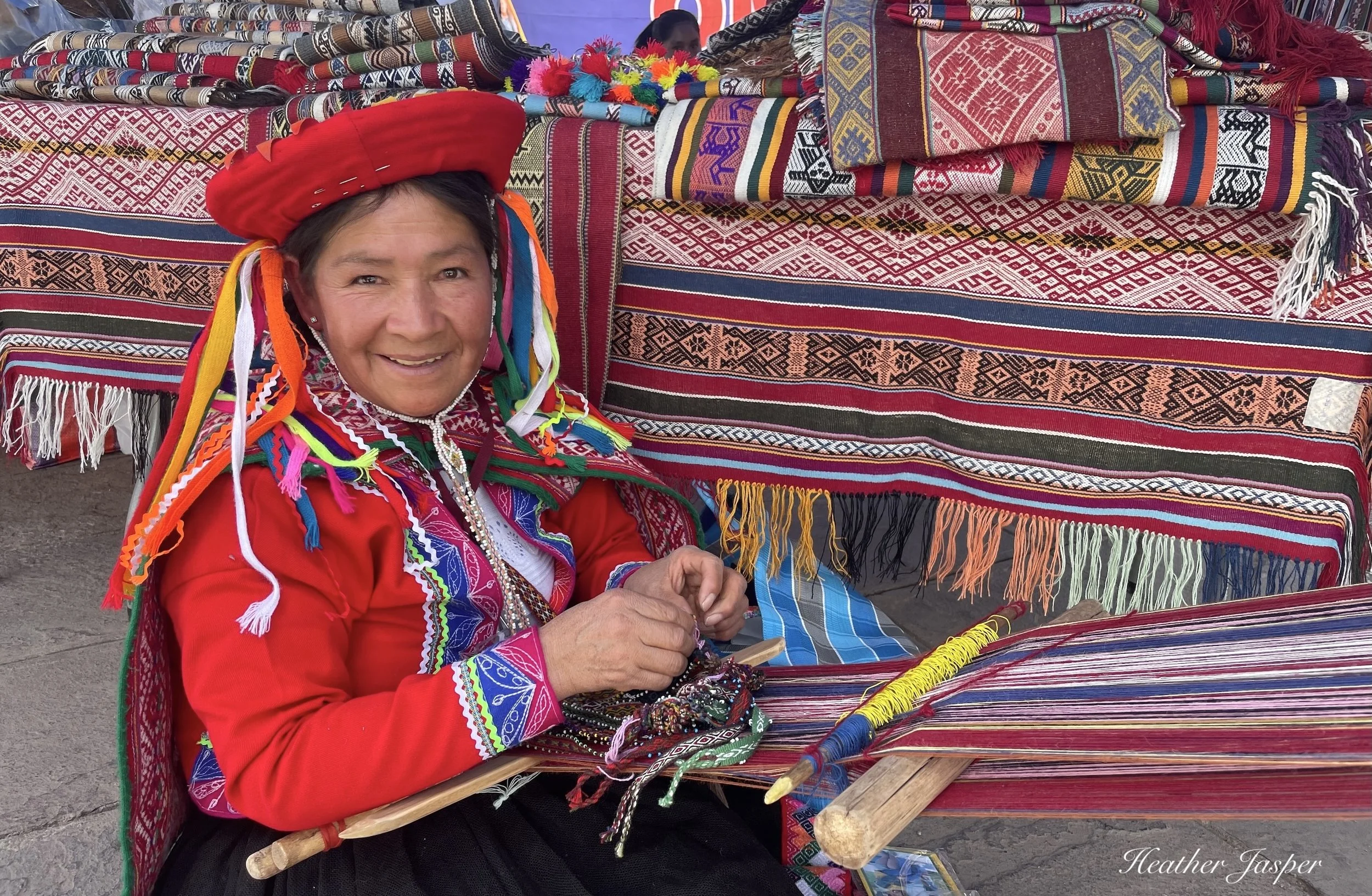
My favorite Saturday market is in Cusco’s Plaza Túpac Amaru, which always has local artists.
4. Go to markets
Most Saturday markets have local artists selling art and are great places to meet artists in person. Check out event lists for the cities you visit because there are often other kinds of markets that host local artists besides Saturday markets.
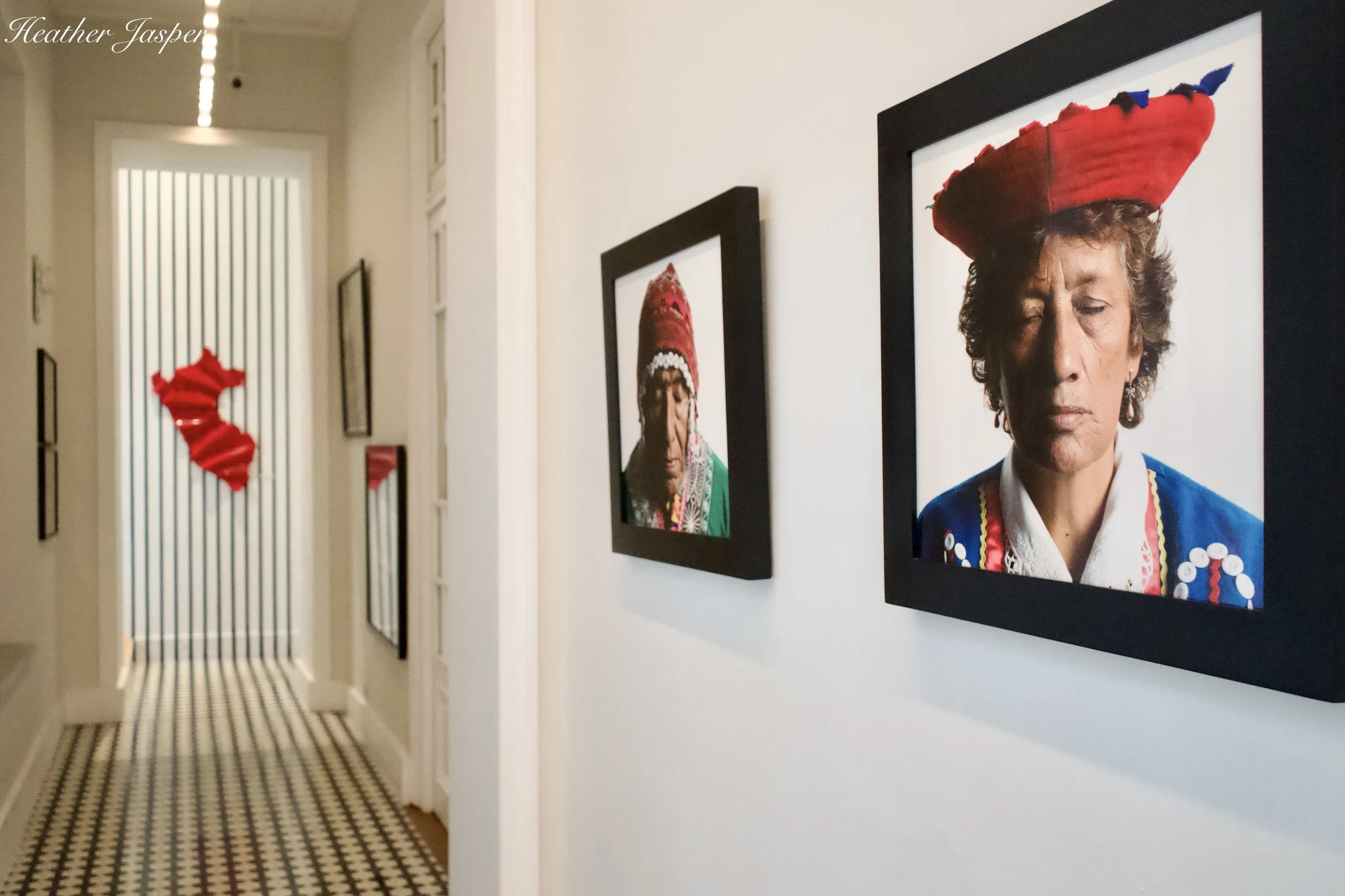
Many businesses like banks and hotels have public displays of local art, like Hotel B in Lima, Peru.
5. Go to art galleries
Not all art galleries are for art collectors from New York. Many small galleries give local artists a place to show their work and a venue to meet people.
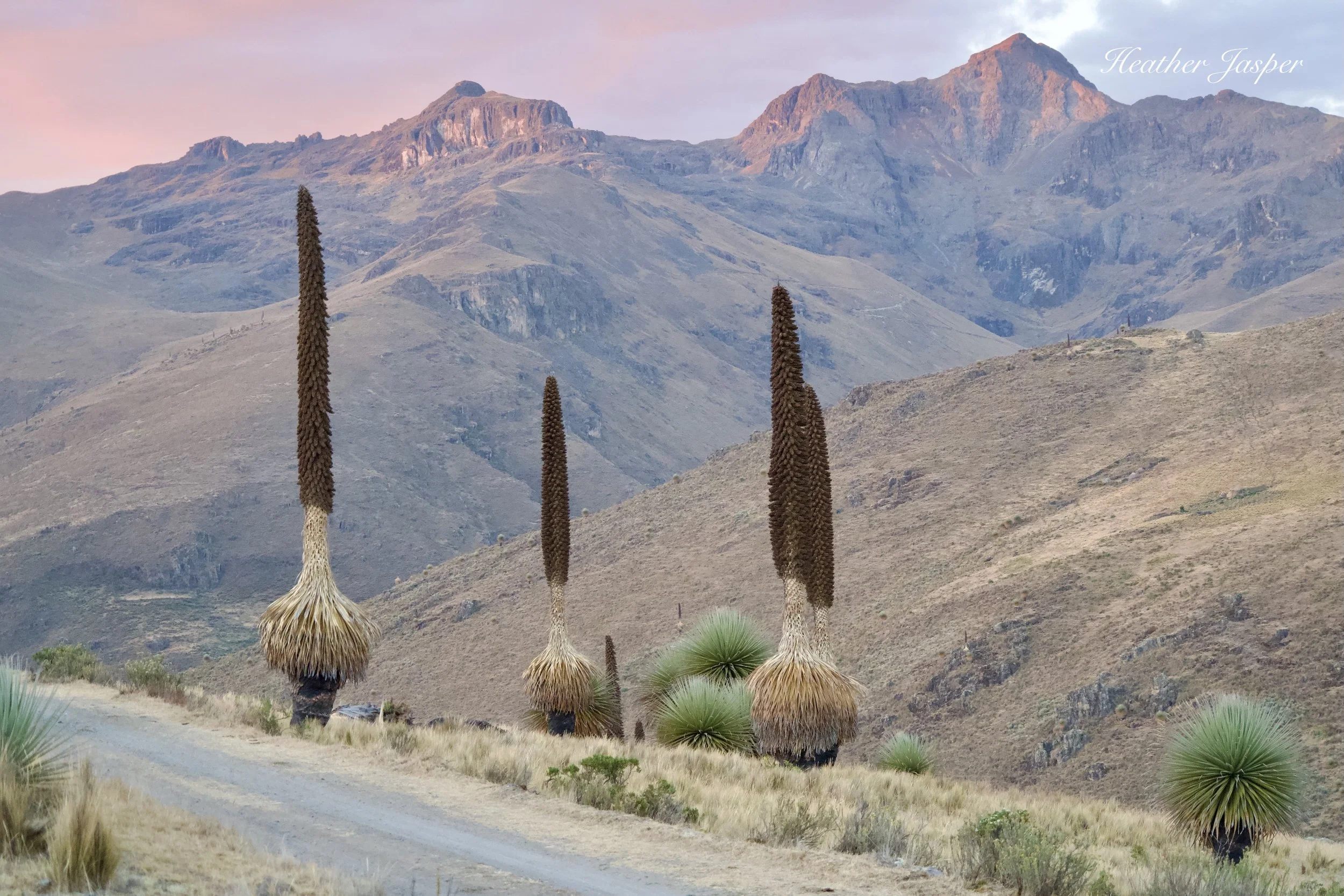
The Cordillera Negra is beautiful and full of Puya Raimondii, the world’s largest bromeliads, but it’s very dry and every year less rain falls where people need it.
No new blogs or articles this week.
Apologies that I don’t have more for you this week, but I spent the week in Peru’s Cordillera Negra with a group of archeologists who are working with local communities to rebuild ancient dams. According to the archeologists, headed by Kevin Lane, the dams are pre-Inca, around a thousand years old and part of whole complex systems of water management. I’ll write lots more as soon as I’m back home in Cusco!