Where, When and How to Bargain
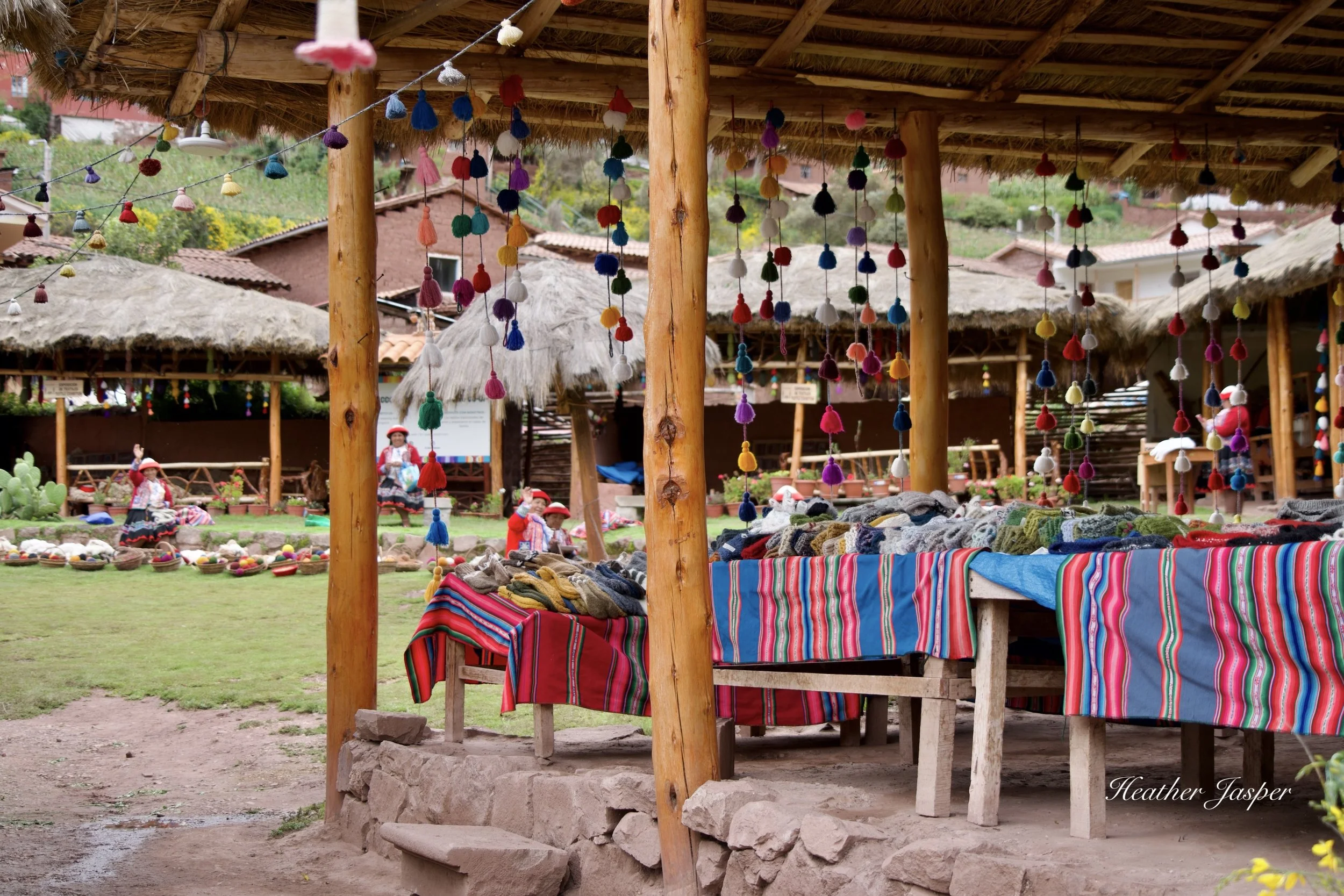
Often markets like this are places to bargain - but at this one everything had a price tag and I didn’t bargain.
Love it or hate it bargaining is part of travel – sometimes.
Bargaining etiquette is so tricky and so easy to get wrong. I know most travelers don’t want to offend anybody in the countries they visit but they don’t always take the time to check if and how to bargain before they travel.
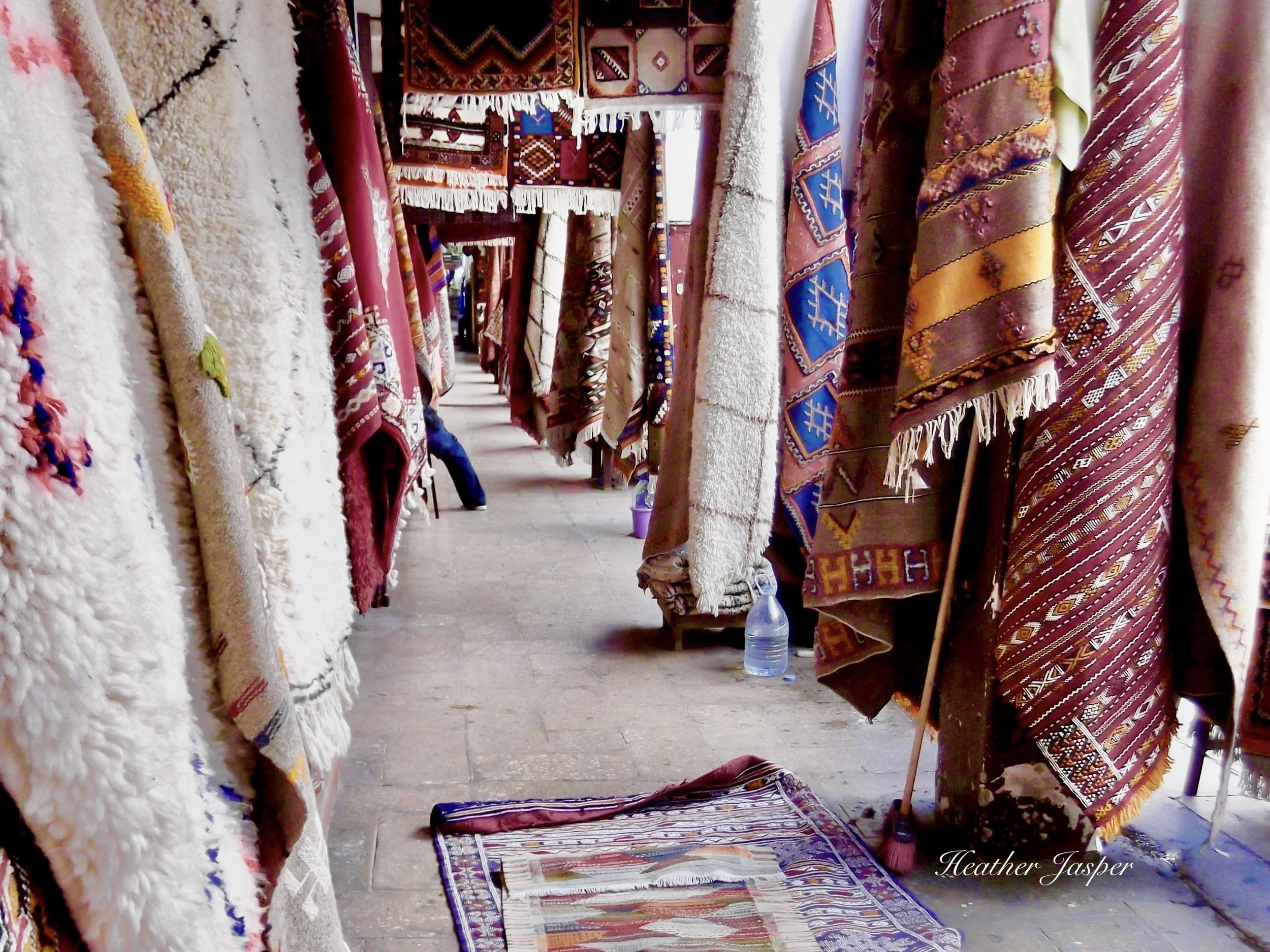
Rug markets in Morocco are the perfect place to bring out your bargaining skills. I bargained hard for that rug.
Where can you bargain?
Some countries are famous for bargaining being an integral part of the culture, like Morocco. I lived in Morocco from 2005-2007 and at first hated that I had to bargain for everything. I wanted shopping to be fast and easy. It took me about a year to appreciate shopping as a social experience.
Bargaining in Morocco wasn’t all about numbers. It was about having a conversation with the vendor and building relationships with the people at the market. I offended people when I wanted to buy stuff without taking the time to chat. In Morocco, don’t treat people like vending machines. Take the time to have a conversation with them and part of that conversation is bargaining.
In some countries, bargaining is not part of the culture, and you’ll offend the seller by even suggesting a different price. With very, very few exceptions, I don’t suggest bargaining in the US, Canada, Japan and most of western Europe.
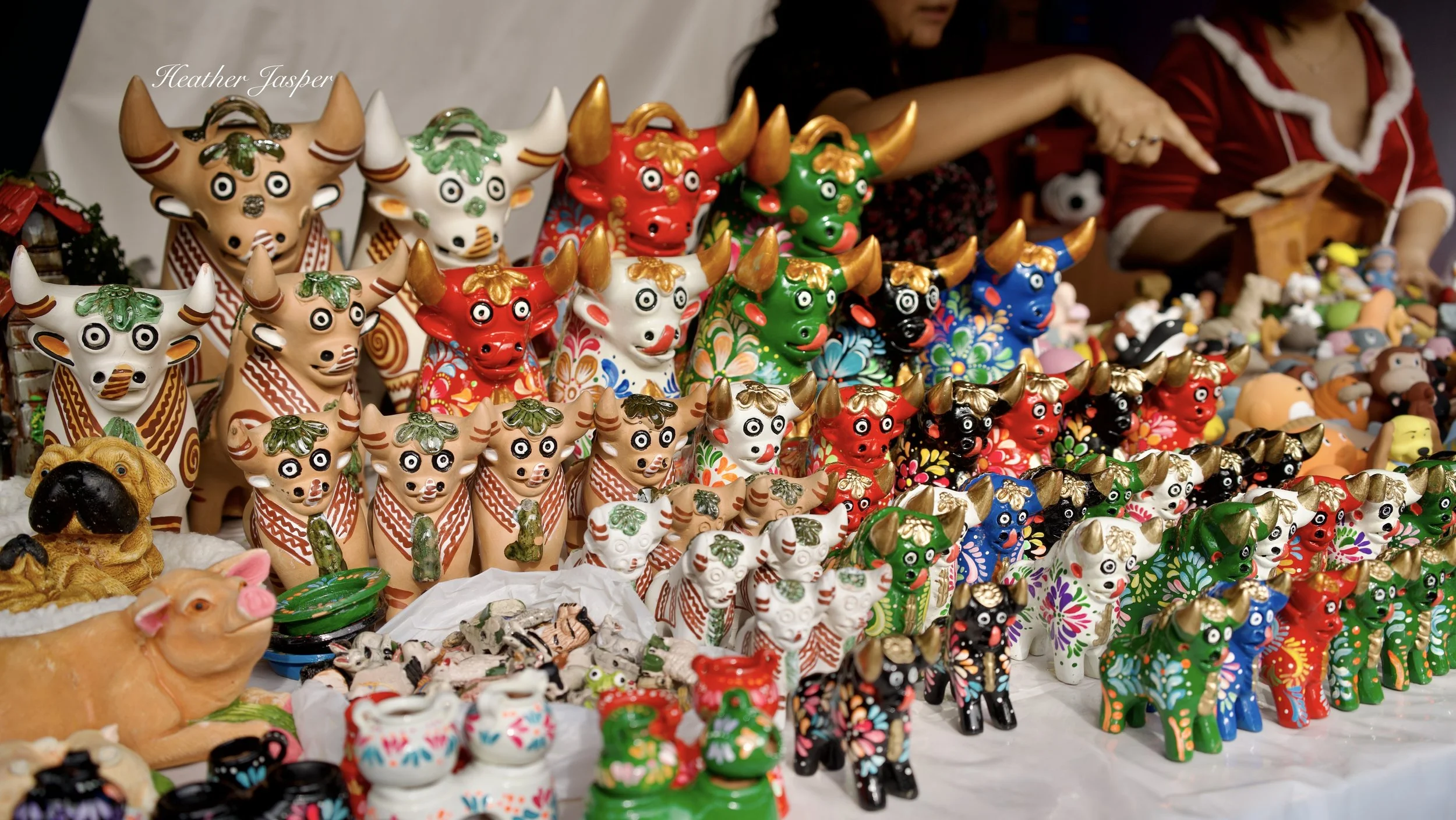
At outdoor markets in Peru, like Santurantikuy in Cusco, you should not bargain.
However, some countries don’t have a hard rule on if you can or cannot bargain.
For example, in Peru, shoppers may ask the seller “nada menos?” which translates as “nothing less” and basically means “can you go any lower?” If the seller says no, don’t argue with them. In most cases, it’s rude to suggest a lower price. What’s more common in Peru is the seller will name a price, say 85 soles, and then immediately say that for you they’ll lower it to 80. That’s that final price, not an invitation for you to suggest 70 soles.
When can you bargain?
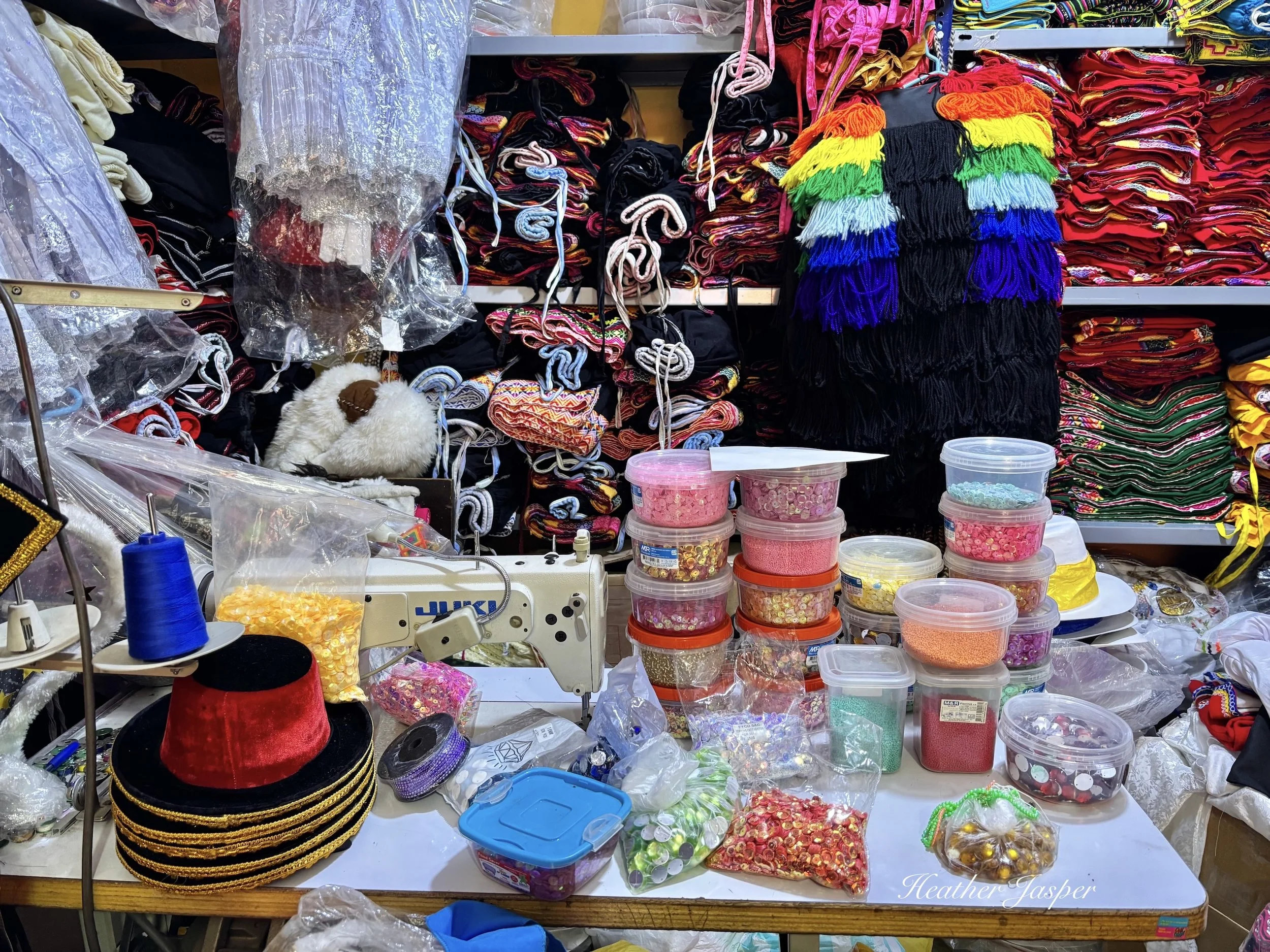
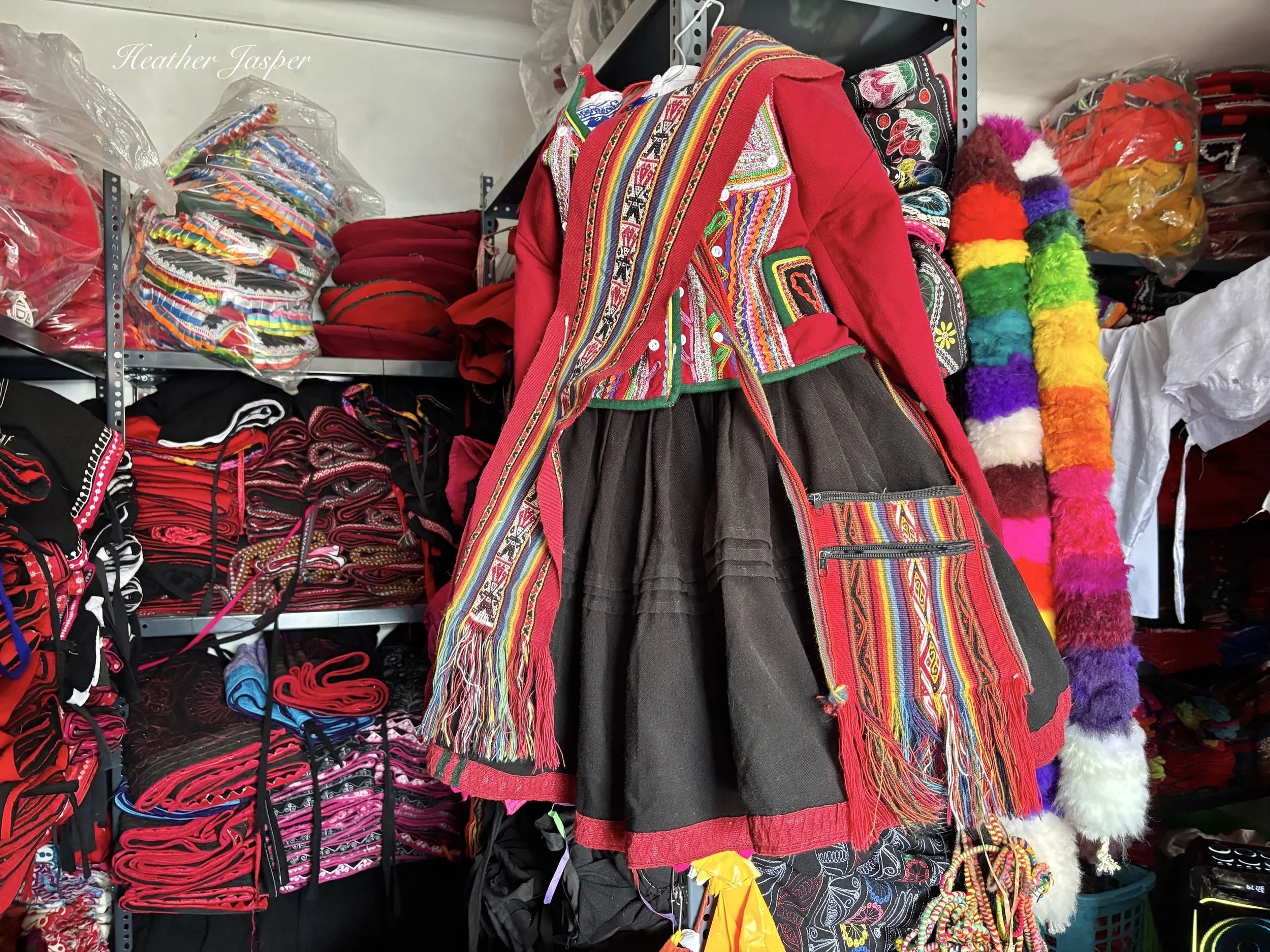
In many countries (but not all) bargaining is expected at outdoor markets. If you’re buying directly from the person who made what you’re buying, like a handmade leather purse or wool rug, bargaining may be expected – depending on the country. The shops in Cusco that make and sell traditional costumes have fixed prices and are not a place you can bargain.
However, even in the US and Canada bargaining is expected when making a big purchase, like when you’re buying a car or a house. Though, in the context of travel, you’re unlikely to have an opportunity to bargain in North America.
Even in countries famous for bargaining, like Morocco, there are times you can’t bargain. If you’re in a grocery store with prices labeled on items, don’t try to bargain.
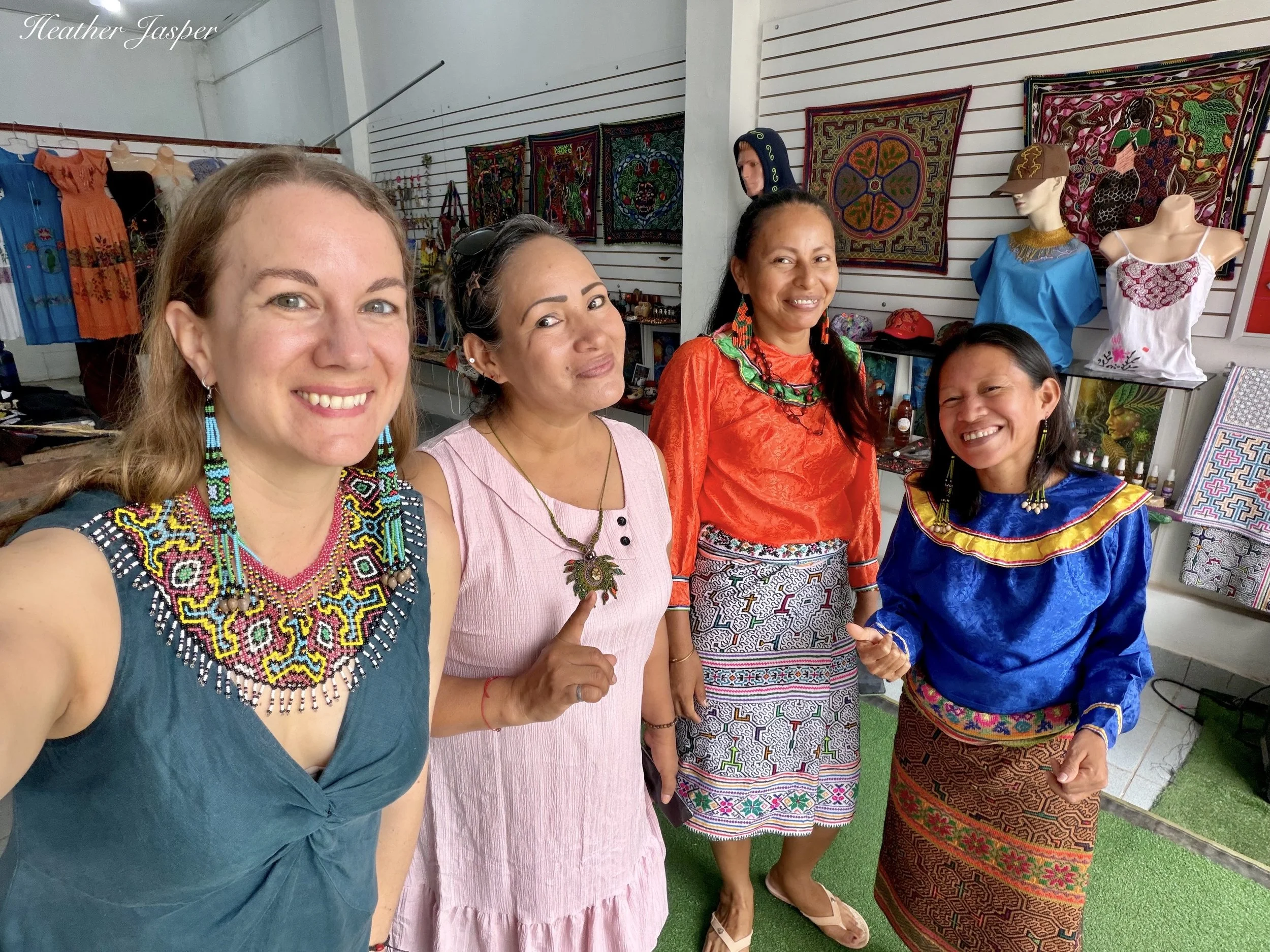
Sure, I live in the same country as these women, but I still have a lot more than them. Bargaining would be rude.
Sometimes your nationality is a factor.
I’ve seen people get very defensive about this one – so hear me out. If you can afford an international plane ticket, restaurants and hotels, don’t bargain with people who might not have plumbing or electricity in their home. Getting one dollar knocked off the price honestly doesn’t change your life but earning one dollar less can make a big difference for some people.
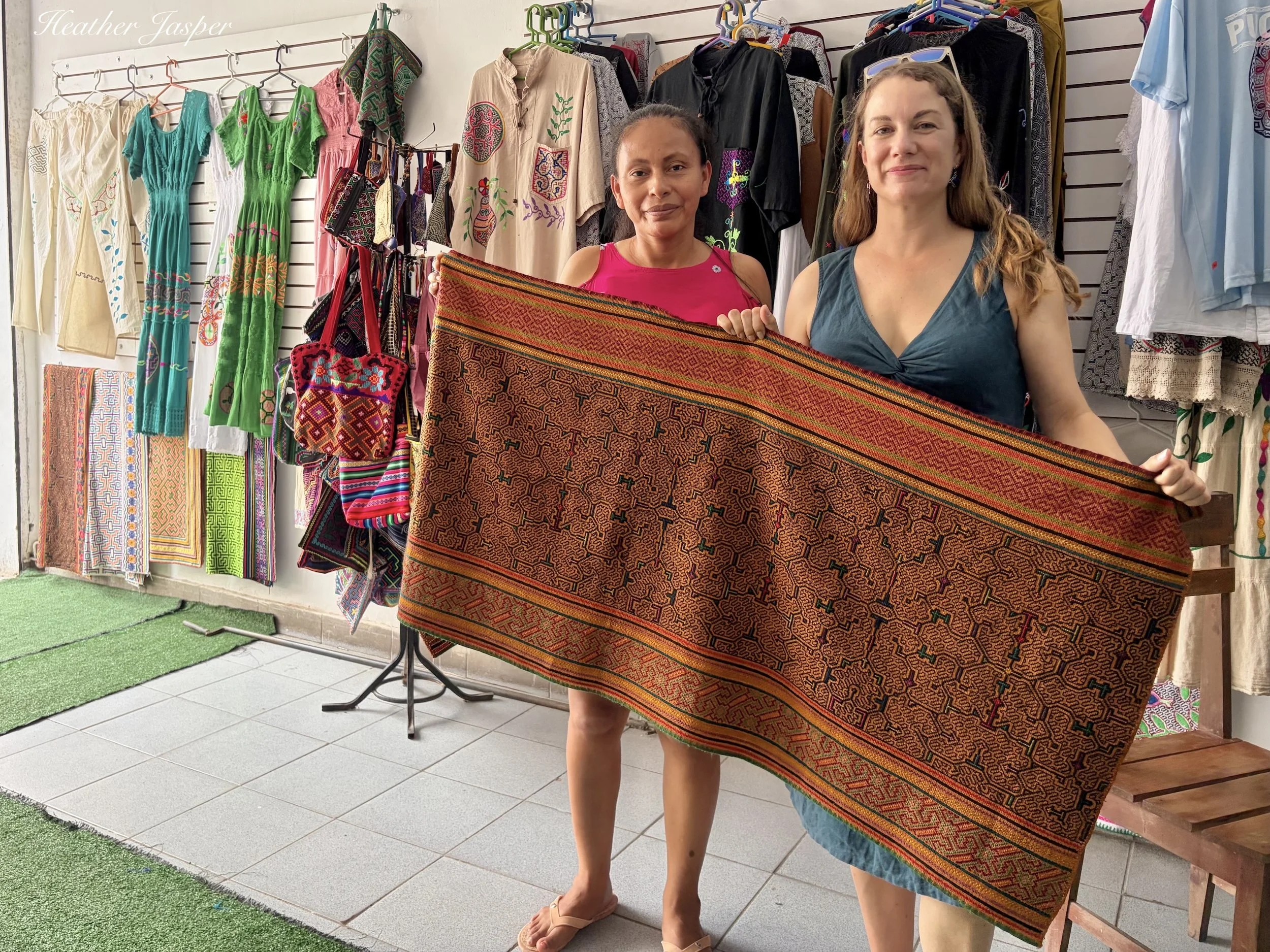
I did not bargain for this embroidered blanket, not out of pity, but out of respect for the hard work it took to make every perfect stitch.
My personal rule of thumb
Err on the side of being kind and generous. I’m not saying you should pity people who have less, but you should respect their work and the fact that they’re trying to make a living.
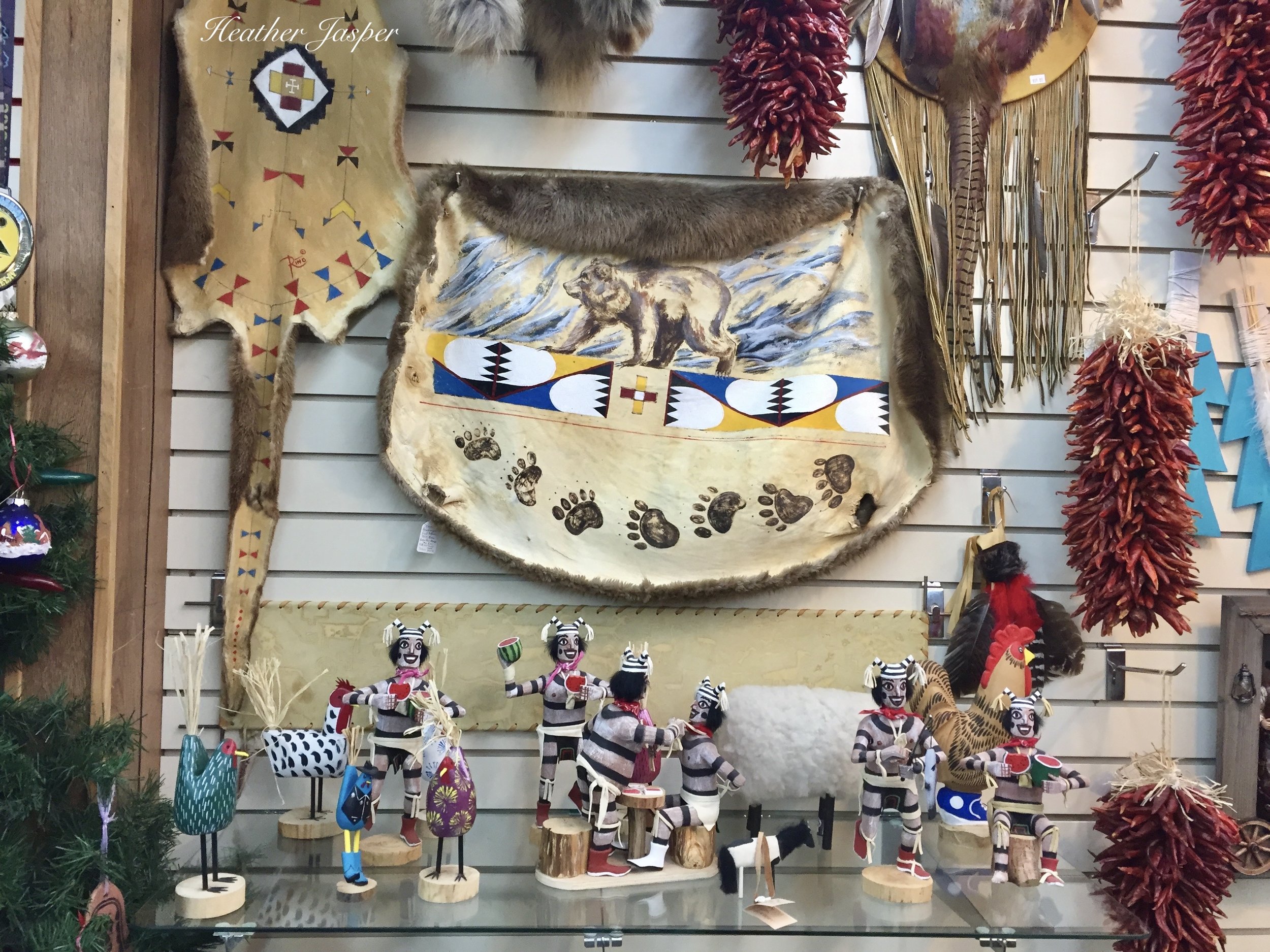
I didn’t know if it was appropriate to bargain at the Bryce Canyon Trading Post - so I waited to see what other people did.
How to bargain: watch and listen first.
When you’re shopping in a new country, hang back and watch locals. Do they bargain? If so, how do they bargain? Is it a gentle “can you go any lower?” or an offer of a lower price? Watch how the seller reacts. If they act offended or angry, don’t follow the lead of that shopper. If the interaction looks pleasant or friendly, you’ve found a shopper to imitate.
I recommend researching bargaining practices before you travel. Take the time to be sure that you’re getting reliable information – more on that below.
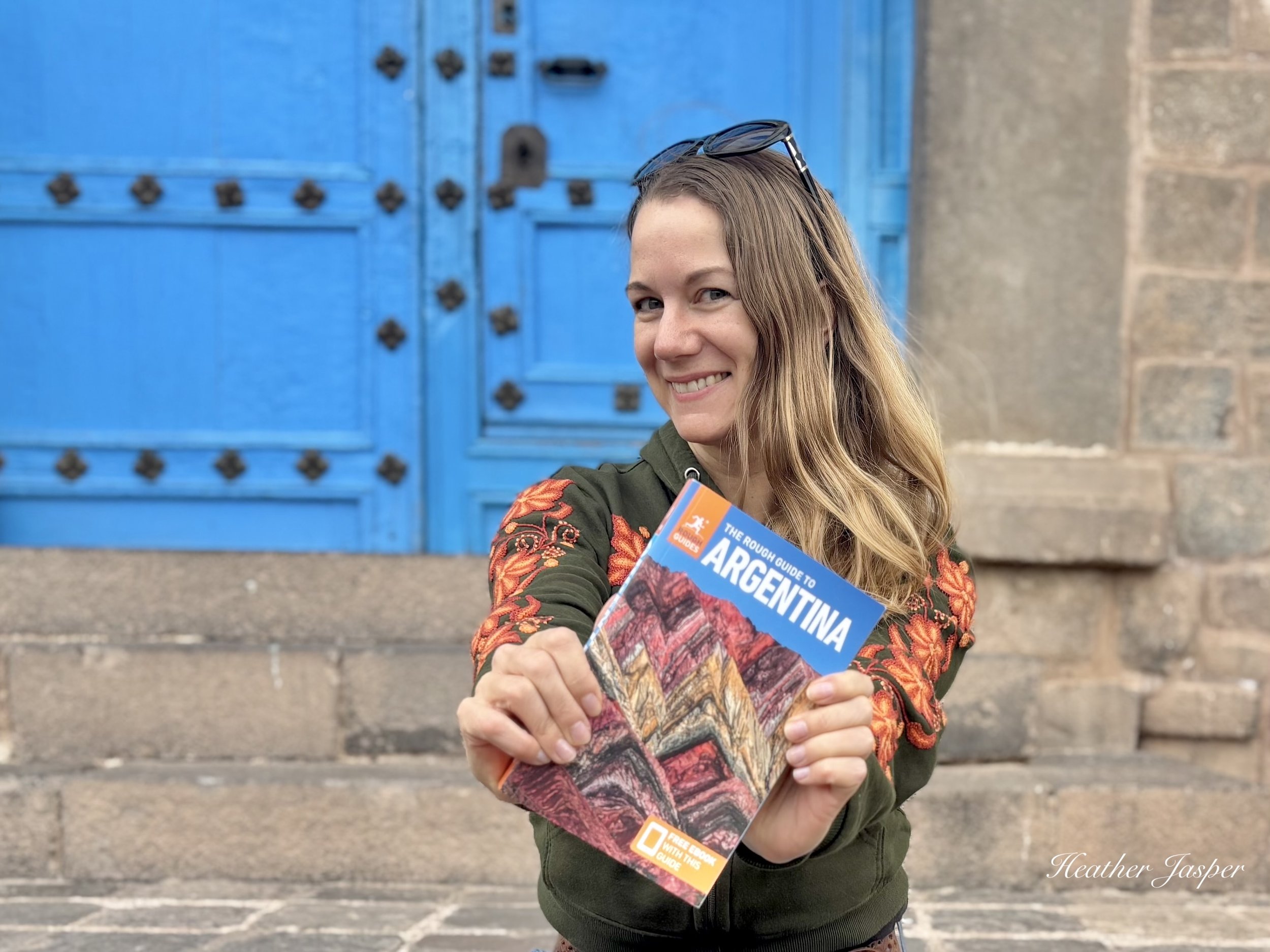
The process to update a guidebook is long and requires the work of many different people. Writing a new guidebook is even longer.
Where to find reliable information about bargaining in each country?
Published travel guides by established companies like Rough Guides, Insight Guides, Bradt Guides, Fodor’s, Lonely Planet and Moon Guides have reliable information. These guidebooks go through layers of finding expert writers and then several rounds of editing after the writer submits the guide.
Online publications like National Geographic Travel, BBC Travel Frommer’s, Horizon Guides, Afar and the like also have robust vetting for qualified authors, plus layers of editing before publishing. I think all of these are reliable.
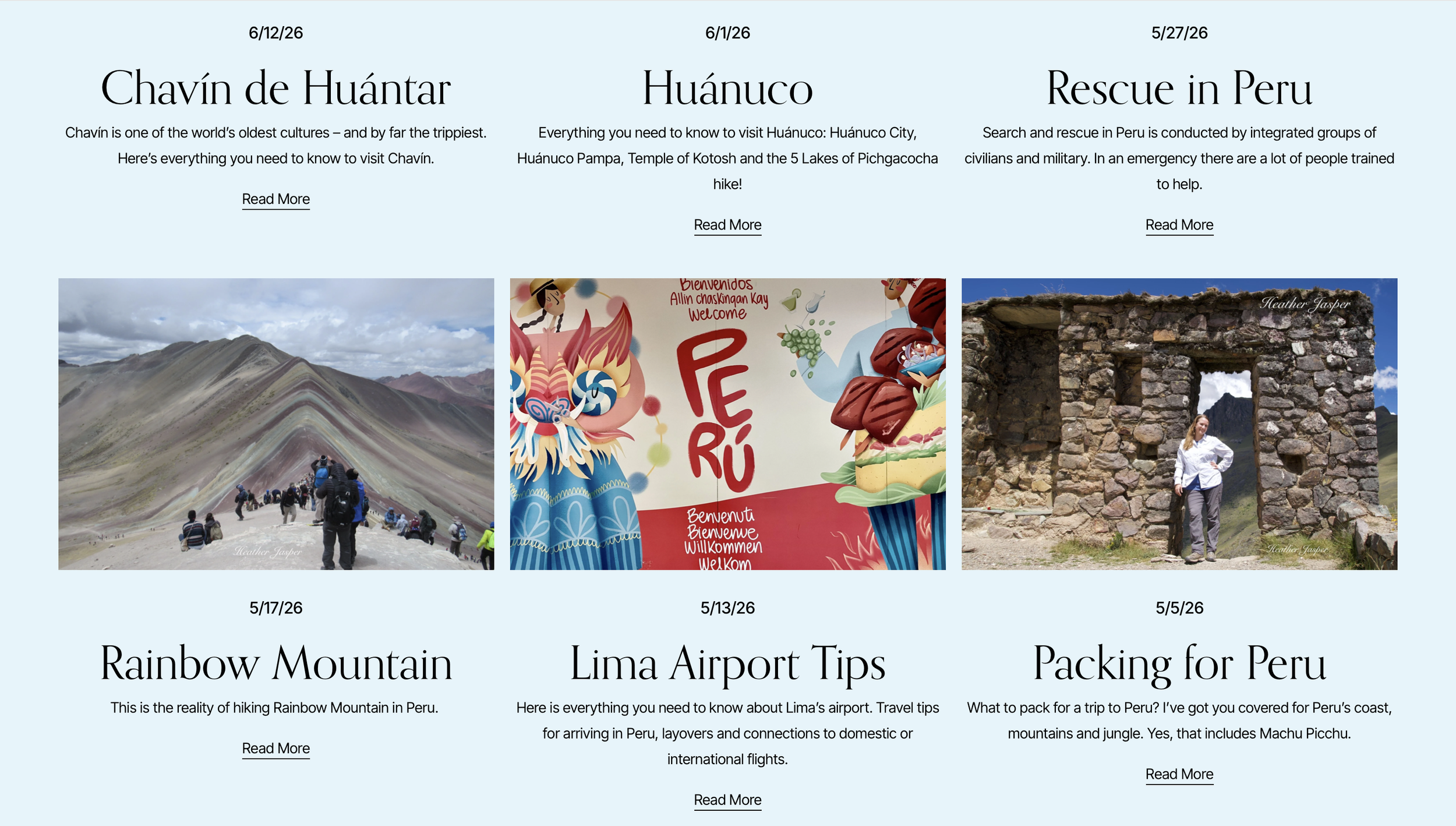
Sometimes blogs can be reliable.
Travel blogs can be reliable, but blogs don’t have multiple sets of eyes and rounds of editing by different people like the sources above. You need to check who wrote the blog and what their experience was. For example, my Peru blog has well over a hundred posts because I’ve lived in Peru since 2019. However, my Nepal blog has only one post because I only went once. I loved Nepal and wrote as thorough a blog as I could but I’m obviously not an expert on Nepal. Take my advice on Peru but not on Nepal.
Social media is often not reliable.
Like blogs, social media posts are usually one person’s experience and that person is not necessarily an expert. You really have to dig into a social media profile to know if that person really is an expert with reliable information – or if they just have a lot of opinions based on a weekend visiting the destination.
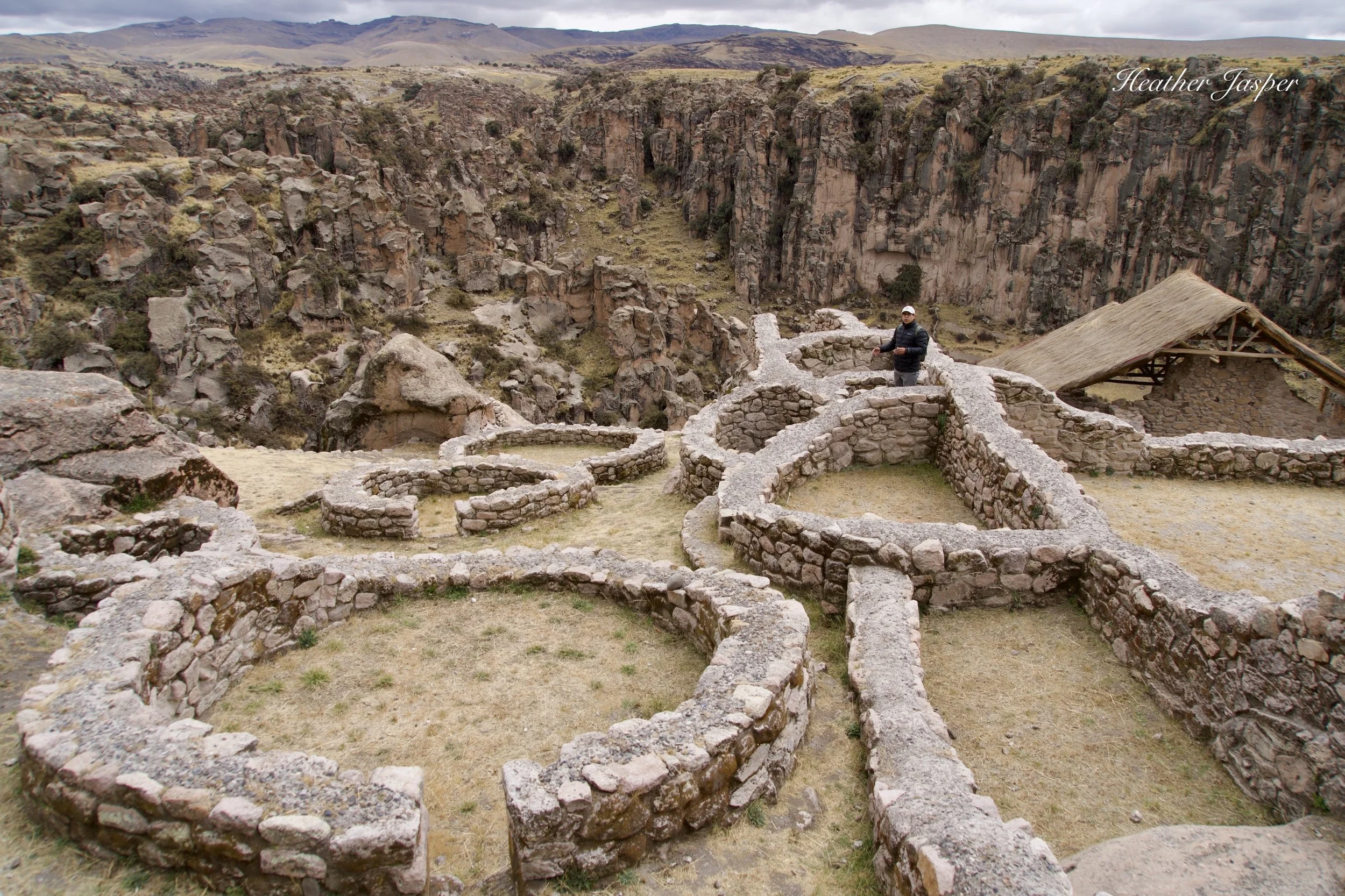
I visited Taqrachullo with Emerson Pereyra Pacheco, the lead archeologist who was quoted in National Geographic.
New blog post: Taqrachullo
Taqrachullo made the cover of National Geographic in June, but I didn’t manage to get there until August. National Geographic showed how amazing the site is but didn’t give any information for how to visit – probably because it’s not easy. Here’s why you should visit and my take on how to visit.