How to plan travel with a chronic illness
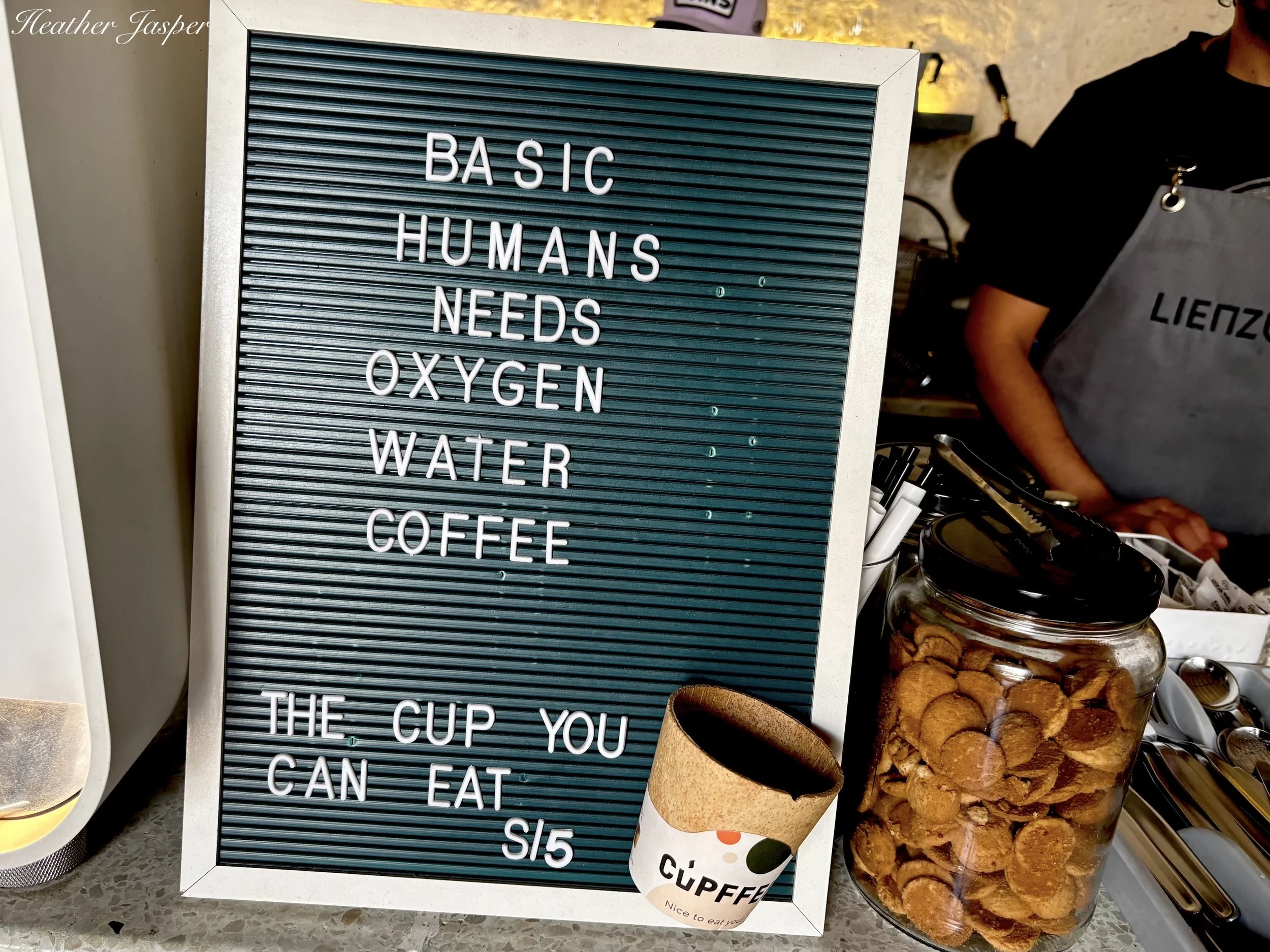
We all need the same things but we don’t all have the same ways of getting what we need.
Accessible travel is not niche, it’s for everybody.
Either you or somebody you travel with will eventually have medical needs when traveling.
According to the National Council on Aging, 93% of adults aged 65 and older have at least one chronic condition. I don’t know anybody who decided to stop traveling when they turned 65, so if you’re not traveling with a chronic illness now, you probably will someday. And if you’re part of the lucky 7% that doesn’t have a chronic condition, you’re still likely to travel with a friend or family member who does.
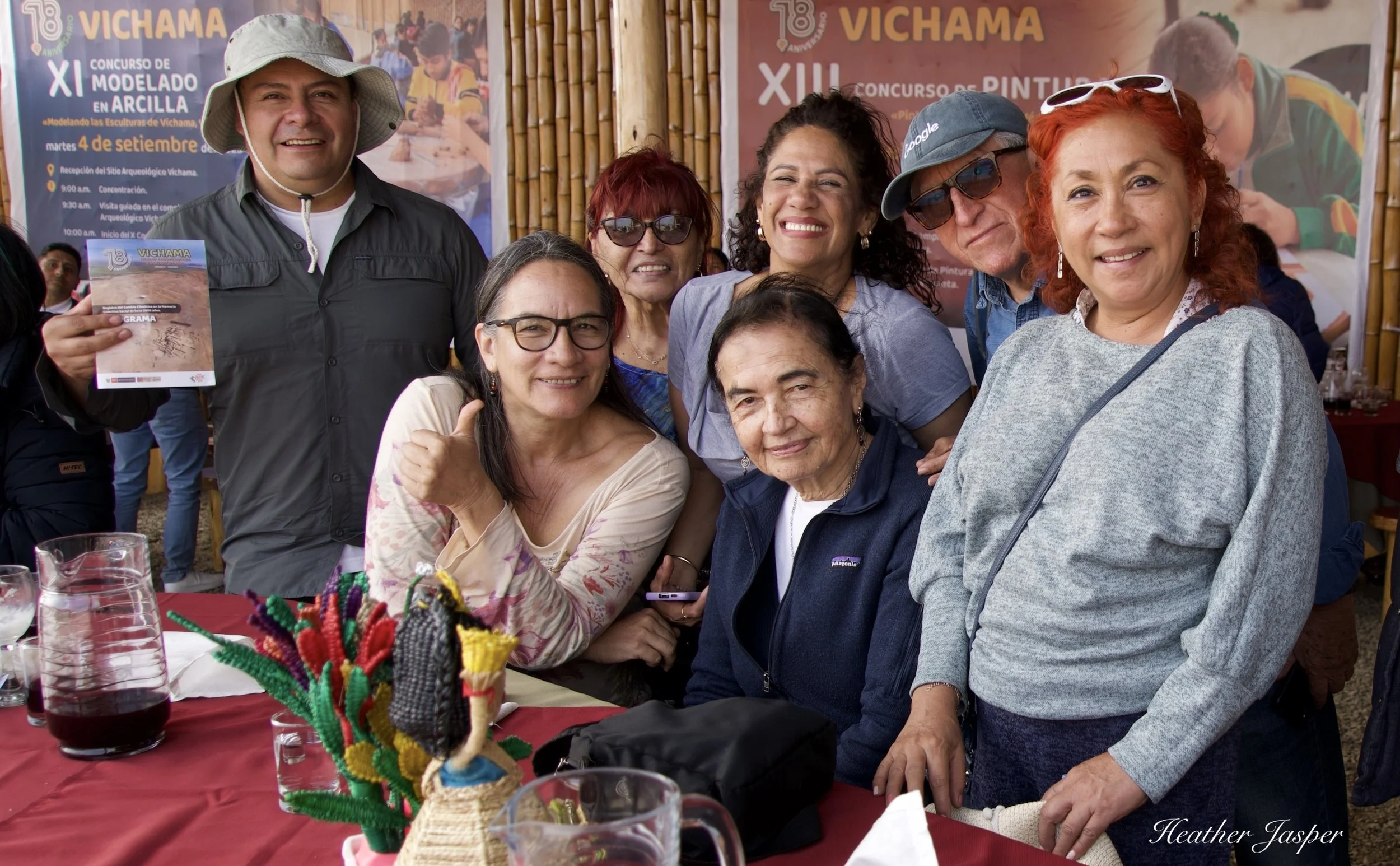
No matter who you’re traveling with, have an open conversation about what they need. Sitting is Dr. Ruth Shady, who I would LOVE to have the privilege of traveling with someday.
How to plan travel with a chronic illness?
Planning travel with a chronic illness for yourself or for somebody you’re traveling with takes more time but it’s absolutely worth it. If you’re planning a trip that will include a family member or friend who has a chronic condition, involve them in the planning as much as possible. If they tell you they only need one accommodation, ask questions so you can appropriately meet their need. If there are several accommodations, or they seem complicated, ask the person to be more involved in the planning with you.
If you have a chronic illness and are planning for the whole group, don’t ignore your needs and plan for what you think the others would prefer to do. Plan for what you need and build in choice for the others – more on that below. Also, be willing to explain why you designed the trip the way you did.

Wheelchairs are just the tip of the iceberg when you start considering what accommodations you need to travel.
Focus on the accommodations, not the diagnosis.
The reason a person needs a special diet doesn’t matter as much as making sure they get enough to eat. When my grandmother’s body stopped processing lactose it didn’t matter what the diagnosis was. It just mattered that all ice cream was vegan. She preferred ice cream made with coconut milk and I loved that accommodation.
If you’re traveling with somebody who has limited mobility it doesn’t matter why walking is hard as much as what they need to be able to travel. Focus on how they will get around and how much physical activity they want to do each day.
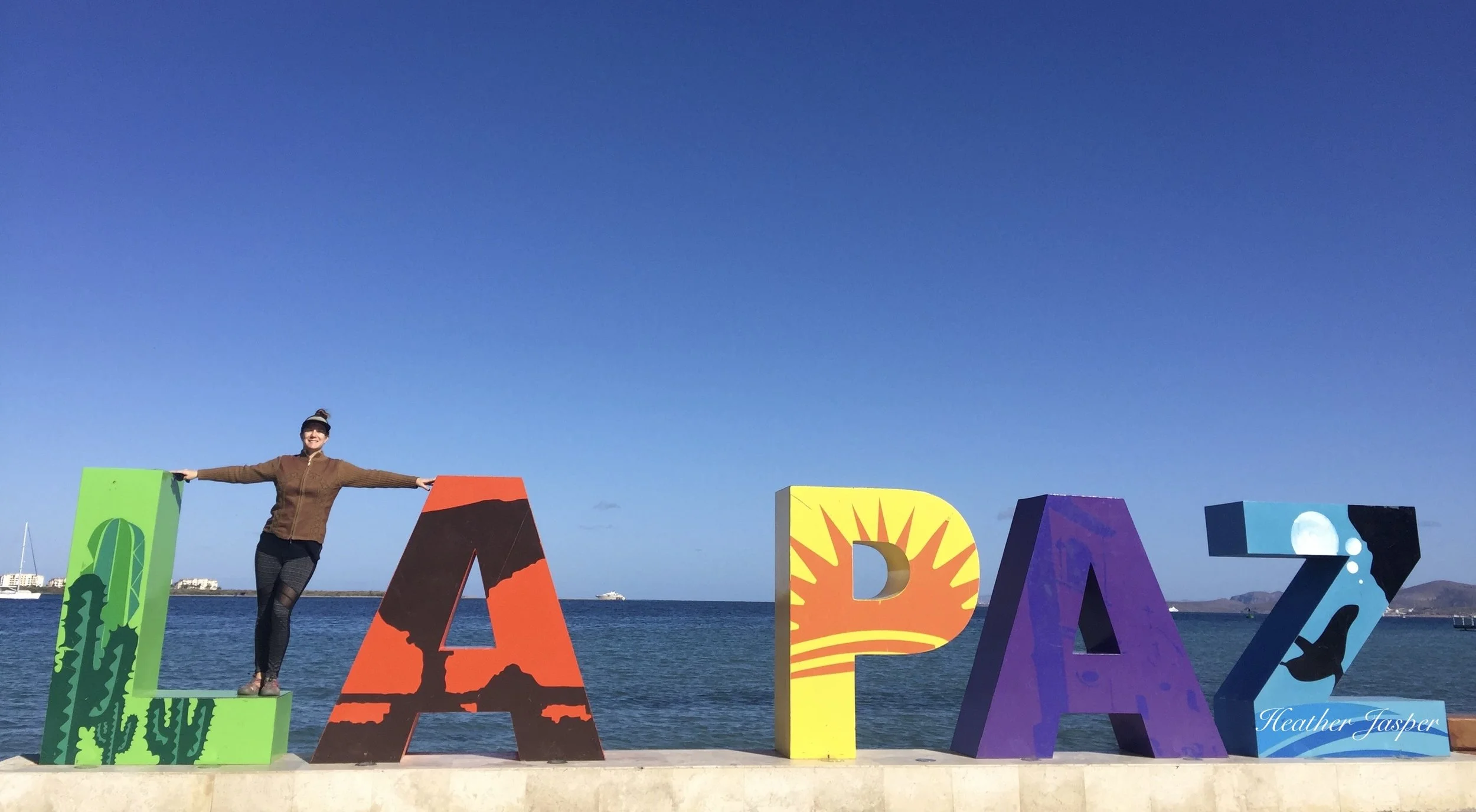
One of my funnest solo trips was La Paz, Mexico in February 2019. I swam with both whale sharks and sea lions!
Solo travel with a chronic illness is possible.
These tips are mostly for traveling in groups, but you can use them to travel solo. I have been in treatment for a chronic condition since 2008 and in 2009 I tested out solo travel with a road trip through Idaho, Montana, Alberta, British Columbia, Washington and Oregon. Since then, I’ve traveled solo to fifteen countries, and visited several others with a travel buddy or group. It’s not easy, but it is possible.
Here’s my top 5 tips for planning travel with a chronic condition.

Put everything on the table and have an open conversation about what exactly you need to be able to travel.
1. List all medical needs before you start planning.
Medical needs are more than medications and medical devices (wheelchairs, oxygen tanks, etc.). Getting enough food, water and sleep also count. Ask the person you’re traveling with to list everything you need to know to plan the trip. Ask about their daily routine and what’s different from before the diagnosis or what they think is different from you. Ask direct questions about anything that’s not totally clear instead of making assumptions.
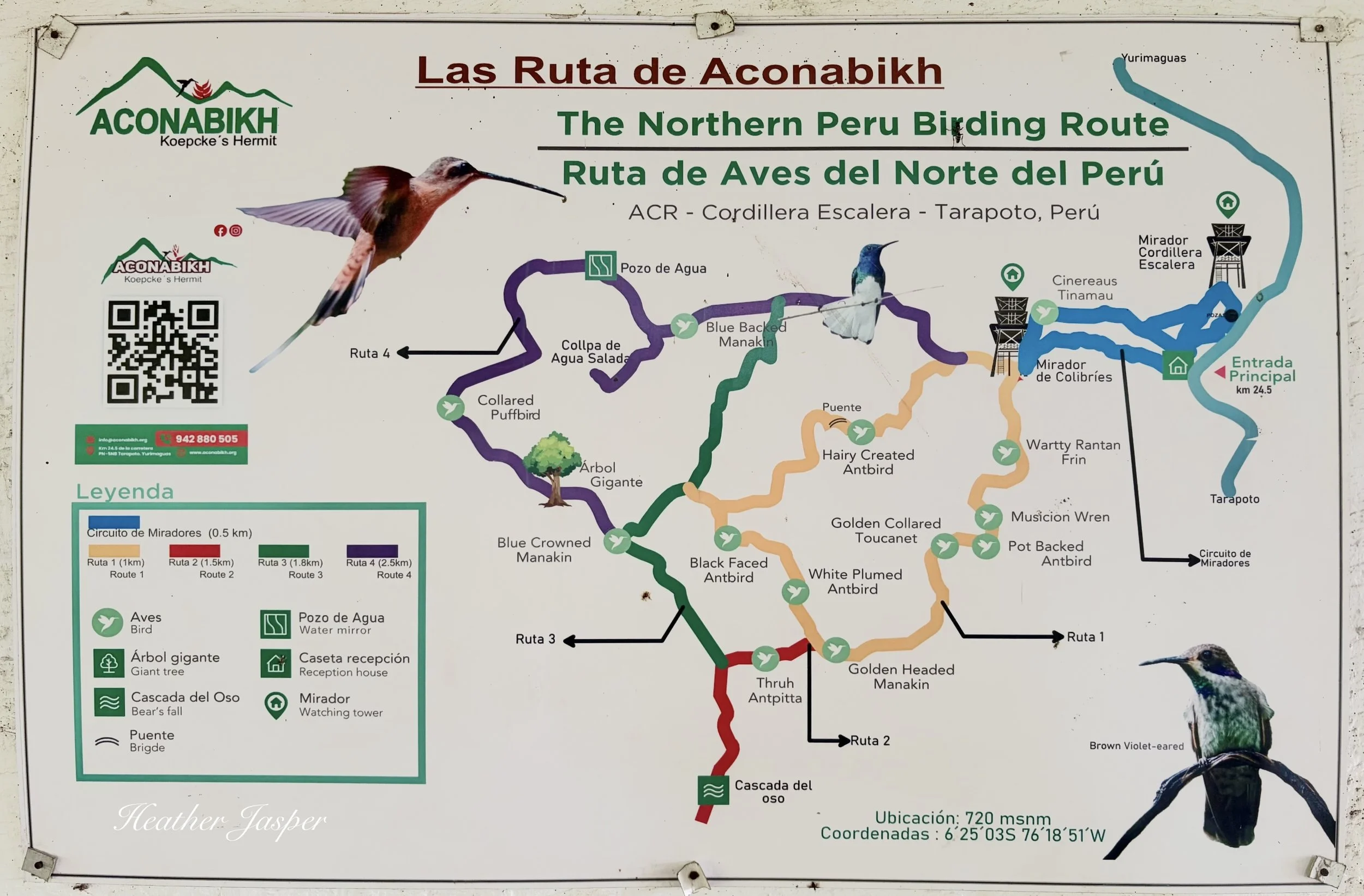
Not everybody in the group has to take the same route on the trip or do the same thing every day.
2. Build flexibility into the schedule.
Flexibility to scale back on activities and increase downtime is essential for planning a trip that everybody can enjoy. Build choices for different activities into the schedule, so it’s already part of the plan for not everybody to do the same thing at the same time. For each week of a trip, plan only one day that’s a big activity everybody wants to do, like going to Machu Picchu. The days before and after you need to plan activities that can be moved around, either to different days or different times of day, so anybody in the group who needs to rest can do so.
Some chronic illnesses are unpredictable, and some can flare up with stress. Unfamiliar places, food, changes in sleep patterns and even jetlag cause stress whether you have a chronic illness or not. Expect that changes will happen. Building flexibility into the schedule doesn’t work if expectations are that you’ll be able to stick to the first version of the plan.
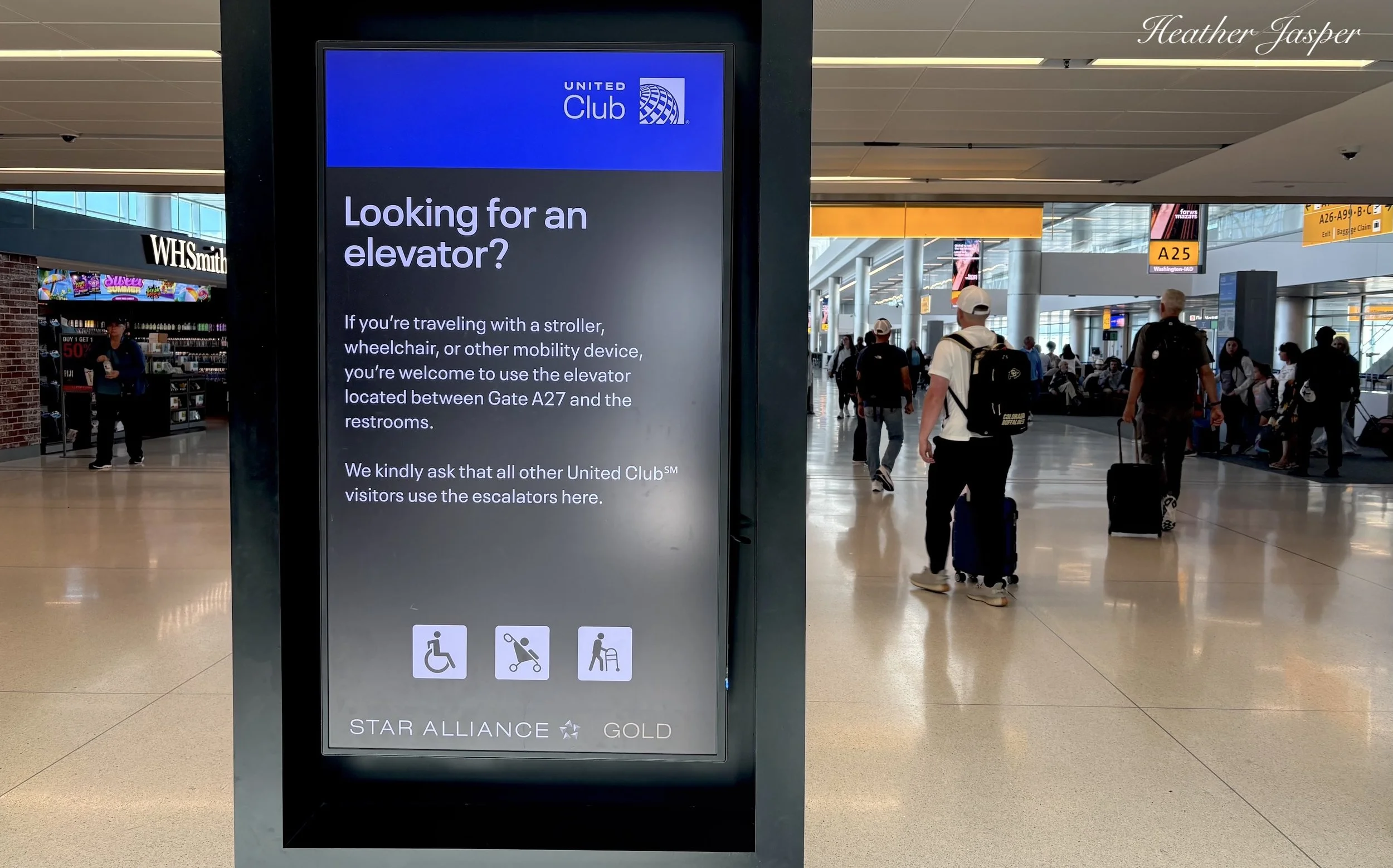
Research any accommodation you’ll need at an airport before buying your plane tickets.
3. Research how you’ll get there and where you’ll stay.
Remember to focus on the accommodations, not the diagnosis. What exactly does the person with a chronic condition need to get from Point A to Point B? What do they need at the hotel or rental house to be able to comfortably sleep and use the facilities? This is where you get down to the nitty gritty on every detail. Don’t accept vague answers from hotel receptionists or AirBnb hosts. Be open to changing the mode of transport or where you stay if you’re not positive that they’ll work for the person you’re traveling with.
The most stressful part of any trip is usually how to get from home to your homebase for the trip, i.e. how to get from your house to the hotel. If you’re driving, know how long it will take and then add extra time. If you’re flying, research how you’re getting to the airport and how you’re getting from the airport to the hotel. Can you get a direct flight? What will you do if you get stuck somewhere?
Make as solid of a plan as you can but also think about contingencies. Expect that the unexpected will happen. That’s a big part of travel.

4. Plan what you’ll do and where you’ll eat.
If you’re a foodie, these are the same thing. Even if you’re not, activities and meals go hand in hand. For every full-day activity, you need to be sure that everybody in your group can eat well. For a person with a chronic illness, you need to know what they need to eat and also what to do if they can’t eat well. If something goes wrong, will they need extra medications that they can handle themselves or do they risk a trip to the emergency room? What is the contingency plan for meals? Can they bring their own food?
When I was a teacher and led teenagers on outdoor trips, I learned that food is more important than anything else. If the food is bad or the kids are hungry, they won’t remember all the amazing things they did on the trip. They’ll only remember how hungry they felt. If the food is good, they’ll remember everything. Adults aren’t very different.

I can’t stress enough how important it is that everybody be able to eat food that works for their health and that they like.
For activities, consider beginning, middle and end. How much physical activity is involved? How easy is it to opt out of part of the activity? Is there a tour guide or somebody who can help if needed? If you’re working with a travel advisor or guide, make sure they understand the needs and limitations of the person with a chronic illness.
Checking that activities are accessible is similar to checking that transport and hotels are accessible. Drill down on the details and don’t accept vague answers. Be open to changing the activities or restaurants if you’re not sure they’ll work for the person you’re traveling with.
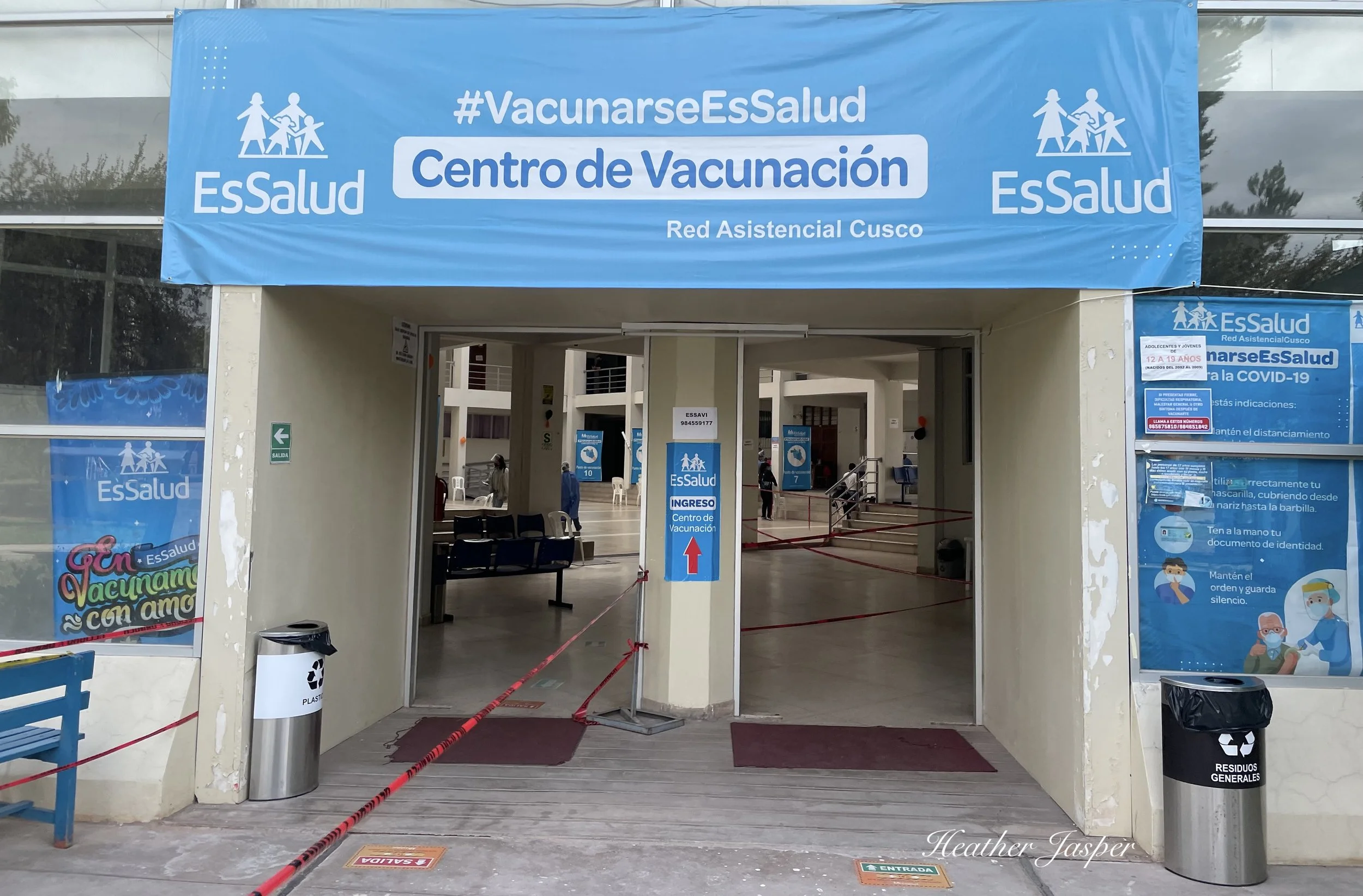
Always know where you can get help, whether that’s hospitals, clinics or even police stations.
5. Plan for emergencies.
Talk with the person you’re traveling with about what happens when their condition flares up and what kind of emergencies they’ve had on past trips. Know emergency numbers for the places you’re going and research what medical facilities will be nearby. Write down where to go and who to call if there’s a medical emergency.
I always recommend refundable tickets and trip insurance anyway, but they’re especially important when you’re dealing with a chronic illness that could flare up at any point. Refundable tickets are more expensive, so have an open conversation about budgets and be okay with not everybody in the group getting the same kind of tickets and travel insurance.
Want to know more?
Travel writer Zanny Merullo recently held a webinar about expanding accessible travel with a focus on travelers with chronic illness. If you’re interested in this topic I highly recommend watching the accessible travel webinar replay.
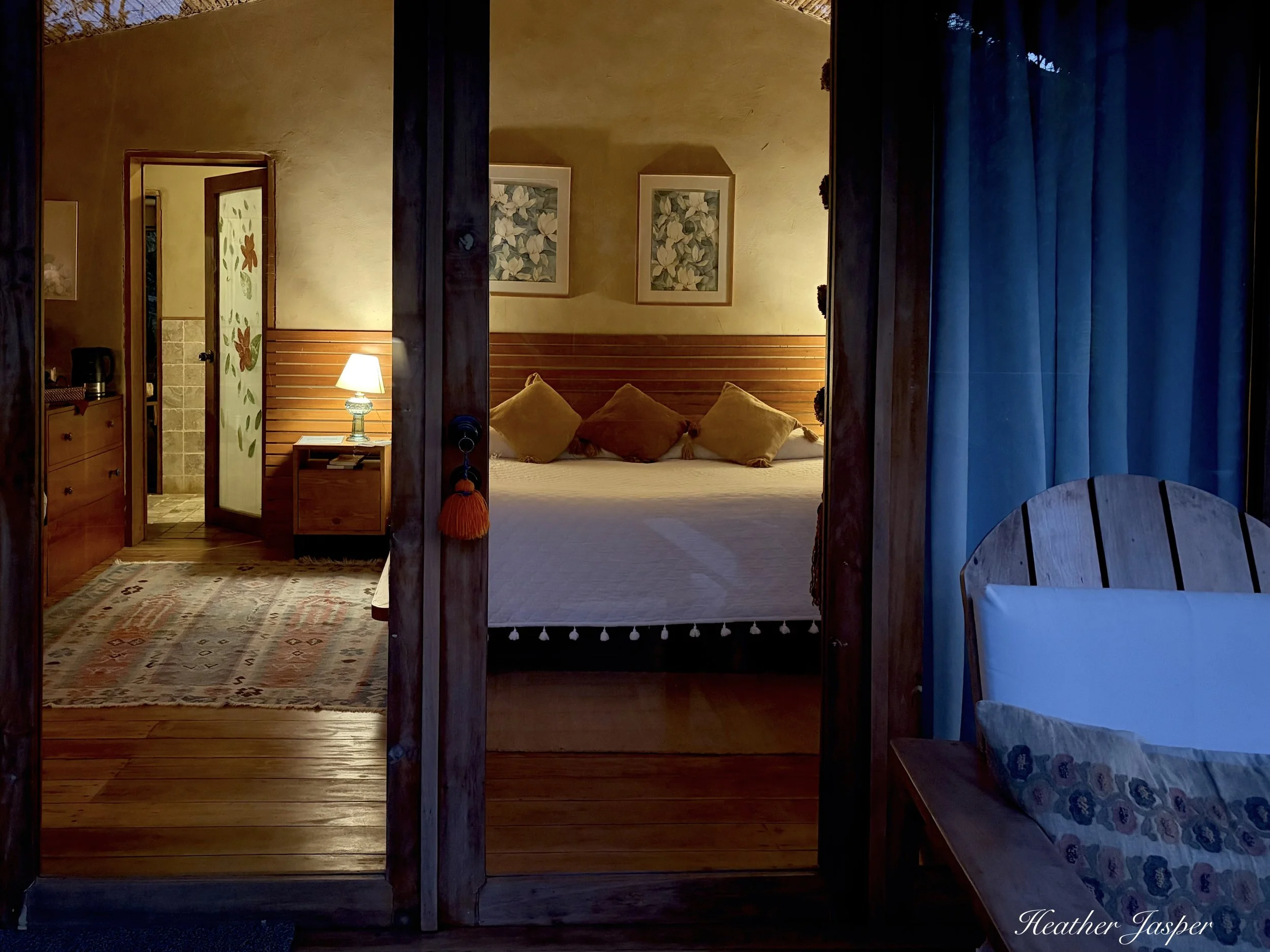
Arriving at the hotel late may be a minor inconvenience for some people but a medical emergency for others.
Bonus tip: Push back if travel companies or tour guides don’t understand your needs.
On a press trip a couple months ago the itinerary looked like it would give me enough time at the hotel each night, but the first two days the guide kept us out late and got us up early. I take medications an hour before I go to bed and another person in the group had to take medication an hour before breakfast. Getting to the hotel late didn’t work for me and leaving early didn’t work for her. I spoke to the guide, and he stuck to the schedule better the next couple of days.
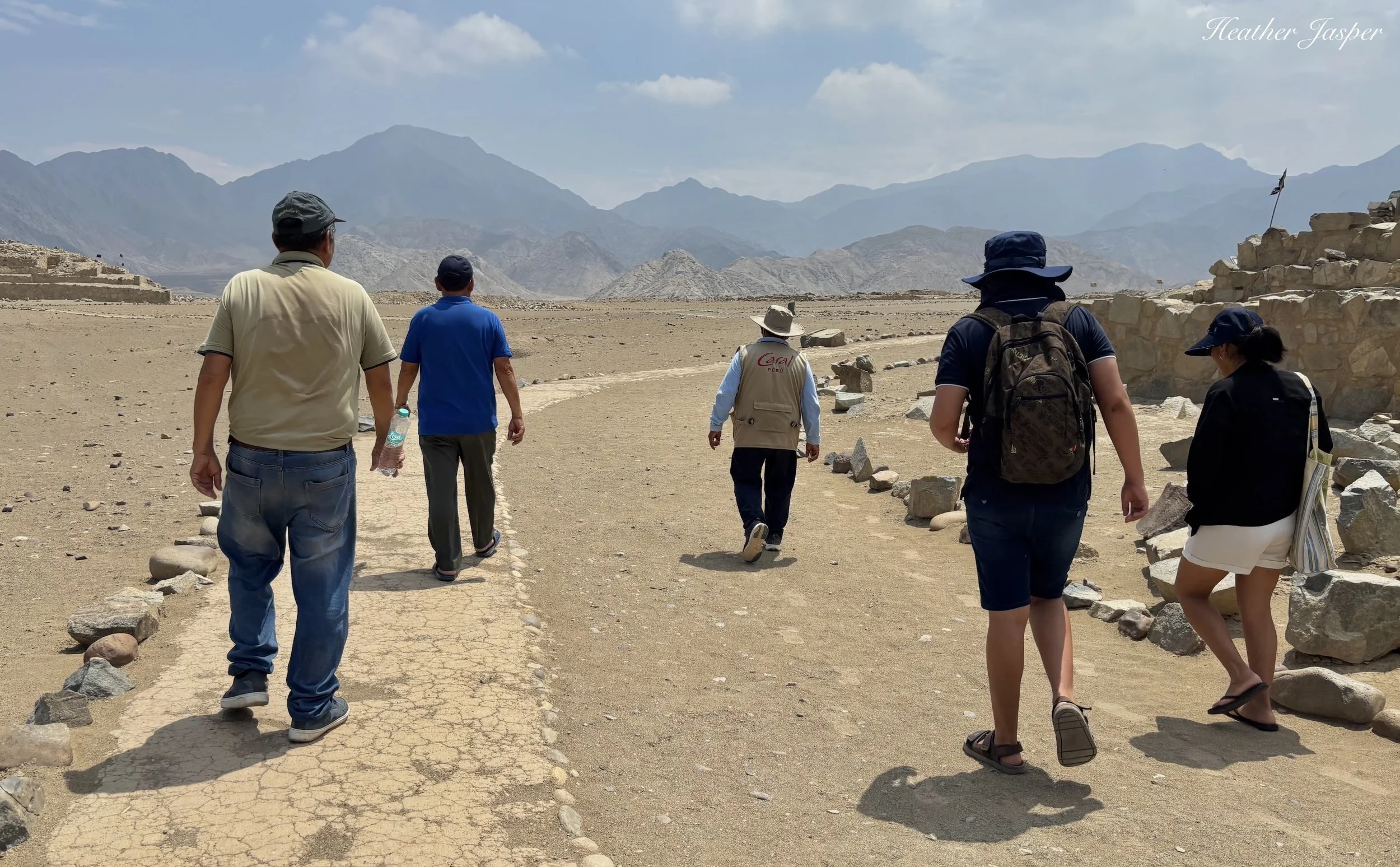
If somebody is asking for something different or special on a trip, give them the benefit of the doubt.
Also, don’t protest when other people ask for accommodations.
The fifth night on that press trip, when we were getting back to the hotel at 11pm, the guide announced we would leave at 6am. She and I lost our patience. The schedule said we’d be back at the hotel by 9pm and leave at 9am. We complained to the guide in front of everybody else and another person came to stand in front of us and tell us sharply that it was a shame we didn’t appreciate the trip. All I could think to reply was that we’d already had too many nights with less than five hours of sleep. If somebody is asking for accommodations, give them the benefit of the doubt. You don’t know their full medical history.
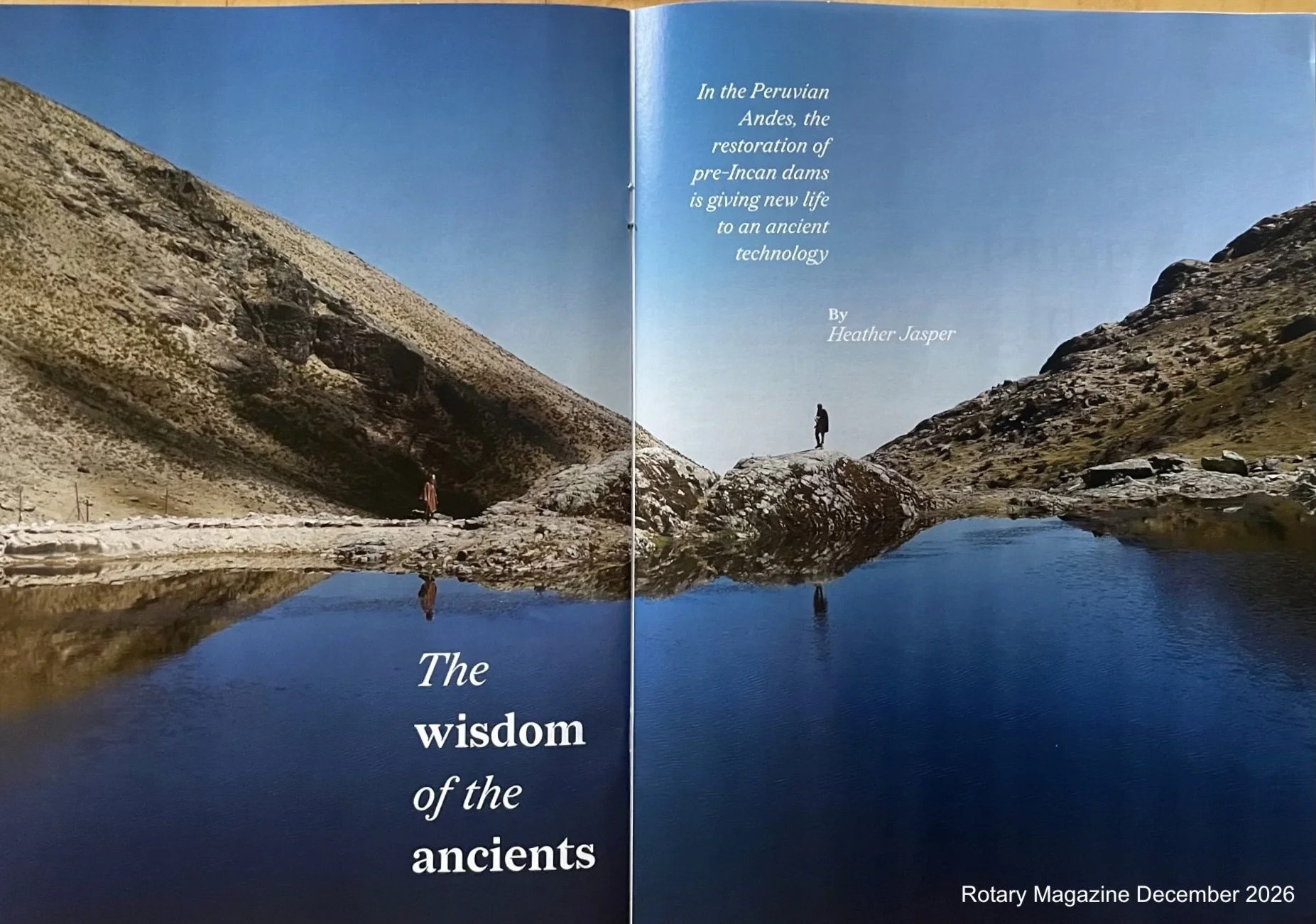
New article sneak peak: The Wisdom of the Ancients
Rotary’s December issue has my article about ancient dams built in Peru. In August, I got to attend the inauguration of a pre-Inca dam in the Cordillera Blanca. If you missed that, read the dam blog post here. It sounds like a dry subject but was one of the most fascinating things I’ve seen in my 7+ years in Peru. Get your hands on a copy of Rotary Magazine!