Ccaccaccollo
Yes, that’s really how they spell it.
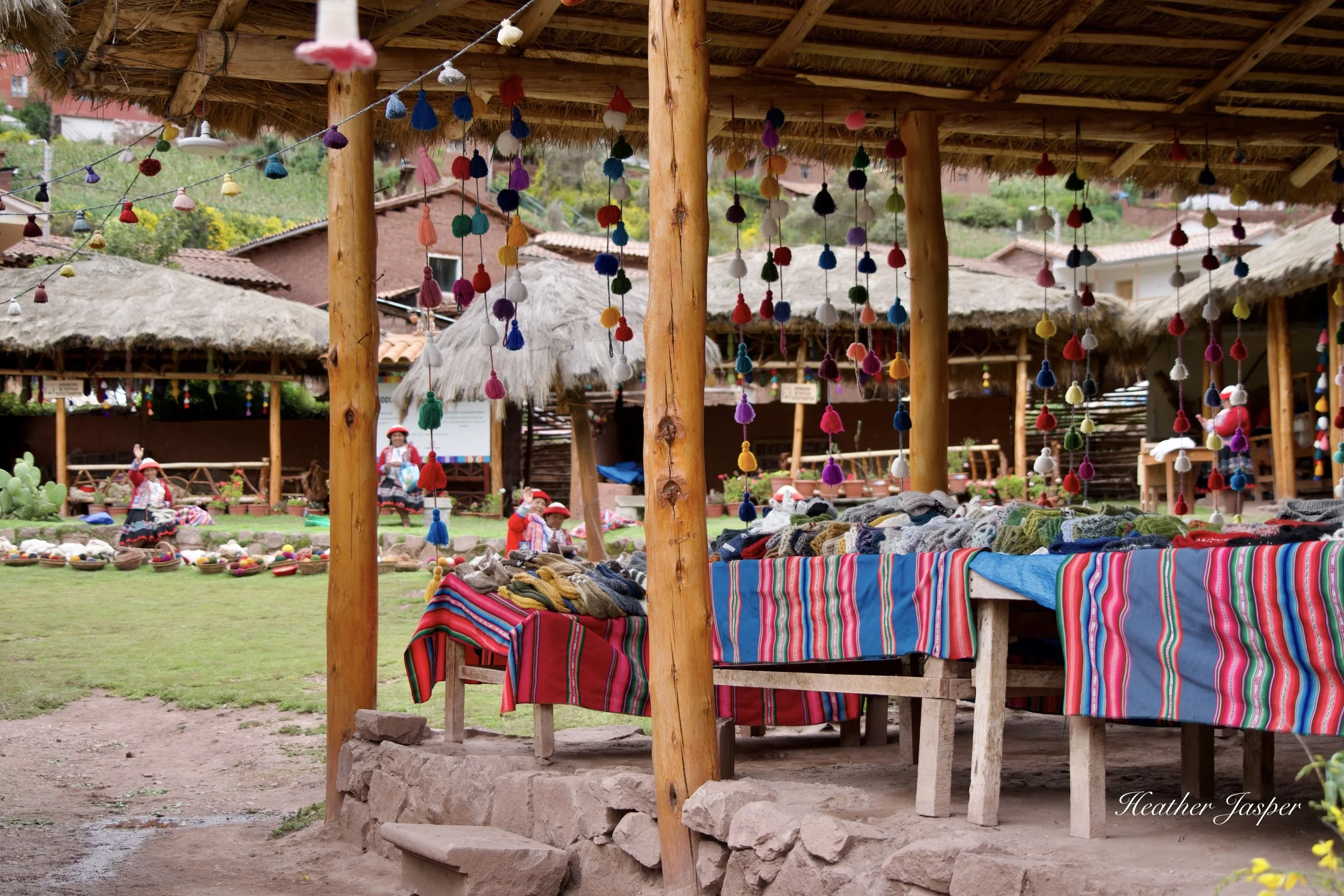
Arriving at the Ccaccaccollo artisan’s cooperative, the women wave a greeting before coming to welcome us.
I’ll try to explain how to pronounce it, but first: why should you go to Ccaccaccollo?
Ccaccaccollo has one of Peru’s best community tourism projects.
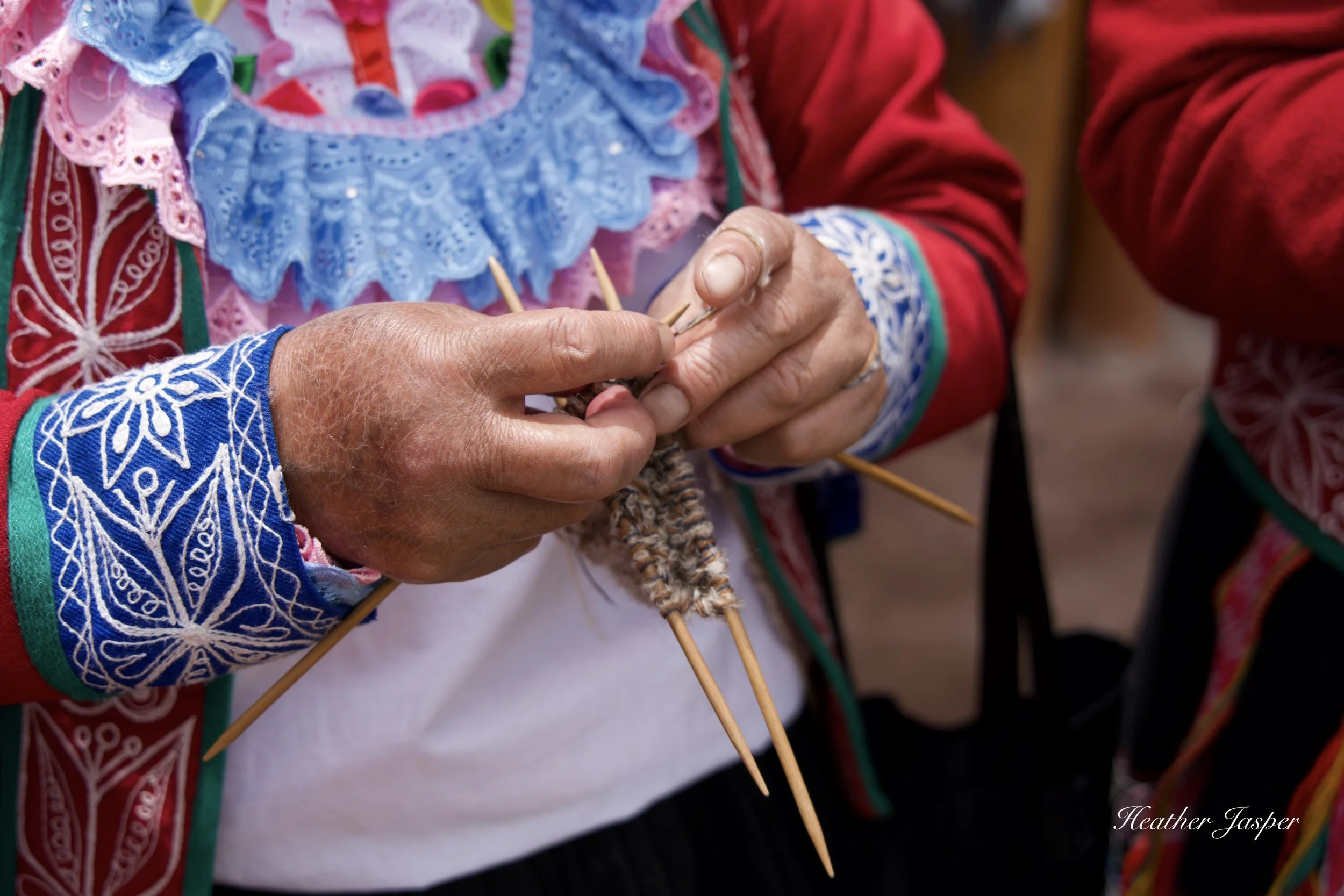
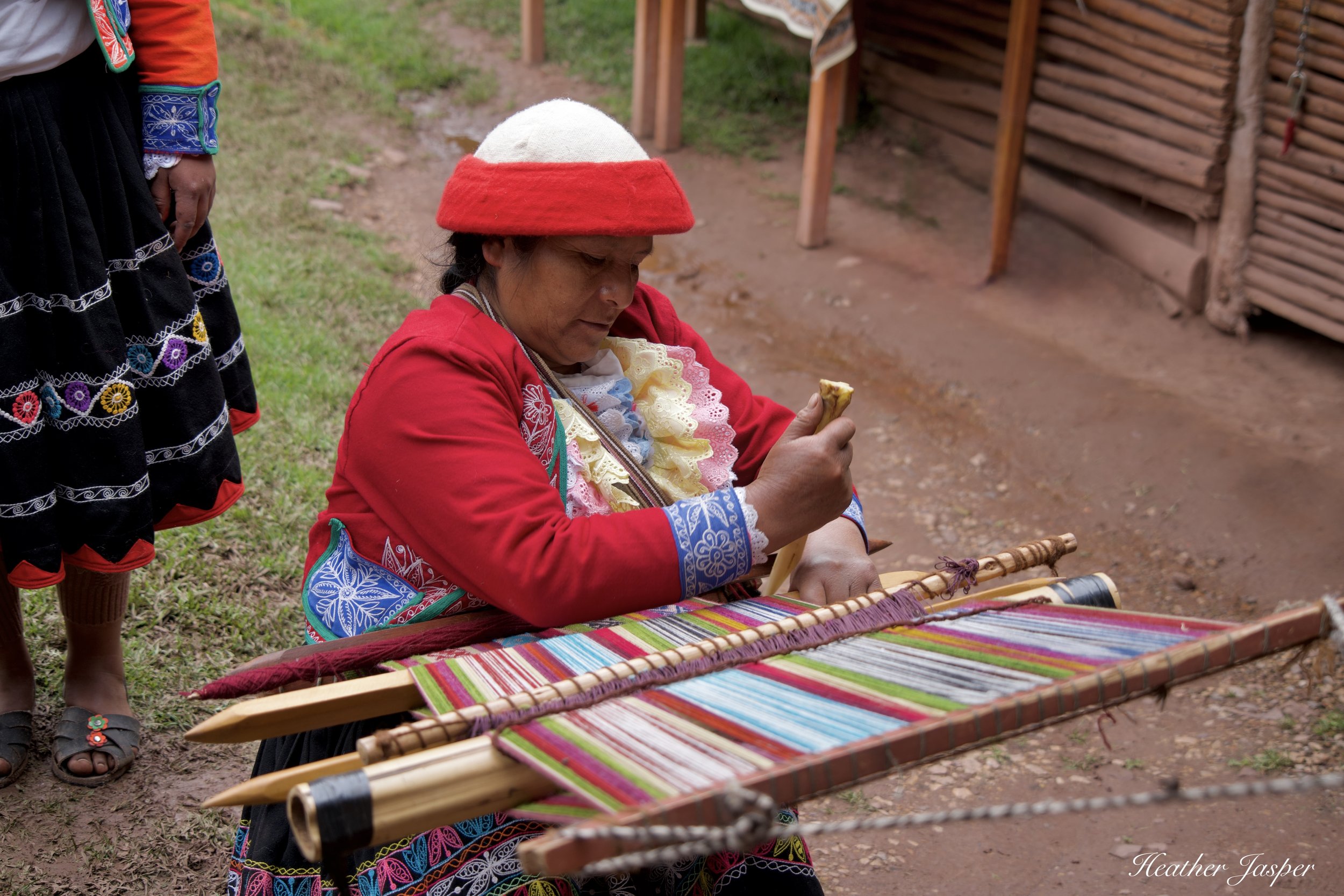
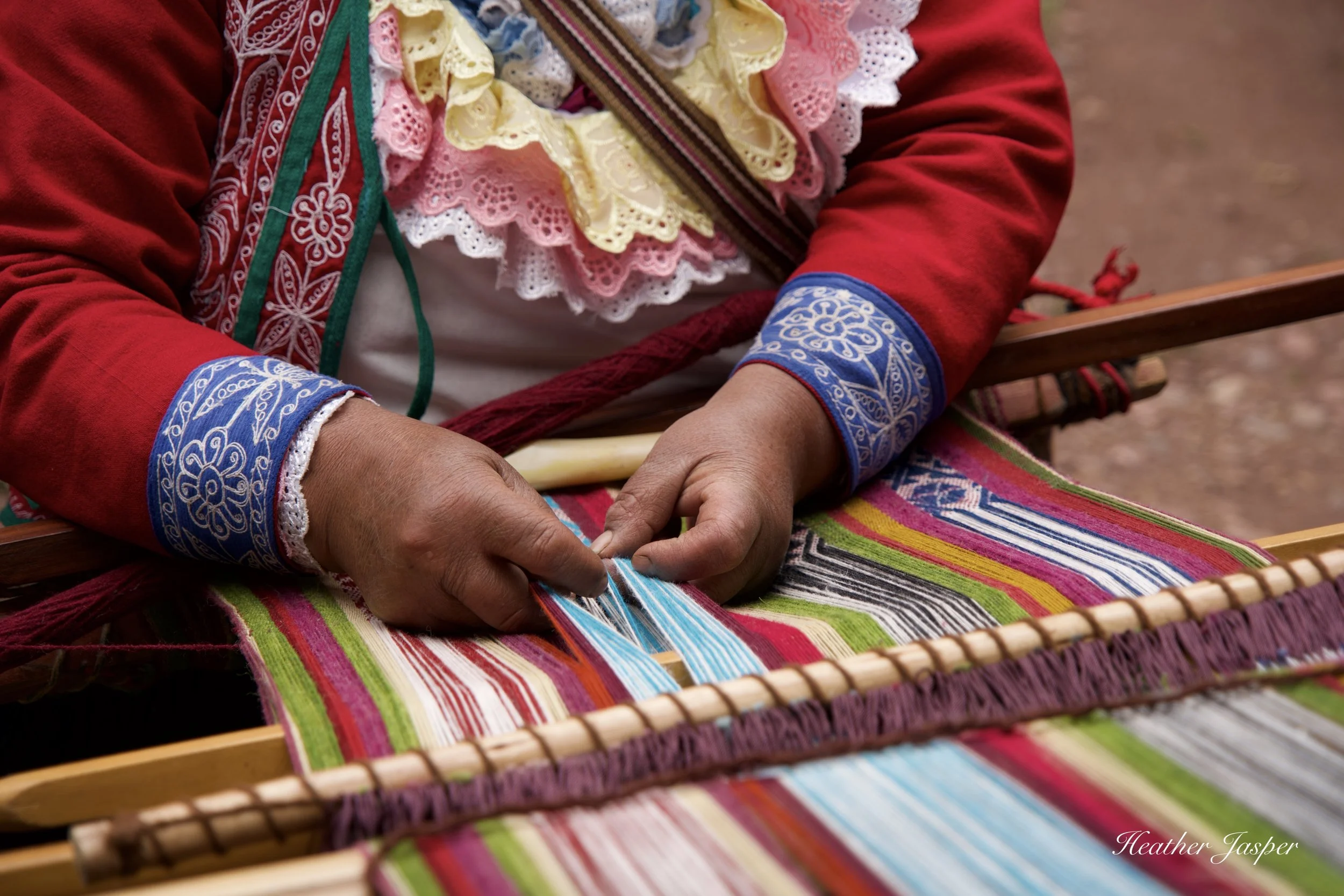
When I was there, one of the members, Alba, explained how the town’s women created this project and how their work benefits the whole community. They all work hard to knit and weave just about anything a tourist would want to buy.
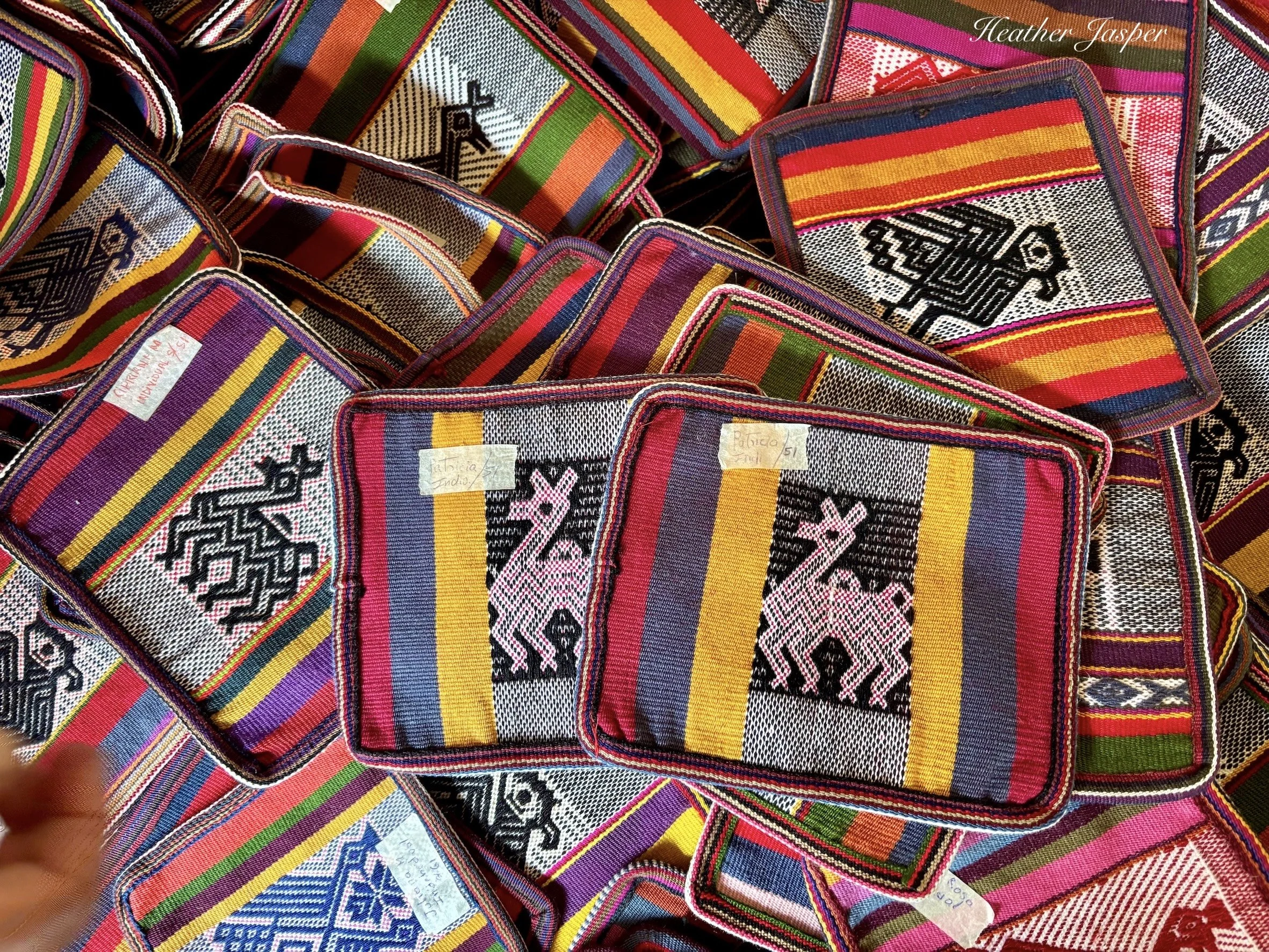
The bit of tape has the price and the name of the woman who made it. I bought these two made by Alba.
I saw tables covered with blankets, shawls, scarves, sweaters, hats, gloves, socks and bags of all shapes and sizes. I bought a set of placemats for my table, which were hand woven of sheep’s wool and dyed with natural dyes. Greens and yellows are done with different leaves. All shades of red, pink and purple are cochineal, an insect. (More on cochineal and natural dyes below).
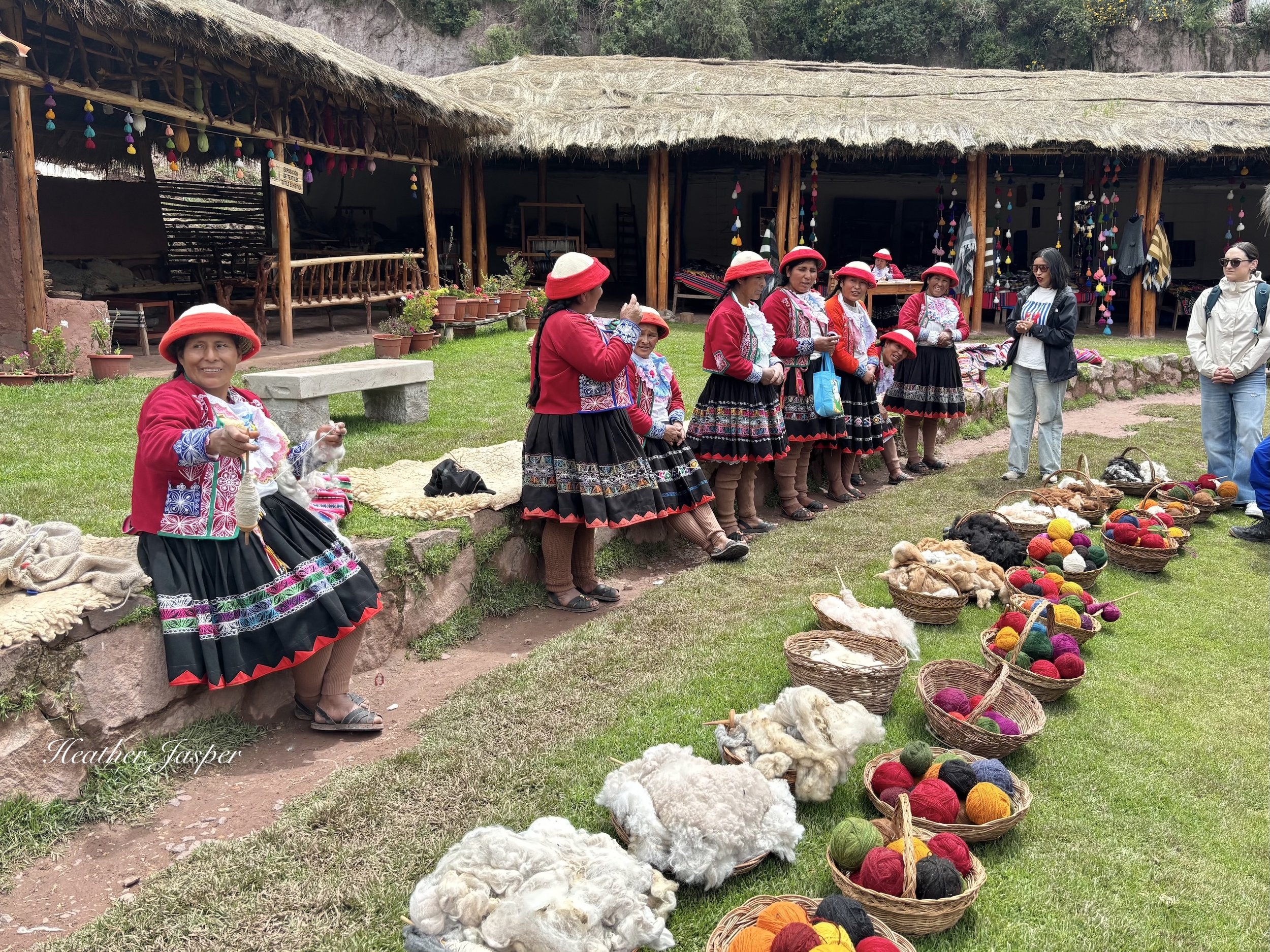
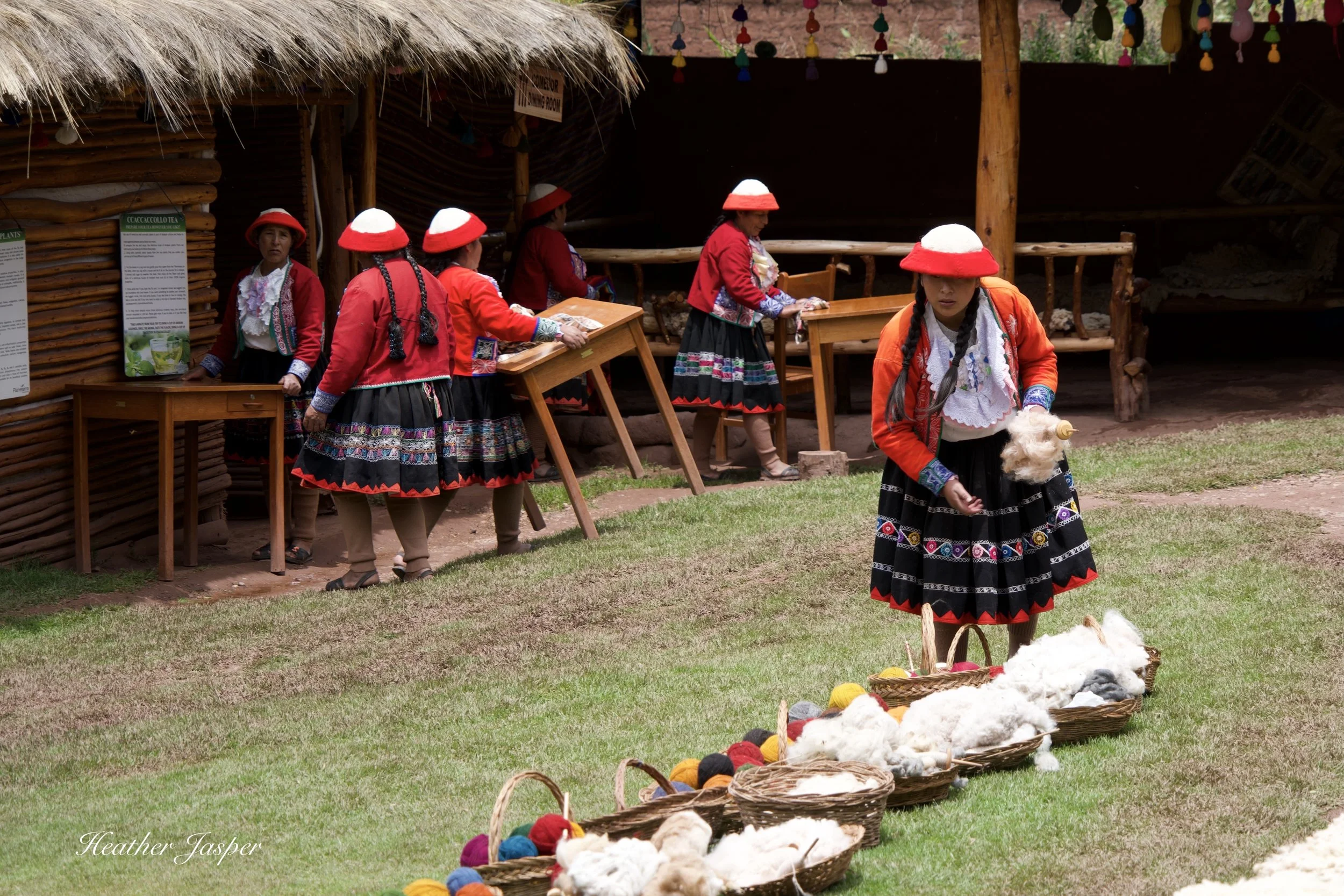
A cooperative for and by women
The cooperative has much more than tables full of things for tourists to buy. There is a kitchen where meals are prepared for visitors. They also can do their own cooking in the same kitchen.
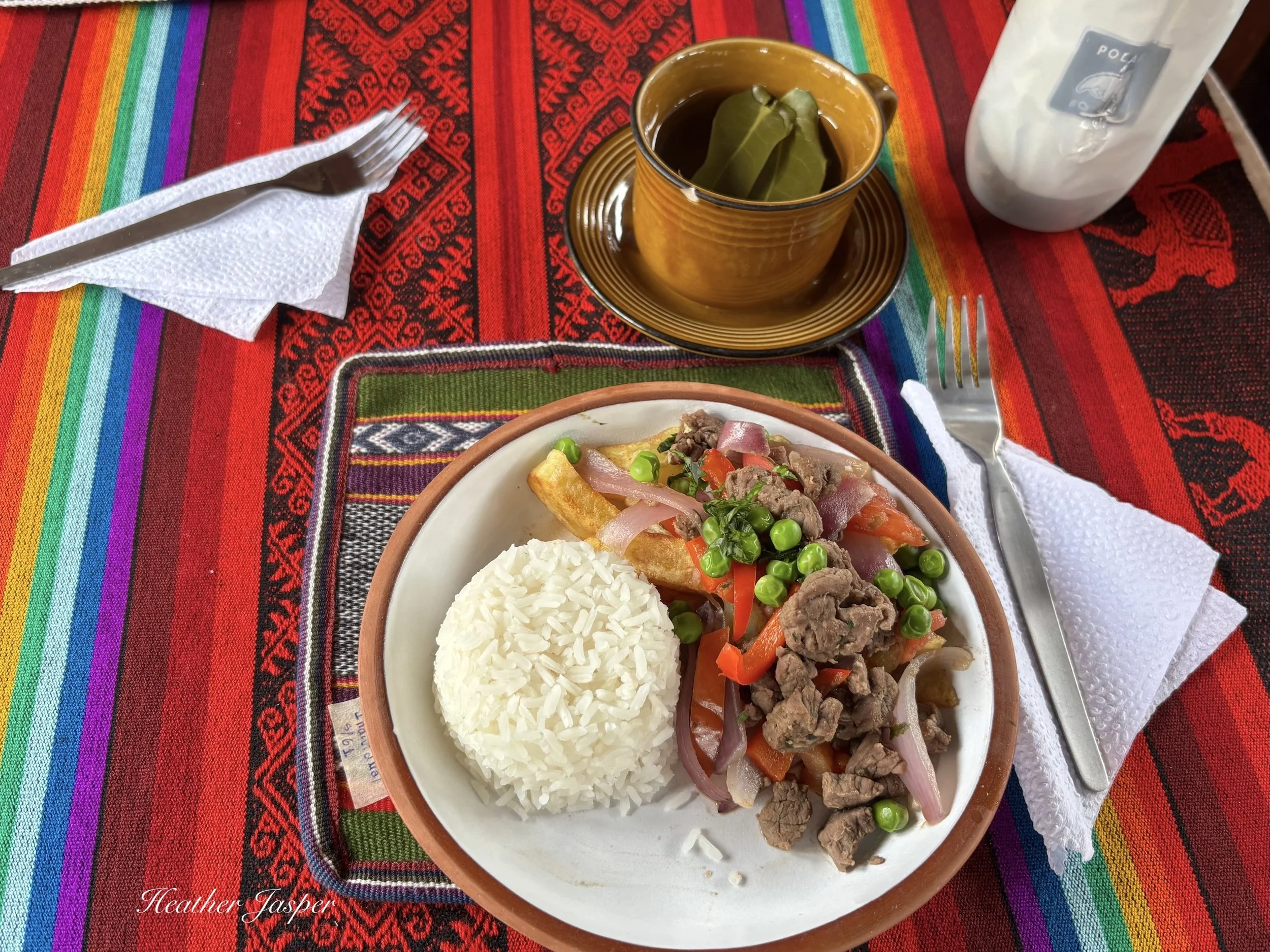
Lunch at Ccaccaccollo
When I was there they served the group lomo saltado, and gave me a full plate of stir-fried veggies and steamed broccoli.
They do most of their yarn spinning, knitting and weaving at the cooperative and there is a space for children to play. Some women bring their children, especially the youngest ones, with them to work.
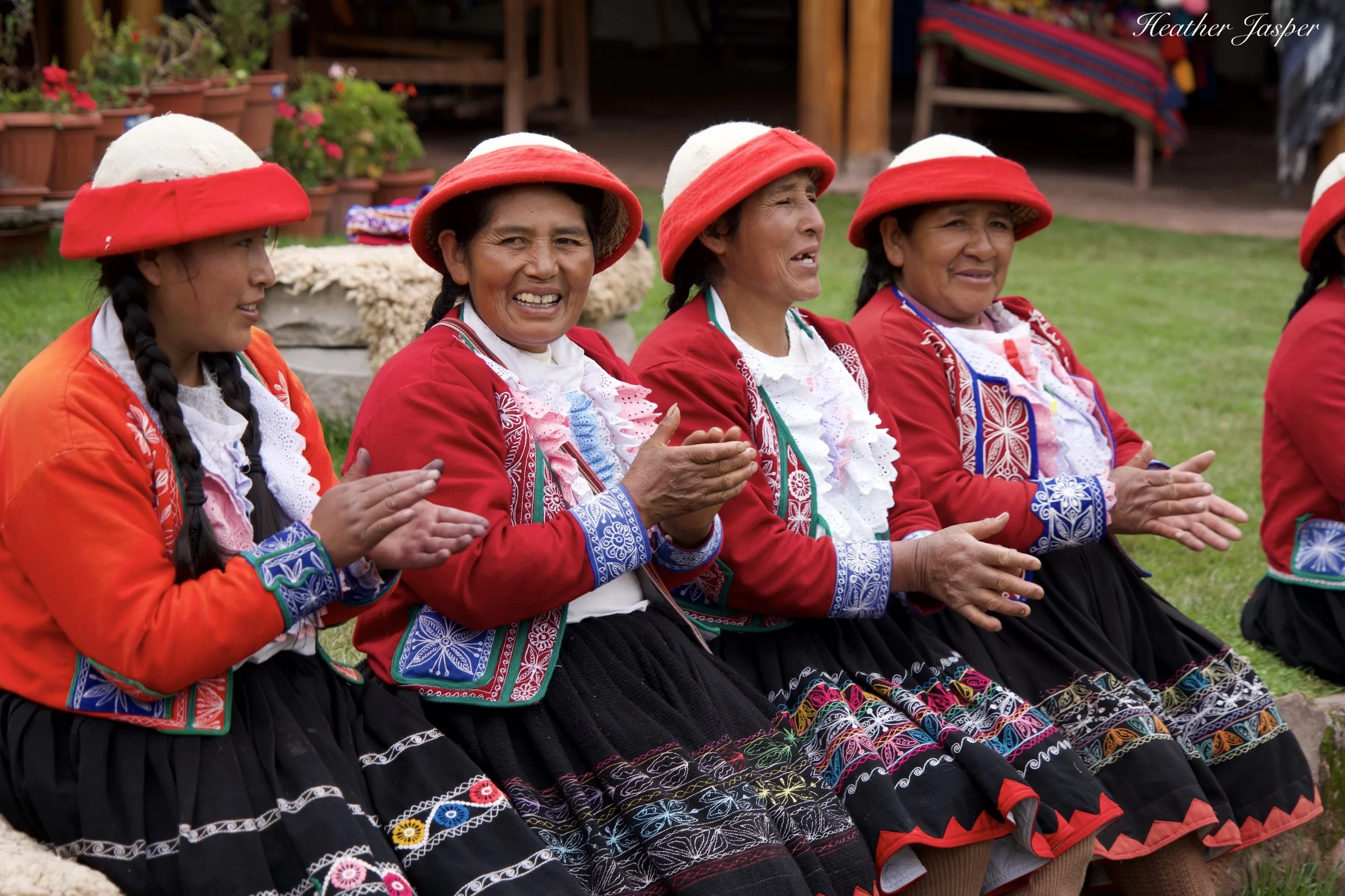
Traditional outfits
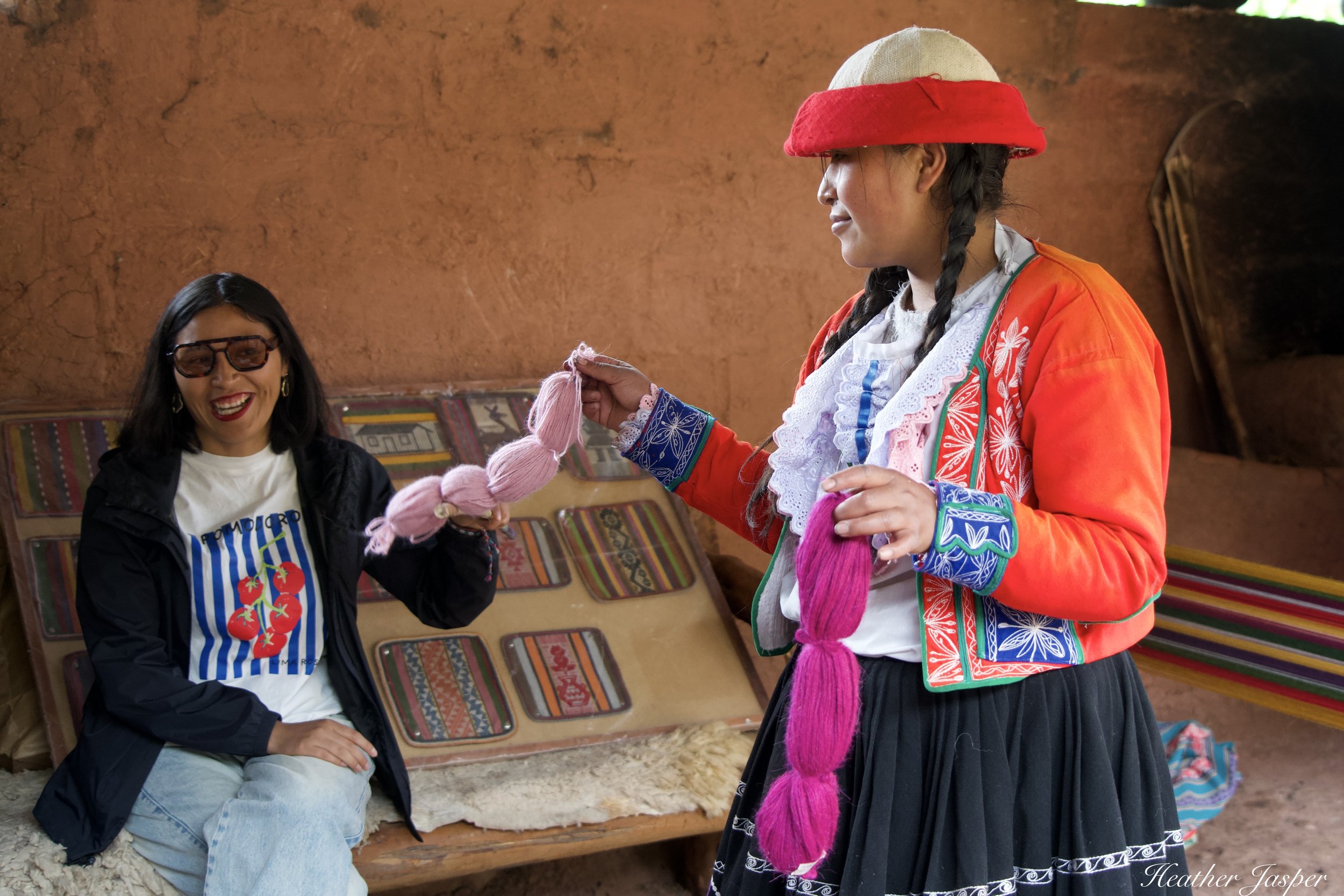
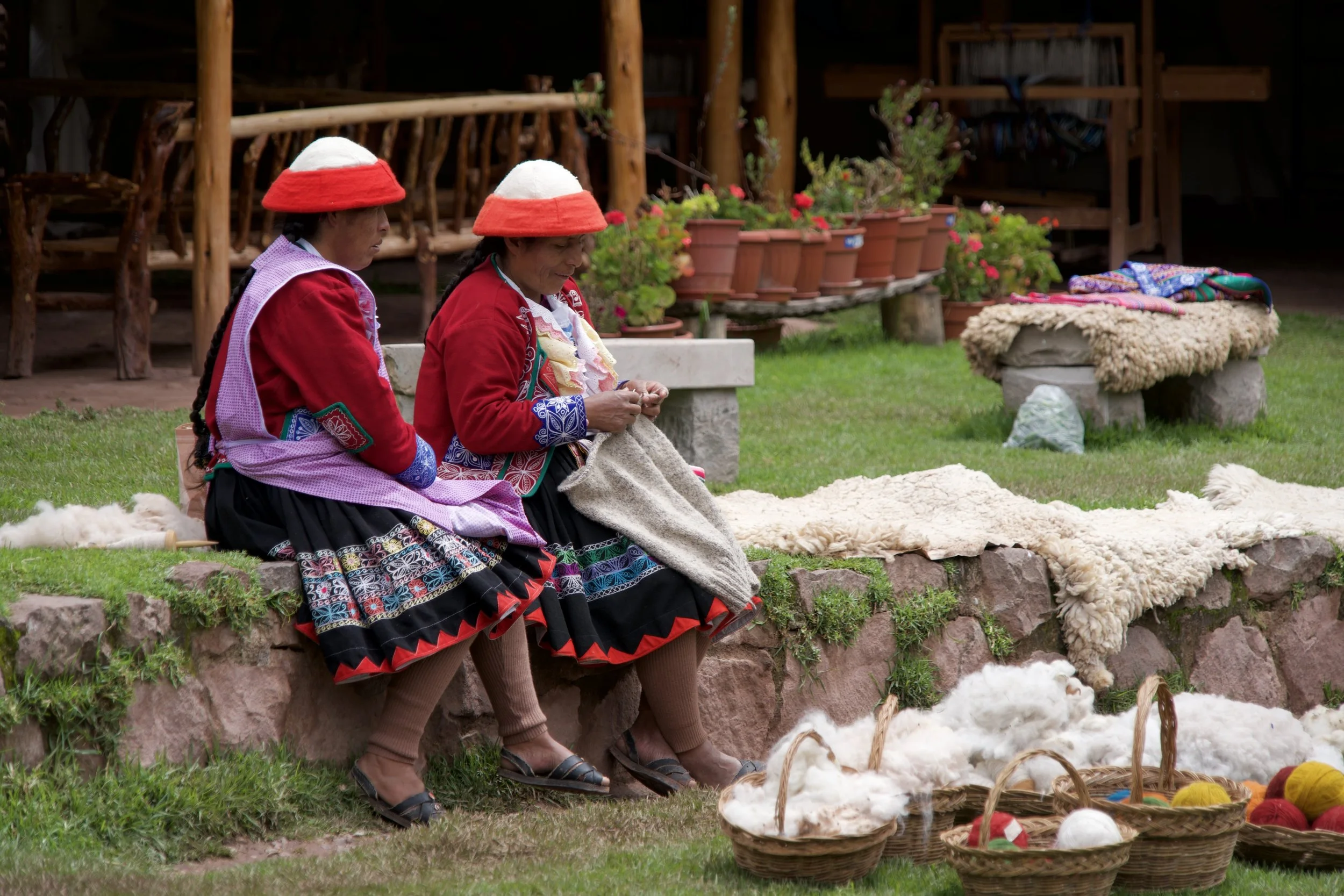
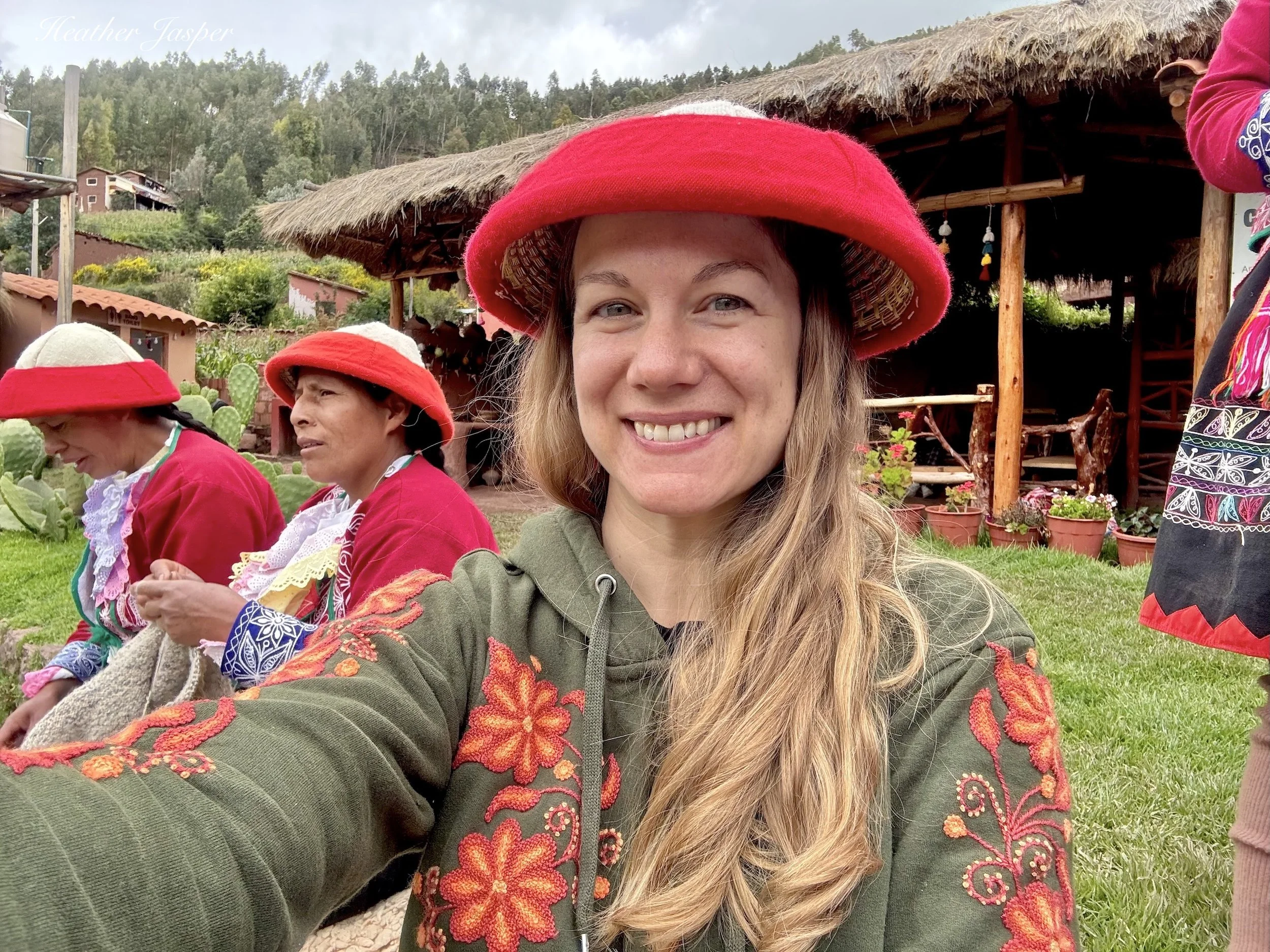
They dress up in the village’s traditional red and white hats, red jackets and black skirts when they’re at work but don’t always wear the same outfits at home.
Llamas and Alpacas
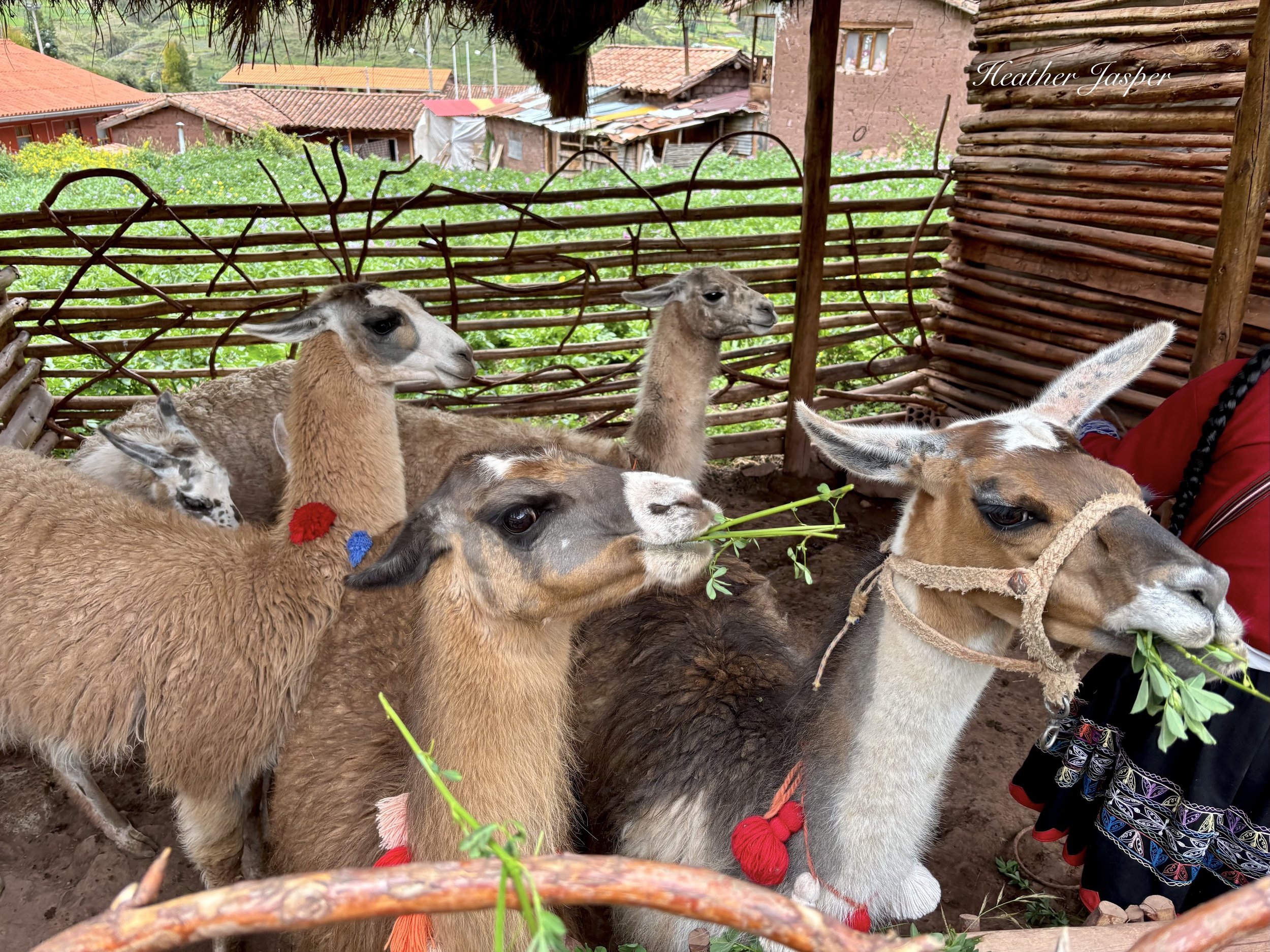
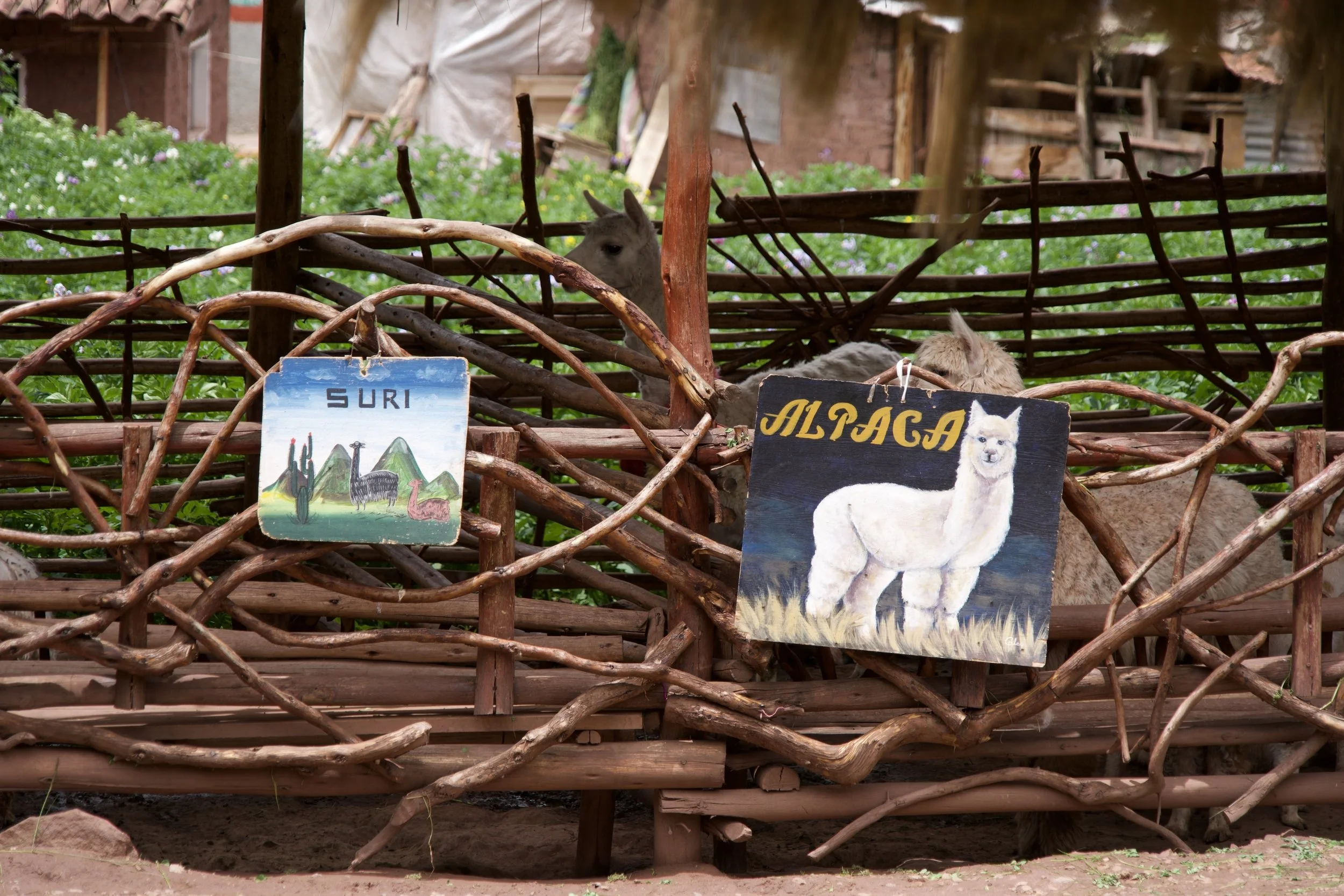
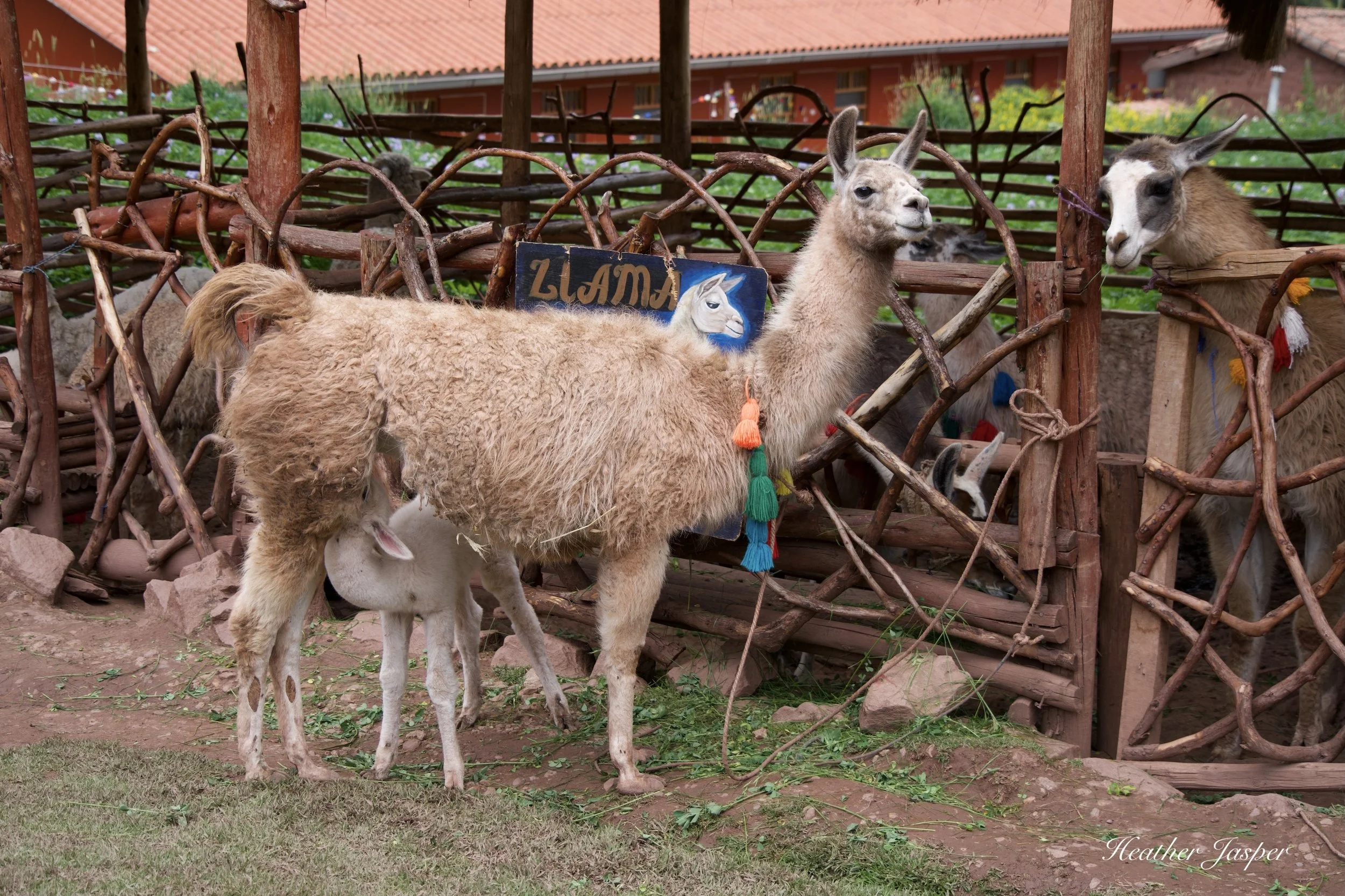
For tourists who have never seen a llama or an alpaca up close, or who haven’t learned to tell the difference, there is a pen with a few llamas and alpacas at the cooperative. The sign in the photo above for “suri” is a kind of alpaca with long fur that grows almost like dreadlocks. Alpacas are usually sheared in January and since it’s only March none of them had fur long enough to tell the difference. (There’s a picture of me feeding a suri alpaca on this blog).
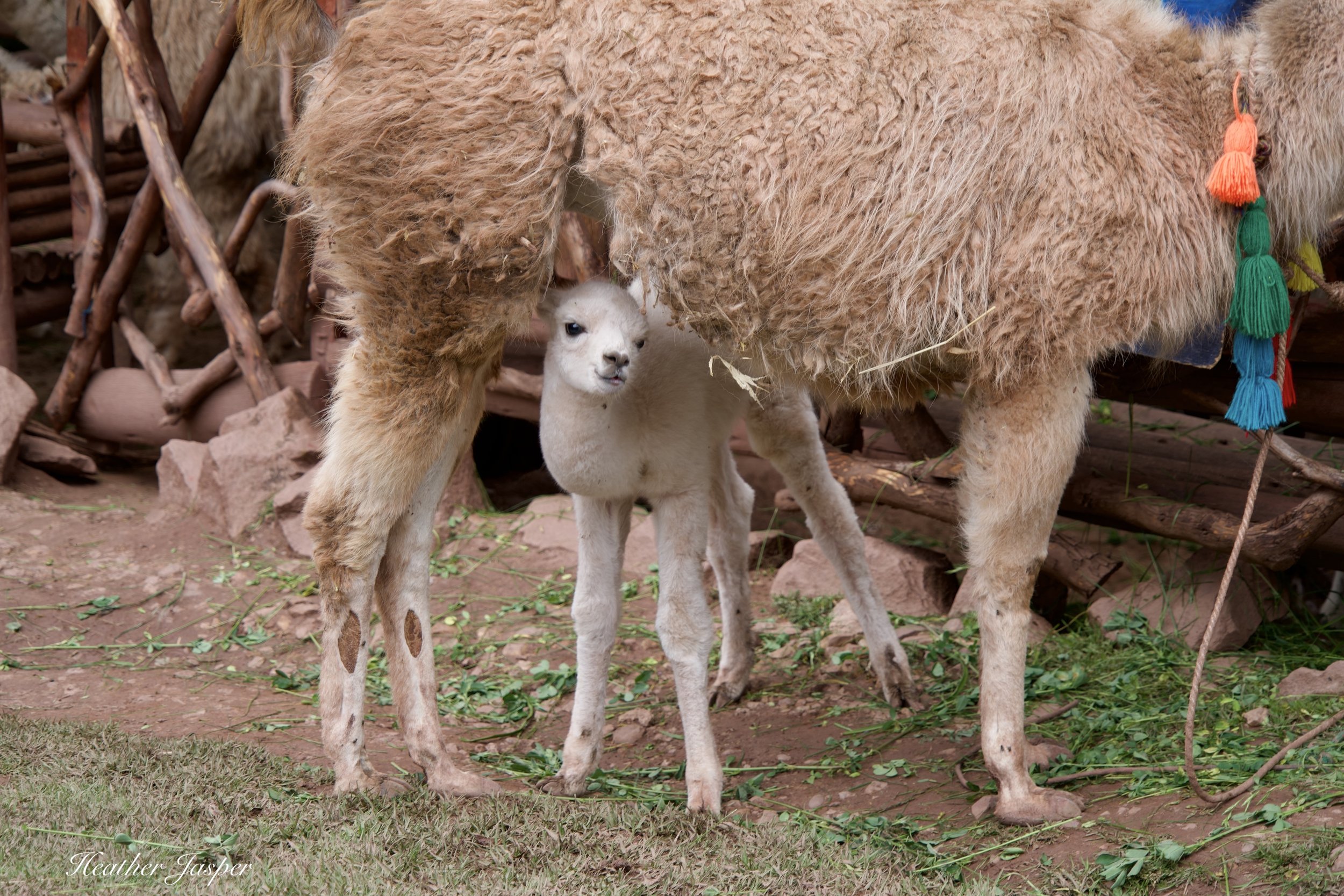
While I was there, one llama with a 2-day old baby was brought out of the pen so the baby could run around. It was clearly still learning out to use its legs. Click on the photo of the baby and you can see it has milk on its face from nursing.
Spinning and Dyeing
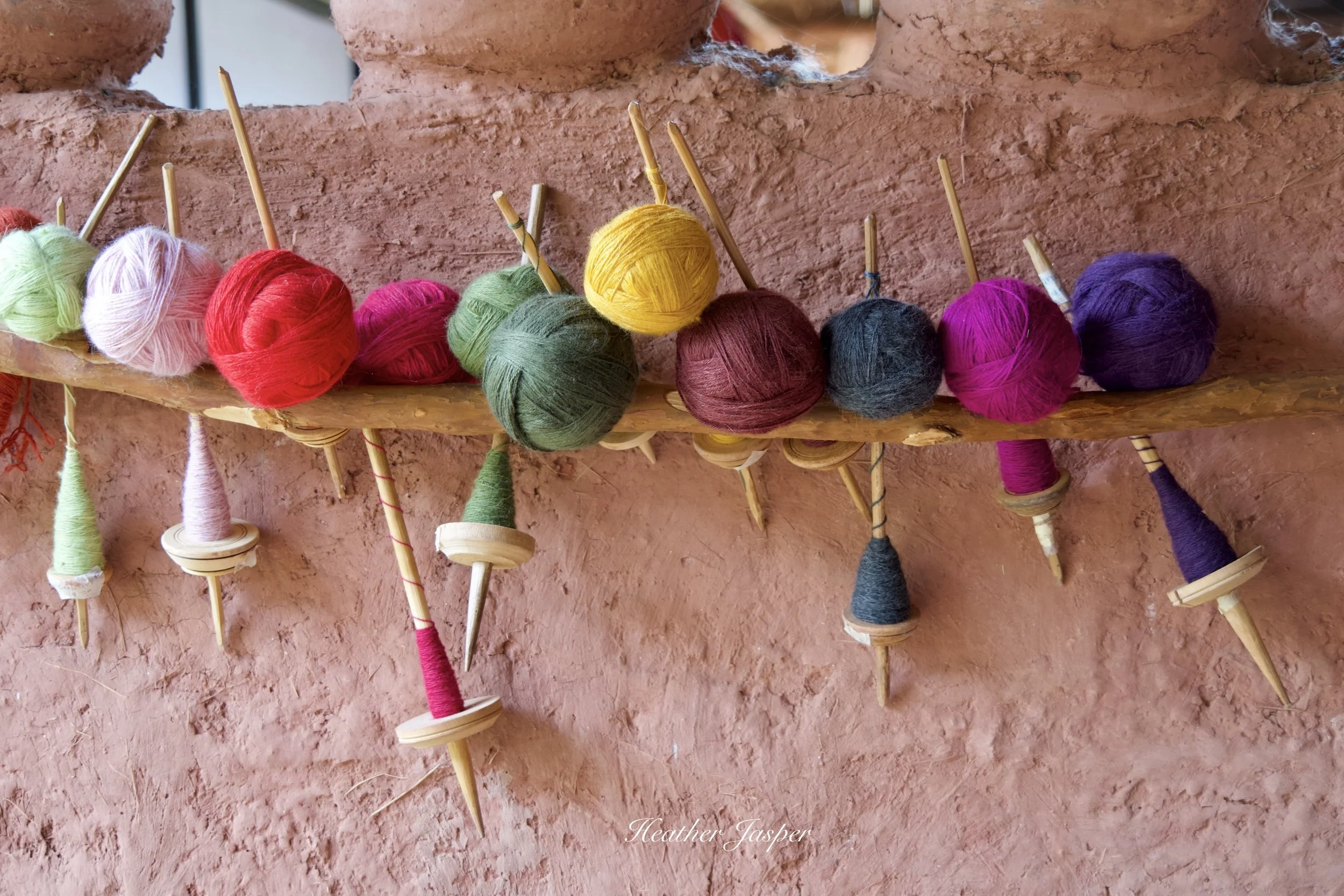
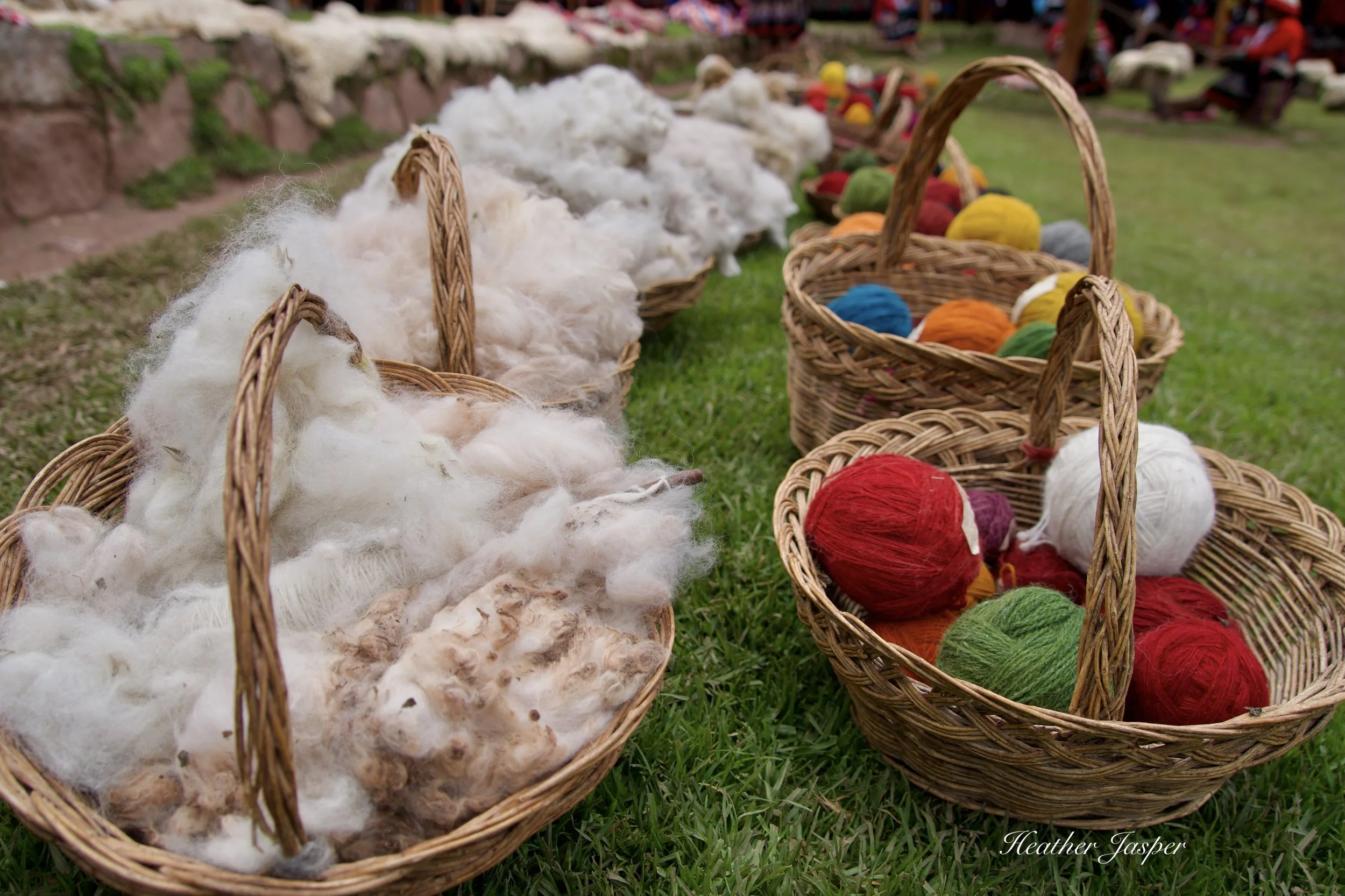
The first part of a weaving demonstration is always to show how to wash the sheared alpaca or sheep wool with a natural root called sacha paraqay. (I’ve seen the same demonstration in Huama,Chinchero, Chahuaytire, Choquecancha and other Quechua villages).
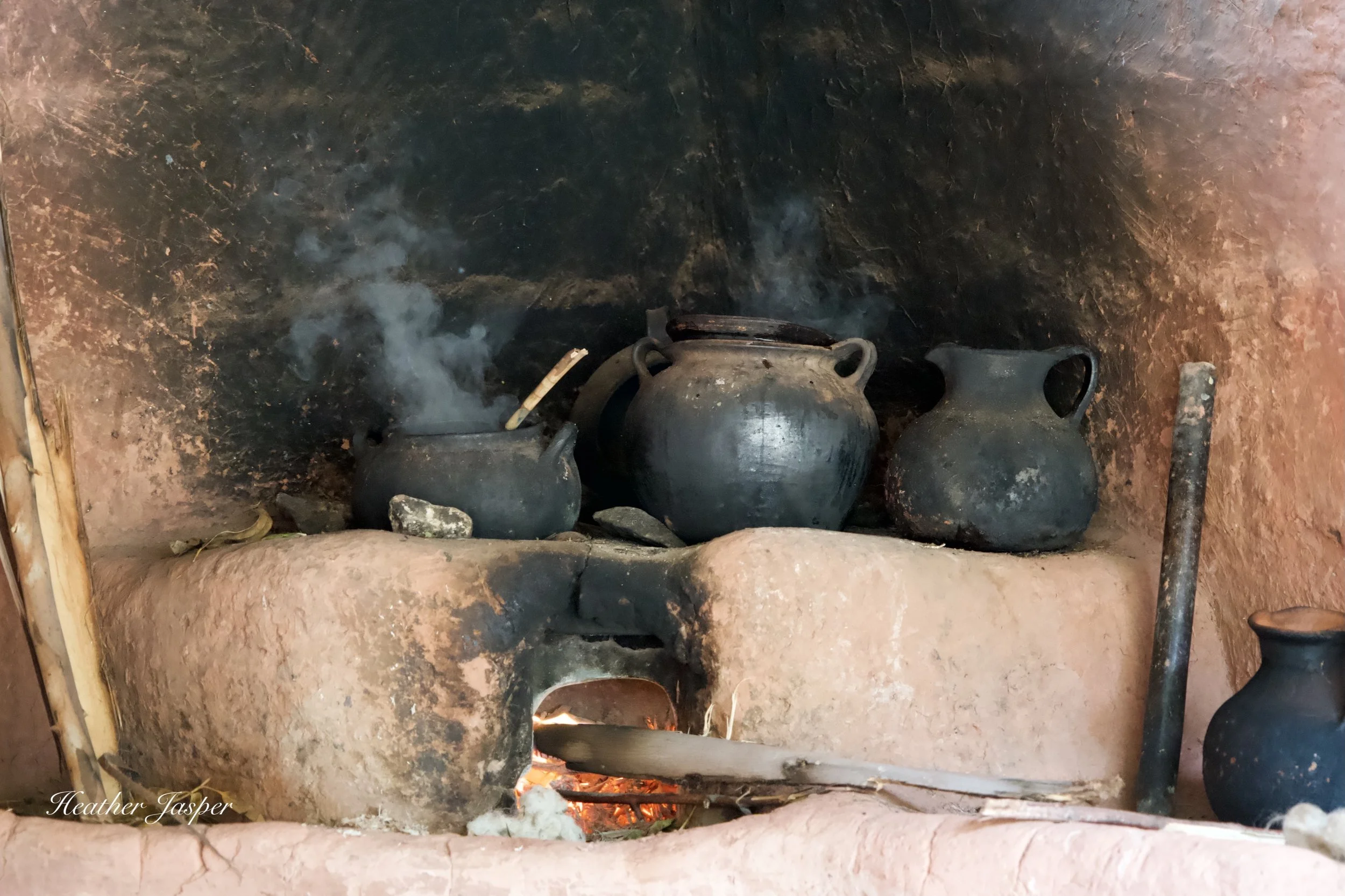
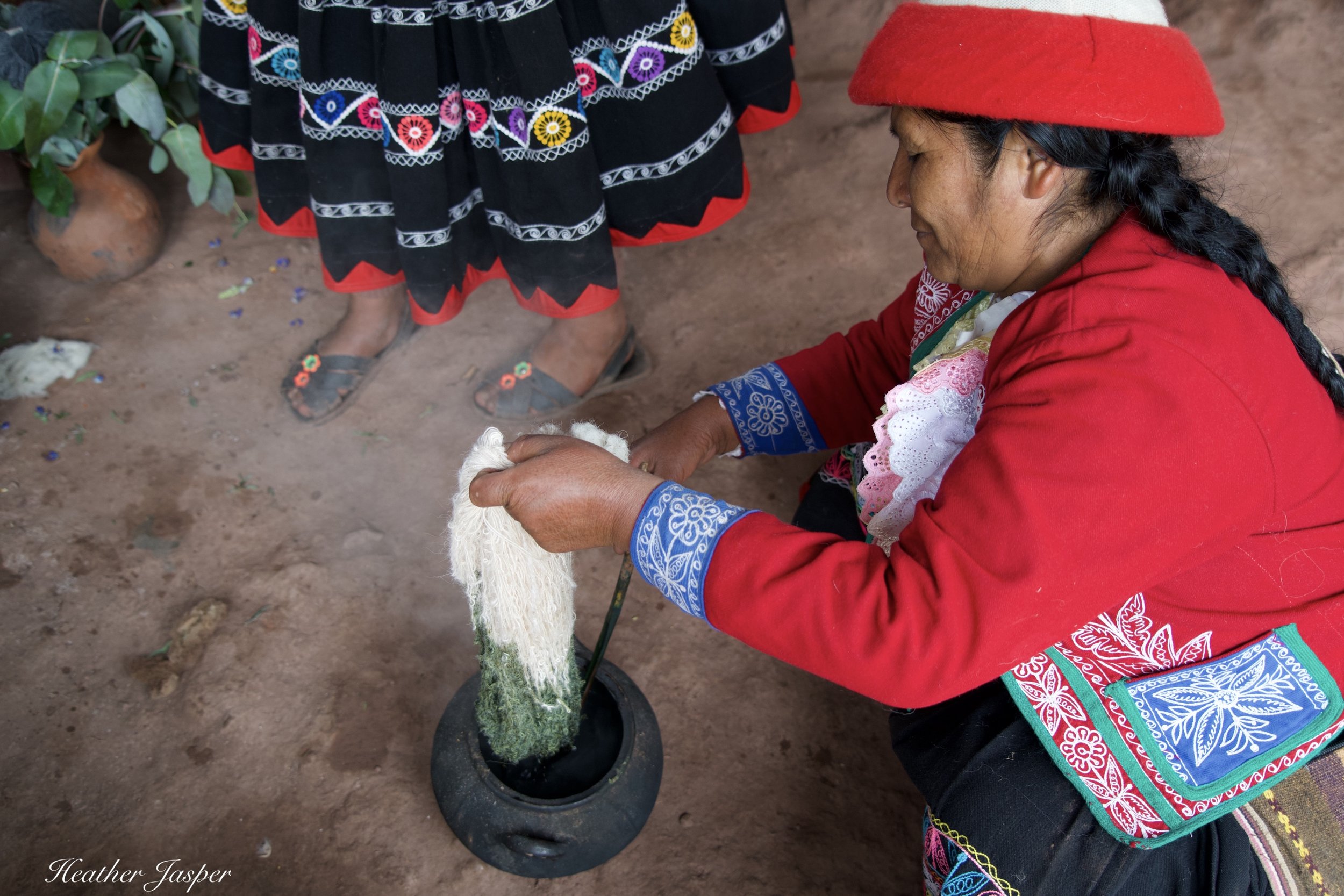
The second part is to get a clay pot of boiling water, add some leaves or flowers, and dip in white yarn to show what color it becomes. Even more impressive than leaves and flowers is the cochineal demonstration. Cochineal (cochinilla in Spanish) is a parasite that lives on cactus and whose body is 80% carmine. The bugs are scraped off cactus and left in the sun to dry, then ground into a powder.
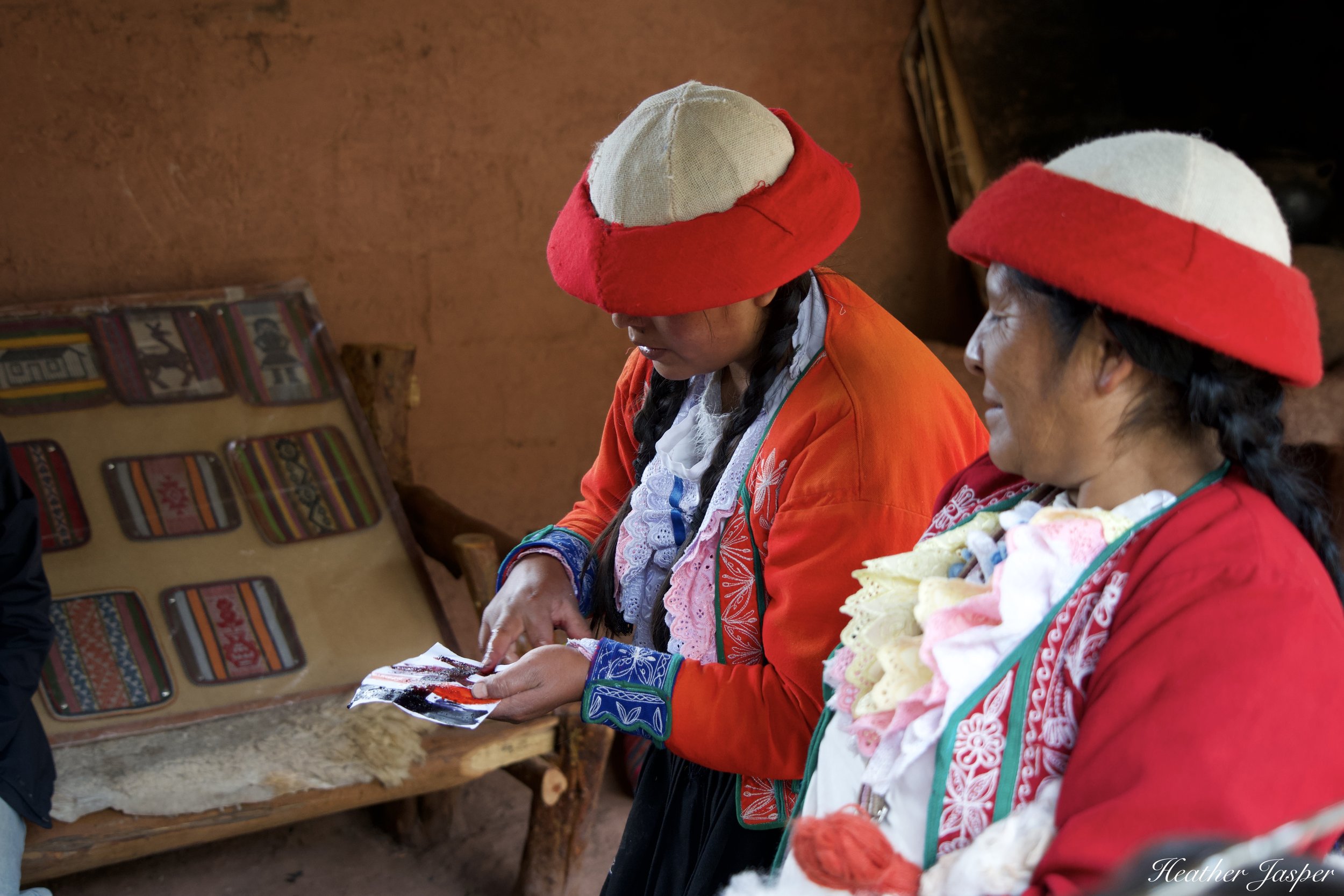
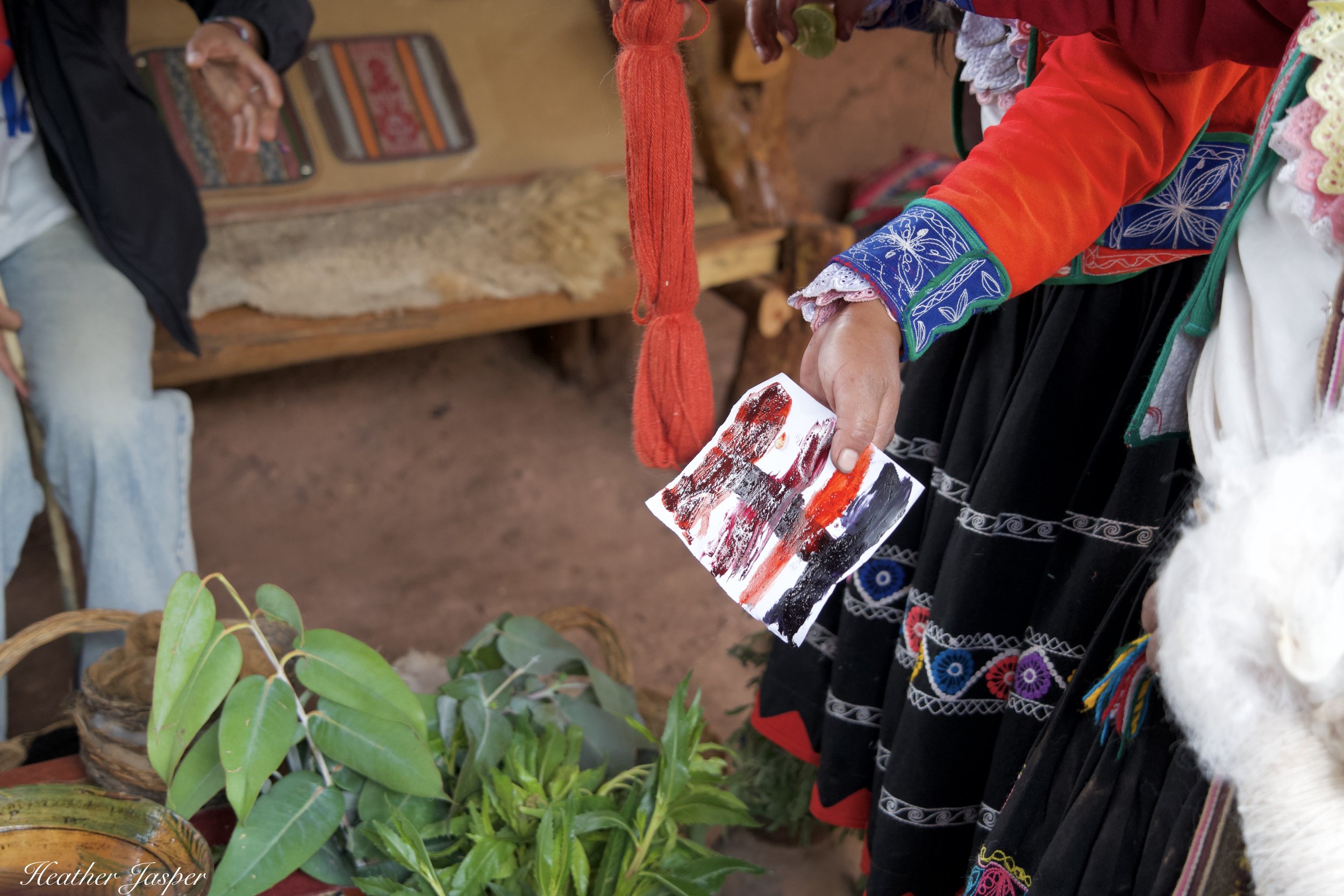
Cochineal can create dozens of colors, depending on what it’s mixed with. Salt, lime juice and even urine can turn cochineal into different shades of purple, red and pink. Above, Alba shows how to get different colors from cochineal on a piece of paper.
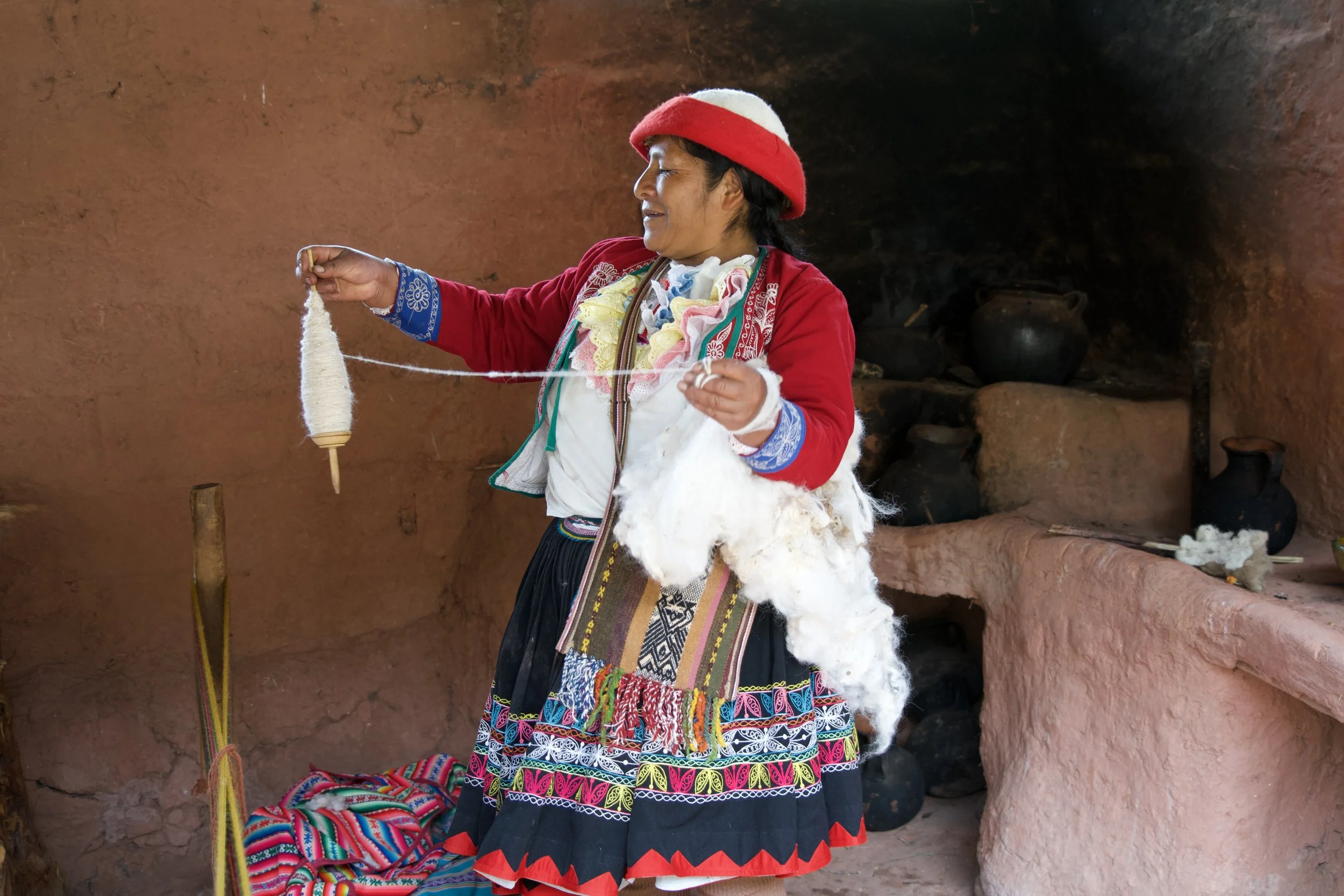
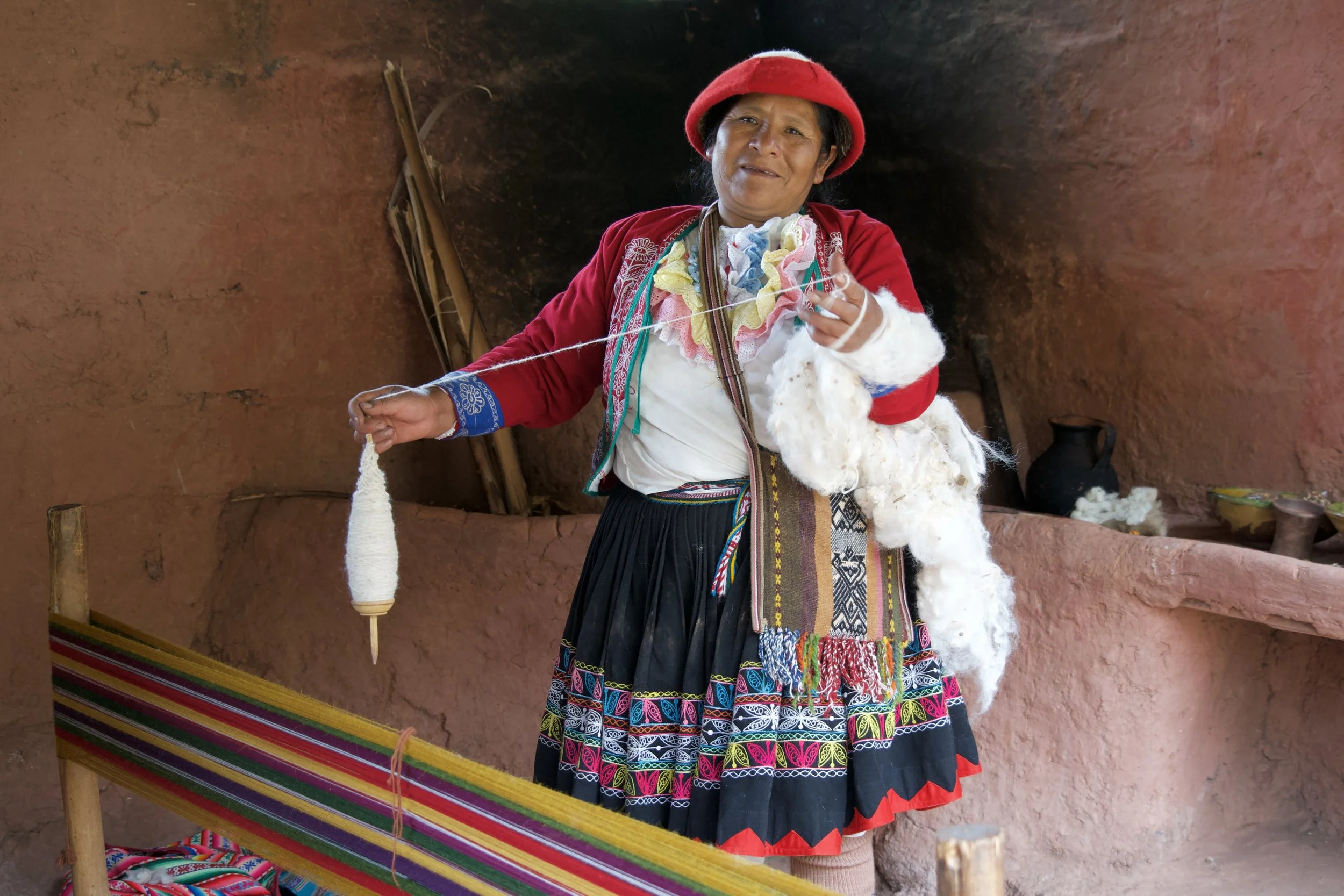
All the yarn used at the cooperative is spun and dyed by the women there.
The cooperative’s equal earnings
Alba told us that the way they organized their cooperative is that no matter who made the piece sold, whether a blanket or sweater or hat, the money is divided evenly. If they make s/1000 soles (about $290 USD), between the 25 women, each one gets s/40 (about $11.50). I don’t know if there’s exactly 25 women, but it’s around that number.
They also set some money aside to contribute to the community. If somebody is sick or there’s a wedding or new baby, the women donate a portion of their income to that family.
Ccaccaccollo’s disaster
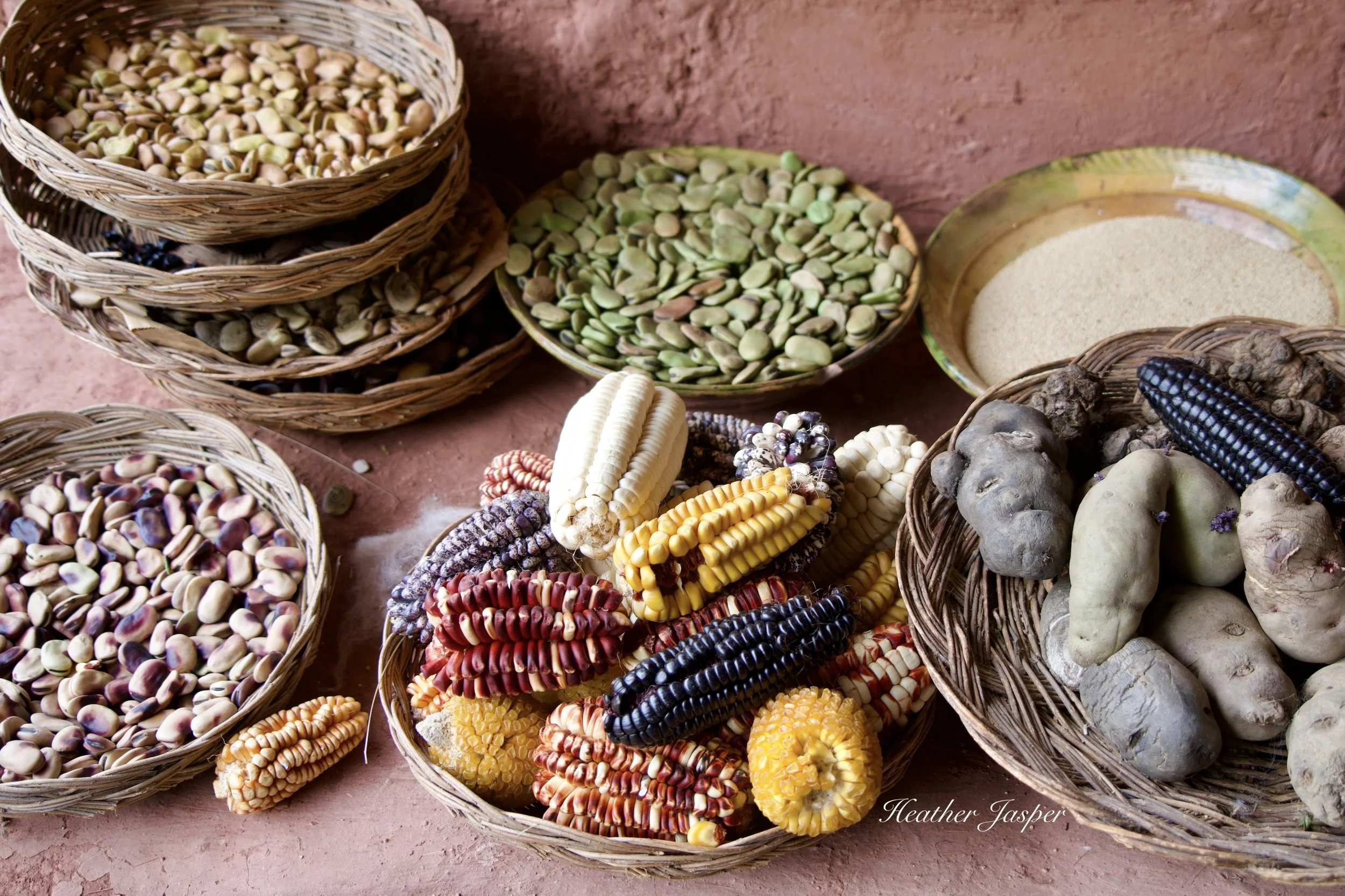
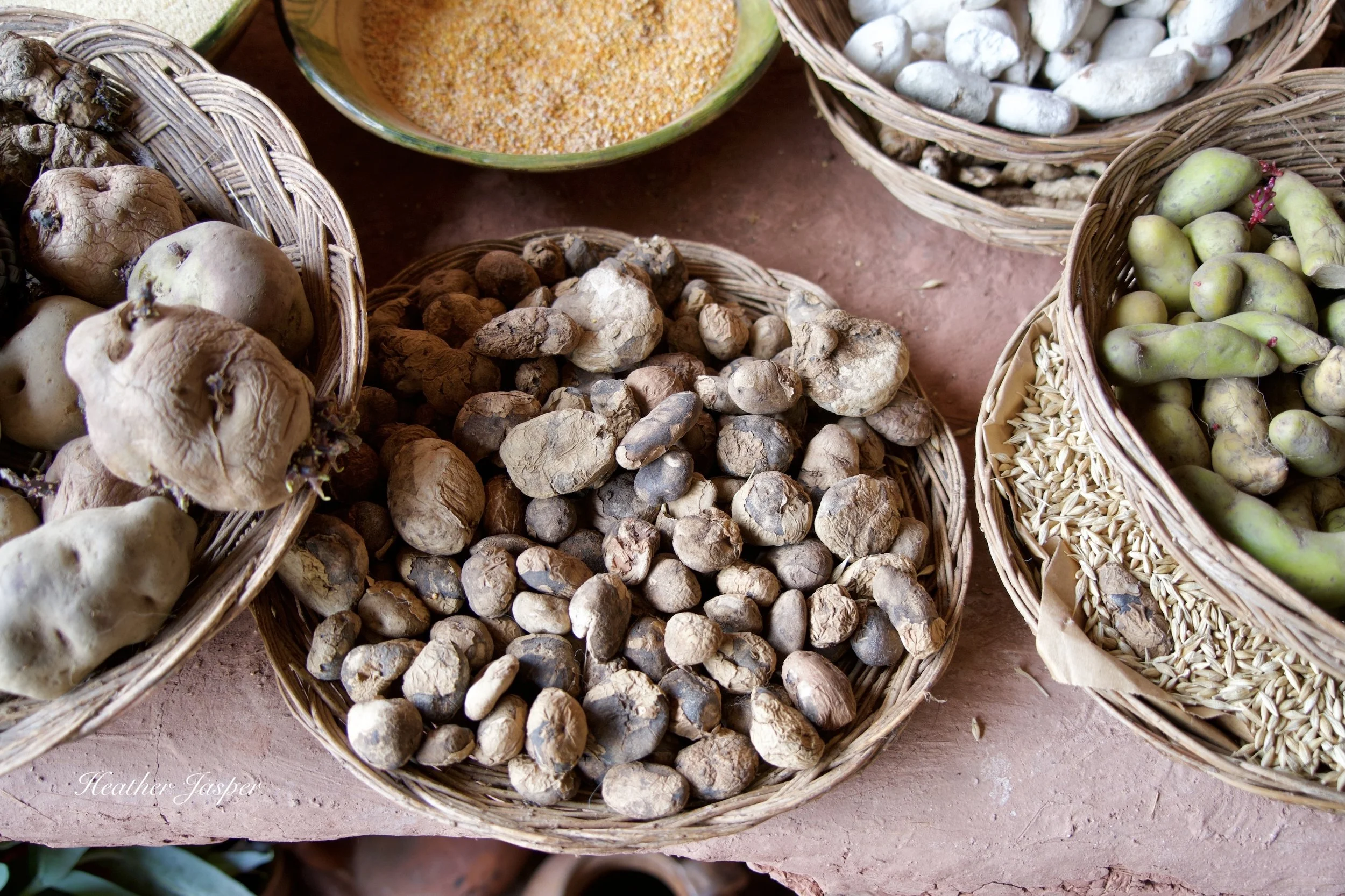
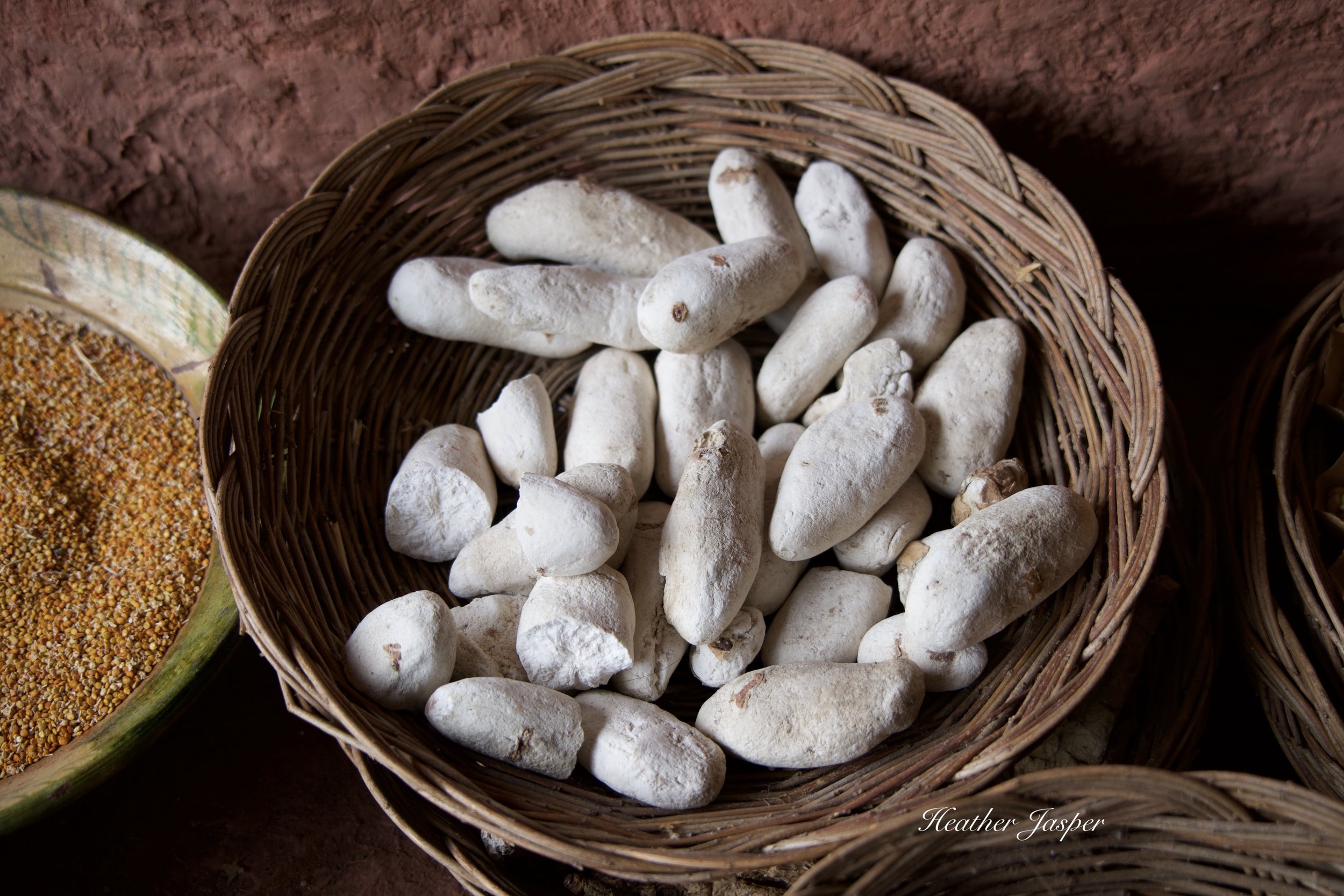
Today, most homes in Ccaccaccollo look fairly new, which is because the village was mostly washed away in a flood about twenty years ago. They could still farm their fields but their stores of dried corn and potatoes were gone with their houses. Faced with homelessness or having to abandon their home and move to another village or to a city, the women banded together to create the cooperative. Relying on their husband’s incomes would not be enough to rebuild the whole village.
Ccaccaccollo’s triumph
It took time, as evidenced by the houses that are just now being built, so many years after the flood, but it is being rebuilt. Rather than being abandoned, the town is thriving and every day welcomes Peruvian and international tourists who can learn about their culture, art and attempt to pronounce the community’s name.
How to say Ccaccaccollo?
The European alphabet, which works fine for Spanish, doesn’t do a great job of expressing Quechua sounds and the double C is one of the most confounding. It’s a hard K sound, almost like the sound you would make if you’re imitating a cat’s hiss. Press the back of your tongue against the roof of your mouth and your back molars and try to make a hard K sound against the back of the roof of your mouth. It feels like a short burst of air from the middle of your tongue against the roof of your mouth.
The double L is just like Spanish and could be spelled with a Y. If you think of the double C like a hard K sound, you could spell it KaKaKoyo. Spelling for Quechua words is relative anyway. Huayna and Wayna are both correct spellings of a word that means both young and little.
How to get to Ccaccaccollo?
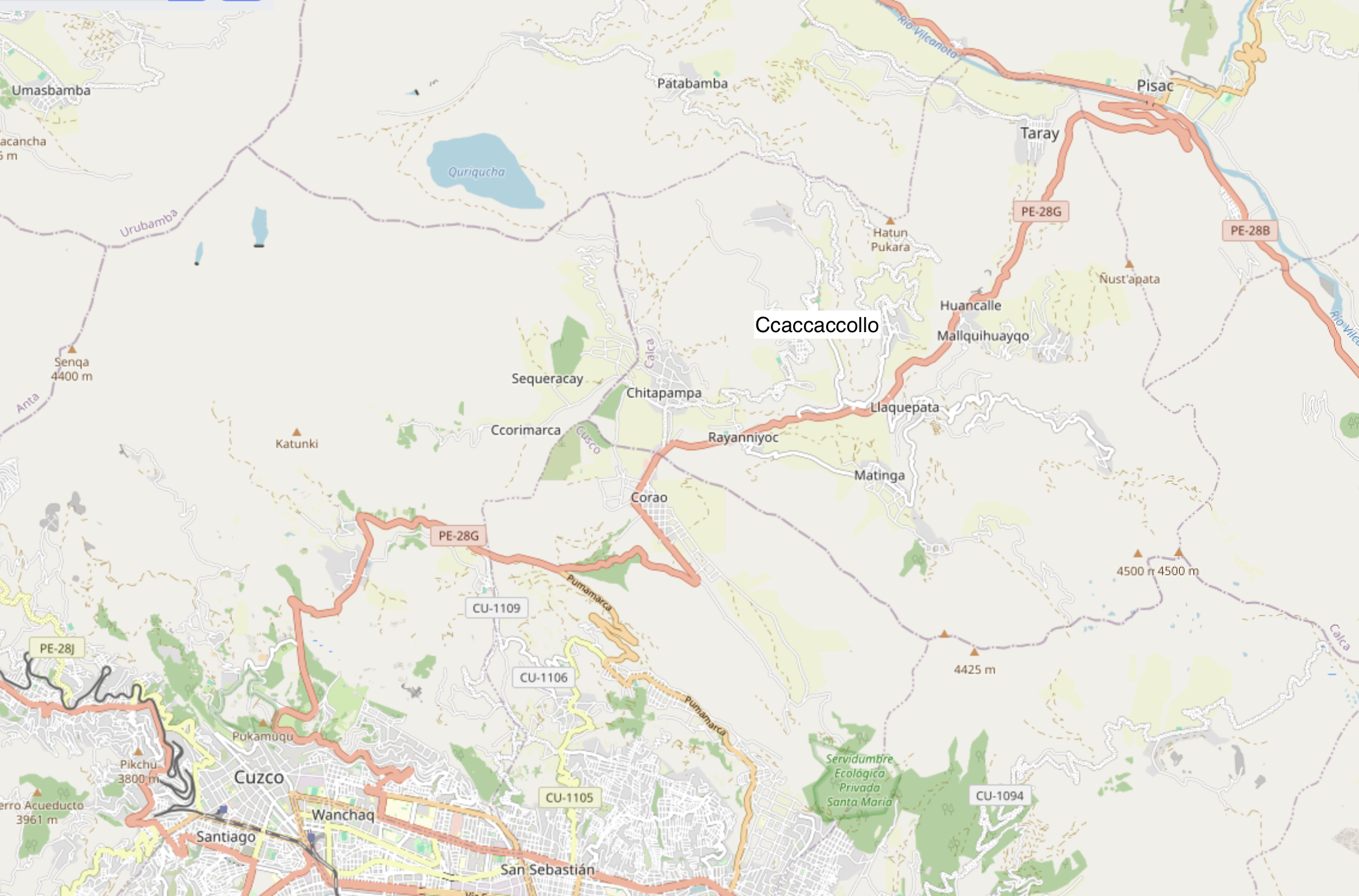
It’s about half-way between Cusco and Pisac, on the north side of the road. On public transportation, you’ll have to get off on the main road and walk about 15 minutes to the village.