Pamuri Andes Lodge
The Definition of a Hidden Gem
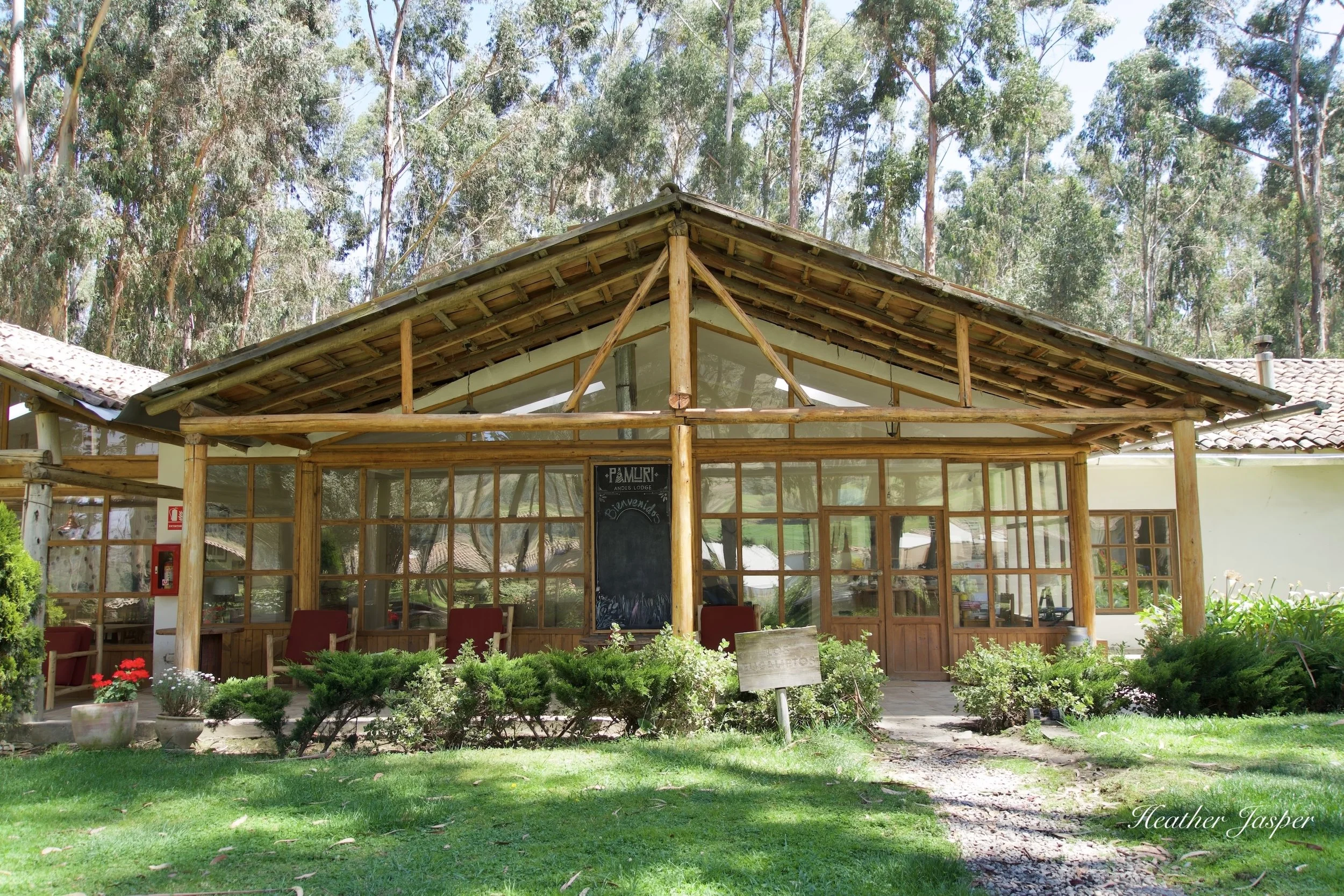
“Hidden gem” is overused but Pamuri really is a gem and in rural Huancavelica, it feels very hidden.
If Pamuri Andes Lodge were in Colorado, it would be booked solid year round.
Since it’s in Huancavelica, the lodge is only fully booked during holidays and the last week of July for Peruvian Independence Days. The rest of the year, you’re likely to find the lodge half full, at the most. When I arrived, there was a group from Lima who had come for mountain biking. Just before I left, a couple arrived from California on their way driving overland in a camper van to Ushuaia.
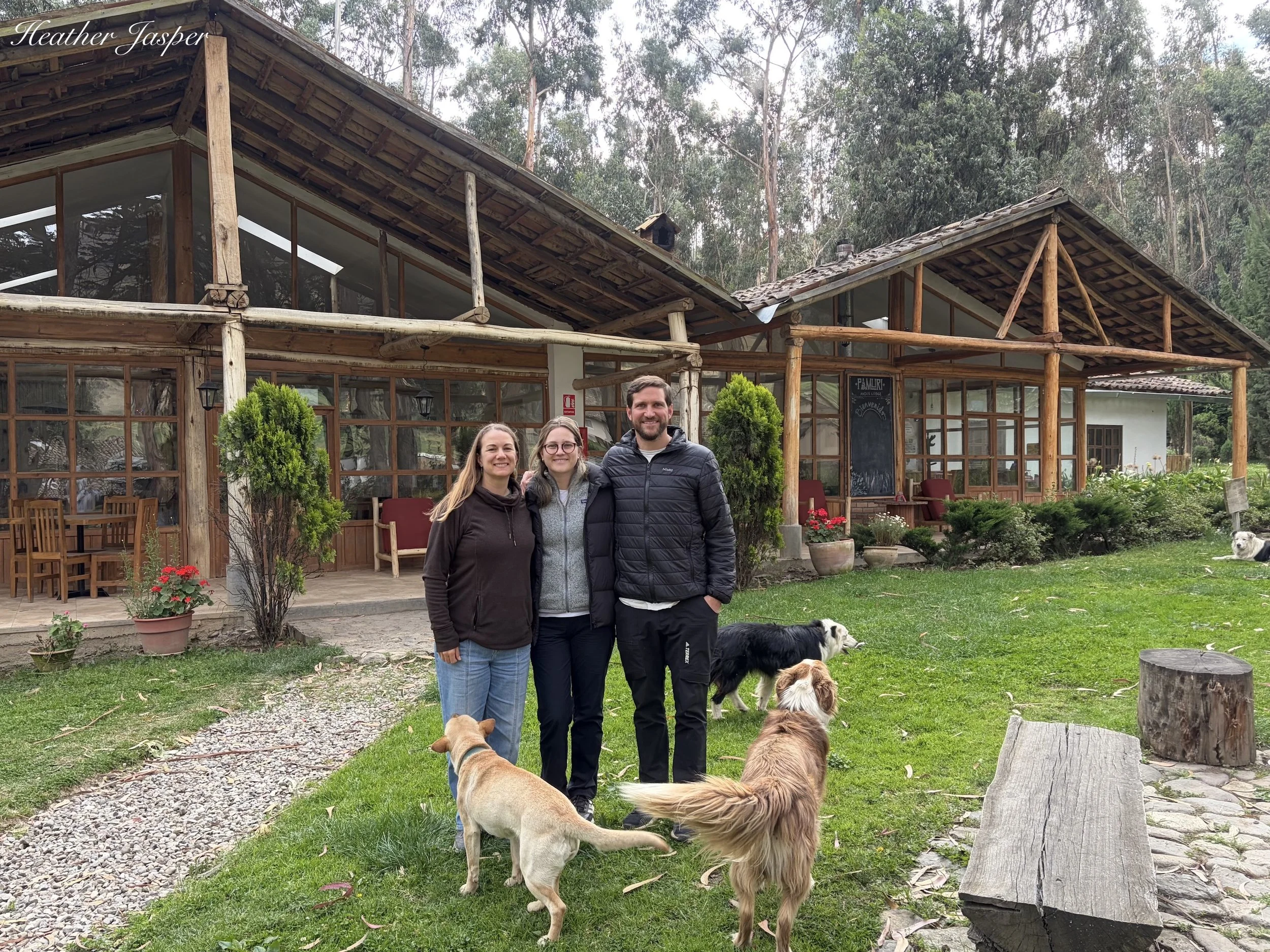
Pamuri Andes Lodge is in the northern part of Huancavelica Region, in Peru’s central sierra. Santiago Canseco’s grandparents bought the land around the lodge, though turning the old farmhouse into a modern lodge was Santiago’s project. He lives there with his wife Molly, who is Peruvian, despite the English name.
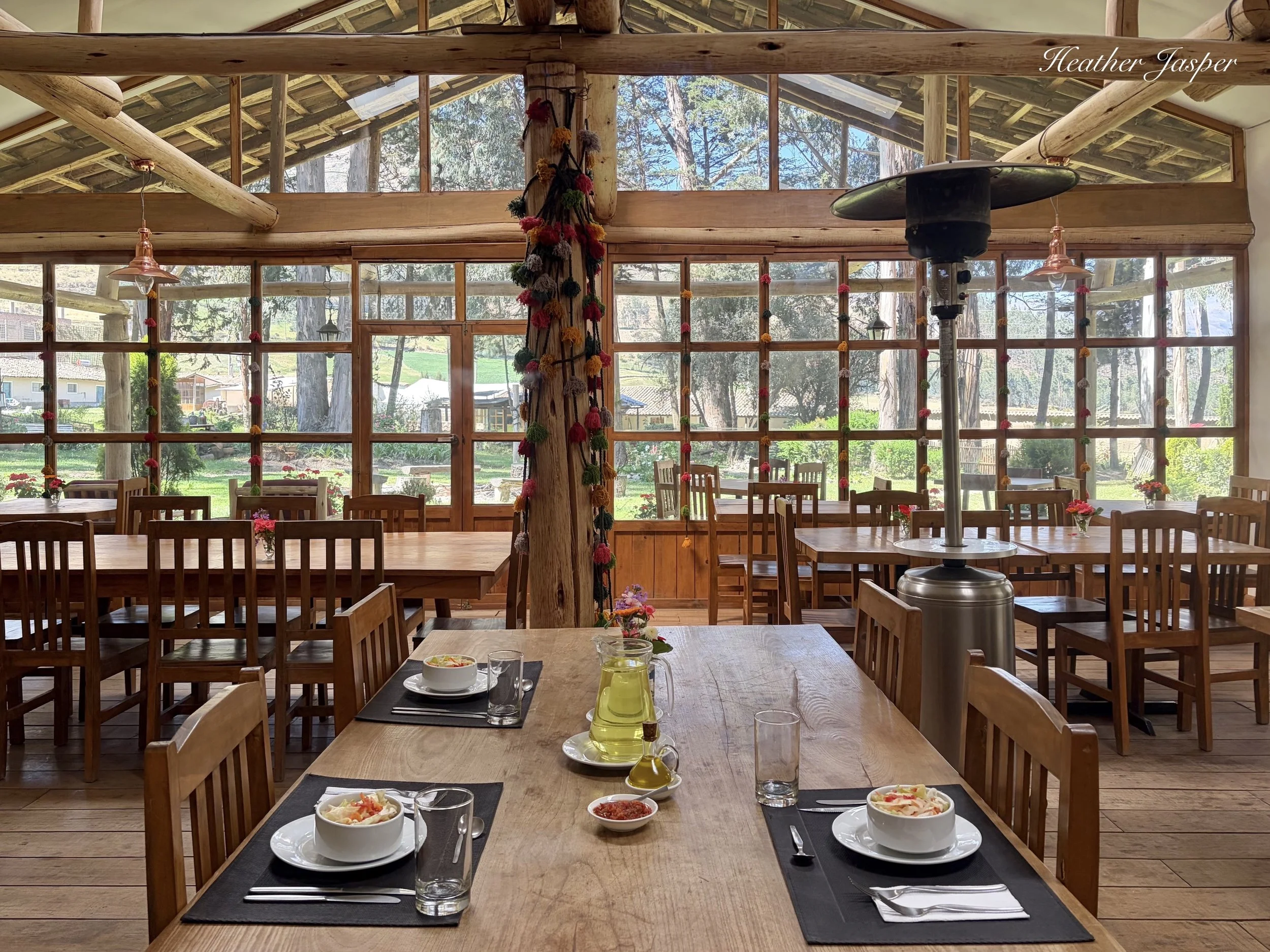
The dining room can seat easily seat 7-8 separate groups, with plenty of space to spare.
A Spacious Lodge
The lodge’s common areas include the dining room, where all meals are served. The central fireplace and chimney are set right in the middle of the building, separating three separate seating areas, so three different groups can each have their own living room.
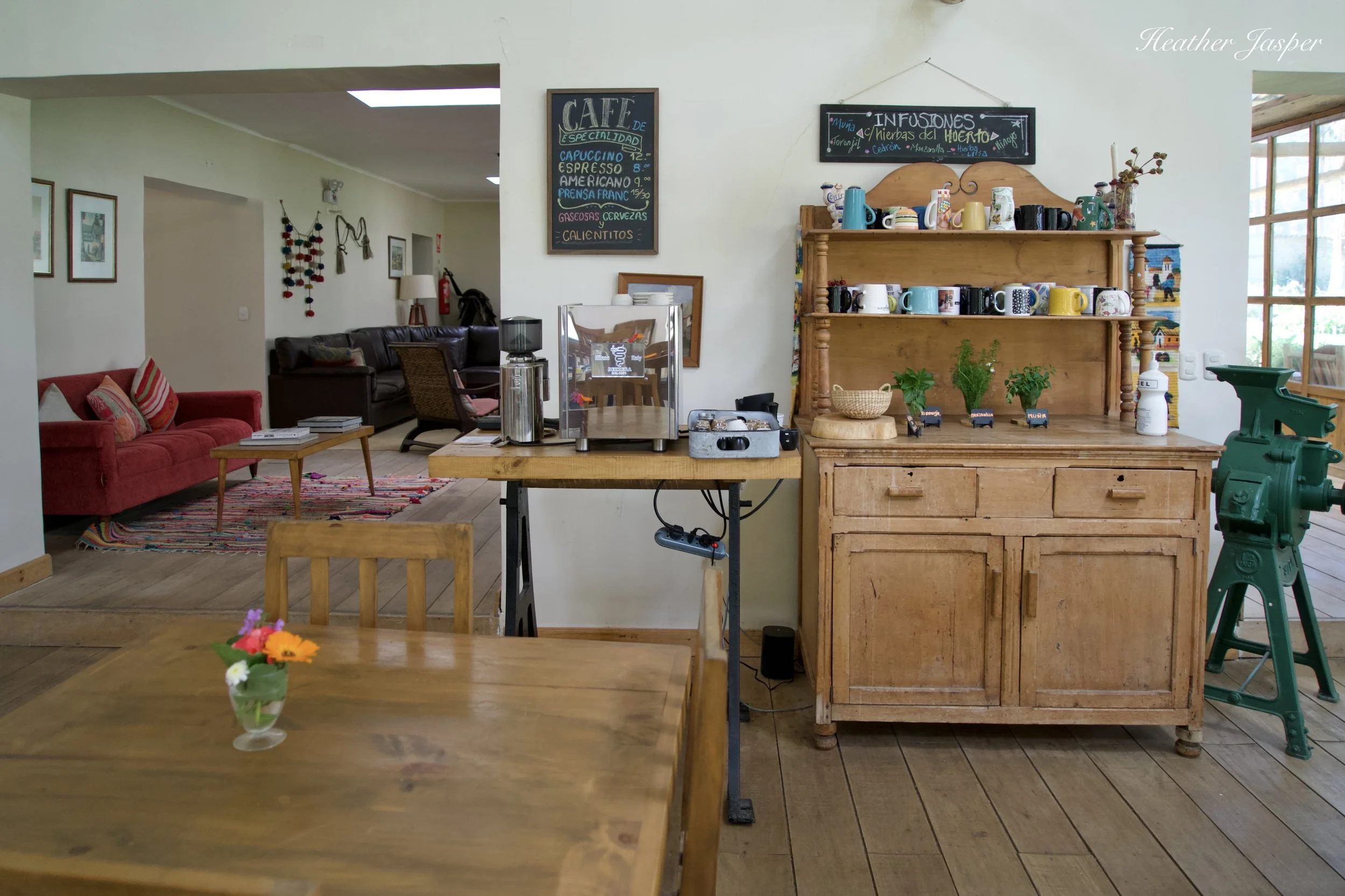
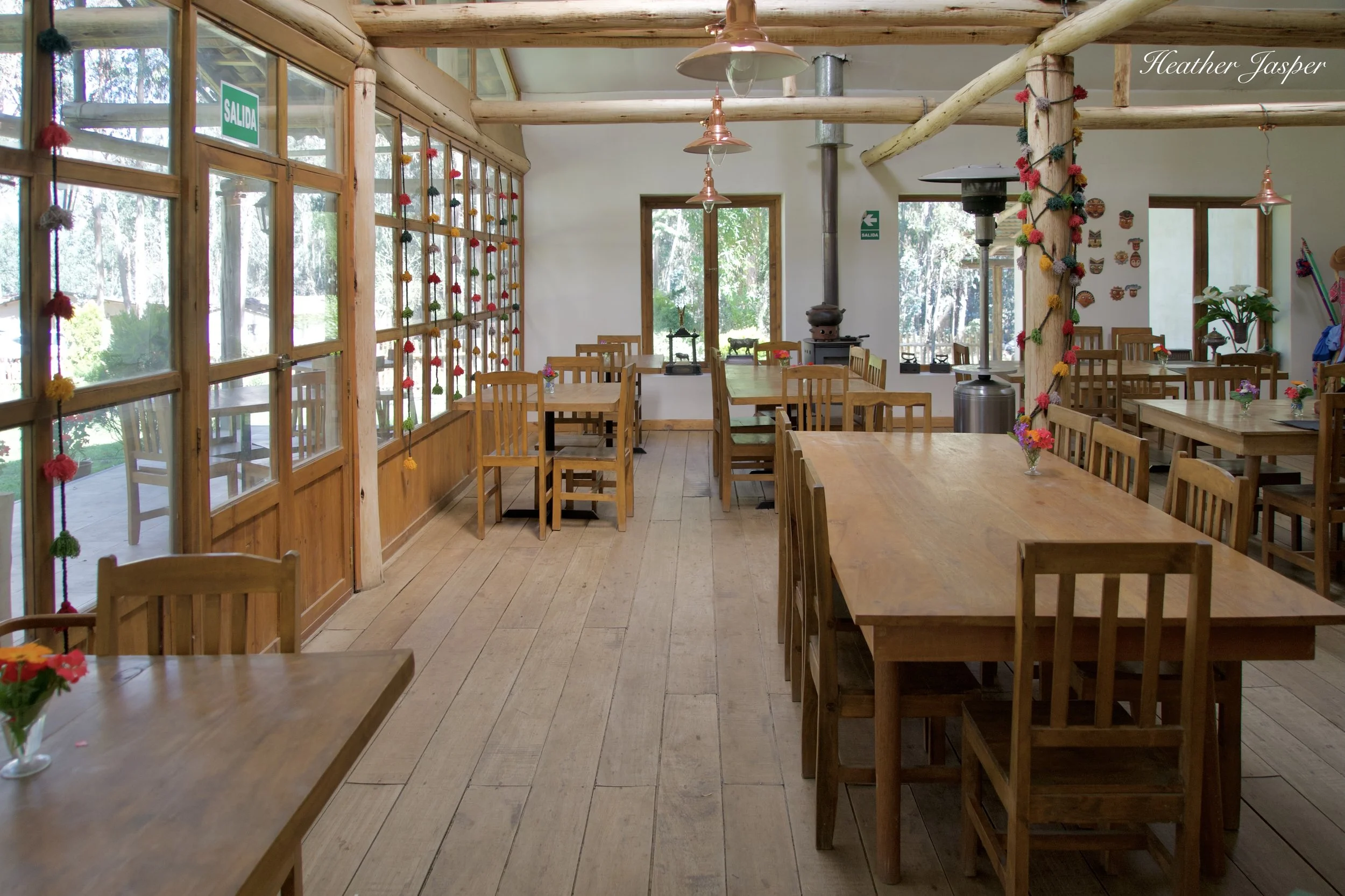
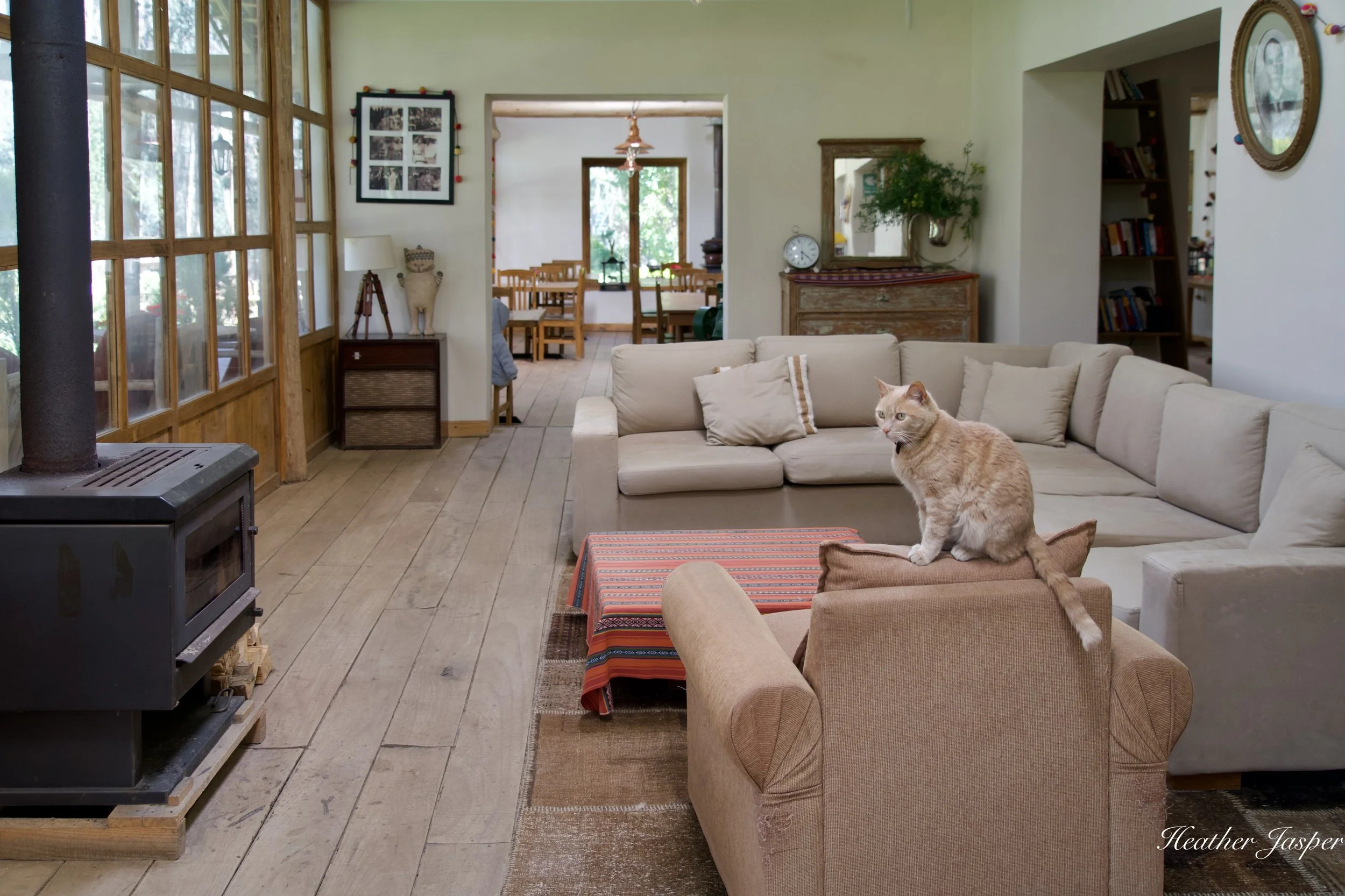
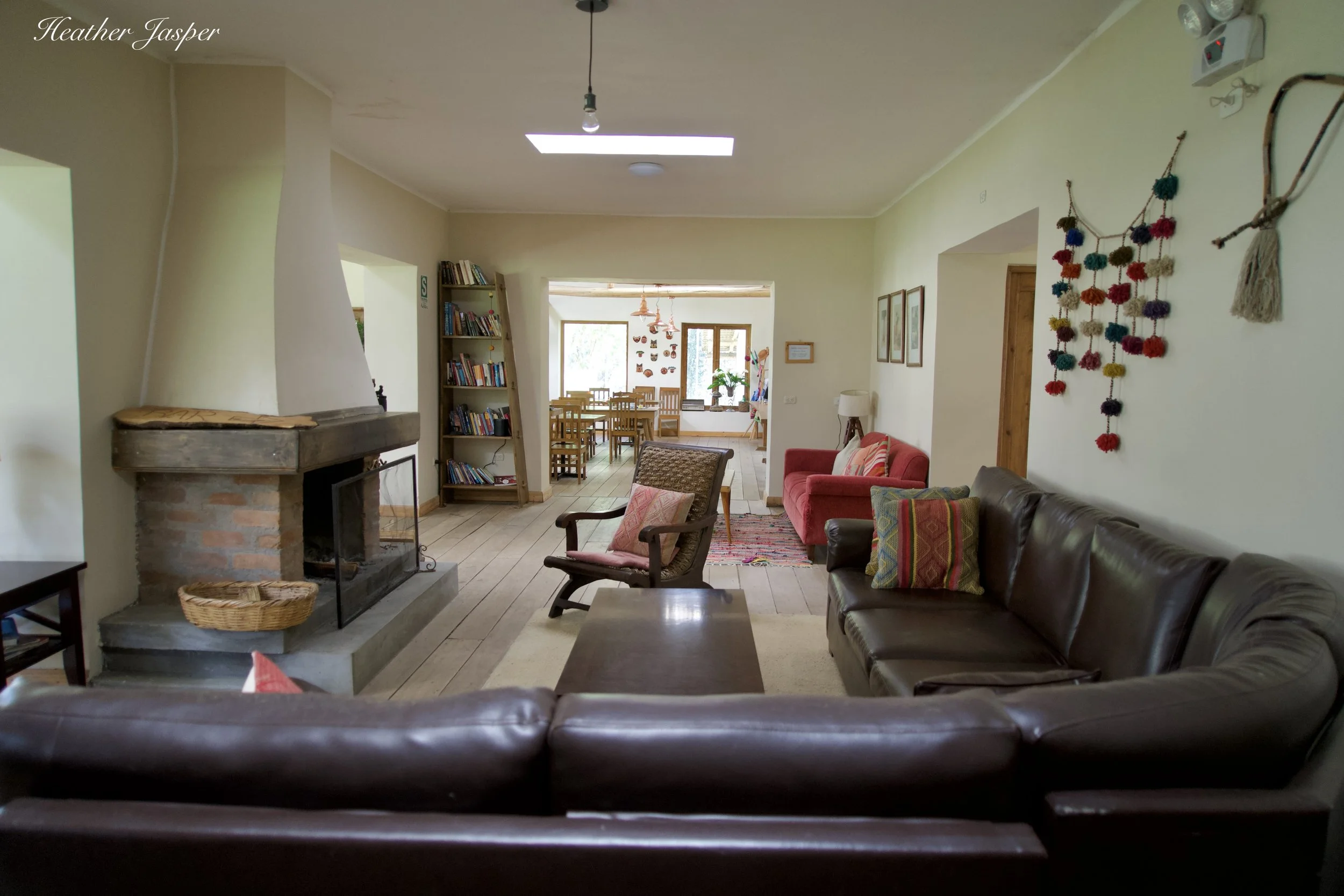
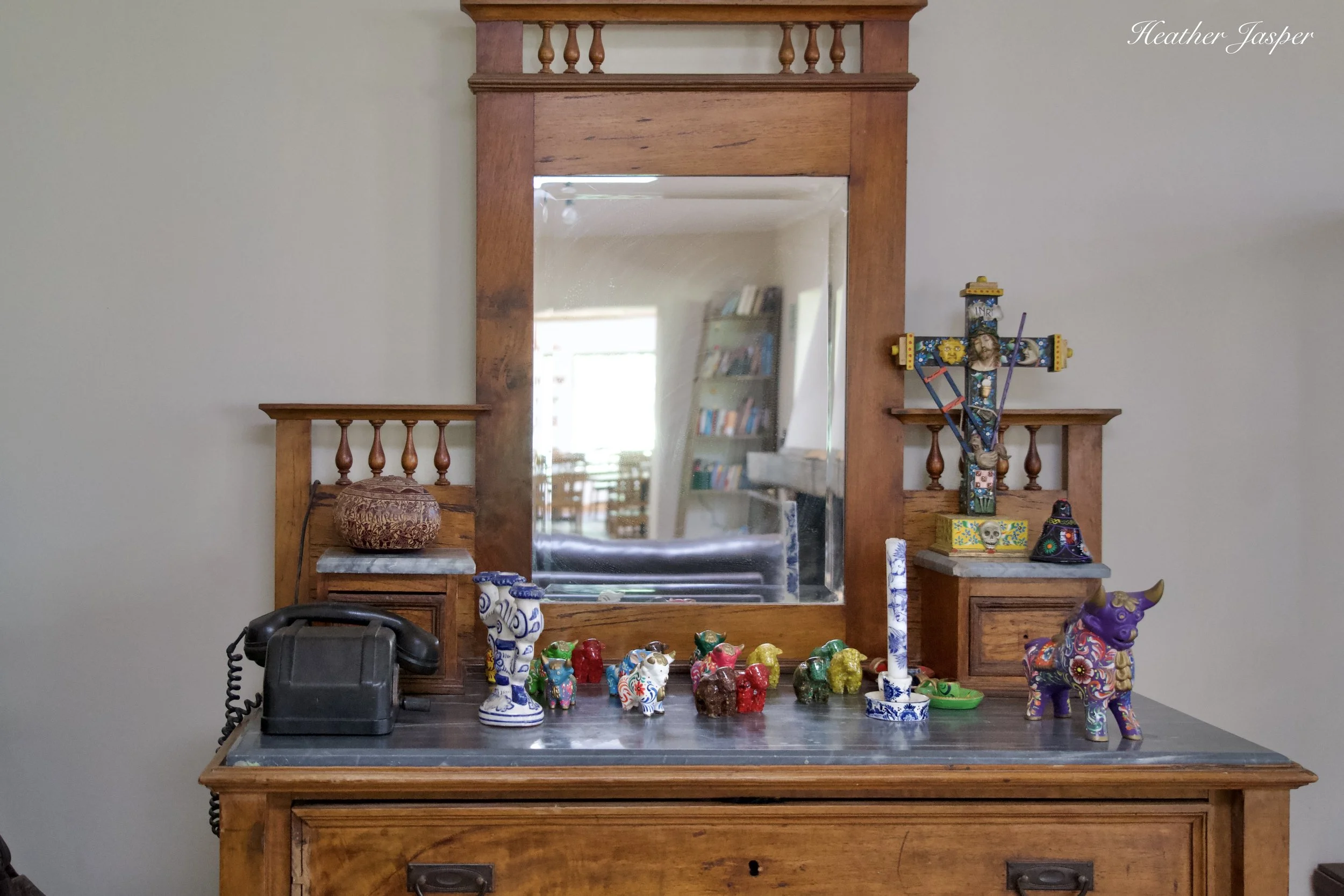
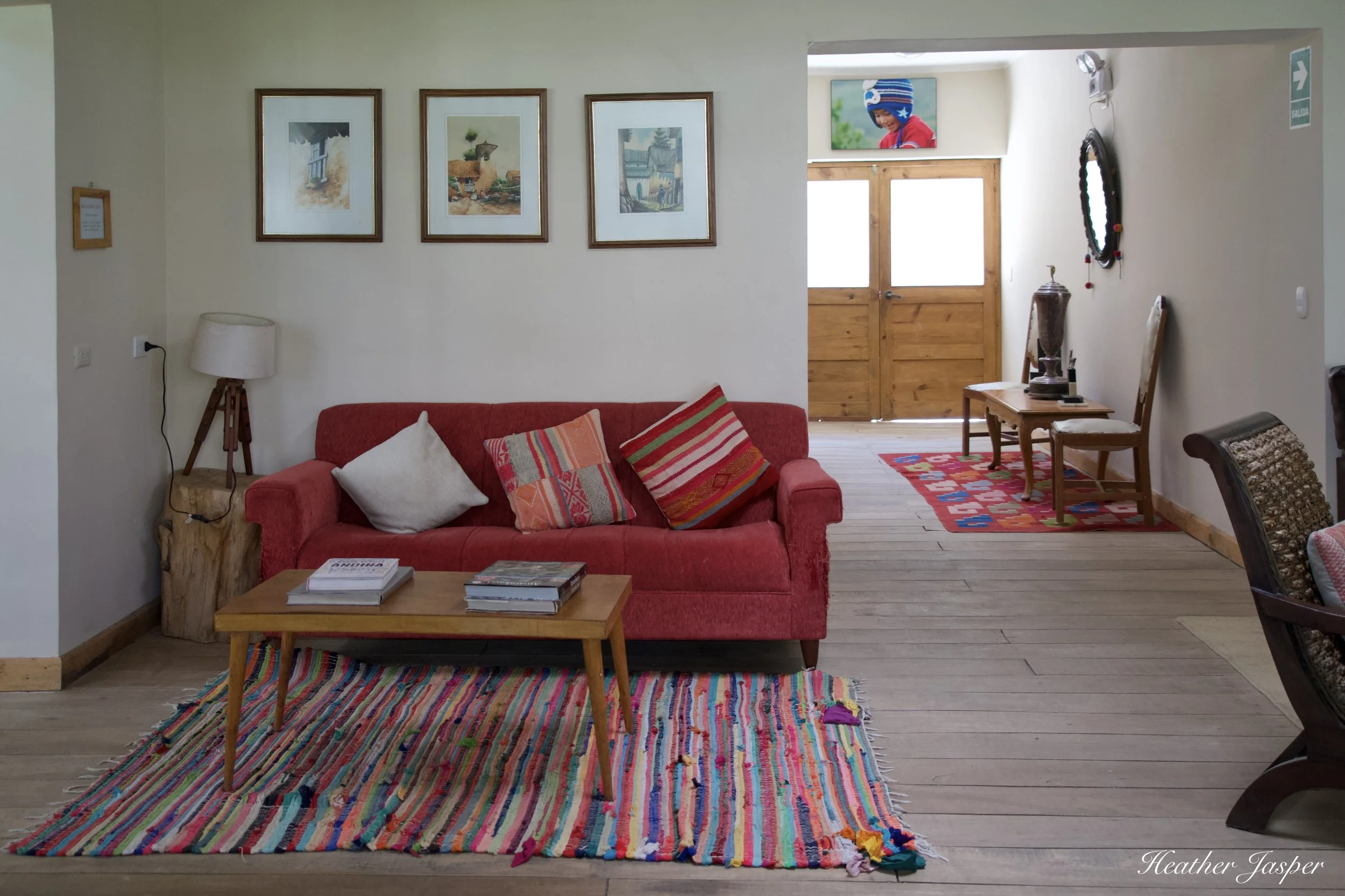
There is so much indoor space that five groups could simultaneously each have their own living room and two more groups could be in the dining room and bar, but people don’t come to Pamuri to stay indoors. I stayed 5 days/ 4 nights and was only inside for meals or to sleep.
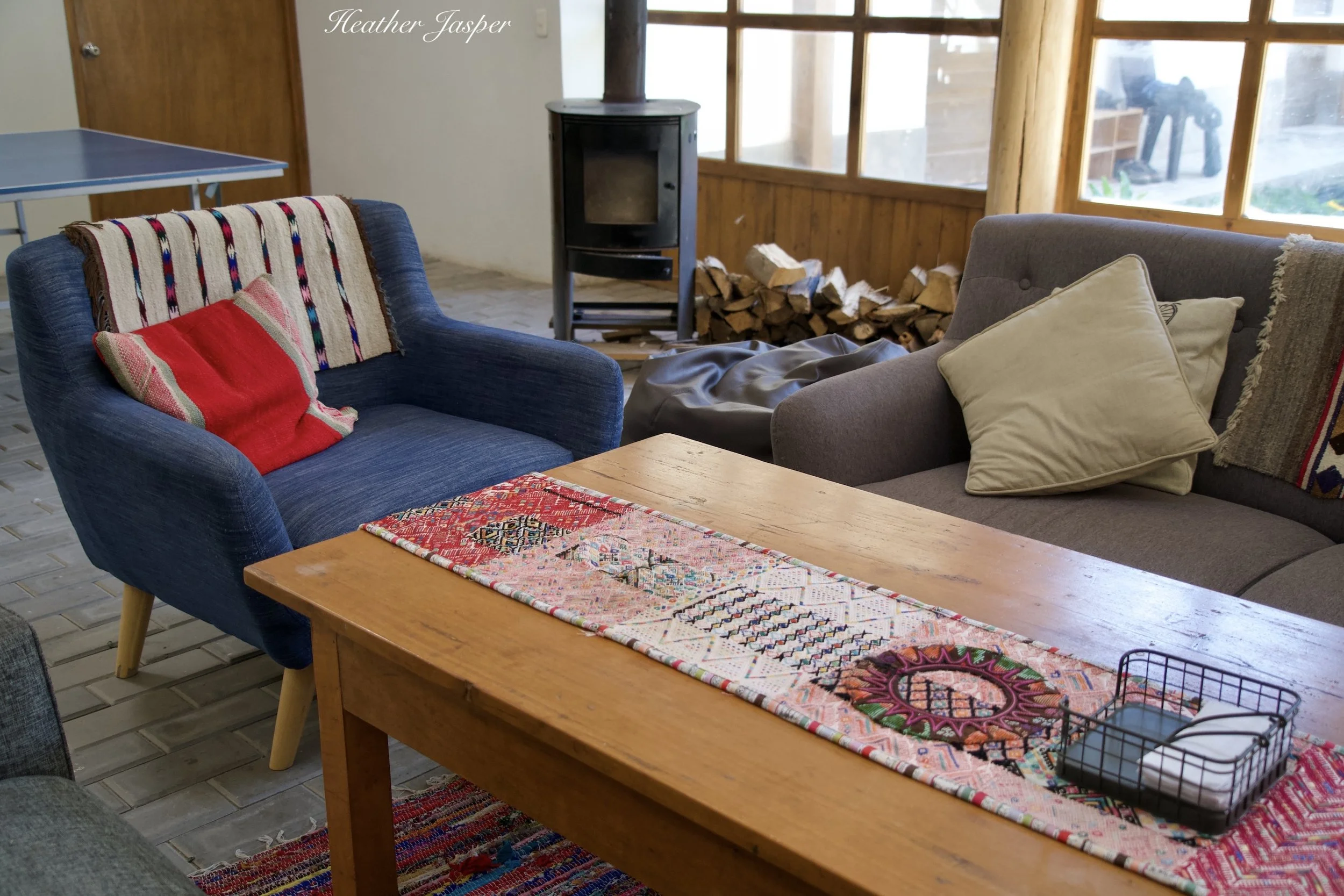
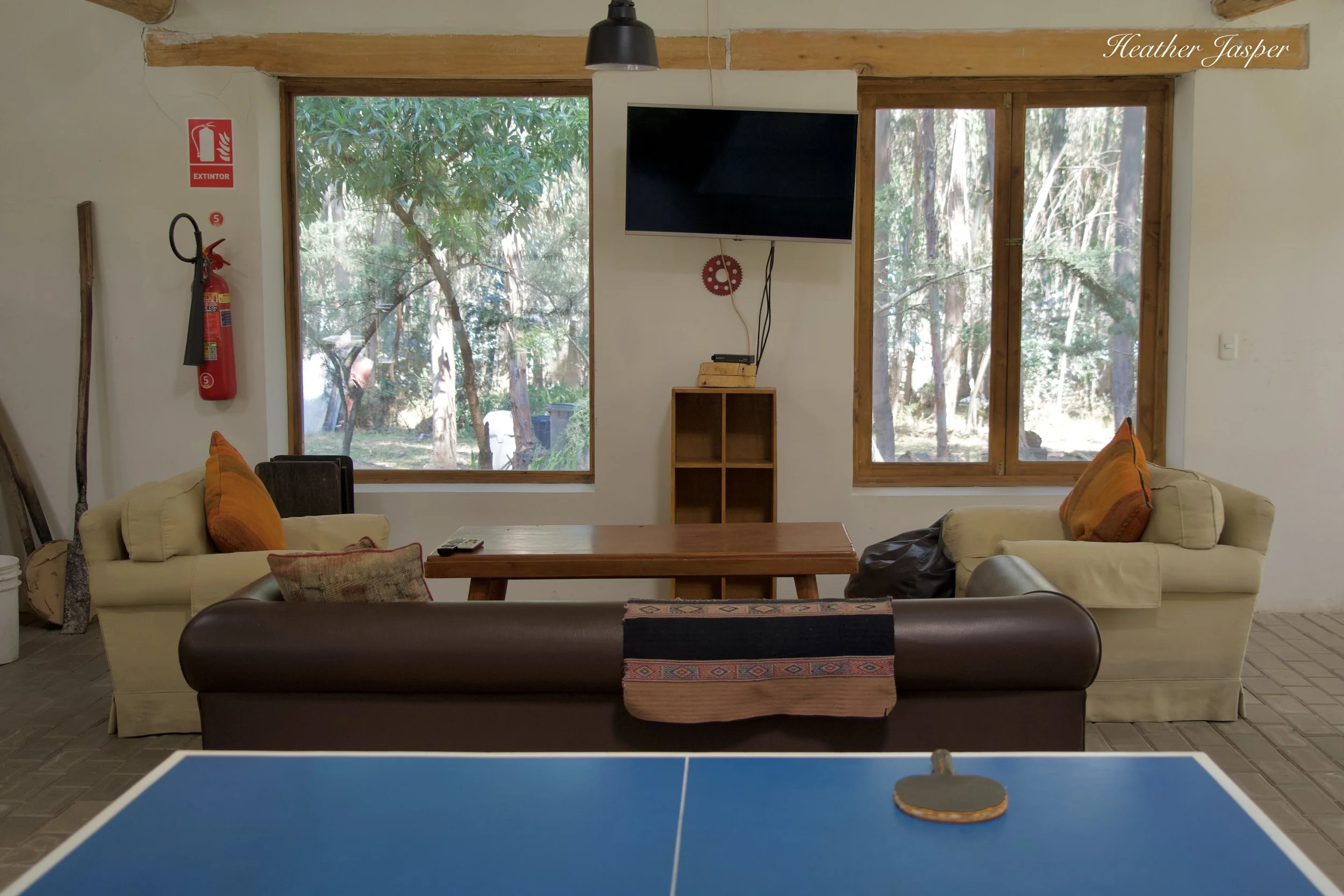
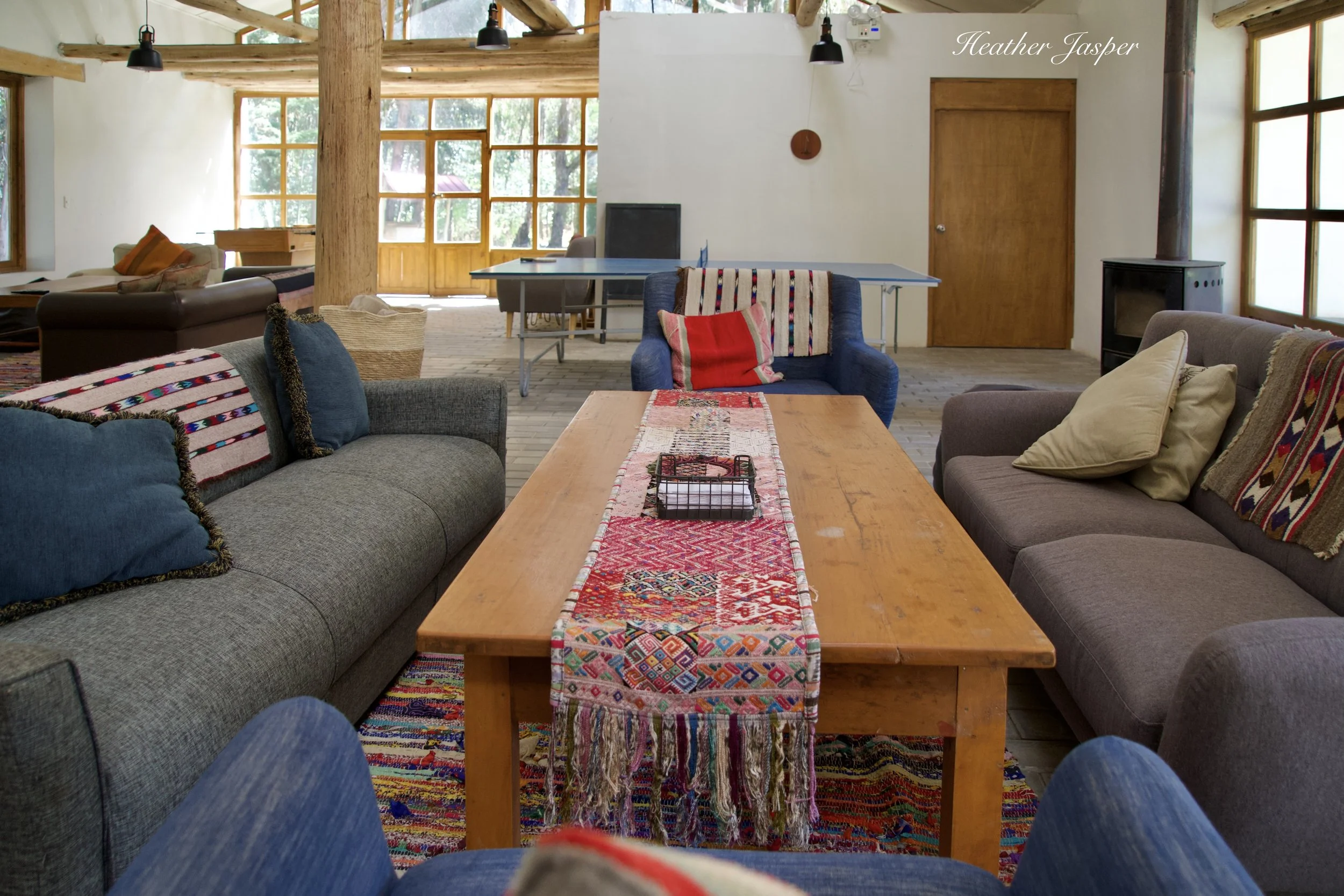
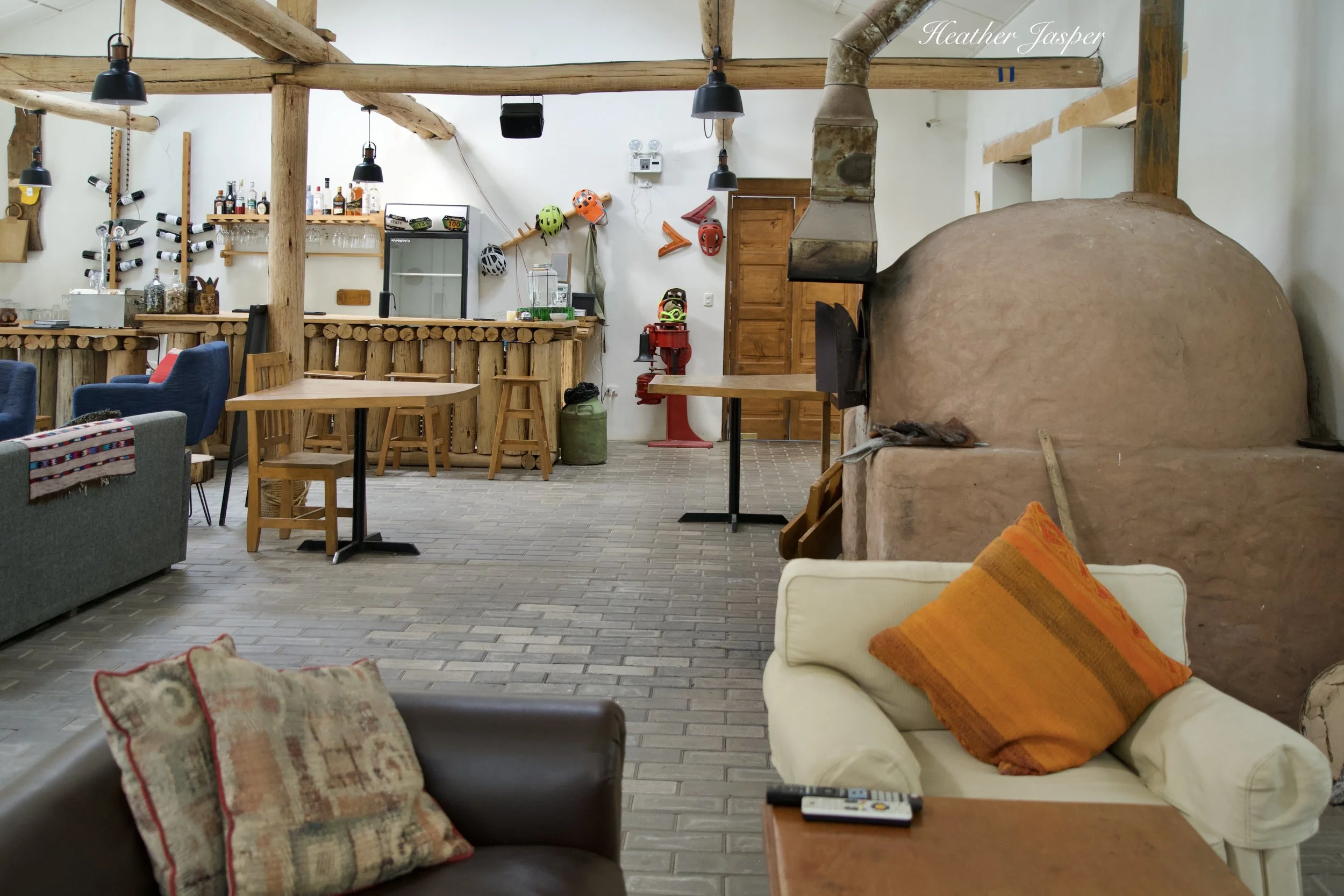
A separate addition houses the bar, a clay pizza oven, another two more seating areas with couches and a games area with ping pong and foosball.
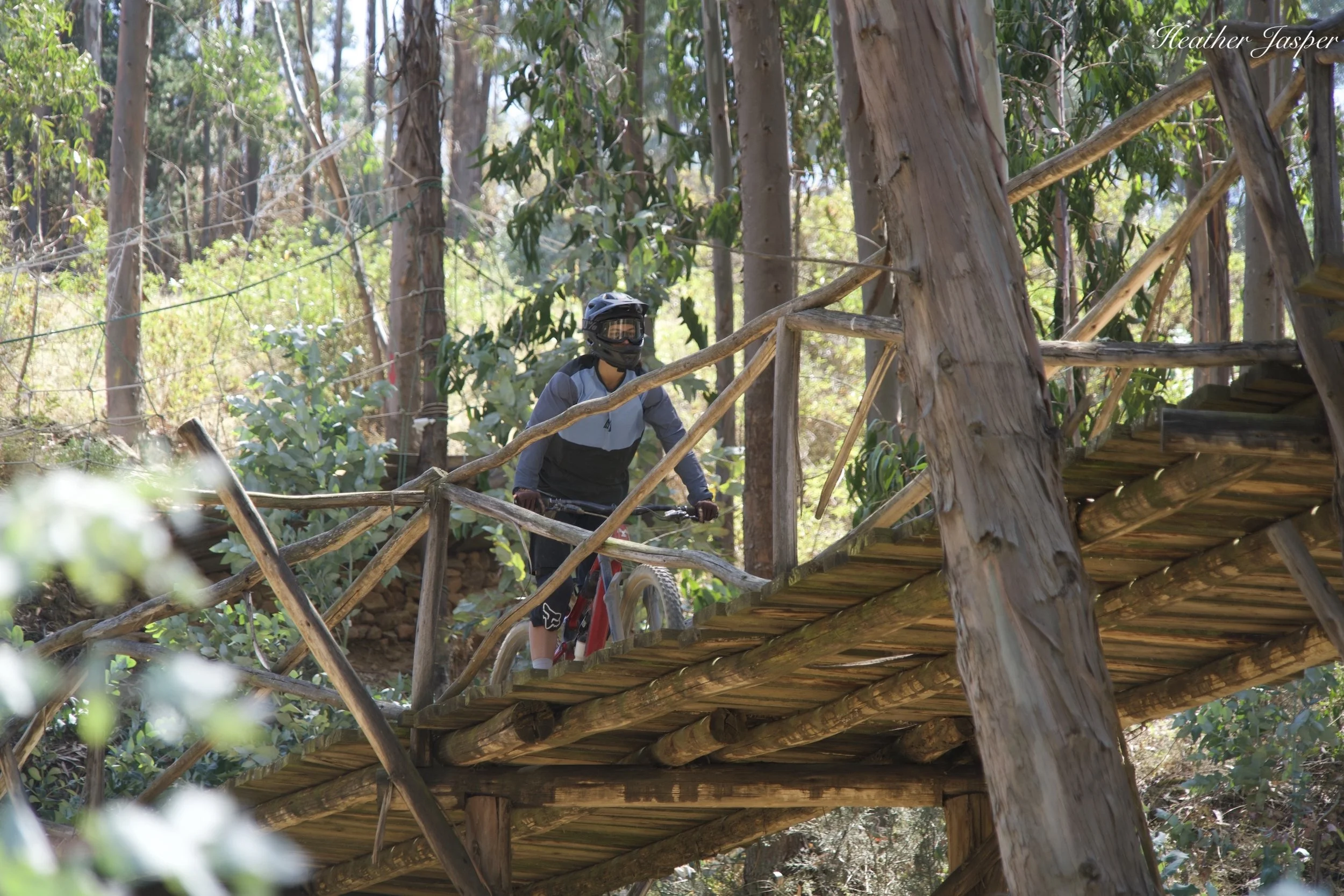
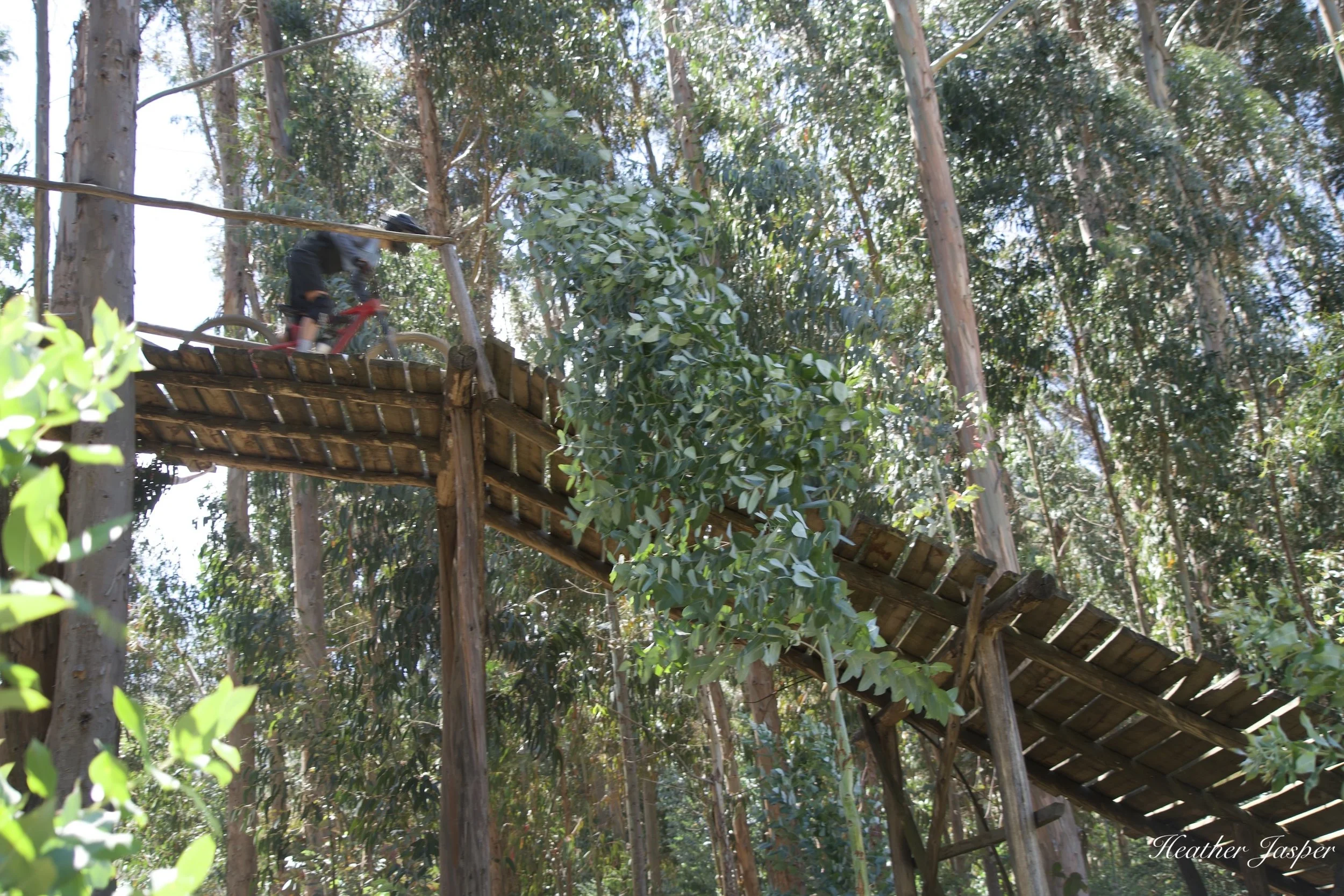
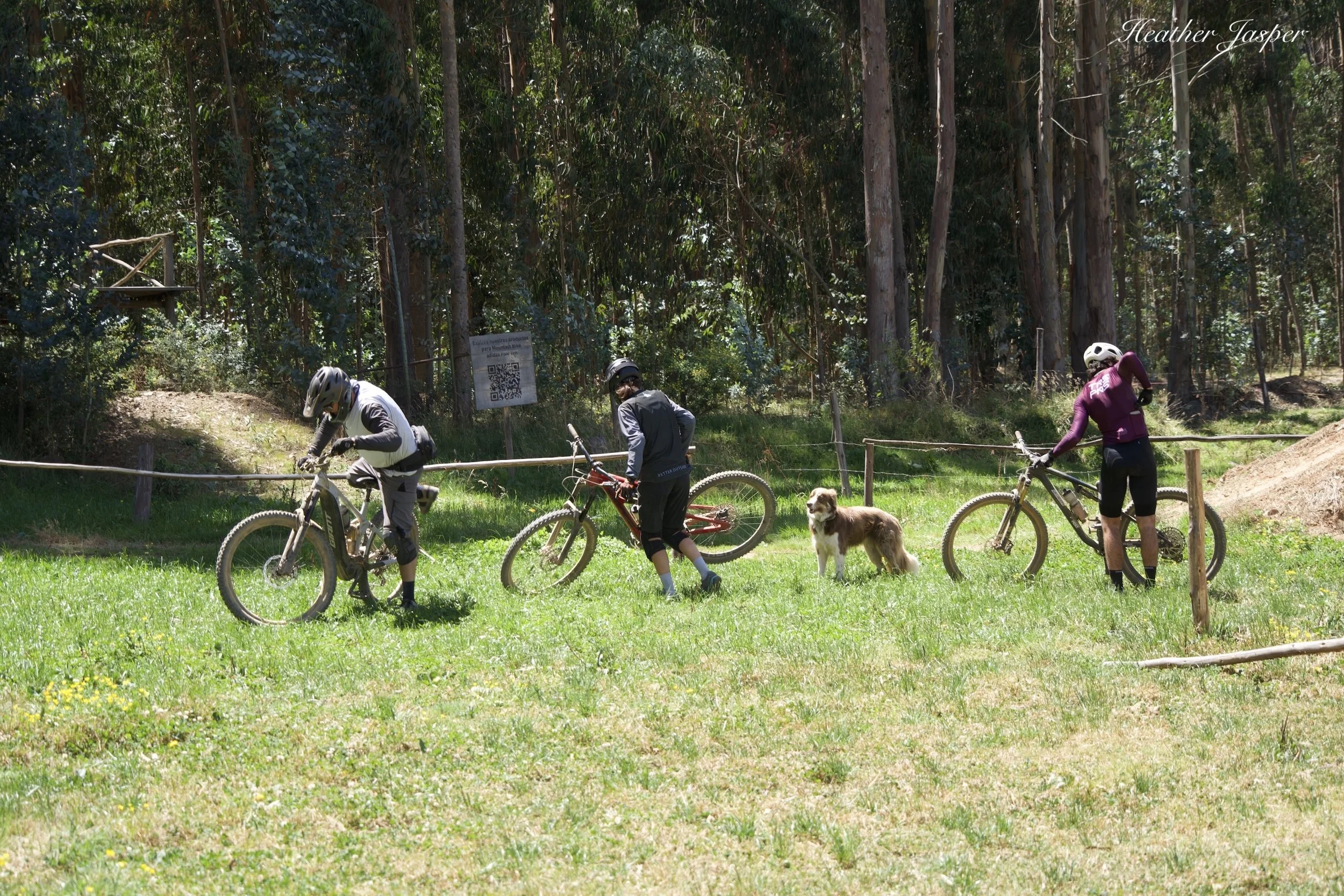
Hiking, biking & horseback riding.
Pamuri’s biggest attractions are the lodge’s 40 private hectares (about 100 acres) of hilly forest and scrub. There are around 25km/15mi of trails, some of which are for biking only and others for hiking only. Some of the bike trails are quite challenging with jumps and structures designed for adrenaline. The lodge owns several bikes which are free for guests to use.
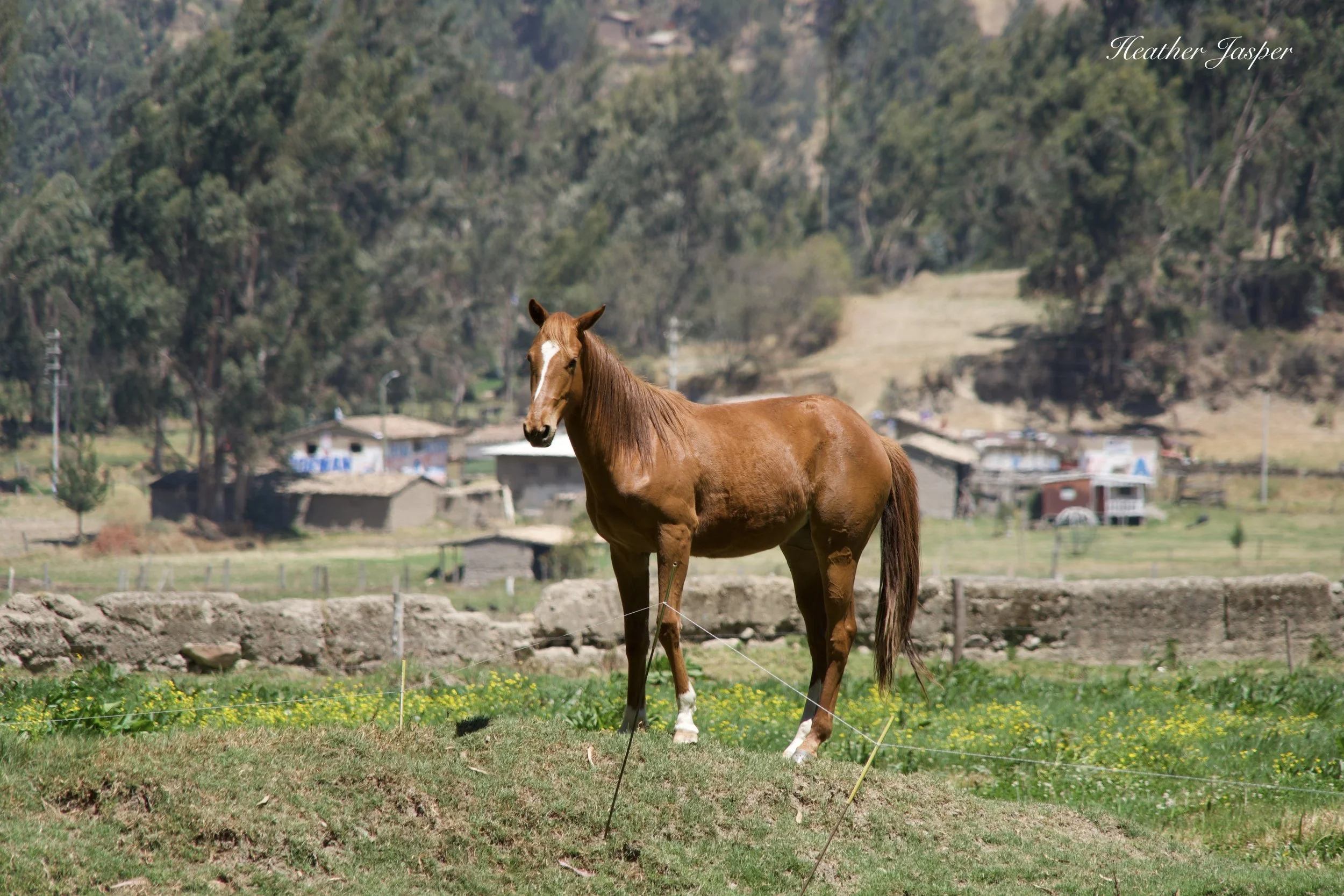
Pamuri Andes Lodge has four horses, though one is so young it’s not quite ready to be ridden yet.
A horseback ride near the lodge is included in every stay, though it’s a short trail that takes only about 20 minutes. Half day and full day horseback rides have an extra charge and take guests to several beautiful spots in the valley. If I’d had more time, I would have taken a horseback ride, but I spent all my time hiking.
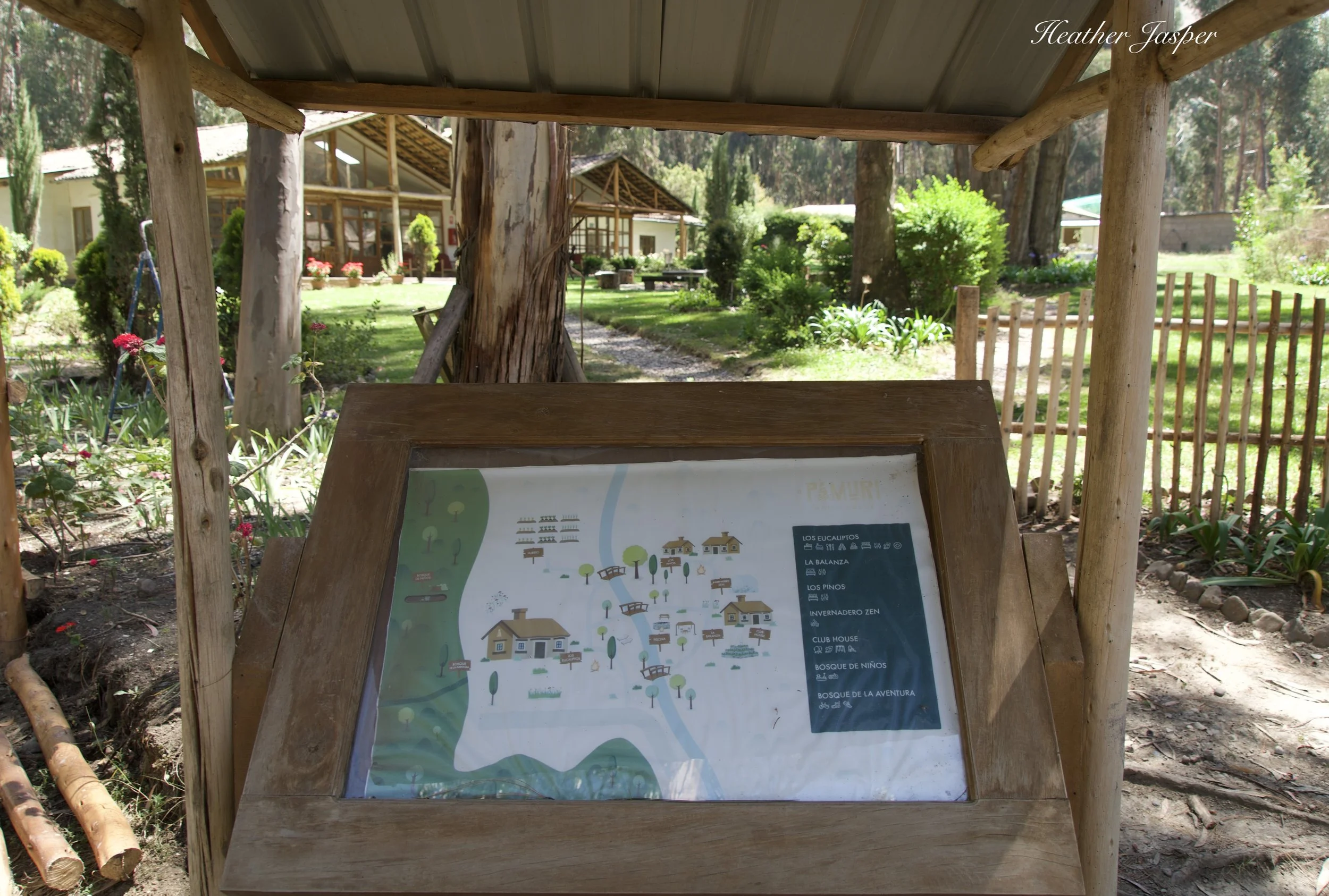
There are several maps around the property and trails are well signed.
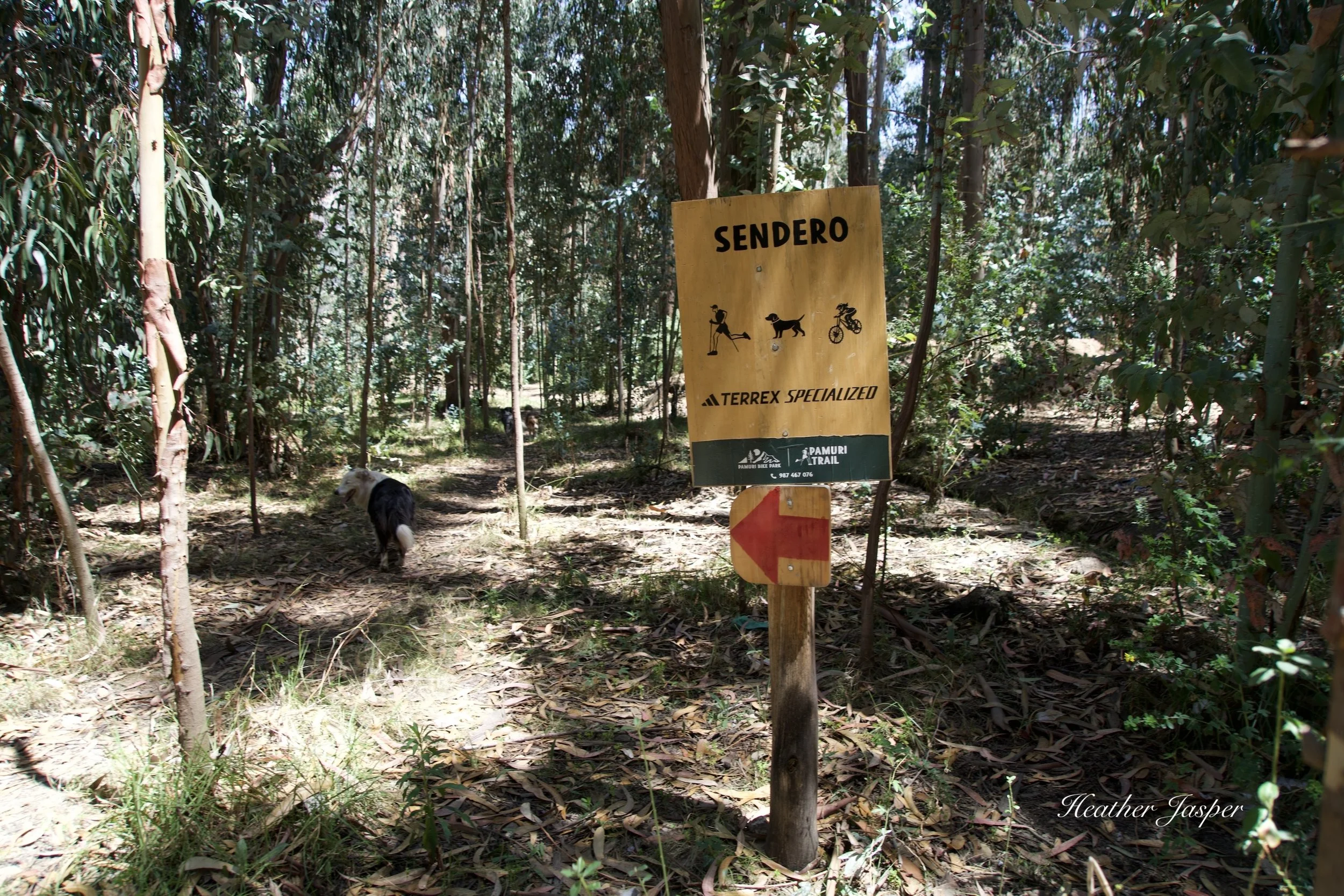
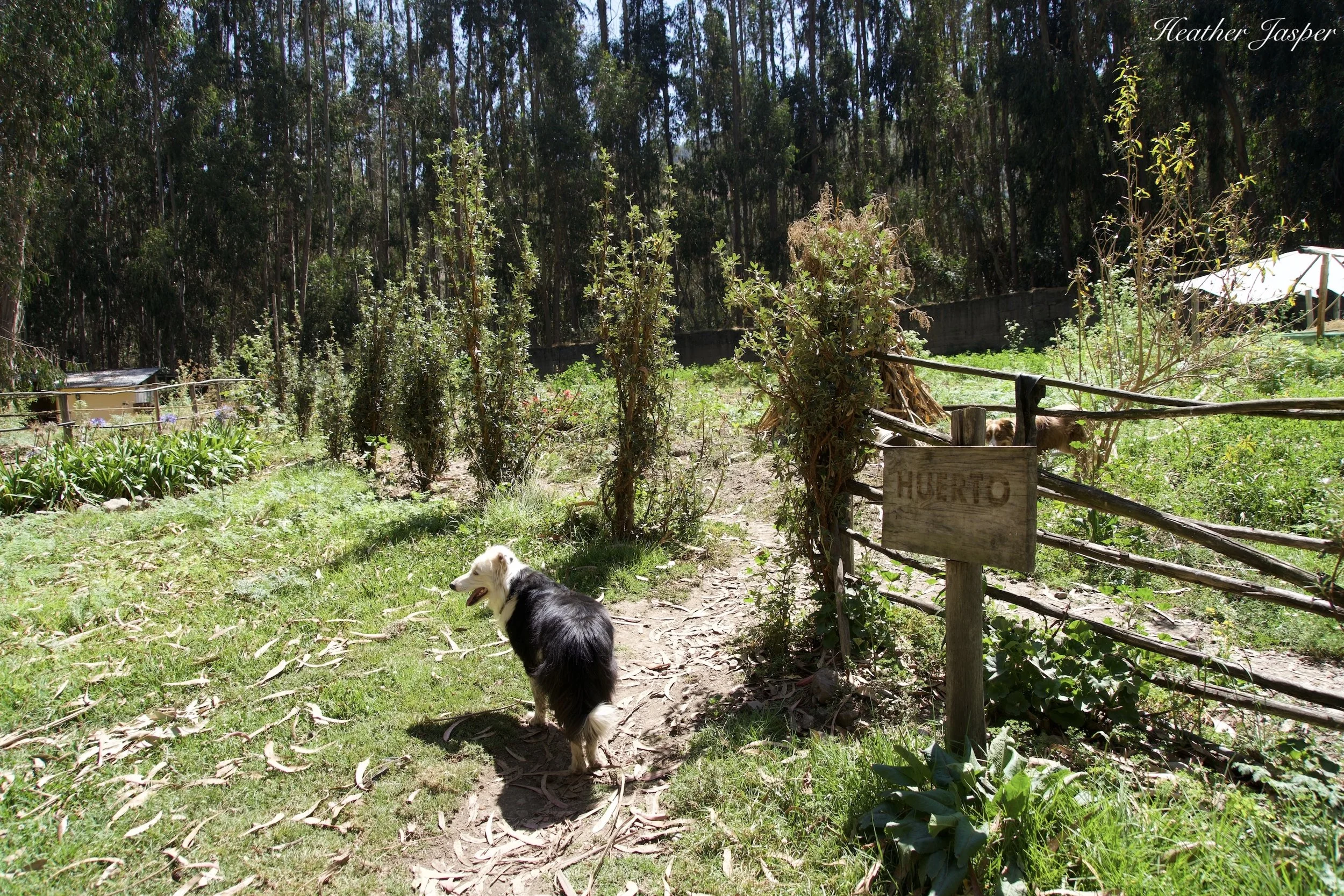
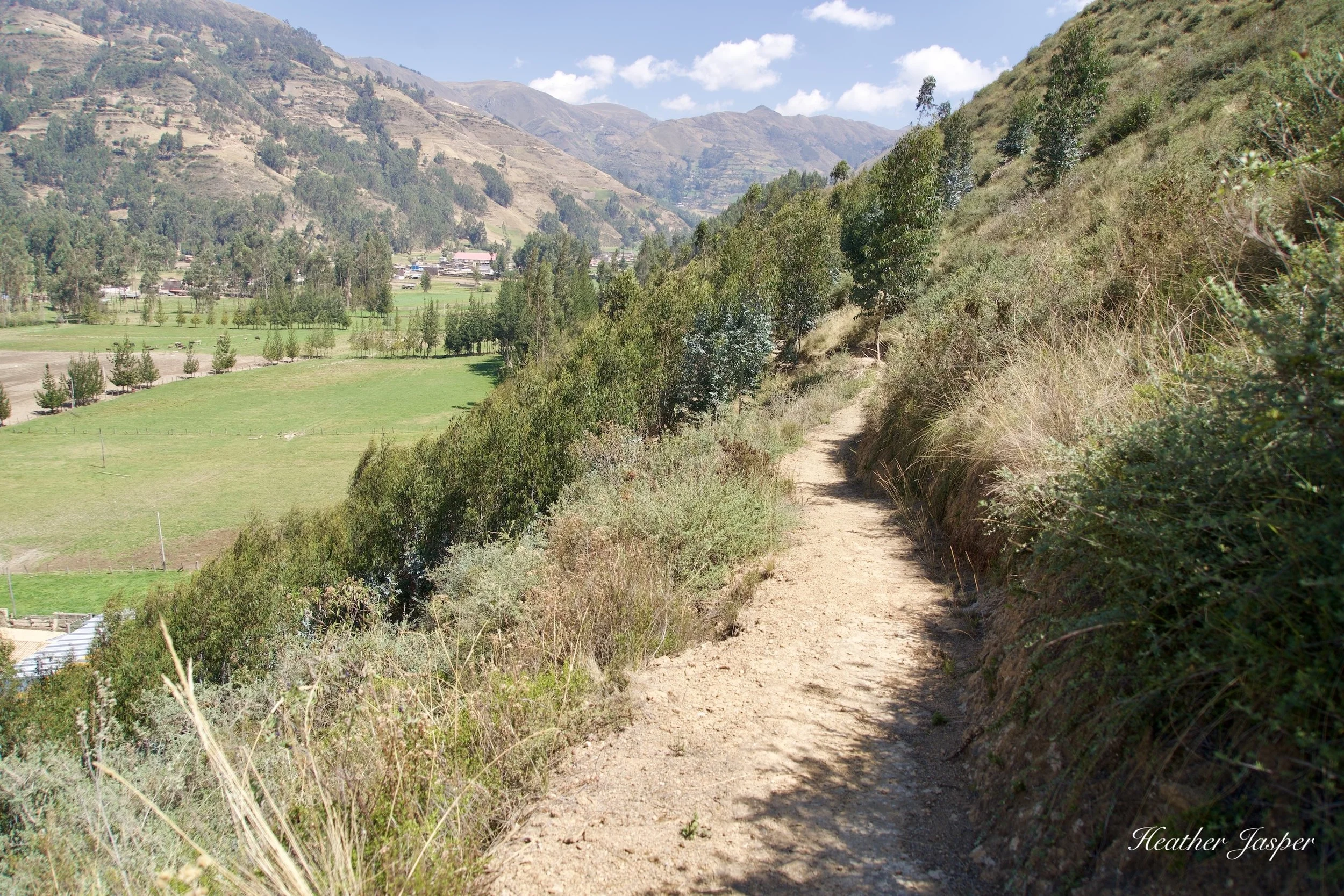
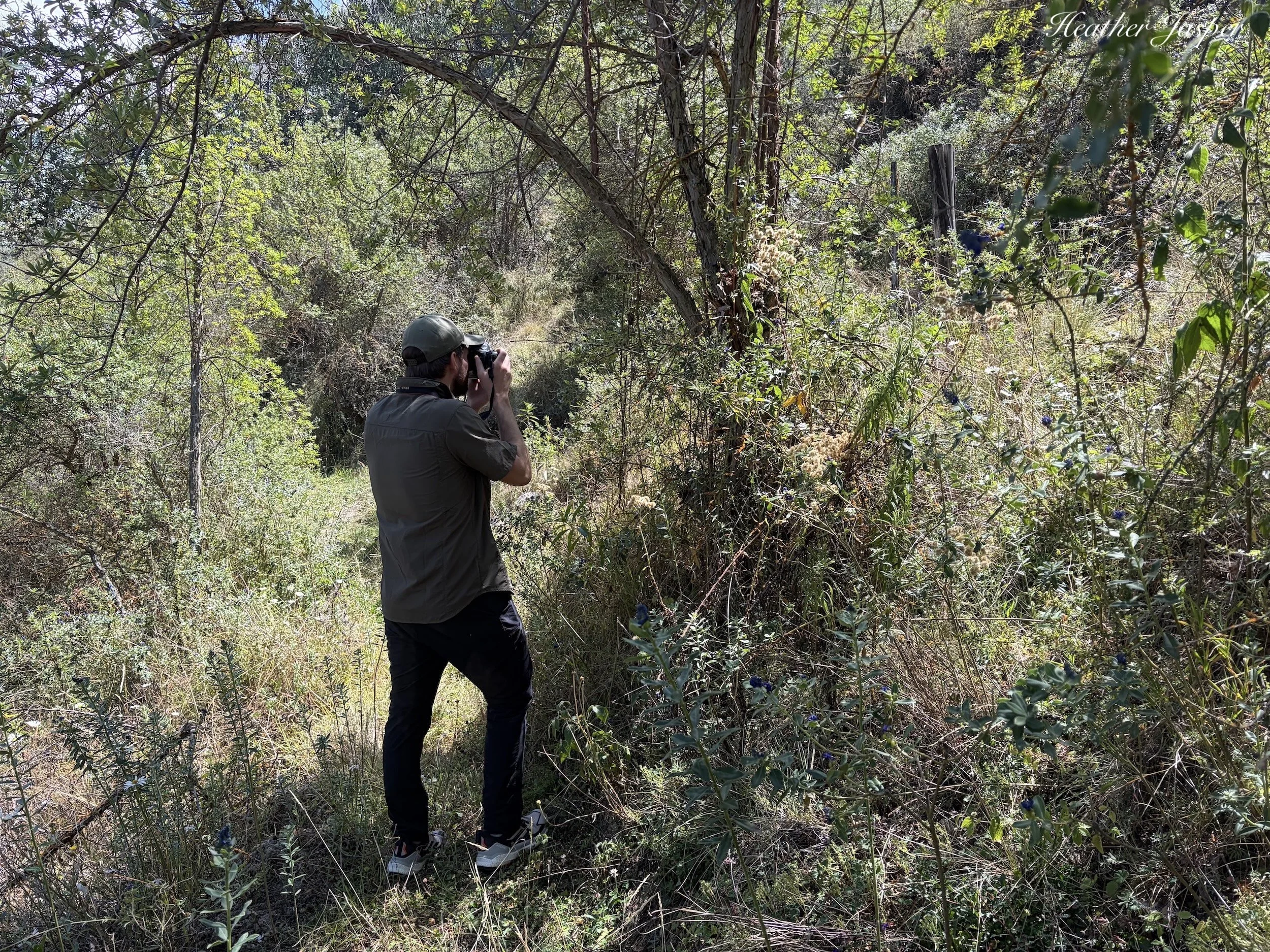
The hiking trails at Pamuri cover so much ground that they can easily keep you busy all day and will soon look very different. Santiago is working hard to eradicate invasive (and non-native) eucalyptus trees and replant with native Andean trees. One of the most important trees for replanting native forests in the Andes is polylepis trees but Santiago is also planting chachacoma, Aliso, saúco, qolle and native flowers.
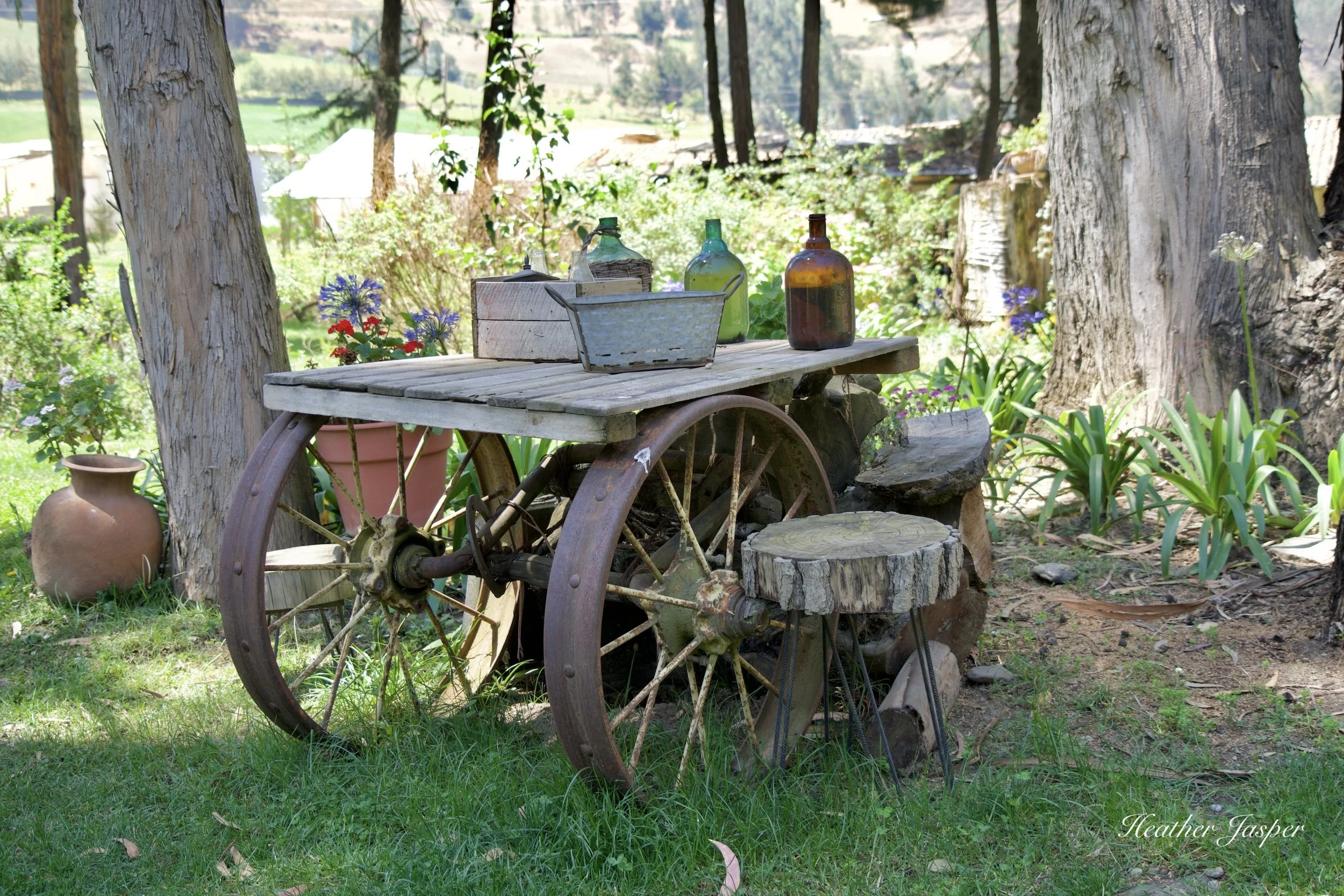
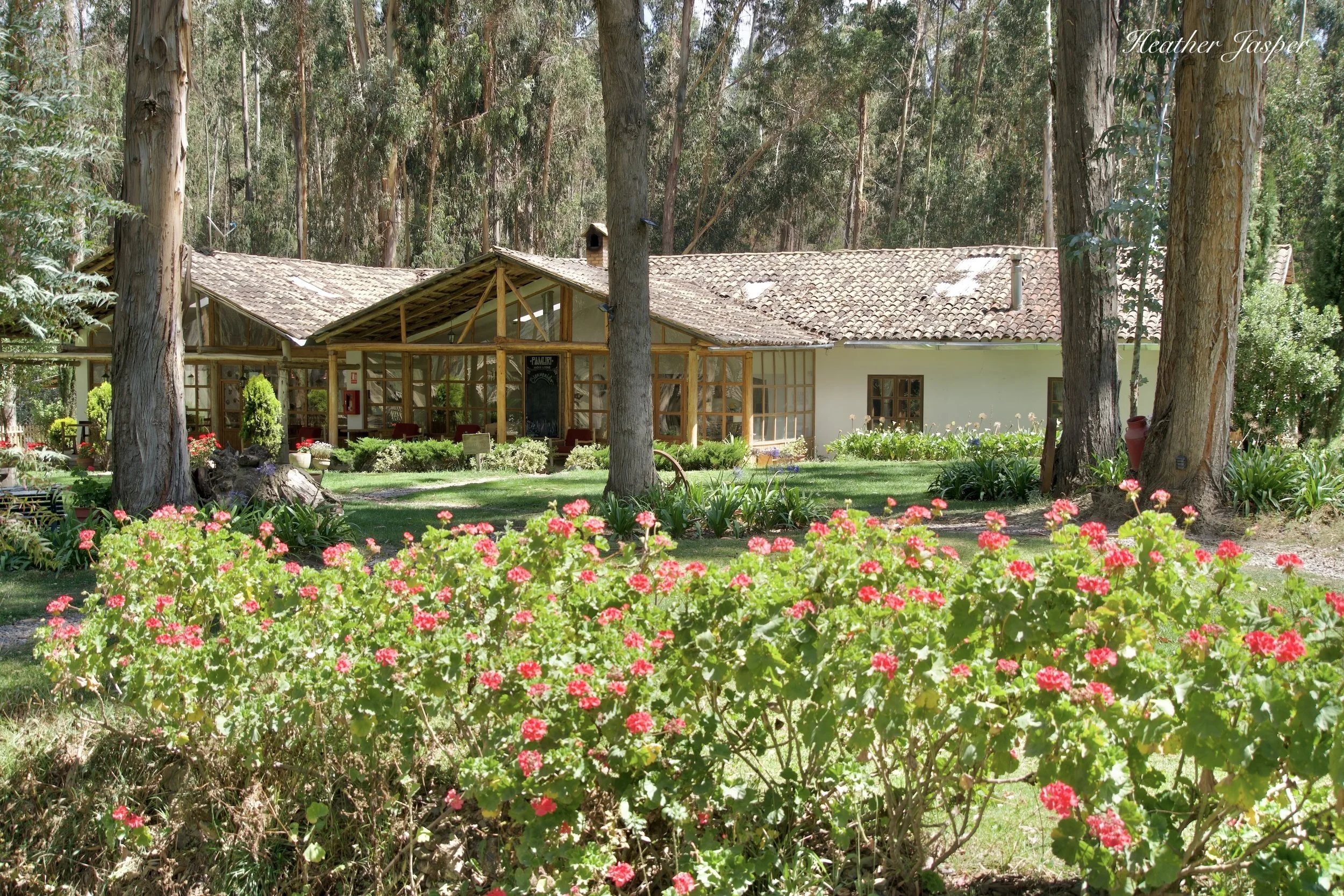
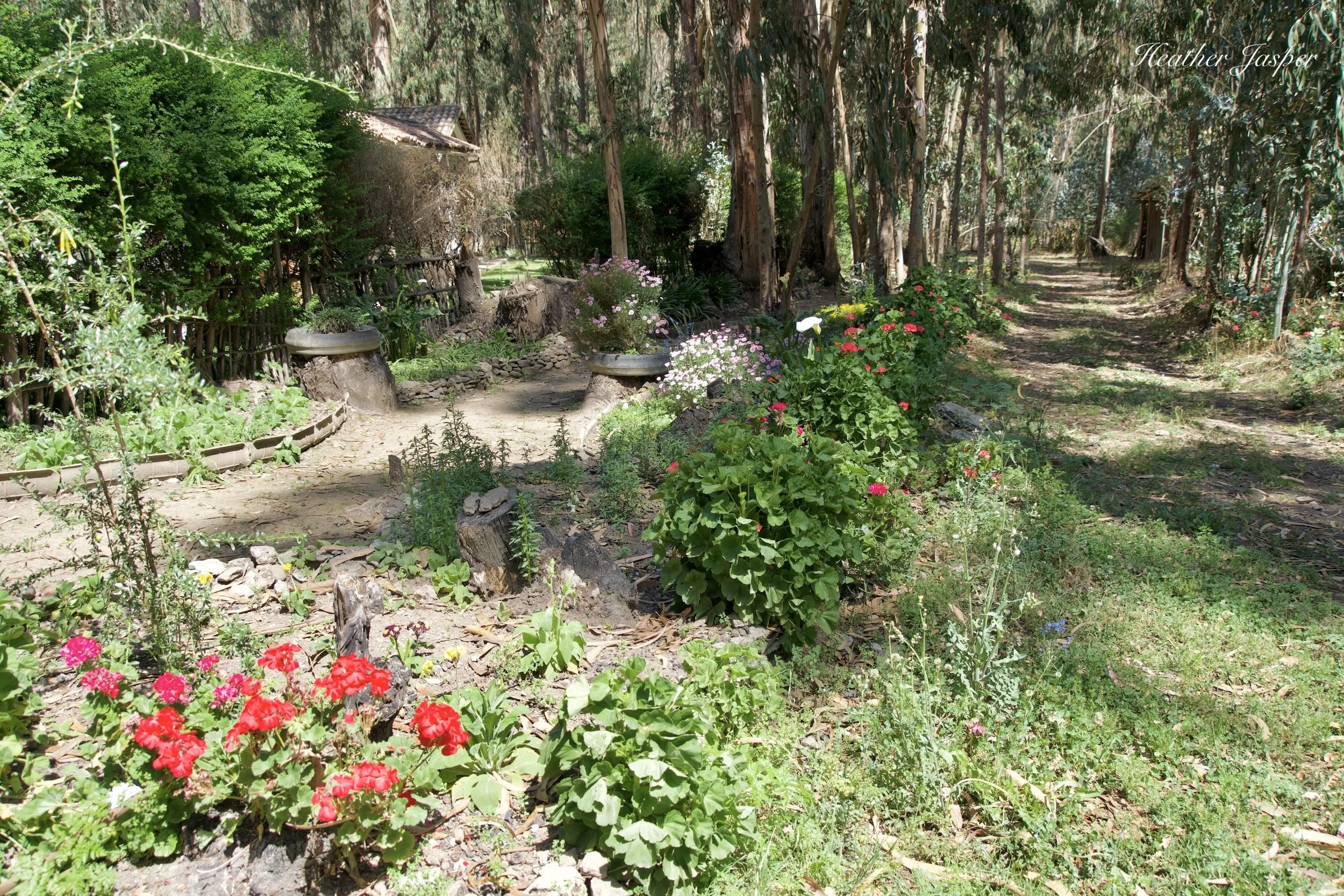
Besides about 100 acres of forest and trails, the area around the lodge and bungalows is full of flowers.
My Favorite Hikes near Pamuri Andes Lodge
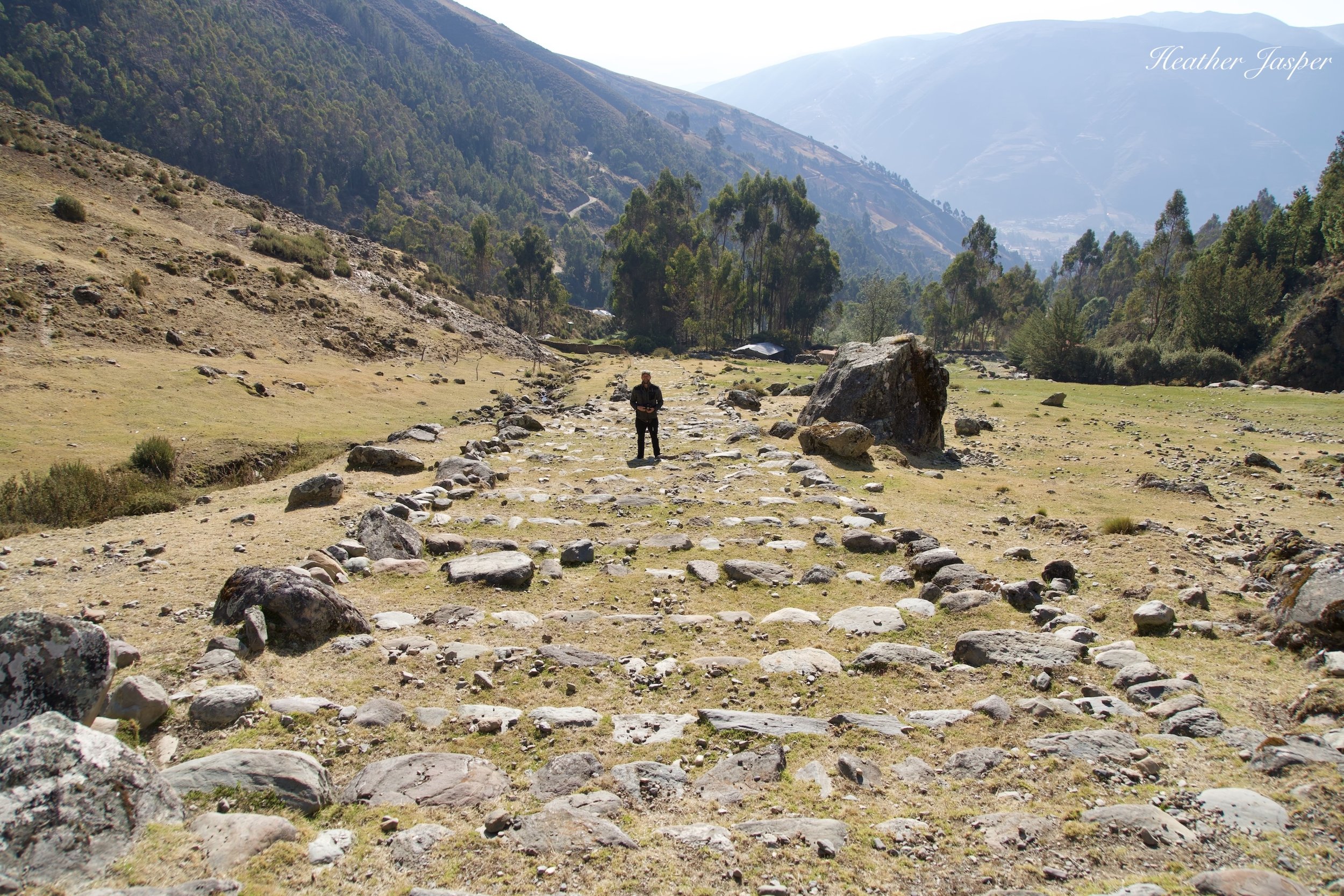
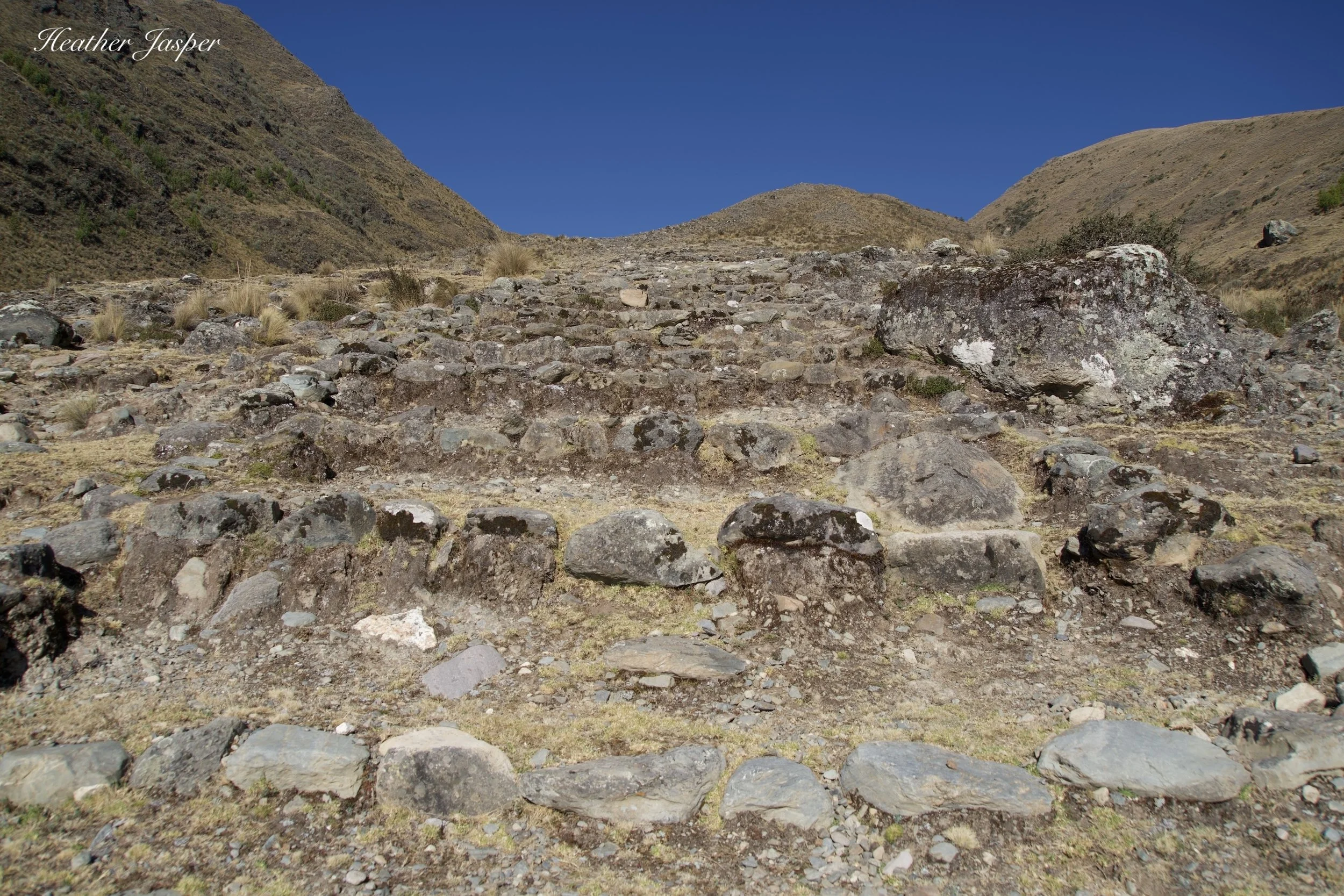
Huancavelica’s Inca Trails
My top favorite hike is along a section of Inca trail, part of the Qhapaq Ñan, the integrated network of trails that the Inca used to connect their empire from Pasto in Colombia to Santiago in Chile. I’ve seen a lot of parts of the Qhapaq Ñan since my first trip to Peru in 2013 but this section Inca trail above the village of Atoq is the best I’ve seen anywhere in the country. It’s much wider than other sections and still has the original stairs that lead straight up the mountain.
If I followed the trail down to Atoq, it would eventually lead me out to the coast near Pachacamac, an important Inca and pre-Inca city south of Lima. If I followed it uphill, it would take me home to Cusco. I’m not going to try to guess how many days it would take to walk to Cusco from here, but it would surely be a big expedition.
As an aside, Inca and pre-Inca trails were built for and by people who could walk straight up and down the steep Andes they lived in, so don’t expect many switchbacks. In Peru, most trails with switchbacks were built by the Spanish or by today’s Peruvians who drive cars, ride buses and watch TV. The old trails, built before cars, buses or TV existed, were for much stronger people than the average person in 2026.
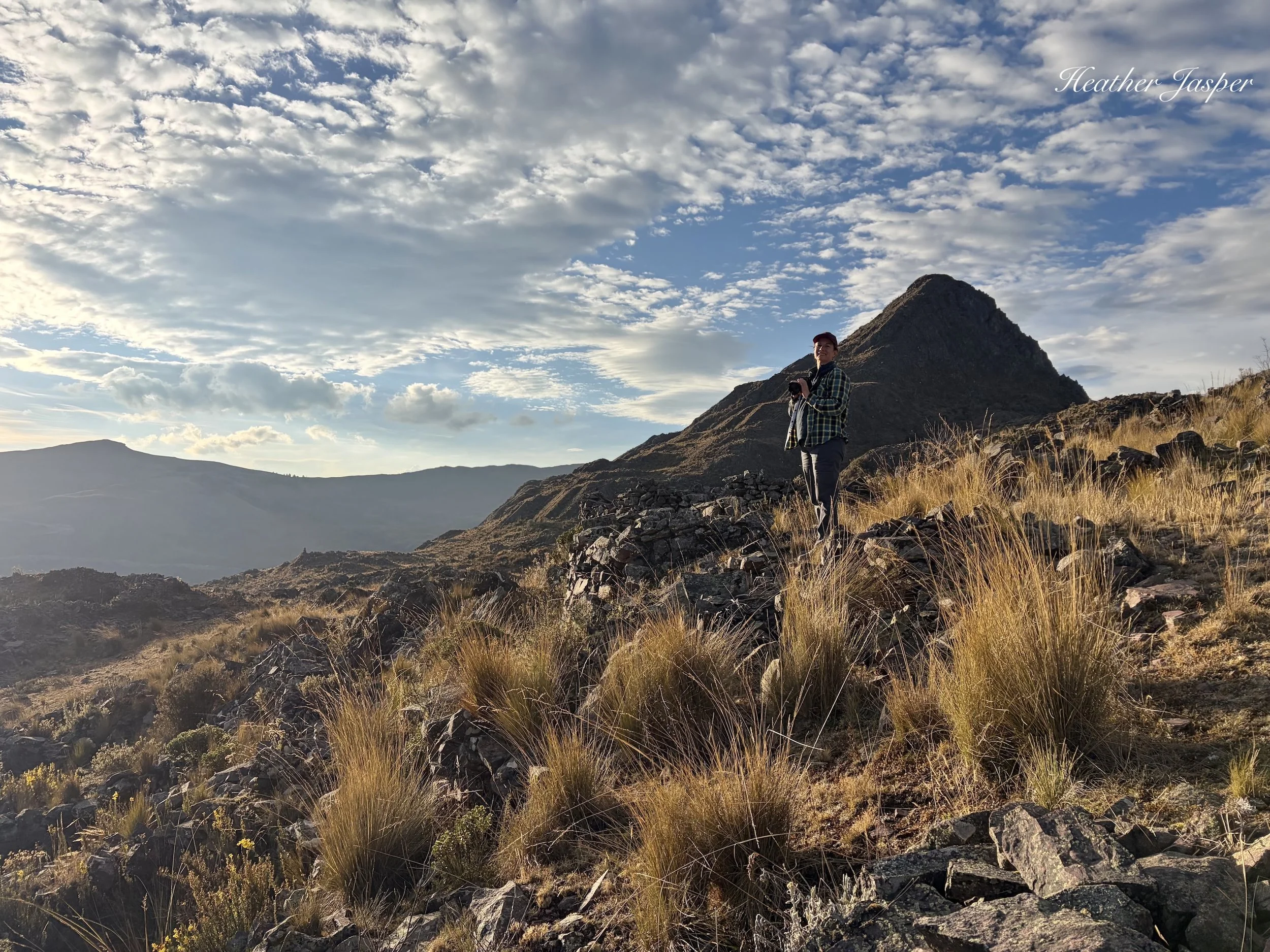
My second favorite hike was Llaqta Ccolloy
This is a giant archeological site of round buildings, which hasn’t been excavated or studied. It’s a beautiful location, high in the mountains, with a peak behind it reminiscent of Huayna Picchu. I wish I could tell you more about it, but Peru needs to give every archeologist in the country an unlimited budget to be able to study even half of the archeological sites that cover the country, like tourists now cover Machu Picchu.
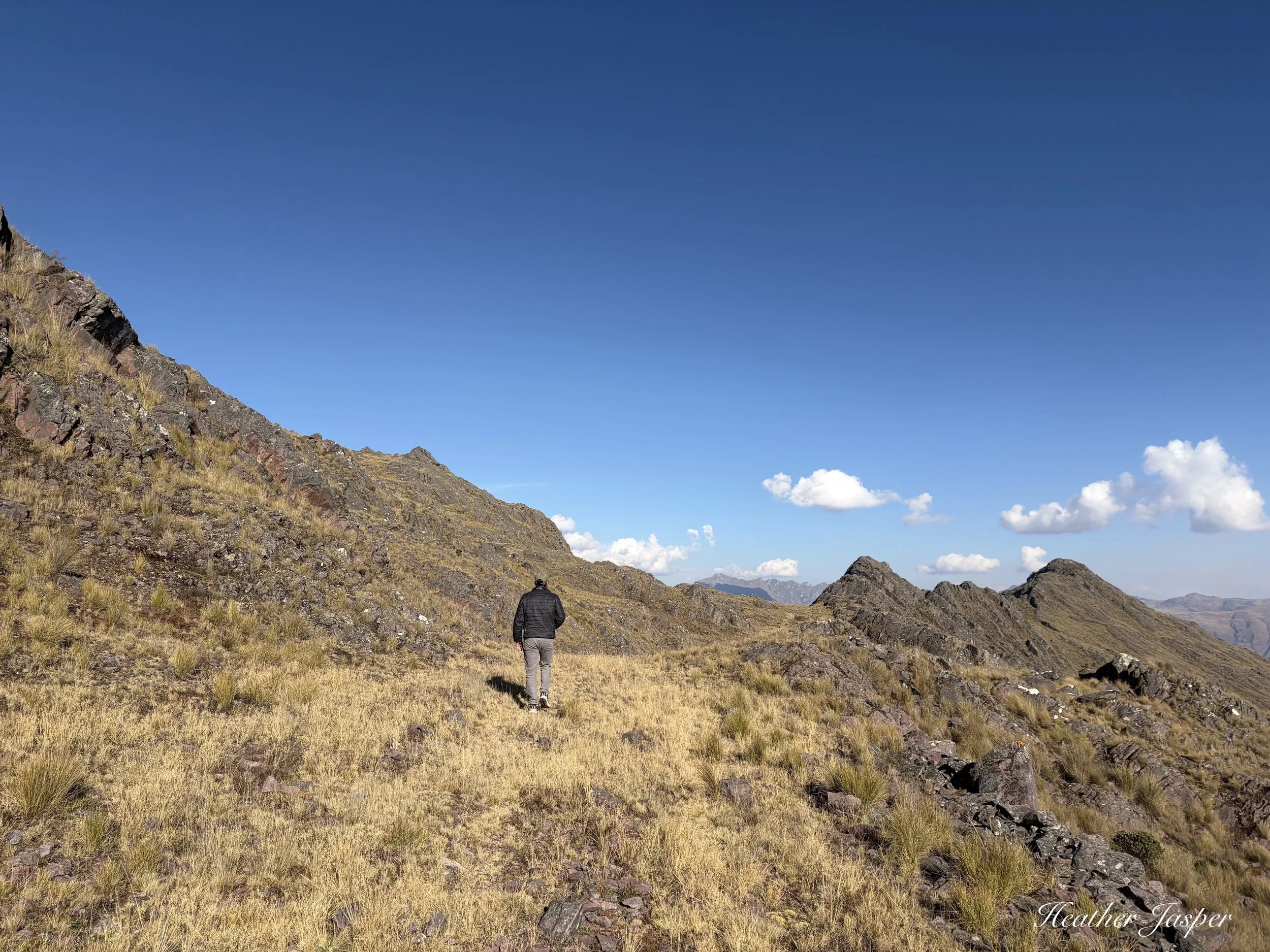
The Trail to Llaqta Ccolloy
The trail was so wide that it reminded me of the Qhapaq Ñan, though the ruins seemed clearly pre-Inca to me.
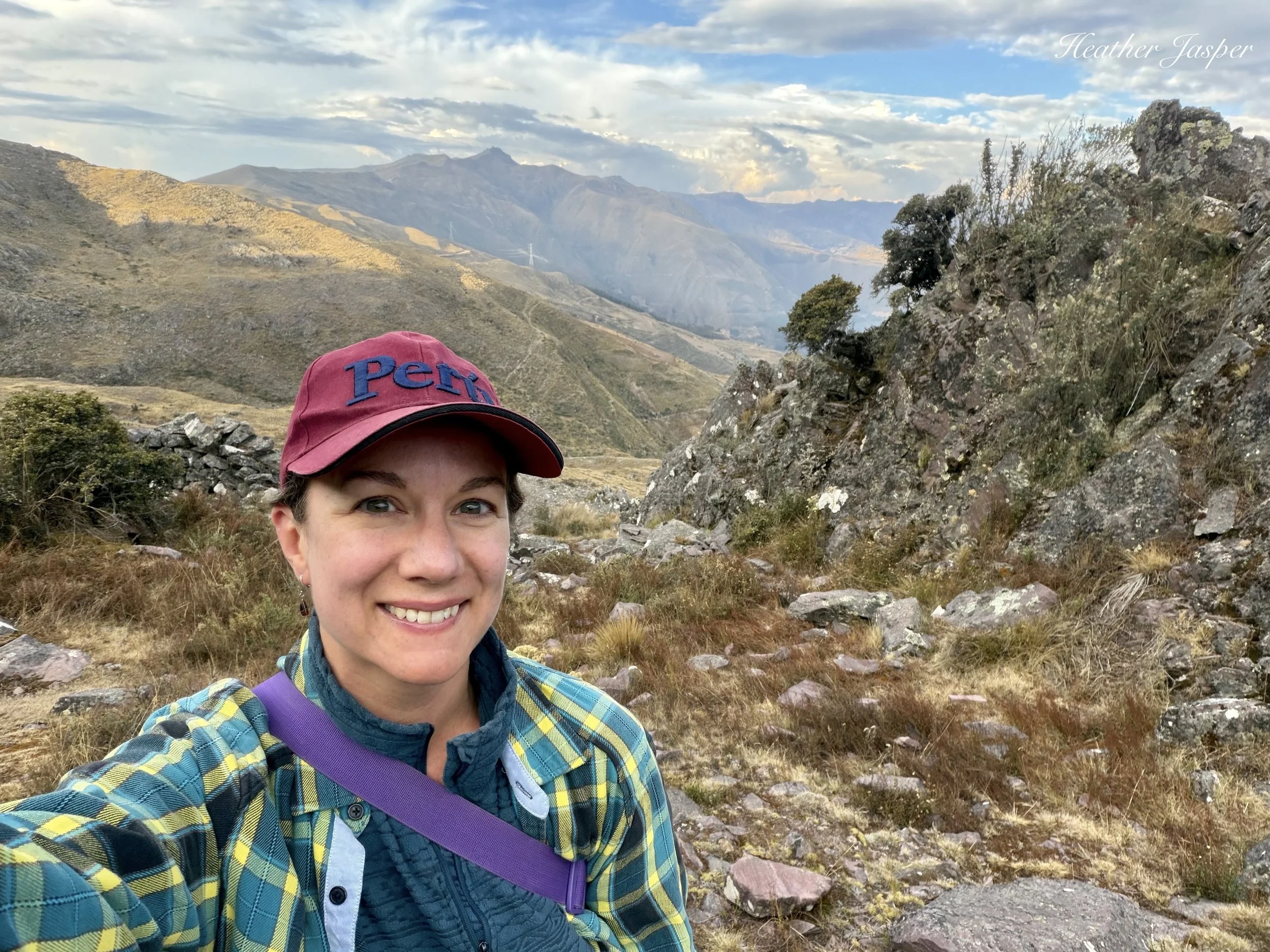
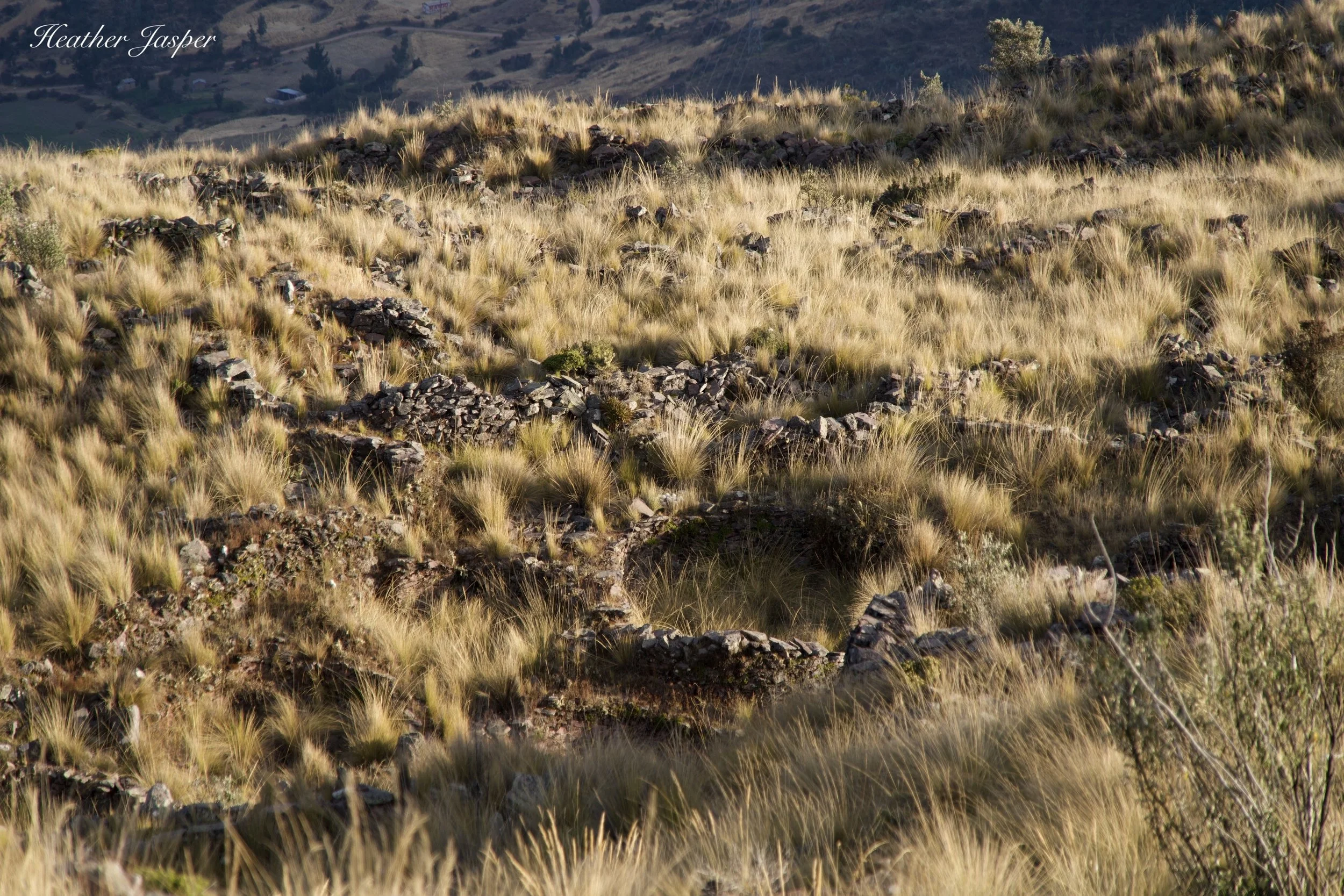
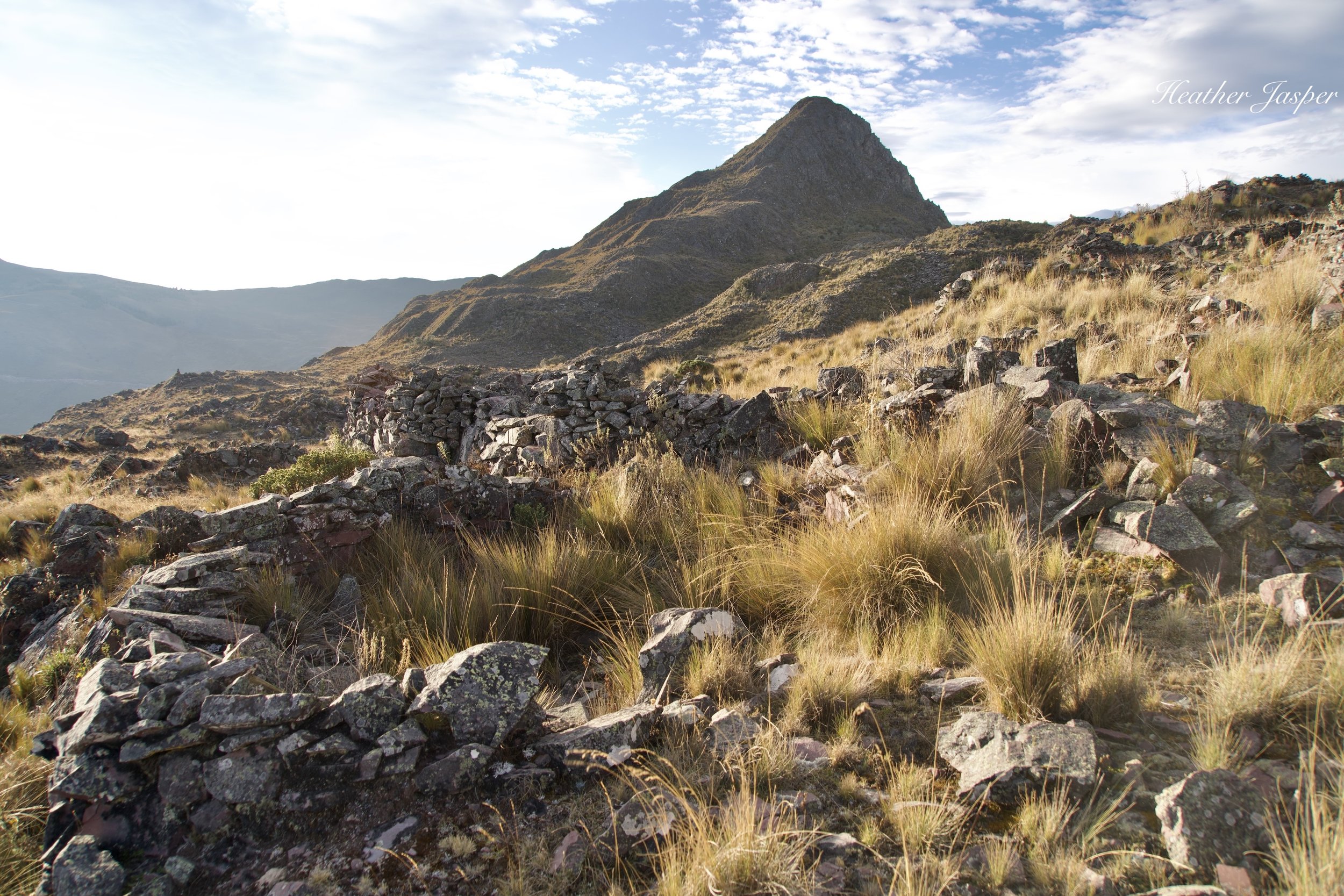
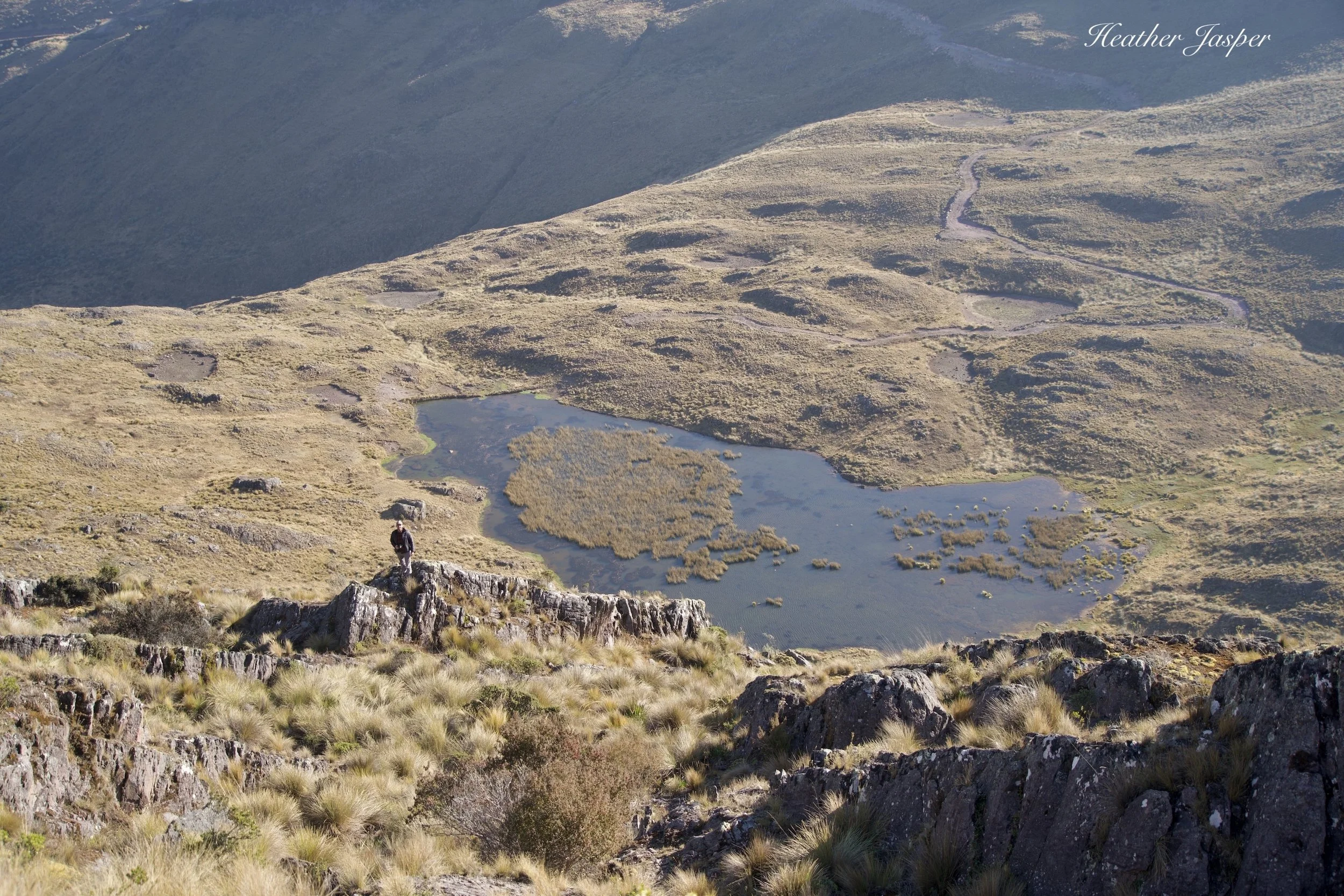
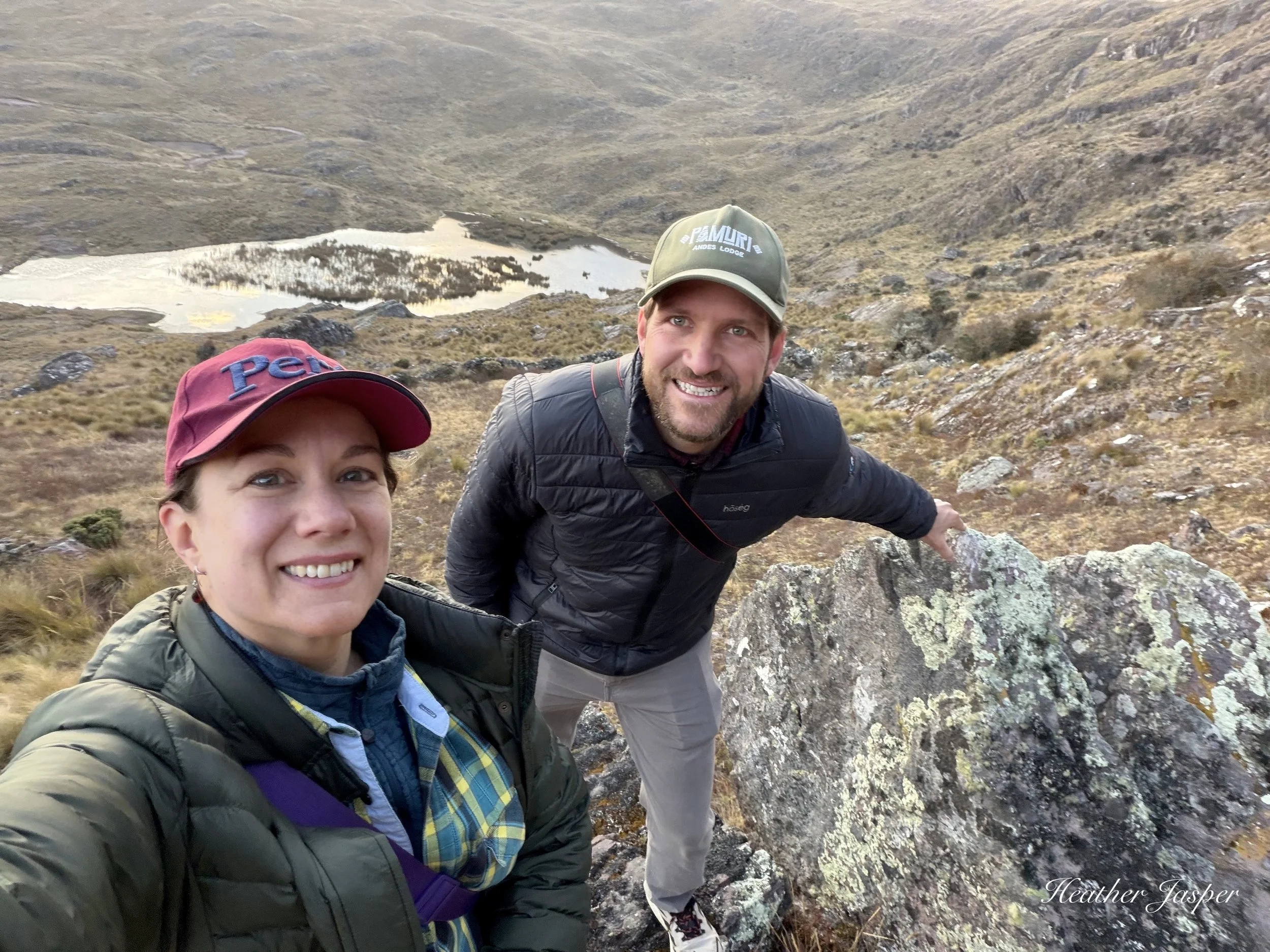
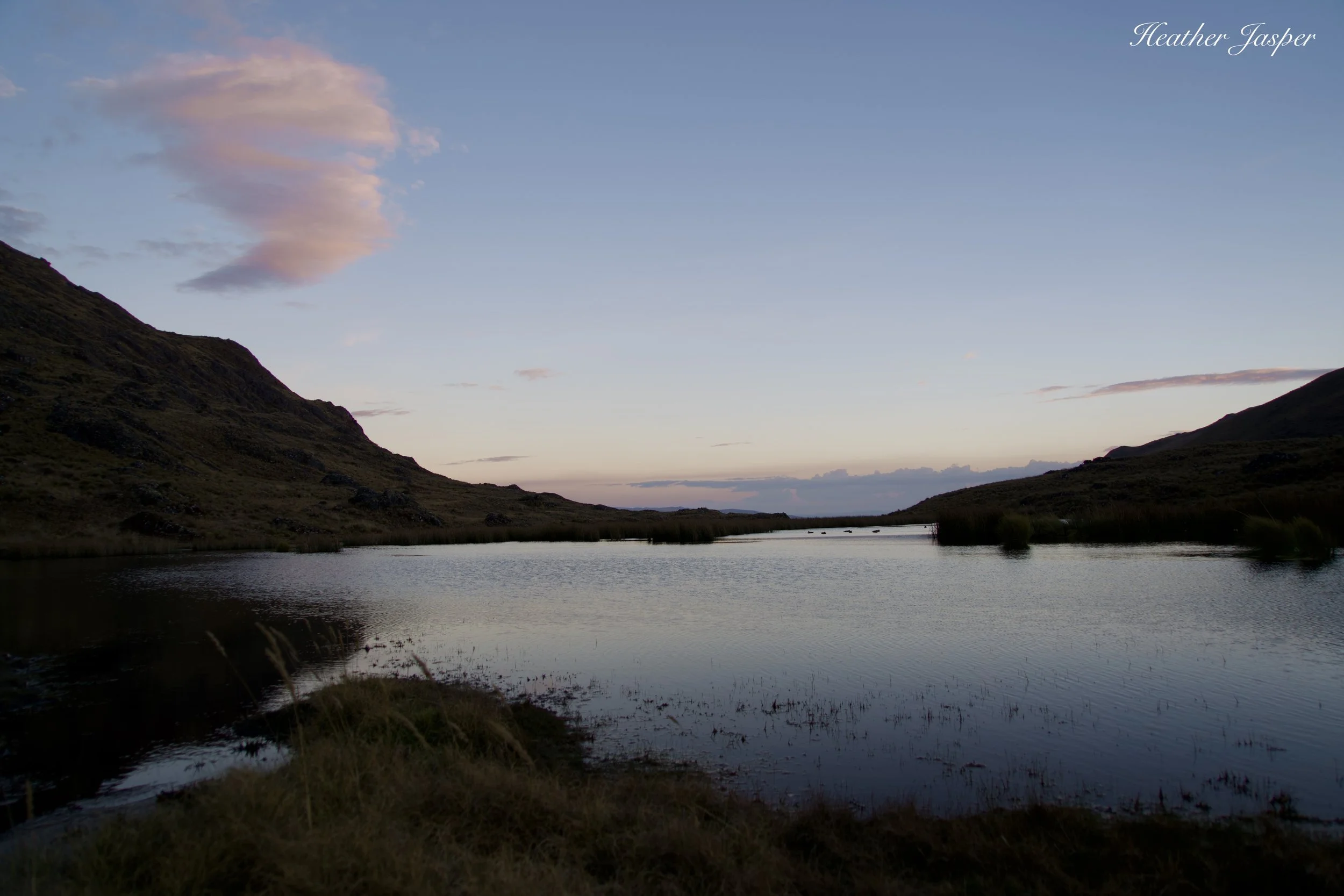
The hike was beautiful and goes by a pond where I saw crested ducks. We stayed long enough at Llaqta Ccolloy that it was dusk when we got back to the car and I saw both a great horned owl and a band-winged nightjar on the drive back. The site is at about 14,000 feet above sea level, so don’t plan this for your first day if you’re coming from sea level.
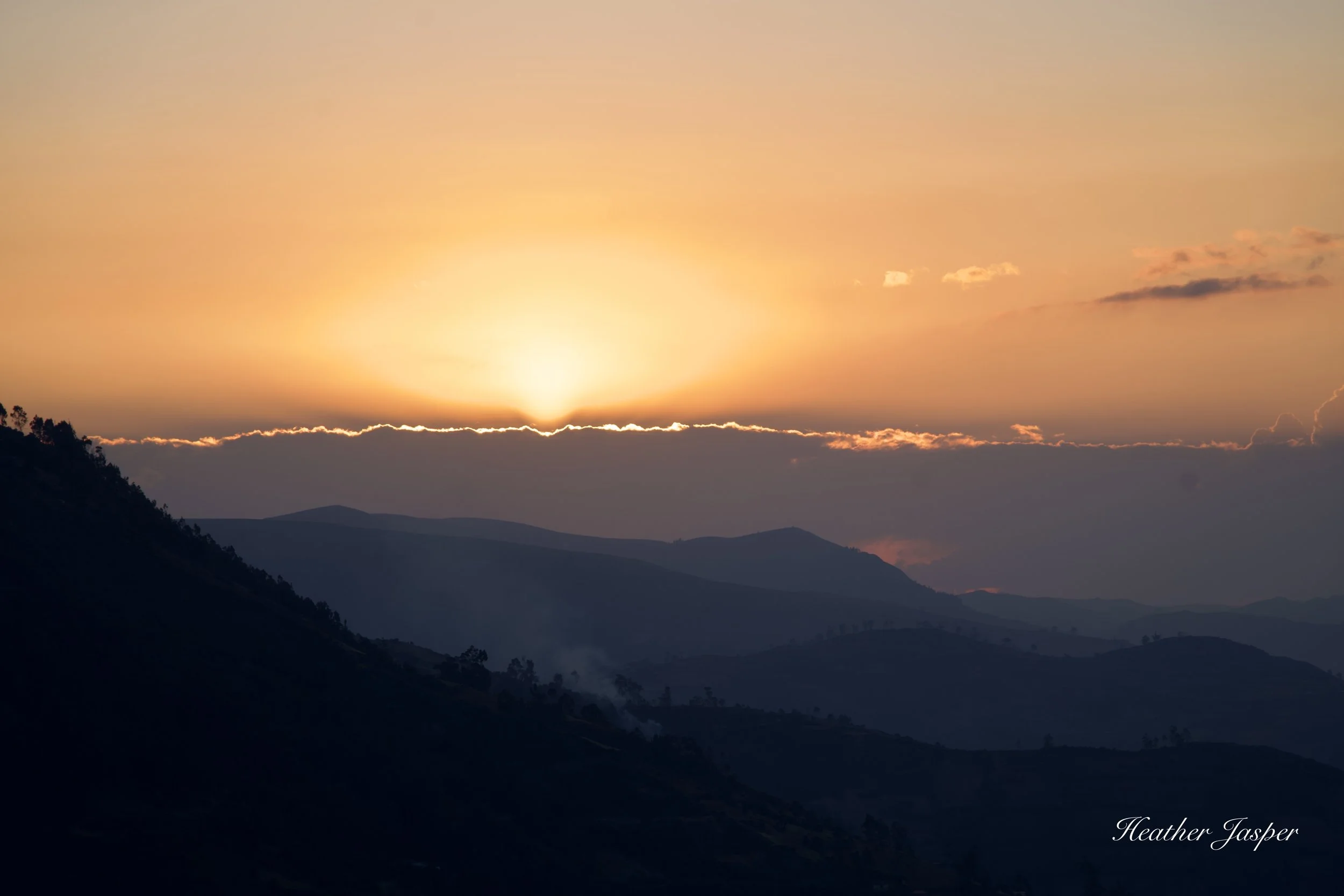
The view west from Paltarumi over several layers of mountains makes it perfect for sunset.
My third favorite was Paltarumi
Paltarumi means avocado stone but don’t expect any avocados here. It’s a high lookout over the canyon with a perfect spot to watch the sunset. This was a long drive and didn’t require much of a hike, though with more time we could have parked farther down and walked more.
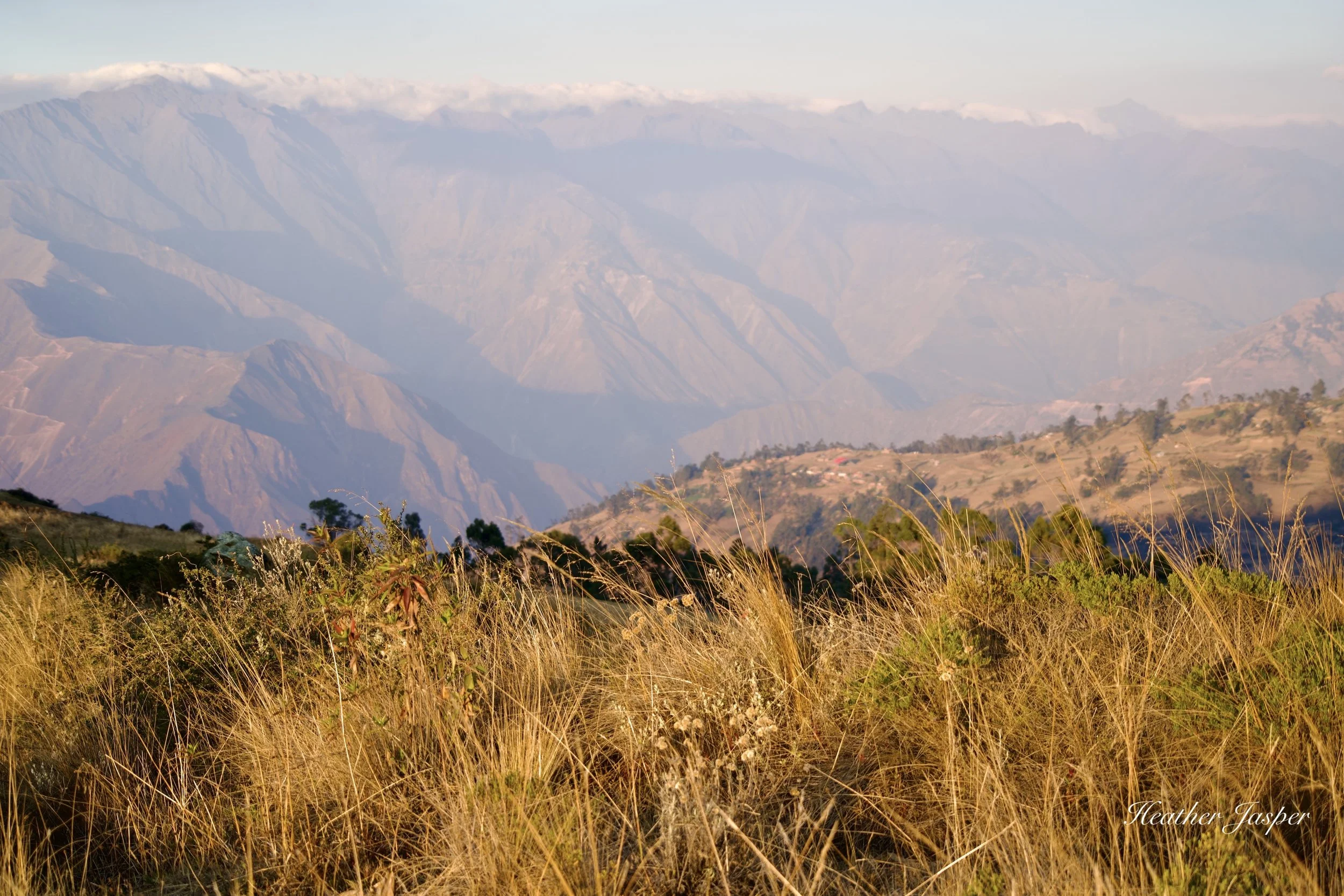
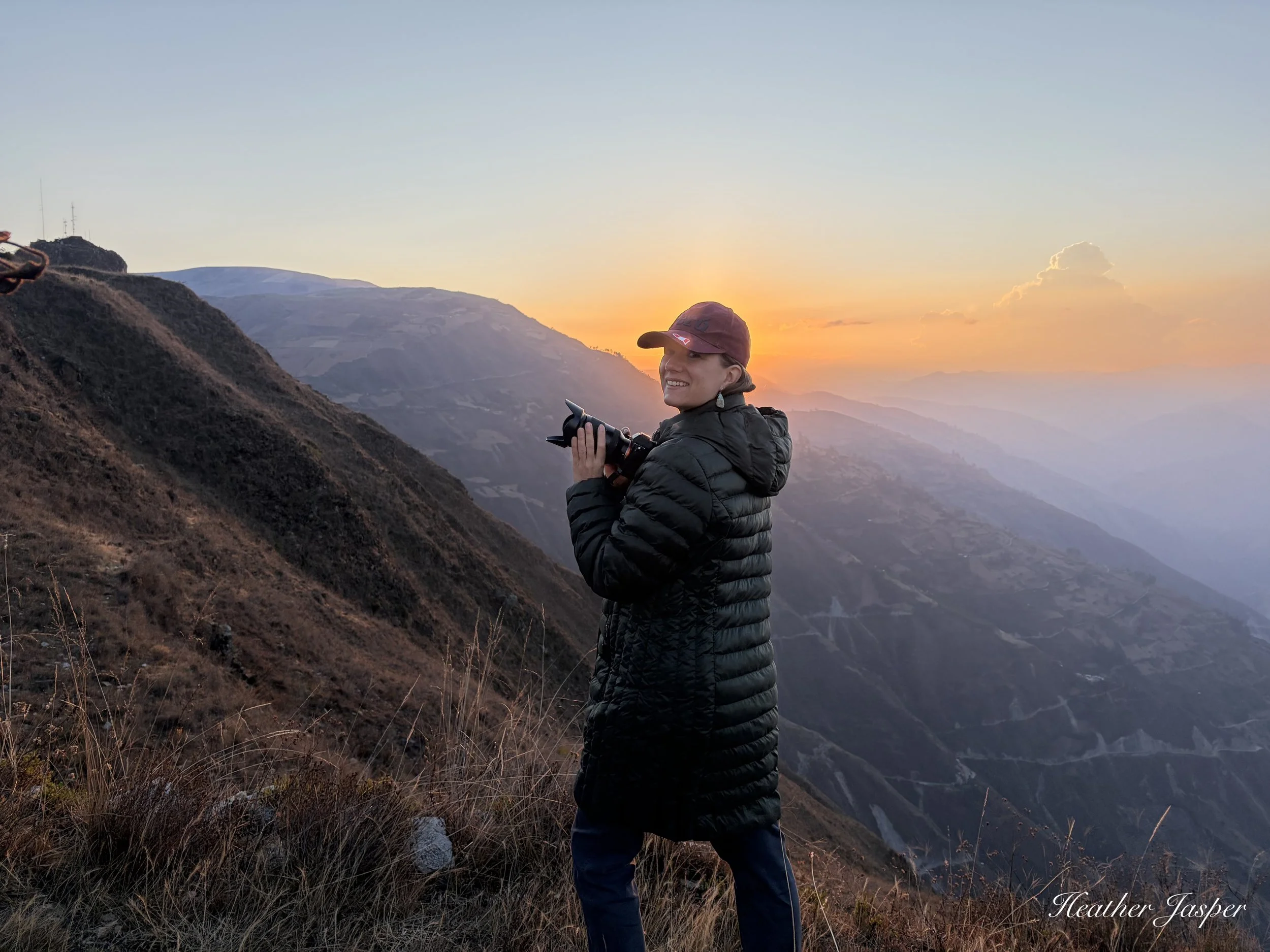
The view was spectacular, with the deep canyon below and to the north the mountains that separate Peru’s central Andes from the edge of the Amazon rainforest. The cottony clouds spilling over the tops of the mountains are a permanent reminder that humid jungle is just on the other side.
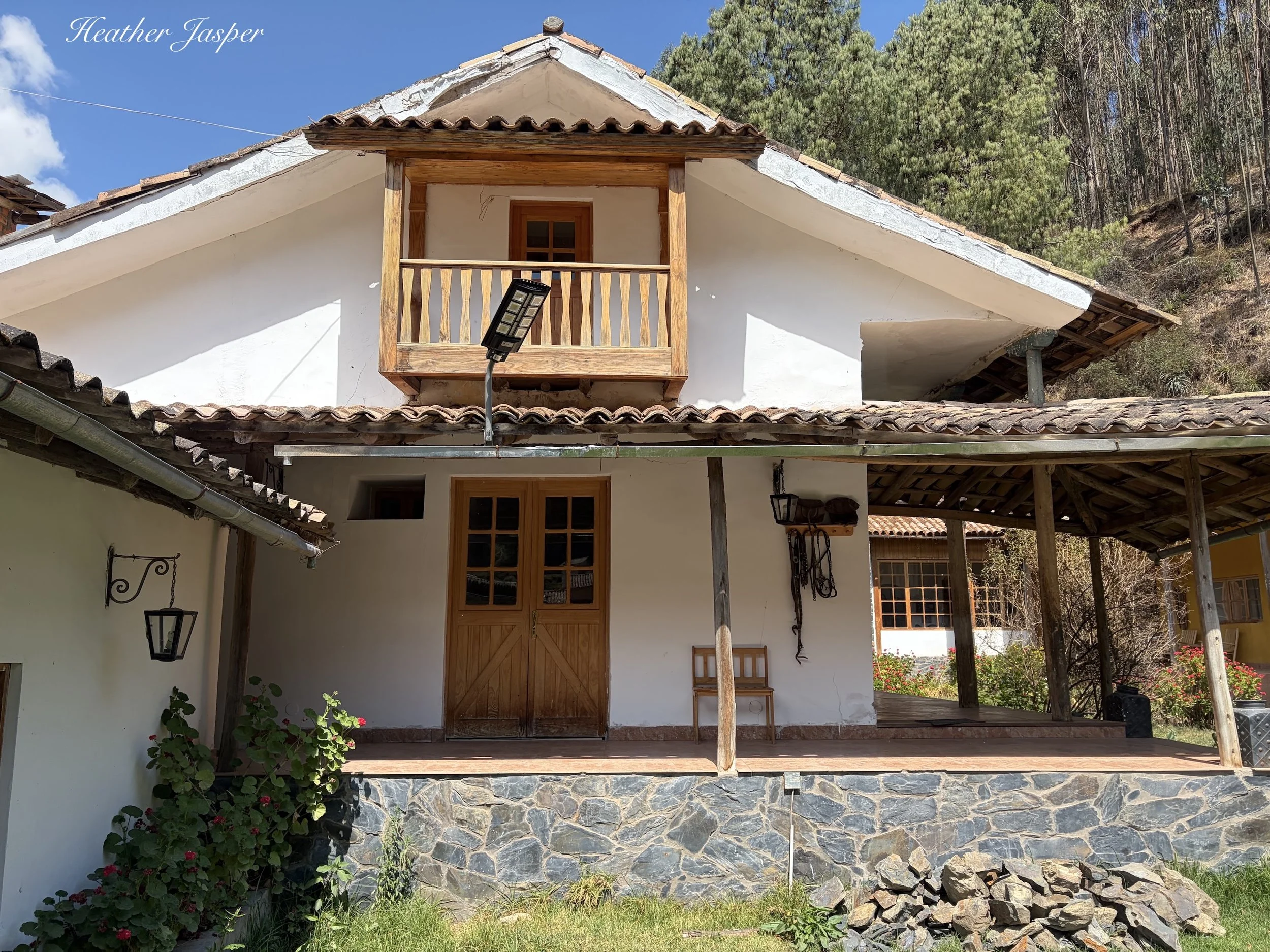
Pamuri Casa Hacienda
Near the lodge you can also visit the old casa hacienda and a restaurant with trout ponds for fresh trout.
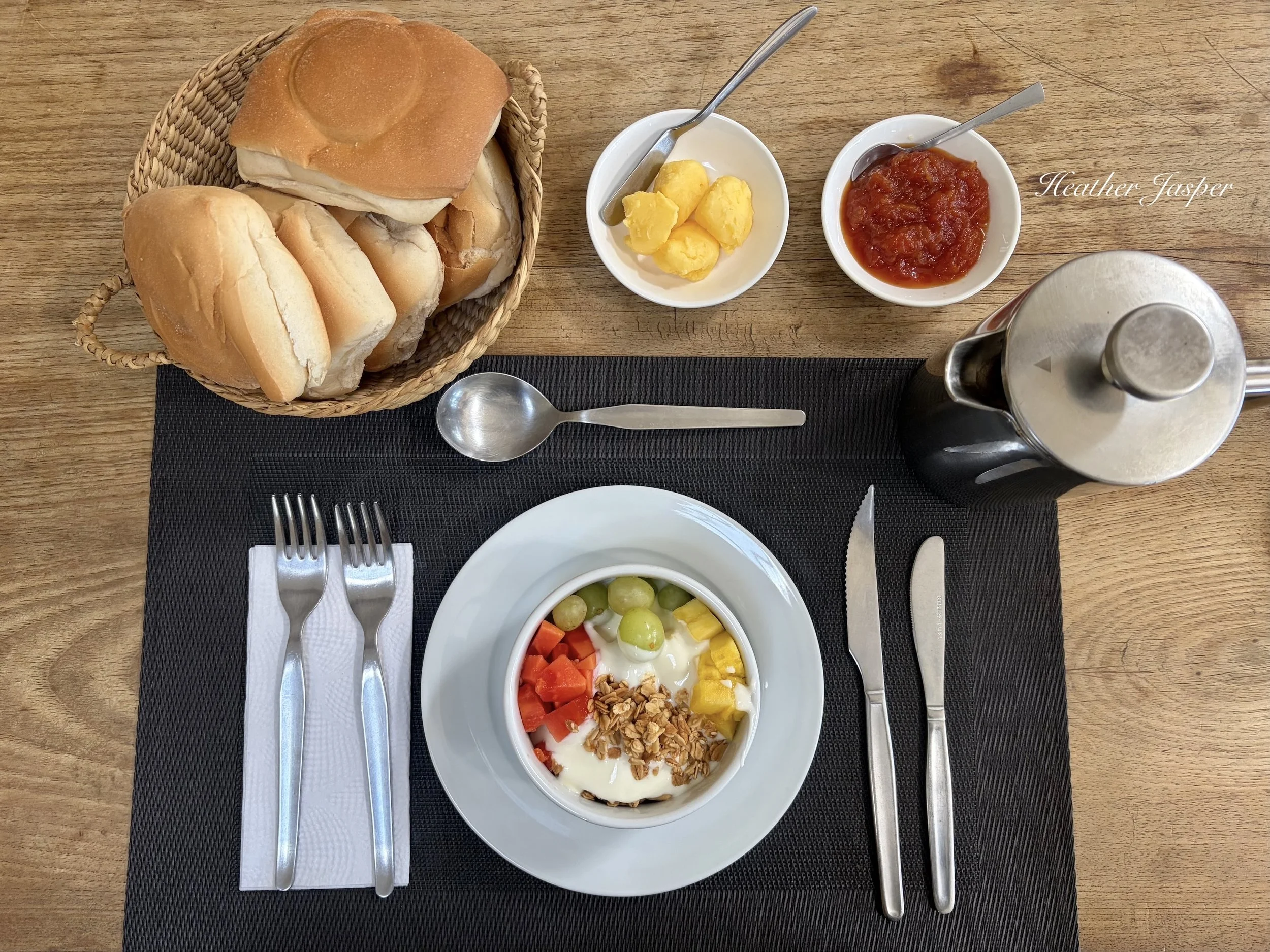
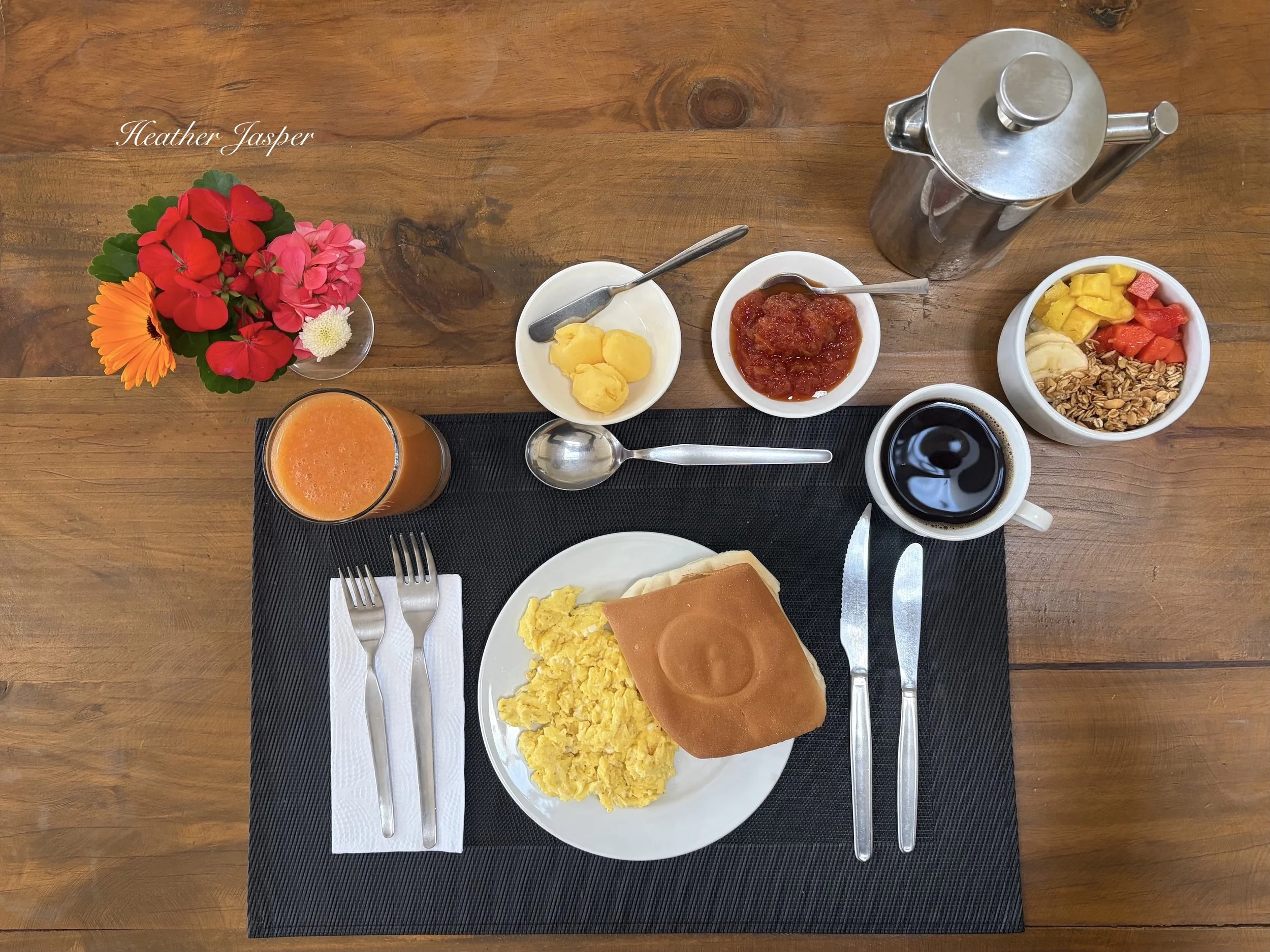
The food at Pamuri Andes Lodge
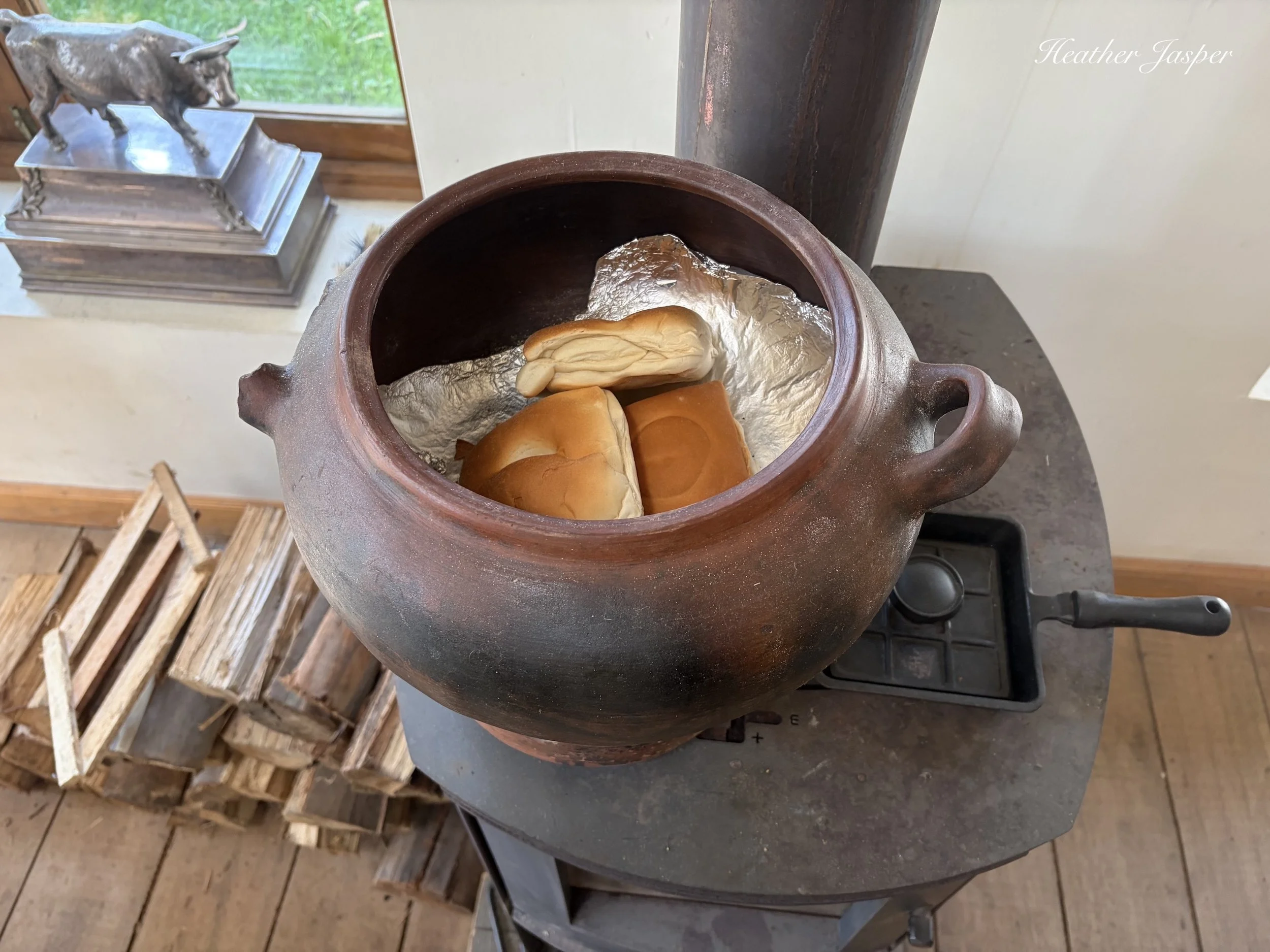
… is amazing! Breakfast was simple but always has a variety of fruit, honey, granola, cereal and locally made unsweetened yoghurt. Bread was fresh every morning, kept warm on the wood-burning stove, served with locally made butter and a special papaya-pineapple jam made at the lodge. Staff was always on hand for eggs and they happily brought another French press when I needed more coffee.
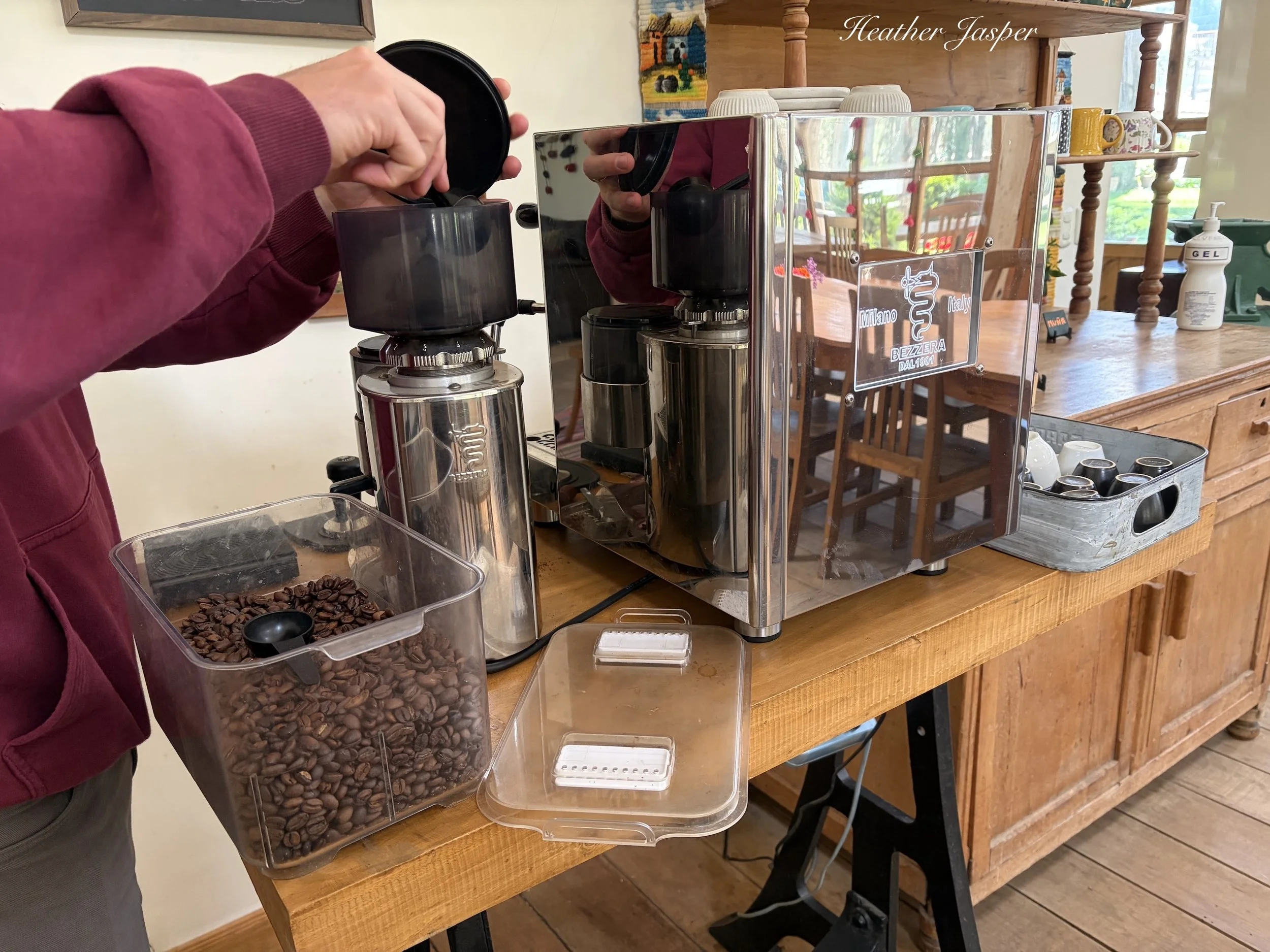
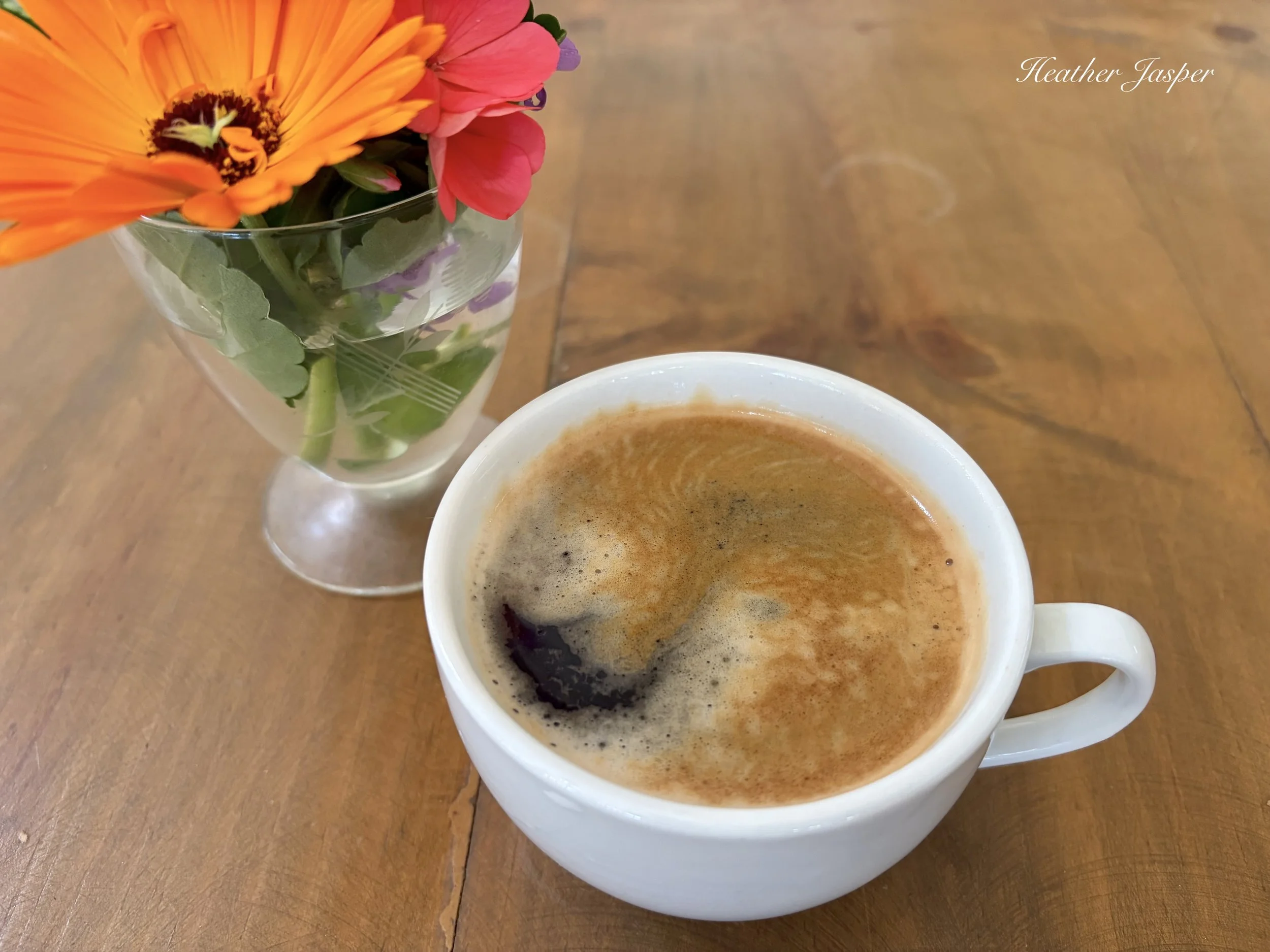

Coffee at Pamuri Andes Lodge
… is from Villarrica, one of Peru’s best coffee regions, and also amazing! Besides French press in the morning, Santiago also makes a very professional espresso, americano and latte, complete with latte art. He’s usually there for lunch, so you can request he make you a coffee before you head out to your next activity.
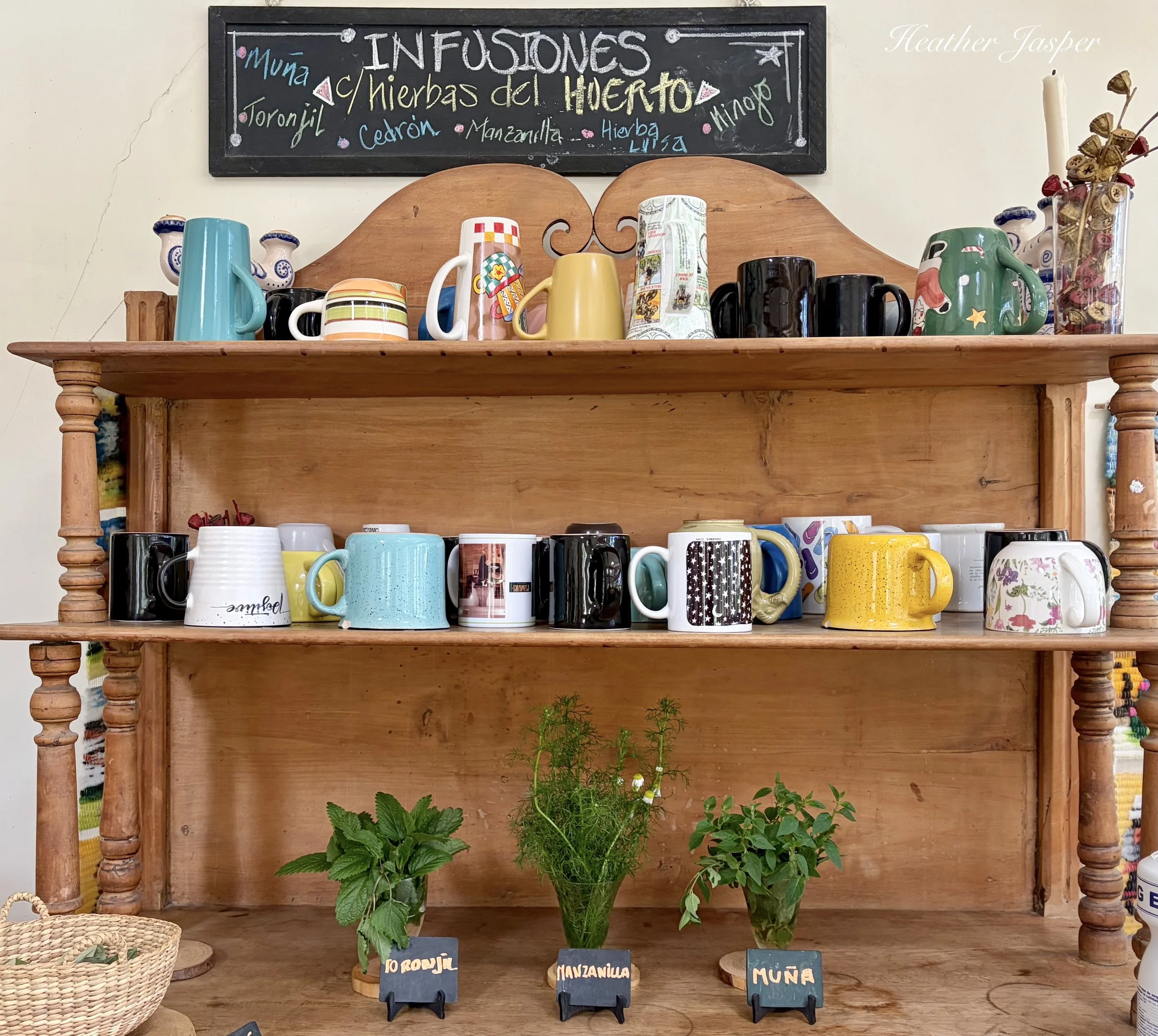
Herbal teas from the garden
There are fresh herbs in the dining room so you can help yourself to as much herbal tea as you want.
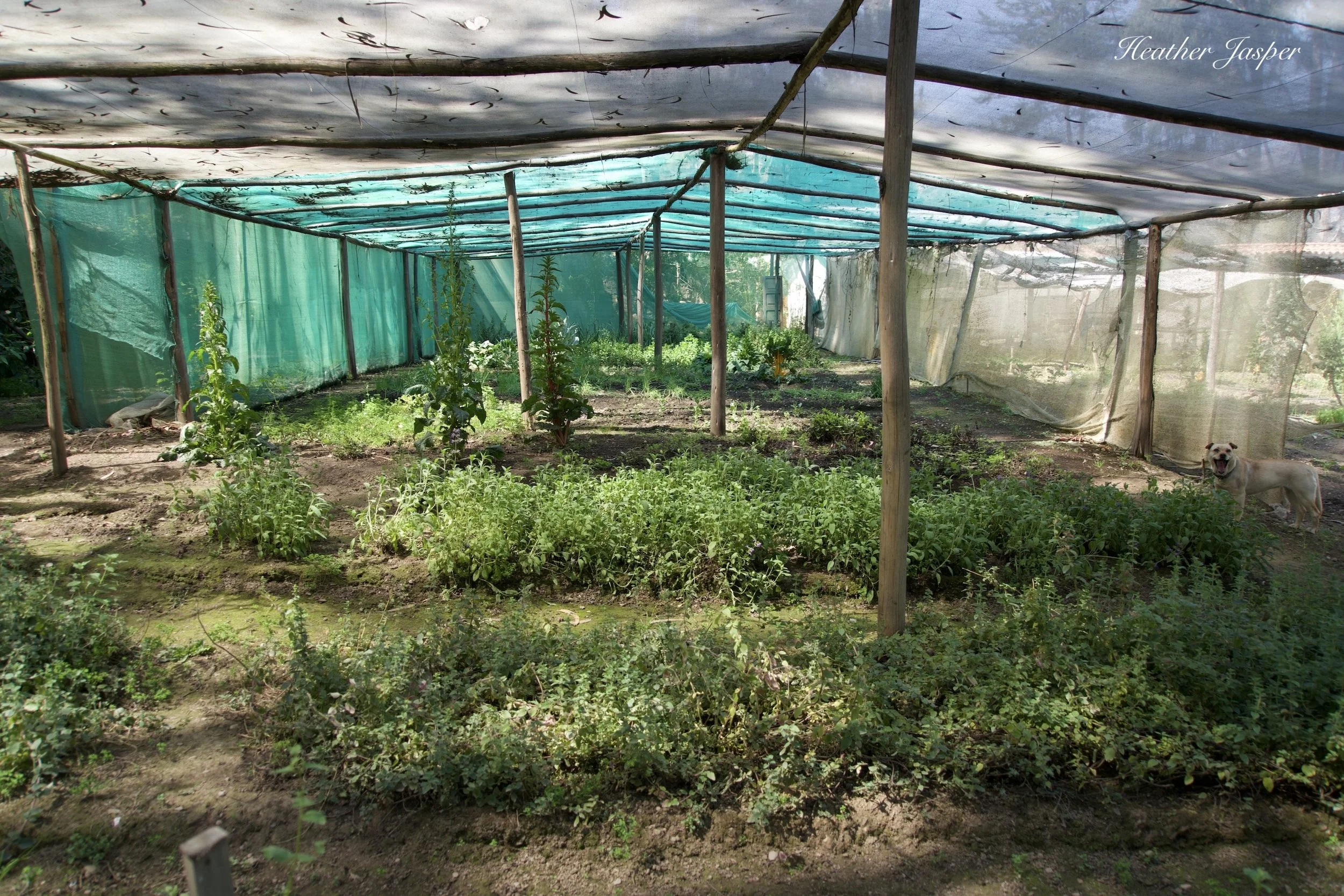
Pamuri Greenhouses
There are several large greenhouses at Pamuri where they grow all the herbs and most of the vegetables used in the kitchen.
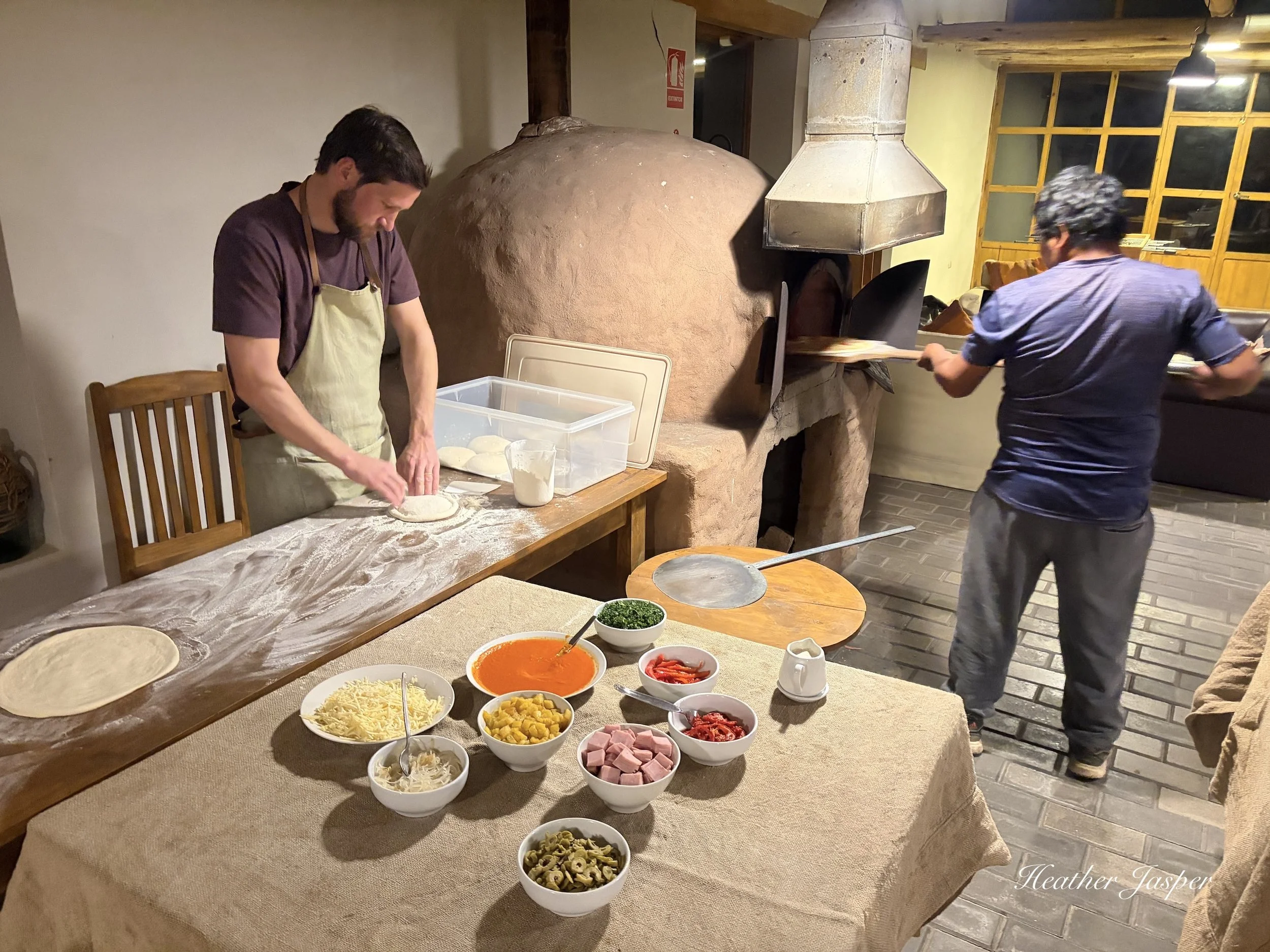
Lunch and Dinner at Pamuri Andes Lodge
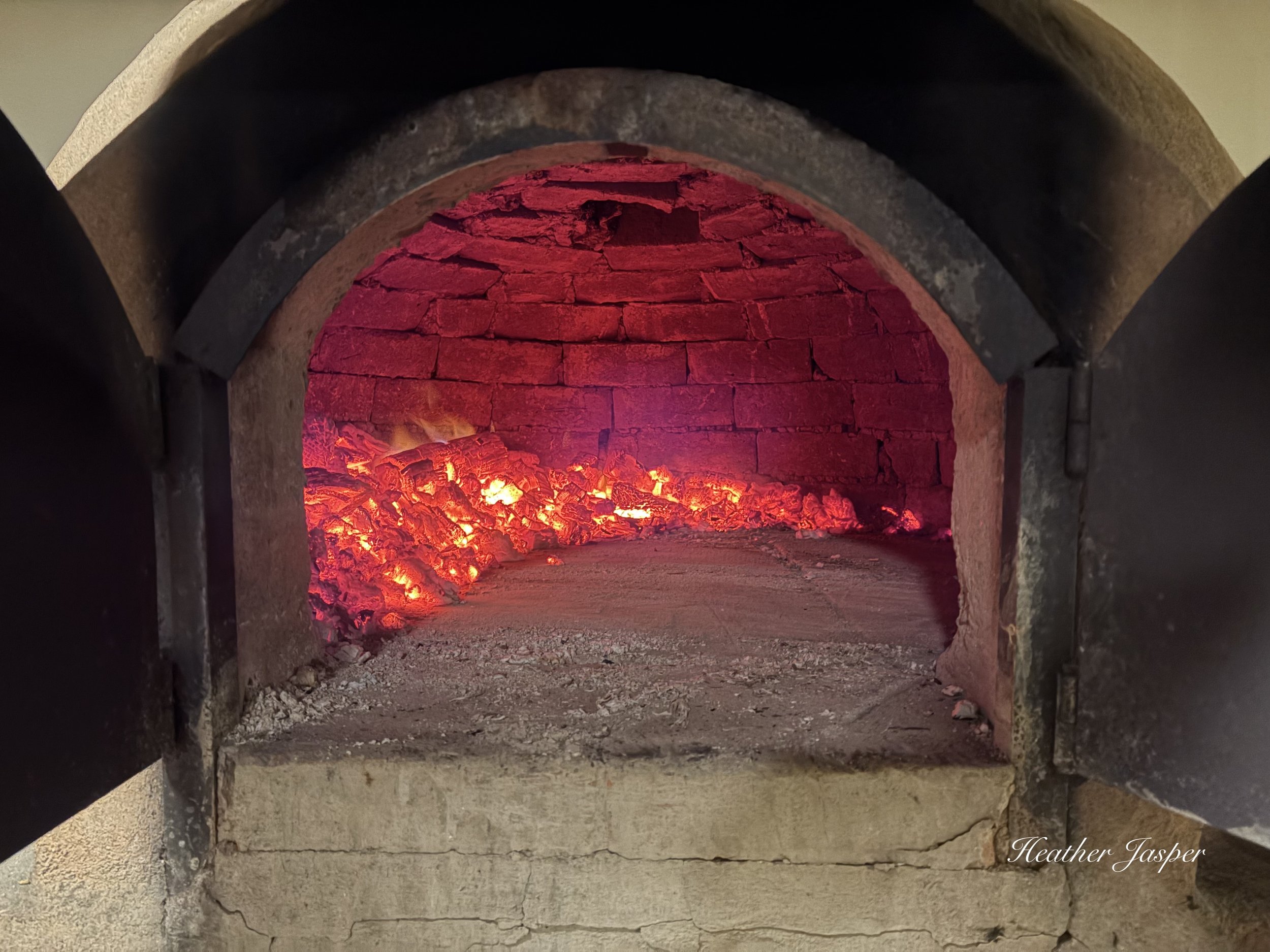
My first night, Santiago fired up the pizza oven in the games room and we shared a series of delicious pizzas with the family from Lima. Whoever built that pizza oven did an excellent job because all the pizzas came out perfectly done.
I ate all my meals with Santiago and his wife Molly, since I was there to meet them and learn about their lodge. I didn’t have to order anything and just ate what was served, which was always delicious. I’m pescatarian/vegetarian and found the variety of dishes was great. We had local trout once, but most of my meals were vegetarian.
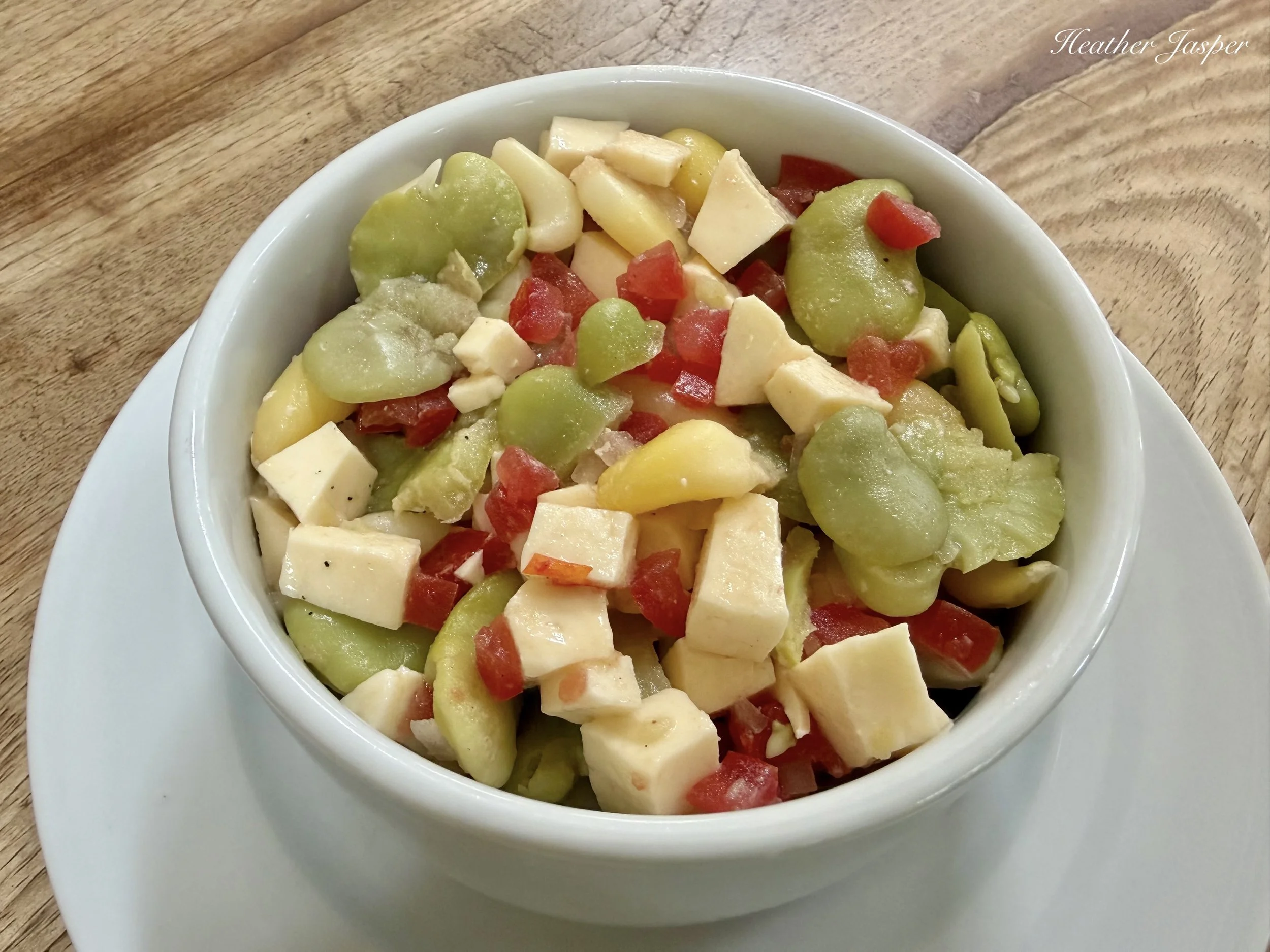
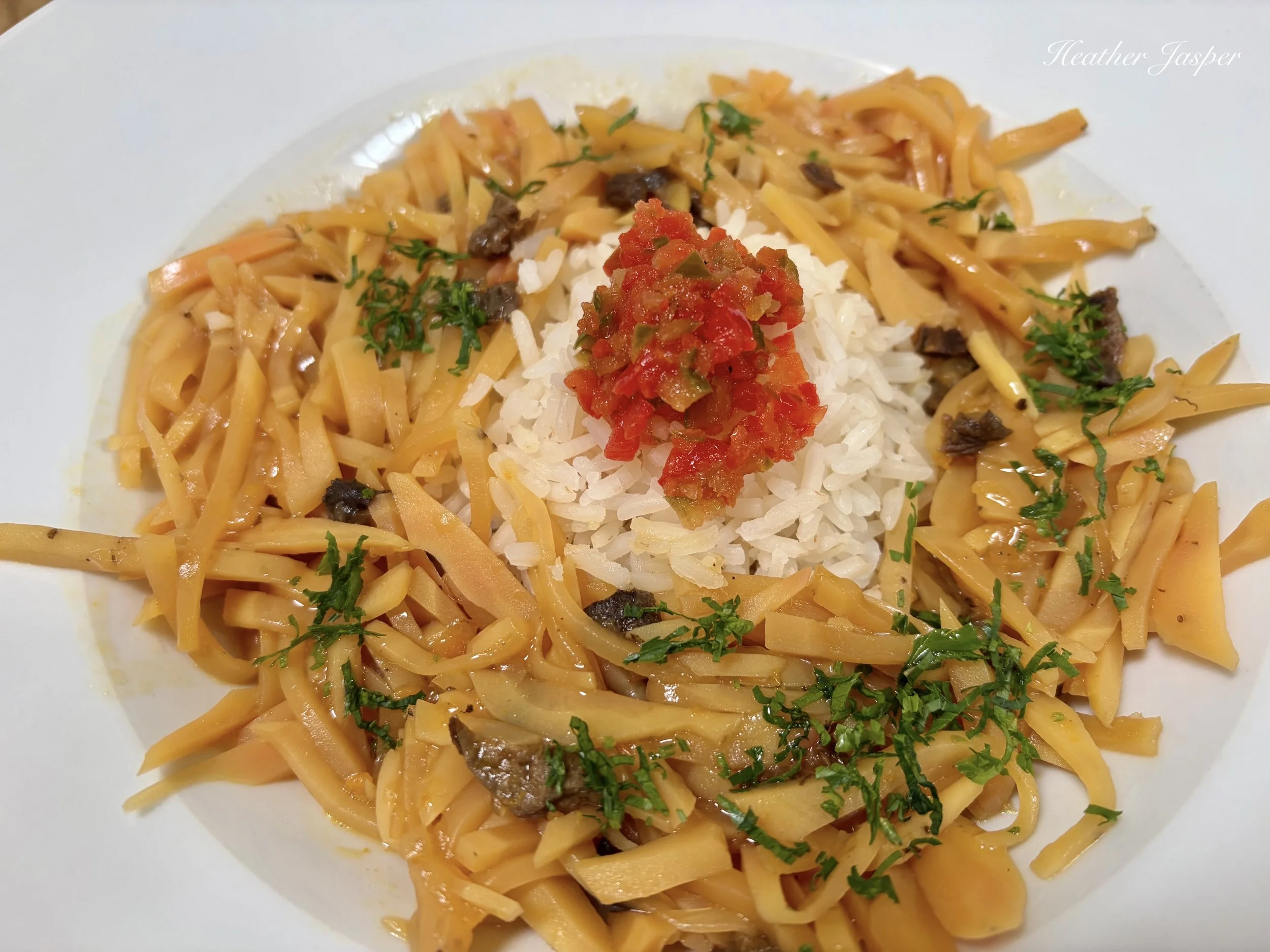
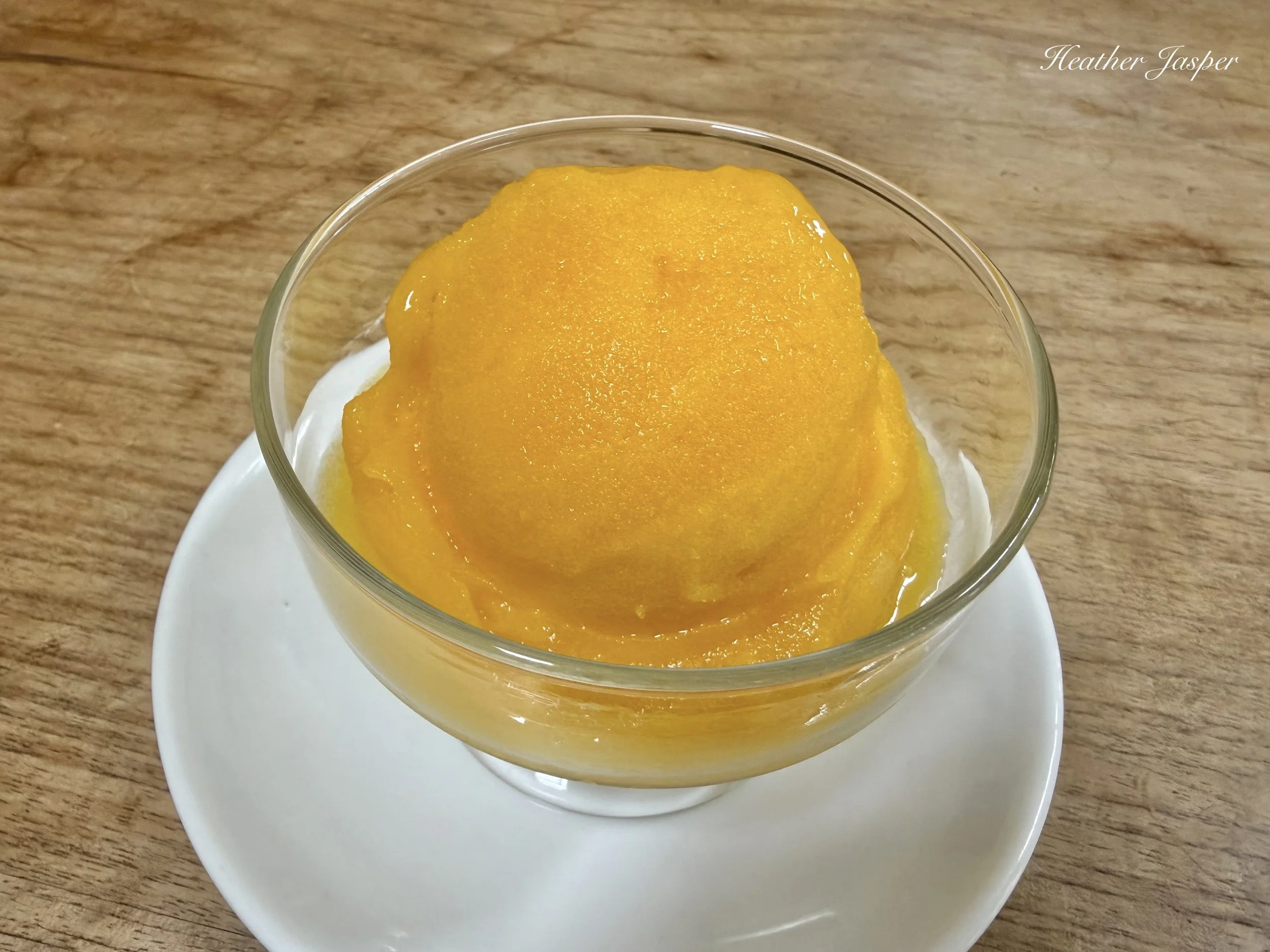
Many ingredients, like the corn, fava beans and tomatoes in the salad were grown on the property and the cheese is locally made. Lunch always came with fruit sorbet made at the lodge. I always seek out locally made ice cream and good Peruvian coffee when I travel, so I was pretty much in heaven here.
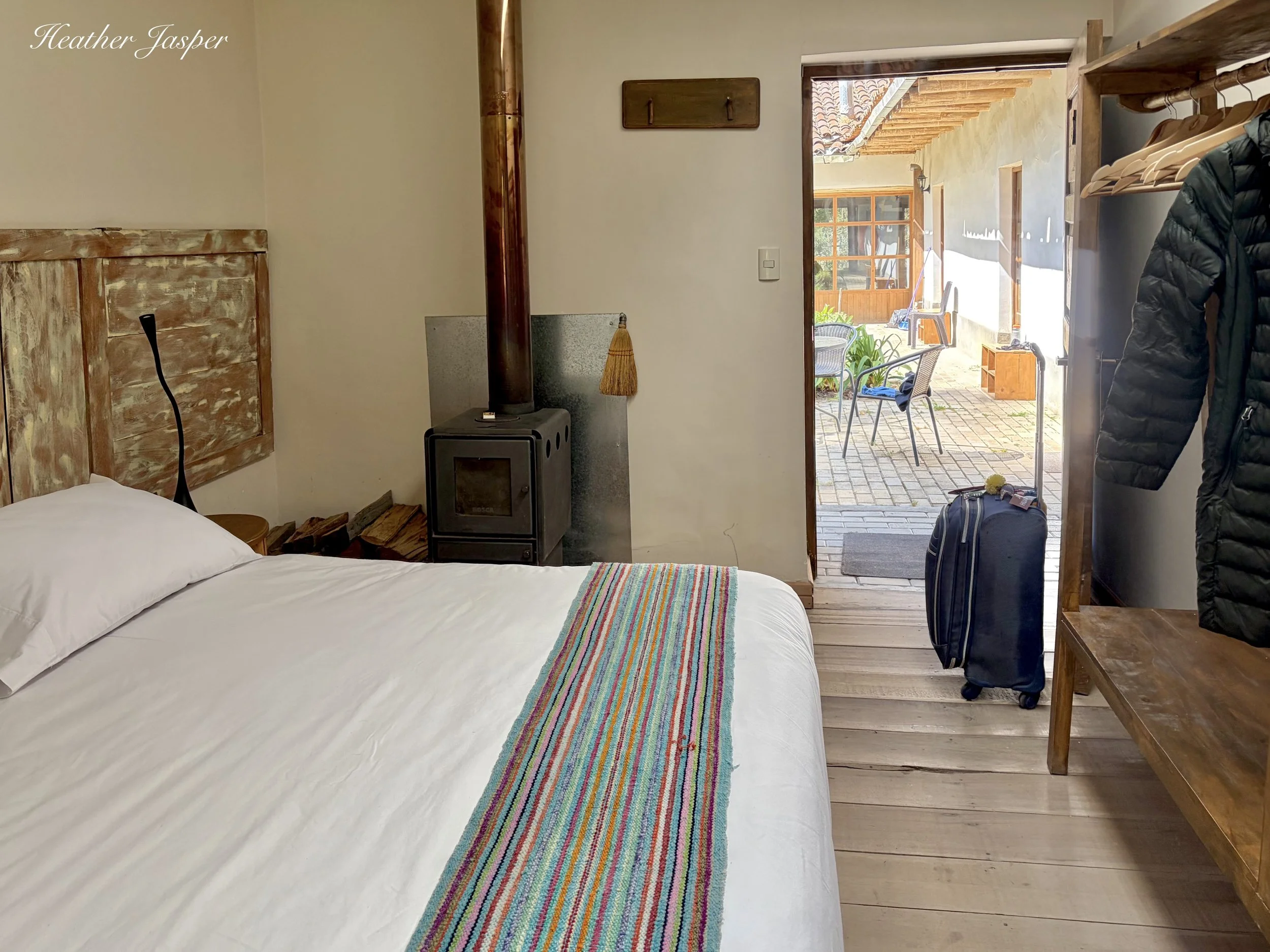
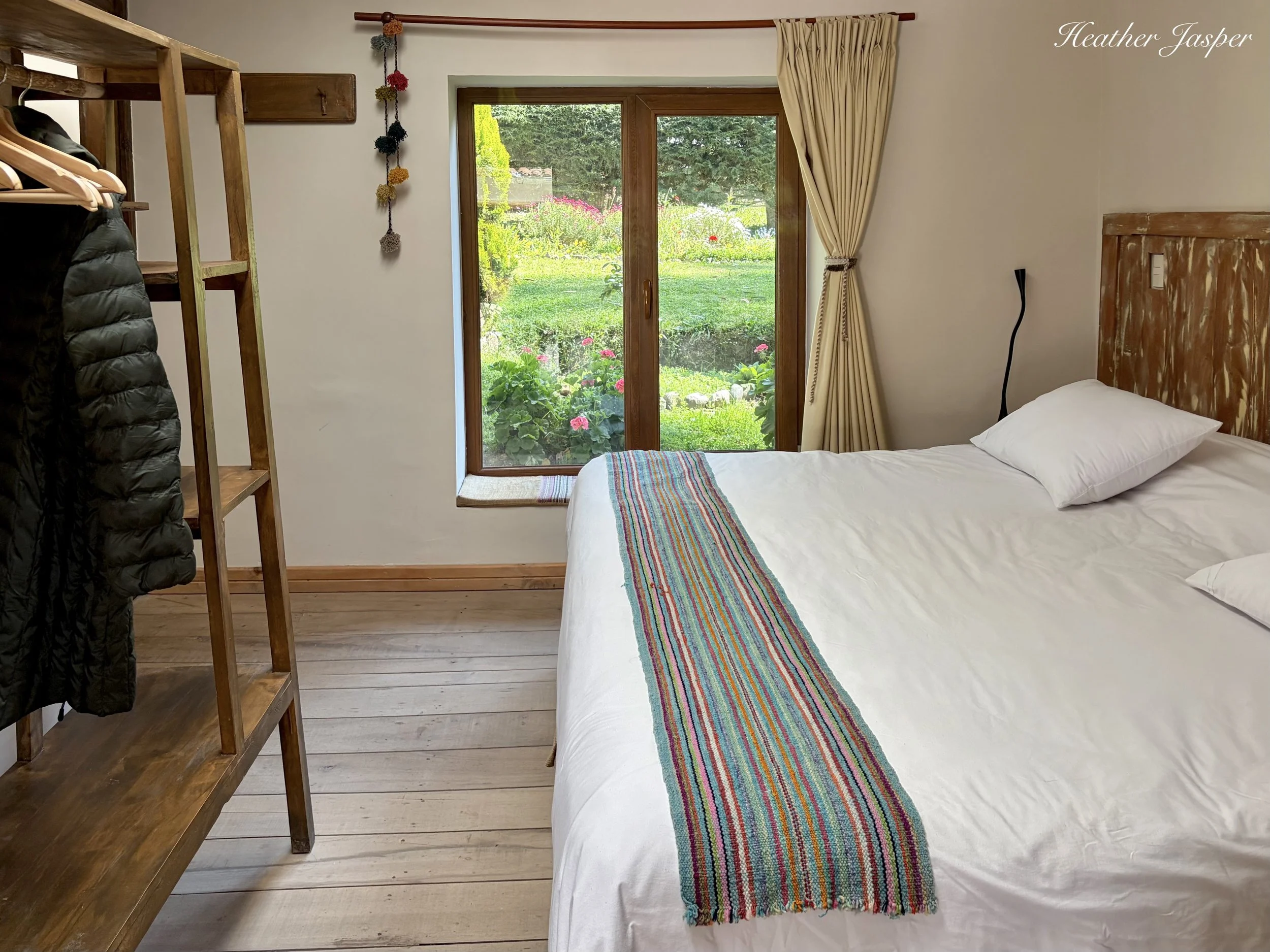
Cozy Rooms with Fireplaces
I absolutely loved getting back to the lodge in the evening and seeing smoke coming out my room’s chimney. It was always toasty warm in my room in the evenings, warm enough that I had to stop adding more firewood about an hour before bedtime.
The lodge has three rooms in the historic part of the house, where you’ll see antique furniture from the current owner’s grandparents and great-grandparents. Another five rooms are in the newer addition, set around a lovely courtyard with lots of flowers and a couple seating areas. There are also two bungalows, set across the gardens from the lodge.
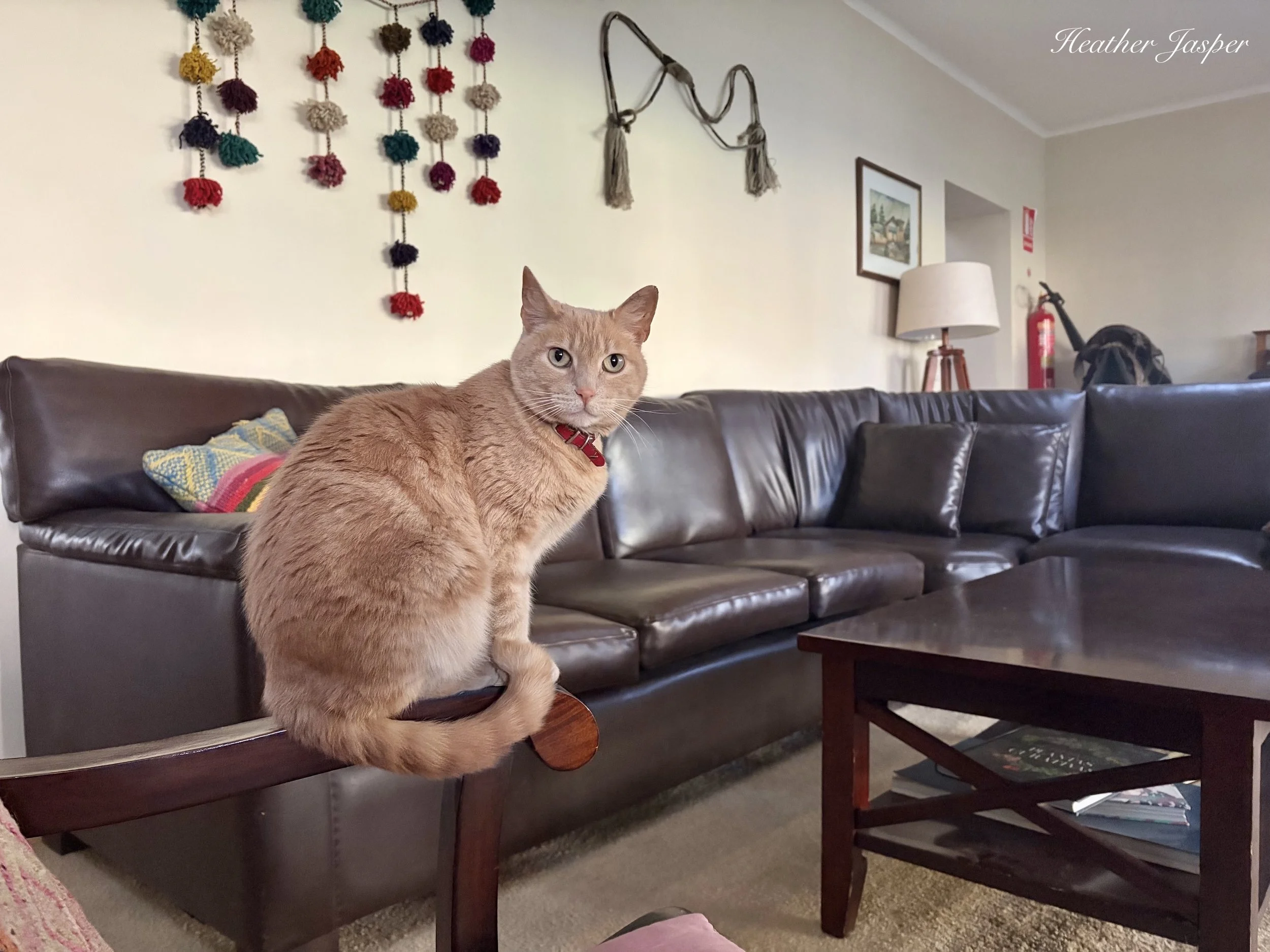
Pet-friendly
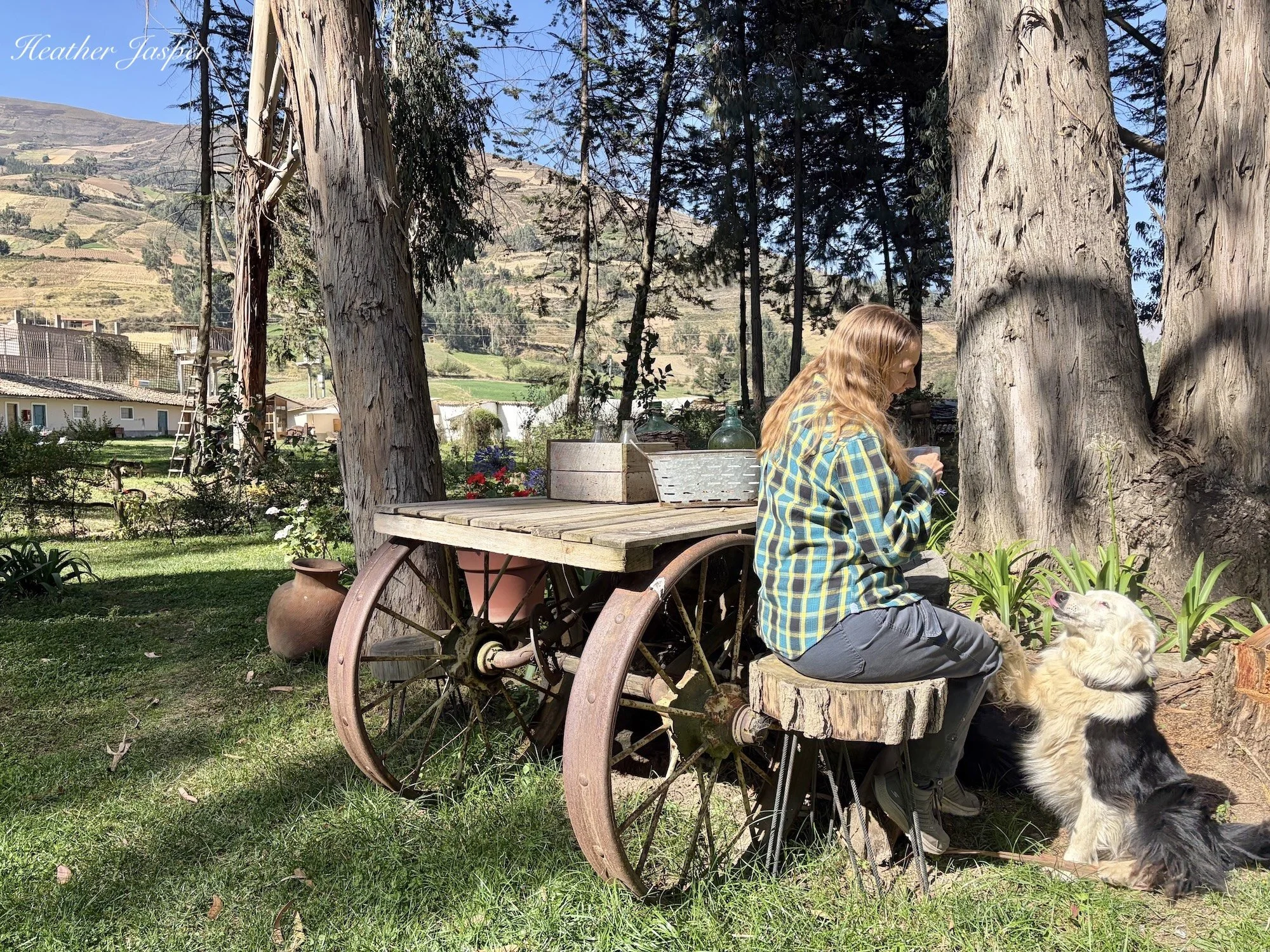
You are welcome to bring your dog, as long as it gets along with other dogs. There are four friendly pups who live at the lodge (Killa, Coco, Maca and Moss), and they are well trained to not come inside. Inside the lodge is the domain of Chiquita, the cat. She’s a bit shy at first, but if you give her enough attention she’ll keep your lap warm every time you sit down.
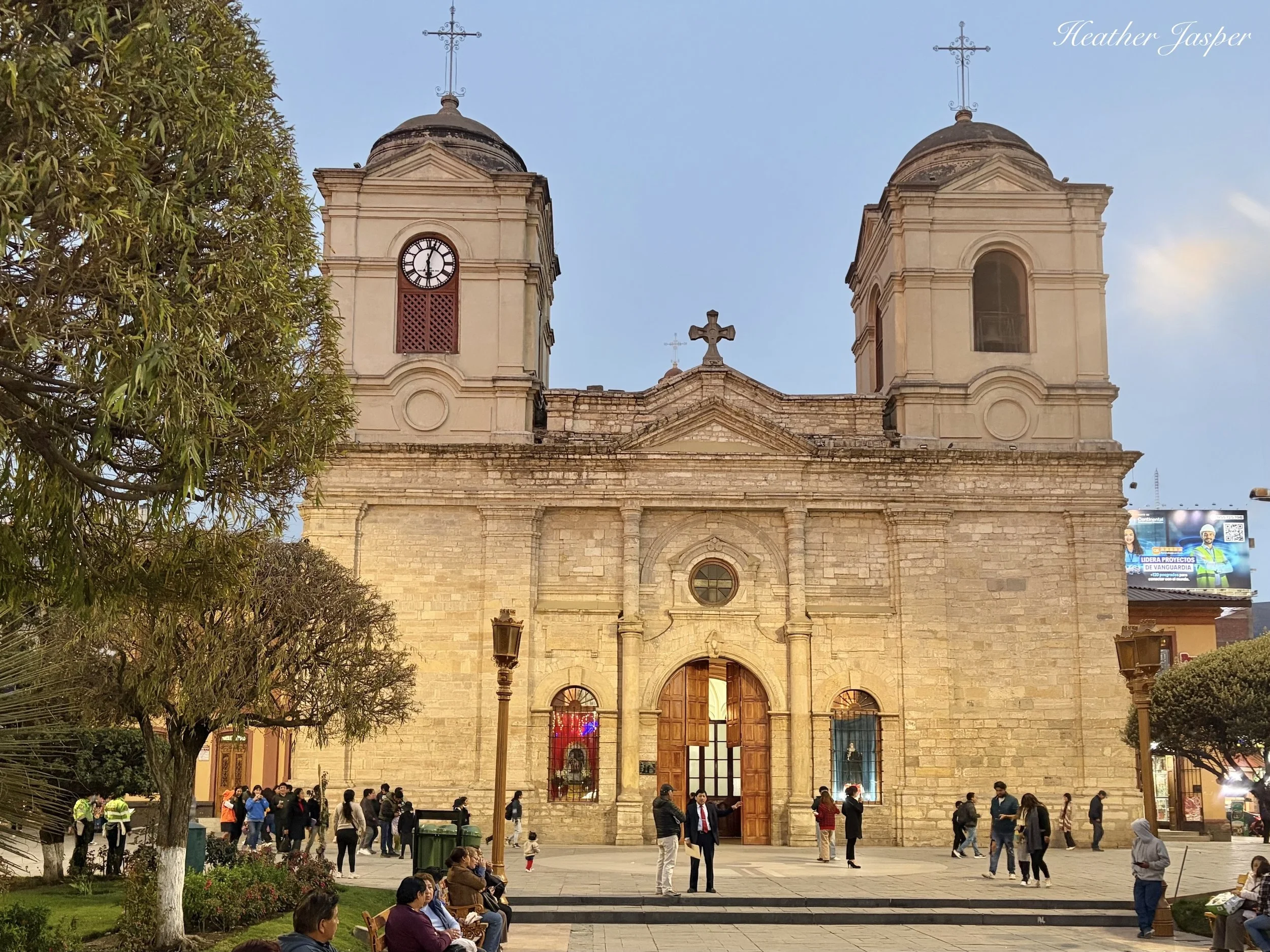
If you have time in Huancayo, stop by the main plaza and visit the cathedral.
How to get there?
Pamuri Andes Lodge isn’t easy to get to, but if it was, it would be overrun. I took an overnight bus from Lima to the city of Huancayo an hour and a half away, then the lodge sent a driver to pick me up in Huancayo. The closest airport is Jauja, but you’d need to rent a car. It’s a three hour drive from Pamuri to Jauja or to Huancavelica city. Pamuri is in Huancavelica region, but closer to Huancayo in Junín region.
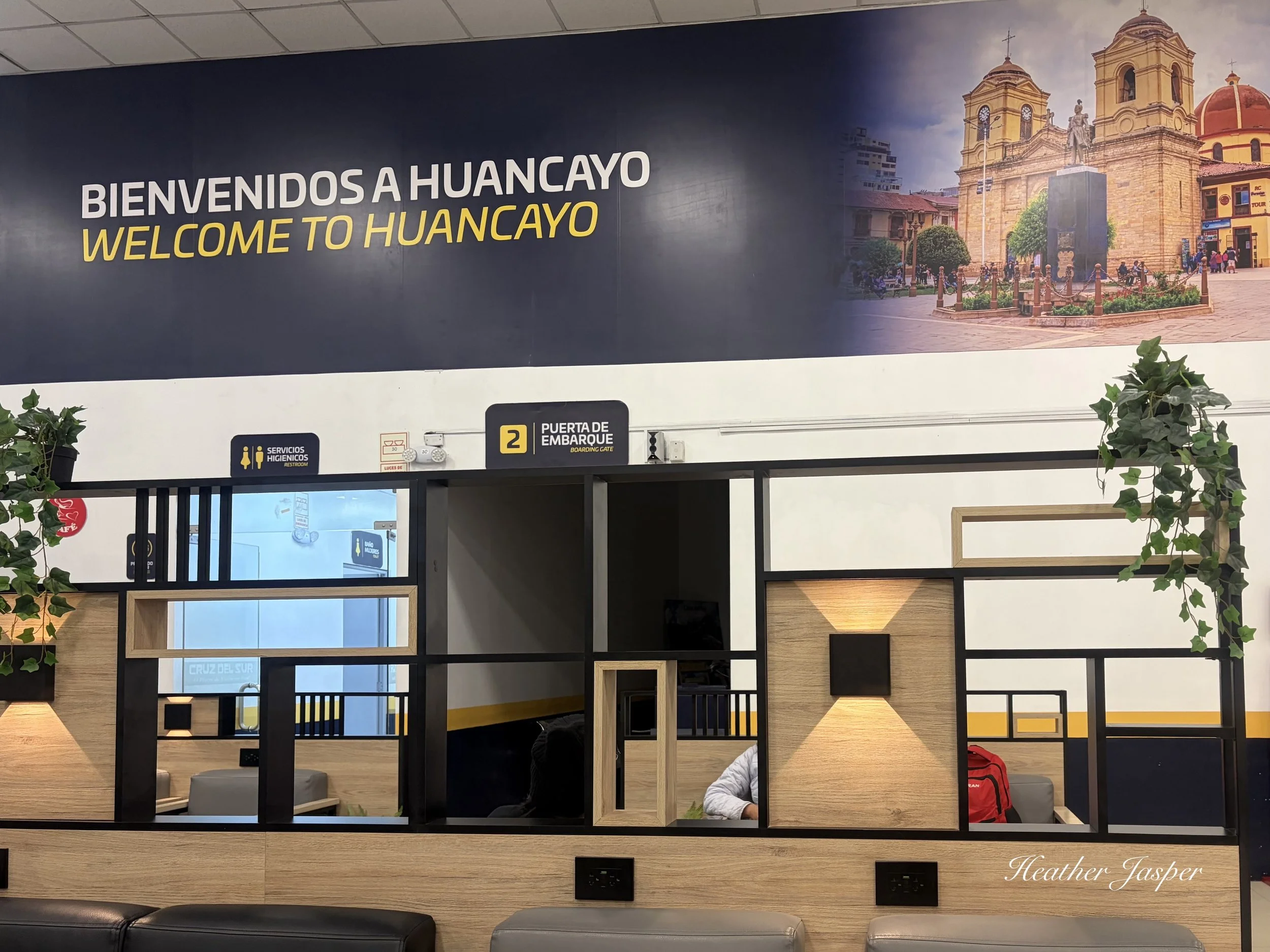
Cruz del Sur bus station
Huancayo has the most comfortable bus station I’ve ever seen. It felt more like an IKEA showroom than a bus station and the comfortable seating area has lots of electrical sockets and USB ports to charge phones.
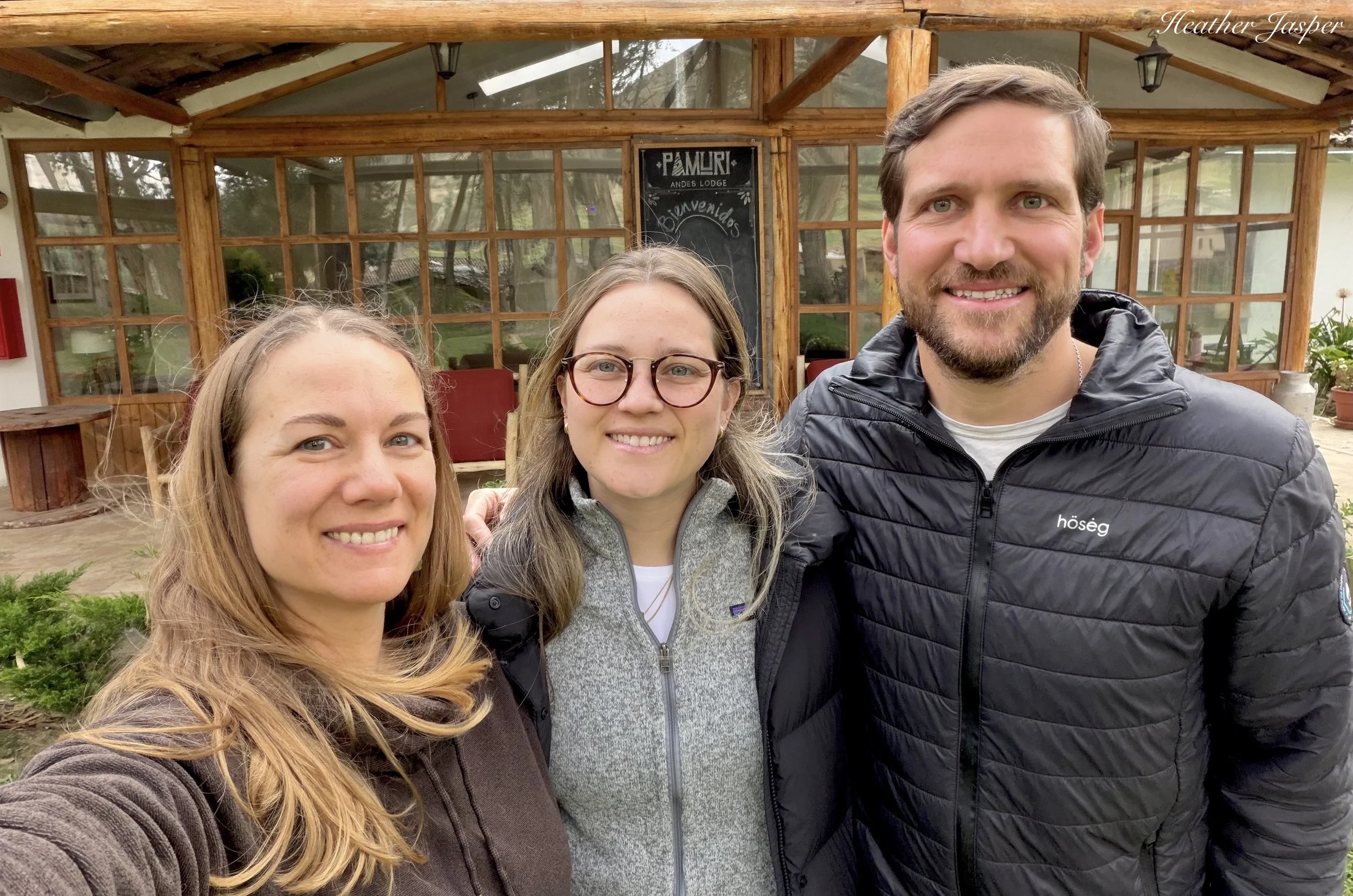
Questions?
Check out the Pamuri Andes Lodge website!