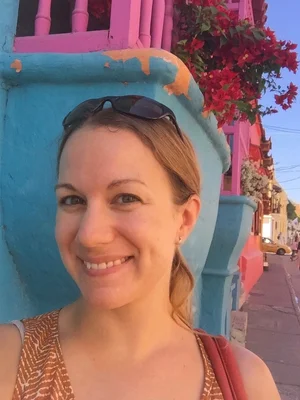
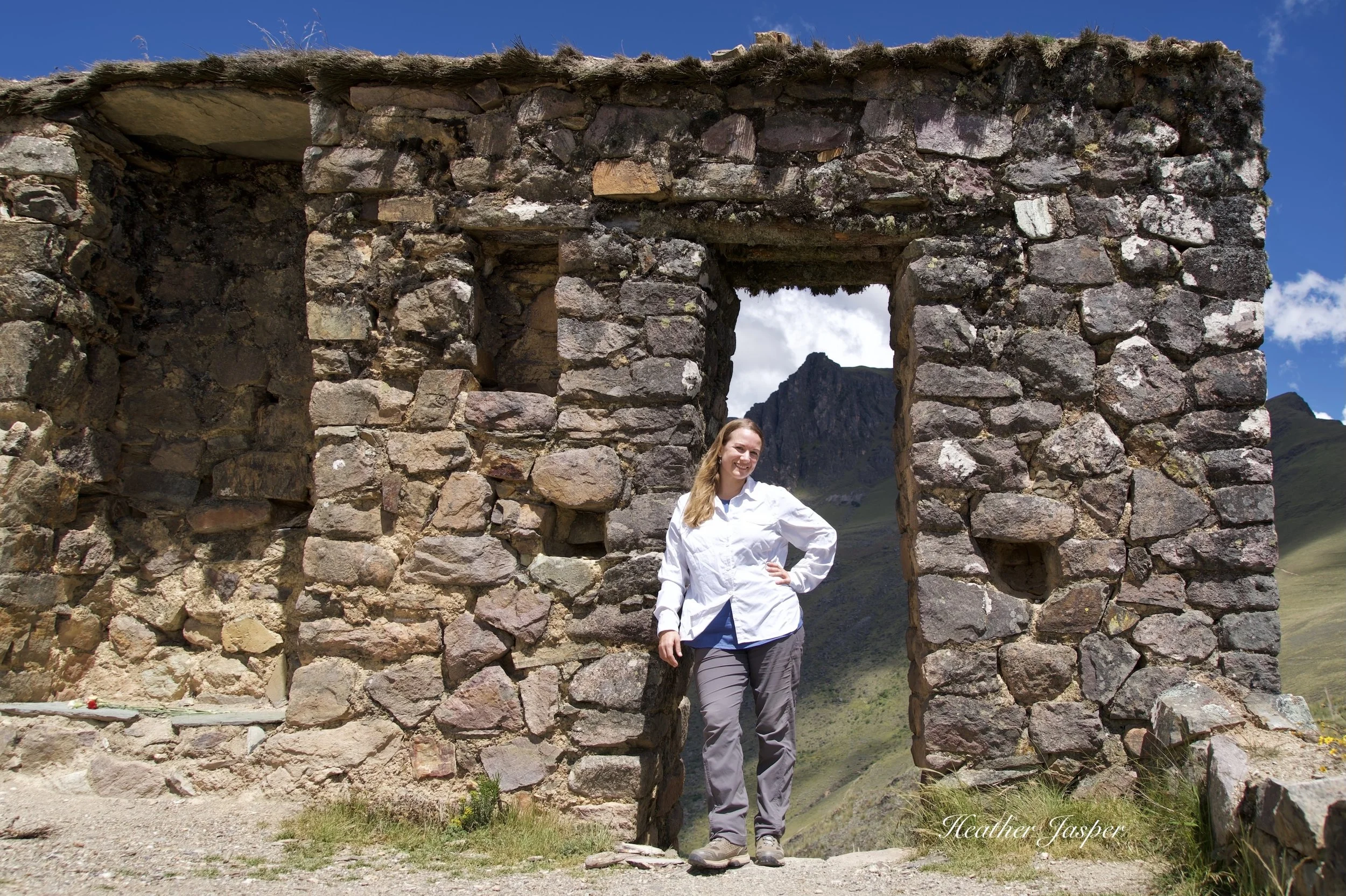
No matter where you go in Peru, be prepared for strong sun.
What should I pack for Peru?
People ask me what to pack for their Peru trip all the time, so I figured I might as well put all my advice in one place. Here’s what I recommend for Peru’s three regions, coast, mountains and jungle, plus specific advice for the two most visited places: Cusco and Machu Picchu.

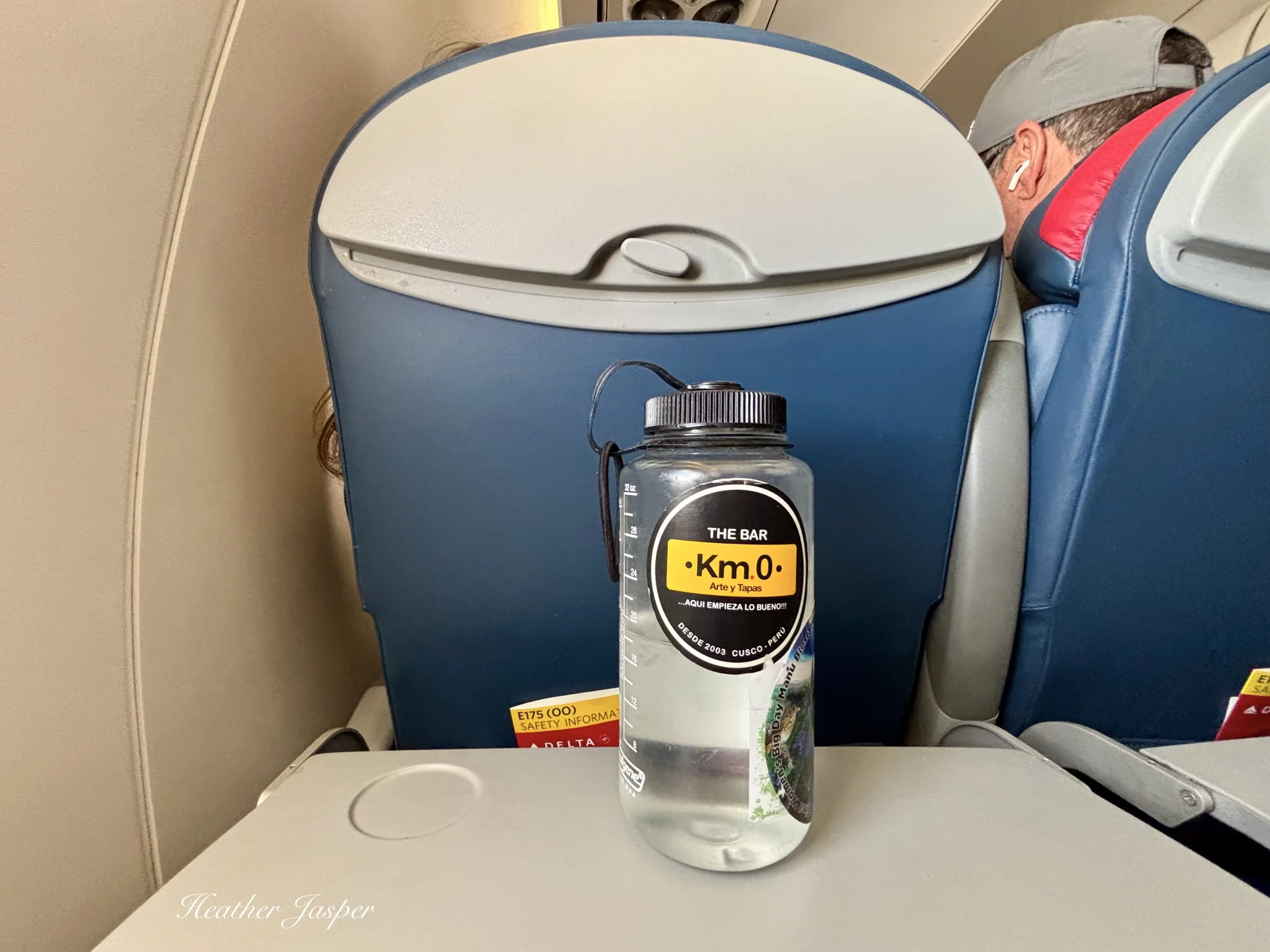
The most important thing to bring, no matter where in Peru you’re going, is a water bottle with a built-in filter. Tap water in Peru must be filtered or boiled. Most Peruvian drinks, like chicha morada, are made with boiled water, so those are safe to drink. Peru does not have recycling facilities for plastic bottles, and they are a major problem in the rainforest.
It’s important to minimize how many single-use plastic bottles you buy.
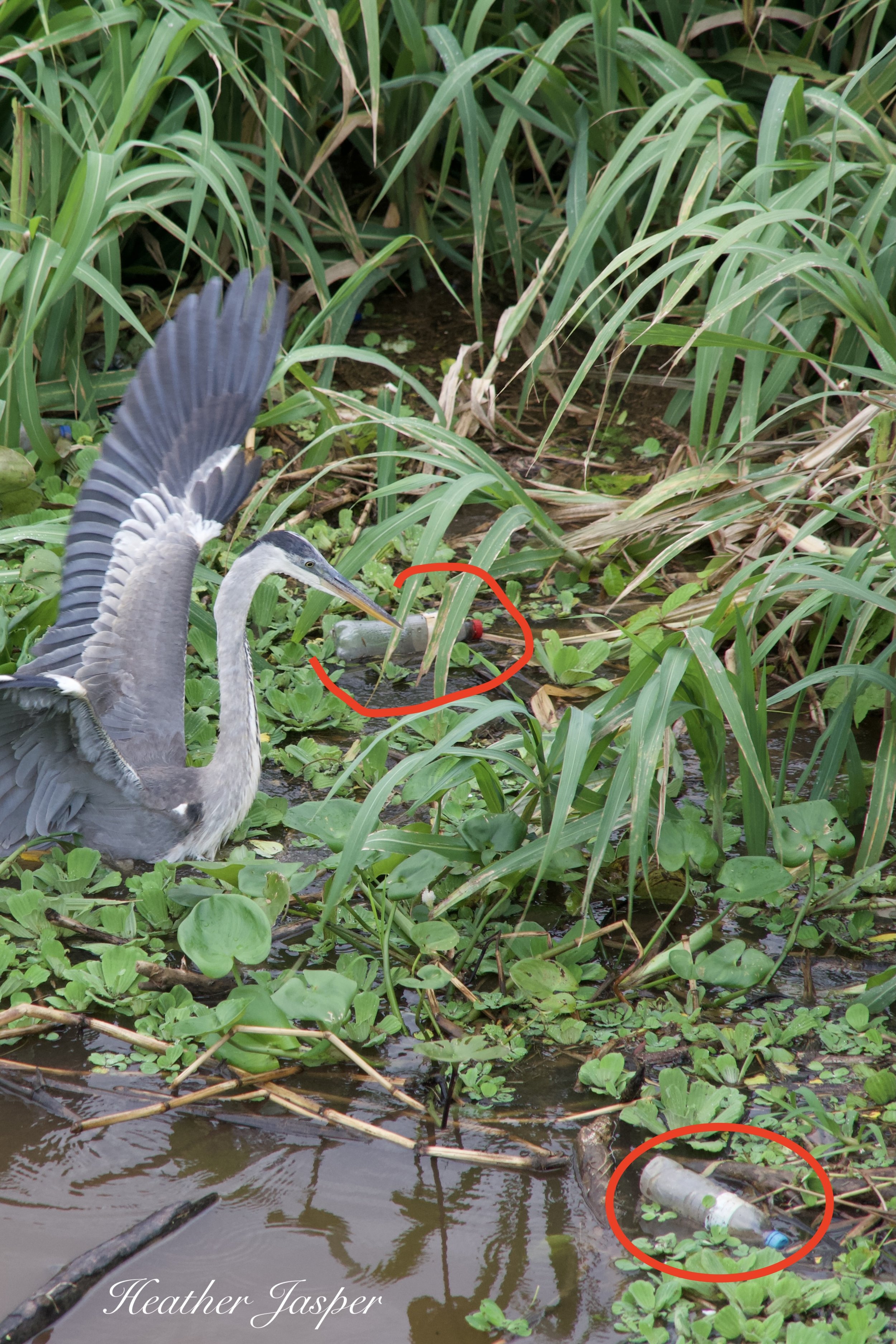
Cocoi Heron & plastic bottles
I was photographing this Cocoi Heron in the Pacaya Samiria National Reserve in northern Peru when it landed near these two bottles.
Pacaya Samiria is over 8,000 square miles and tour companies call it unspoiled nature and protected rainforest, yet it still suffers from rainforest communities’ lack of adequate trash containment.
Even if you put a plastic bottle in a trash can, it can still end up in the river.
Most electrical sockets in Peru take both European and North American plugs but some are one or the other. If your electronics have plugs for another region of the world, bring cords that you can plug into a USB. It’s easy to buy a brick/adapter that you can attach a USB to and that works with the electrical sockets in Peru.
The rest of my advice depends on where in Peru you’re going.
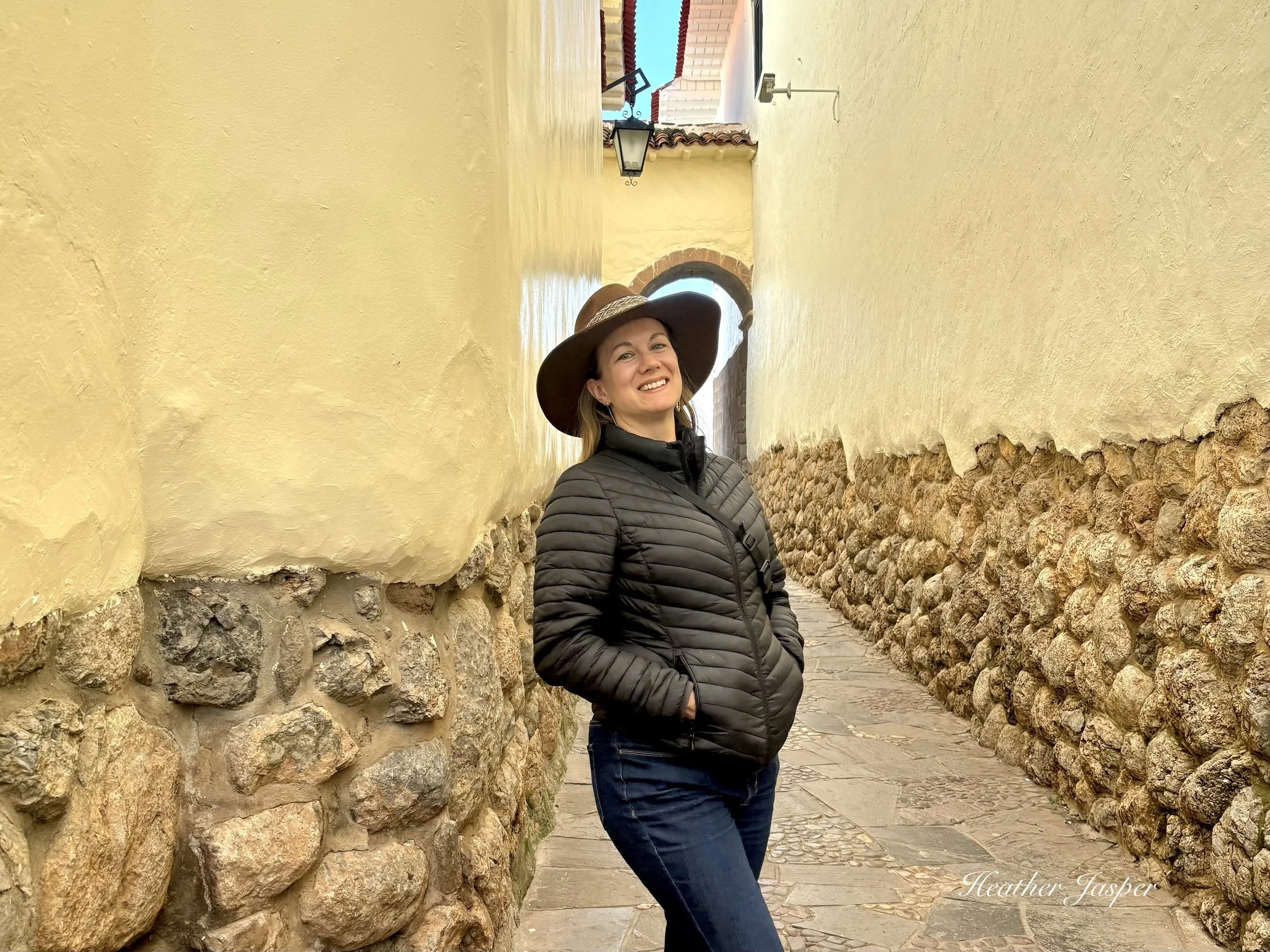
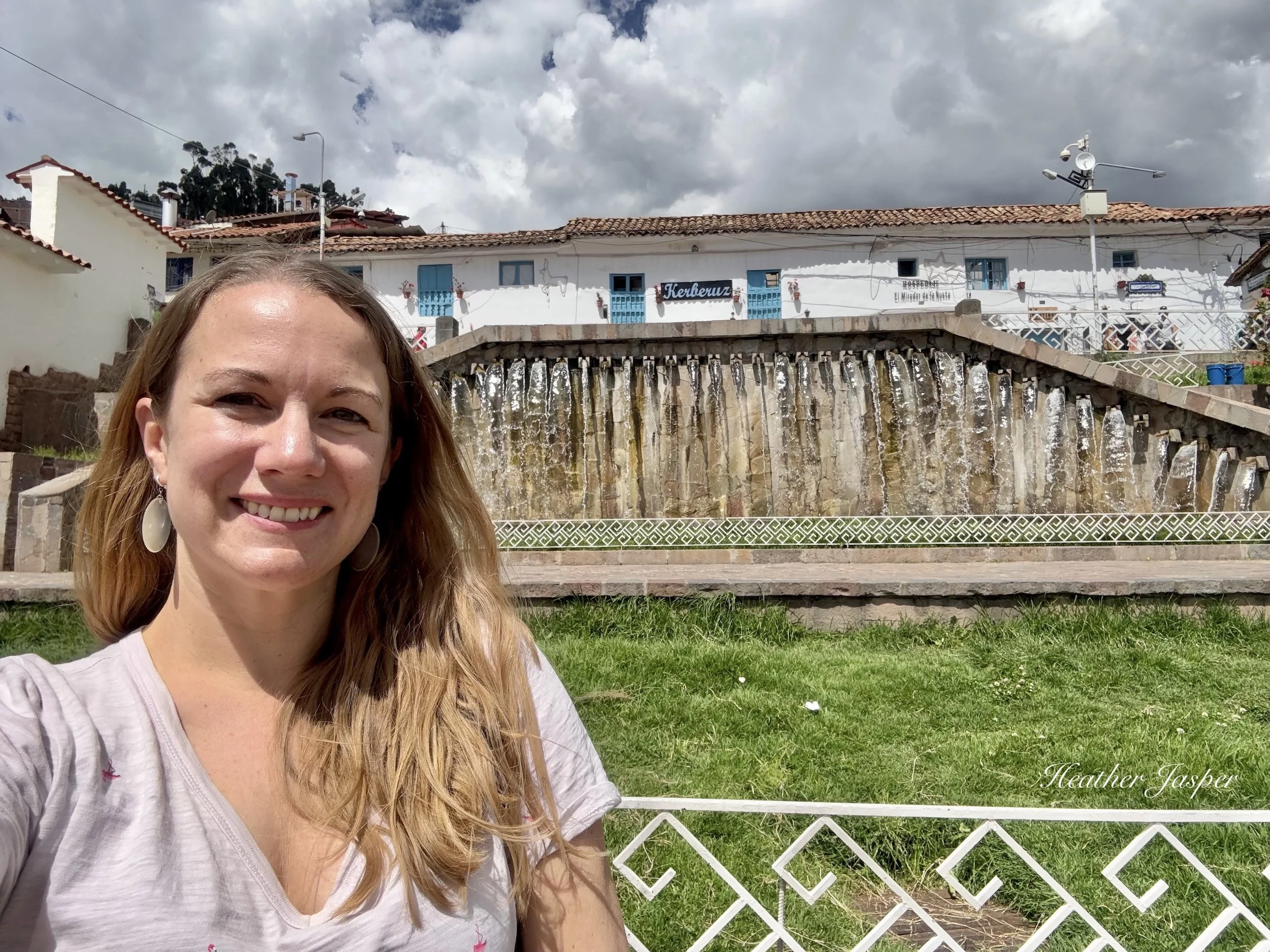
What to pack for Cusco?
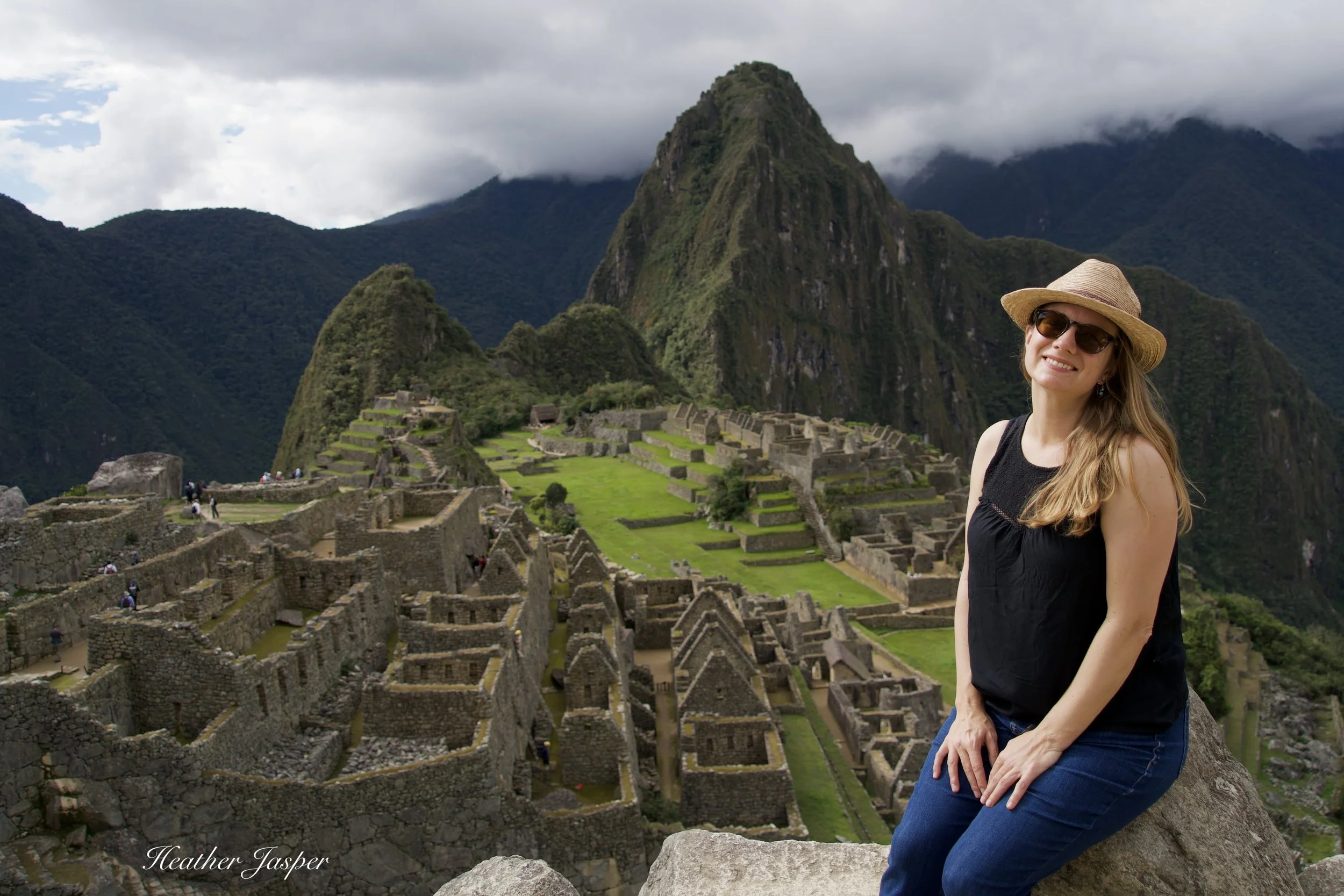
Cusco is at over 11,000 feet above sea level (3,400m) and close to the equator, so you should think of the sun as radiation rather than normal sunlight. I don’t go outside without both sunscreen and a hat. I buy sunscreen when I visit the US because most sunscreen available in Peru is low quality and leaves a greasy white film on your skin. I recommend bringing SPF 50+ but 35 will do if you aren’t spending all day in the sun.
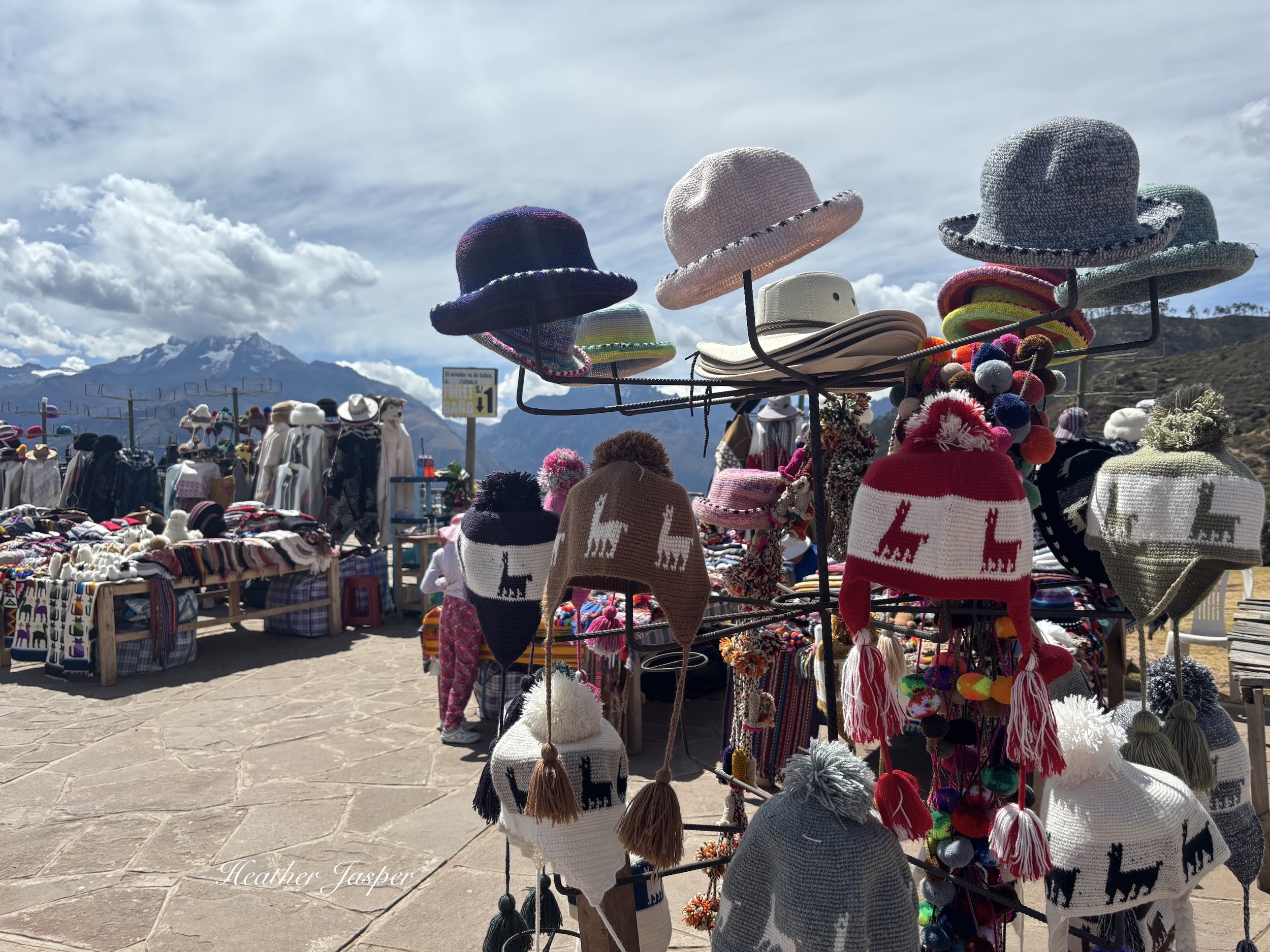
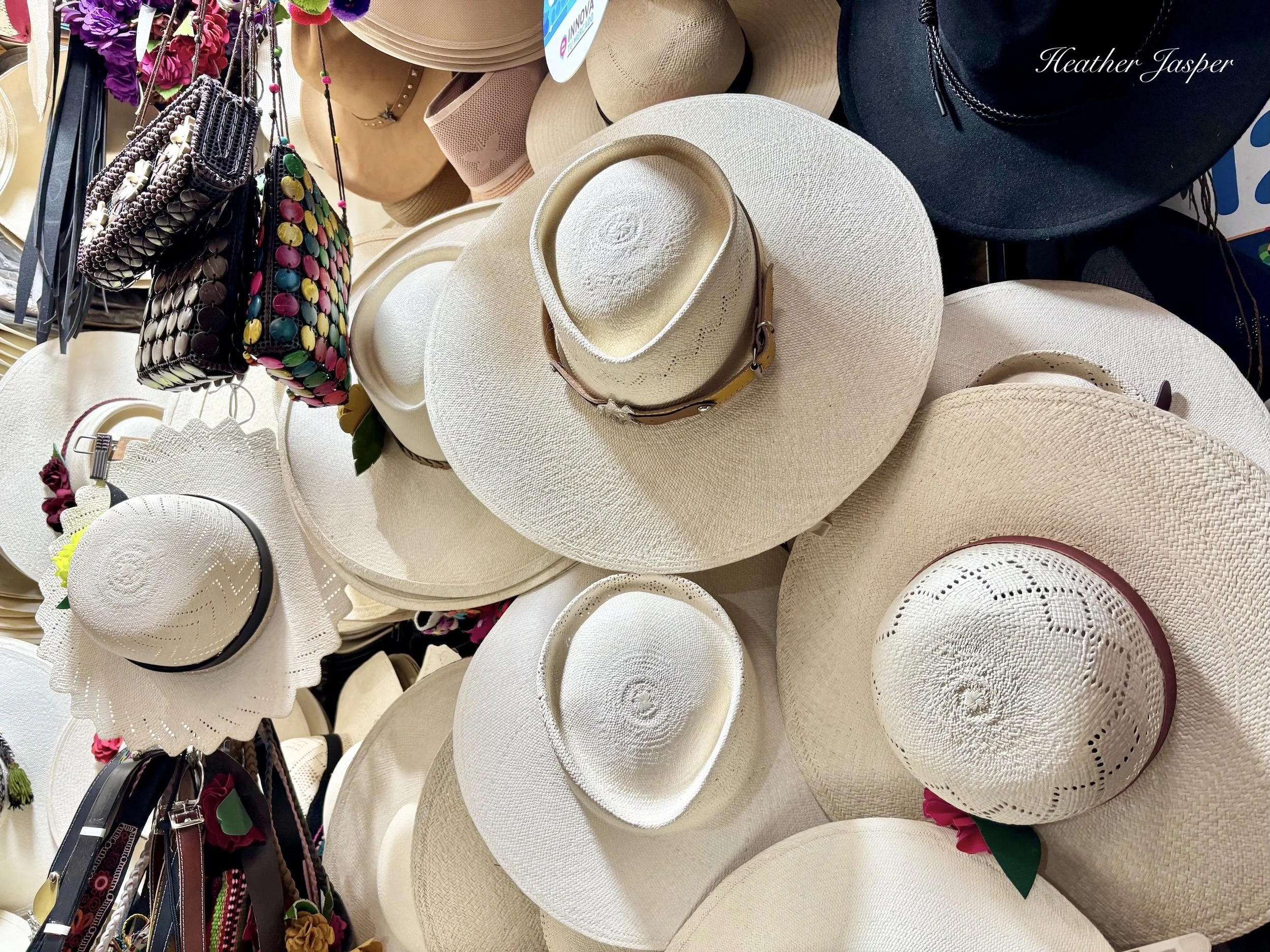
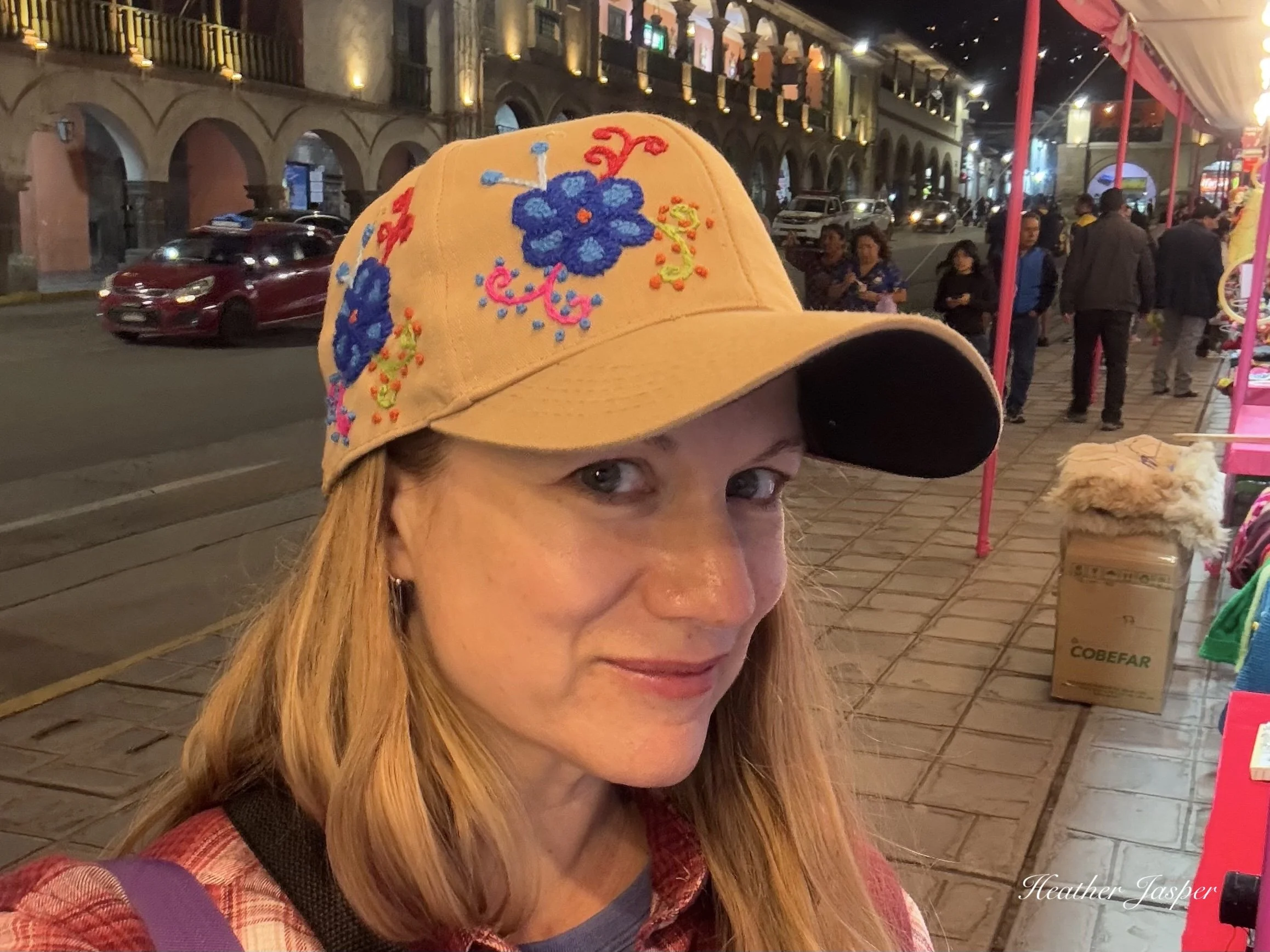
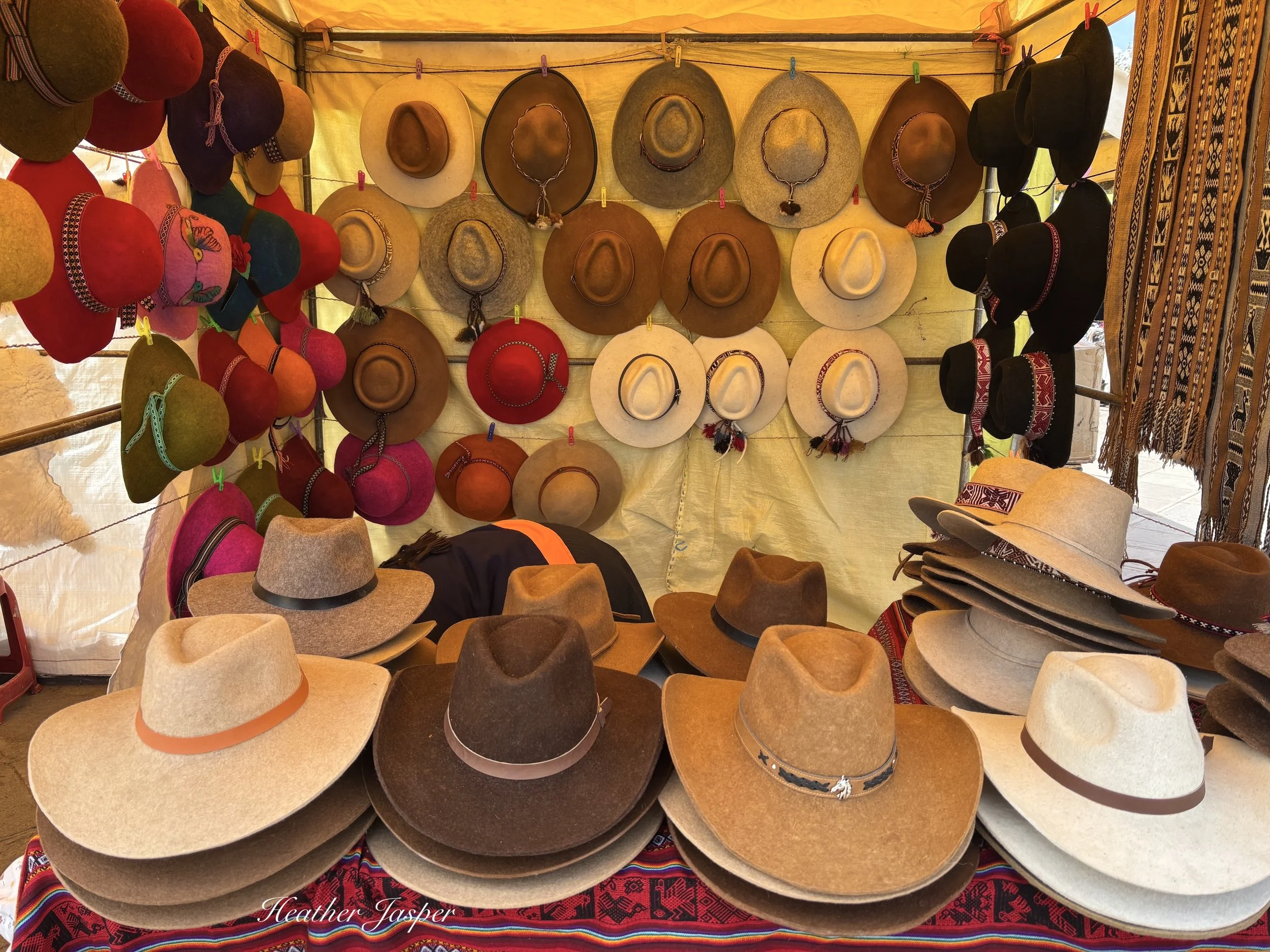
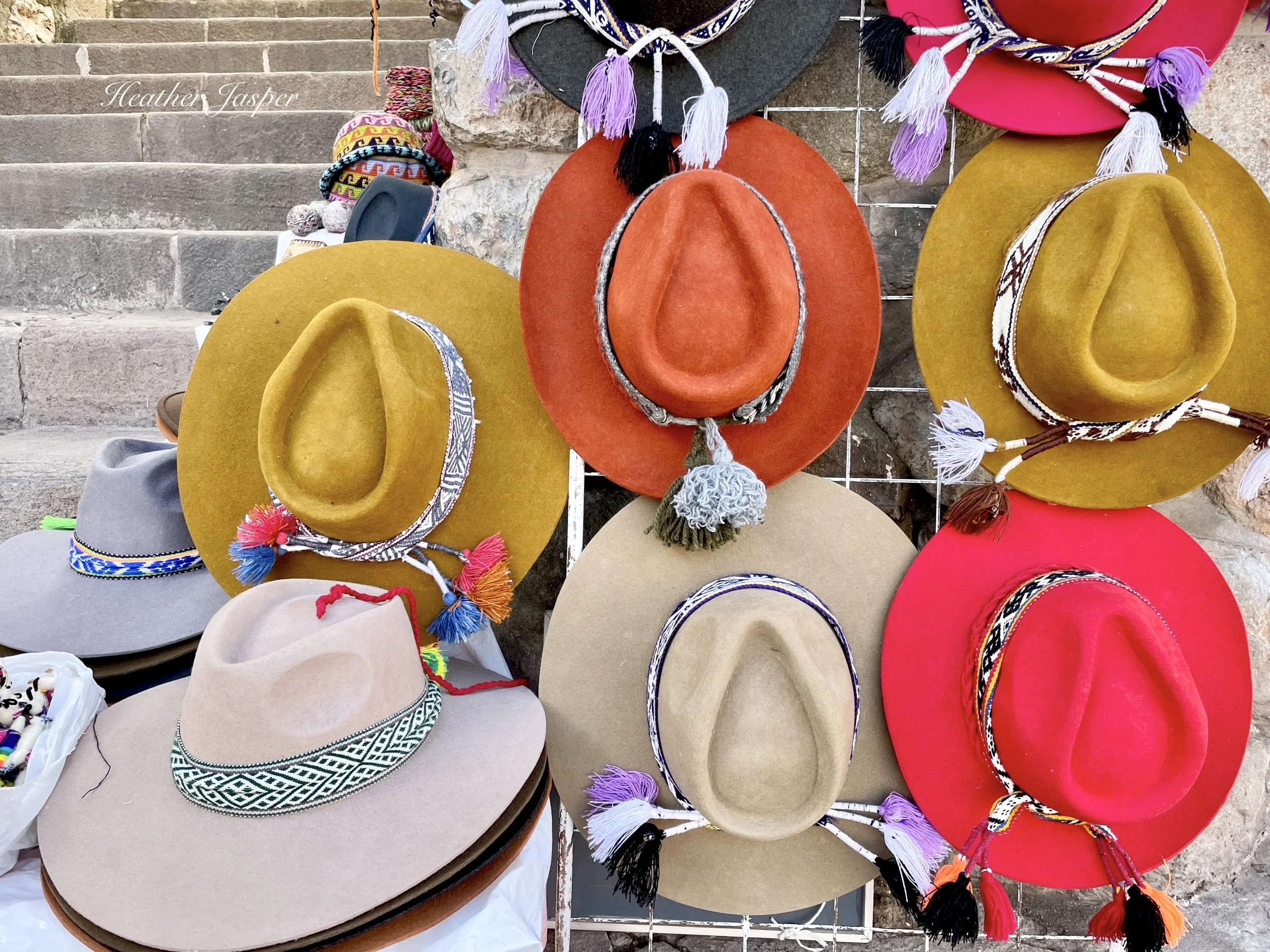
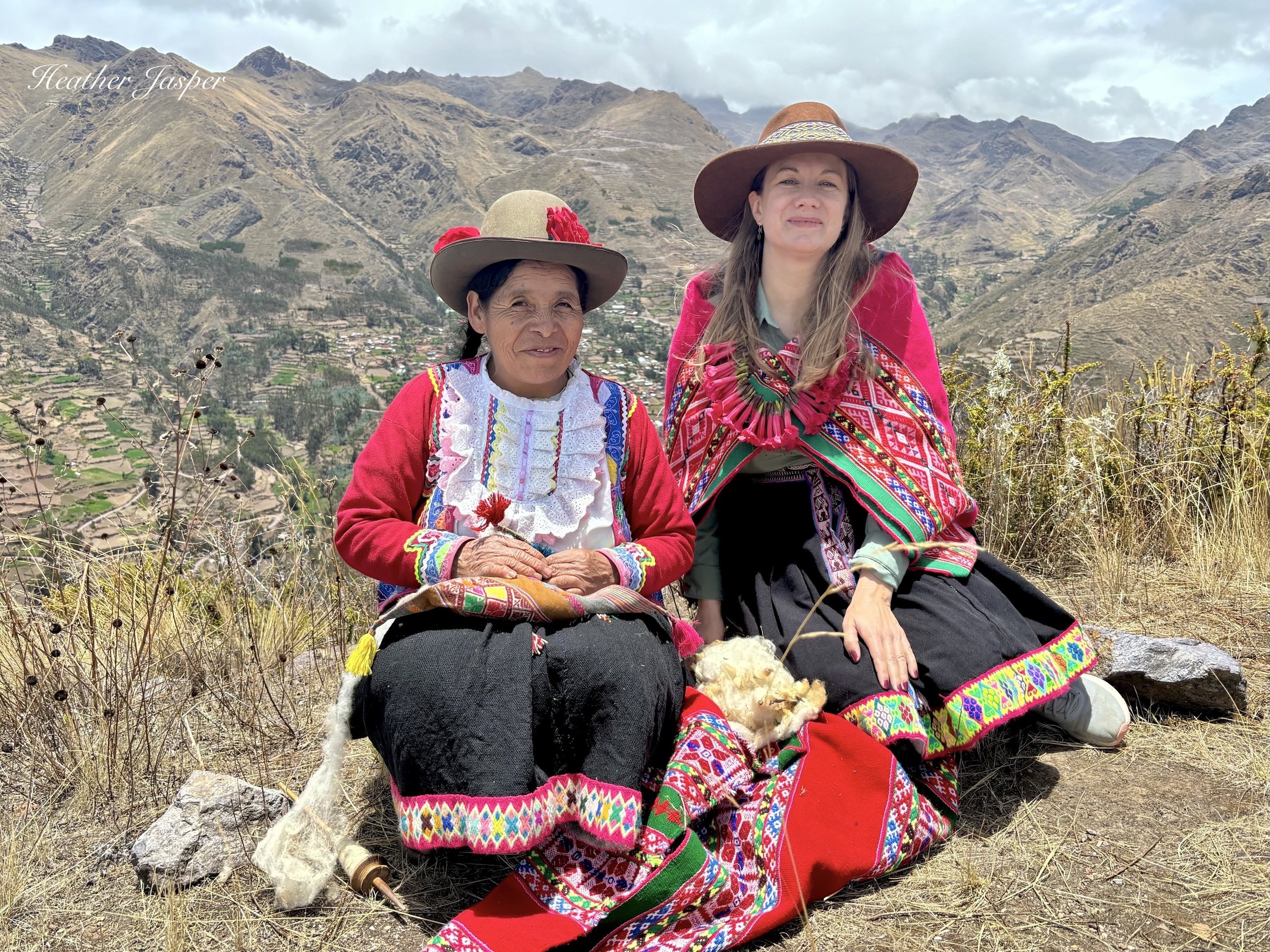
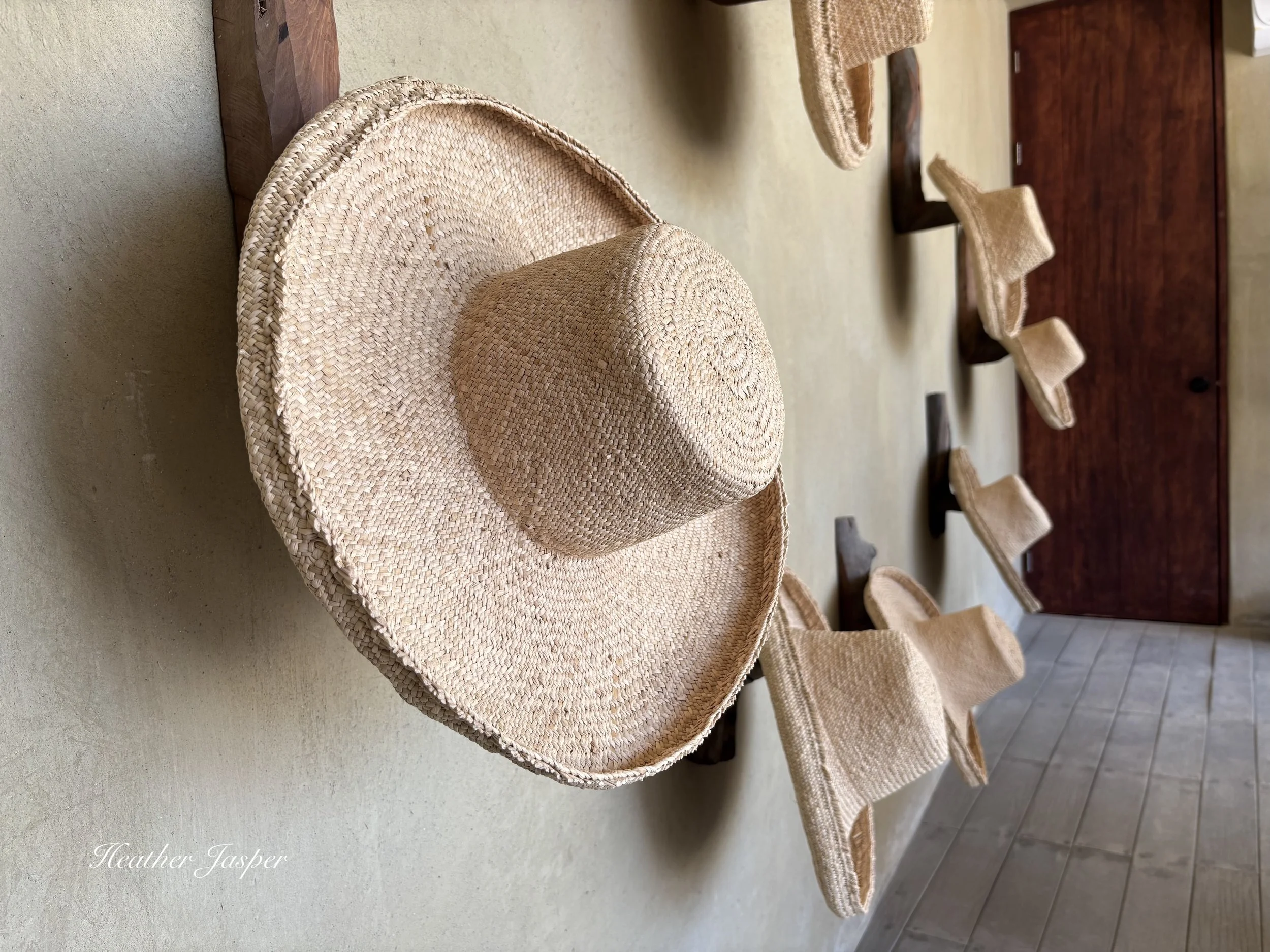
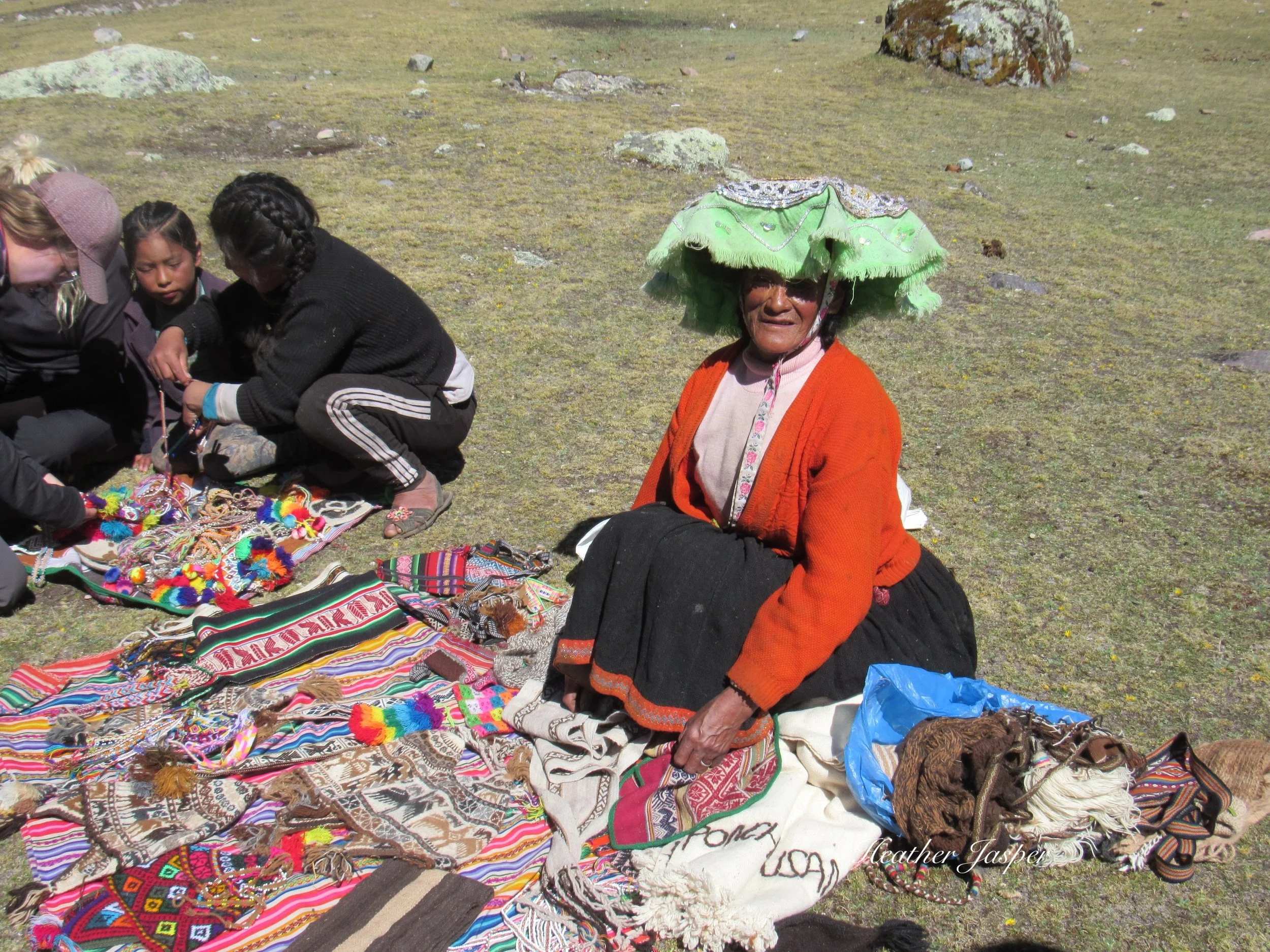
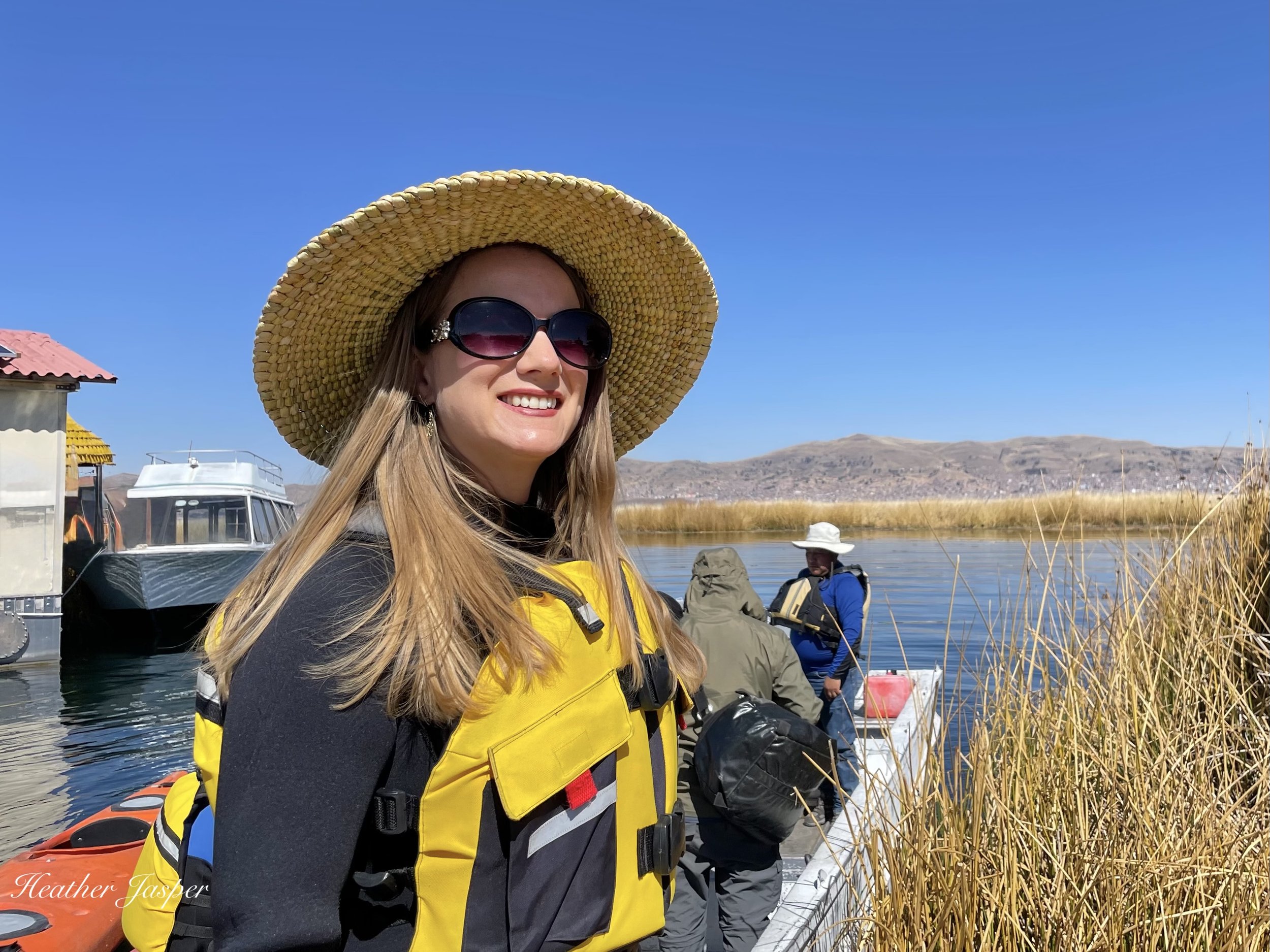
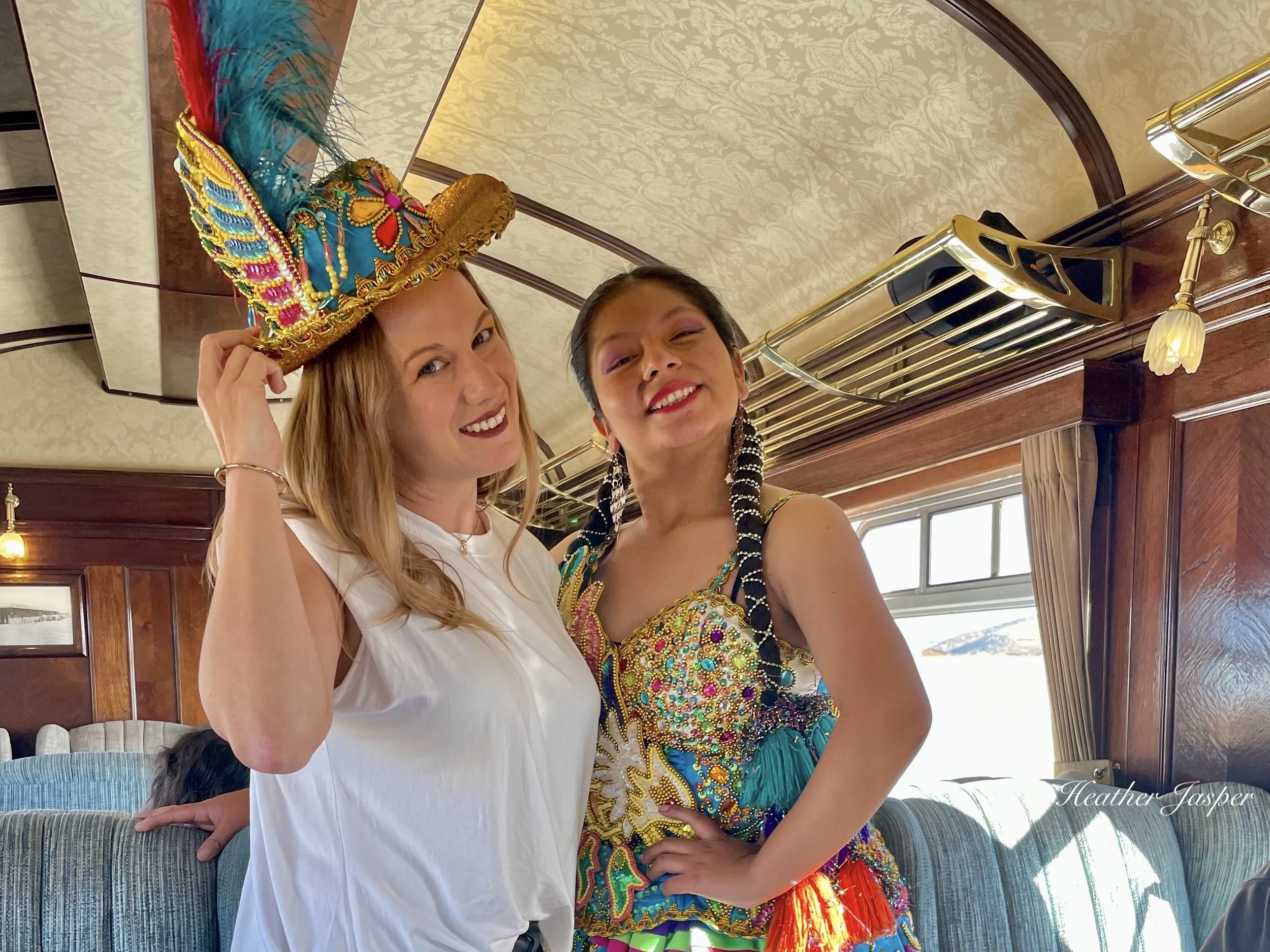
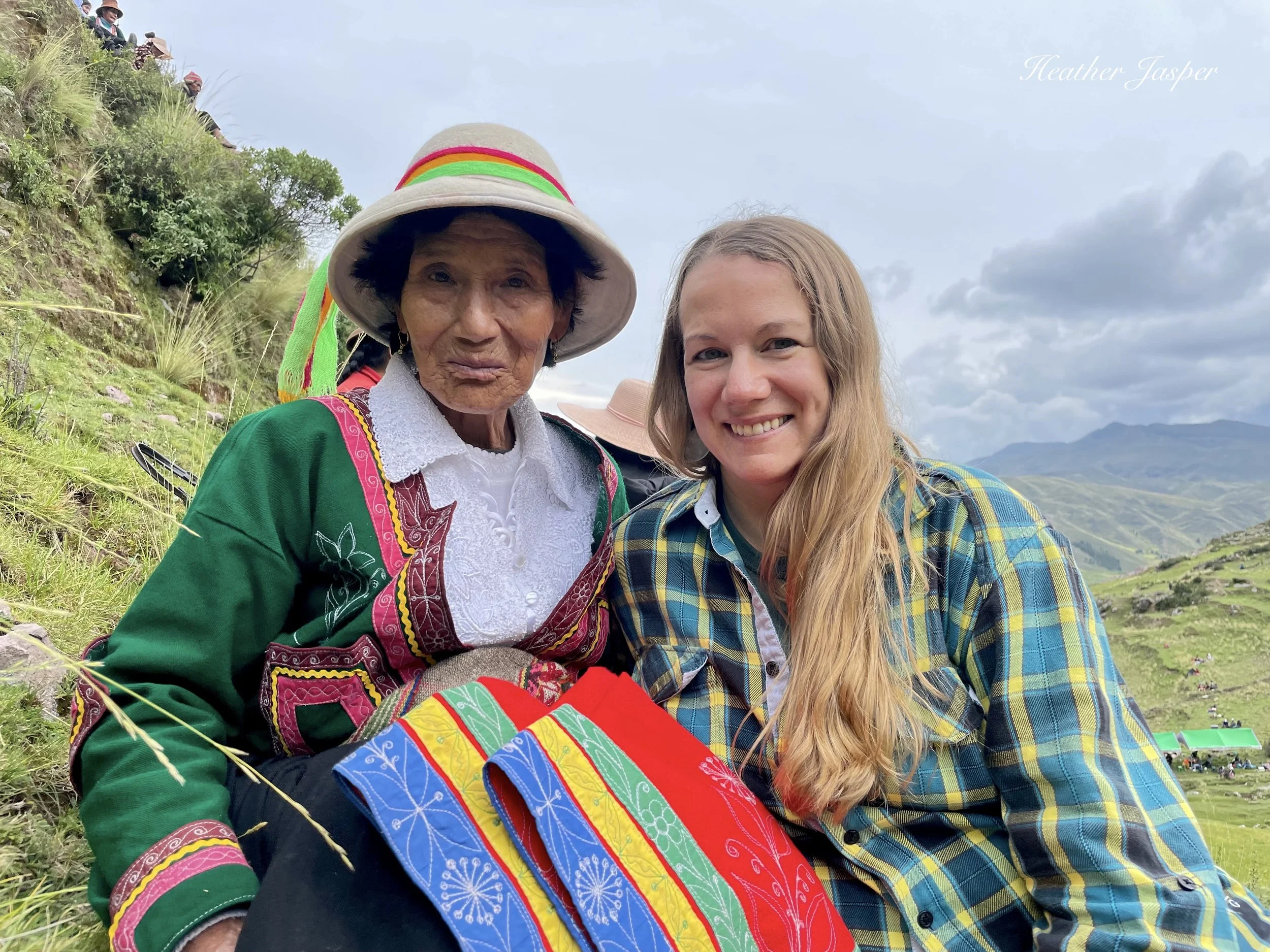
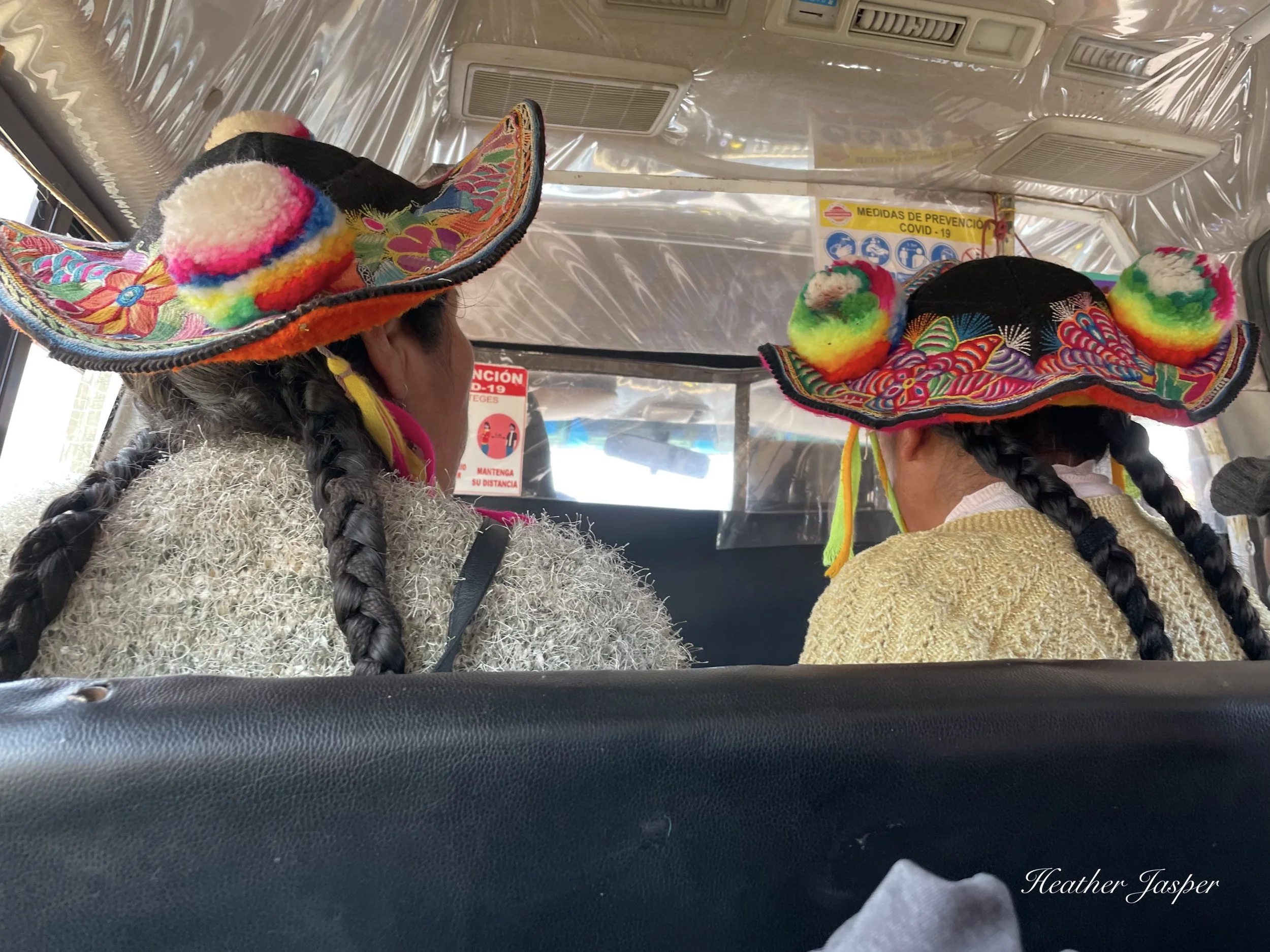
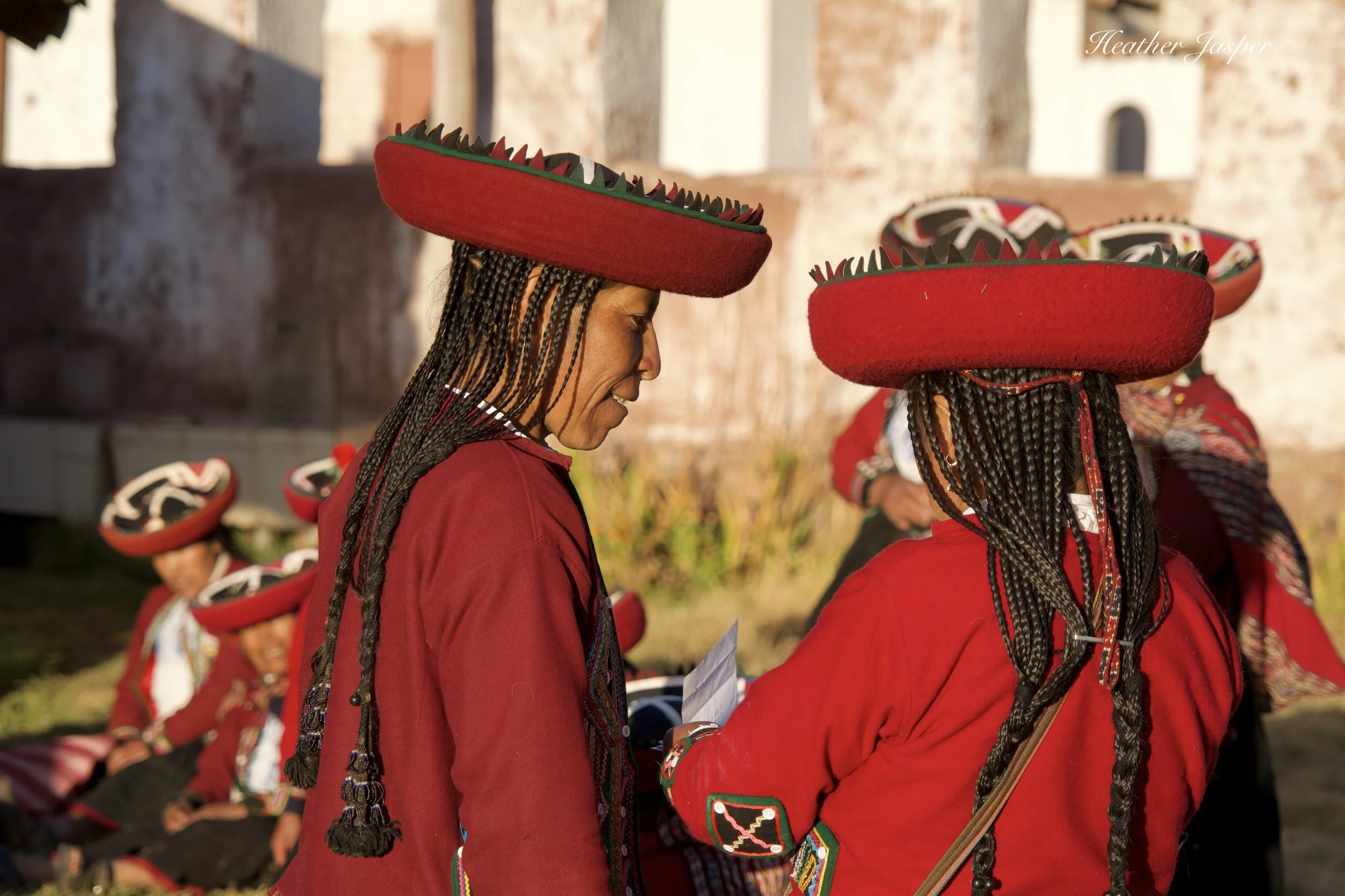
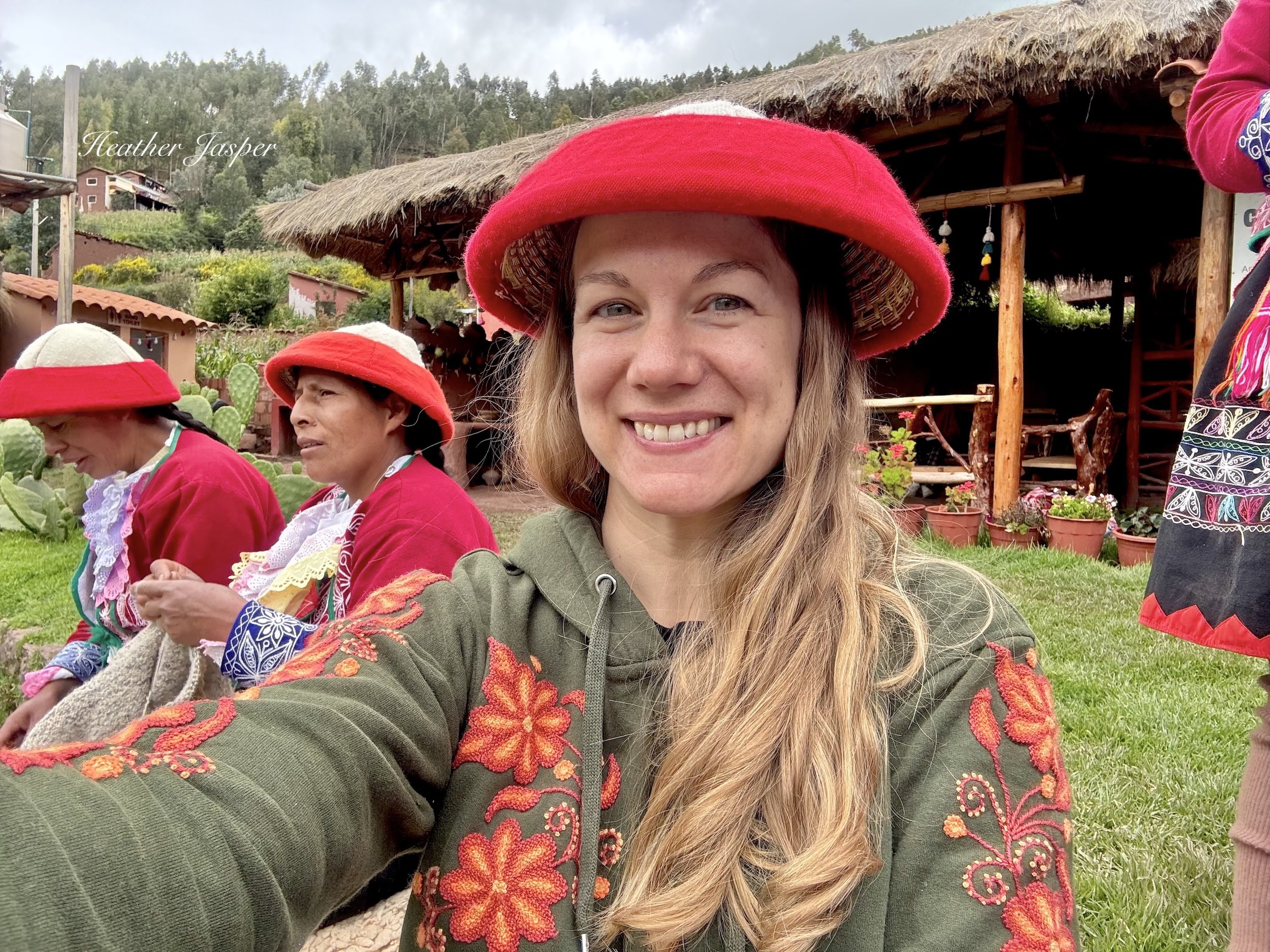
You need a hat but shouldn’t bring one.
If you have a favorite hat, bring it, but otherwise buy one here. Peru is the world capital of hats - click on the photos above to see just how fabulous they are. Every region has their own specific traditional hats and the photos above are labeled with the city or region they’re from. They make great souvenirs, so buy a hat as soon as you get here. No matter what you’re doing, you’ll need a hat for the sun. If you’re camping, you’ll also need a warm hat, especially in winter from June through August. It often gets down to freezing at night and evenings are very cold because the sun goes down before 6pm.
Cusco is cold.
Summer (December – February) and winter (June – August) you need to be prepared for cold because of the altitude. In seven years living in Cusco, I’ve never once worn shorts here. You might want a t-shirt but should be prepared for cold. Bring layers because the sun is strong and may warm you for an hour or two during the day, but as soon as you’re in the shade you’ll want to put on a sweater and/or jacket. You also need sturdy shoes for the rough stone streets and any hikes you plan to do. With the cold, you’ll want thick warm socks.
What to pack for Machu Picchu?
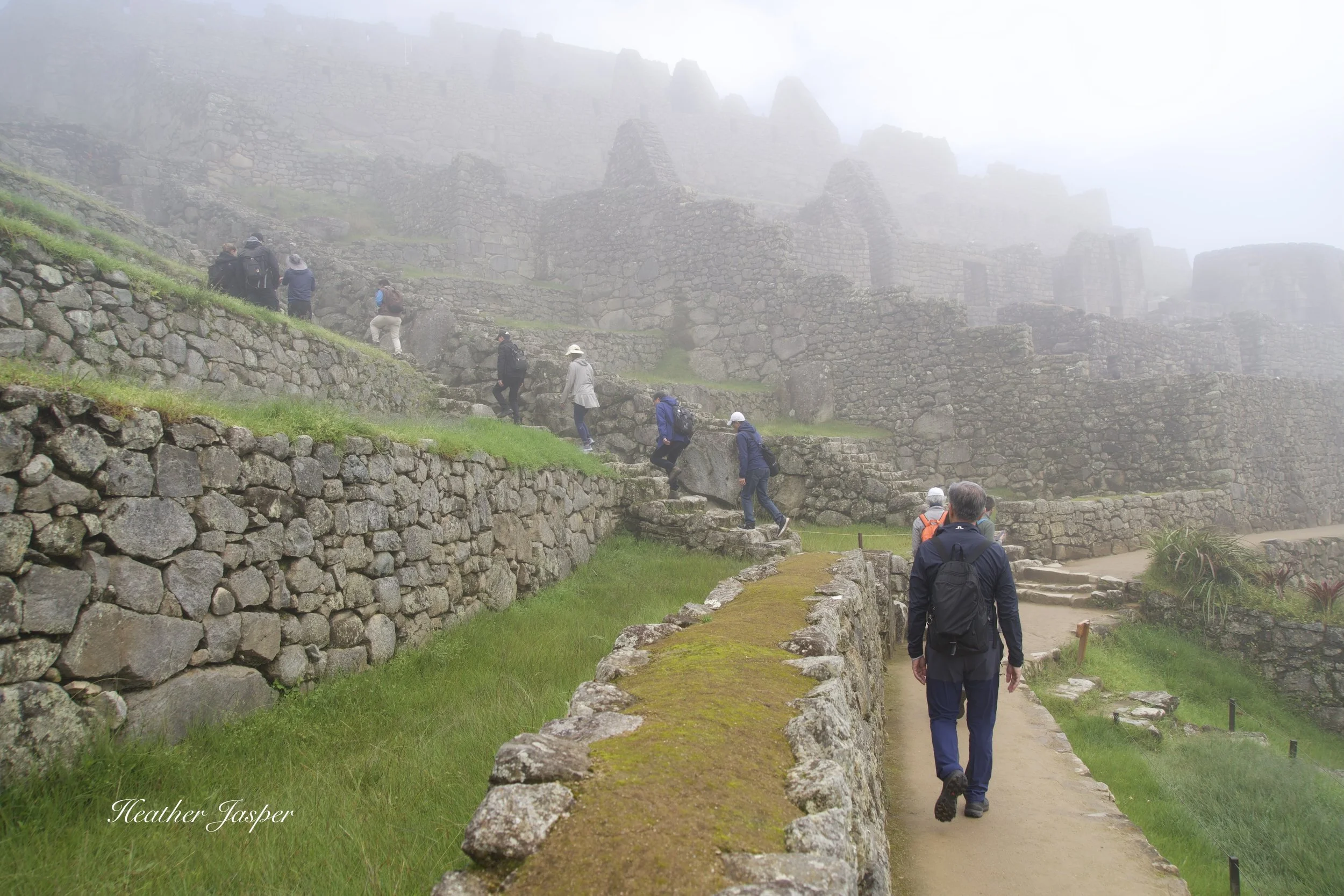
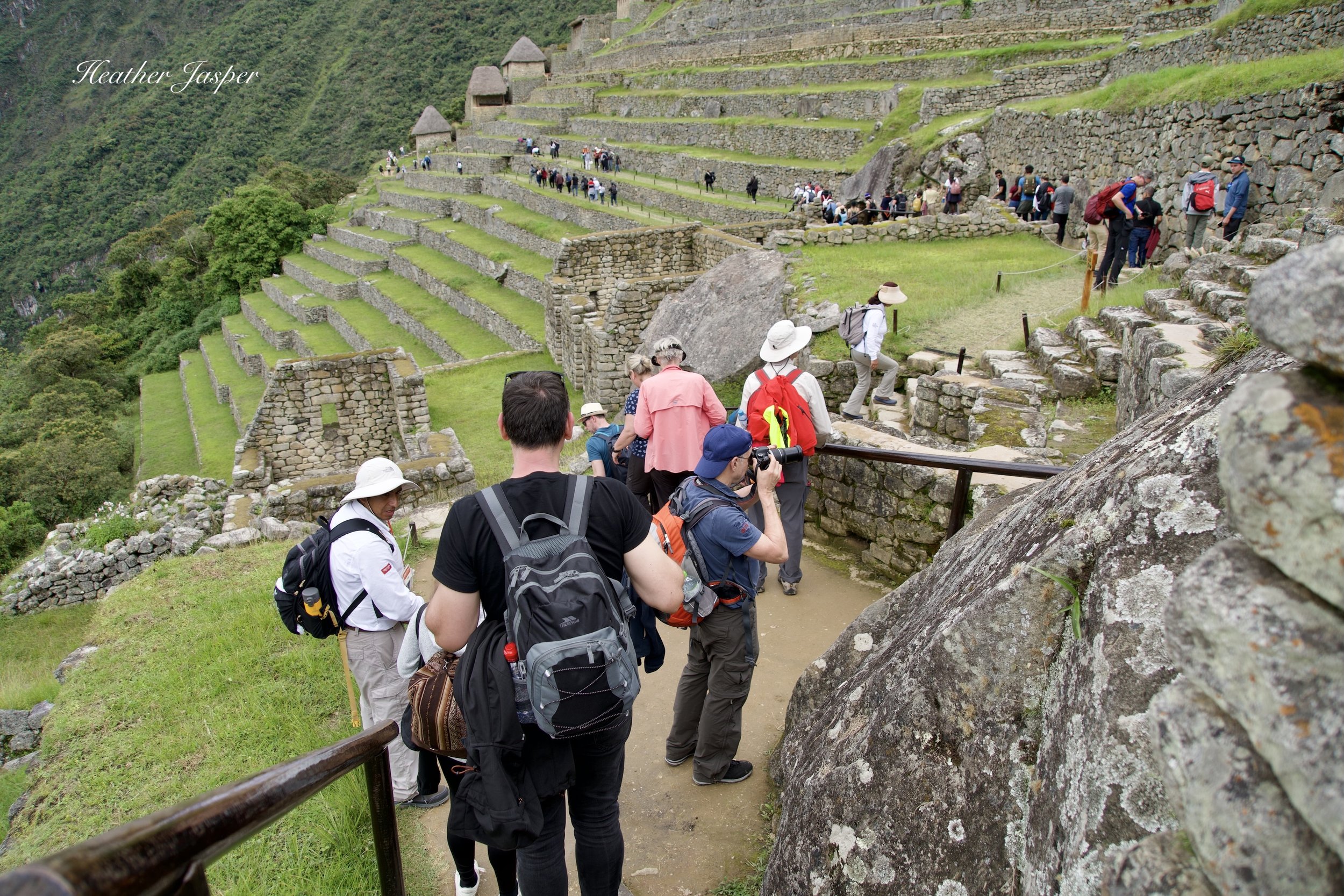
Machu Picchu is cloud forest, so it can be cloudy and even rainy any time of year. Cloud forest is the edge of the rainforest and that means it’s warm and humid. If it rains I like wearing a poncho more than a rain jacket because the poncho has more ventilation on the sides and it can cover my backpack. You can buy reusable fabric ponchos in Cusco that fold into a pouch. Do not buy the disposable plastic ones because they get holes too easily and disposable plastic is an environmental nightmare.
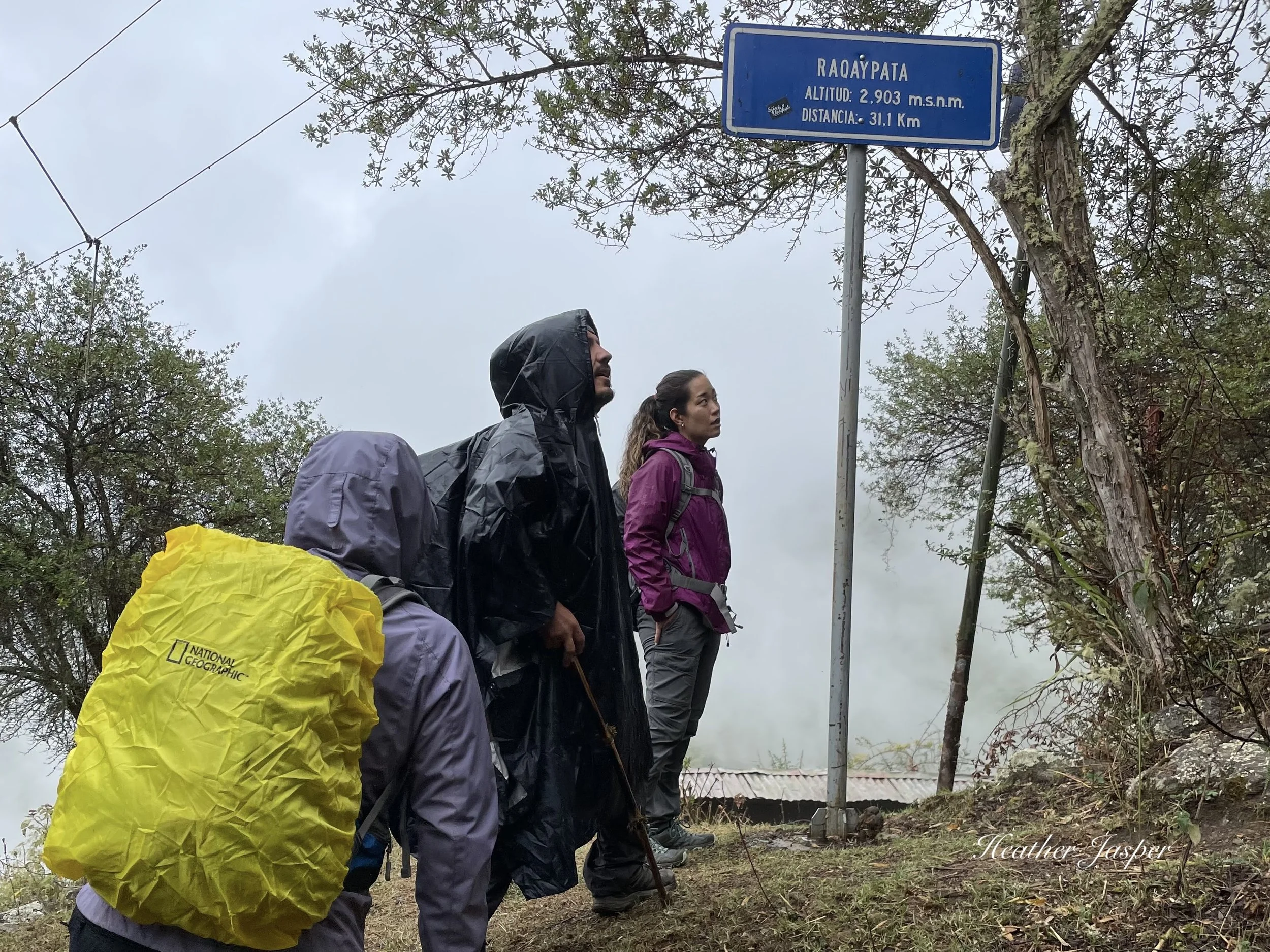
Cloud forest rain gear
In the cloud forest you often get a combination of light rain and heavy mist that needs a poncho rather than a coat. In Cusco, the most common brand is Nikko.
The cloud forest also has a lot of bugs. I’ve never had a problem with mosquitoes at Machu Picchu, but there’s always tiny biting flies that leave a red welt which quickly turns into a maddeningly itchy bite. Bring insect repellant and don’t wear shorts because the flies tend to stay close to the ground, though t-shirts are fine. You’re more likely to end up with red welts all over your legs than your arms.
What to pack for visiting the Peruvian rainforest?
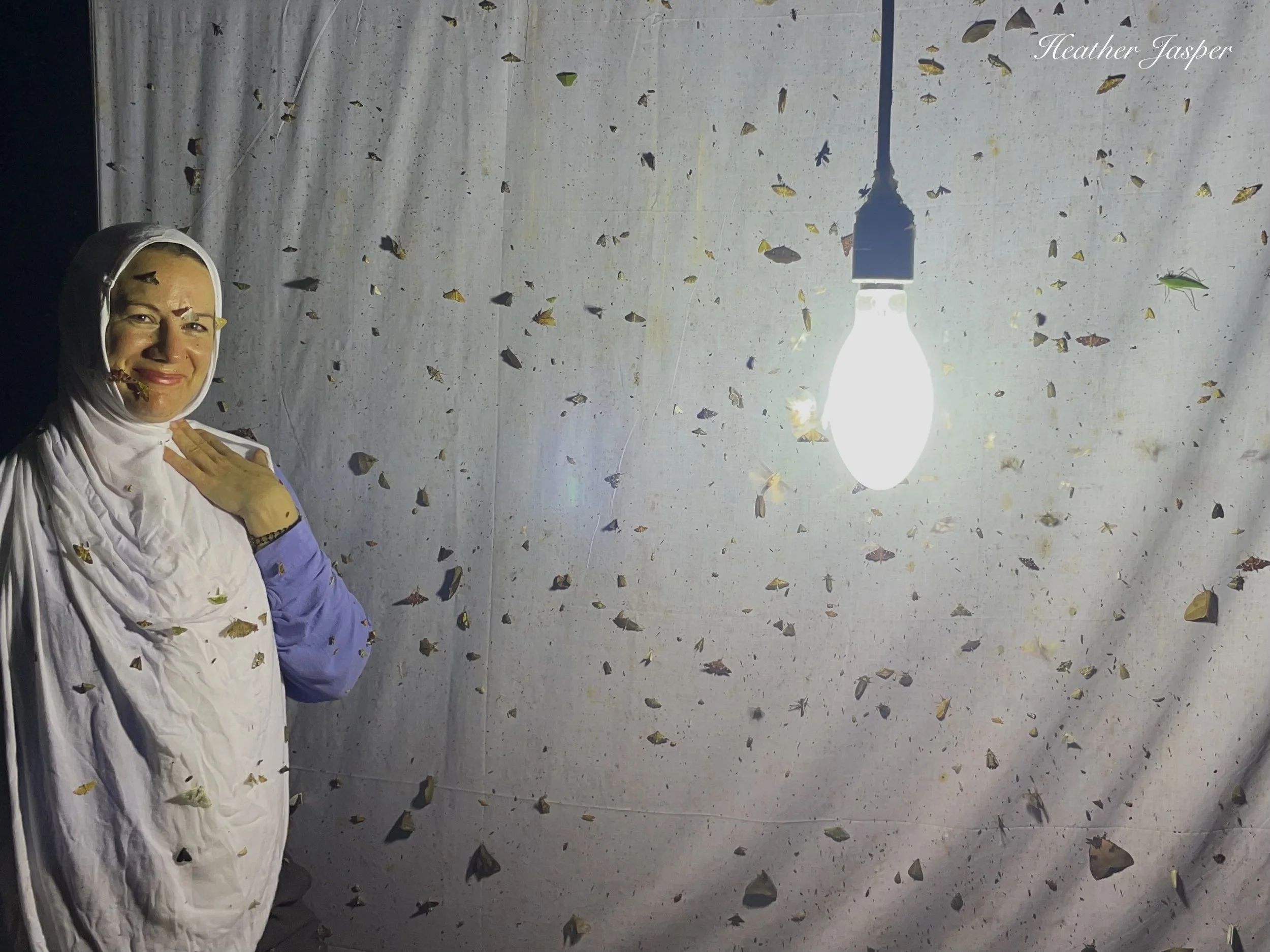
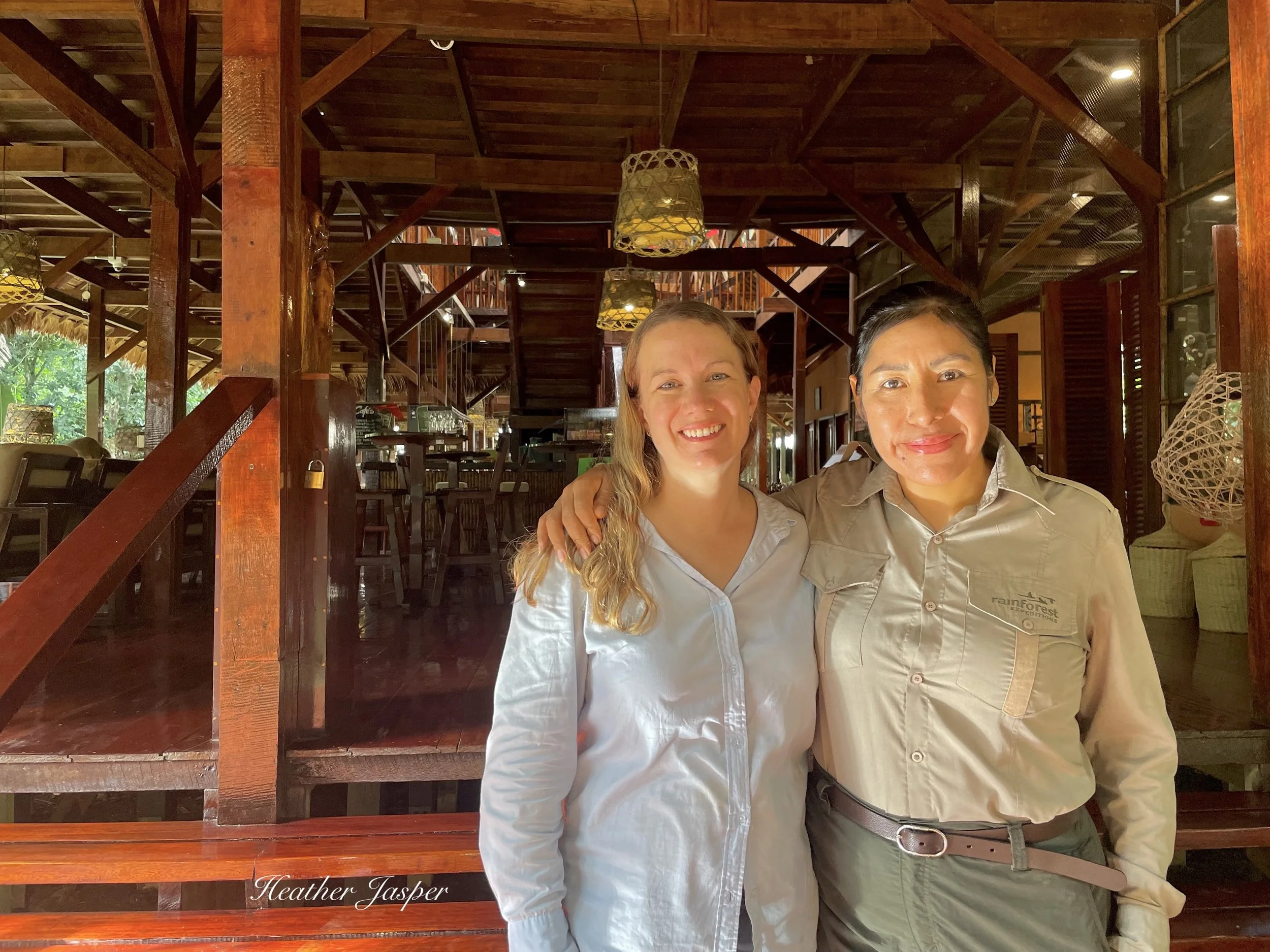
The rainforest has even more bugs than Machu Picchu, so you’ll need both insect repellant and lightweight clothes. No matter how hot and humid it is, I always wear long pants and a long sleeve shirt. I prefer loose clothes so it’s harder for the bugs to bite me through the fabric. Most people do at least one night walk when they visit the rainforest so bring a dark shirt to not attract insects. However, during the day you want light colors to make it easier to see any bugs crawling on you. My biggest fear in the jungle is bullet ants because if they bite you it feels like getting shot. If a bullet ant is crawling up my back I want somebody to see it and get it off me.
Mosquitoes are a serious problem and if there is an outbreak of dengue at the destination you’re going to, either change your plans or be extra, super careful.
Even at low altitude, remember that you’re still near the equator so bring a hat and sunscreen.
What to pack for mountaineering in Peru?
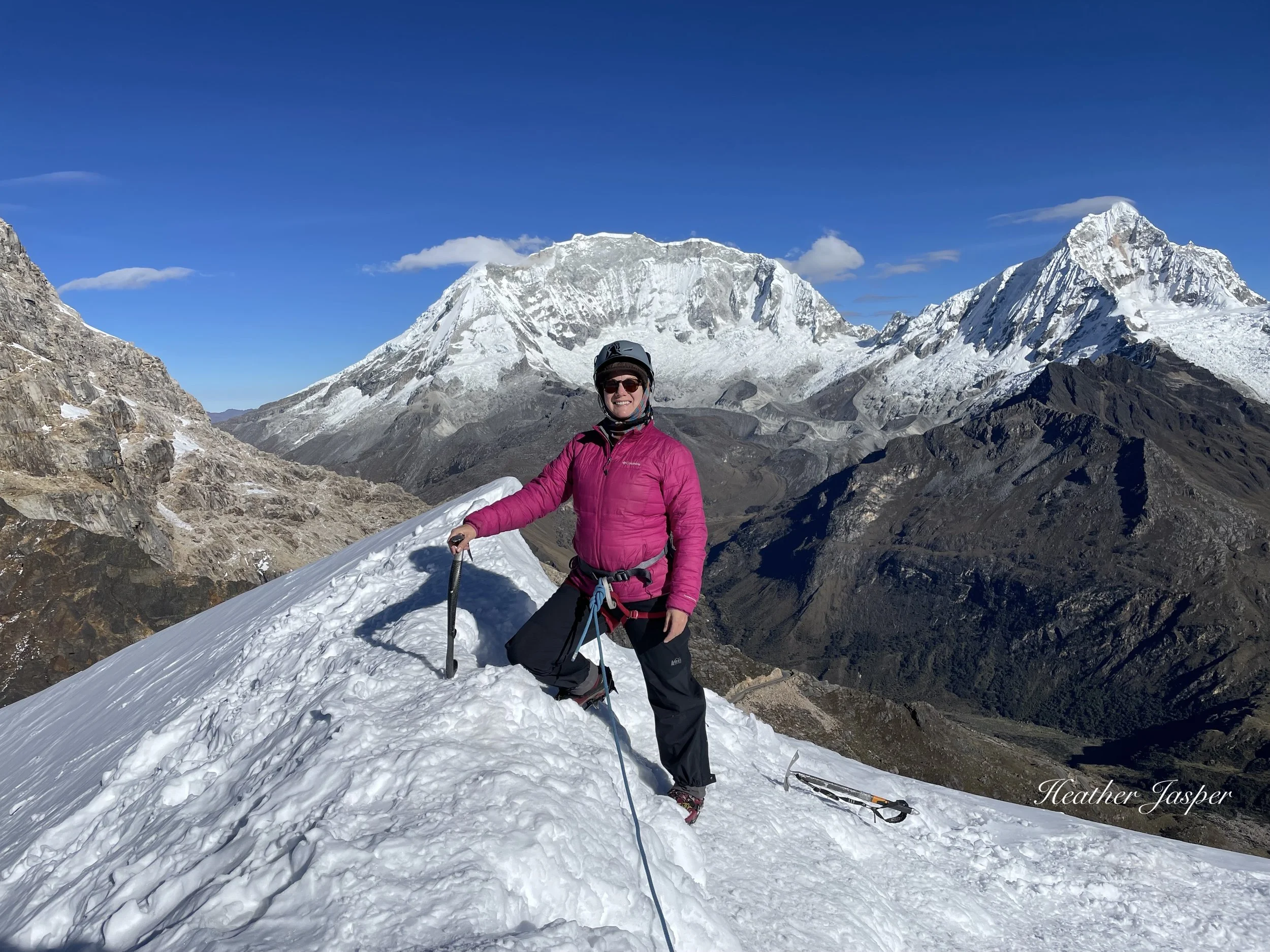
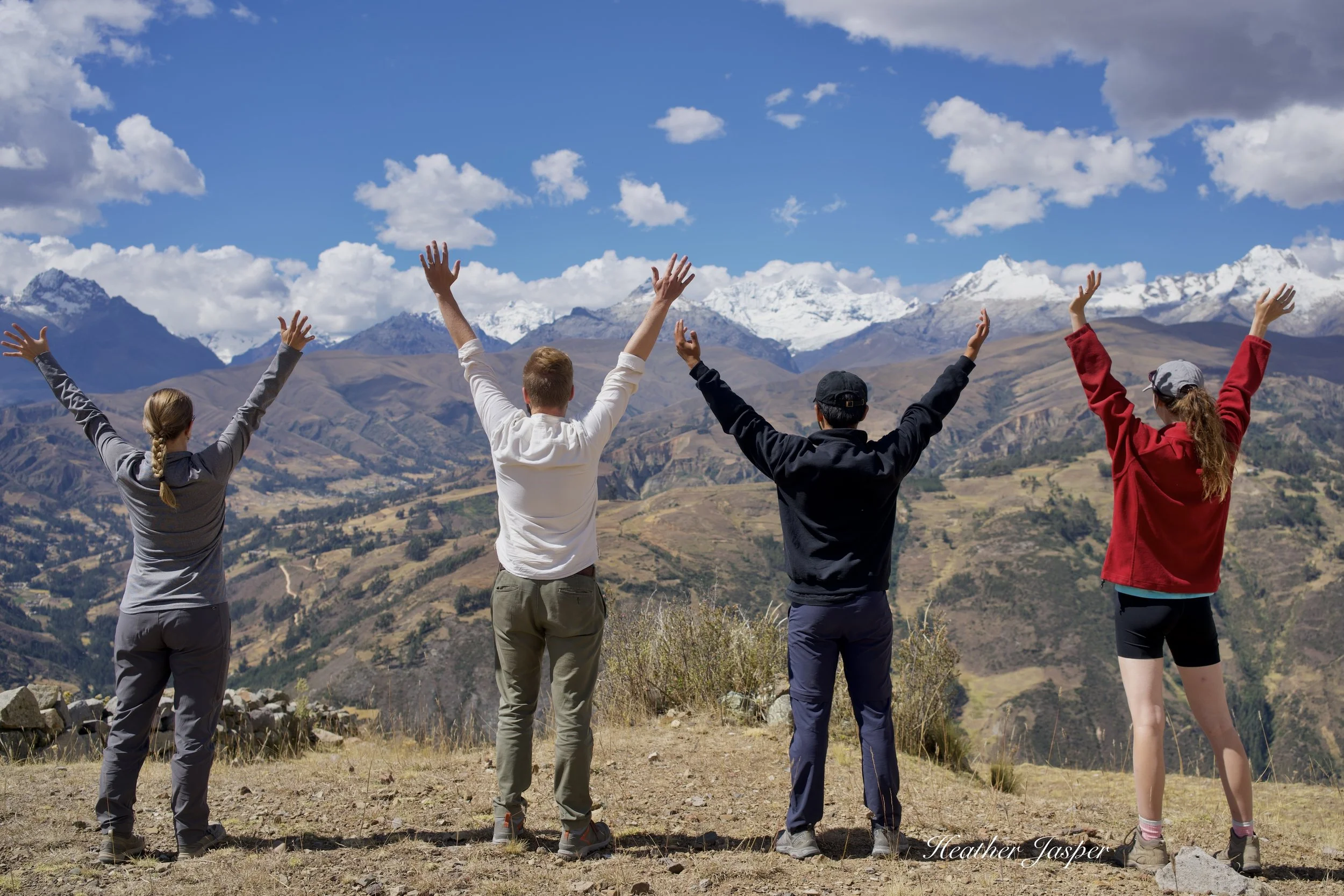
Like mountaineering anywhere, you need thermal layers and bright colors. Be prepared for the harsh sun and radiation. Make sure your headlamp or flashlight has batteries that will work in extreme cold.
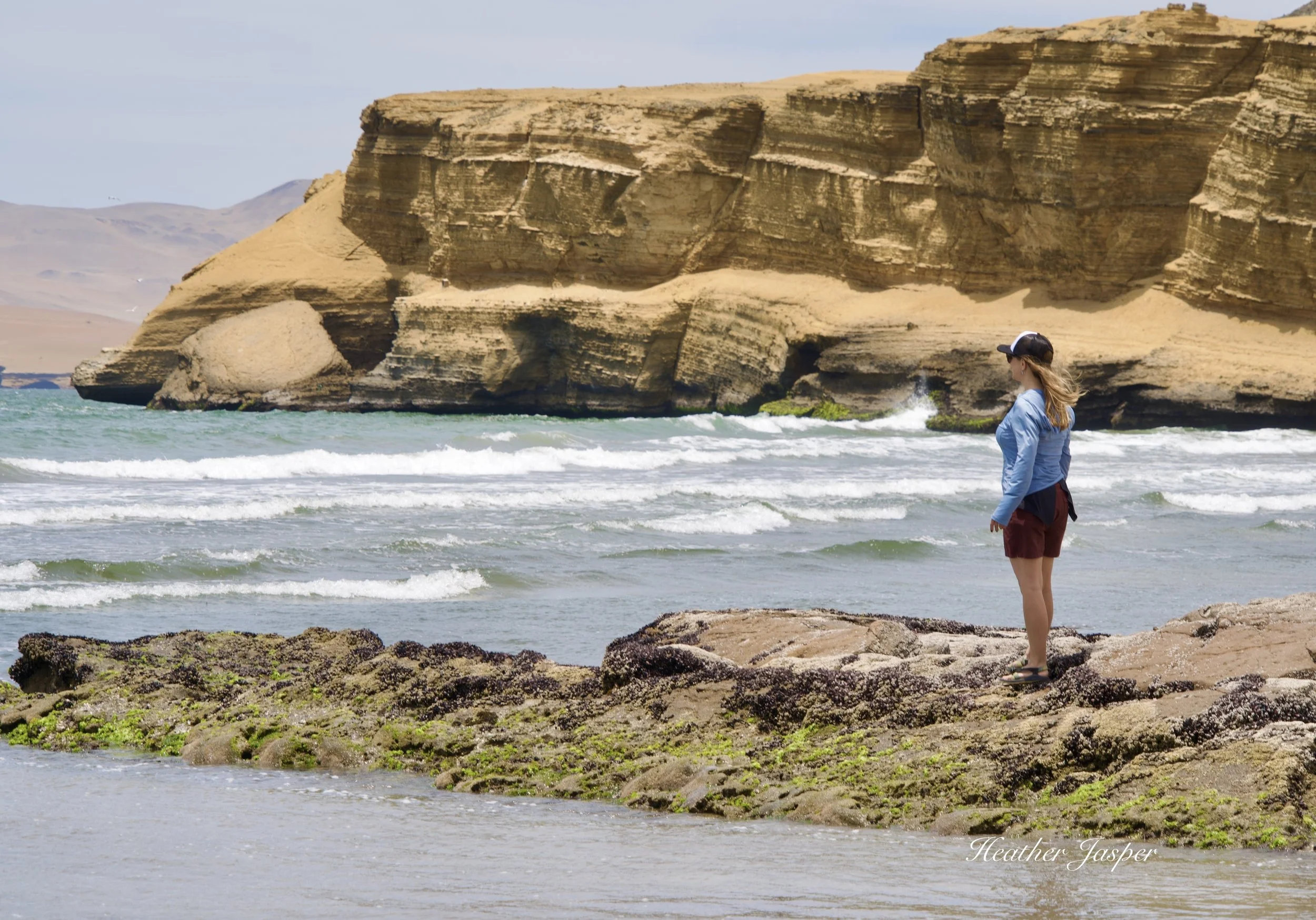
Most of Peru’s coast is windy and rocky, with the cold Humboldt Current making swimming unpleasant.
What to pack for the coast in Peru?
Most of Peru’s coast has cold water brought up from Antarctica by the Humboldt Current. It also brings cold wind, so even sunny days can feel chilly on the coast. At Cabo Blanco, on Peru’s northern coast, the Humboldt Current hits the warm waters of the equator, so it’s less cold but still not very warm. If you’re in the far north, near Máncora, the water is warm enough to be more comfortable for swimming. Bring sunscreen, sunglasses and clothes that protect you from the sun and wind.
If you plan to do much surfing, I recommend at least a lightweight wetsuit. Scuba divers should bring a full wetsuit, though I think dry suits are unnecessary.
Questions?
Download my travel guide app Peru’s Best! You can also ask me for personalized advice.