Unexpected Costs Abroad
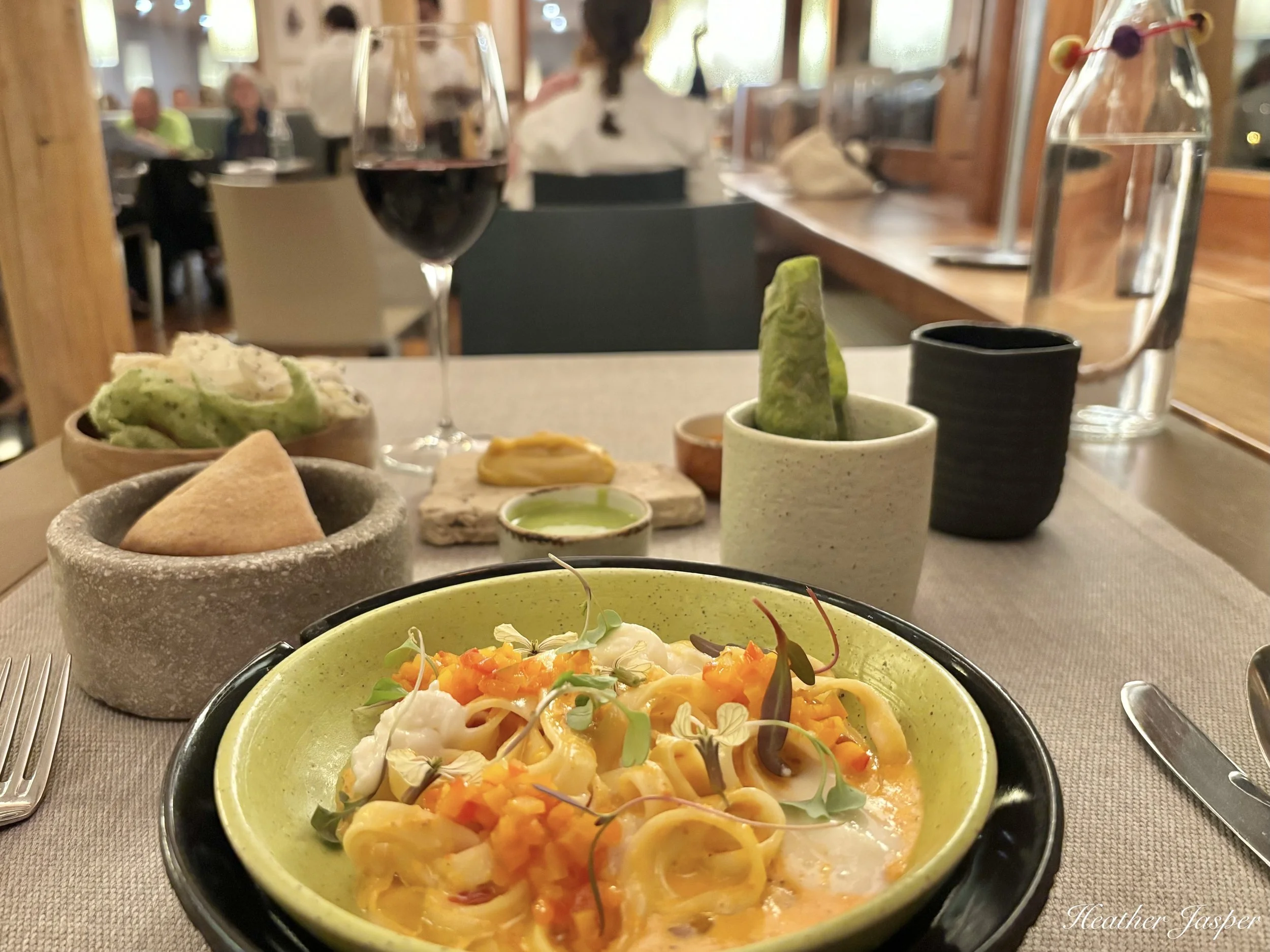
You’d expect to pay for the wine and pasta, but what about the bread and bottle of water?
What’s free in one country may not be in another.
When going to another country for the first time, it’s worth the time to scan blogs about the place for mentions of hidden or unexpected charges. You can sometimes reach out to bloggers on their website or social media to ask about costs. (Contact me for insider Peru info).
Do you need to budget for extra costs?
These usually aren’t big charges that you need to plan for in your budget. I’d put them in the category of minor inconvenience or annoyance. Since they’re generally not big costs, they might only be payable in cash – hence the inconvenience or annoyance.
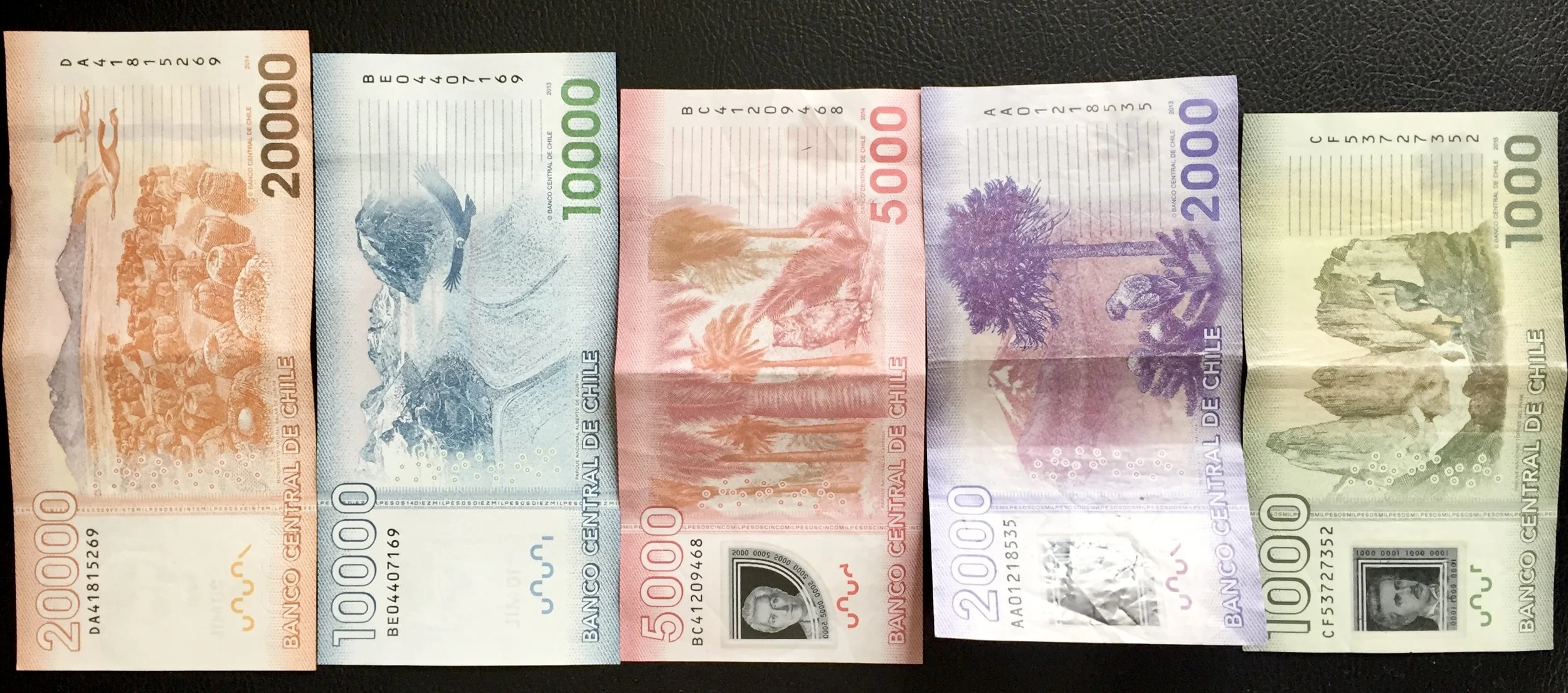
Having local currency in small denominations, essentially change, can be a challenge. Many travelers are used to using a credit card for everything and when we do get cash it’s often from an ATM that only gives large bills. For example, ATMs in Peru generally give only 50 and 100 soles bills, but these small charges can be as little as 1 sol – and they only accept exact change.
Here’s five costs that may surprise you when traveling.
1. Public bathrooms
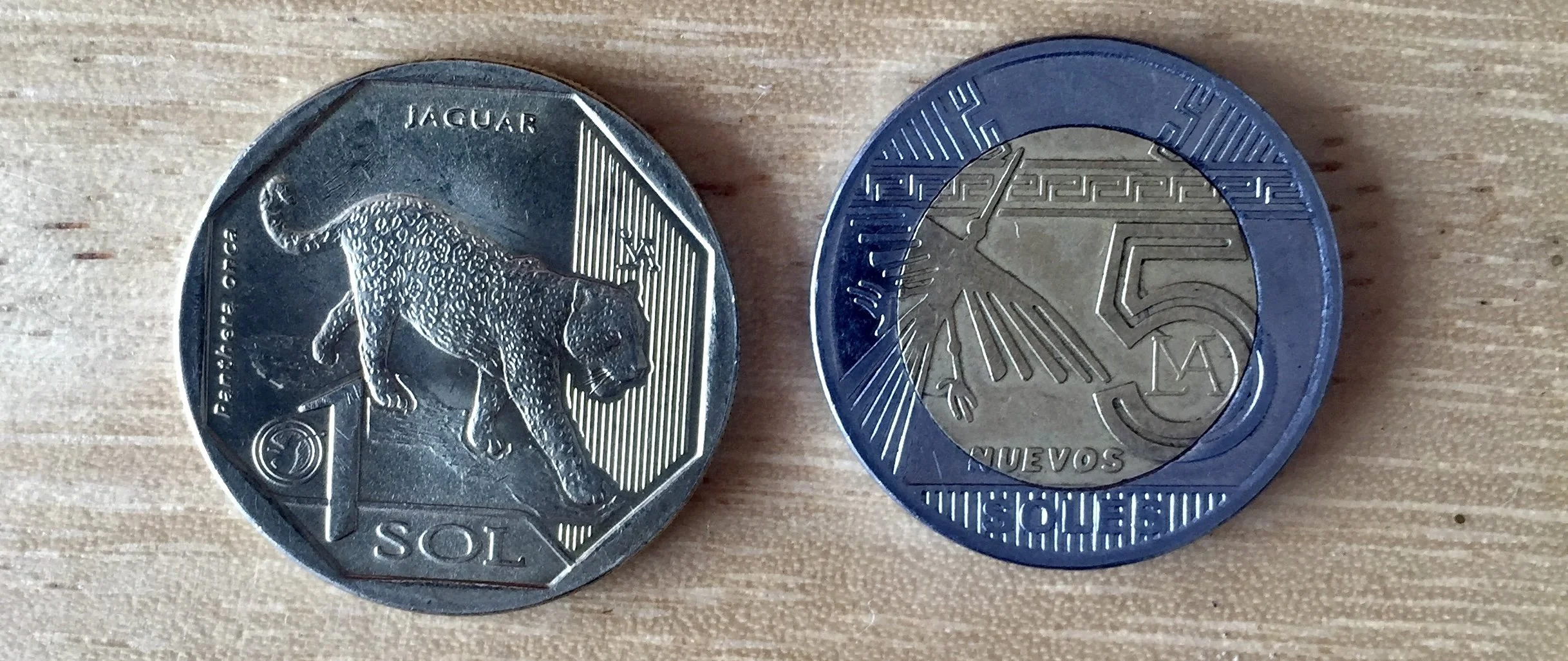
This can be the most annoying because you could need change and might not have time to go hunting for it. In Europe some public bathrooms are coin operated, and you might not even be able to get the door open without a 1€ coin. In Asia and South America there’s more likely to be a person there to charge you and perhaps could give you change, but you’ll need cash, local currency.
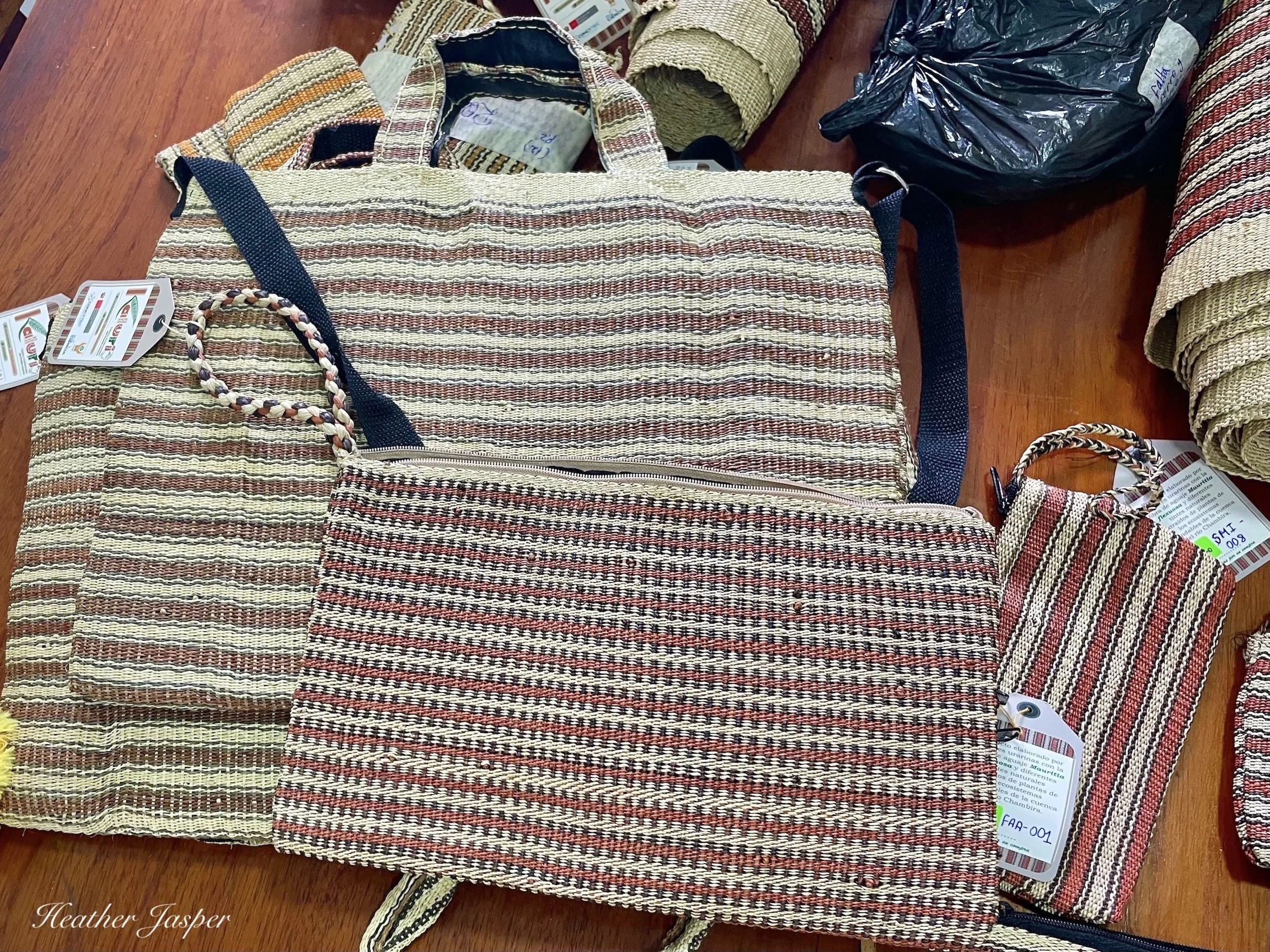
Shopping bags can be great souvenirs, especially if you find woven grass ones like these in Iquitos, Peru.
2. Shopping bags
At home you might always have cloth shopping bags in your car, but not everybody thinks to bring them when traveling. Having to pay for plastic bags is usually part of a local government prohibition on single-use plastics, like in Ireland and Bangladesh. If you’re required to pay for bags, get a nice cloth one instead of the single-use plastic and consider it a souvenir you can reuse at home.
3. Drinking water
This is annoying if you’re used to countries where tap water is safe to drink and restaurants regularly put free glasses of water on the table when they bring menus. In countries where tap water is unsafe to drink, expect to pay for drinking water at restaurants. However, some countries with safe tap water still charge. I’ve found this mostly in Europe.
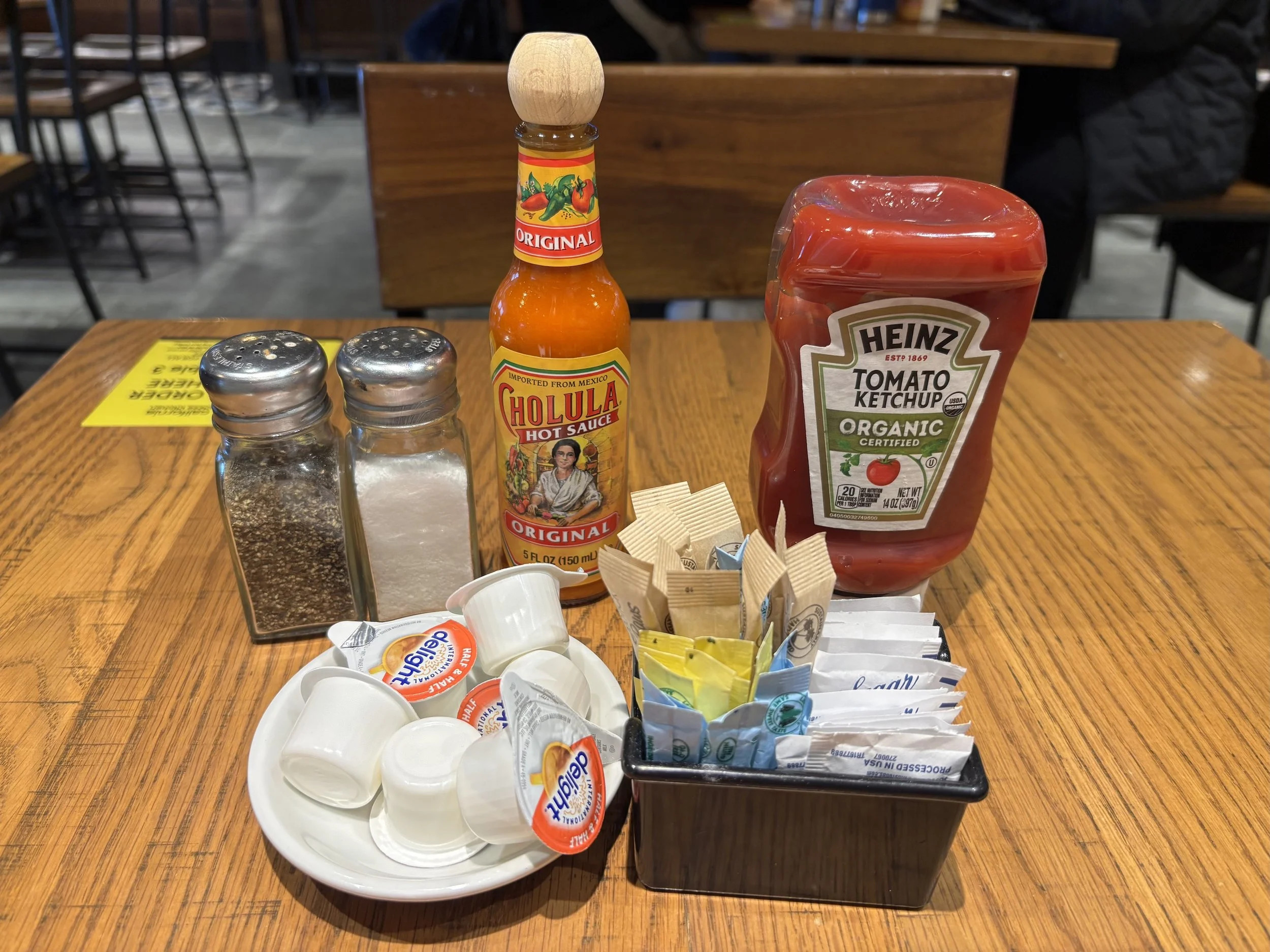
In the US, people expect all this to be included in the cost of the meal, but that’s not the norm around the world.
4. Extras at restaurants
In some countries, bread and ketchup are extras that come with a charge. You may be used to a basket of tortilla chips, bread and condiments being included in the price of a meal. However, in some countries these cost extra. A dish of olives may be brought to your table in Spain or Portugal, even if you didn’t order it. Unless you really want them, check if they’re free before the server walks away. The same goes with ketchup in Australia.
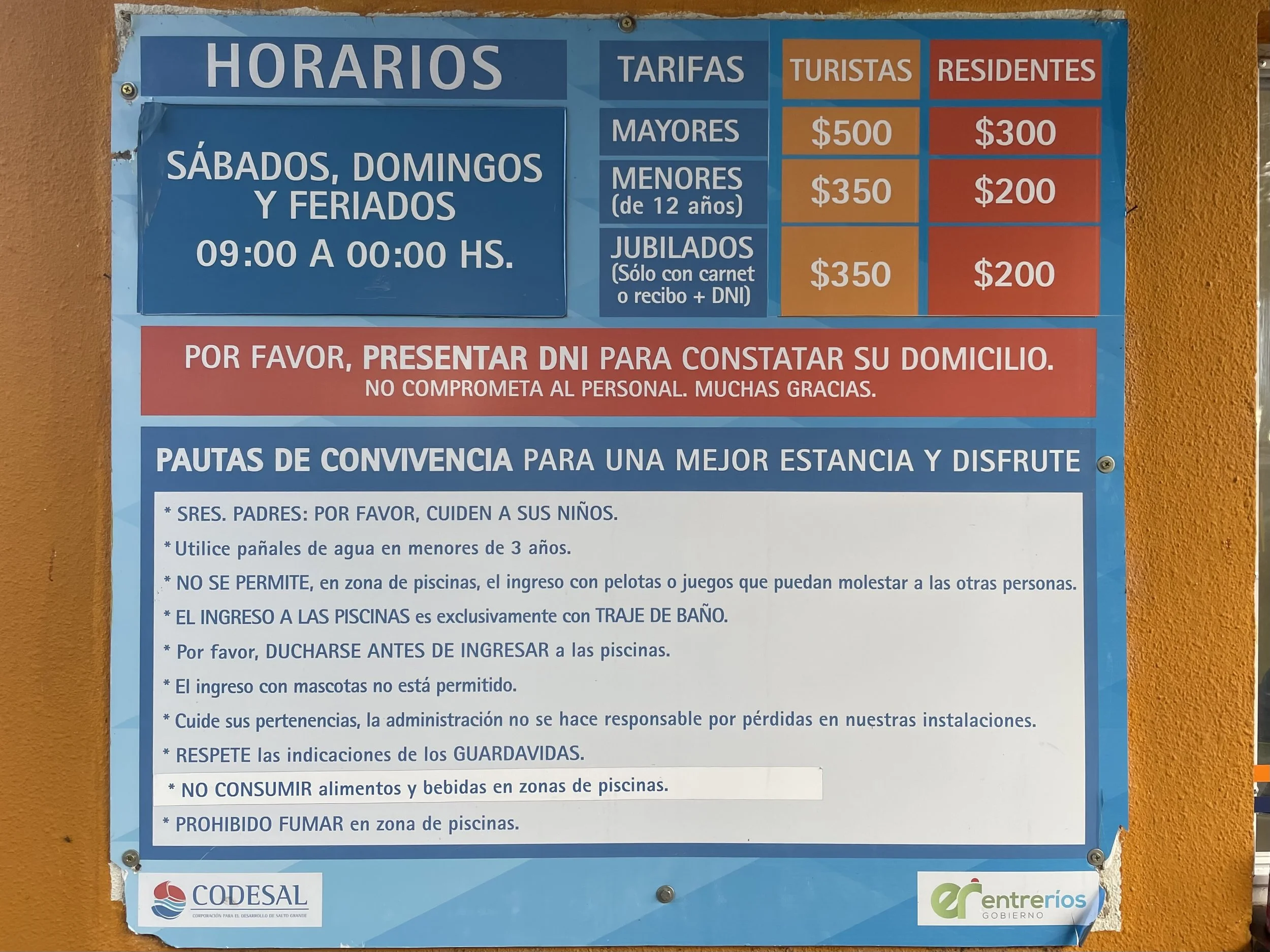
These hot springs in Manizales, Colombia have different prices for locals and tourists, foreign or Colombian.
5. Foreign tourists might pay more
In some countries, especially in Europe, there’s an extra tourist tax at hotels. In many countries around the world, tourist attractions might charge foreigners more. It can be listed as an extra charge for international visitors, or a discount for locals. This can be annoying, especially if you feel like you’re already shelling out a lot for flights, hotels and restaurants. Try to take it in stride, especially if the reason is that the site is government-owned and partly funded by taxes which locals have already paid.
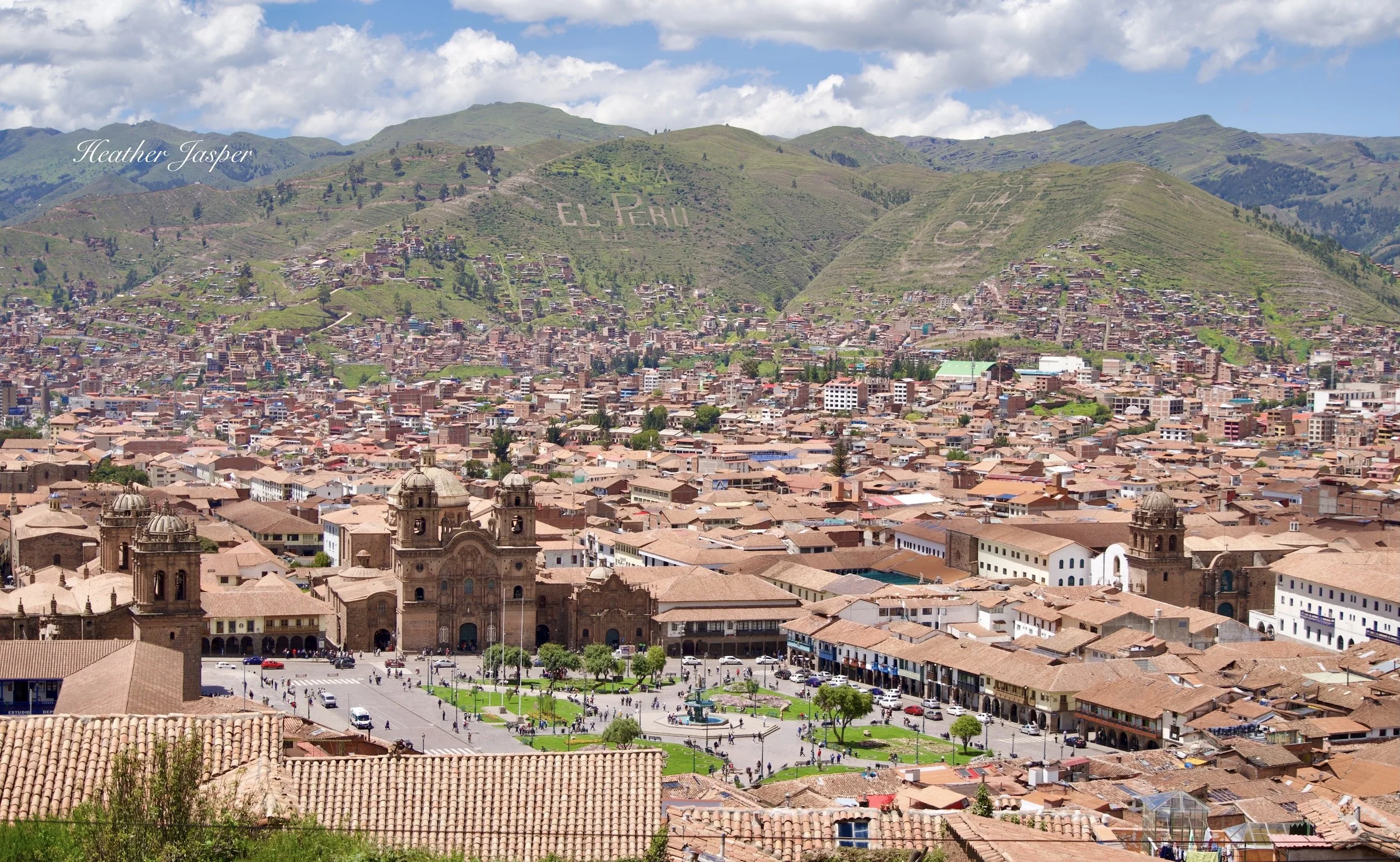
New blog: Day hikes in Cusco
This is the time of year in Cusco when it rains so much camping is unpleasant. Here’s my favorite hikes around Cusco for people who want to get outside, regardless of the summer rains.