
How to be an adventurous vegan
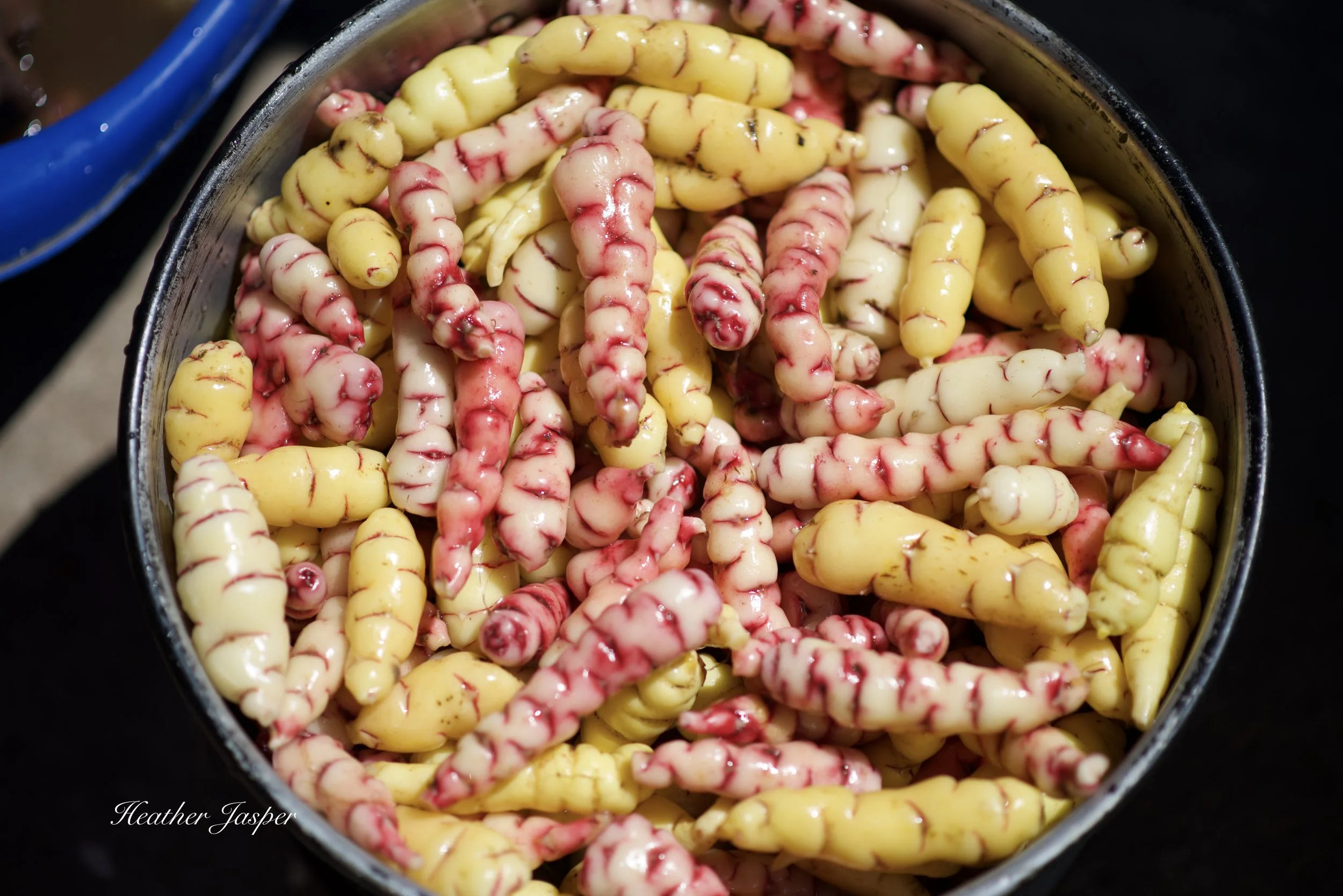
Oca is a root vegetable that is spicy when raw, almost like horseradish, but cooked it’s sweet like a roast carrot.
Carnivores get all the attention, but vegans can still eat adventurously when traveling.
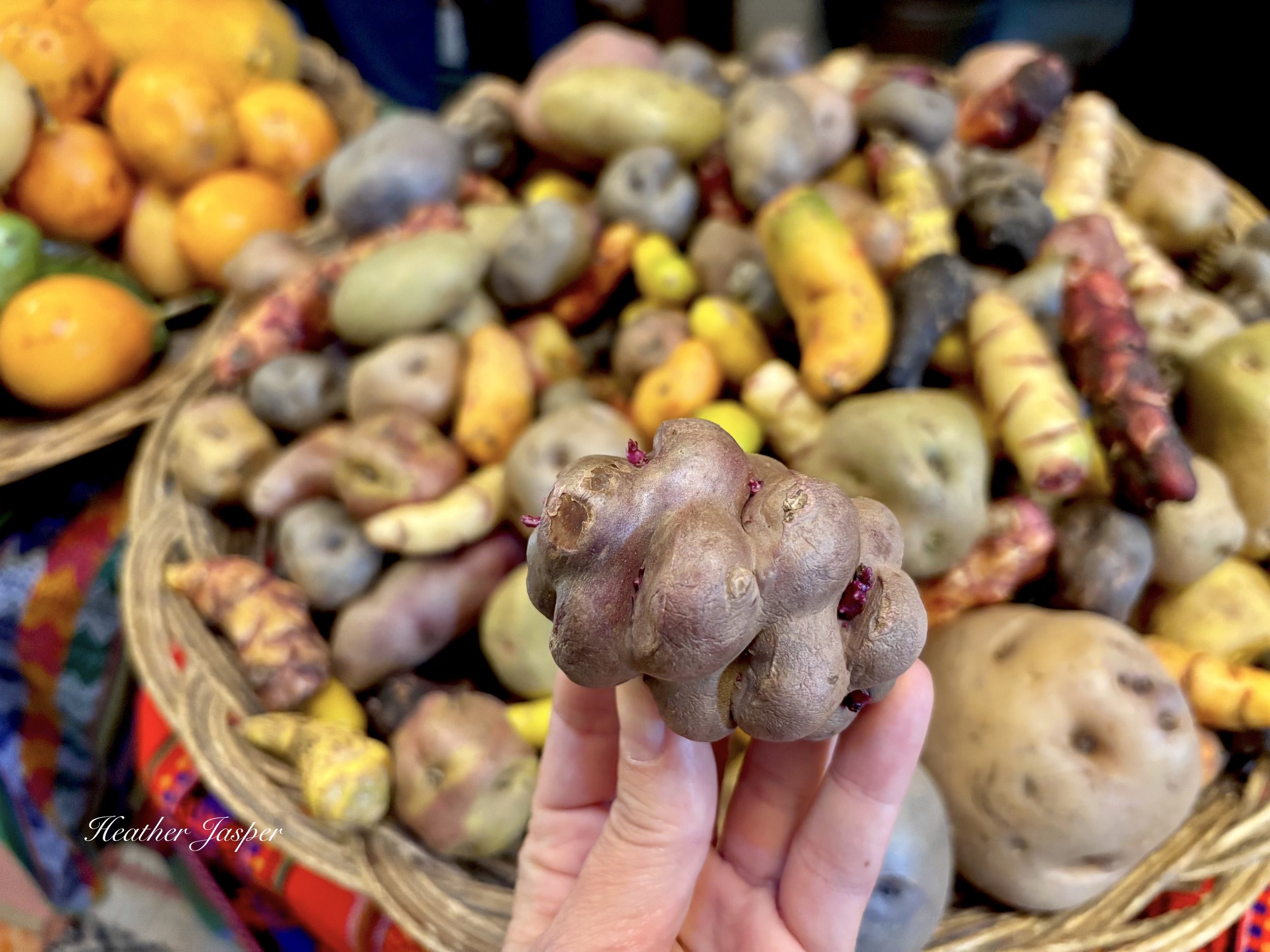
Yes, potatoes can be adventurous eating. They don’t have to be a side dish for “exotic” meat.
Anthony Bordain wasn’t the only one.
Lots of travel shows that focus on food are all about meat.
They show that being an adventurous traveler means eating crocodile and wild animals that might (or might not) be legal to hunt. Even if ethics doesn’t put you off eating monkey, you don’t have to limit adventurous eating to meat. You’ll see below that there are plenty of fruits and vegetables that are adventurous eating.
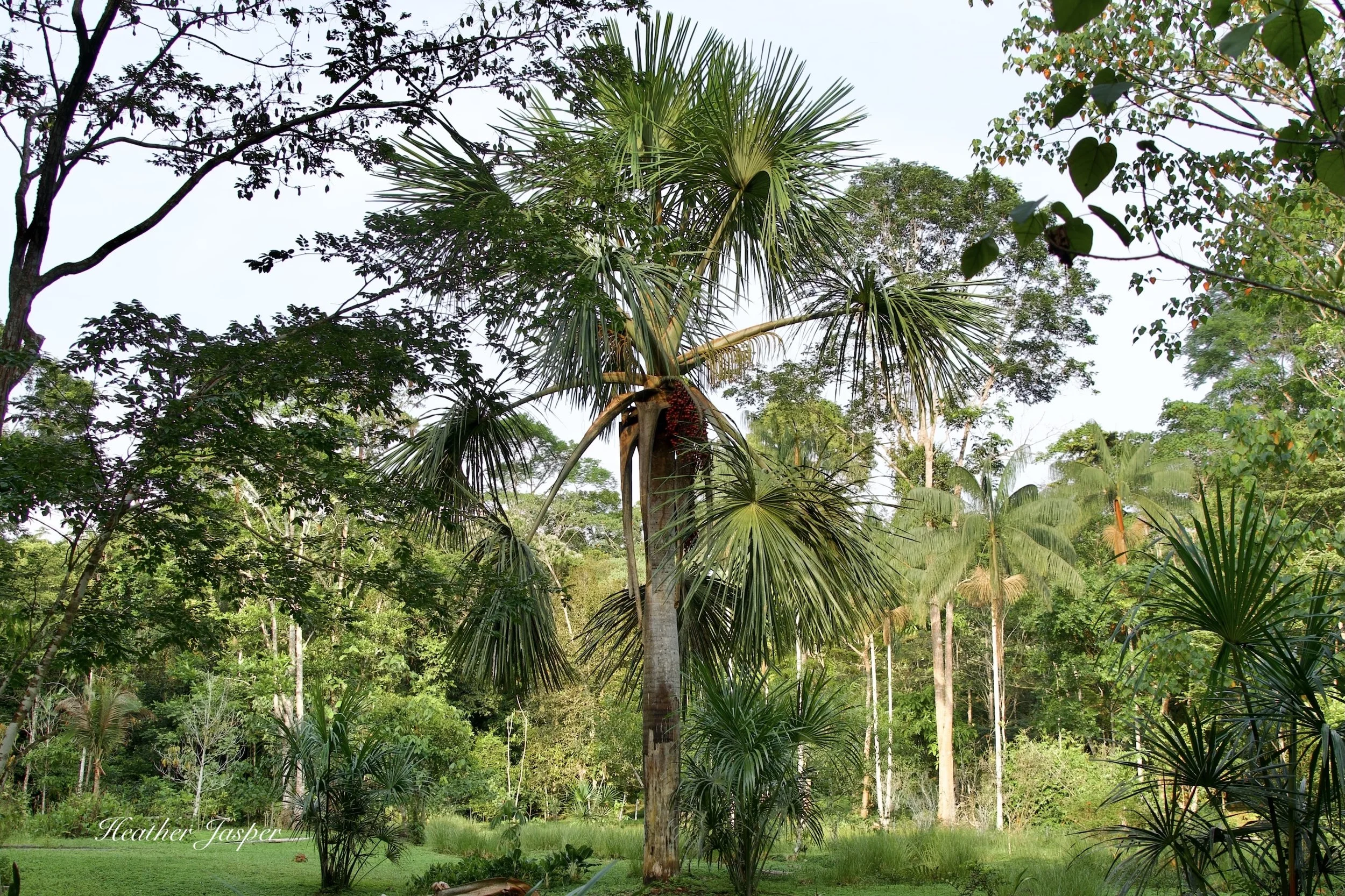
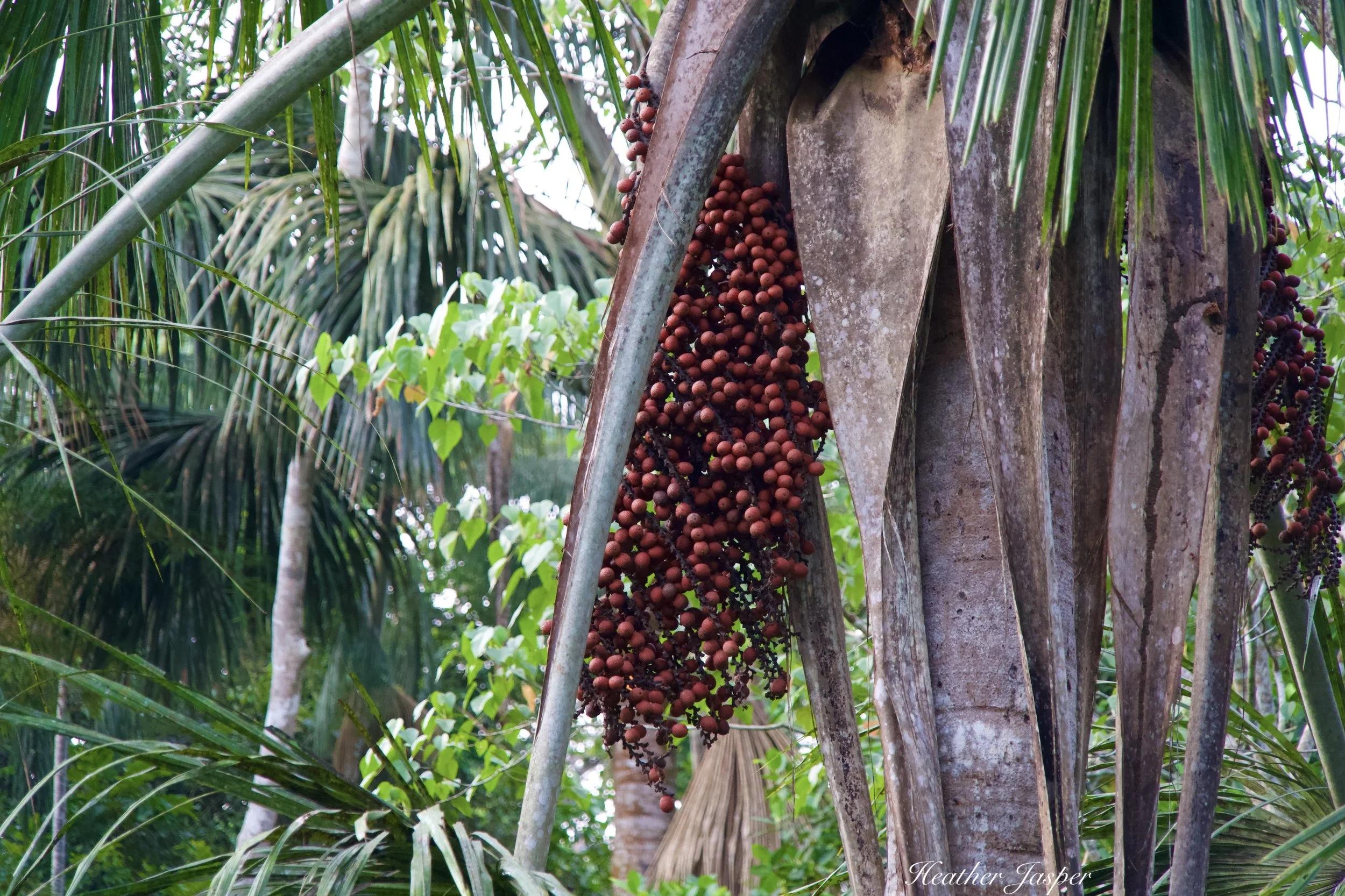
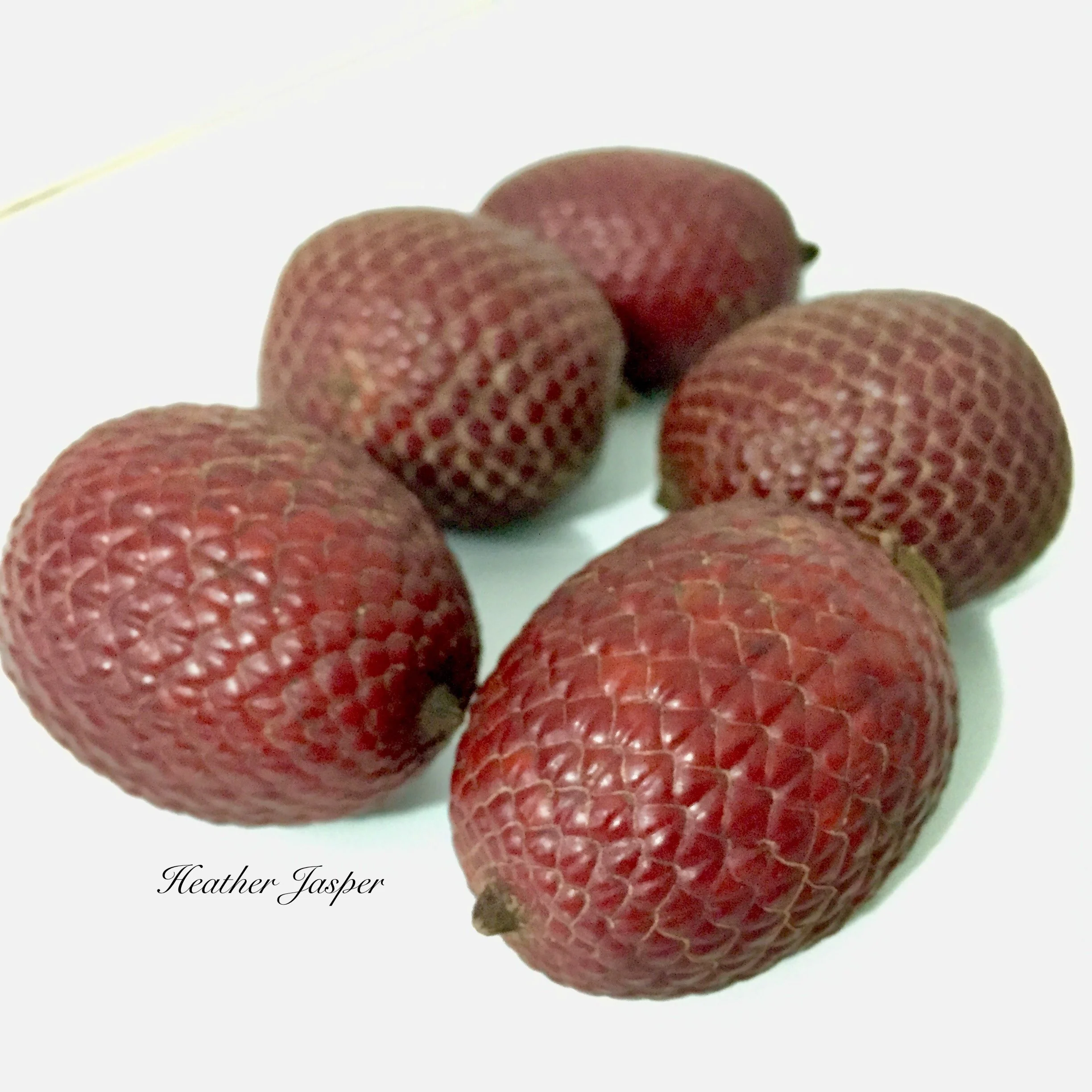

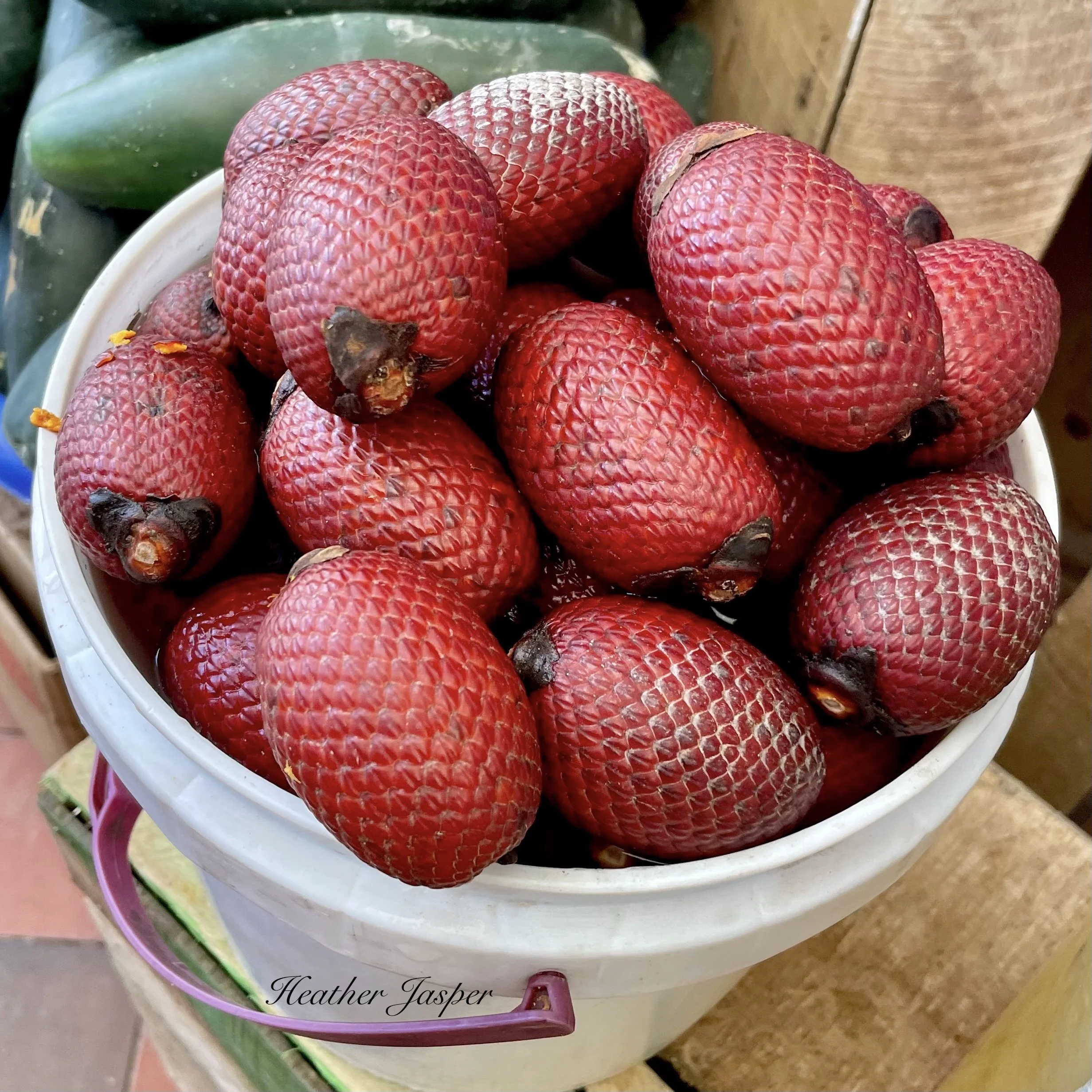
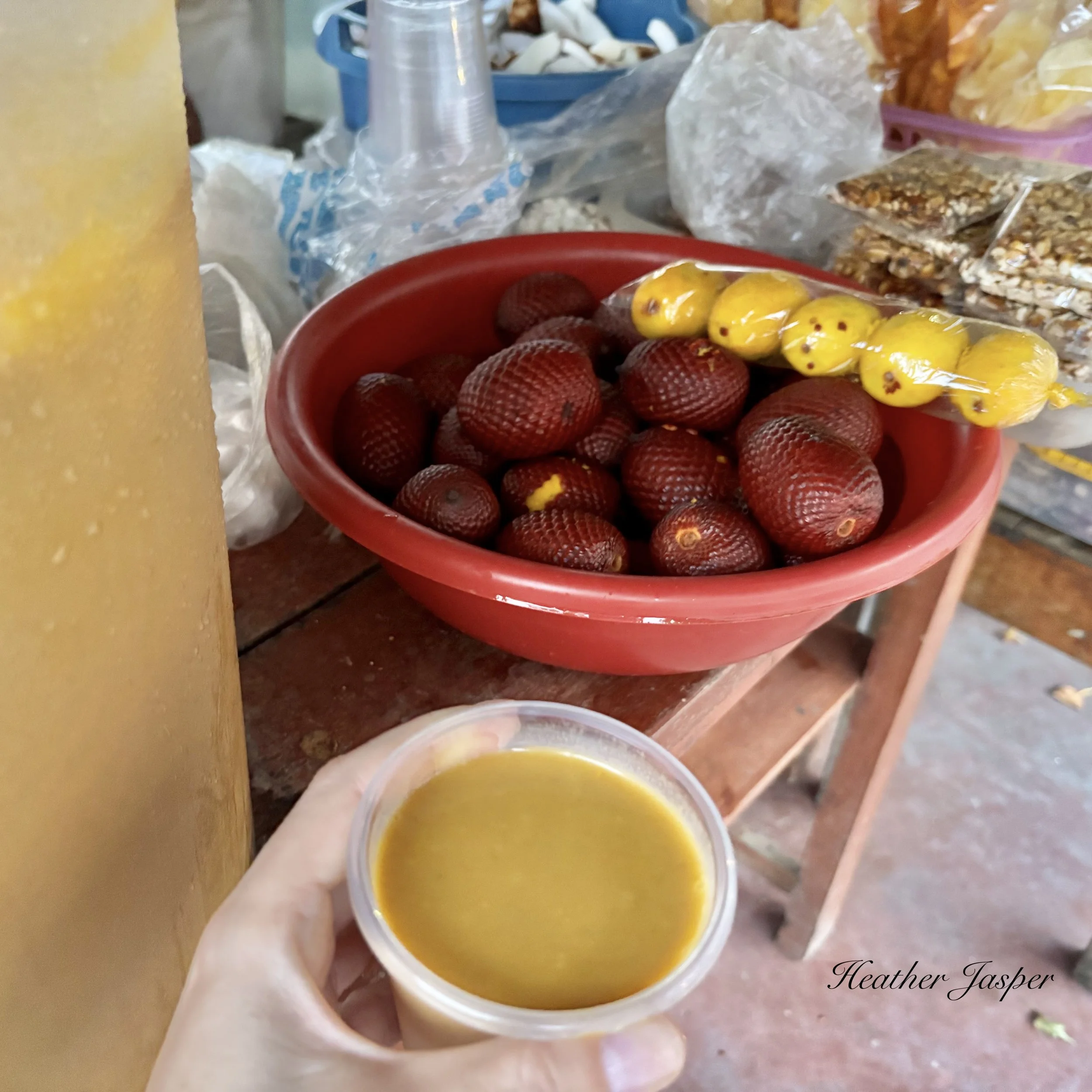
Aguaje fruit, with its hard, red scales, grows on the aguaje palm, which lives in swampy areas of the Peruvian rainforest. It tastes nutty, only a little sweet and is oddly oily. I’ll admit, it’s an acquired taste but many Peruvian women drink aguaje juice to alleviate symptoms of menopause. Peruvians always tell me that the rainforest is the best pharmacy.
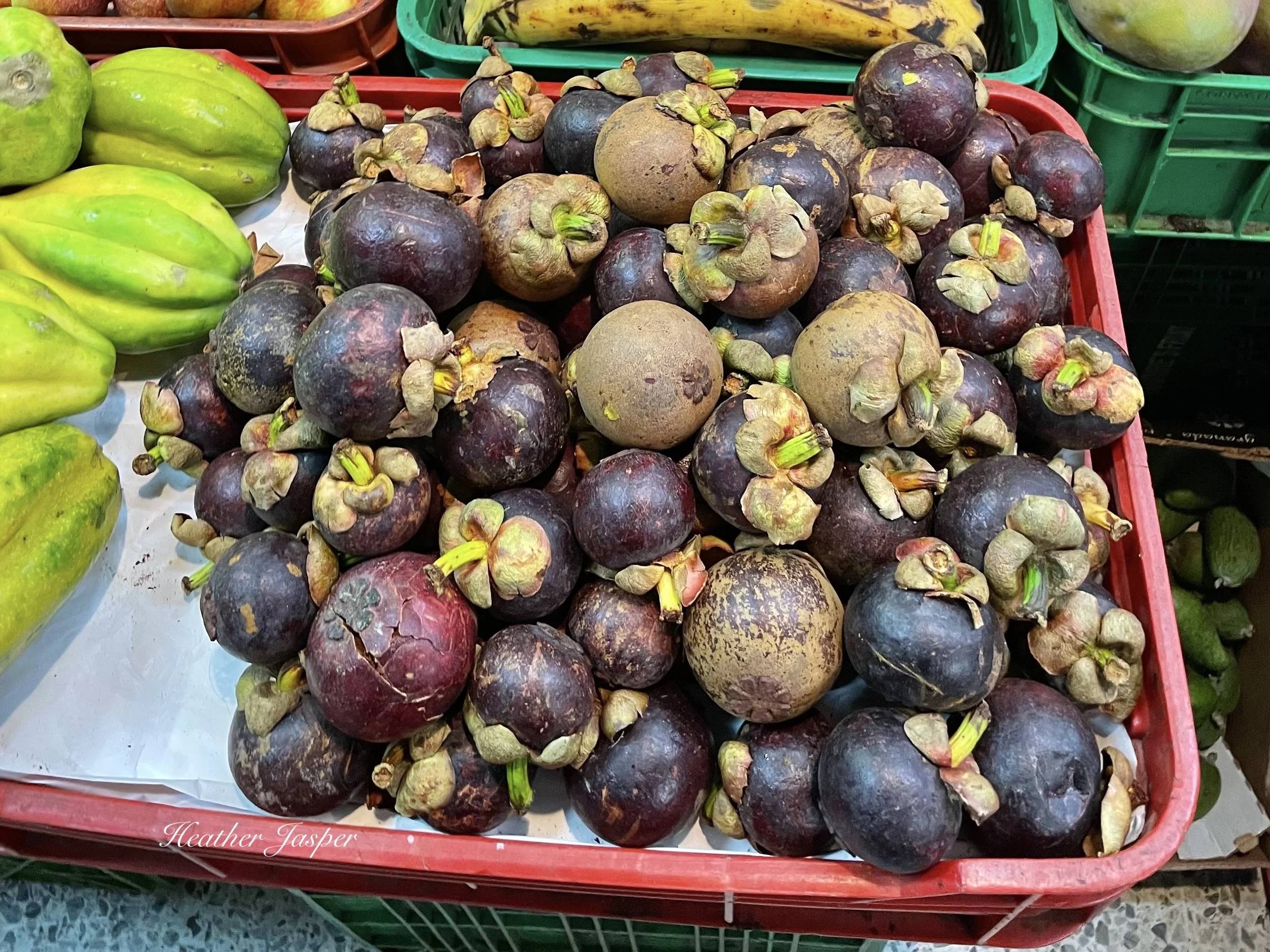
Be careful with mangosteens - they will stain you and everything you touch purple but are so delicious that you won’t mind. I first tried them in Cambodia and found these in the Paloquemao market in Bogotá, the only time I’ve seen them in South America.
You can be a very adventurous eater and never eat meat.
Full disclosure, I’ve vacillated for almost 40 years between vegetarian and pescatarian but never gone full vegan. Still, my most adventurous eating in Peru is vegan. Here are my top three tips for how to be an adventurous vegan eater when traveling.
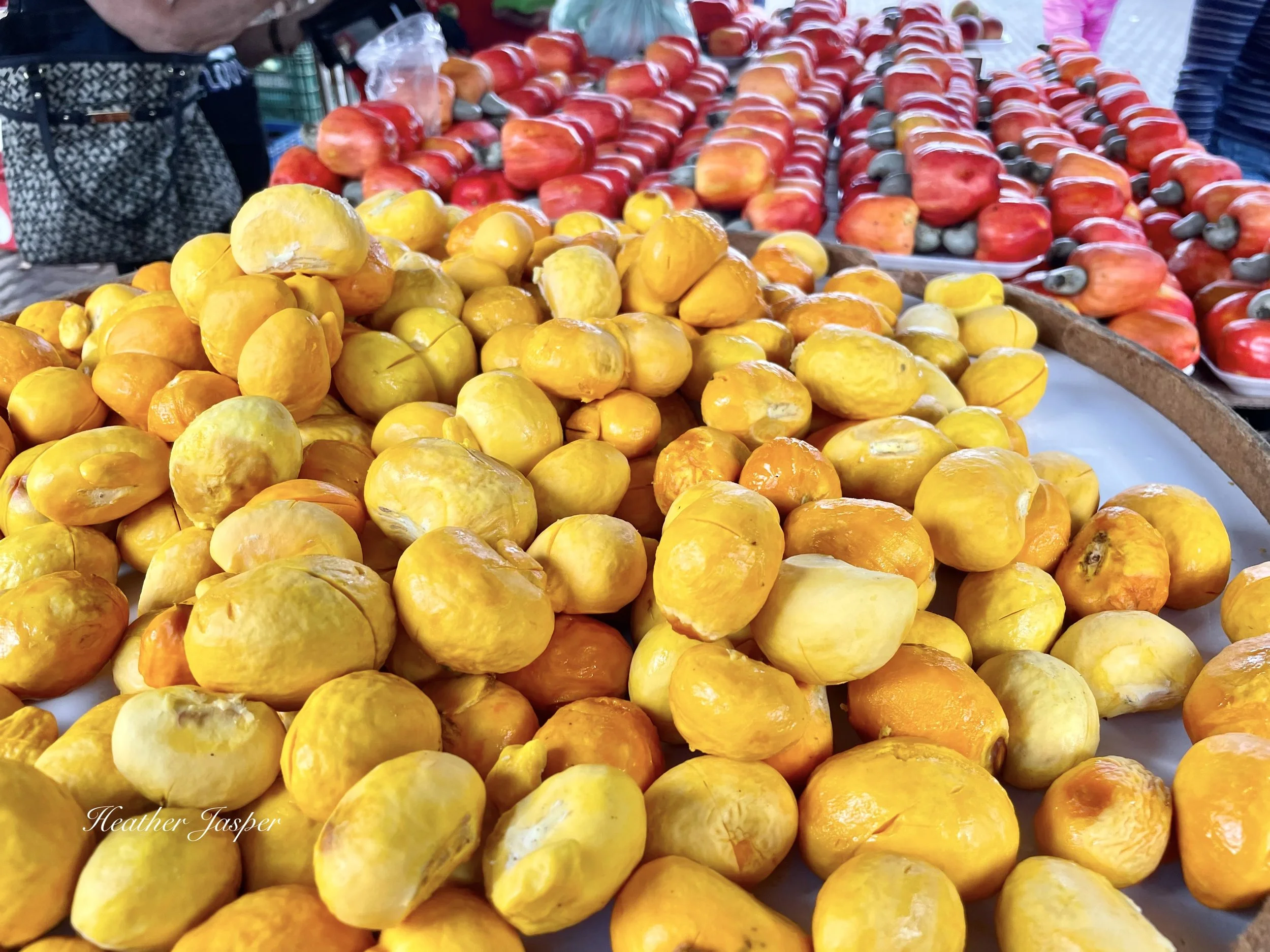
These palm fruits in Brazil smelled sickly sweet, almost like vomit, but cooked with a spicy sauce they were delicious. In the background are cashew fruits, with the cashew nut green and raw. I made the mistake of trying to eat a raw, green cashew, which I regretted immediately. Unless cooked, cashews have one of the active ingredients of poison ivy and my mouth was on fire for hours.
Top 3 tips for eating on the vegan wild side.
1. Go to the market
The markets I’ve seen, from South America to North Africa to Europe to Asia usually divide fruit and vegetable sections away from meat, so you can explore and buy everything that’s unfamiliar without being confronted by hanging carcasses.
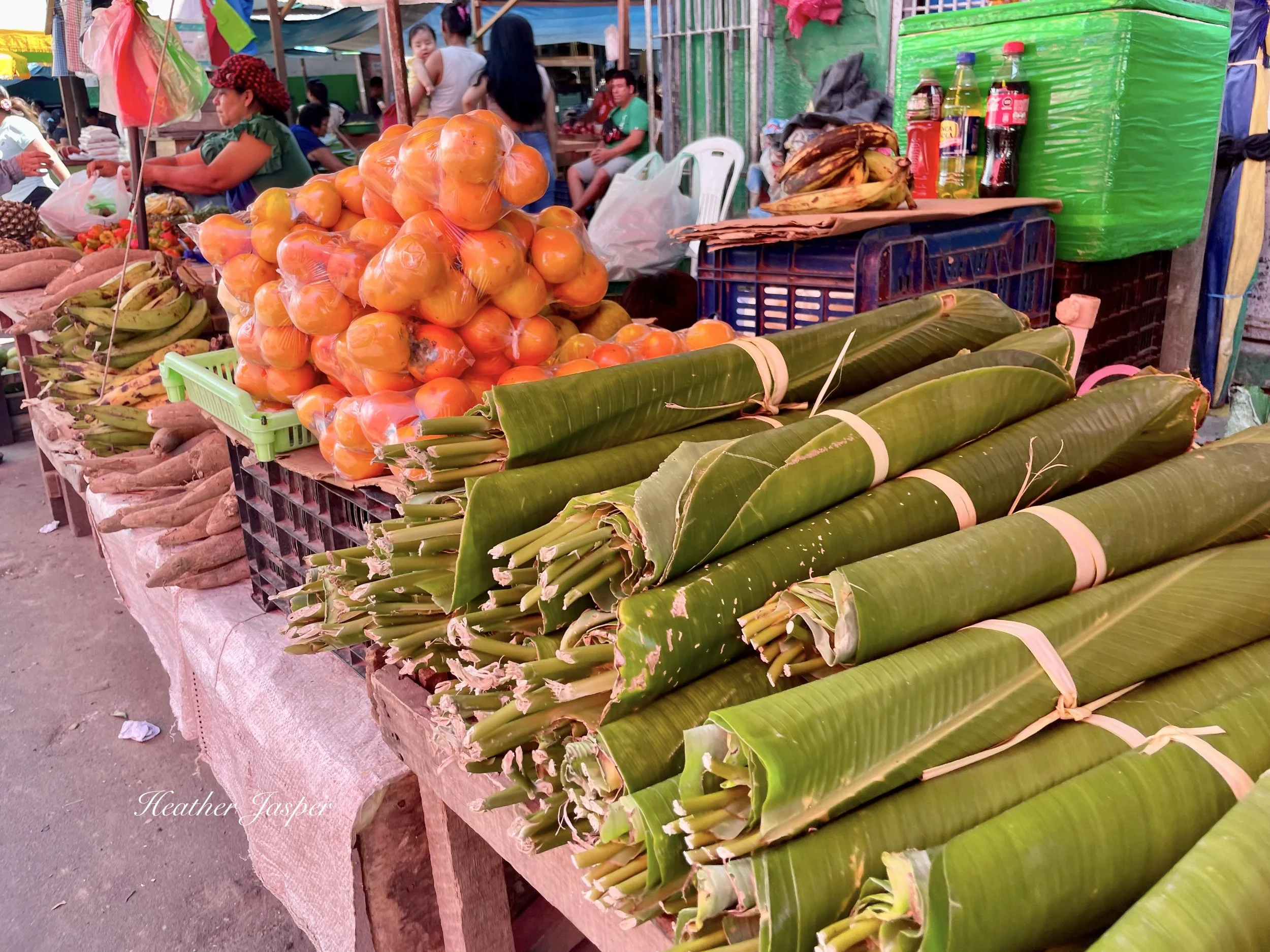
These bijao leaves at the Iquitos Belén market are used in traditional cooking to wrap food before it’s boiled or steamed. The orange fruits are cocona, a relative of the tomato that’s used in savory dishes or to make a sweet drink.
You don’t always have to buy at markets. Sometimes I’m only in a city for a few hours or am leaving soon and couldn’t possibly buy a kilo of anything. Ask if you can buy just one and eat it there. This works better if it’s something you can peel, since markets are often too unhygienic to just eat raw fruit without peeling or washing it. Always ask if you can take photos, especially if you want the vendors in the shot.
2. Stay in a hostel or apartment with a kitchen
My first trip in Asia, I was visiting my friend Anisa who lived in Phnom Penh, Cambodia. On my first day, she took me to the market and bought me all the fruits I’d never seen before. It took a few days to eat it all and I loved having a kitchen to spread out all the things we’d found that were unfamiliar to me.
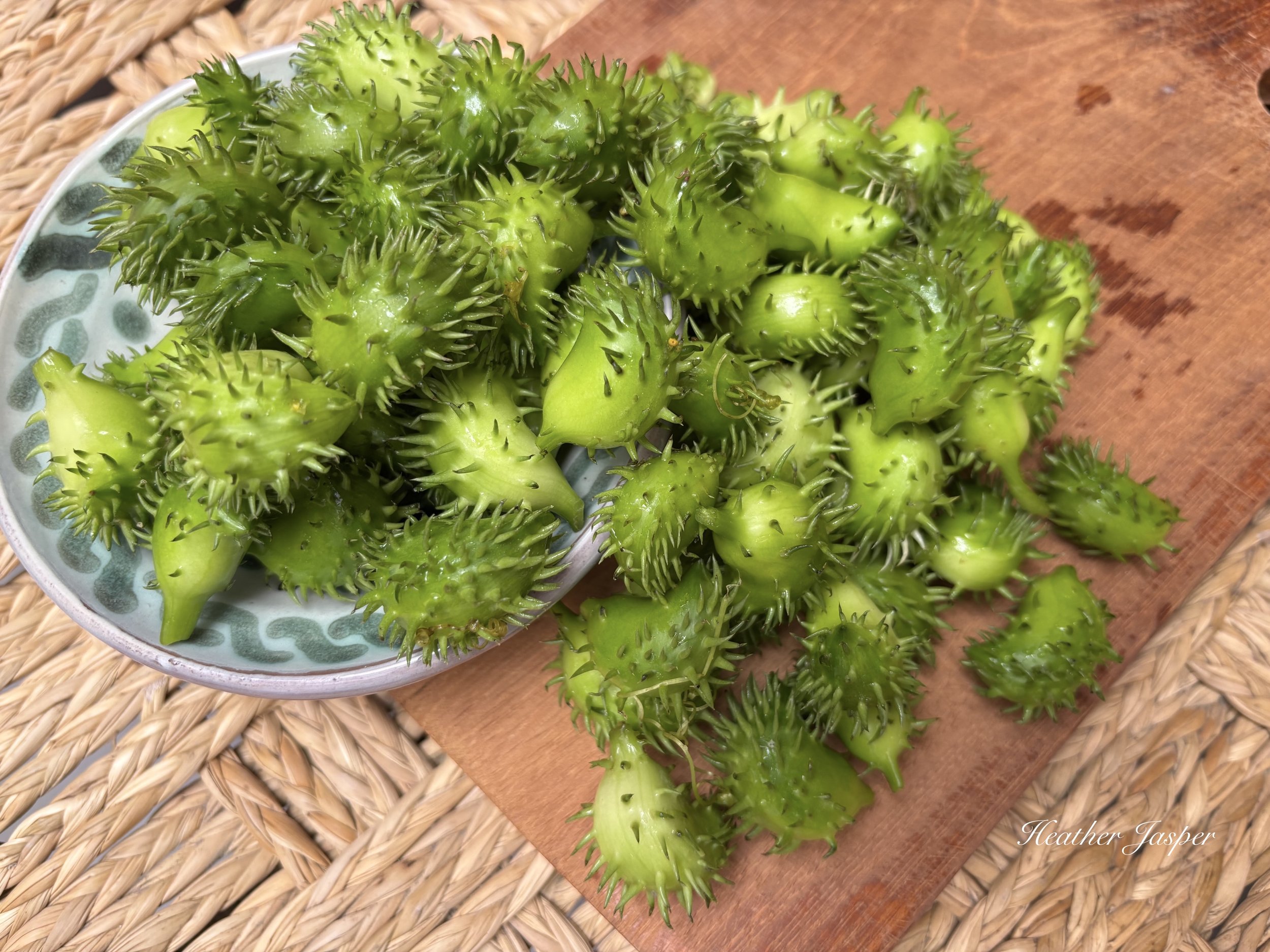
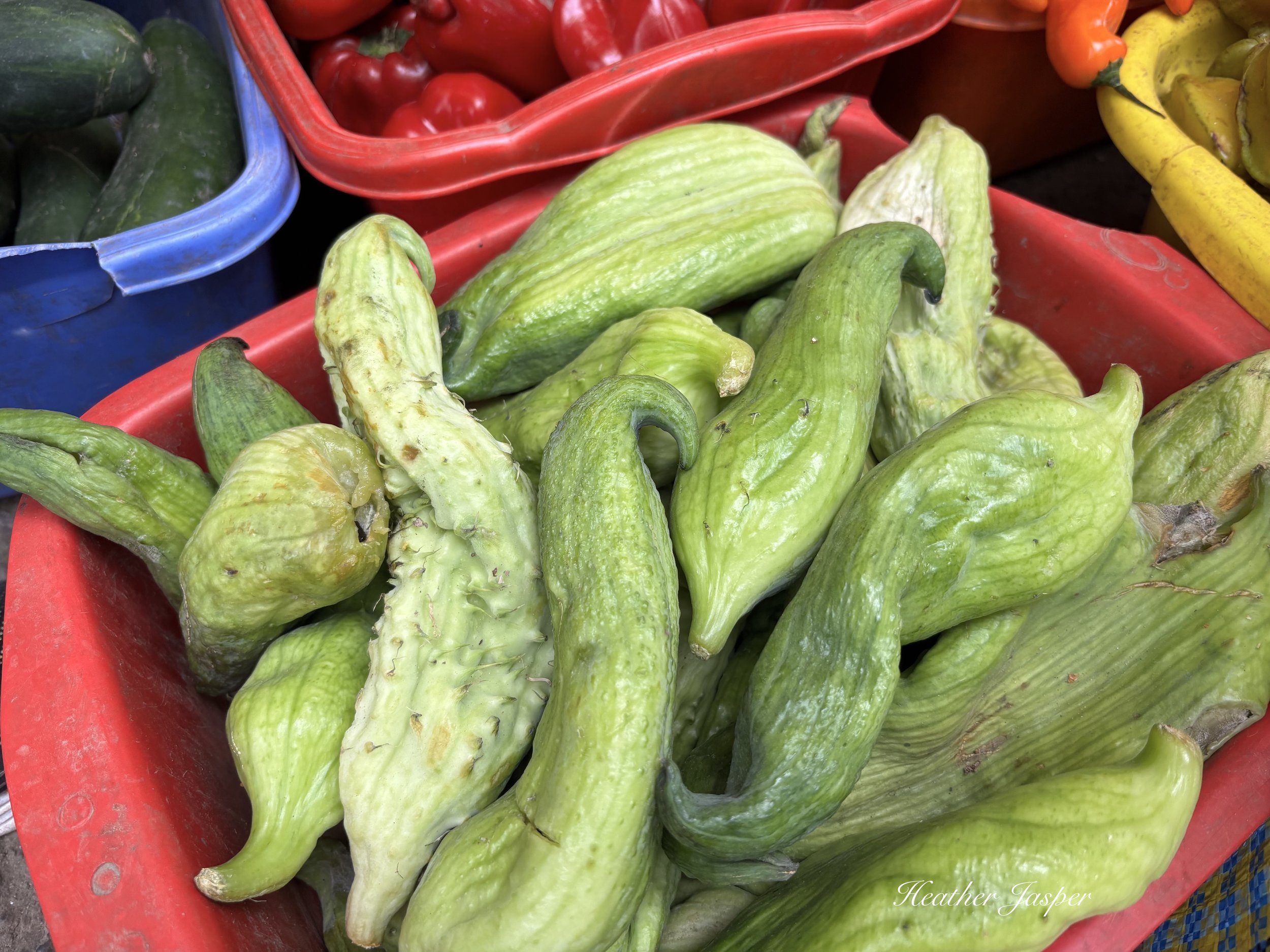
I’ve seen stuffed caigua (above, right) on the menu at lots of restaurants in Peru. However, I had to ask what the one on the top left was and almost didn’t believe it’s a wild caigua. When I opened them, the seeds look the same, but the wild ones pop open when a knife starts to pierce the outside and the seeds spray all over the place. Only buy these if somebody else will clean up the kitchen for you.
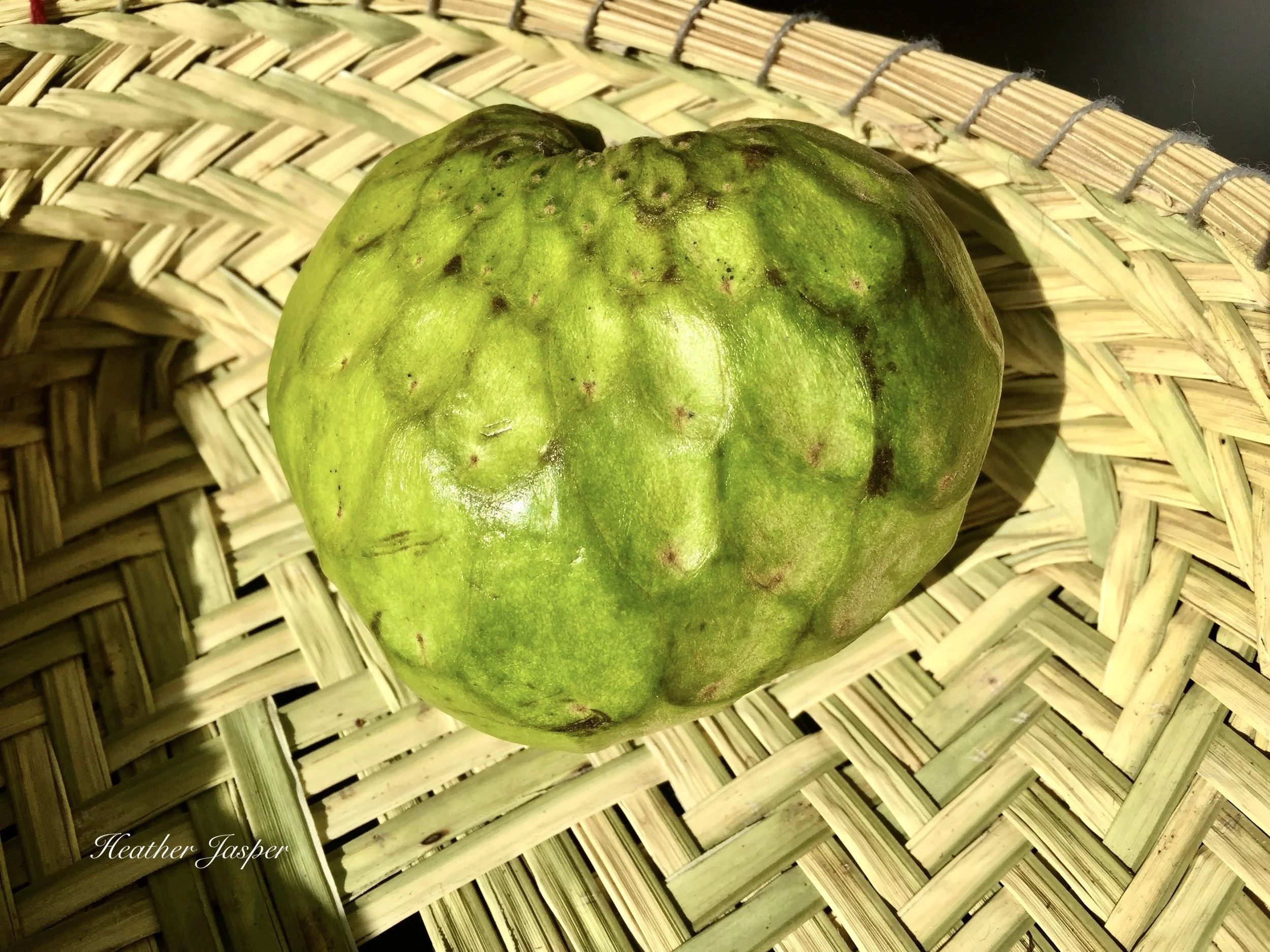
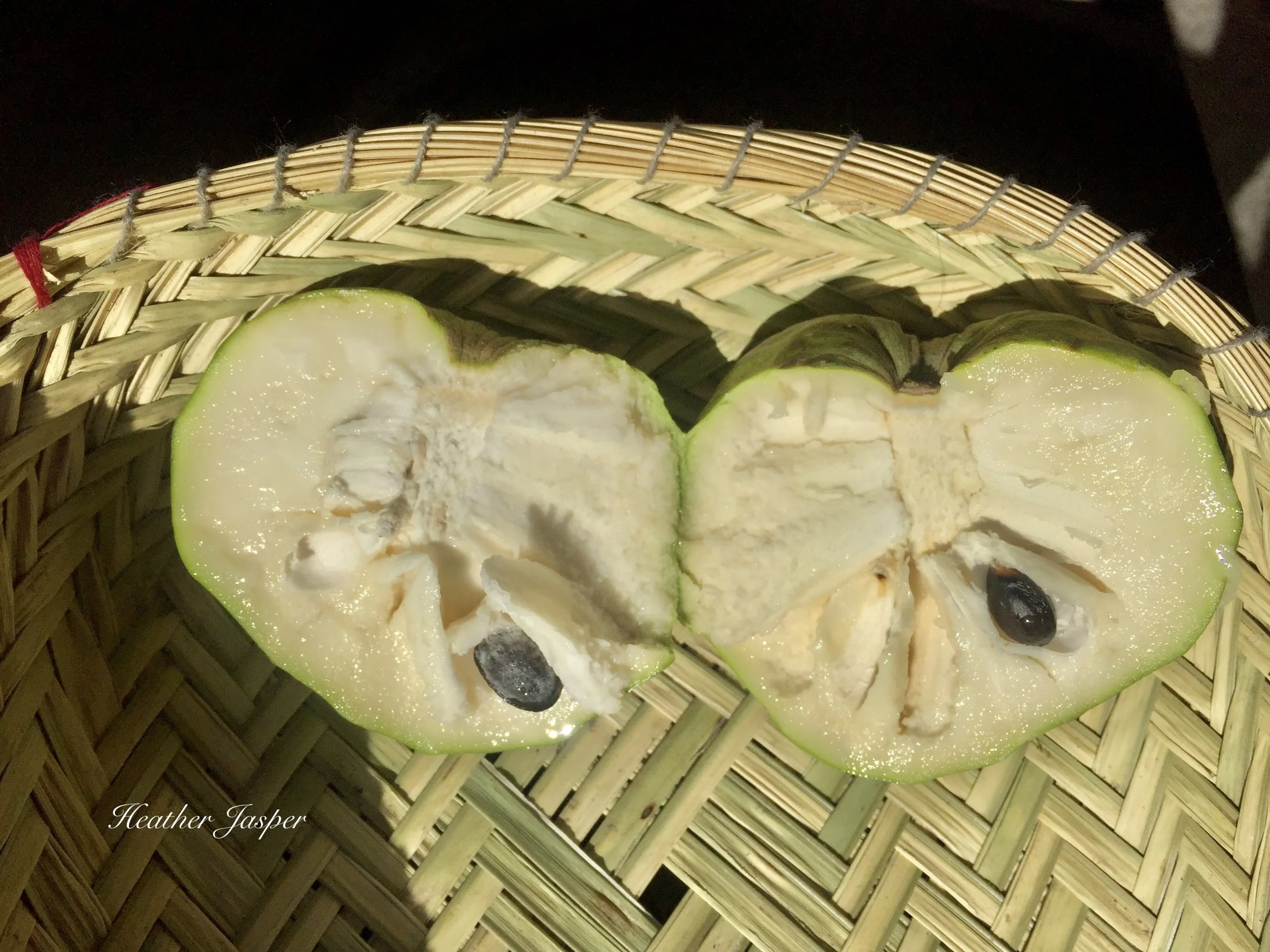
My favorite fruit in Peru is the chirimoya, which has a soft, thin peel of green scales. The fruit tastes like very ripe pear drizzled with honey.
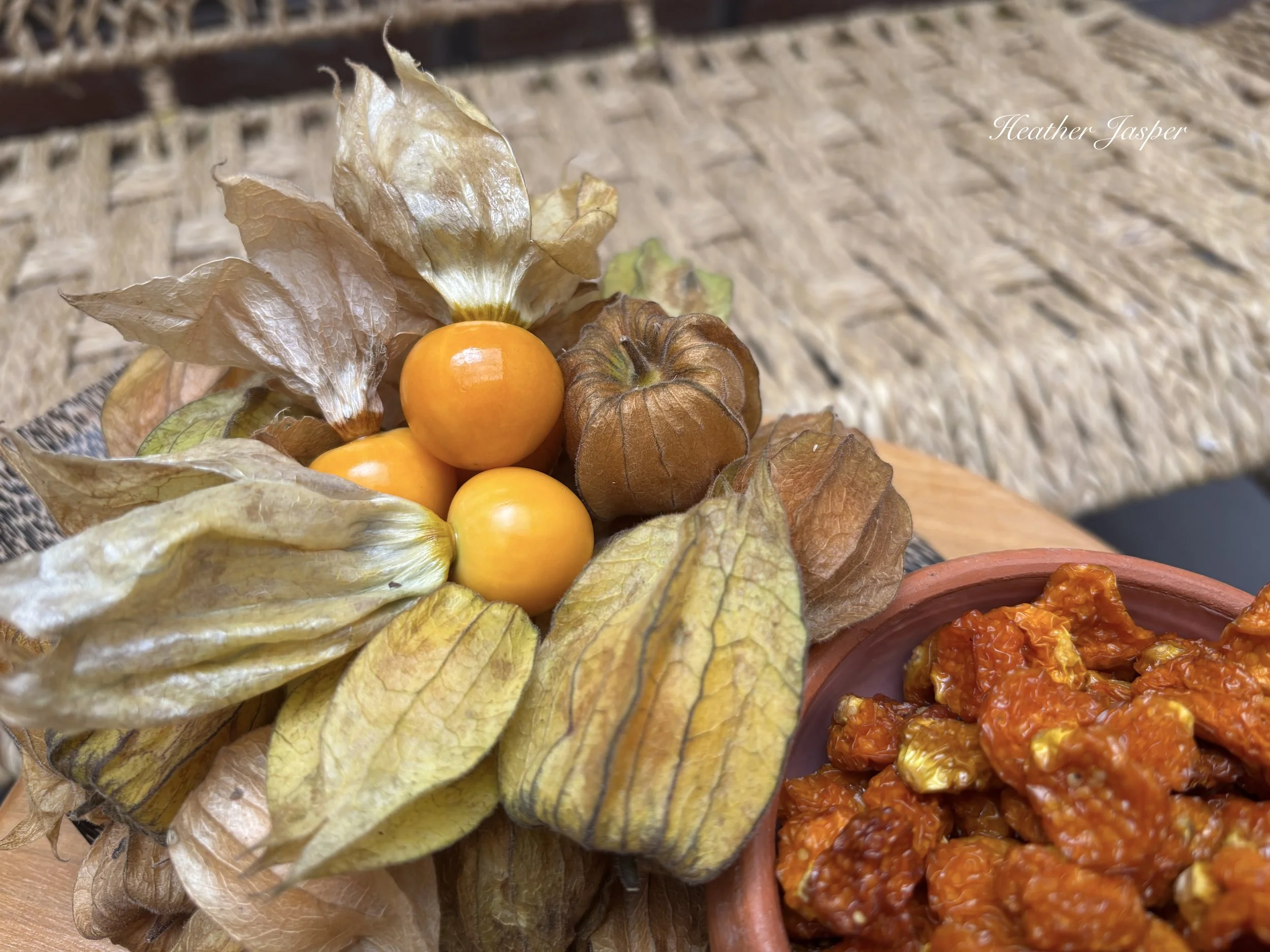
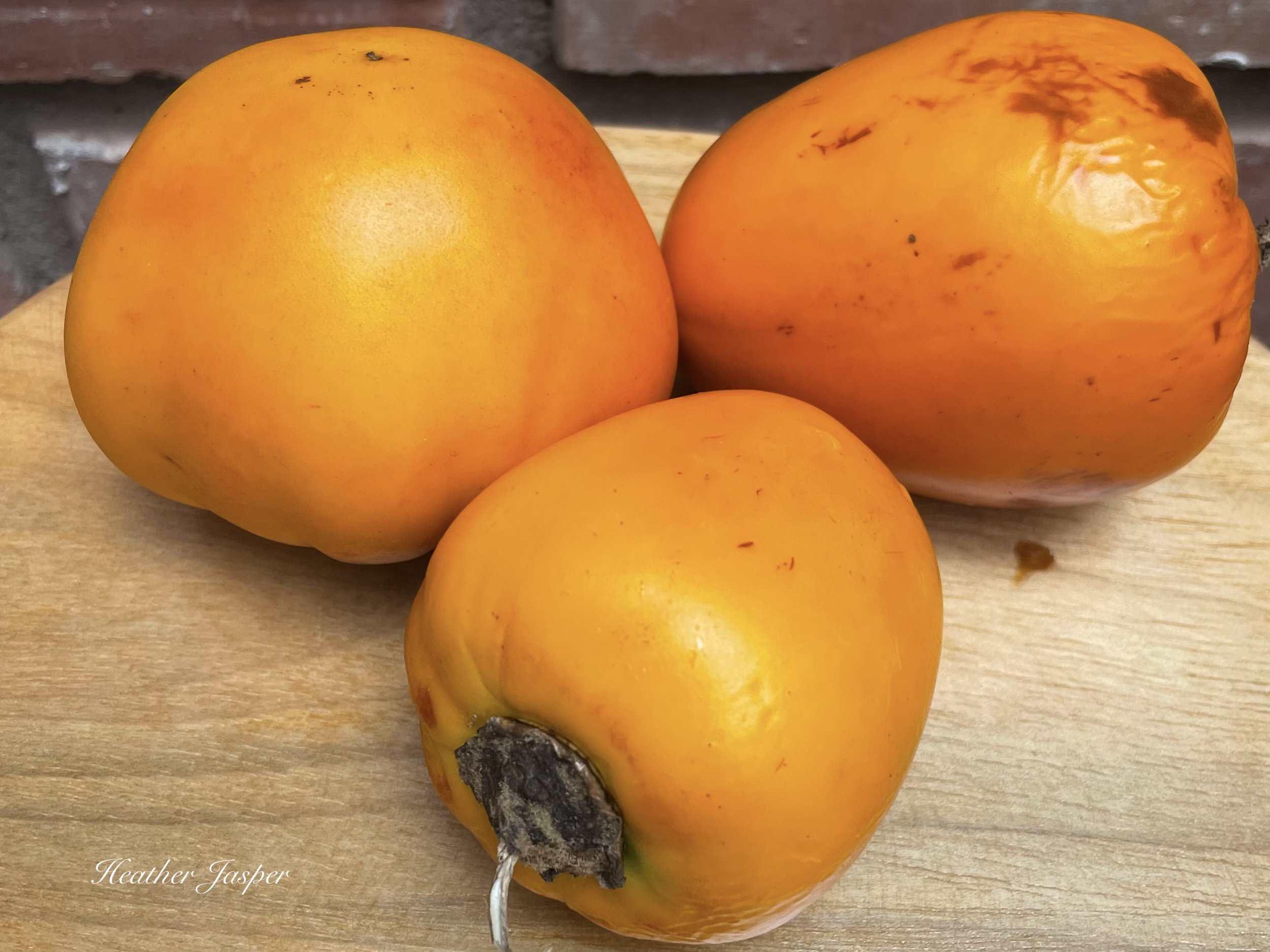
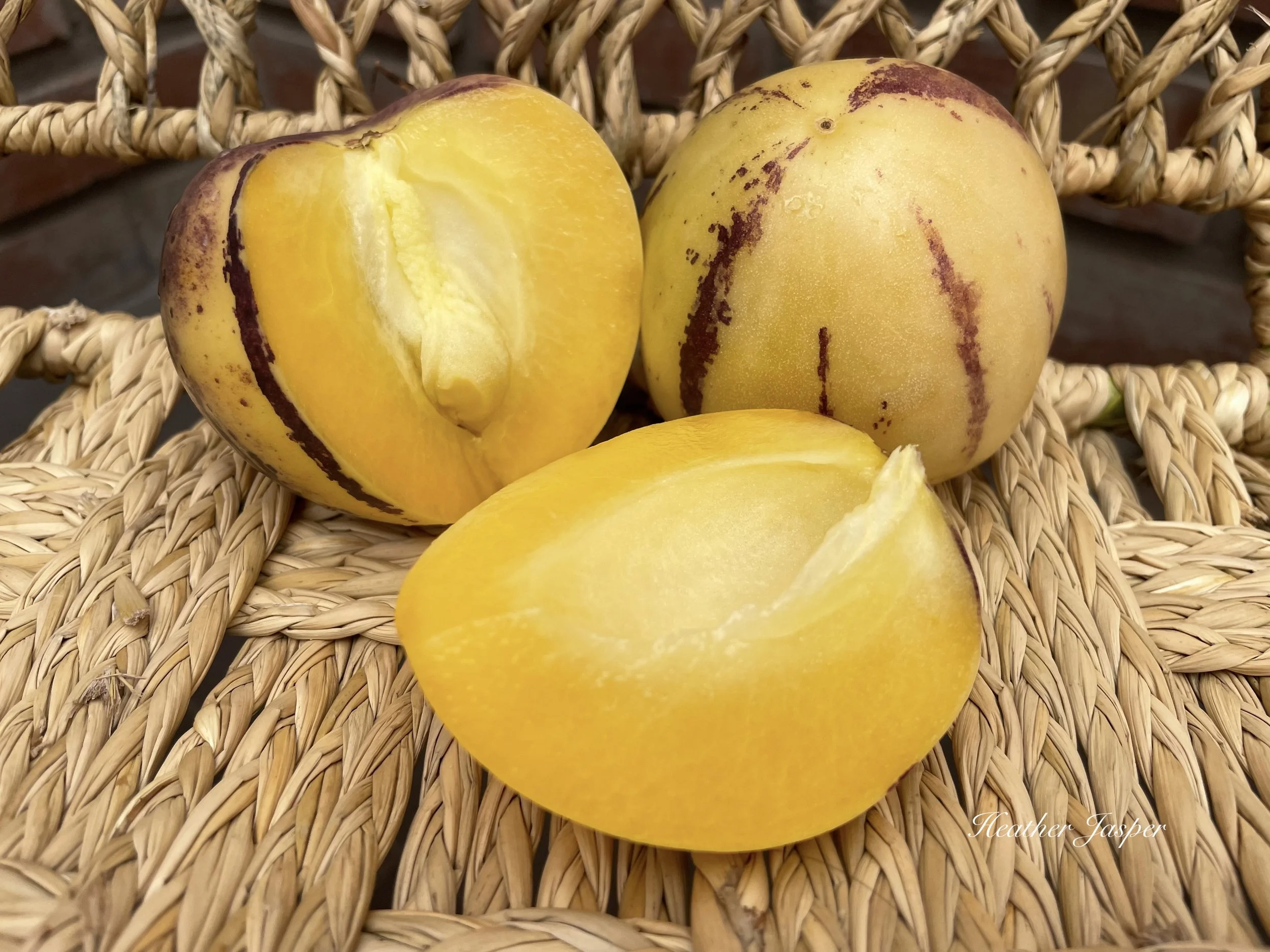
The three fruits above are all related to the tomato, and the plants look like tomato plants, but they have very different flavors. Aguaymanto is sweet and sour and it’s delicious fresh or dried. Cocona is used to make spicy salads or sweet juice. Pepino dulce tastes a bit like honeydew melon and the skin is thick enough that it’s better peeled.
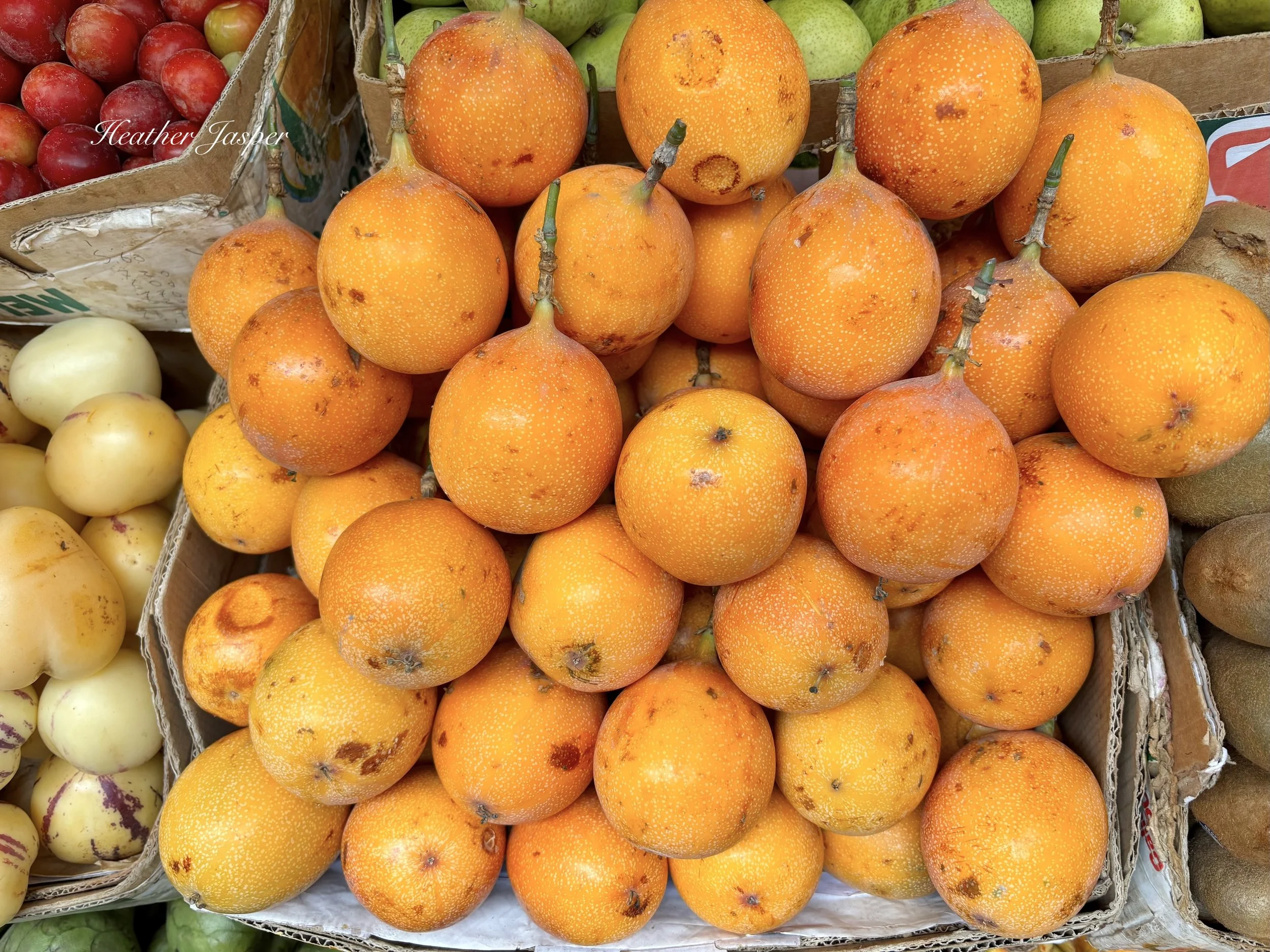
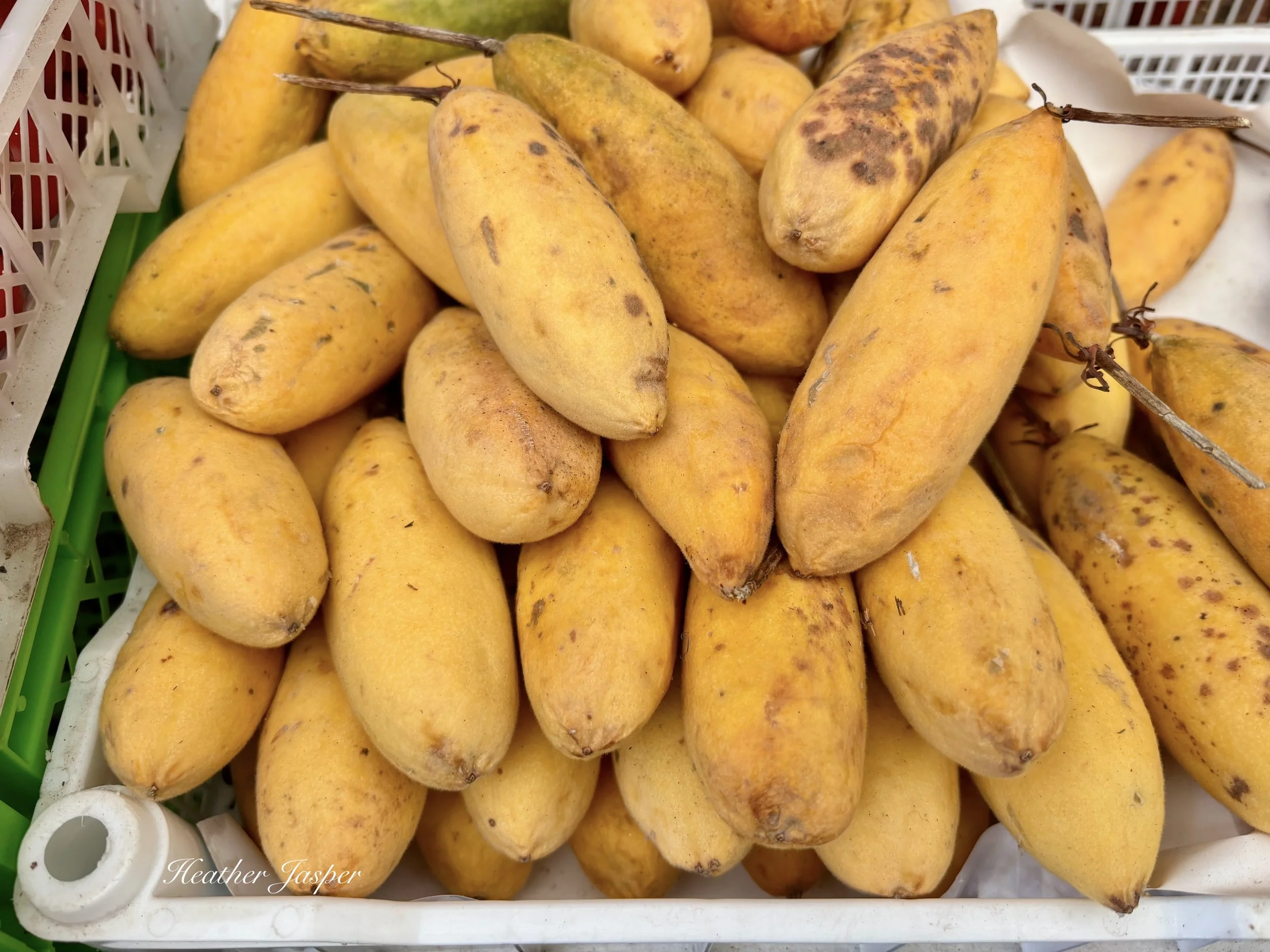
Peru has dozens of relatives of the passion fruit, all with striking flowers. Granadilla has a hard peel, like an eggshell and the seeds inside are sweet but with a mild flavor and the texture is a bit like large fish eggs. Tumbo are soft and the juice around the seeds is much more acidic. It was used to make ceviche before the Spanish imported limes from Asia and changes the flavor of ceviche forever.
3. Go on farm tours and homestays in rural areas
My first homestay in Borneo included an activity called “pakis hunting.” I explained I was vegetarian and my host family enthusiastically told me I’d love pakis, though they still didn’t tell me what it was. After boating along the river for a while, we stopped where I was assured there would be plenty of pakis. They gave me a machete and led me to a dense area of jungle where they showed me how to hack off the tightly curled new leaves from a giant fern called pakis. My family sautéed them with soy sauce and served them with noodles for dinner - they were delicious. Hacking my way through Borneo’s rainforest with a machete, hunting ferns, is still my favorite memory of my trips to the island.
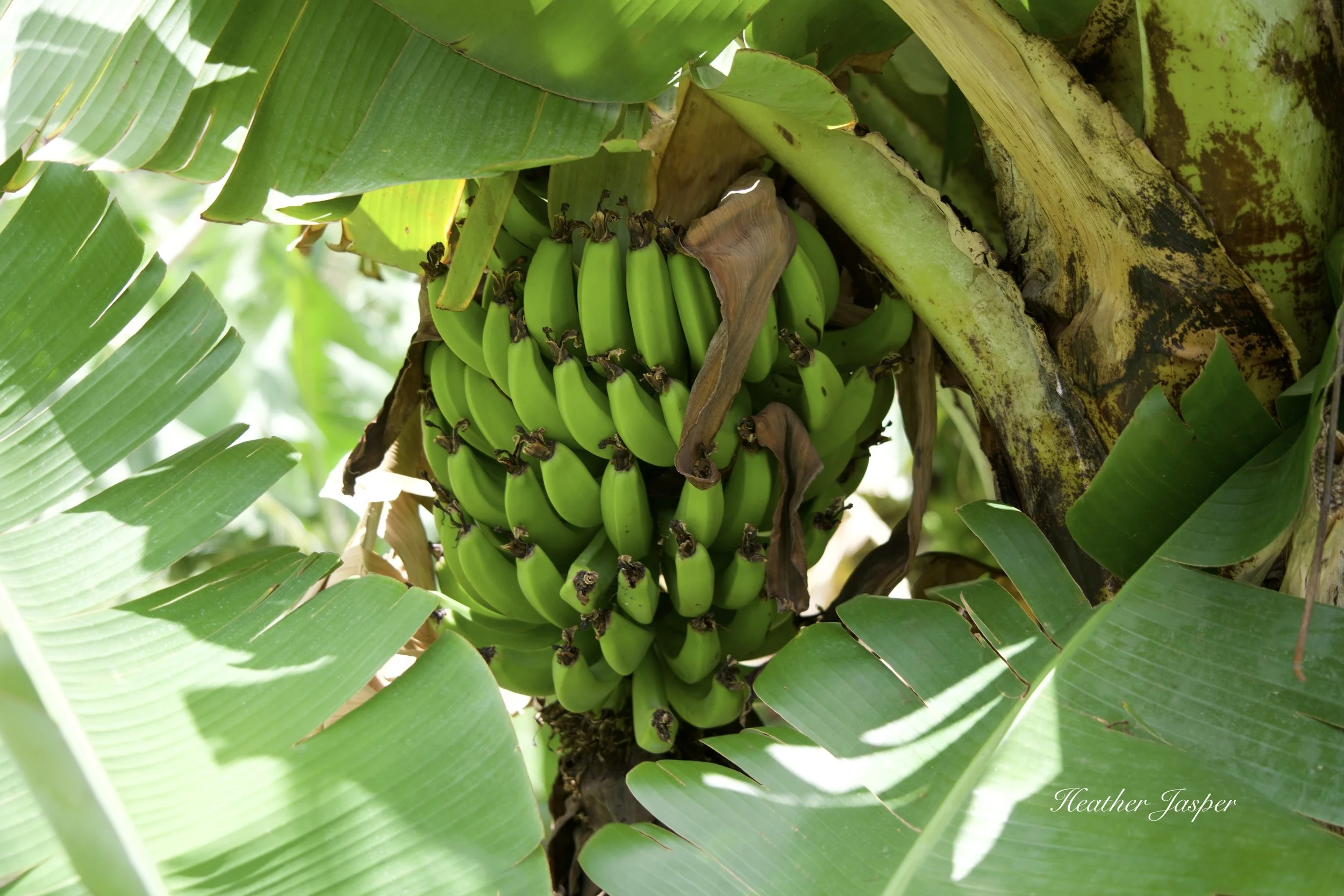
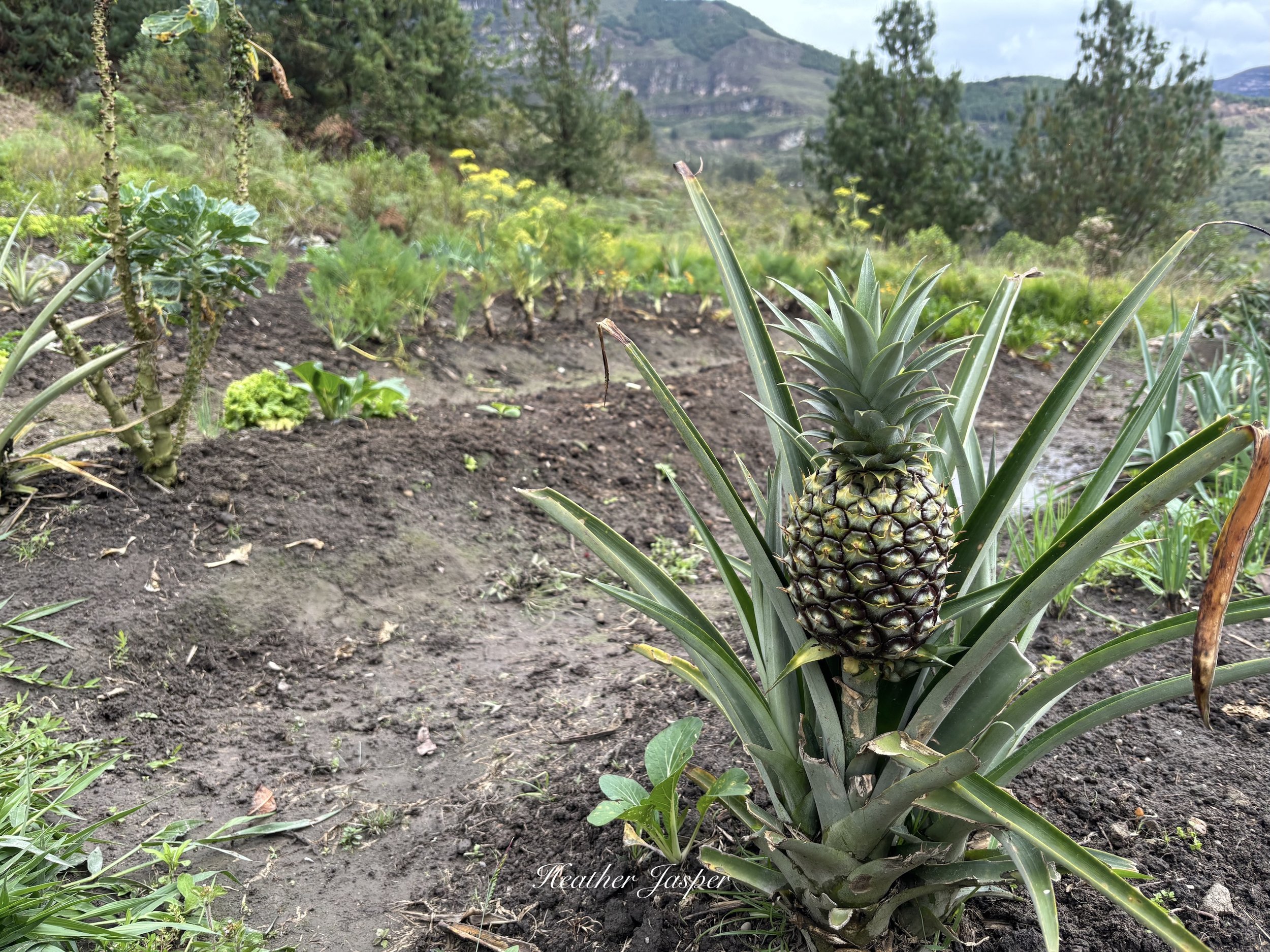
Lots of rural homestays are with families who are farmers or grow food for their own use. Look for community tourism projects and places like GoctaLab, which has a garden for everything from pineapples (above) to coffee, plus a mycology lab.
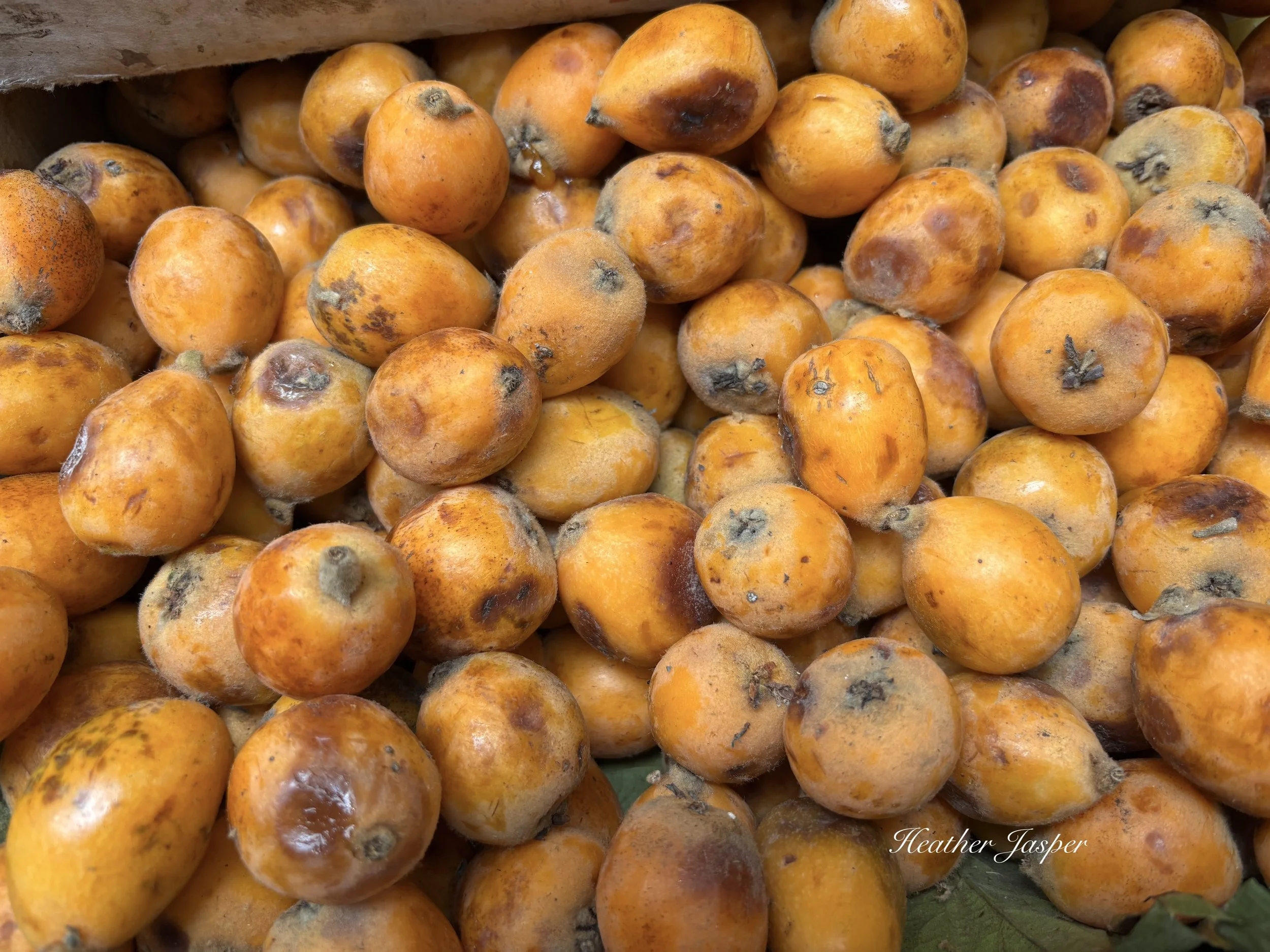
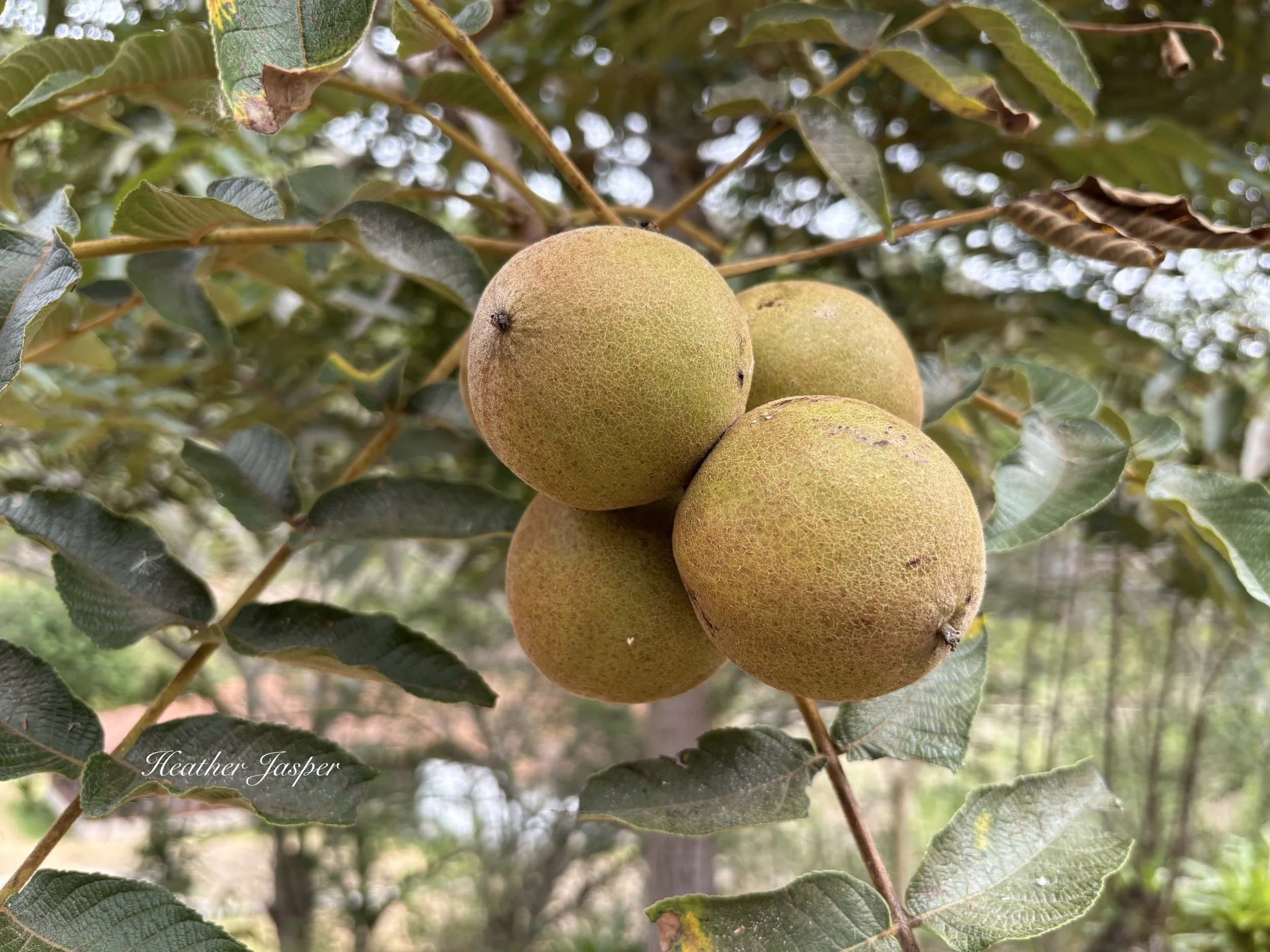
Even after six years in Cusco, I still find fruits that I don’t know. Somehow these photos made it home without notes, so I hope one of my readers can tell me what these are! The only hints I can give are the one on the left was in a market in Cusco and the one on the right was on a tree near Gocta Falls.
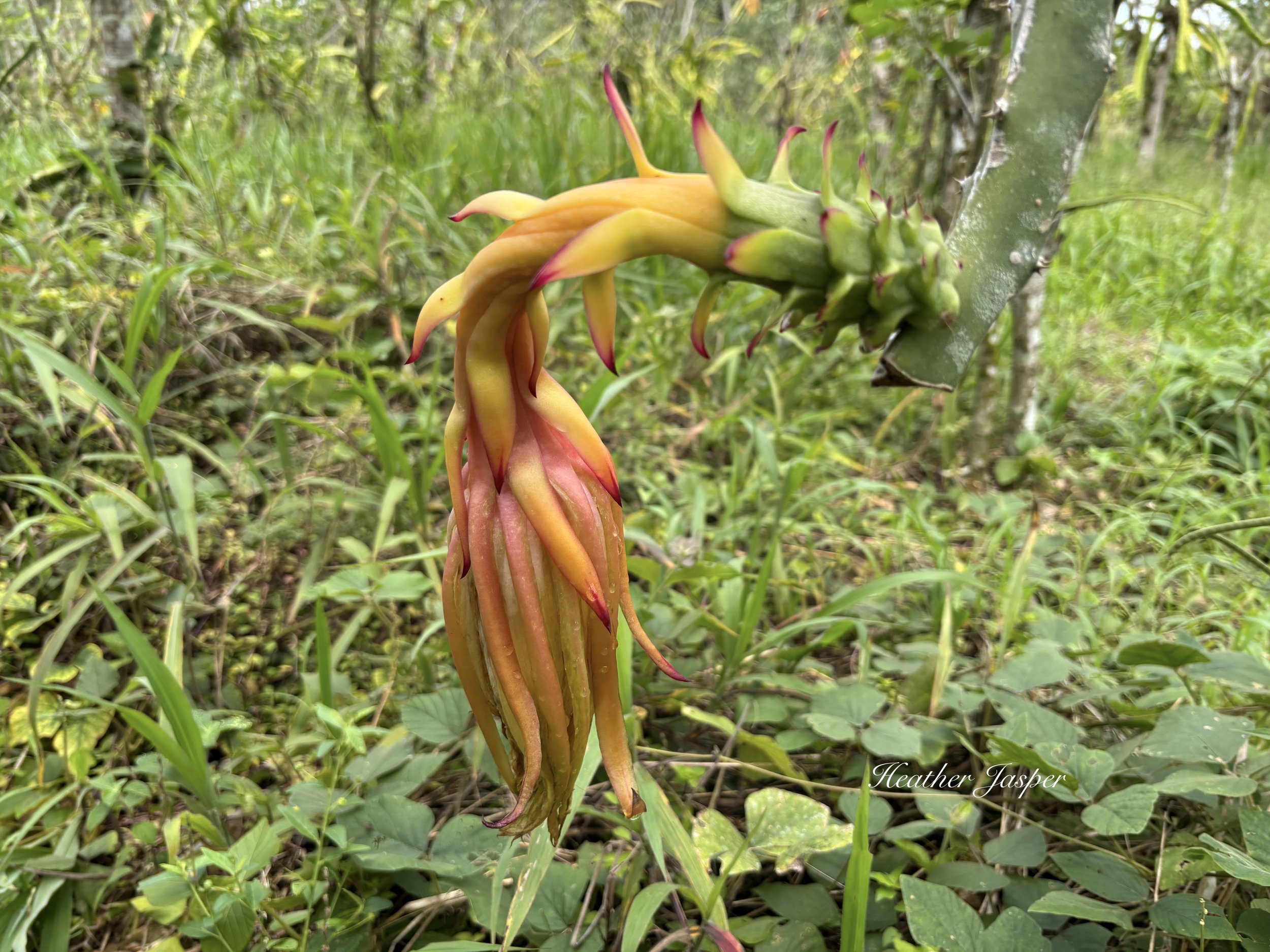
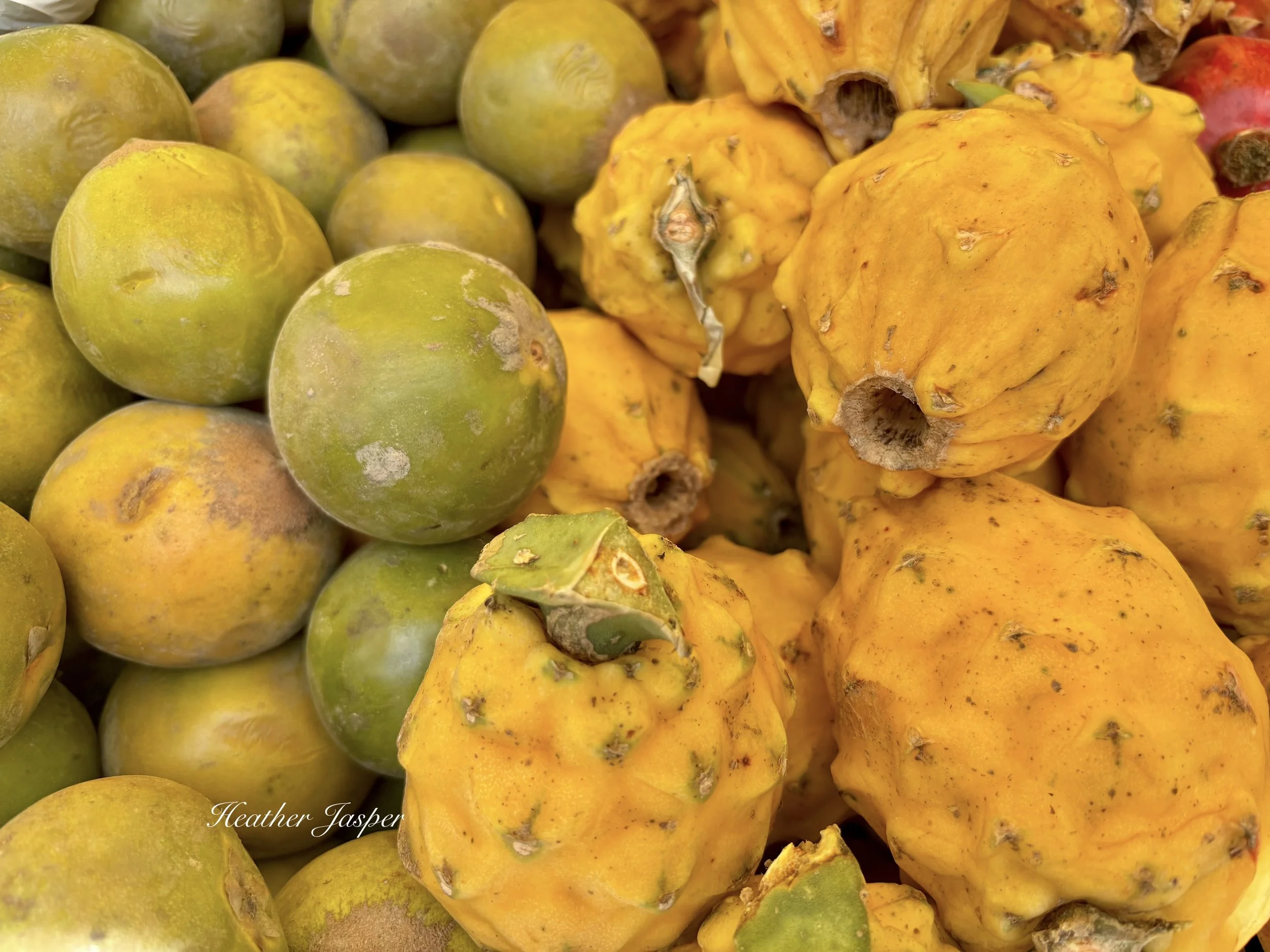
Pitahaya are one of the oddest fruits in a long list of odd fruits. They grow on a cactus that lives in the rainforest. (Did you know there were cactus that live in the rainforest?) The flowers bloom at night and are only pollinated by bats. The fruit is white with tiny black seeds like kiwi and it’s very sweet like watermelon. Be careful to not eat more than one, because they’re used as a cure for constipation.
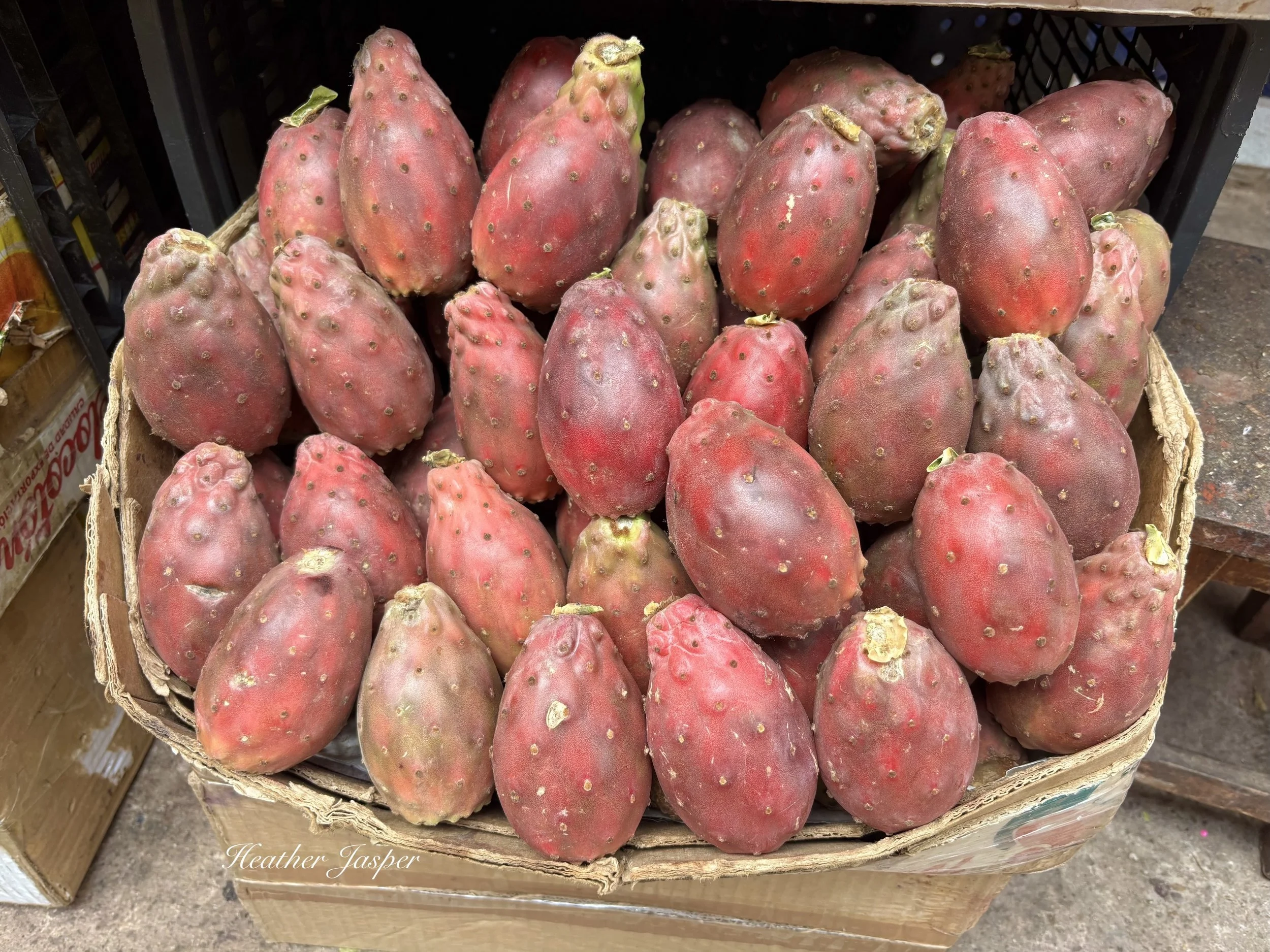
If somebody offers you tuna in South America, don’t expect fish. It’s a sweet cactus fruit. (The fish is atún).
Bonus Tip from Shivya Nath
Download the Happy Cow app to find vegan restaurants. Shivya used the app while she was in Peru and said it gave her great recommendations. Check out her travel blog The Shooting Star for more vegan travels and sustainable travel tips.
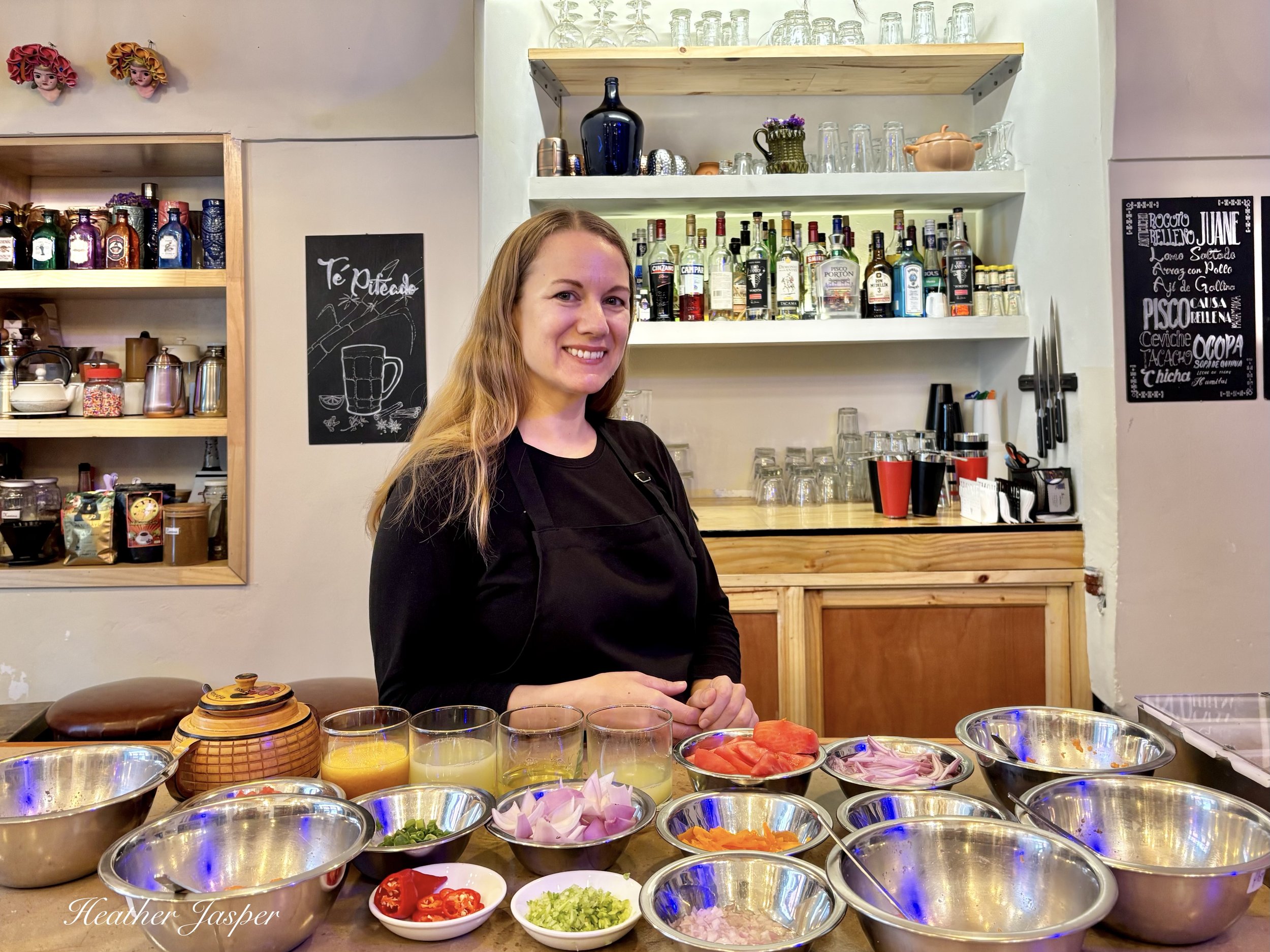
Extra bonus tip: Take cooking classes!
Marcelo Batata Cooking Class
Cusco Gastronomic Tours
Peruvian Cooking Class
Here are my three favorite food blogs from Cusco about three cooking classes I did here recently. All started out with tasting local fruits that are unfamiliar to most tourists, which was a lot of fun. I’m headed back to Lima next week, so I plan to have more about food for you in the next newsletter and I’ll tell you why Lima is one of the top three cities in the world for foodies.