Travel Tip 140
How to book group tours
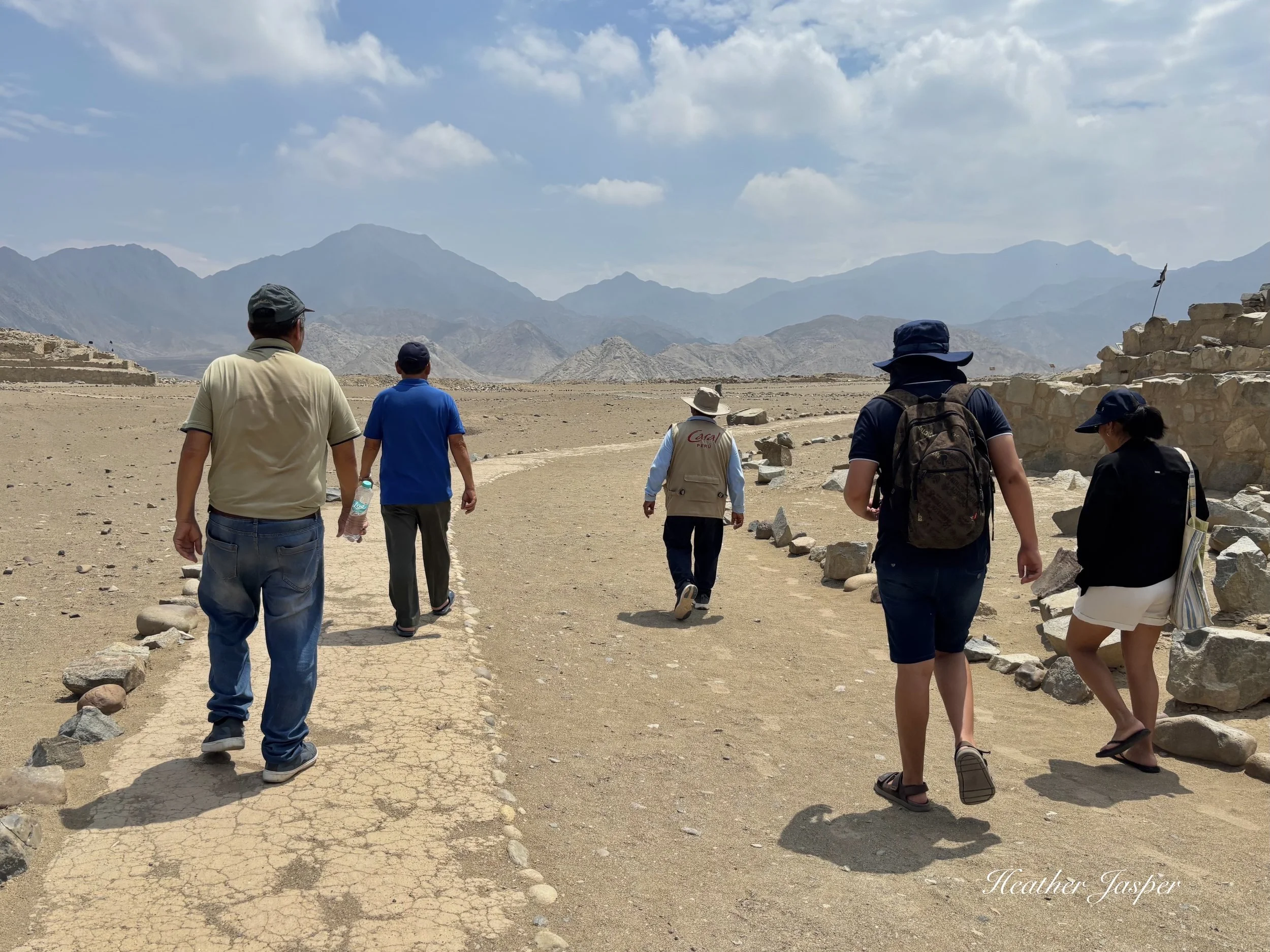
Caral is best with a group tour - and its desert is the perfect escape from Cusco’s rainy season.
It’s that time of year again: the summer rains have arrived.
In February, roads and bridges are washed out across the Andes. I avoid traveling by road and going anywhere alone. This is also the time of year when I wait for a sunny morning to do laundry because my clothes will smell musty before they dry if I do laundry on a rainy day. I have a covered patio to hang clothes, but nothing dries when it pours for days on end. When I need a break from the rain, I head to the coast.
So, this week I went to Caral, the oldest city in the Americas and one of the oldest in the world.
Caral was built about 5,000 years ago and Peru’s coastal desert has preserved it perfectly. Unfortunately, visiting on my own was not easy. The roads to get there are barely signed and very rough. This is one of the places that it’s much easier to visit with a group tour.
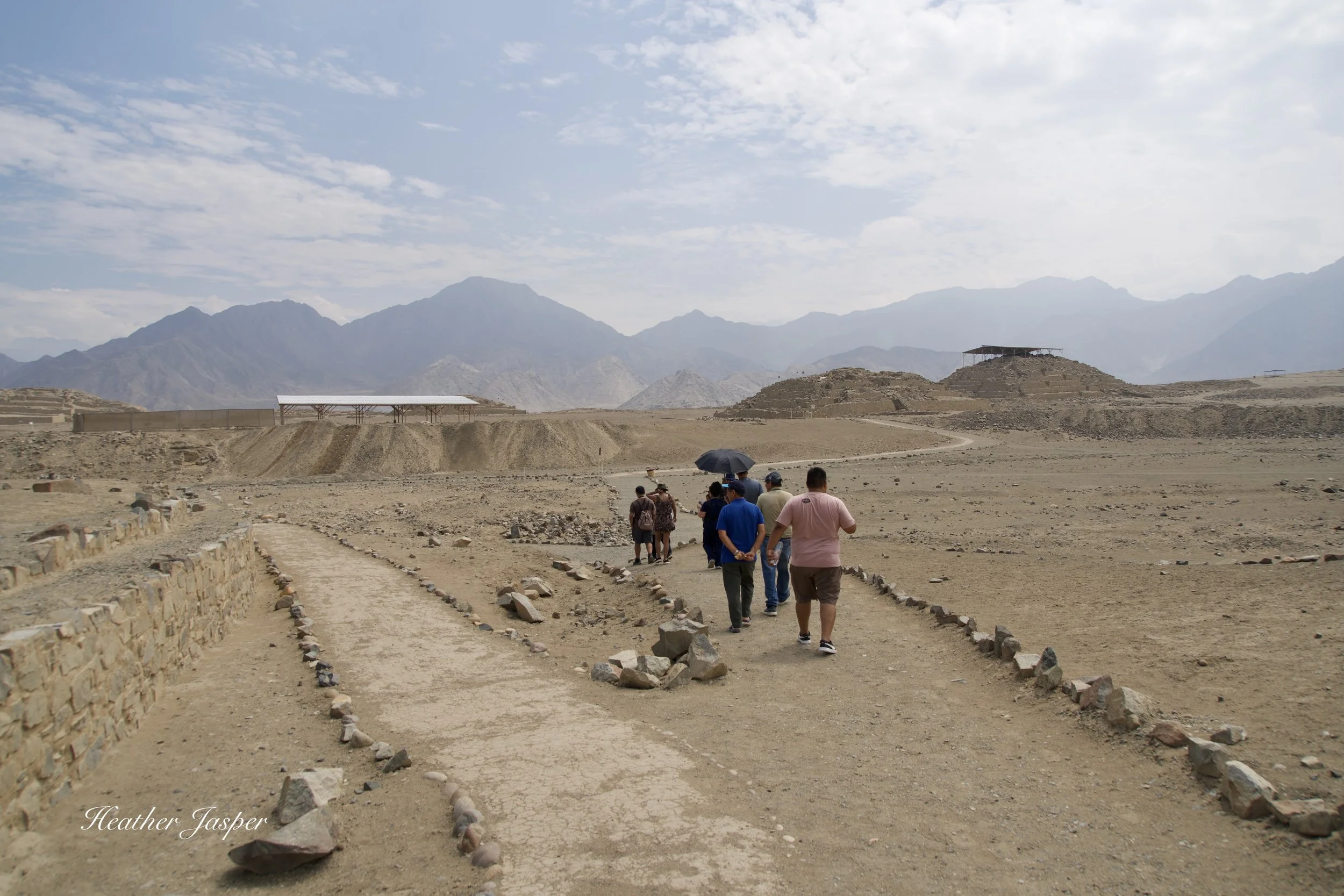
I appreciated my group’s questions about Caral because there’s just so much to learn about the ancient city.
I highly recommend group tours of Caral.
Getting there was okay on my own, but Caral is not yet developed for international tourism. Guides only speak Spanish and Quechua, so if you need another language, you’ll have to bring another guide with you to translate what the Caral guide says. Signs at the entrance are in Spanish only. I was glad other people were visiting that morning so I could join the group. They were all Peruvians and asked a lot of questions that I wouldn’t have thought of.
Whether you’re considering visiting Caral or a group tour anywhere else, here are the ten most important questions you need to ask.
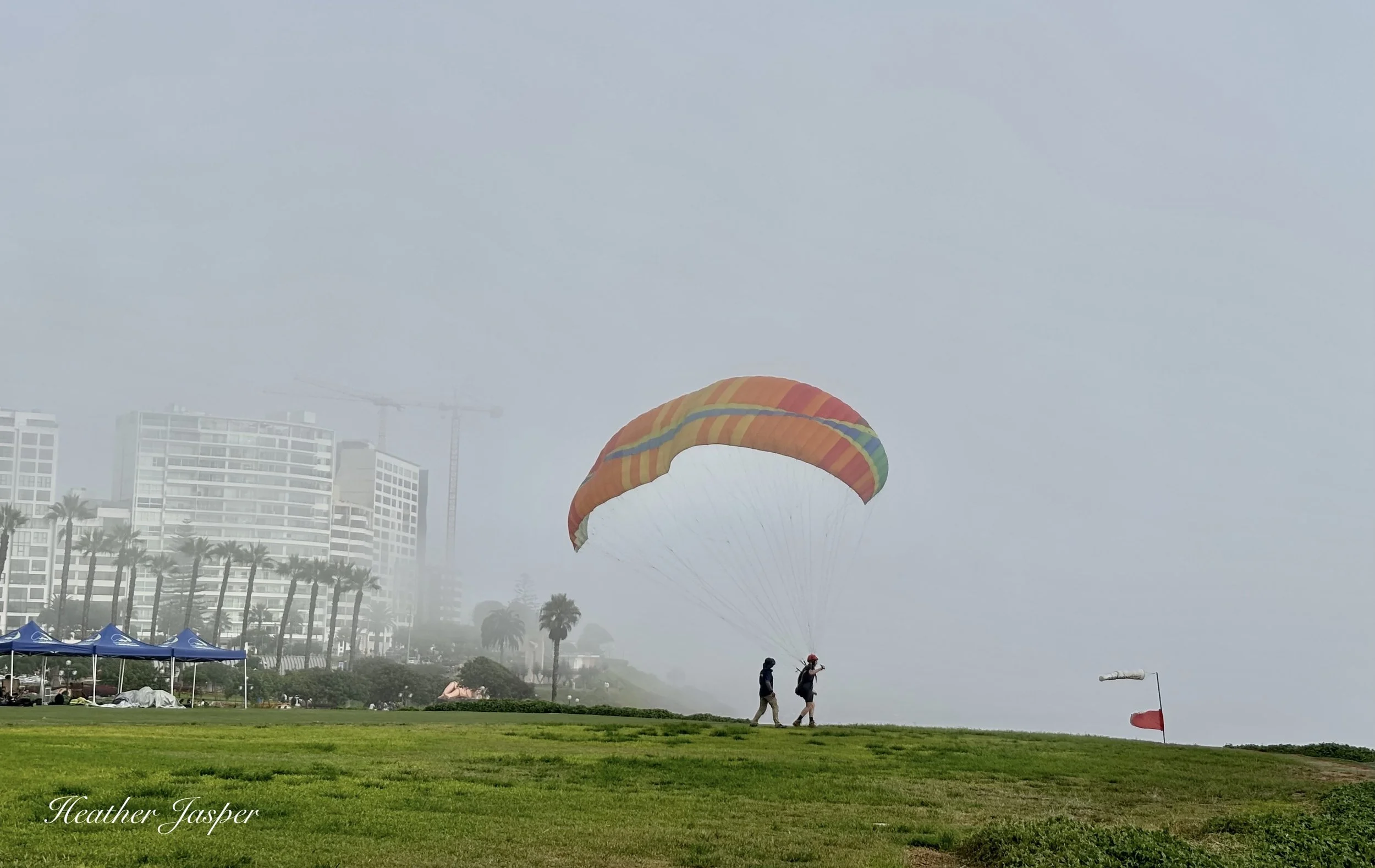
Some tours of Lima include paragliding - which obviously isn’t for everyone, especially not with Lima’s fog.
1. What is the detailed itinerary?
When you’re on a group tour, you’re along for the ride. If one of the activities is something you can’t or won’t do, check if there is an alternative or if you’ll be left sitting by yourself while everybody else leaves for whatever you don’t want to do. Another important thing to check when looking at the itinerary is if you’ll have any free time.
2. Does the tour take you somewhere you couldn’t go on your own?
If you’re weighing whether to do a group tour or whether to do things on your own, you need to know if there are some things that you actually can’t do on your own. For example, the roads to get to Caral are rough most of the year, go through areas without cell service and aren’t well signed. You need to rent a 4WD and get good maps, or go with a tour. Lots of remote areas, especially ones that are only accessible by boat, like Tingana, are best in a group tour.
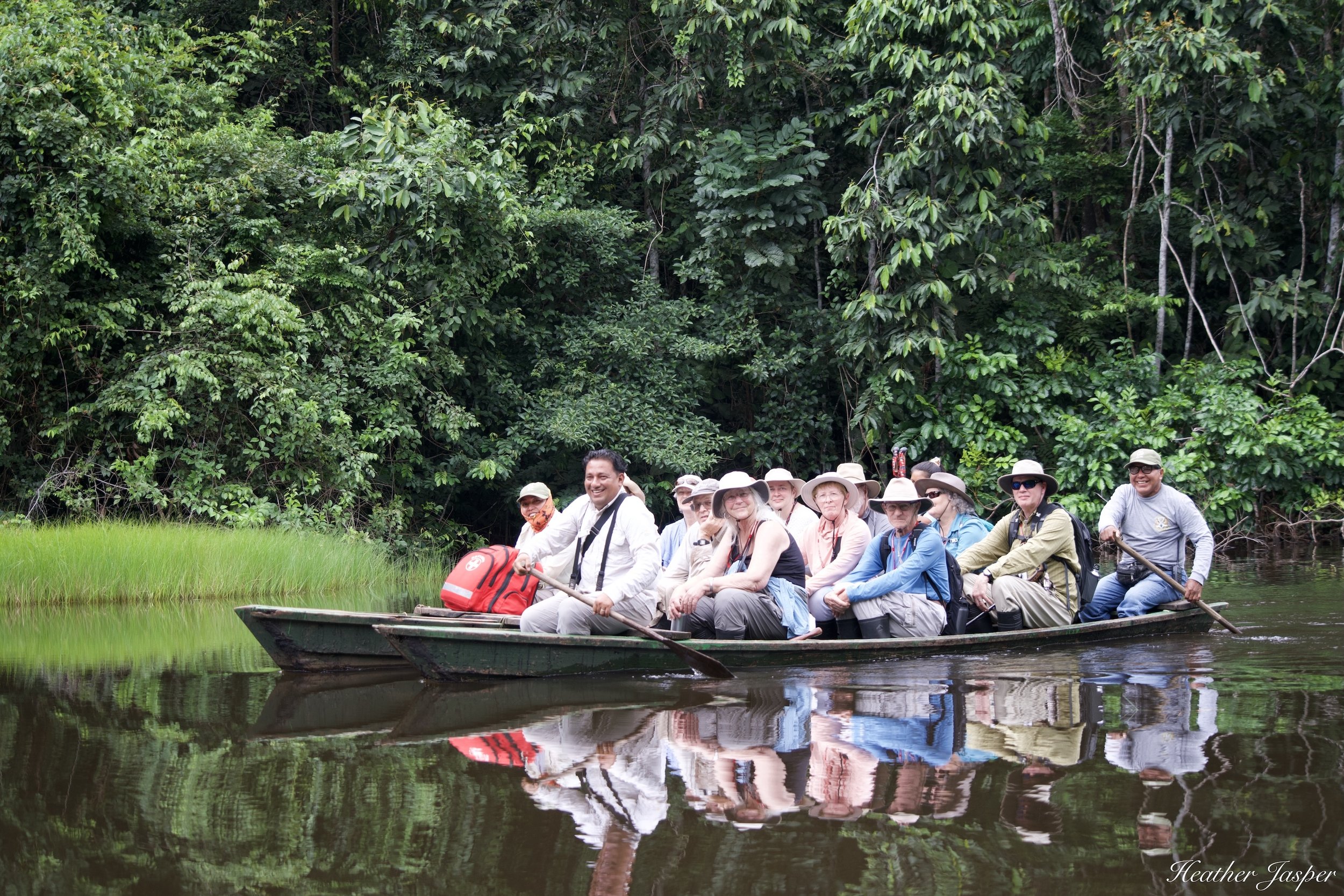
If the tour includes a boat, try to find a tour with the smallest group possible.
3. How big is the group?
There’s a big difference between being part of an 8-person group and a 20-person group. Consider how big of a group you want to be with and make sure the tour agency has a limit that will work for you.
4. Will you be with the same group the whole time?
Caral is far enough from Lima that a multi-day tour makes the most sense, and you should always ask about the group for tours that last several days. Sometimes it’s nice to stay with the same group, especially if you’re traveling solo and like to make friends during group tours. Sometimes it’s nice to switch up the group. This is a personal preference, so think about which you would prefer and look for a tour that guarantees that.
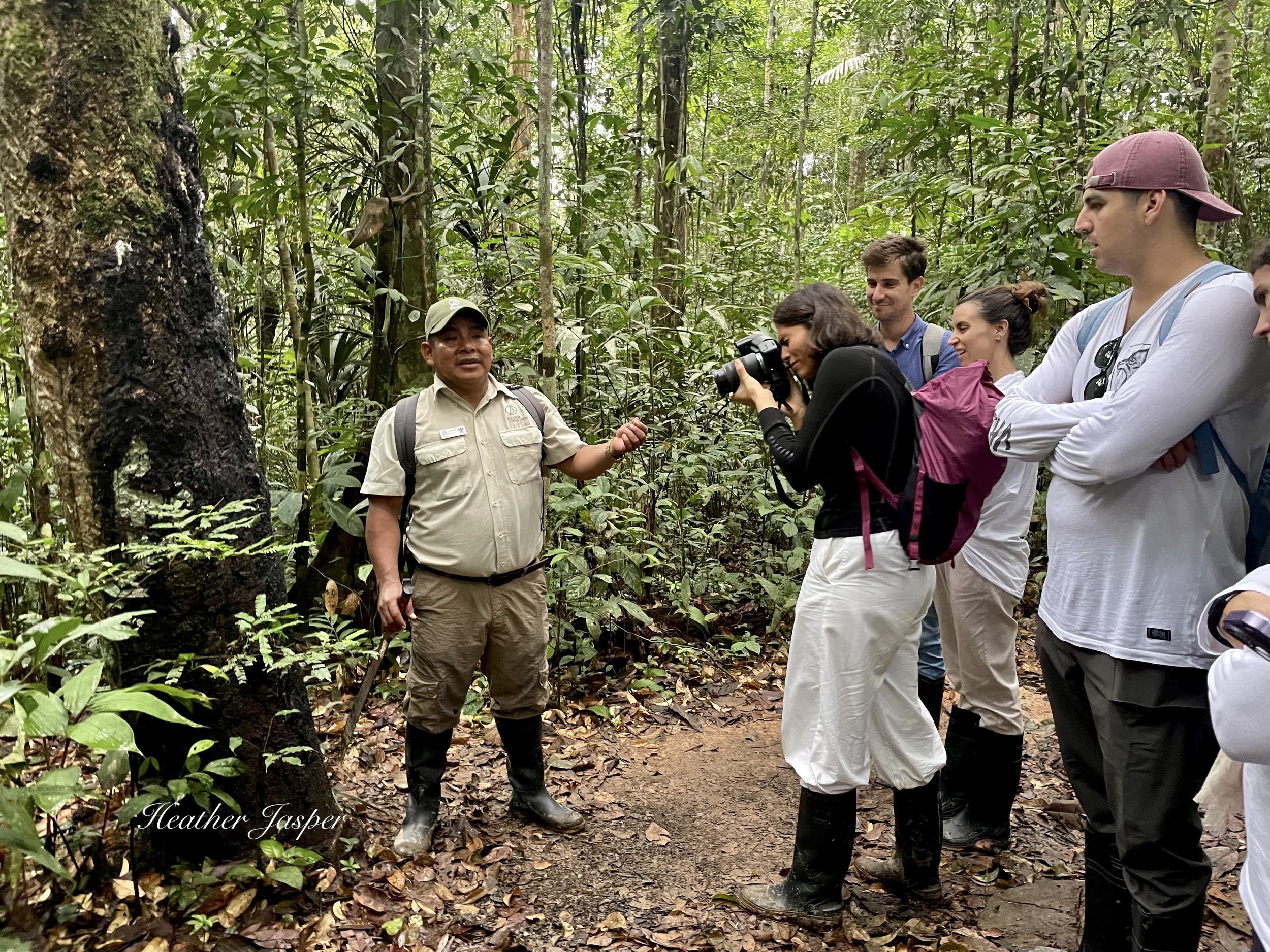
Having a local guide is very important for jungle tours, where you want somebody who is very familiar with the flora and fauna.
5. Who are the guides?
Check that the guide is local, speaks the local language and speaks your language. At places like Caral, where locals from nearby villages are encouraged to work as guides, you’ll need to either understand Spanish or bring another guide with you to translate. In other parts of Peru, you need a guide who can translate Quechua for you (Read my travel tip 53 on why you need a local guide).
6. What is the transportation like?
This is very important if you suffer from motion sickness. If there’s a lot of driving involved, ask if you’ll be in vans, busses or something else. If there’s a ferry or boat ride, ask about what kind of craft you’ll be on. If you’ll be kayaking or canoeing, ask if the boats are single or double. If you’re coming to Caral, I hope the vehicle has good suspension because the road is rough and poorly maintained.
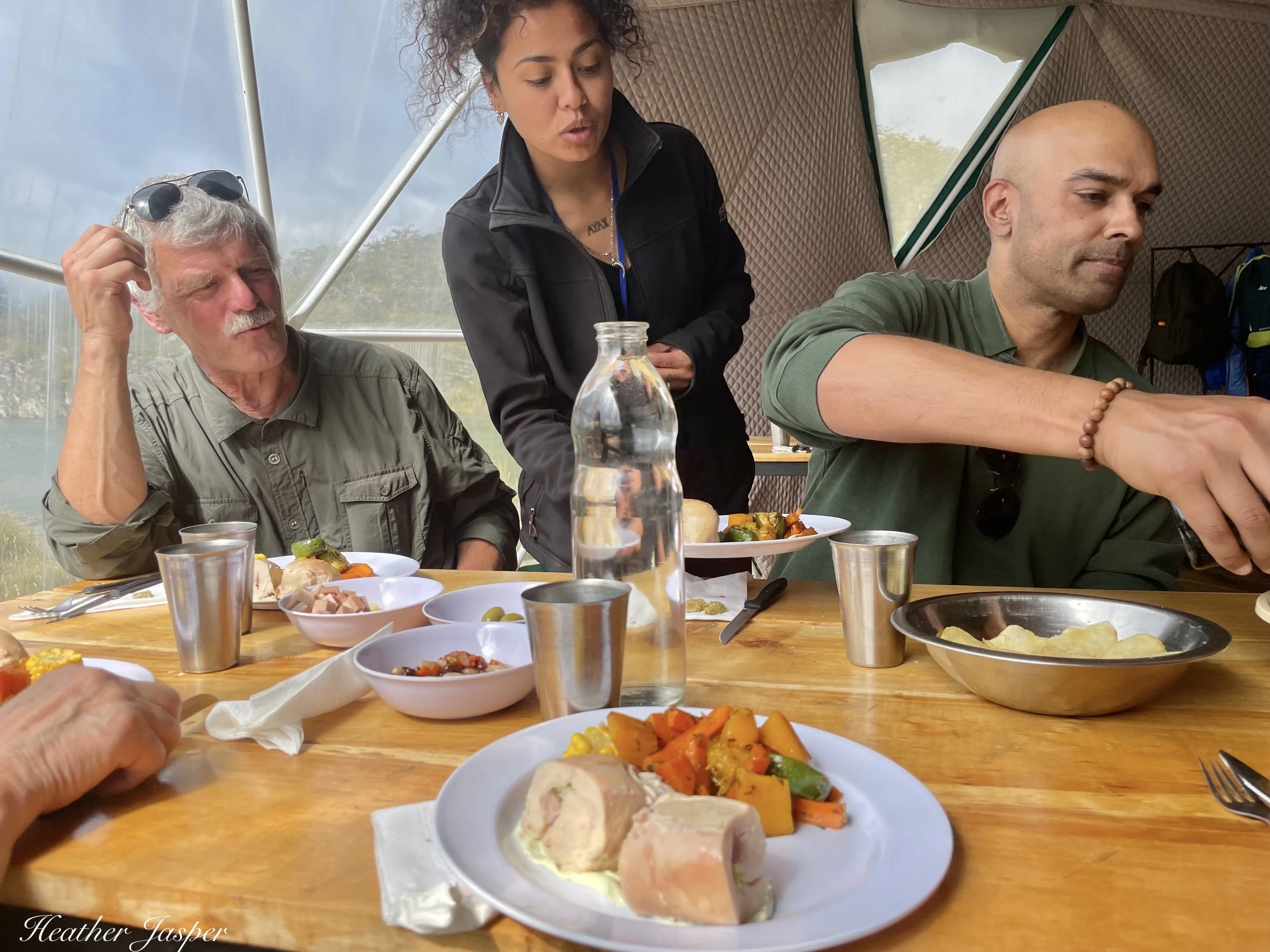
The more remote you are, the less choice you’ll have. On this tour in Patagonia, the only lunch option was chicken.
7. Where will you eat?
Lots of group tours go to buffet restaurants to save time on ordering, and to ensure that there’s something everybody can eat. If you don’t like buffets, or if you have dietary restrictions, make sure that there will be something you can eat. The only food I saw available at Caral was a man selling slices of watermelon – so I hope all group tours stop somewhere for lunch.
8. What is the accommodation like?
If you’re on a multi-day tour, you might not get to choose your hotel. Ask which hotel you’ll be staying in and do your own research on the place. If it doesn’t look like somewhere you’d want to stay, ask if there are alternatives.
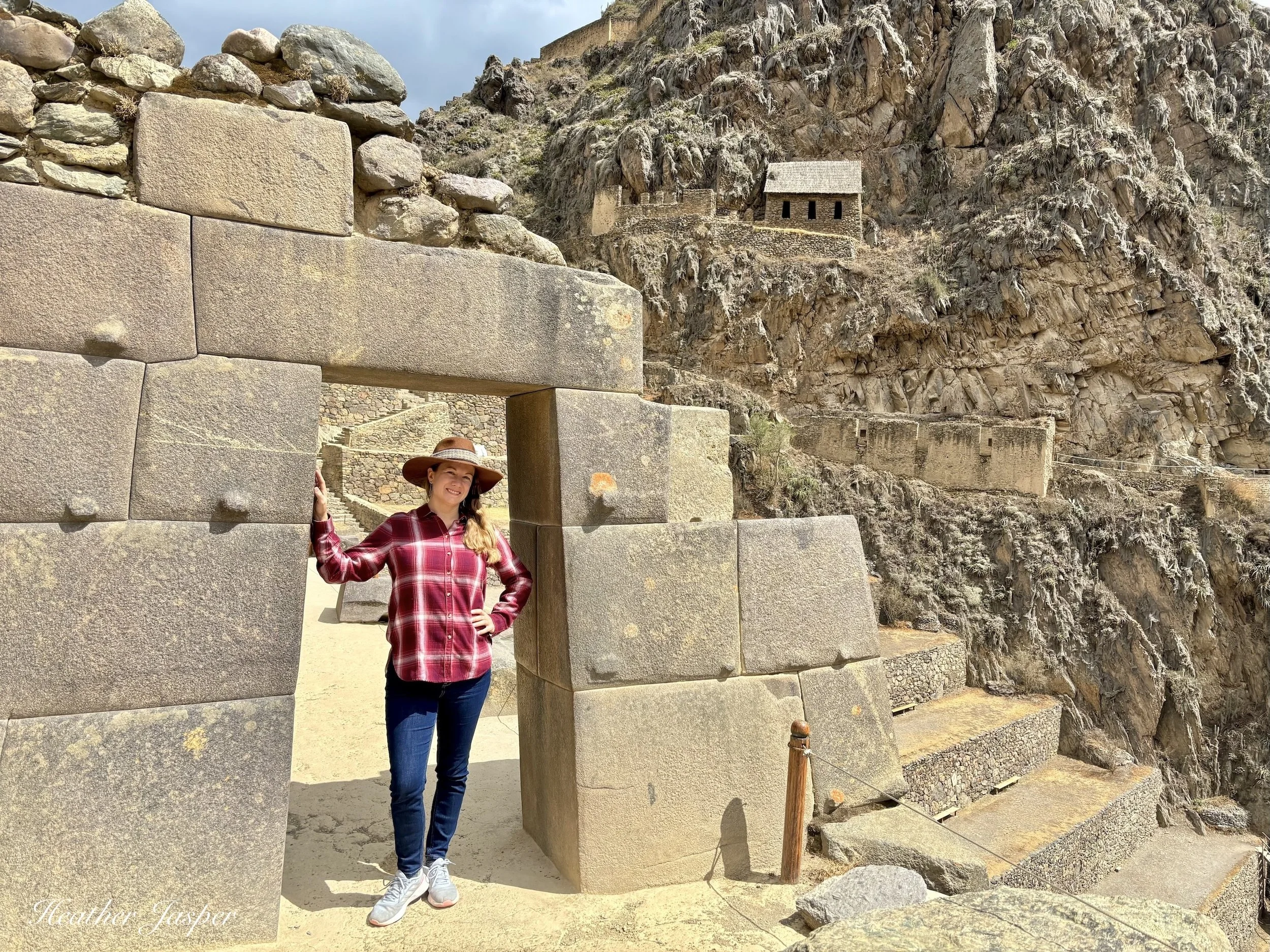
If there are a lot of surcharges for solo travelers, compare prices for private tours.
9. Are there extra charges for solo travelers?
This is becoming less common, but some companies still have surcharges for solo travelers. This is usually because hotel room prices are based on double occupancy, and they want solo travelers to pay double if they’re not sharing a room. Some tour companies expect solo travelers to share a room with a stranger, though this is not common. If you’re signing up for a day tour, there shouldn’t be any surcharges for solo travelers.
10. What are the tipping expectations?
Most group tour guides should be tipped if they do a good job – but some companies include tips. Read my travel tip 68 to help you understand tip expectations.
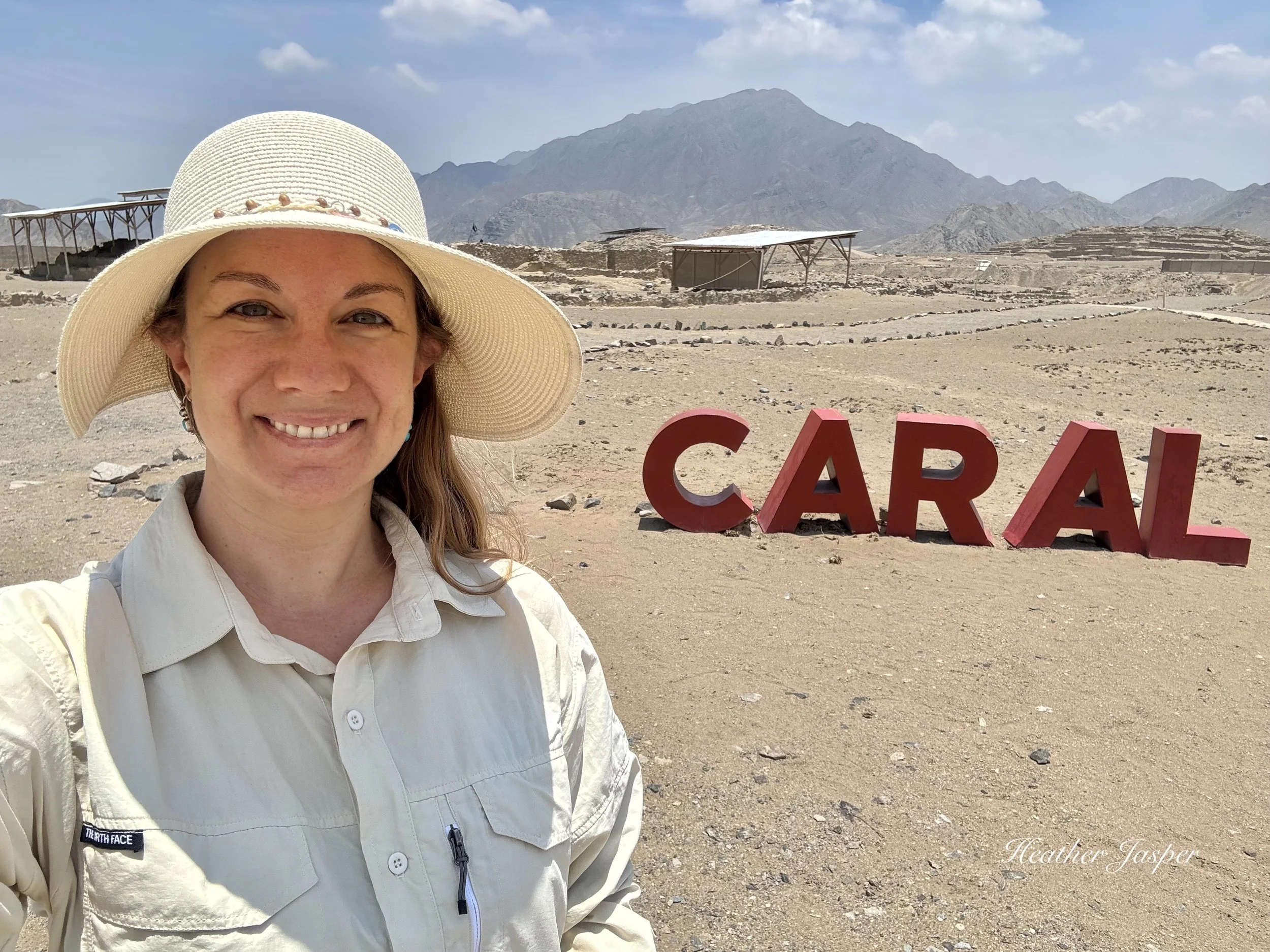
New Blog: Caral the oldest city in the Americas
Caral is older than Stonehenge and contemporary with the oldest cities of Mesopotamia. For anybody into world history and archeology, here’s why I think the visit is worth even the roughest road to get there.