How to Visit Q’ero Nation
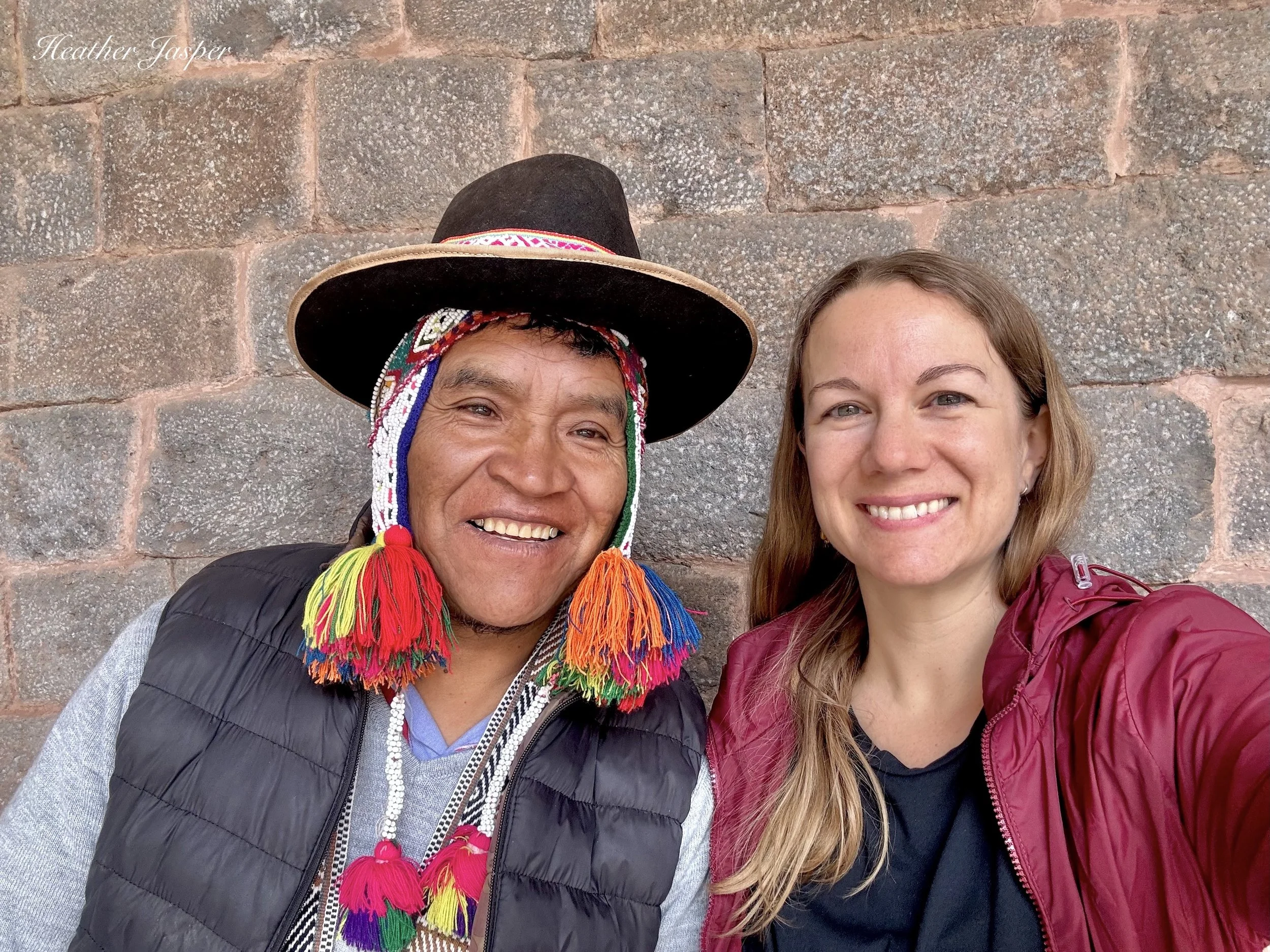
Siwar Qente and his family are creating a new community tourism project in Quiqo, Nación Q’ero.
Who are the Q’ero Nation?
The people of Q’ero Nation are considered the last descendants of the Inca and in 2007 the Peruvian government designated them as Peruvian Cultural Heritage for preserving their language, culture and history for almost five centuries. They didn’t allow any contact with the outside world from the colonial period until the 1950s, saving their culture from Spanish influence for over 400 years.
Making friends with the Q’eros
I recently made friends with Siwar Qente and his family, who are from the Q’ero village of Quiqo. He now lives with his wife Mama Pacha and his six adult children in the village of Huasao, about an hour south of Cusco. Many families leave their ancestral homes so their children can finish high school or attend college. If you have a 4WD truck, Quiqo is three hours by rough dirt road from Ocongate, which is three hours on a paved road from Cusco. Isolated villages like Quiqo have schools that go only to 4th grade, if they have a school.
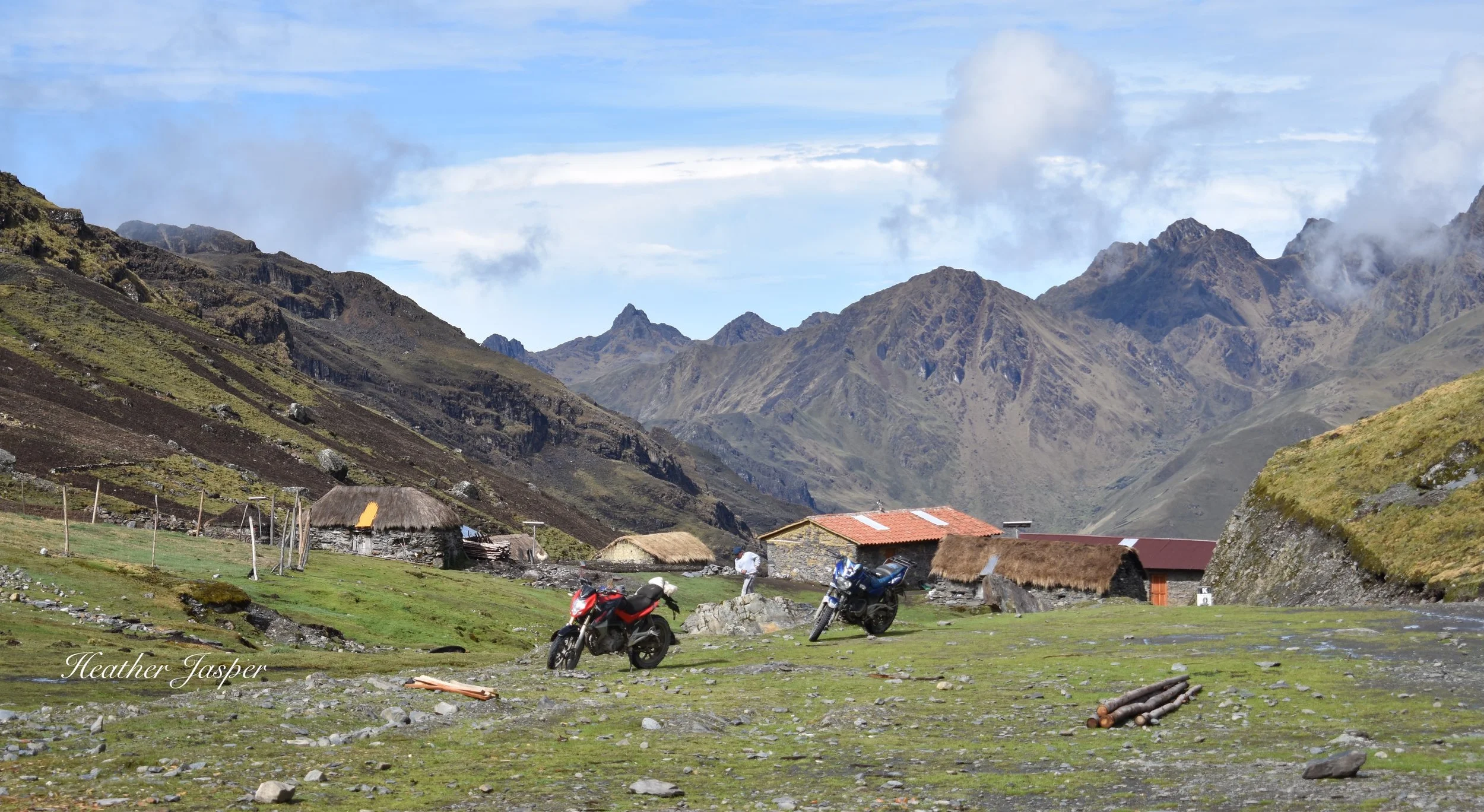
The Q’ero Nation lives high in the Andes, isolated by rugged mountains and rough roads only recently built.
How to visit a Q’ero village?
Siwar Qente’s children are creating their own tour agency, so people can visit Quiqo, which is where I come in. I’m excited to help them spread the word about their new community tourism project, which includes homestays, experiencing village life high in the Andes and spiritual tourism.
Once their tour agency is up and running, I’ll add their website address and more information about their homestays and spiritual tourism. For now, the best way to arrange a visit to Quiqo is to contact Siwar directly on Whatsapp +51 957 758 353 or his son Miguel +51 974 232 981
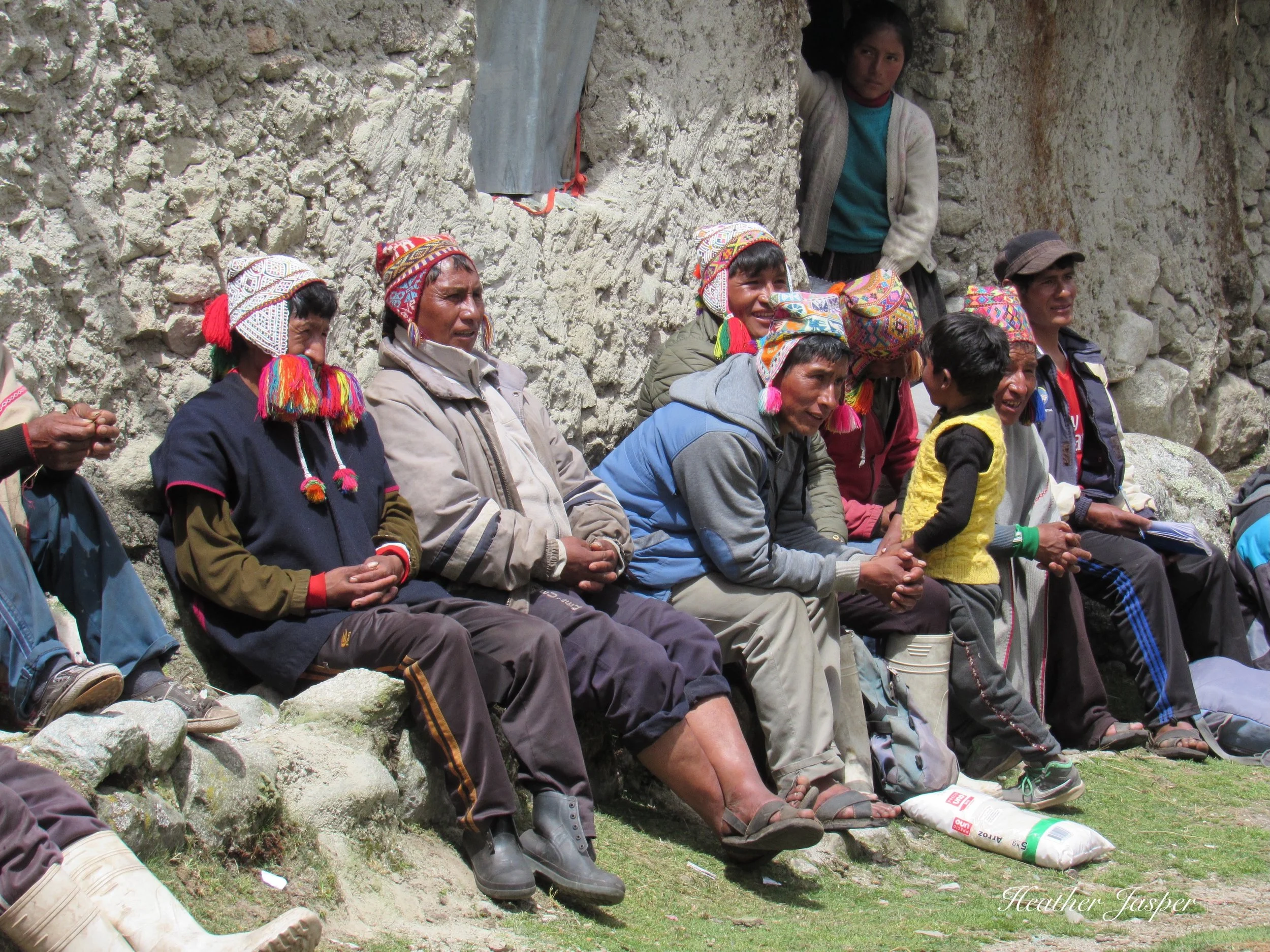
Japu is the only Q’ero village that I’ve visited twice and I loved how the men still wear their traditional hats.
How is the Q’ero Nation different?
The Q’ero maintain a strong connection to their ancestral culture and spirituality. Just search for Q’ero online and you’ll find dozens of videos about their cultural heritage. Tourists visiting the Q’ero Nation is nothing new – what’s new is that the Q’ero themselves get to be the ones who decide how tourism will work in their communities.
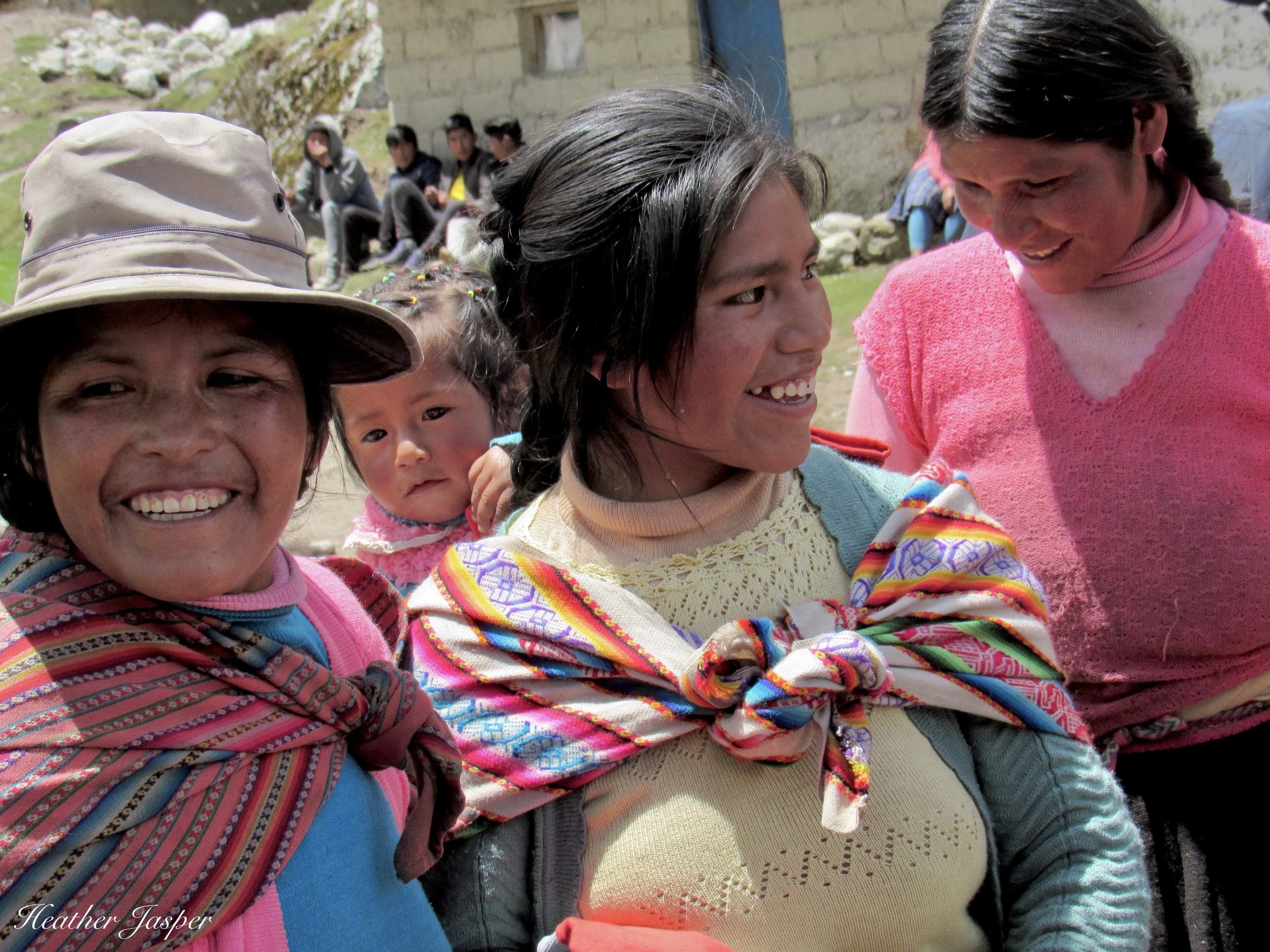
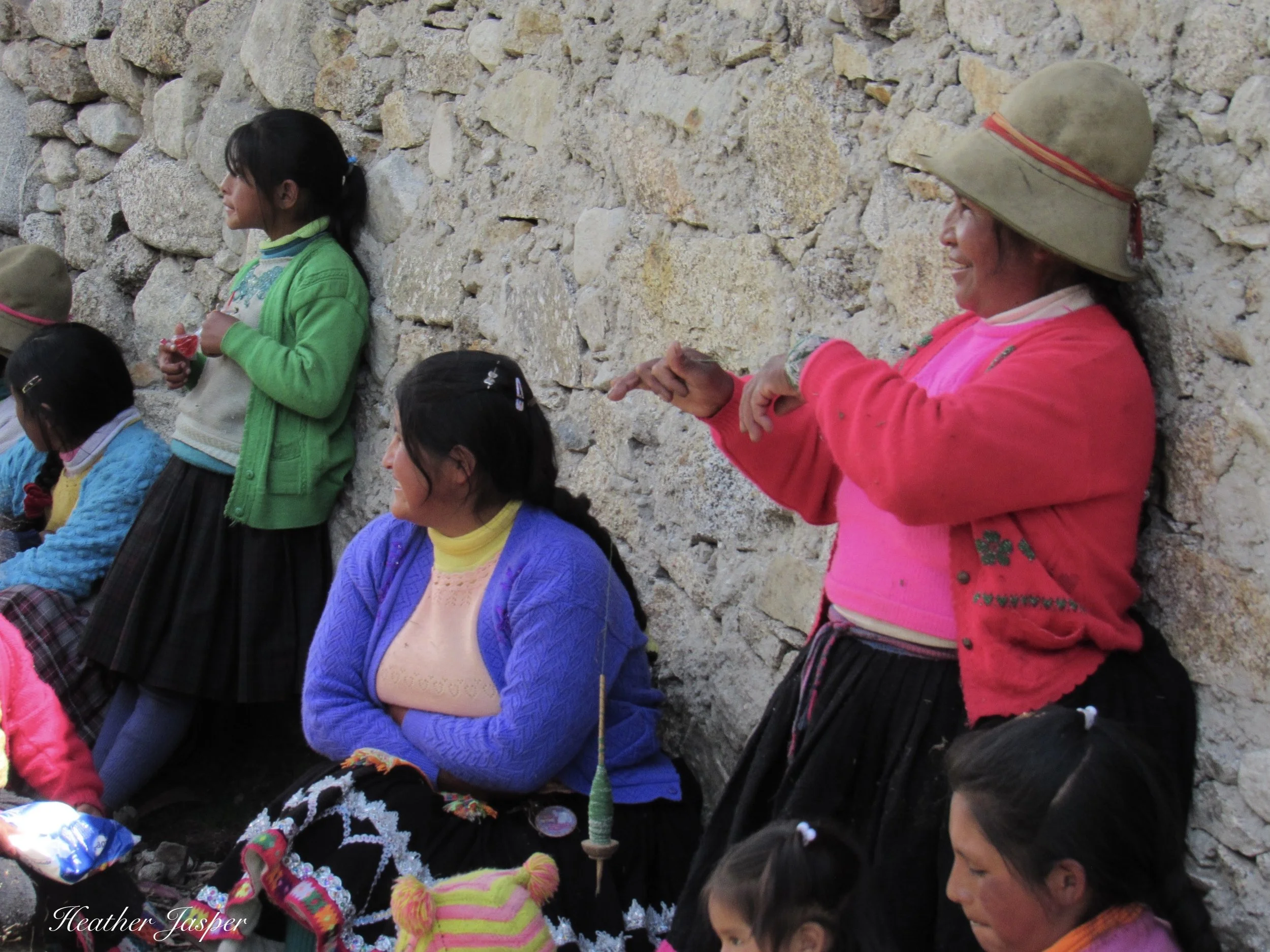
Lidia (center, with her daughter Naomi) was the most talkative of the women I spoke with in Japu.
Tourists went to Quiqo from 2004 to 2020.
Before the pandemic, Siwar Qente worked with the company Where There be Dragons for sixteen years, welcoming travelers to Quiqo with a homestay program. The program brought young people, mostly teenagers according to Siwar, who stayed in family homes and shared in their daily village life. (Currently the website lists one yearly trip to Peru, for 15-18 year olds, but they don’t go to Q’ero Nation anymore).
Siwar says he loved working with Dragons. He loved seeing how much the visiting teenagers learned and how much they enjoyed the experience, though the homes are rustic and food options are limited. However, since the pandemic the Dragons haven’t come back and no other company has come to fill their place.
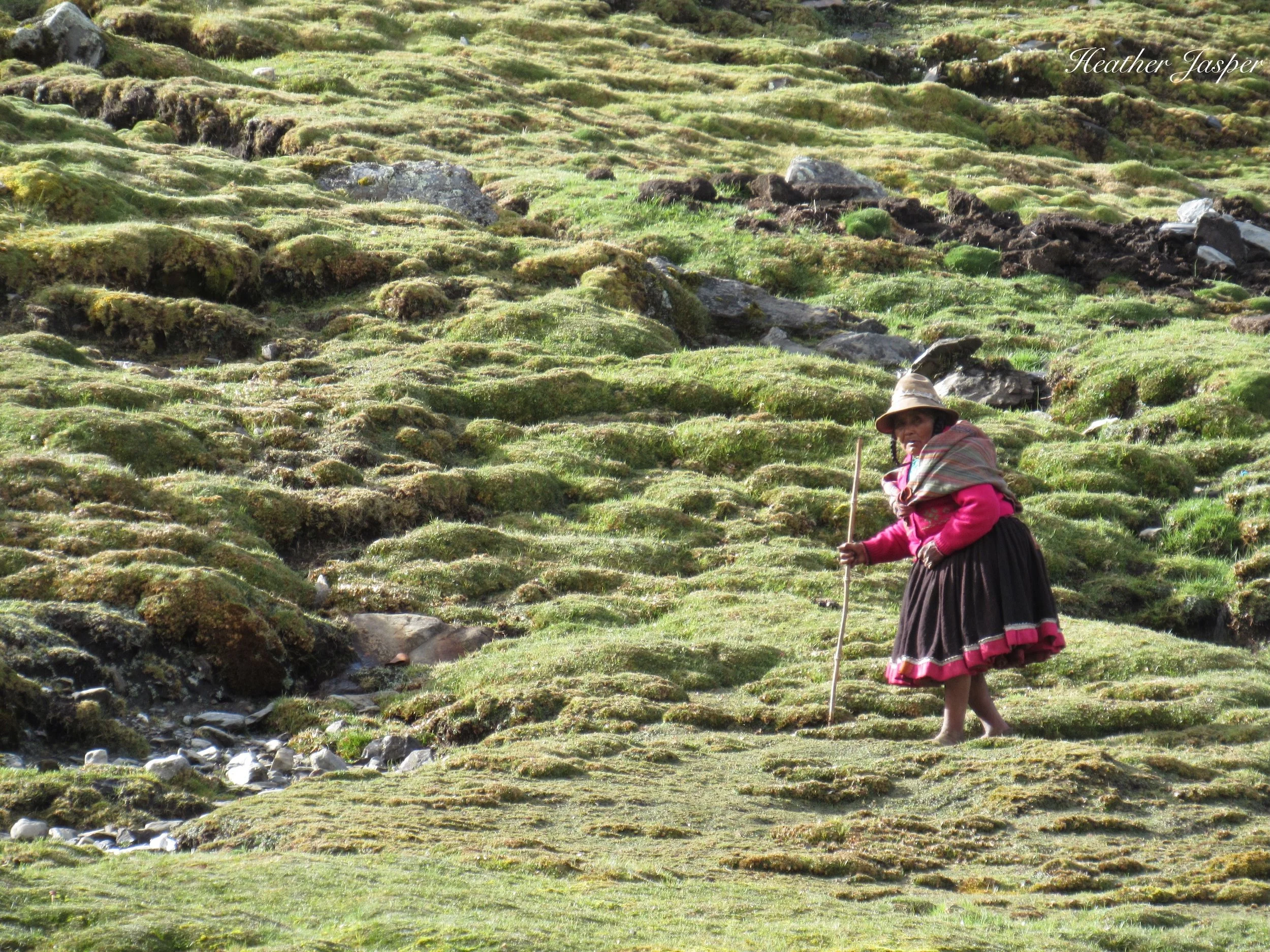
Community tourism lets any community member be a part of activities, so they can choose to interact with tourists, or not.
Community tourism, created by the community.
Rather than try to find another company to bring people to Quiqo on the company’s terms, Siwar’s family decided to bring tourists to Quiqo on the community’s terms. They will design homestay programs that work best for the community.
Q’ero Nation spirituality
However, Siwar told me that he also wants to do more spiritual teaching. In the past few years, he has been invited to France, Switzerland, Chile, Argentina and the US to give lectures on Q’ero spiritual beliefs and to perform healing ceremonies. He says that spirituality is very important to his culture and to him personally. Most of his healing ceremonies are to help people who have lost one of their souls.
“We all have seven souls,” Siwar Qente told me. “Our mind has one, our heart the second and our navel, the center of our being has a third soul. Each of our hands has a soul because they work for us and receive abundance. Each of our feet has a soul because they take us places.” If any of these souls are lost, Siwar’s healing will bring it back.
“Trauma can take away one of our souls,” he explained. “A person can live with one or two souls missing, though they may be mentally or spiritually unwell. If a person is missing more than three souls, it affects them profoundly.” His nature-based spirituality, which teaches people to surrender their hearts to the Pachamama (Mother Earth), is in high demand wherever he travels.
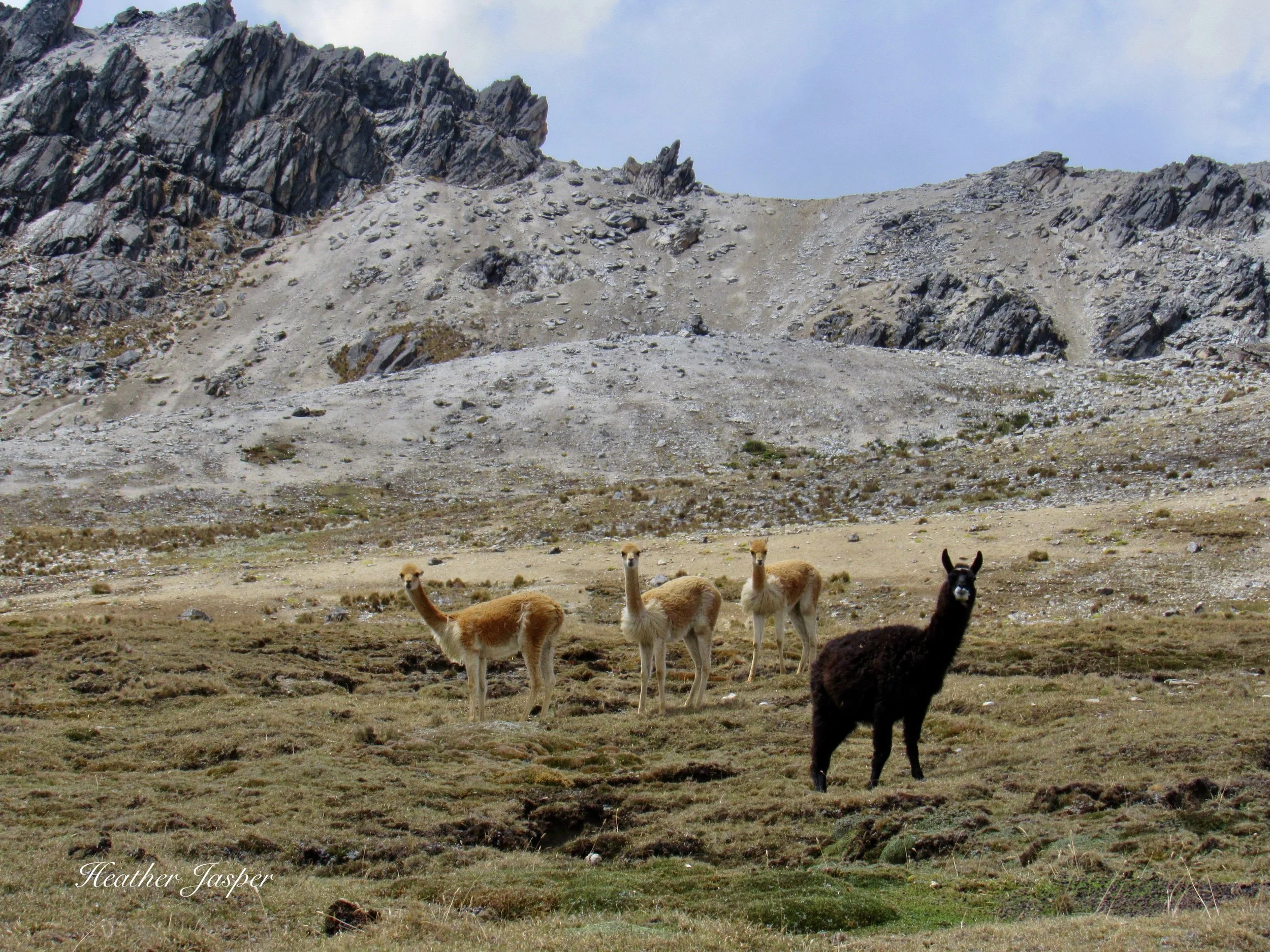
The Q’ero Nation is so high in the mountains that you’ll likely see wild vicuña, along with domesticated alpacas.
The demand for Inca spirituality
If you search for Q’ero Nation online, you’ll also find dozens of videos fetishizing their Inca roots.
“Cultural appropriation is a big problem,” Siwar told me. “People come to our village, film our ceremonies and then go back to their countries and make money off imitating our ceremonies.” He said he’s happy to teach how to do healing ceremonies, but only if the person is willing to spend time learning from him. Taking a video of one ceremony and leaving isn’t learning, he said, it’s robbery.
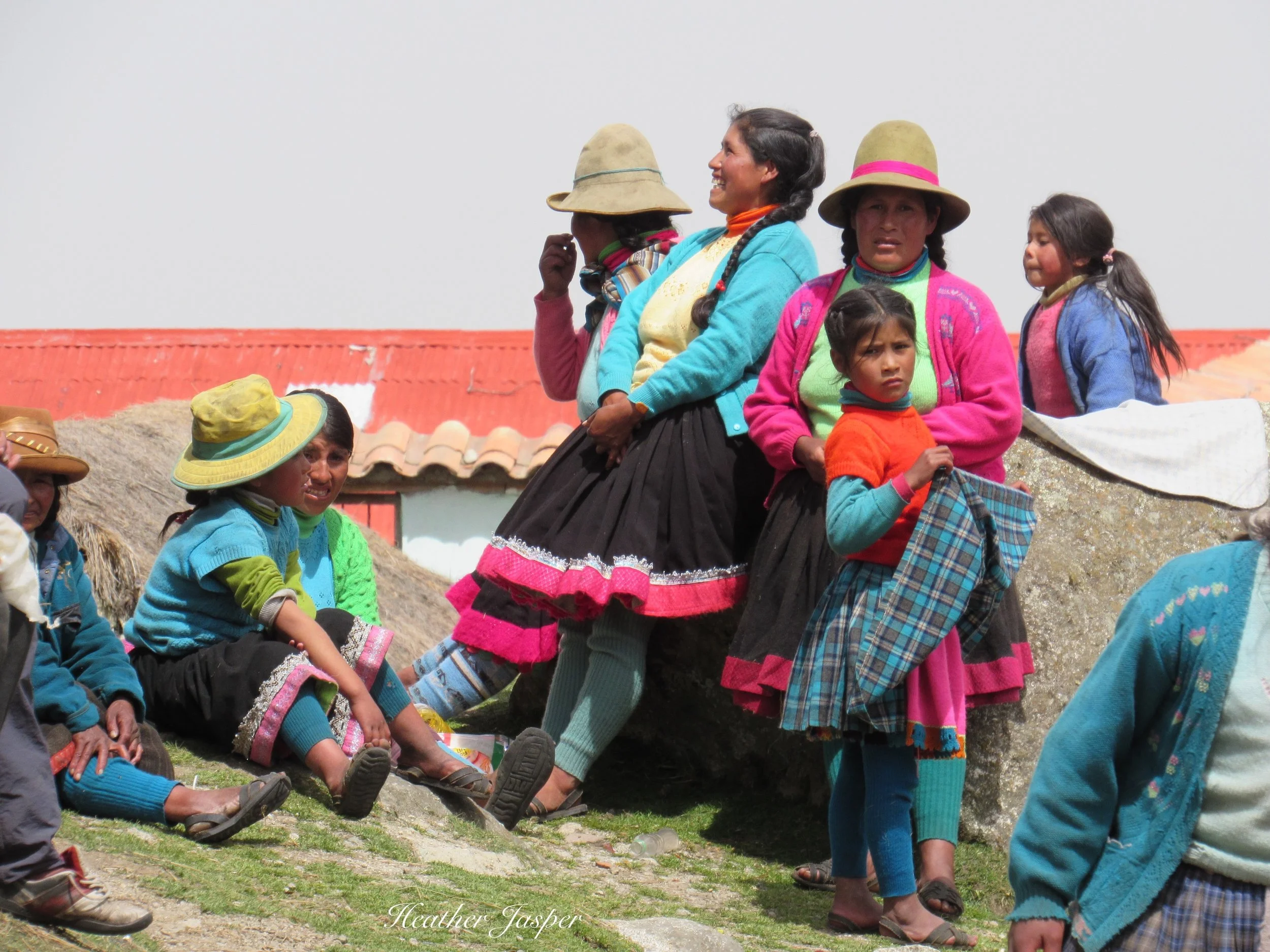
All of the women I spoke with in Japu told me that they knit their own sweaters and leggings, and their skirts are homespun.
Indigenous culture in Peru
Peru has hundreds of Indigenous communities, and 48 Indigenous languages: 44 in the rainforest and 4 in the Andes. Of course, most people also speak Spanish, but not everybody and especially not older generations who never had the opportunity to go to school. (Unfortunately, school is always held in Spanish here).
A new kind of community tourism
I’m excited to see this family’s community tourism project because Siwar has so much ancestral knowledge and desire to heal people, and his children want to create a homestay program that will benefit the community as much as the tourists. They grew up with the Dragons in their village and saw how much tourists can enjoy even the most rustic conditions, high in the Andes.
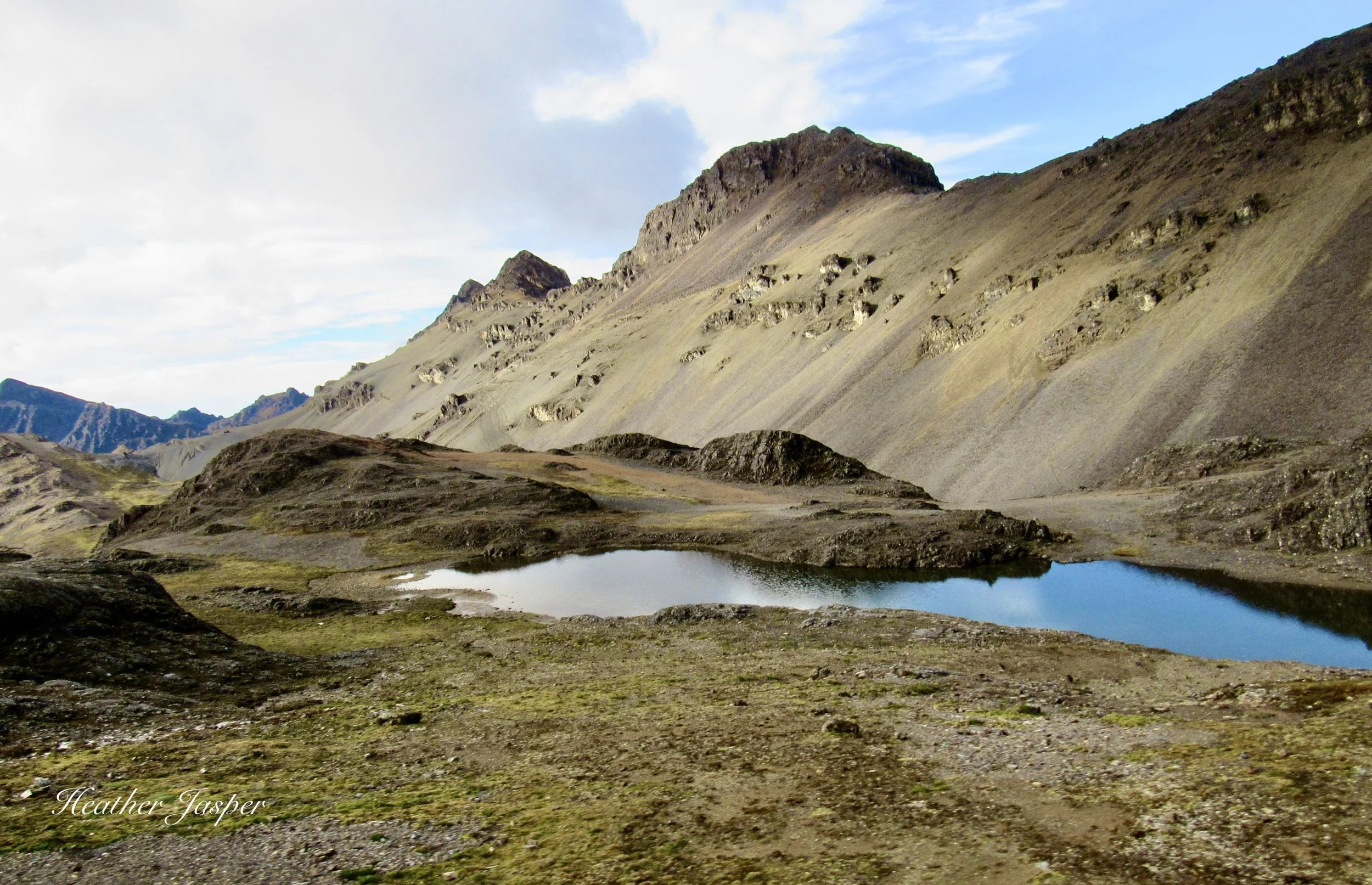
My three visits to the Q’ero Nation always took me through stunning Andean landscapes.
Going to Quiqo
Later this year I’ll visit Quiqo so I can write more about the village and what a homestay there would be like, but Quiqo is only one of five villages that make up the Q’ero Nation. The others are Japu, Marcachea, Q’ero Totorani and Hatun Q’eros. I visited Japu and Hatun Q’eros in 2020 with a group of friends, taking emergency supplies and what Christmas cheer we could to help these isolated communities in the pandemic.
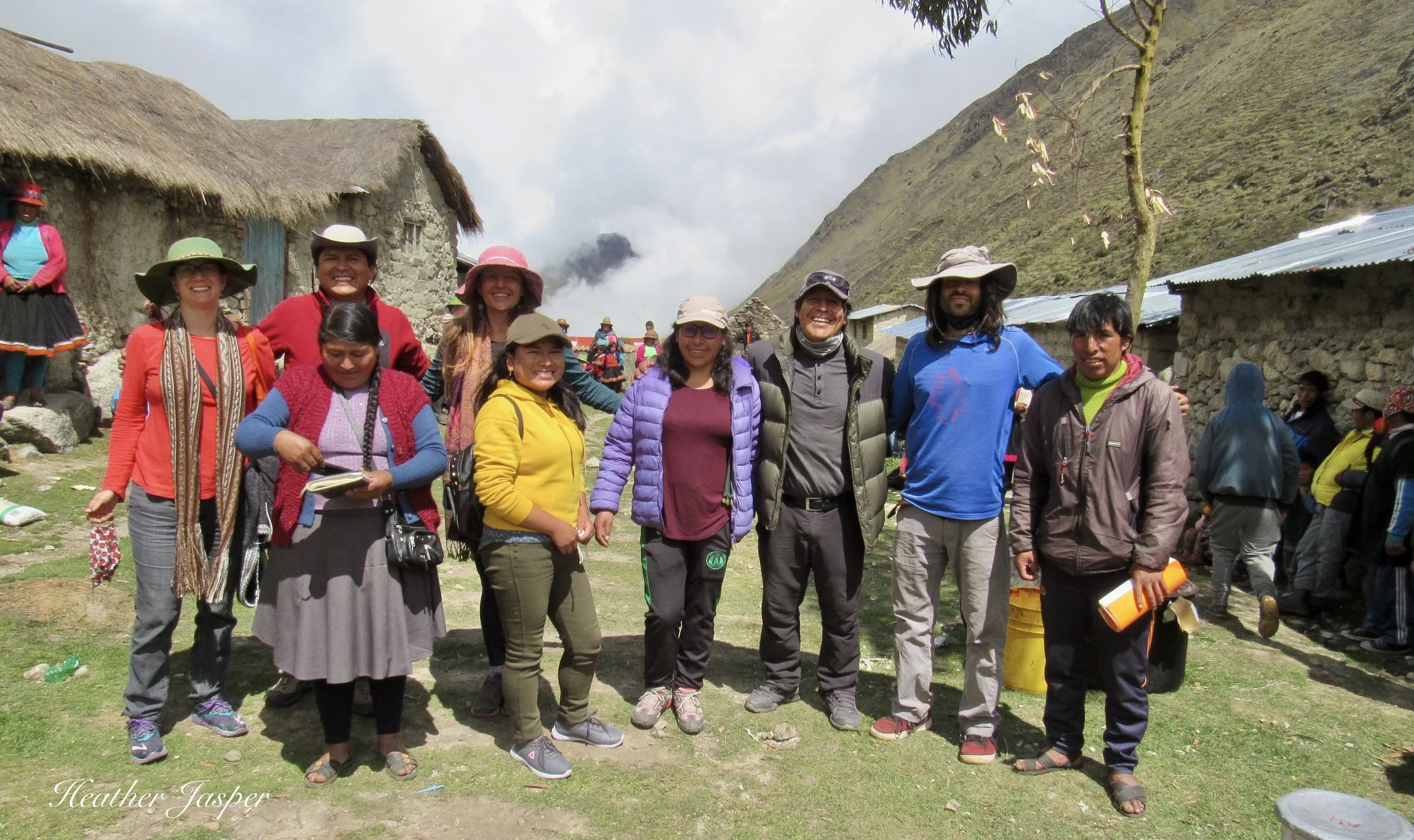
This was the team of volunteers for my first trip to Japu, in December 2020.
Spending 2020 in Peru
The pandemic hit Peru hard, with the longest lockdown and the worst deathrate in the world. All the statistics I’ve found for 2021 and 2022 cite Peru as having the most deaths per capita, with almost 6,500 deaths per million. Even villages that didn’t experience a lot of death suffered from the economic shutdown. Like most people in Peru, I was unemployed that year, so I had plenty of time on my hands to raise donations for isolated villages. With help from dozens of volunteers, I created the Covid Relief Project and visited fourteen villages that year. Read about the Covid Relief Project here.
From May to the end of August, we took food and emergency supplies to remote villages, then paused for three months because Covid cases spiked in Cusco. I was terrified of taking the virus from the city, where we had a hospital, to a rural village where the nearest health clinic could be a day’s walk away. What little public transportation exists in the Andes was shut down during the pandemic.
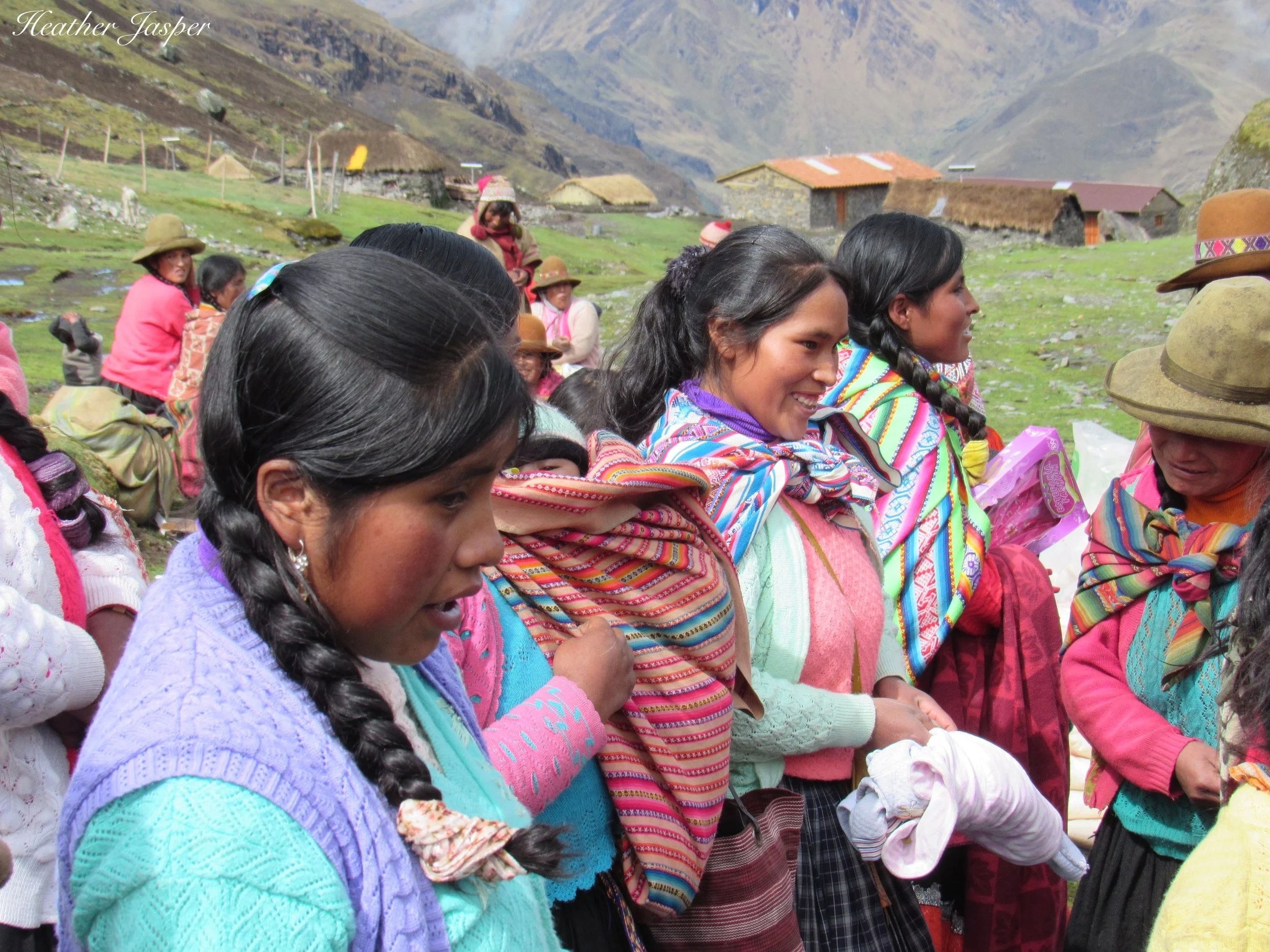
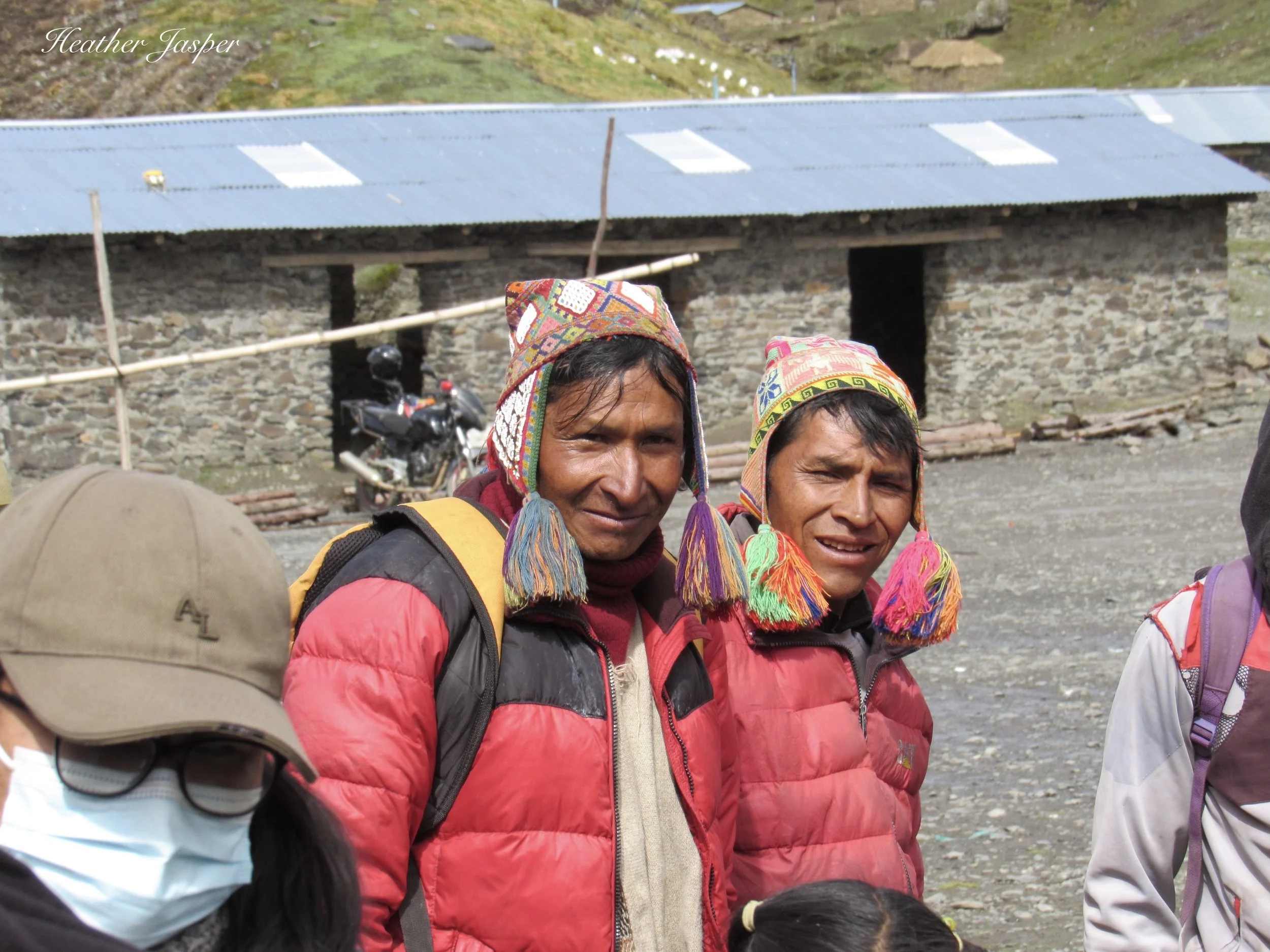
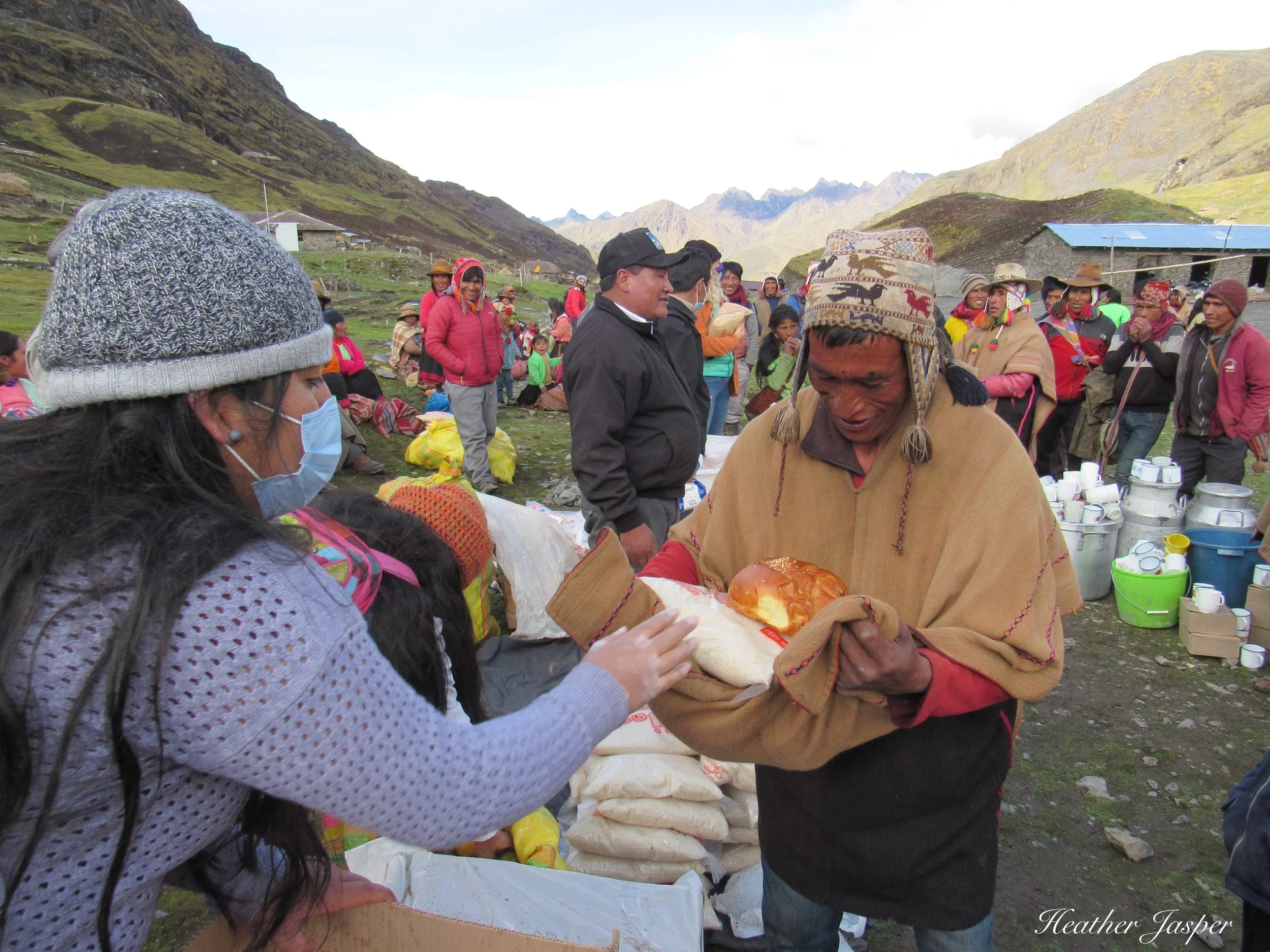
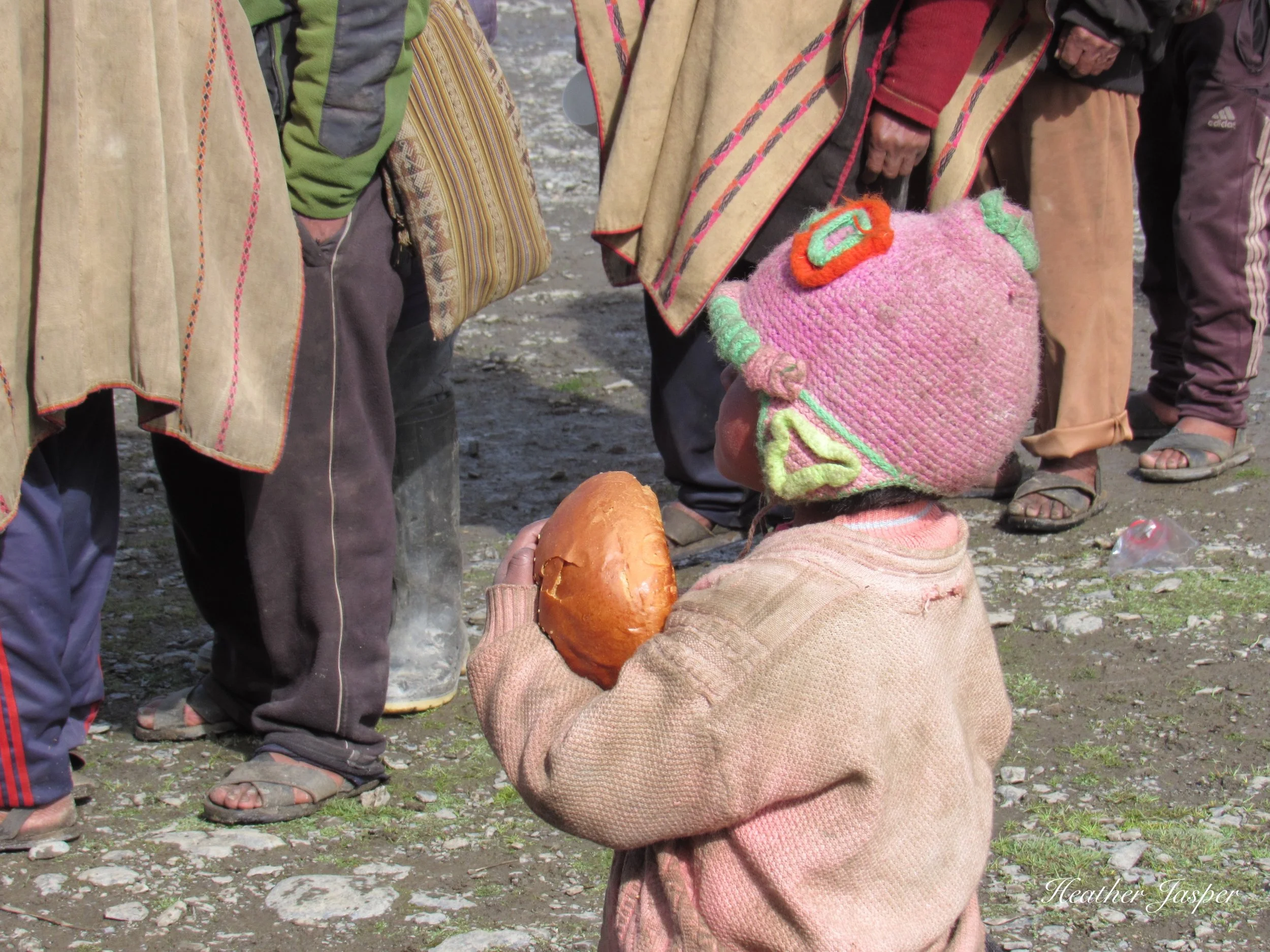
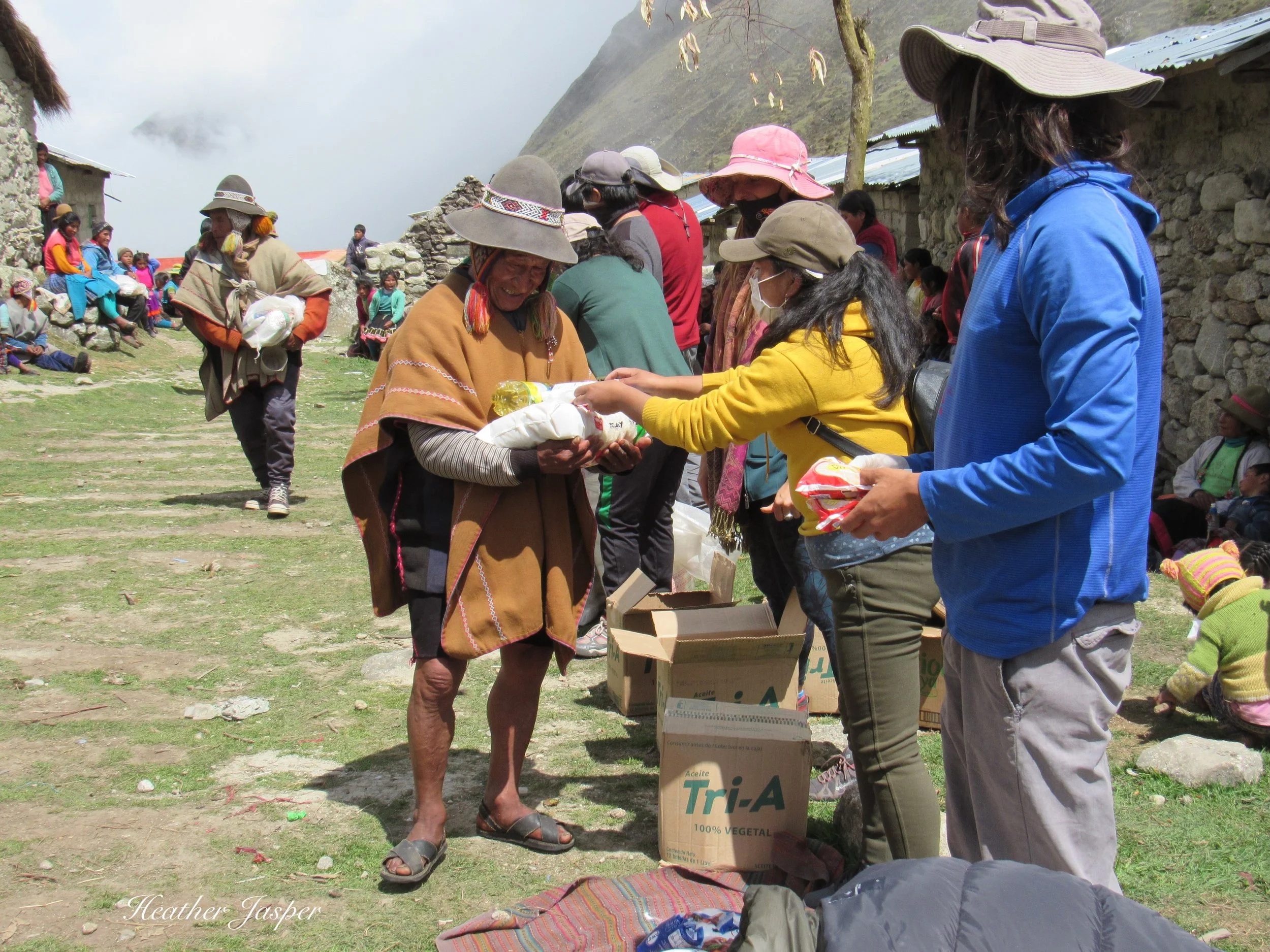
In December 2020, I went to Japu and to Hatun Q’eros with other volunteers to take a chocolatada to each village. A chocolatada is an important holiday tradition in Peru, when people gather to eat panettone and drink hot chocolate. Christmas isn’t Christmas without a chocolatada and my friends in Cusco were worried that with the pandemic, people in these isolated villages wouldn’t have Christmas. Besides Japu and Hatun Q’eros, we took chocolatadas to four other villages, which was an incredible opportunity for me to see life in the most rural parts of the Andes, where most villages are well over 14,000 feet above sea level.
With the invitation of Siwar Qente’s family, I look forward to visiting Quiqo this year and learning more about the Q’ero Nation.
If you’re interested in community tourism, check back for another blog in April!