
How to get a visa before you travel
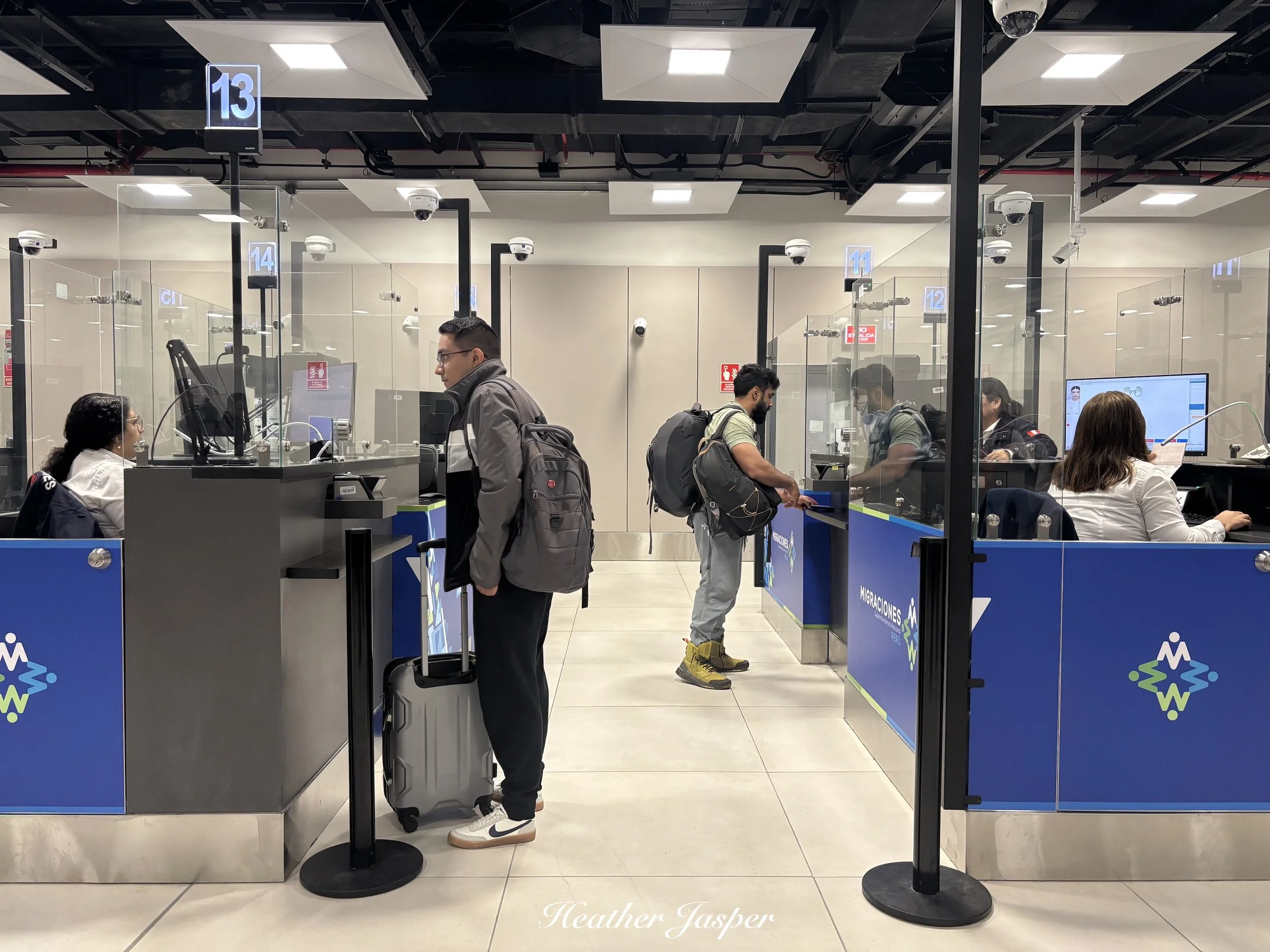
If you are going to a country that requires a visa, it will be checked when you arrive at the airport or border.
Visa On Arrival
Most of my readers are in North America and Europe (according to my website analytics), which means you probably have a passport that allows you to turn up in most countries as a tourist and receive a “visa on arrival.” I hear people say that there are countries you don’t need a visa for, but that’s actually vanishingly rare. French citizens driving across the border into Spain don’t need a visa, but most countries either give you travel authorization or a visa on arrival. (More on travel authorization for US citizens going to Europe below). What “you don’t need a visa” usually means is that you don’t need to get a visa before you show up at their border, or airport.
Applying for Visas Before Travel
The fastest way to check if the country you’re going to requires a visa is to search for your country’s embassy in that country. For example, Canadians coming to Peru should check with the Canadian Embassy in Lima. US citizens can search for information about the country they want to visit on Travel.state.gov.

Since 2024, US citizens need to apply for a visa before traveling to Brazil and processing can take two days to two months.
What if your country doesn’t have an embassy?
If your country doesn’t have an embassy somewhere, either they can’t officially help you if you’re there, or they have assigned somebody, like an honorary consul, to help their citizens. New Zealanders coming to Peru don’t have an embassy here. Peru has an honorary consul who is associated with New Zealand’s embassy in Chile. The US reopened their embassy in Venezuela on March 30, 2026, but for seven years there was no way for the US government to officially help US citizens in Venezuela because there was no embassy.
What if you arrive at the border without a visa?
If you’re supposed to have a visa before arrival, and you show up anyway, the most likely result is that you’ll have to stay at the airport until you can buy another ticket leaving. If you’re at a land border, they’ll just tell you to turn around and go back. Sometimes there are exceptions and border officials are allowed to work with you on a solution to get you a visa on arrival – but don’t count on it.
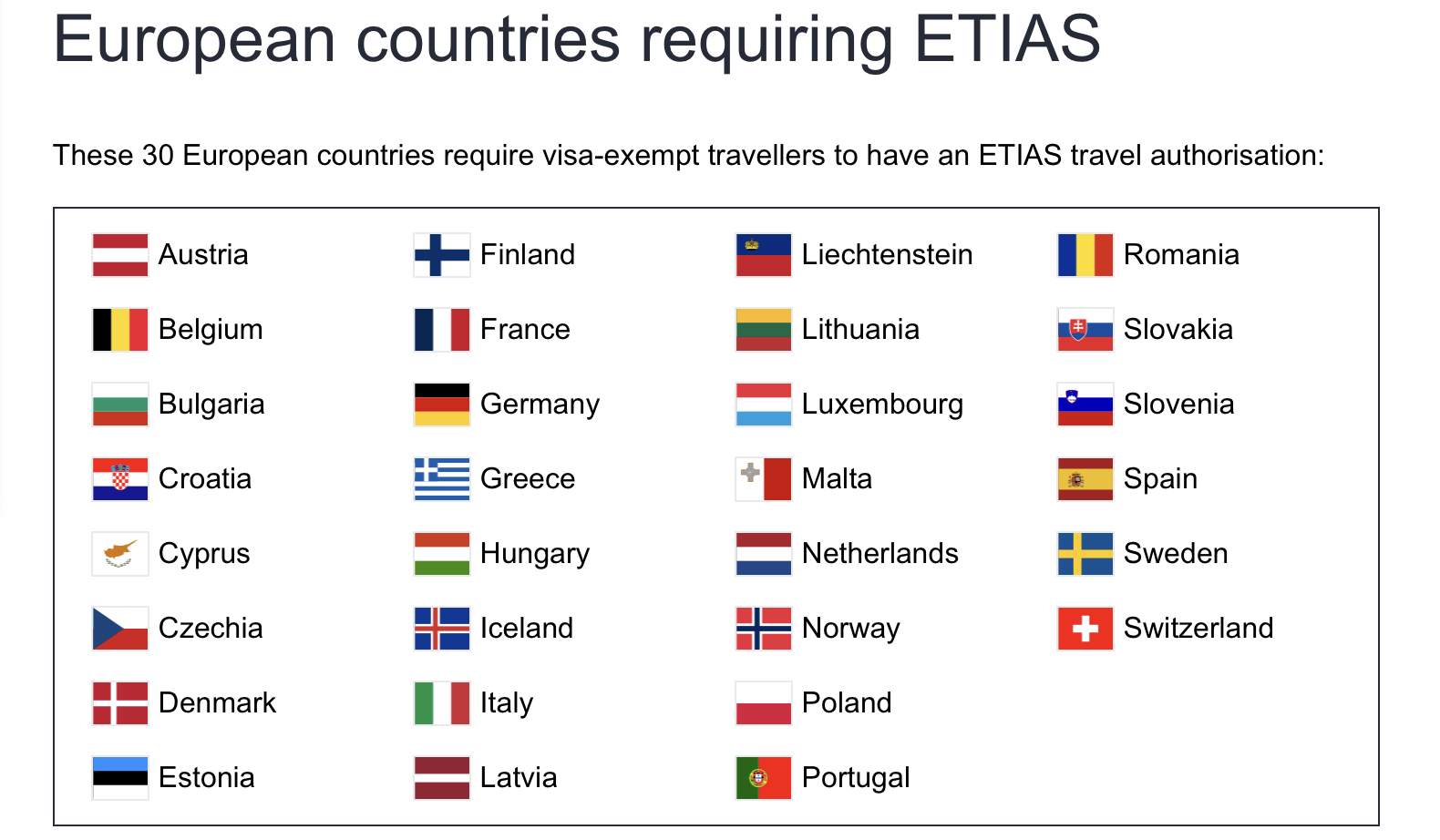
Do US citizens need a visa for Europe?
Technically, no, because they’re calling it a “travel authorization” (European Travel Information and Authorization System) and it will be required for “visa-exempt” countries. By the end of this year (2026), US citizens will need to get travel authorization before arrival. As of April 5, the date hasn’t been set yet but check the ETIAS website for updates.
Common Tourist Countries that Require Visas for US Citizens
There are several countries that you’ll commonly see in travel publications (and on social media) as wonderful tourist destinations that DO require US citizens to get a visa before arrival. In alphabetical order, the most popular are Australia, Brazil, China, Cuba, Egypt, India, Kenya, the UK (because it’s not part of Europe) and Vietnam.
How much does a visa cost?
Visa costs run the spectrum from free to hundreds of dollars. The nine countries above vary from $10 (India) to $140 (China).
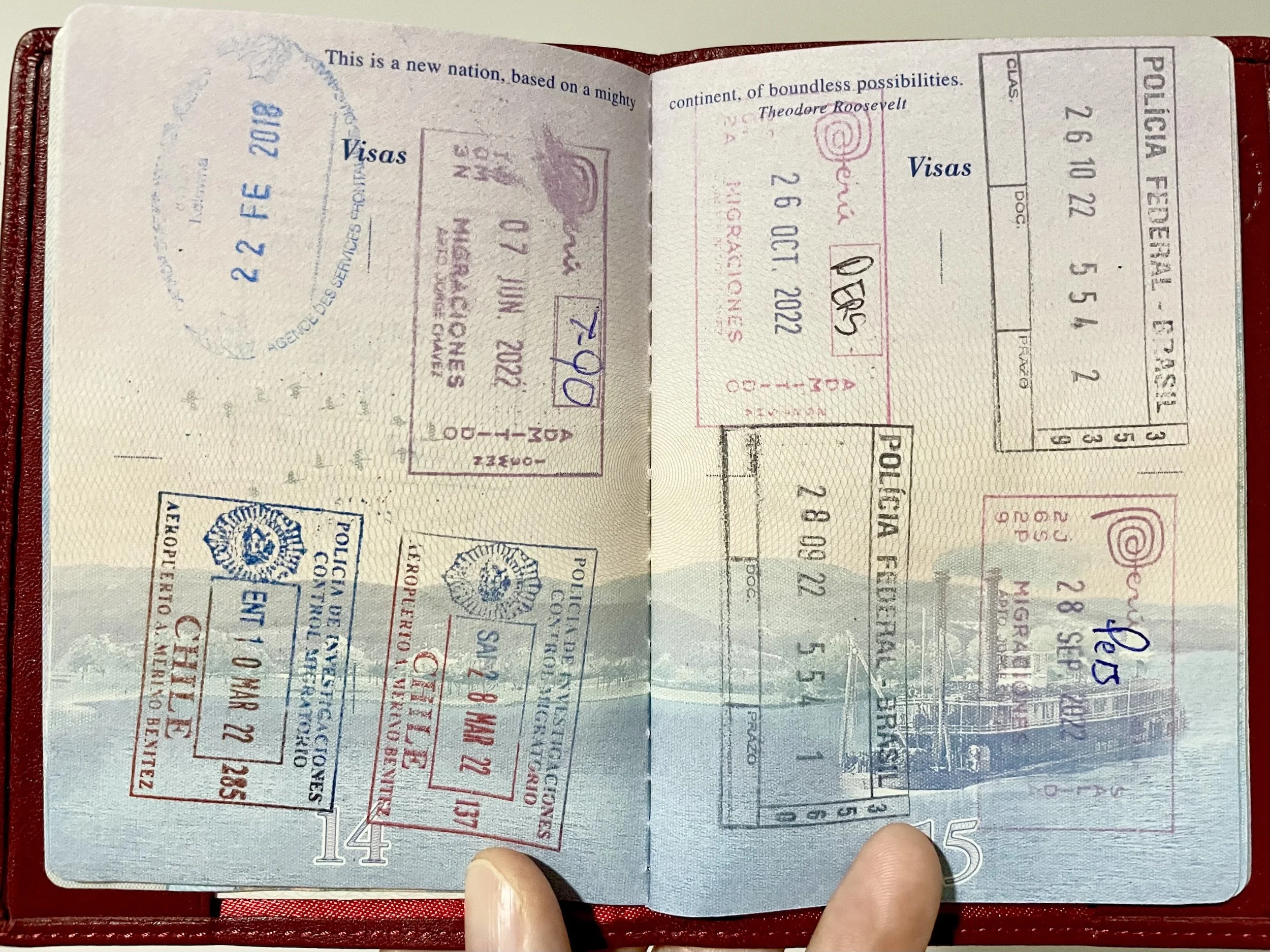
My most recent trip to Brazil (2022) was before they started requiring US citizens to get a visa before arrival.
How long does it take to get a visa?
Some visas are granted automatically, because they’re not trying to prevent people from entering, they just want to keep track of who is coming in. Some are scrutinized carefully and can take weeks, or even months, to process. Of the nine countries above, visas to Brazil ($80.90) are usually processed within 5 days but the Brazilian government recommends that you apply two months in advance. Maybe you’ll be an easy case and get approved in two days, or maybe you’ll trigger some sort of red flag and Brazilian government officials will have to spend weeks digging into your background and information before they approve (or deny) you.
The bottom line: Check before you buy flights.
Do not buy a ticket to any country without first checking if they require you to get a visa before arrival AND how long that visa processing time could take.

New Blog: Lord of the Earthquakes
Catholicism in Cusco is different from most places around the world and Holy Week is a prime example. More important than Palm Sunday, Ash Wednesday, Good Friday or even Easter Sunday, is the Monday after Palm Sunday. In Cusco, it’s the day of the Lord of Earthquakes, Señor de los Temblores, called Taytacha in Quechua. My blog has everything you need to know about this uniquely Cusqueñian holy day.