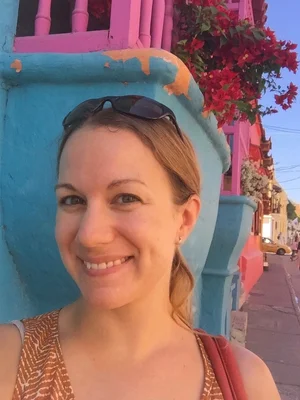
How to avoid travel scams
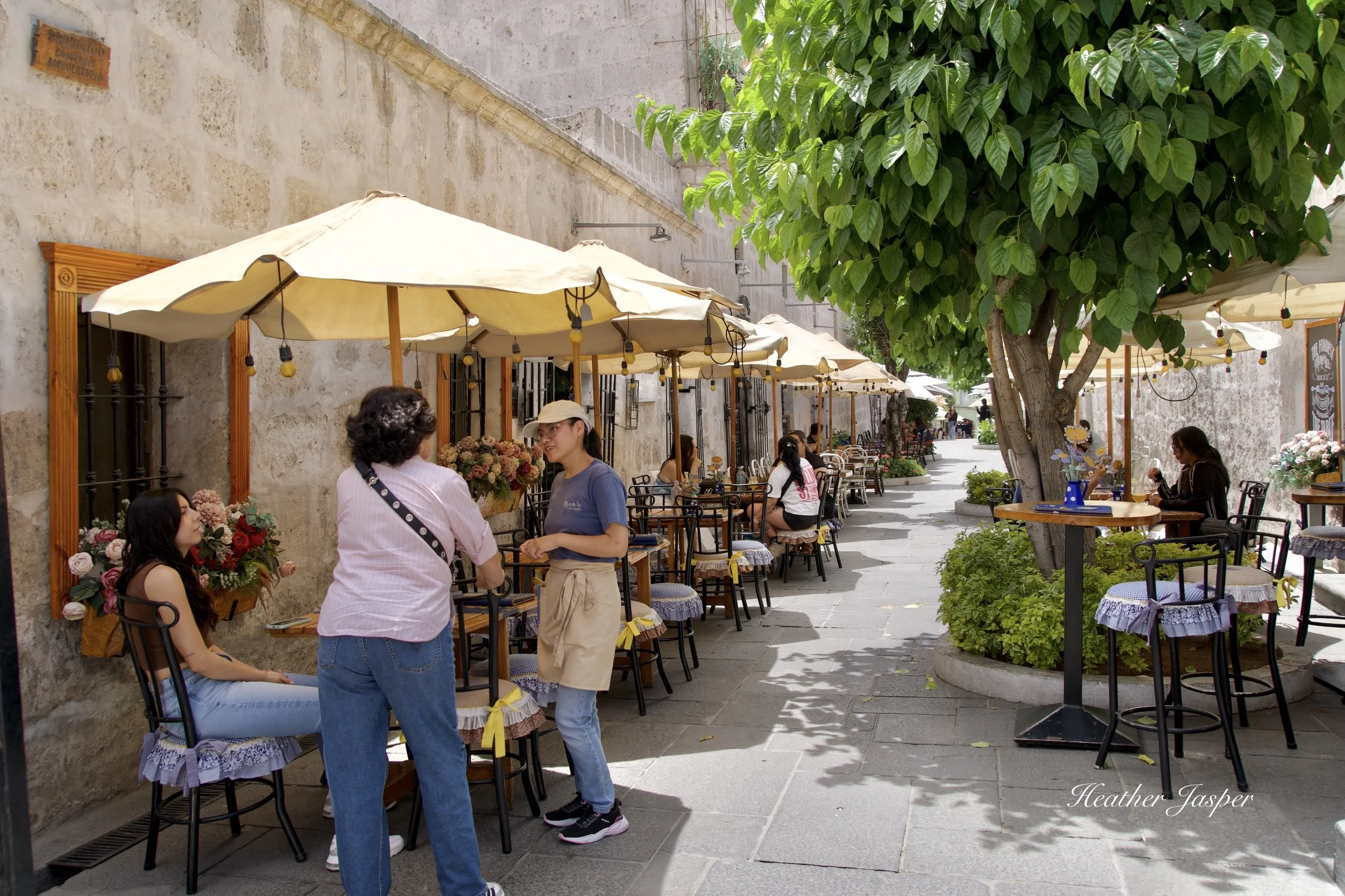
I focus on the rosy side of everything when I travel but also never leave my phone or wallet out where they could be snatched.
Scams are another global problem that most travelers will face at some point.
The good news is that most are a version of petty theft and are unlikely to make a big impact on your vacation. The bad news is that even a small financial loss can make you feel unsafe and ruin an otherwise wonderful trip – if you let it. If any of these happen to you, remember that scams are common and don’t let it ruin the rest of your trip.
Here’s the top 5 scams to watch for
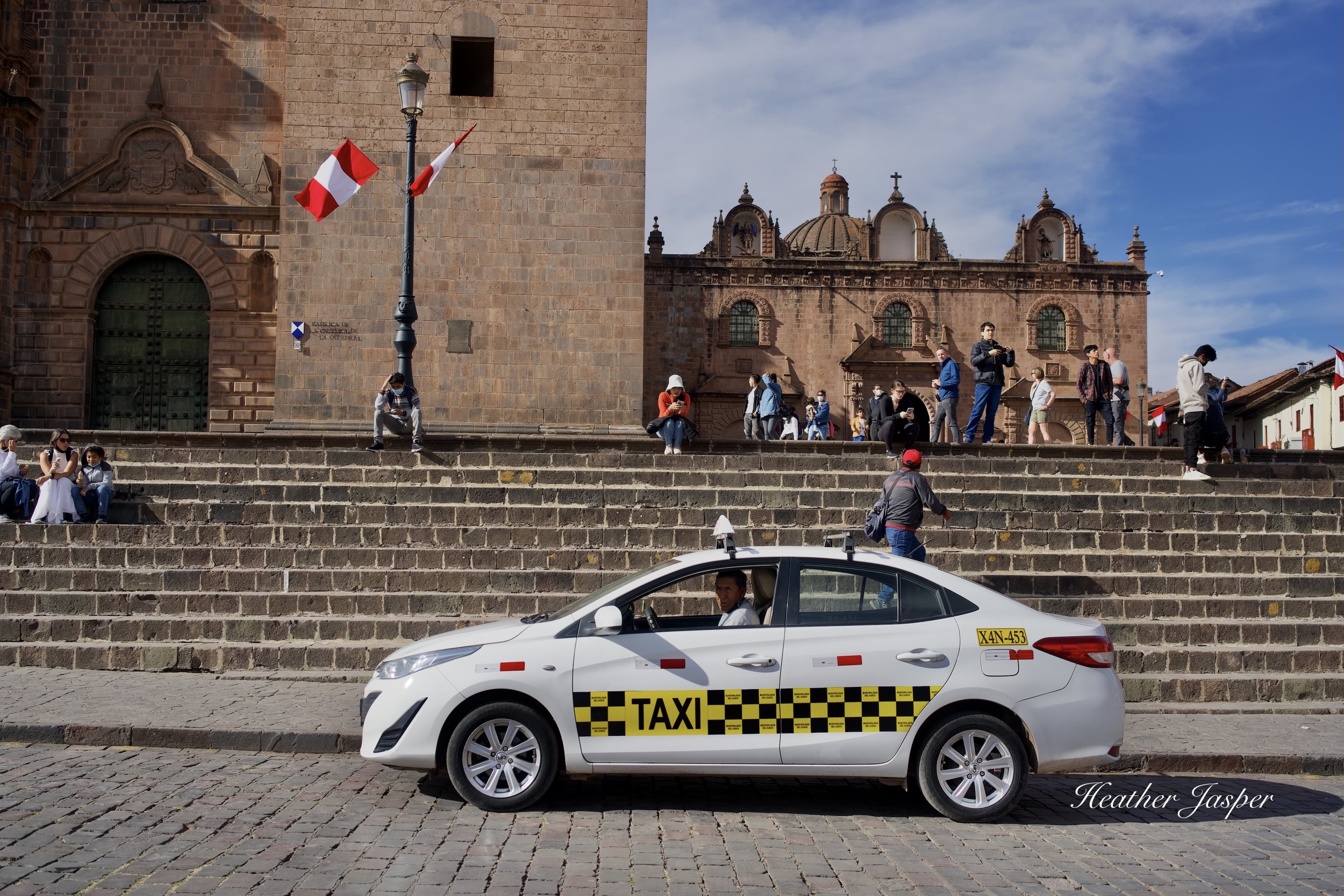
1. Taxis that overcharge
Unfortunately, taxis are the source of many scams. In some cities, taxi meters are required but the driver may tell you it’s broken. Do your research and know if taxi meters are mandatory where you’re traveling. Get out if the driver tells you it’s broken.
However, in places where taxis don’t have meters, like Cusco, ask somebody at your hotel or the restaurant you’re leaving how much a taxi should charge to where you’re going. Negotiate the fare before you get in the car, and repeat the fare the driver says, to be sure you got it right. If you don’t speak Spanish, use Uber or ask your hotel to call a taxi and negotiate the fare for you.
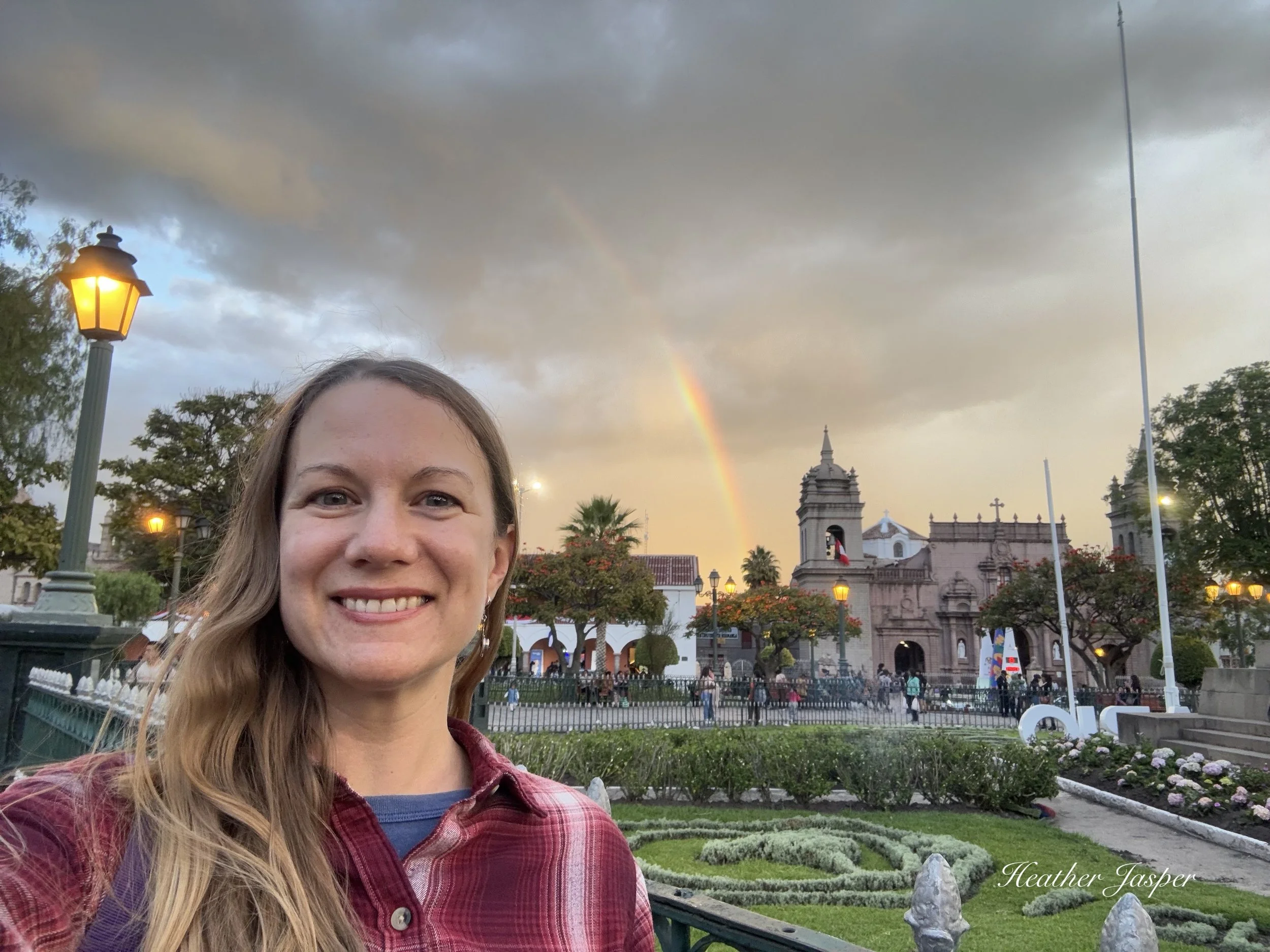
Selfies are not always the photo I want, but as a solo traveler sometimes they’re the photo that’s safest.
2. Somebody offering to take your photo
If I need more than a selfie, I look for somebody who has a nicer camera than me or somebody with a nicer phone than me. Unless I’m somewhere the person can’t take off with my phone, like the rooftop of my hotel, I don’t give my phone to any stranger who offers to take my picture for me.
As a mostly solo traveler, this sometimes means I don’t get photos of myself in cities, which is fine. On a guided rainforest tour, I’m happy to let the guide take my picture. They can’t run off with my phone to when we’re on a boat.
3. Somebody distracting you
This is the hardest one to protect yourself from and I’ve seen it happen but am lucky so far nobody has tried it on me. You’re somewhere in public, usually in a crowded place, and one person bumps into you or somehow gets your full attention. Then, their accomplice rushes in and grabs your phone or wallet and runs off before you can react. Be aware of crowds, keep your phone and wallet safely tucked in an inner pocket in crowded places and never set them on the table at an outdoor café or restaurant. Do your research before traveling so you know when you’re going somewhere that is famous for pickpockets and scams – like downtown Lima, some neighborhoods of Buenos Aires or Naples.
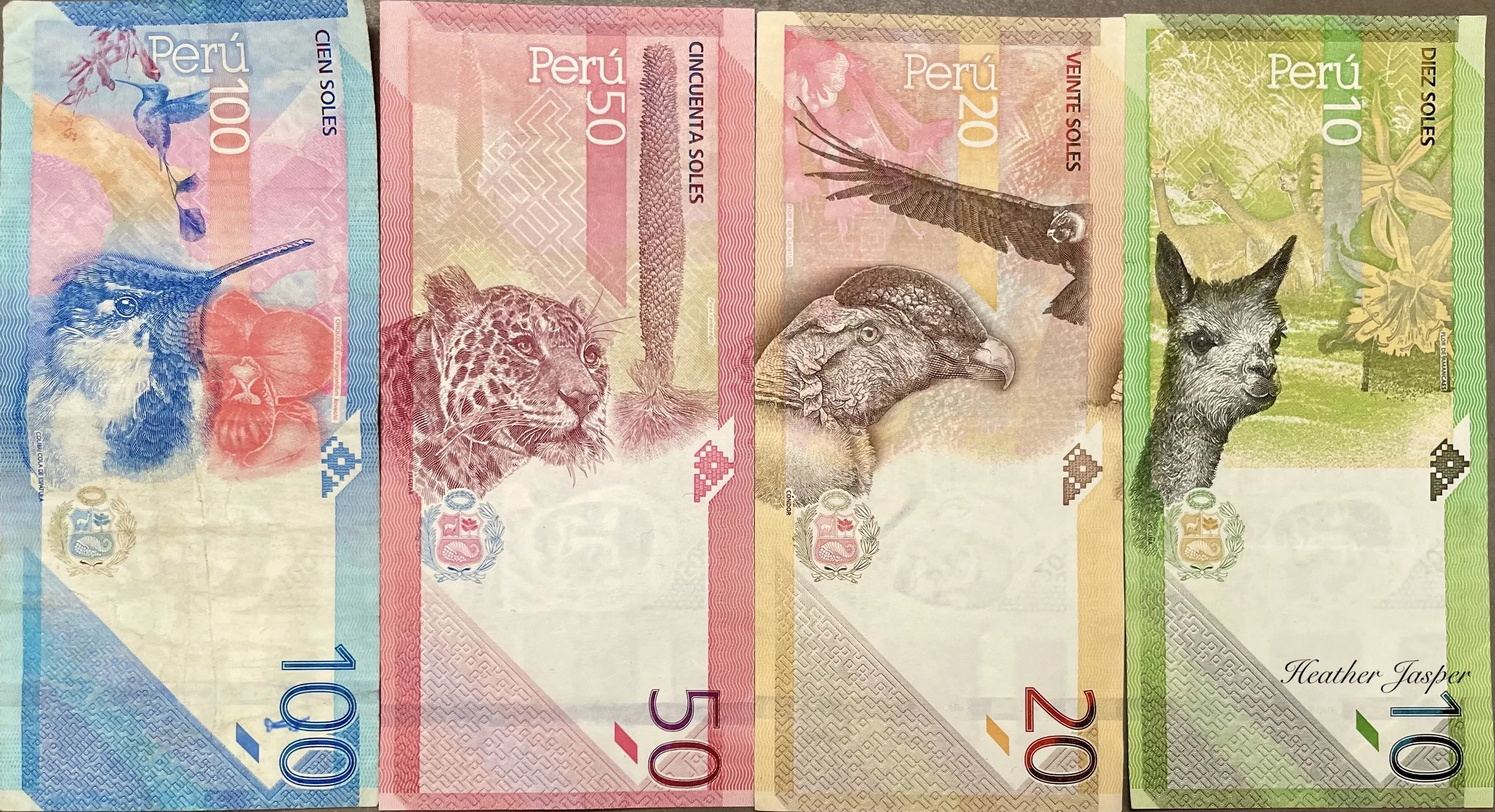
Peru’s new money has animals on one side and the watermark of the person on the other side.
4. Counterfeit money
I’ve had this happen twice in Peru and both times caught it, but only because I know what to look for in Peruvian money. If you’re going somewhere with a different currency, first get some cash from a bank or ATM, so you know it’s real. Take the time to look at the safety features like watermarks and reflective stripes. When people give you change, look to see it’s not counterfeit. Locals do it, so don’t be embarrassed that the person will think you don’t trust them. Always check, no matter who gives you the money.
5. Incorrect change
This is also an easy scam for people unfamiliar with a foreign currency. They may give you back a bill with the same number, like 5 instead of 50 or a coin worth 1 instead of 2, if the coins look similar. Don’t let them rush you and take the time to count and check your change. People can tell when you’re in a hurry and are more likely to try something like this if they think you won’t double check the amount they’re giving you.
Apologies if this seemed overly negative, but it’s information I know a lot of people need, either for the first time or as a reminder.
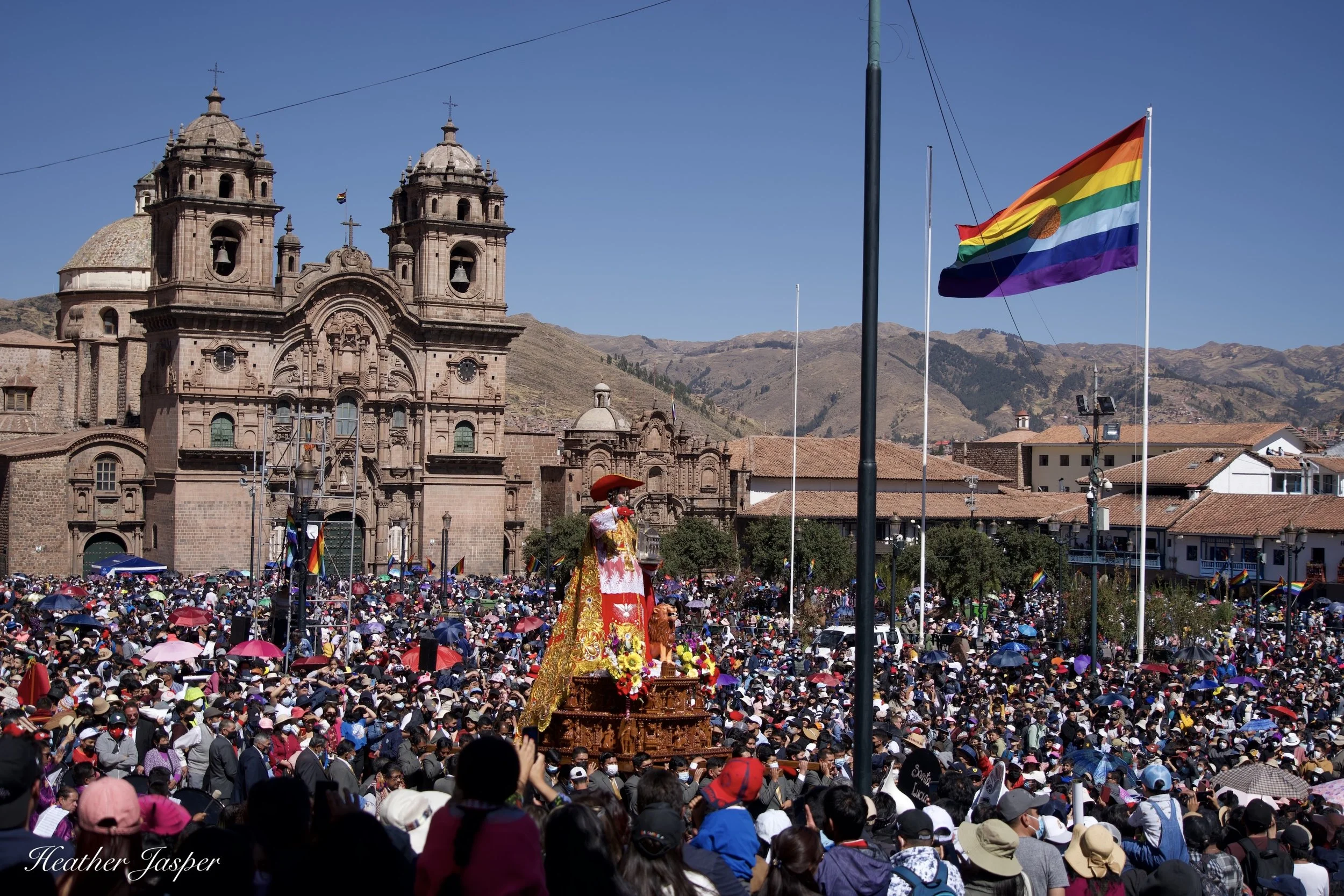
Blog: Best Festivals in Cusco
It’s that time of year again when tourism is picking up in Cusco and Cusqueñians are preparing for festival season, which starts in May, is in full swing in June and continues with less intensity in July and August.