To all-inclusivo or to not all-inclusivo?

The Tambopata Research Center is all-inclusive because it’s deep in the Peruvian rainforest, but it doesn’t exclude local workers, culture and cuisine. That’s only part of why I highly recommend it - read my Tambopata Research Center blog to find out why.
The all-inclusive resort has a bad reputation, for good reason.
One of my favorite Spanglish terms is “all-inclusivo,” as in the resort for English speakers in Spanish speaking Latin America & the Caribbean.
I usually avoid all-inclusive resorts for all the reasons you would expect.
They separate guests from the country they’re in and the local culture. They include all food and drink, which only encourages quantity over quality. Their buffets waste a lot of food. They usually have foreign owners who are more interested in profits than the local environment, which leads to lots of single-use plastics over more sustainable (and costly) options. They are often crowded, again leaning into quantity over quality. They can be indistinguishable one from another and from crowded hotels in Las Vegas.
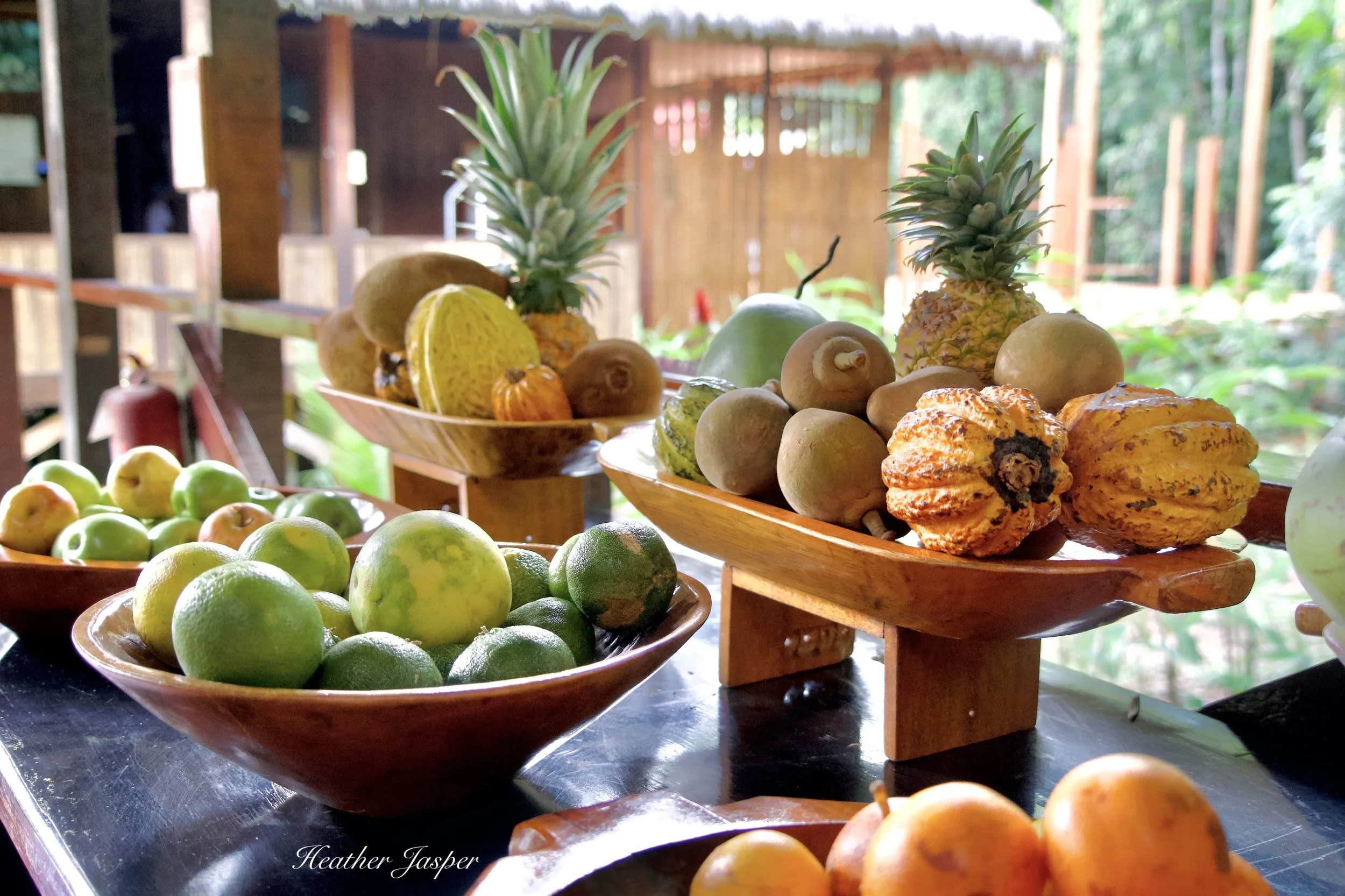
Buffets should include locally-grown food, like the fruits on the Tambopata Research Center buffet.
However, the problem with all-inclusive resorts is not that they’re all-inclusive, it’s that they are exclusive.
The model of including accommodation, food and activities isn’t the problem. I think the problem is excluding the communities and cultures these resorts are built in. They exclude local workers, local cuisine, local environmental concerns, local sustainability projects and exclude the local economy from profiting as much as the international investors.
If a resort in Mexico is identical to a resort in Jamaica, the problem isn’t that food is included. The problem is that Mexico and Jamaica are excluded.
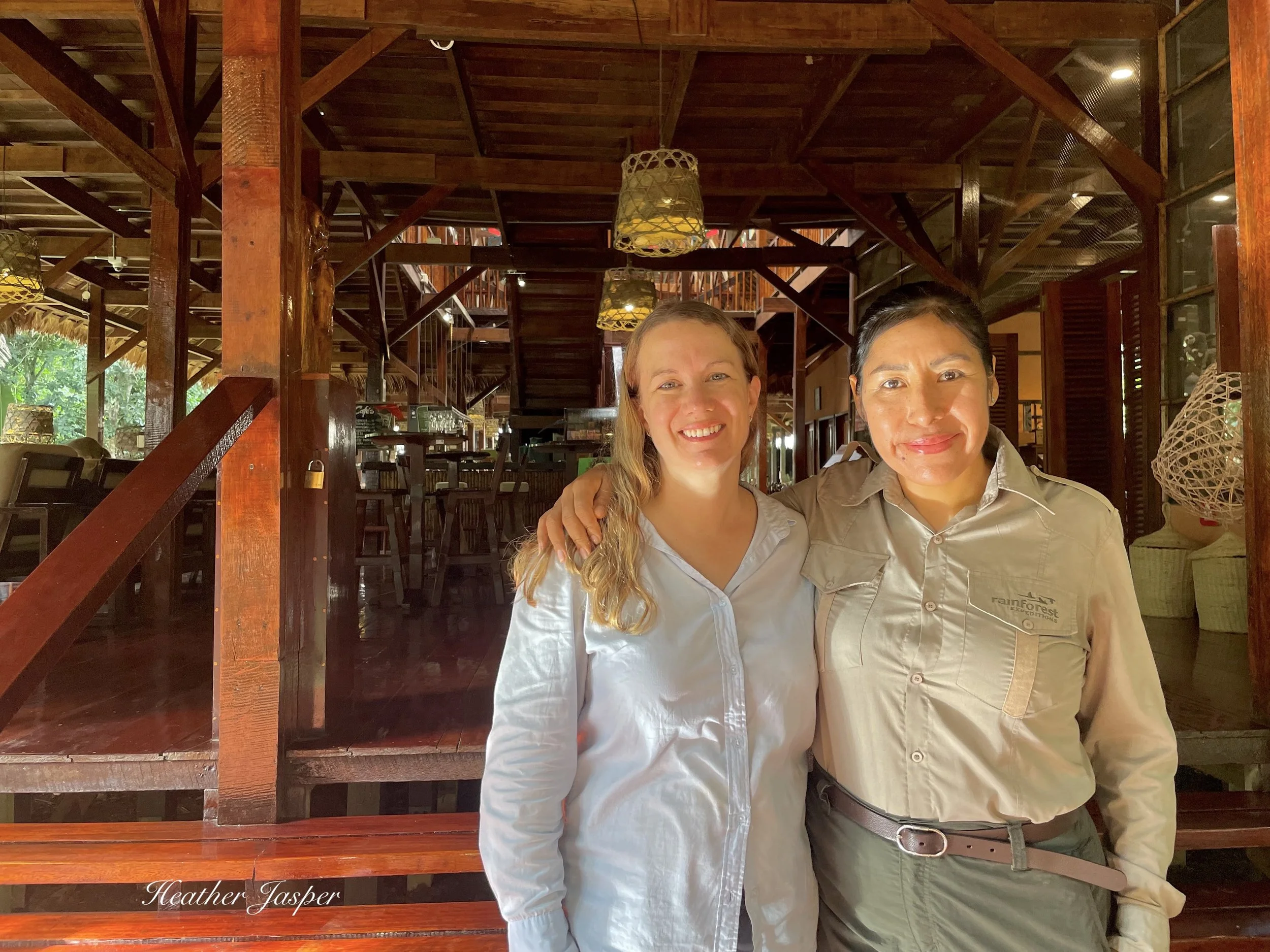
Refugio Amazonas is all-inclusive because of its remote location in the jungle - and it includes local guides, culture and cuisine.
Why is it all-inclusive?
This is the most important question to ask any resort you’re considering. If it’s all-inclusive so you don’t interact with local communities, it’s a place to avoid. If it’s all-inclusive because the location is isolated, it’s a place to consider.
My favorite all-inclusive resorts don’t exclude local communities and culture, but they’re so geographically isolated that there’s nowhere else to eat or do activities. They include local workers, cuisine and culture, plus they have important environmental conservation programs.
Tambopata Research Center, deep in the Peruvian rainforest, is a 4-hour boat ride from the nearest restaurant. Inkaterra Cabo Blanco, on Peru’s north coast, is on a semi-deserted stretch of coast where Inkaterra is re-wilding 700 hectares (1,730 acres). Pristine Camps Salinas Grandes is in the middle of a salt flat in northern Argentina, hours from the nearest town.
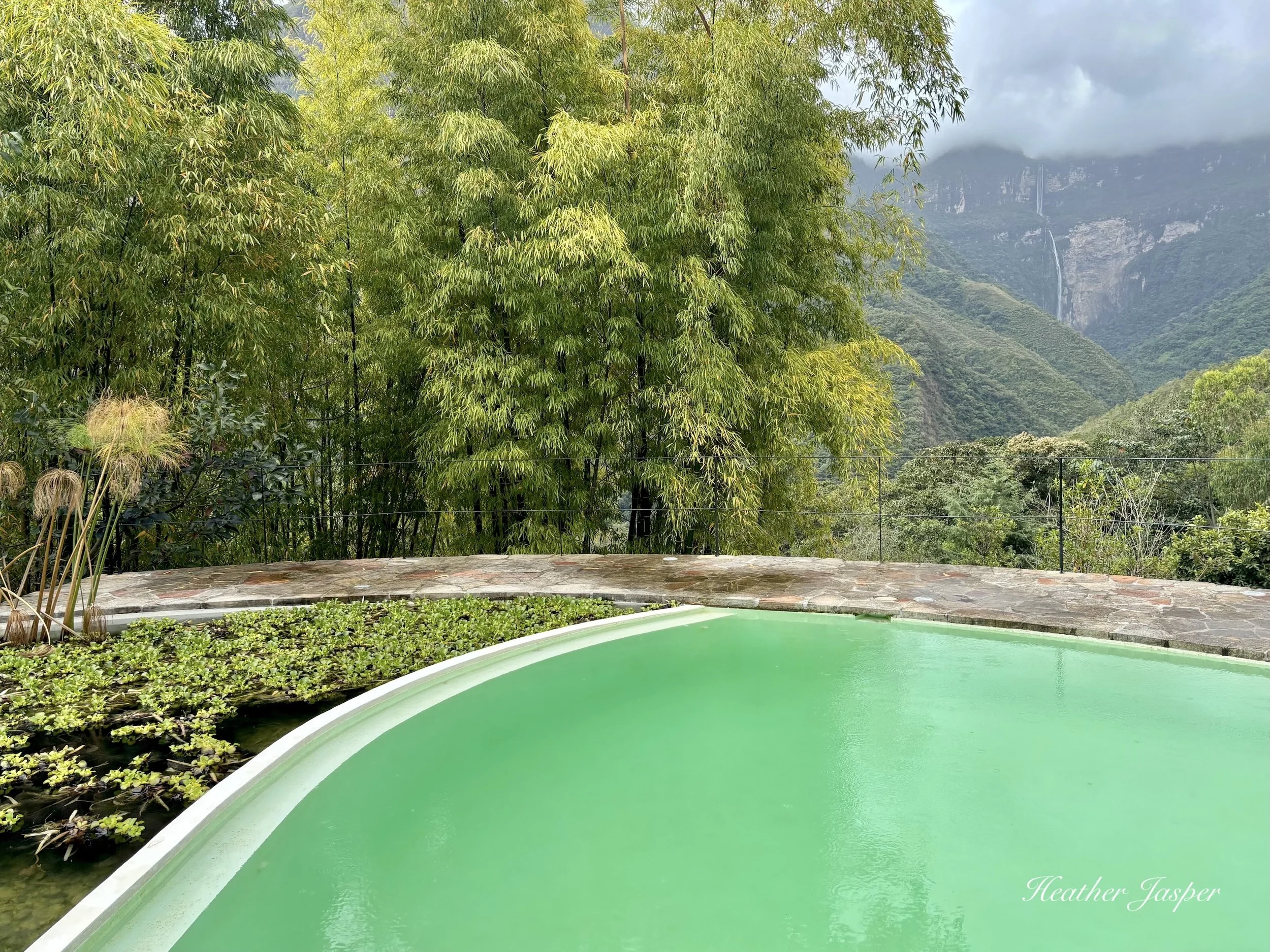
Look for places like GoctaLab in northern Peru, where the chemical-free pool is filtered by the plants on the left side.
How do some all-inclusive resorts get it right?
There are all-inclusivos that don’t separate guests from the country they’re in and that make an effort to include local communities and cultures. If meals offer local cuisine (not shrimp cocktail and ice cream sandwiches) and local culture (not imitation Palm Beach, Florida) then I think it’s on the right track. If an all-inclusive resort includes local sustainability efforts and profits for local communities, then they’re worth considering.
How do you know it’s not greenwashing?
Any company that claims to be sustainable or regenerative has to show concrete evidence in their marketing materials and on their website. Look for details about how they conserve resources like energy and water. Look for explanations of how they train and hire local staff, rather than importing all their workers. The details really matter and they should be clearly spelled out. Be wary of vague descriptions of respecting the environment.
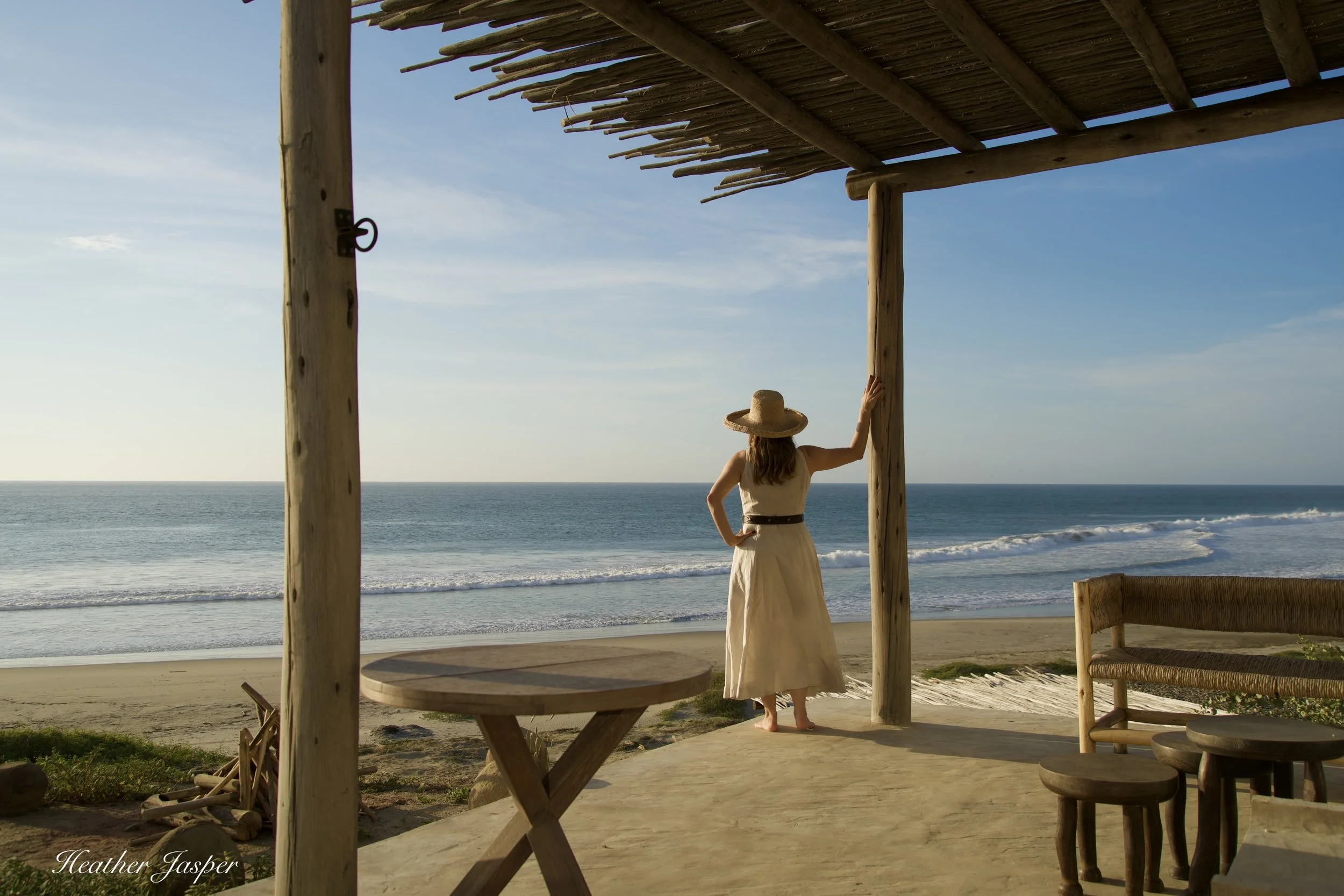
Cabo Blanco is most famous for surfing, but you don’t have to be an expert surfer to enjoy the coast.
Blog: Cabo Blanco
Last week I went on my first trip to Peru’s northern coast since January 2020 and I don’t know why it took me so long to go back. I loved Cabo Blanco!