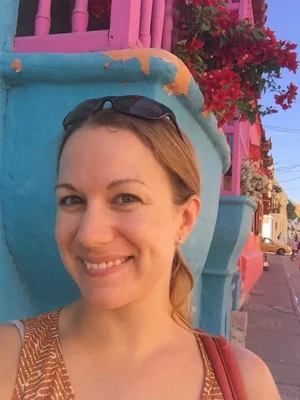
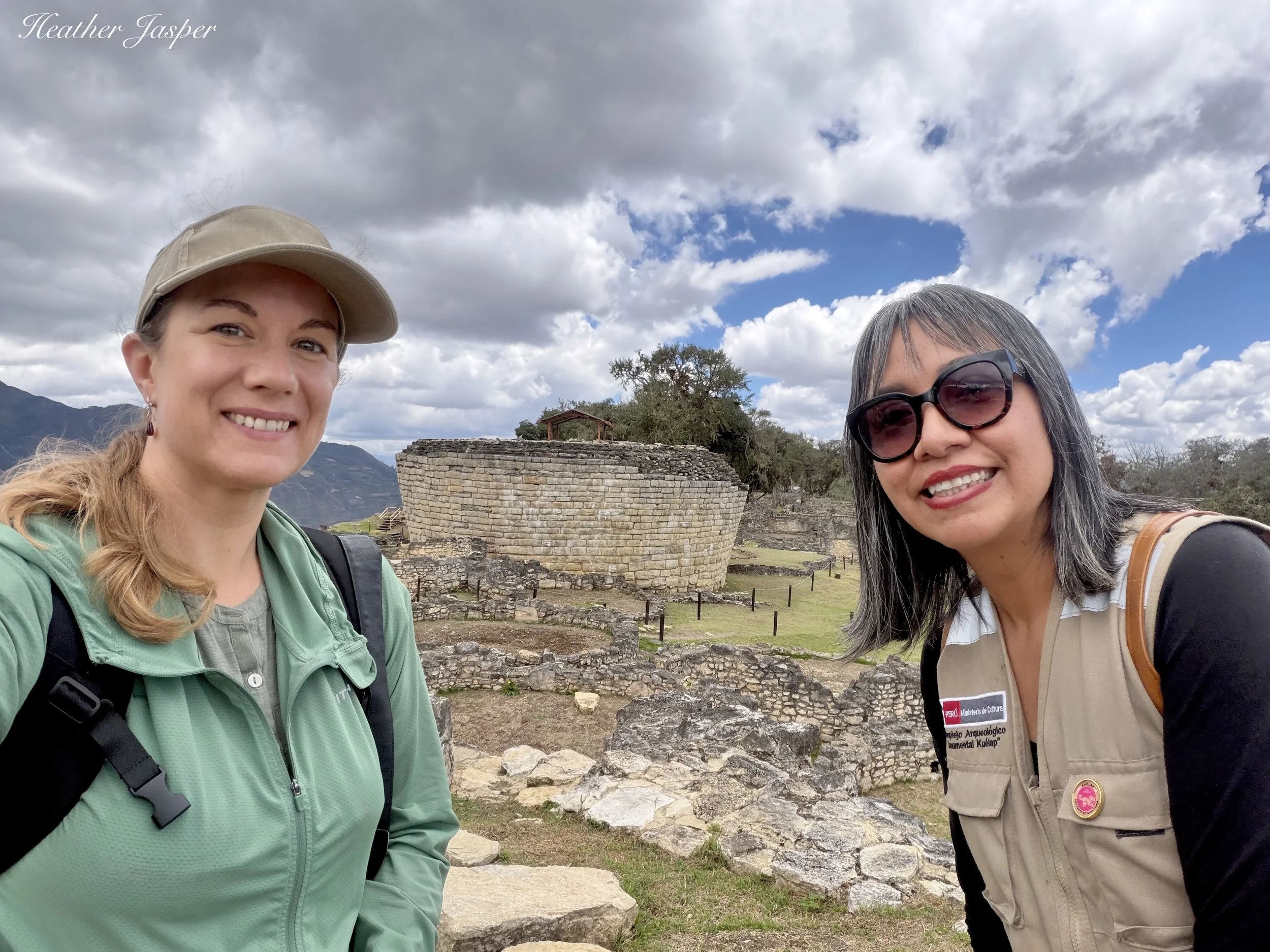
I interviewed Rocío Sánchez about Kuélap for my National Geographic article. She was regional director for the Ministry of Culture when I visited Kuélap in 2025 and 2026.
Kuélap is one of my favorite places in Peru.
Read my profile of Kuélap on National Geographic Best of the World 2027 to see why you should put Kuélap at the top of your travel list for 2027.
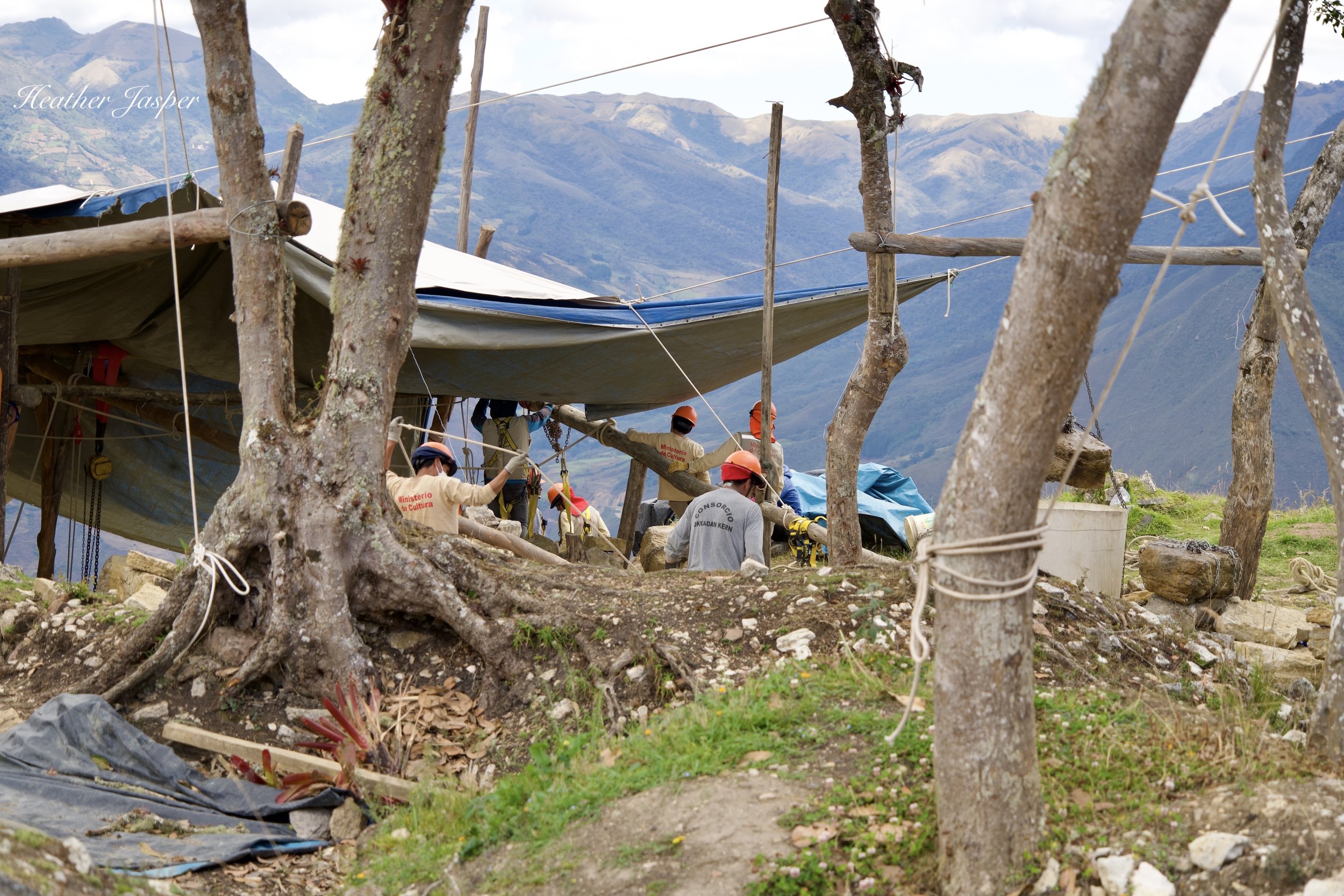
Why is Kuélap so exciting?
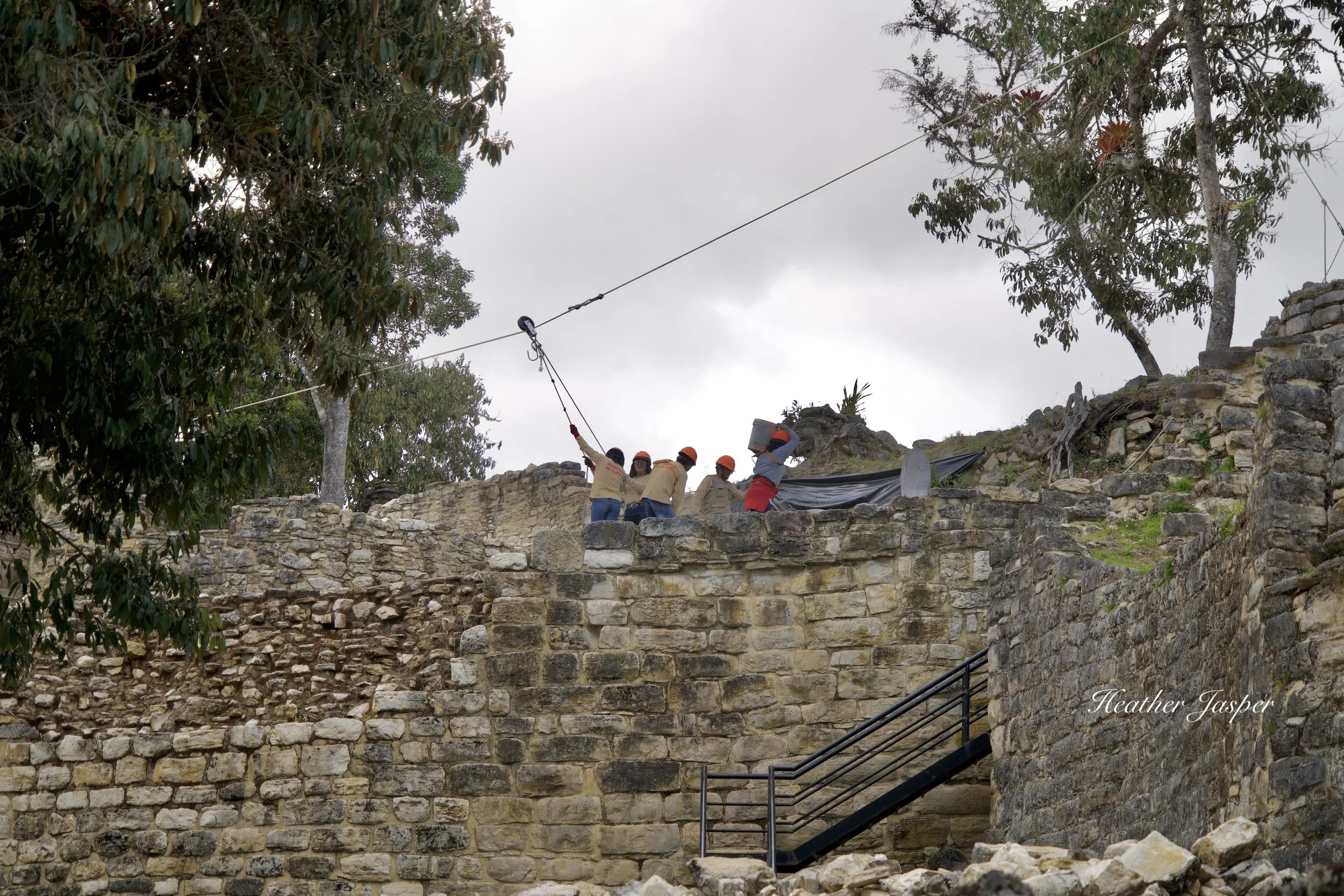
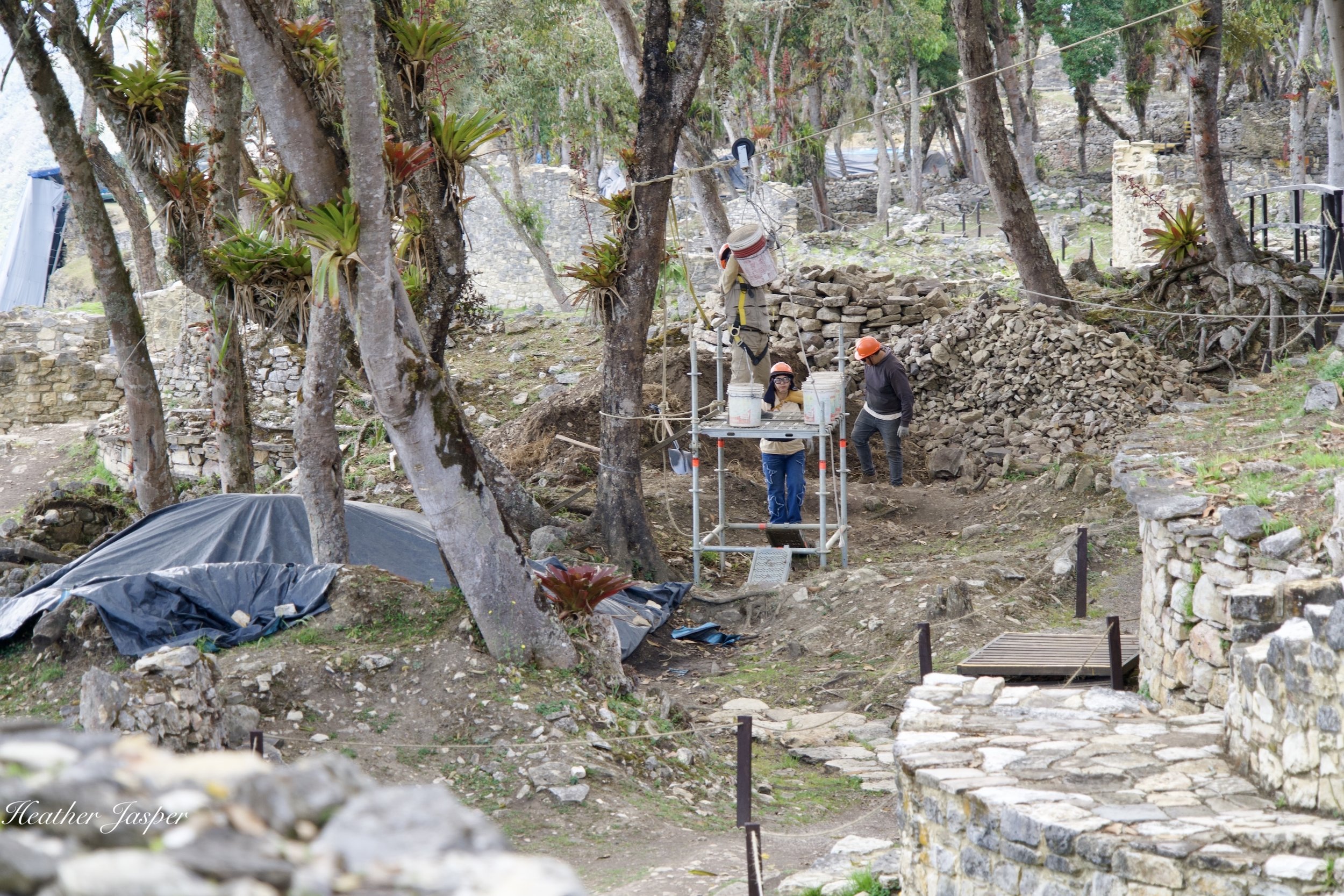
New discoveries happen all the time in Kuélap because it’s an active archeological site.
In June this year, Rocío Sánchez announced that a new tomb had been discovered. Read about the tomb and see photos here. Just two months later, in August another discovery was announced, this time about small sculptures of female animals. They’re a type of sculpture known as illas, used in fertility rituals, particularly to increase llama herds and improve agricultural production.
The next big discovery could happen any day.
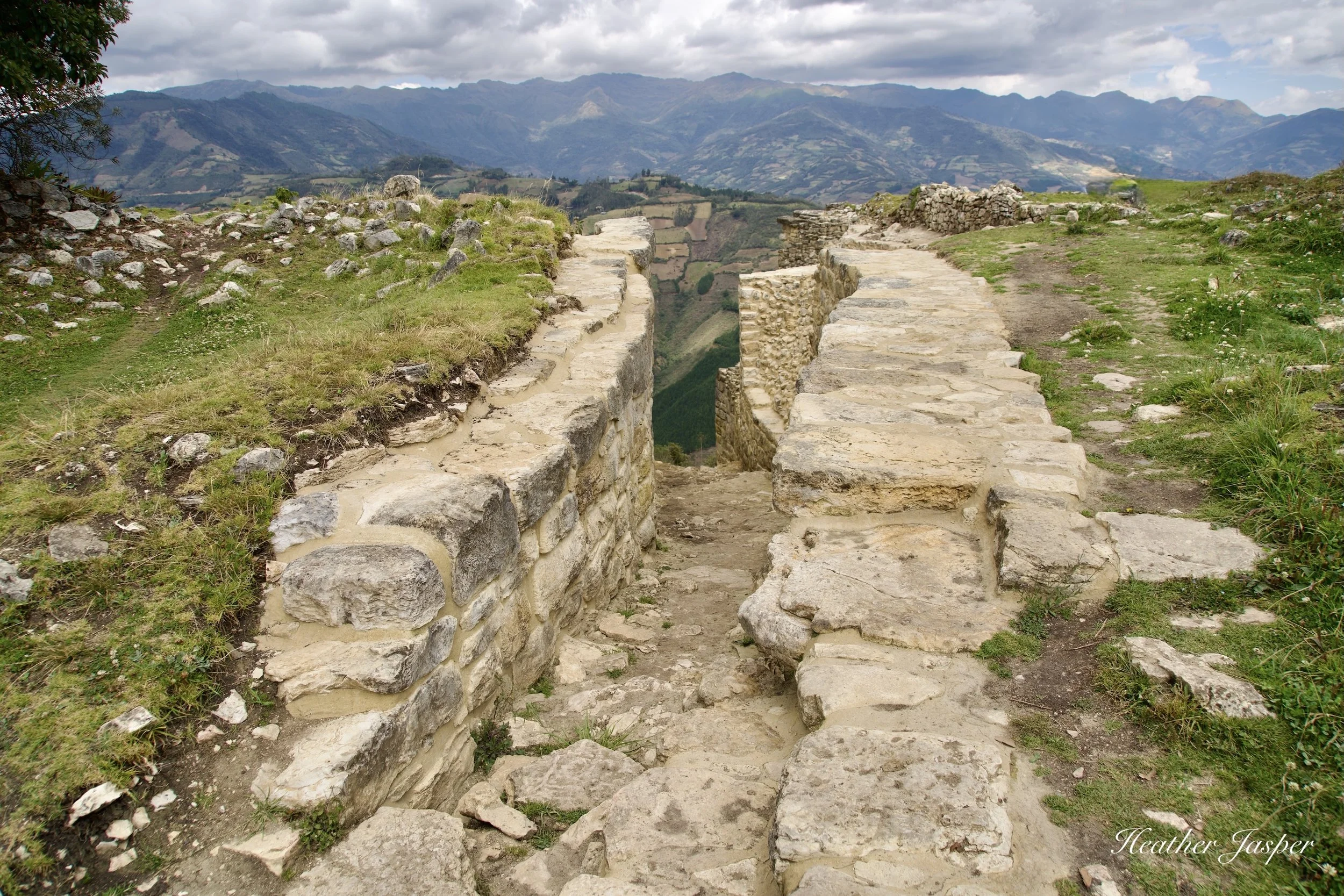
This entrance, the only access point on the western side of the city, will open to the public in 2027.
In 2027, Kuélap has more to offer.
The ancient Chachapoyan citadel of Kuélap is one of the oldest and most important archeological sites in Peru.
I visited Kuélap in 2025 and again September 2026 and learned so much about the Chachapoya’s culture and history. I’ll definitely go back in 2027 to walk through Malcapampa, an active archeological dig that will have a new trail to visit the area.
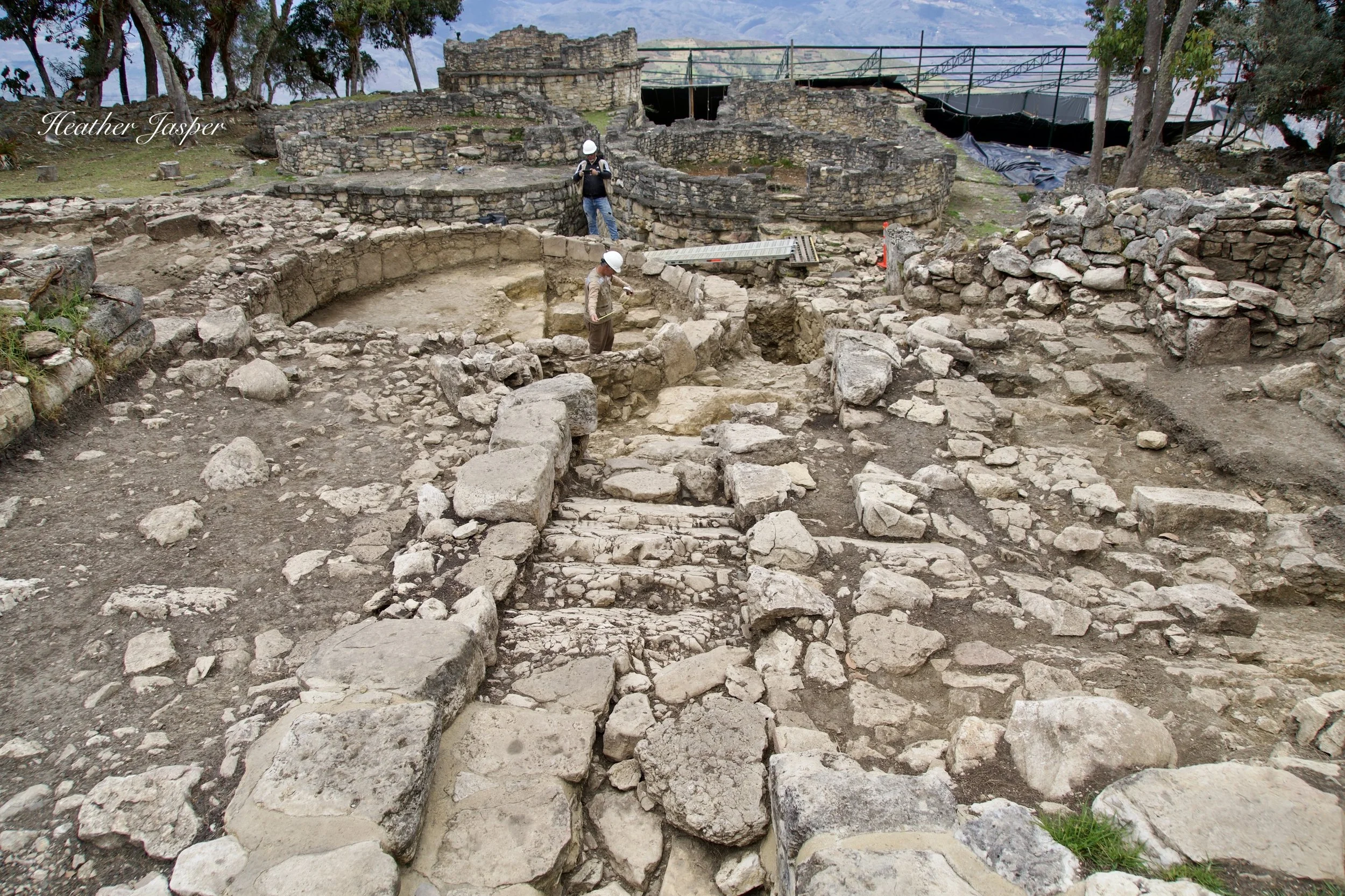
This pathway in the middle links the tomb to Kuélap’s only western entrance.
Kuélap’s new tomb discovered in 2026.
This year archeologists discovered a new tomb and in 2027 a new exhibit about the tomb will open in Kuélap’s Apu Chuillaxa interpretive center. Preliminary reports about the tomb showed that five people were buried in it, along with several fascinating artifacts. I’m excited to see what else analysis of the tomb shows when the new exhibit opens.
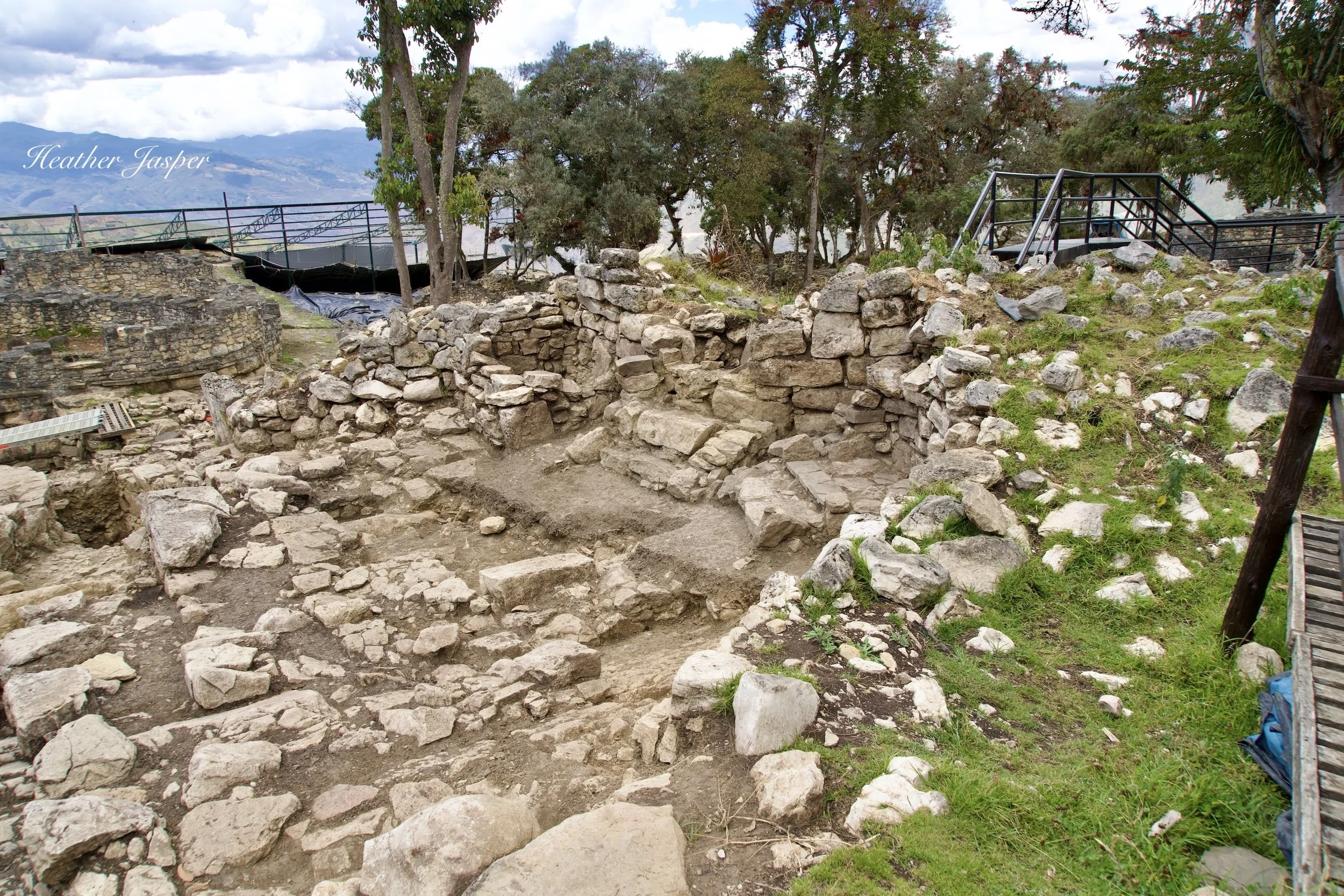
This area where the tomb was found links the eastern access, where people entered and exited the city, with the western access, which archeologists believe led to an area used for funeral ceremonies.
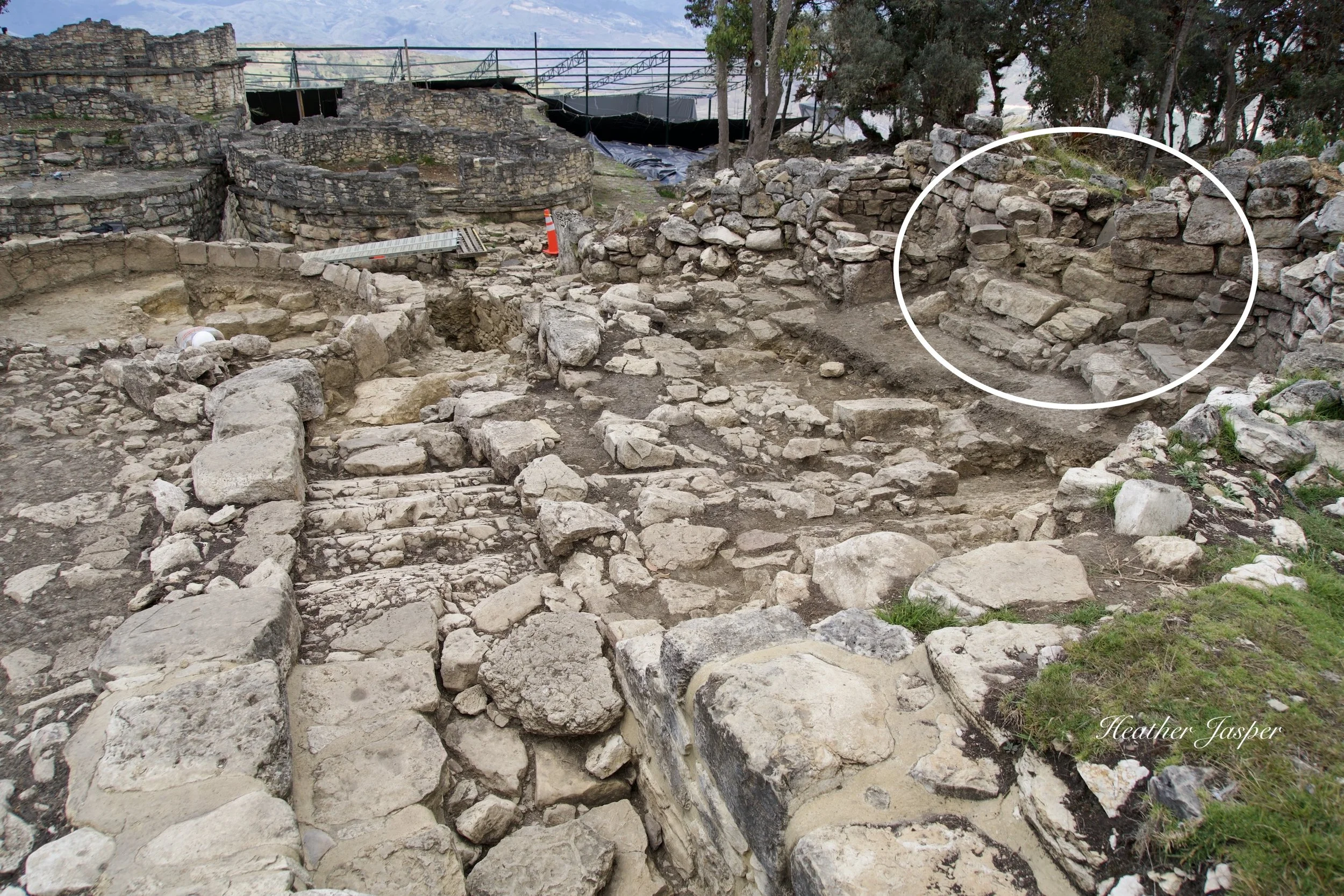
Tomb discovered in 2026
I circled the tomb that was discovered with five skeletons and funerary offerings in it by Peruvian archeologists in 2026. Read the Andina article about the tomb here.
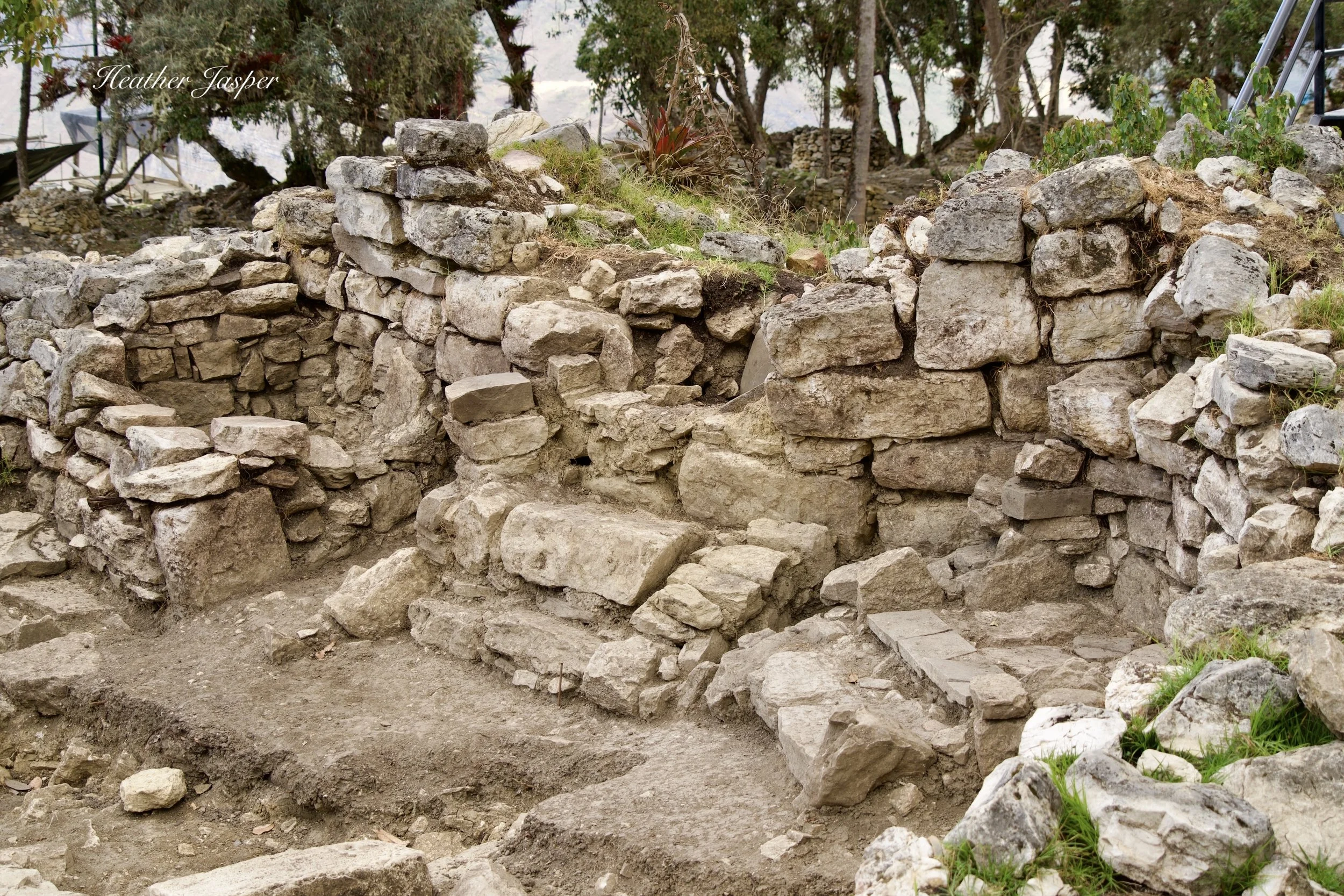
Tomb analysis will be public in 2027
An exhibit about the tomb and the skeletons and artifacts found in it will be added to Kuélap’s interpretive center in 2027.
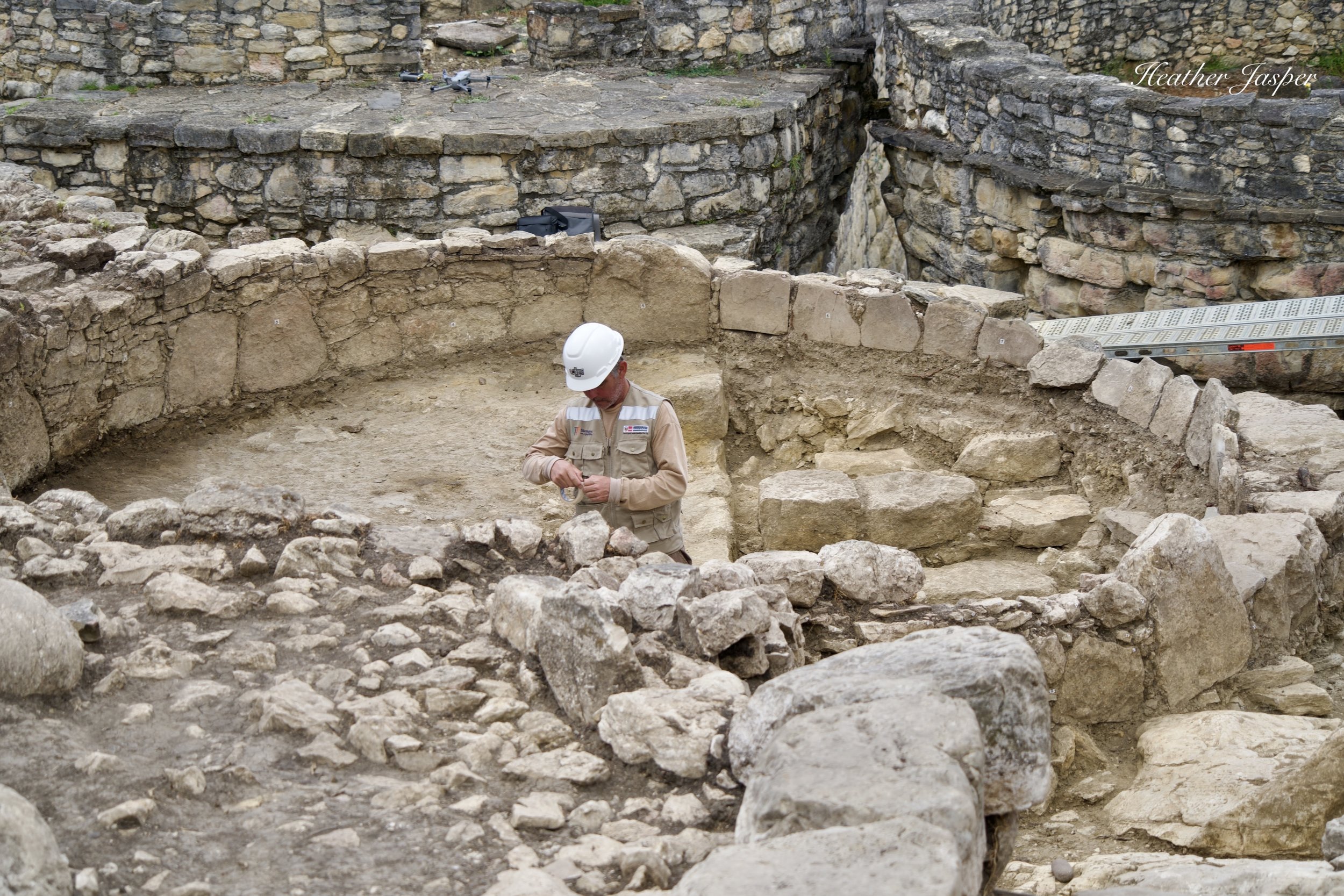
Excavation and analysis of this area between the east and west access points is ongoing and more discoveries are likely.
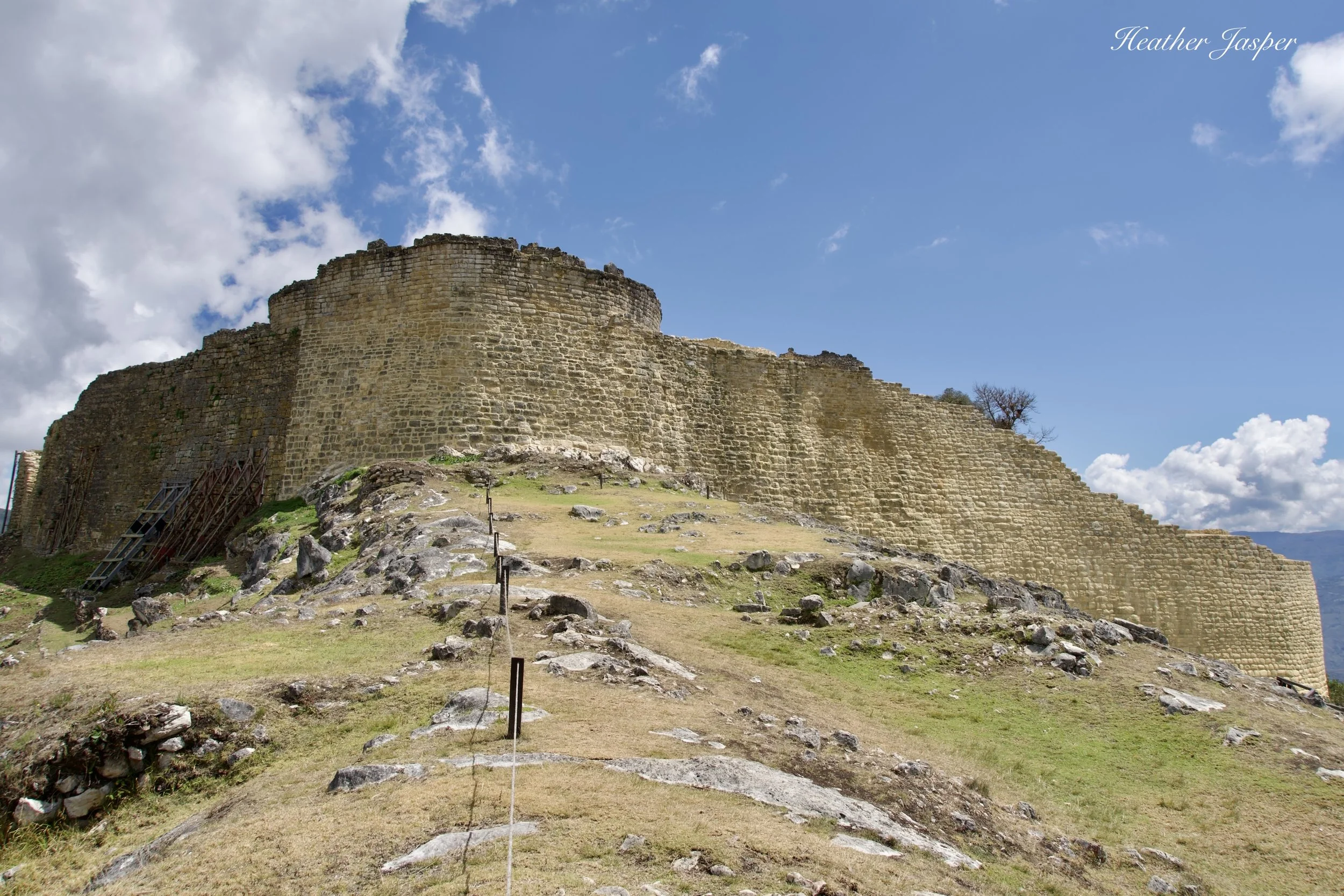
Arriving at Kuélap
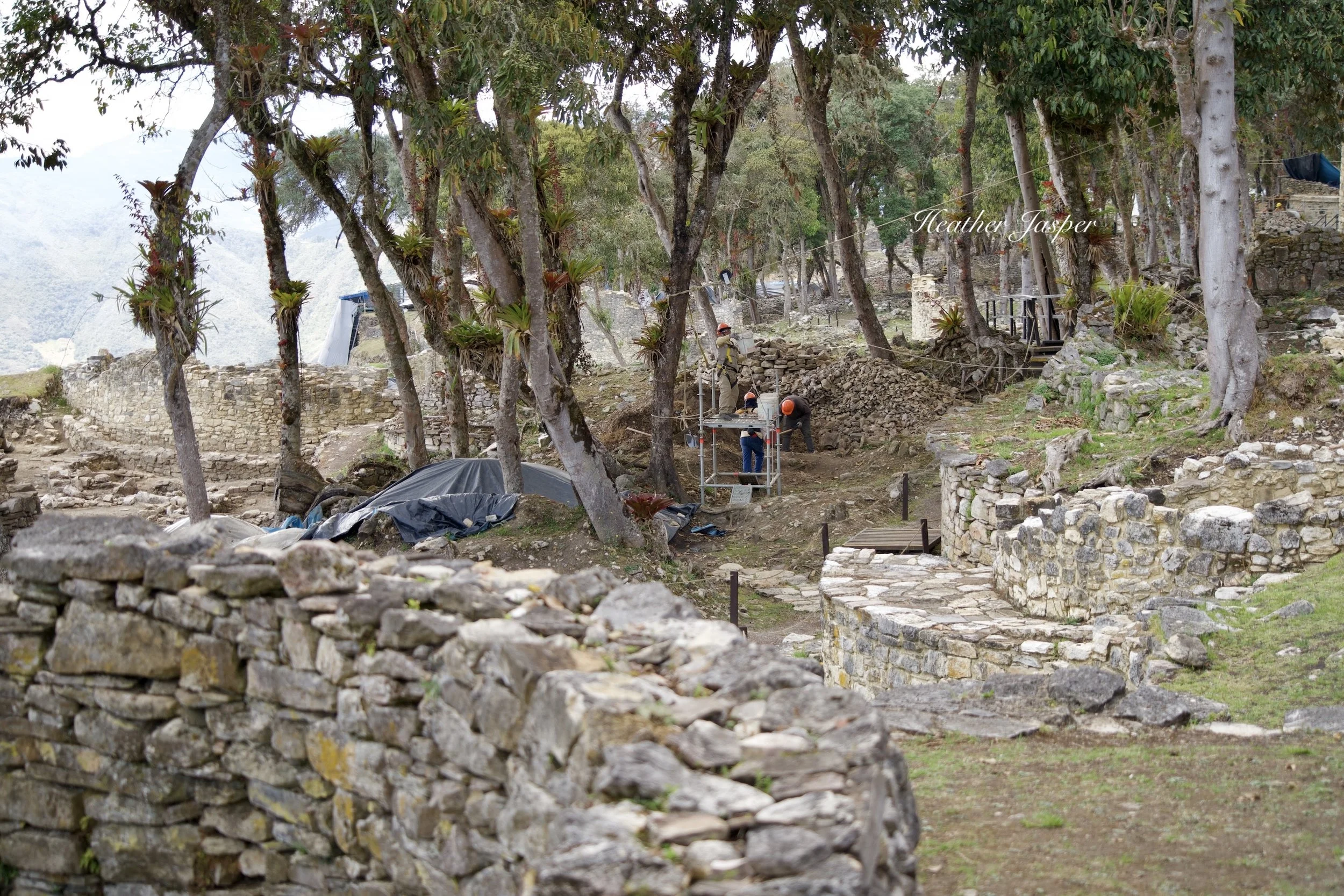
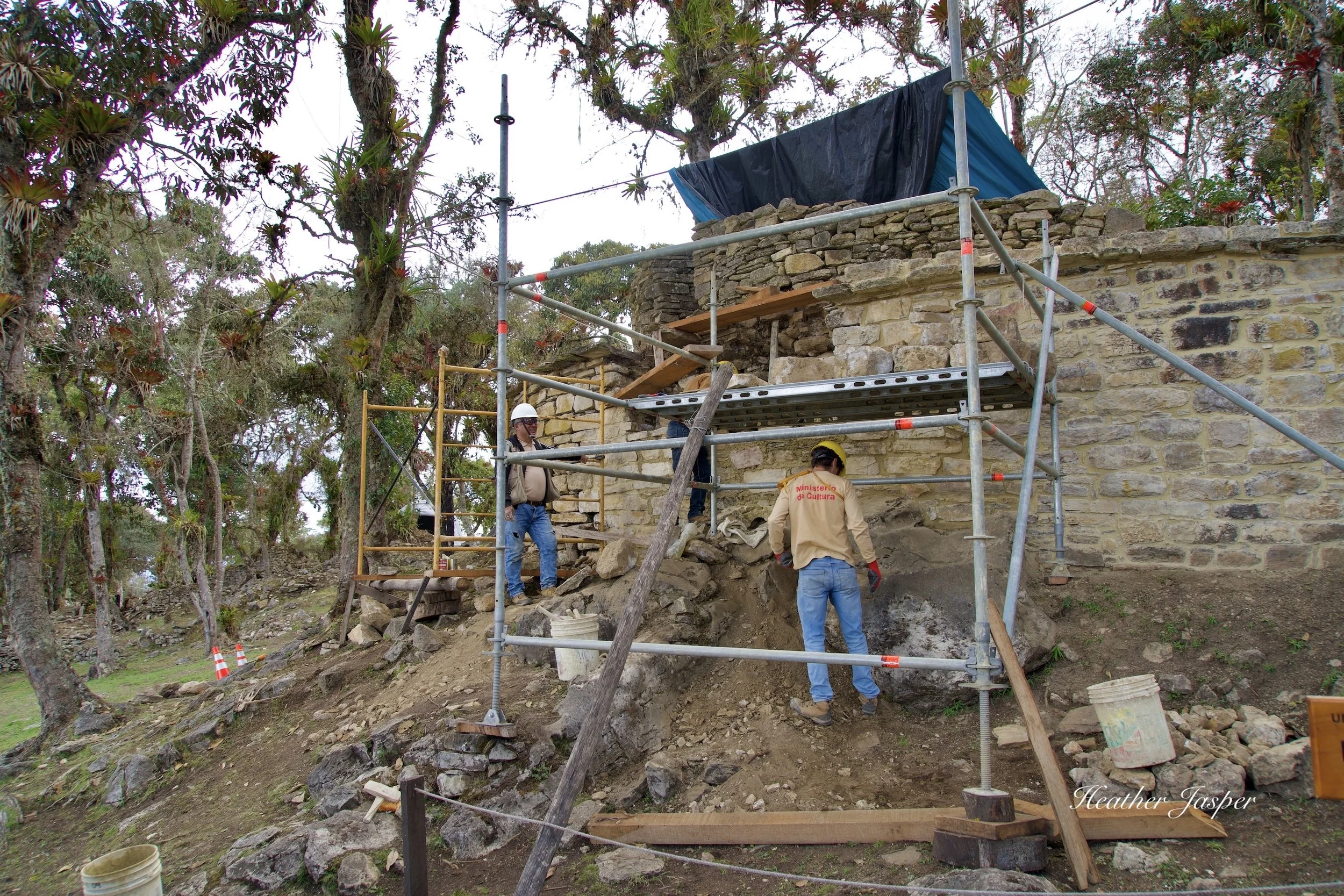
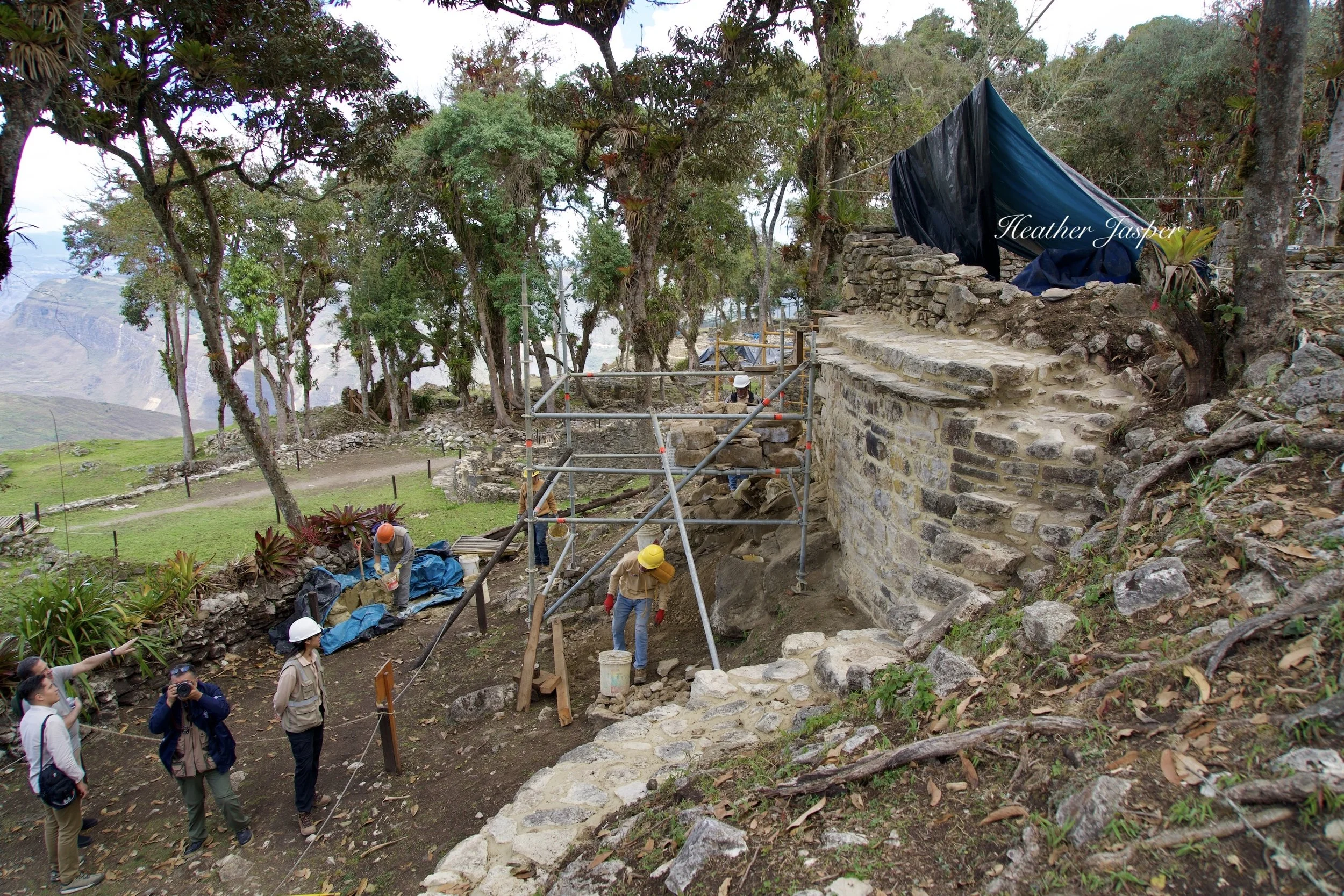
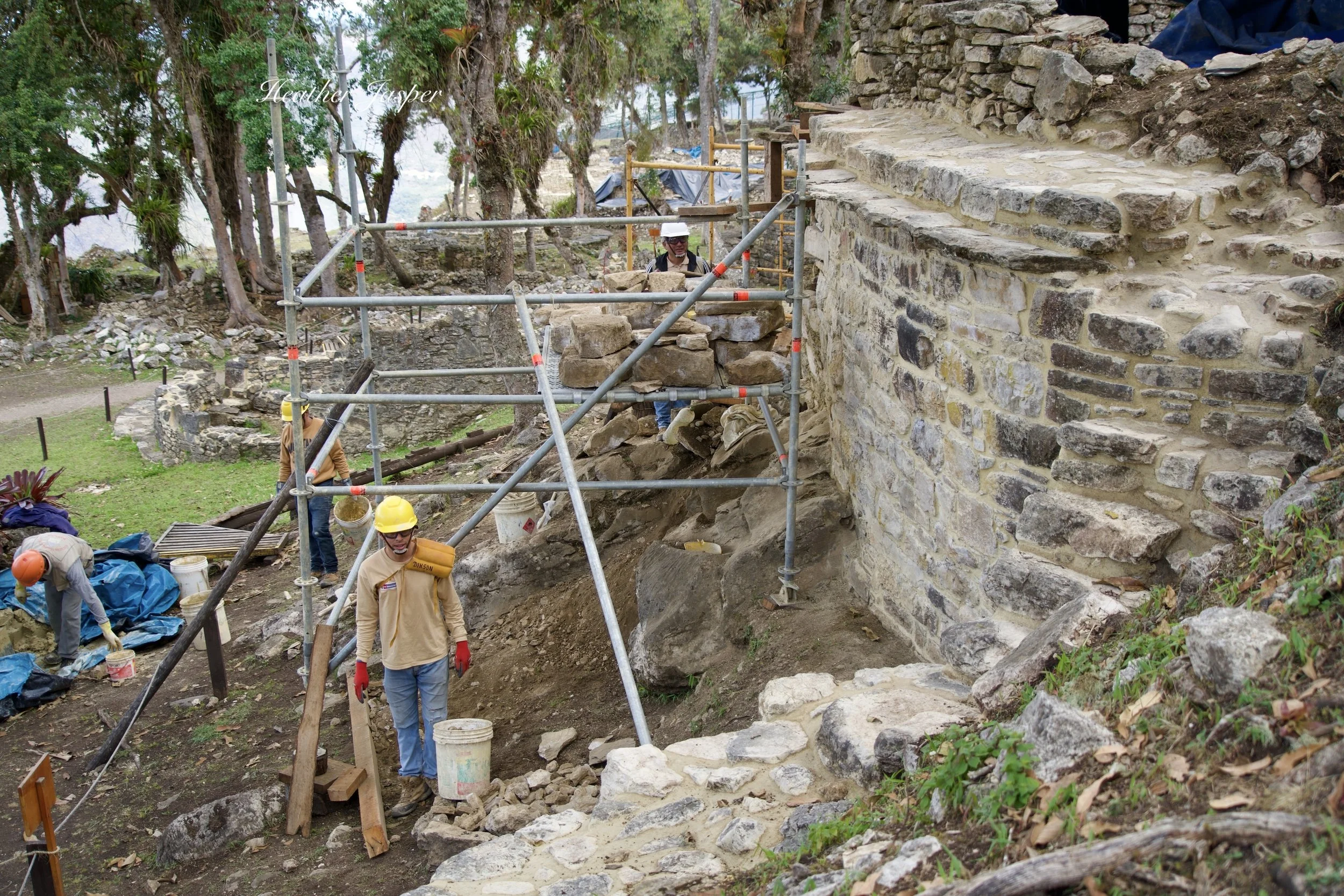
After you take the cable car up to the interpretive center, where in 2027 you’ll also get to visit Malcapampa, you walk about 20 minutes to here, your first view of Kuélap. This is the south wall, which collapsed in 2022. The wall on the left isn’t darker because it’s in the shade, it’s still original. The area that’s lighter is the newly rebuilt south wall, finished in June 2026.
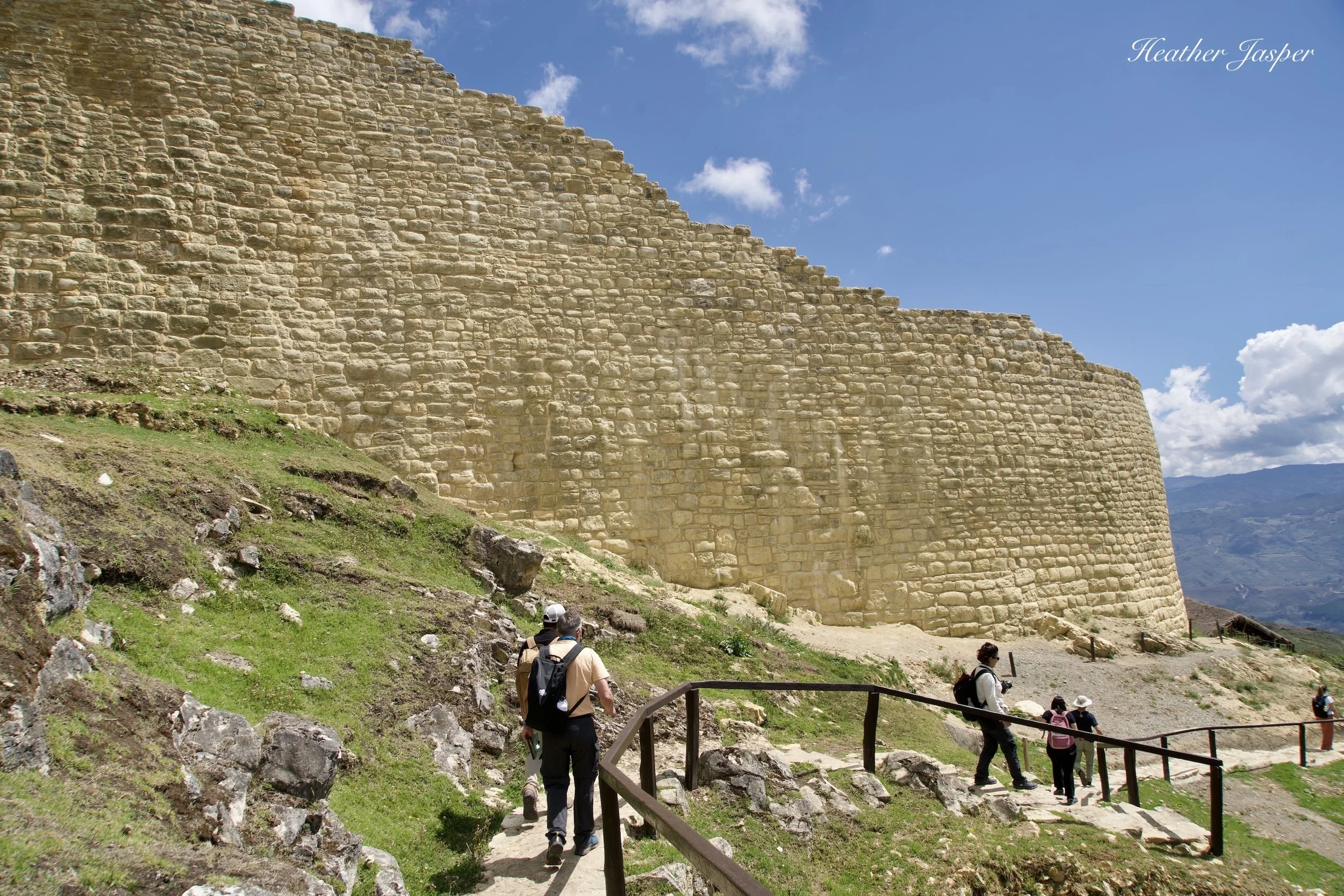
Kuélap’s South Wall
The south wall was meticulously restored so every stone is back in its original position.
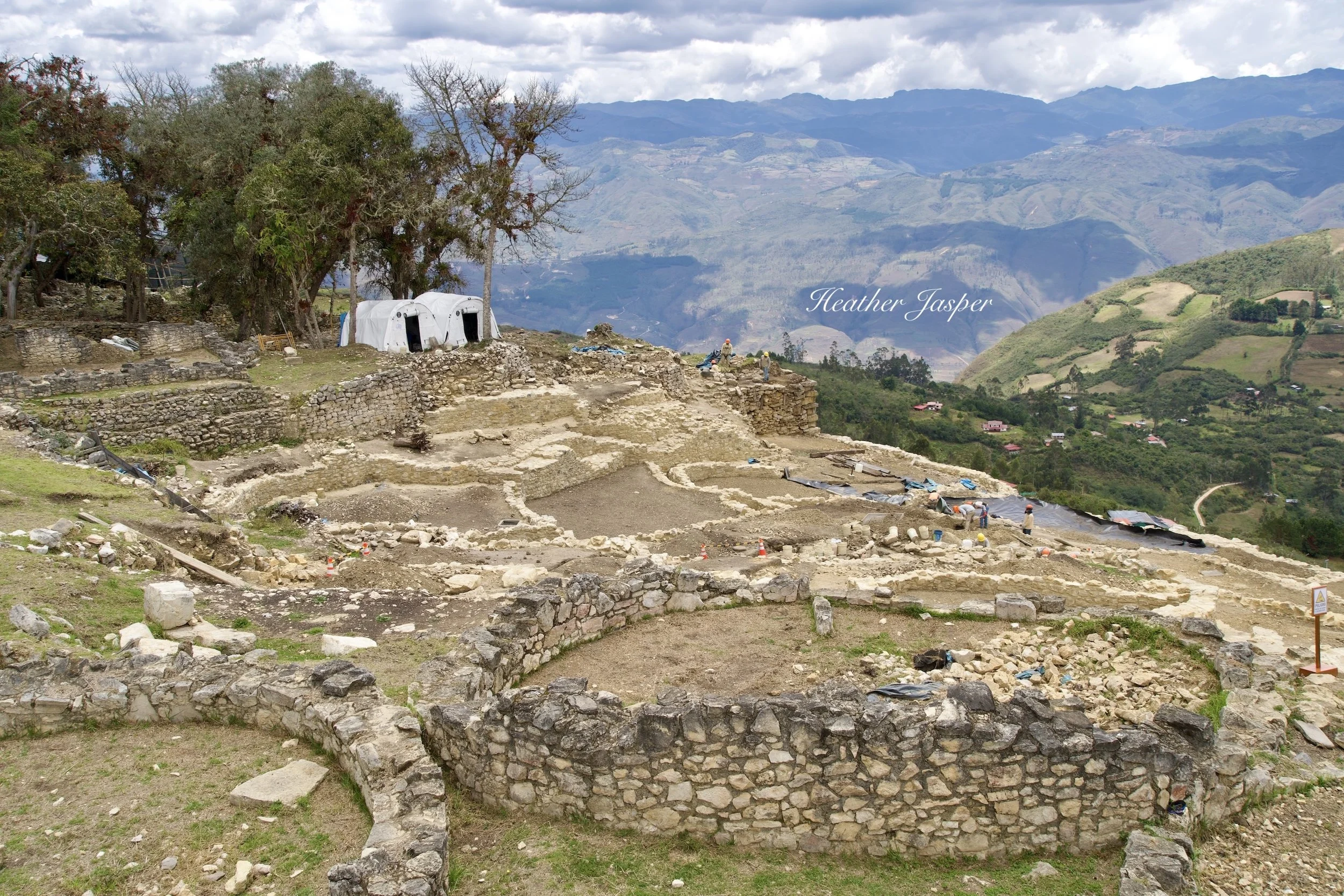
Above the South Wall
The buildings above the south wall were also carefully reconstructed but the collapse allowed for a deeper study of what was underneath.
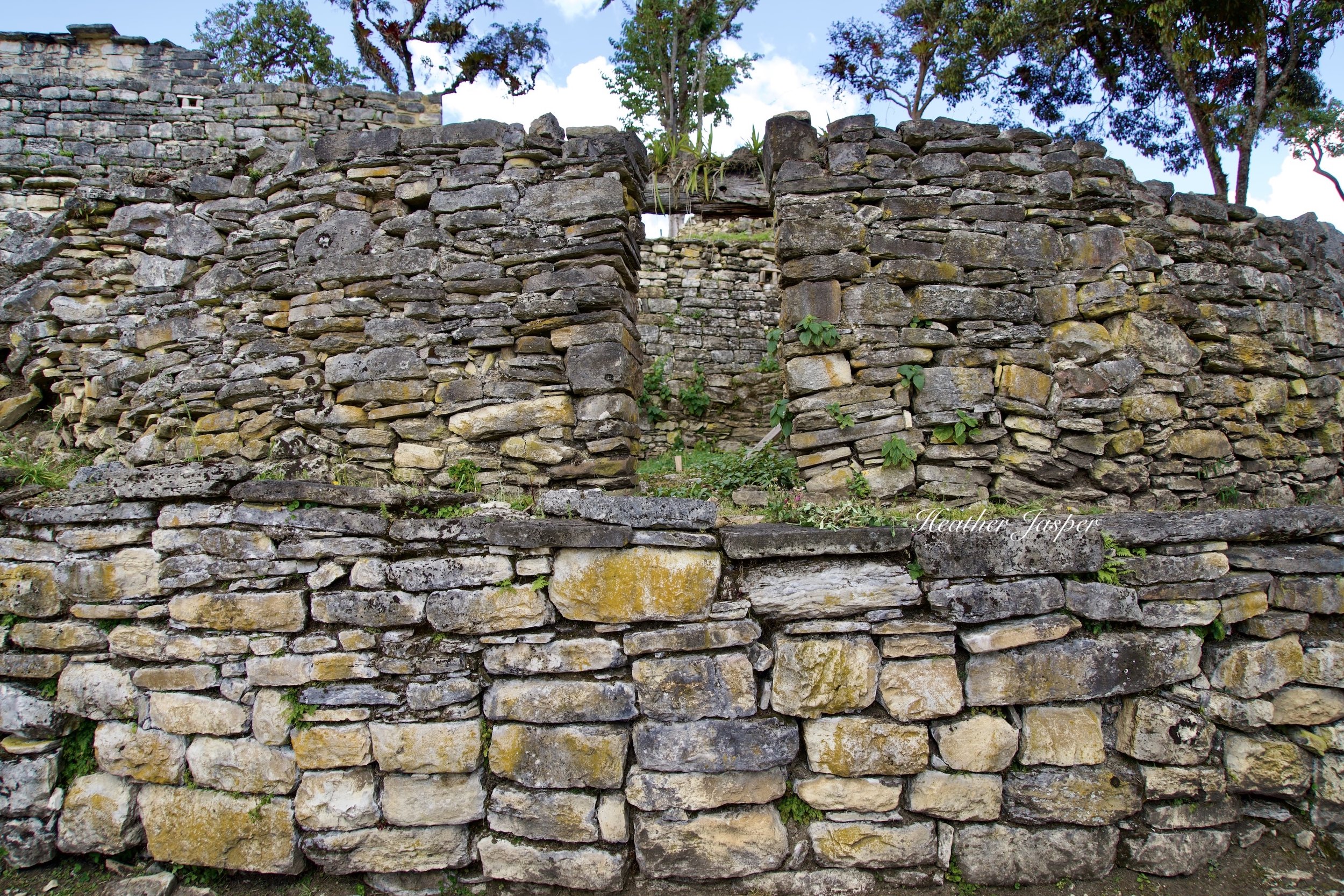
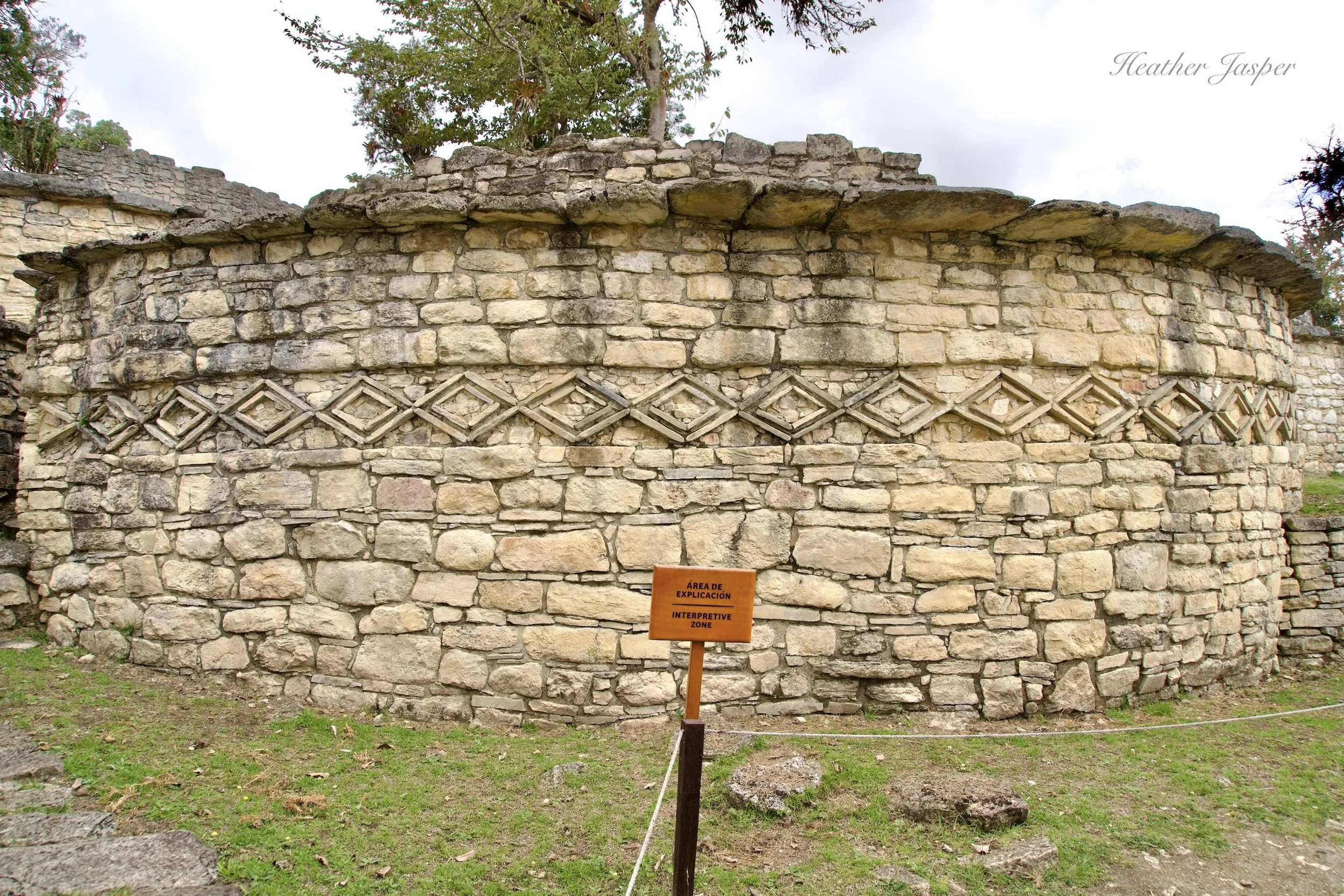
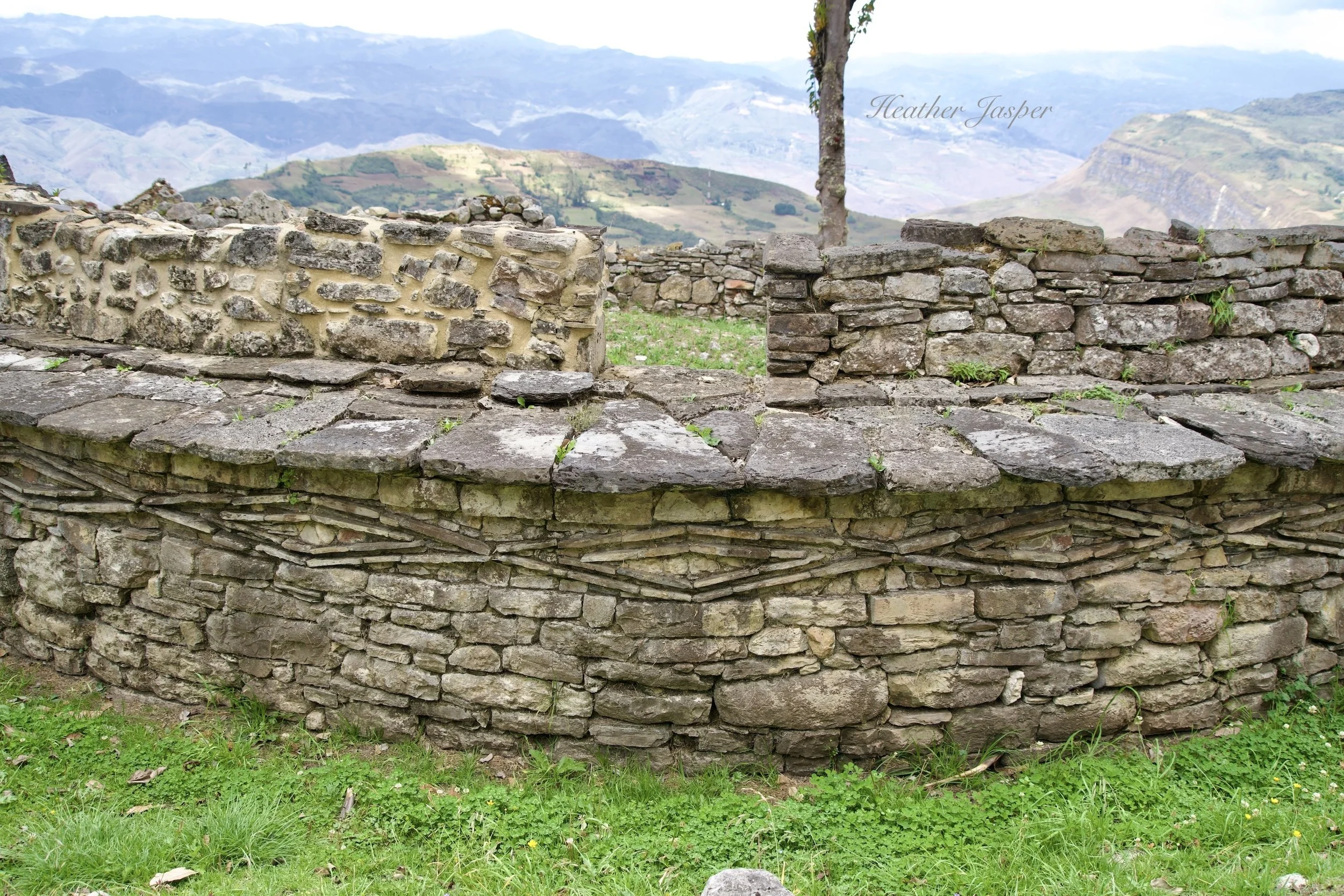
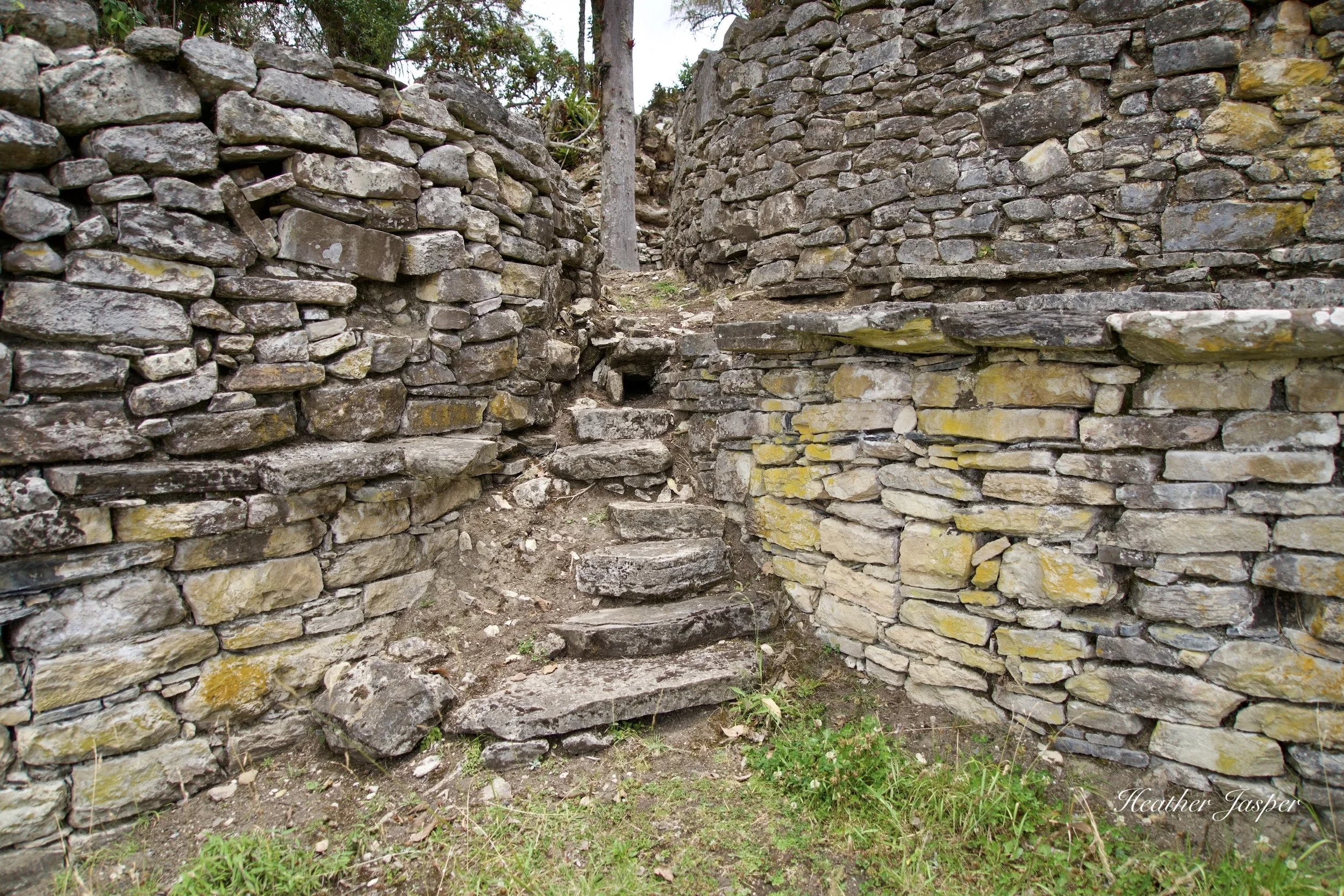
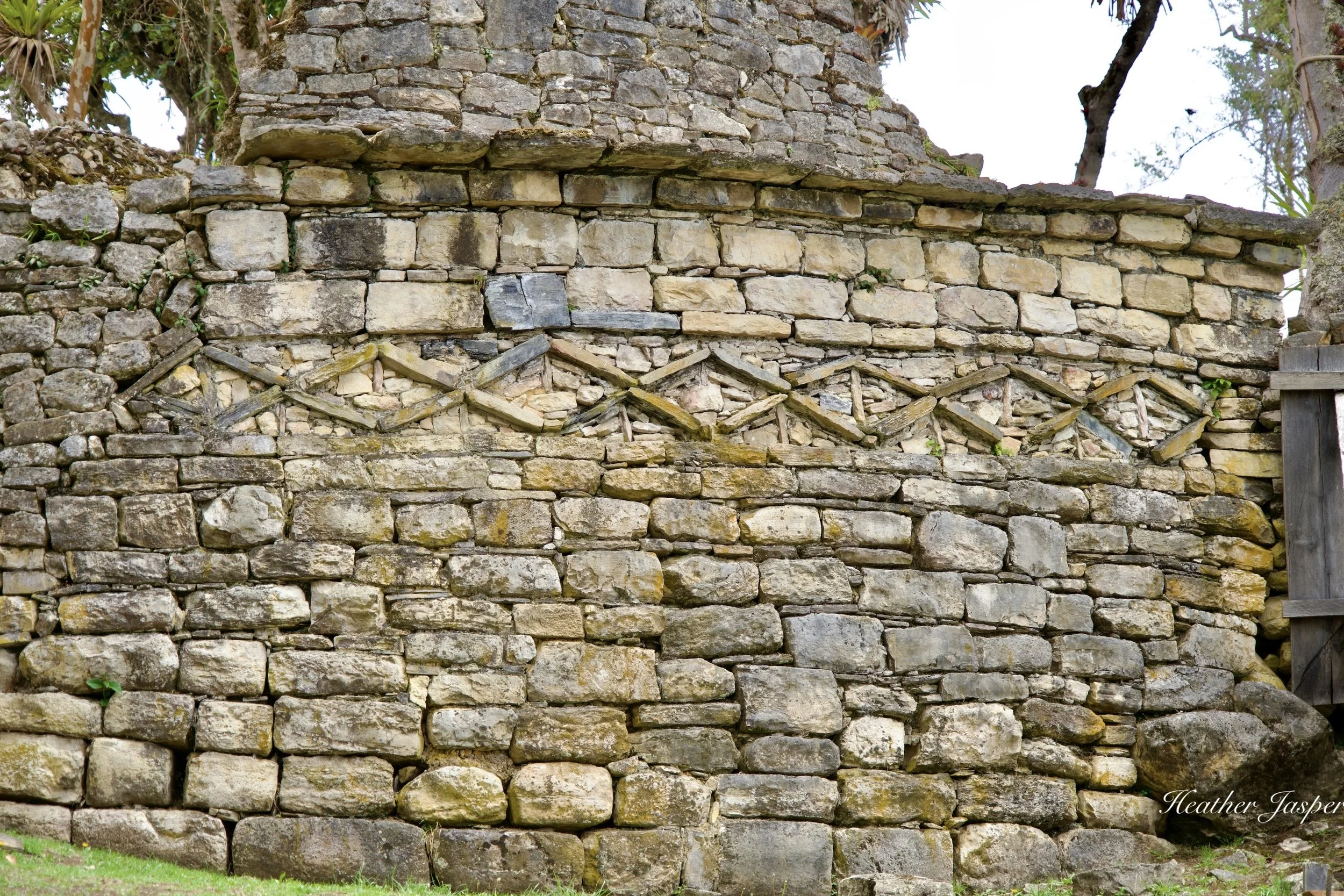
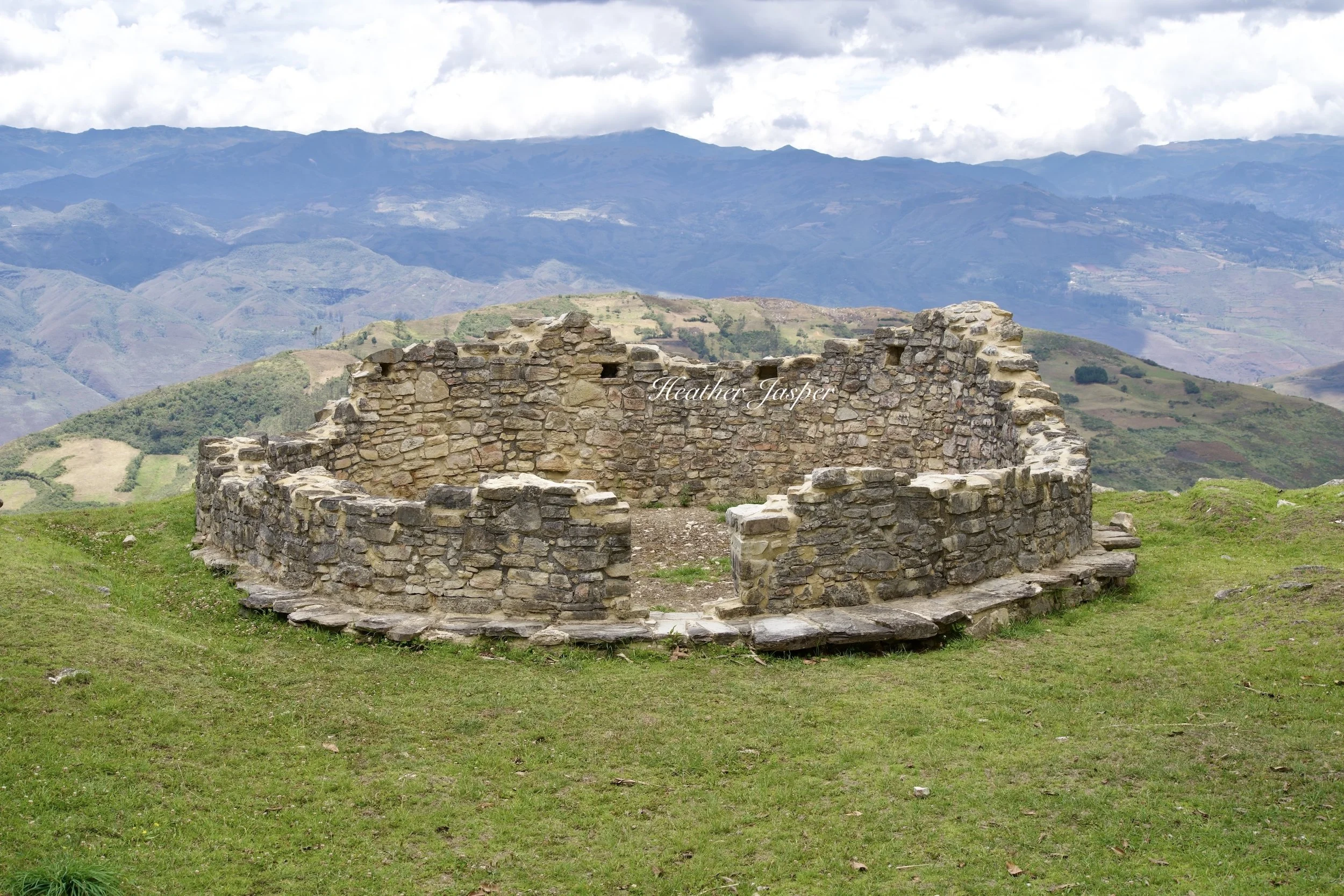
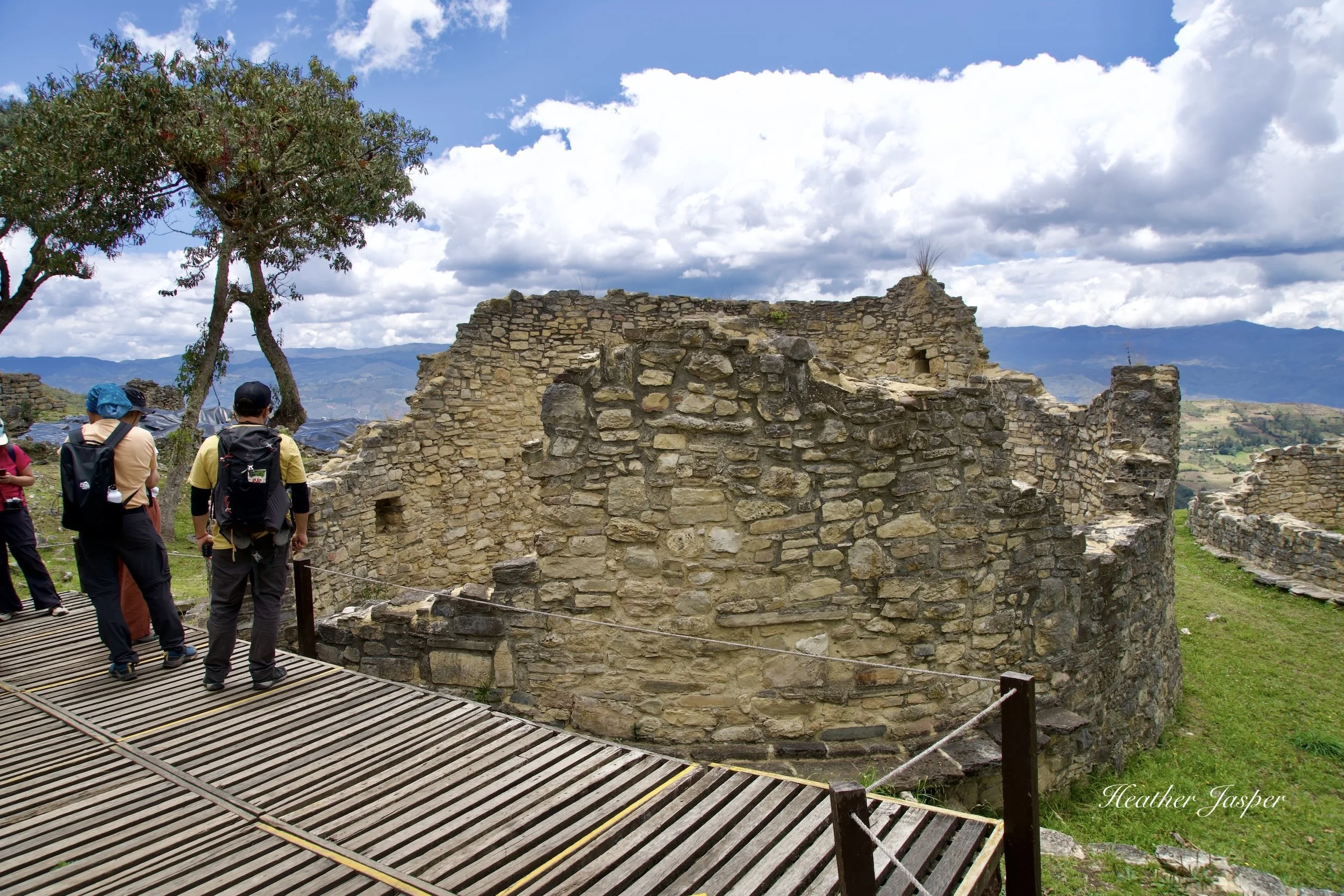
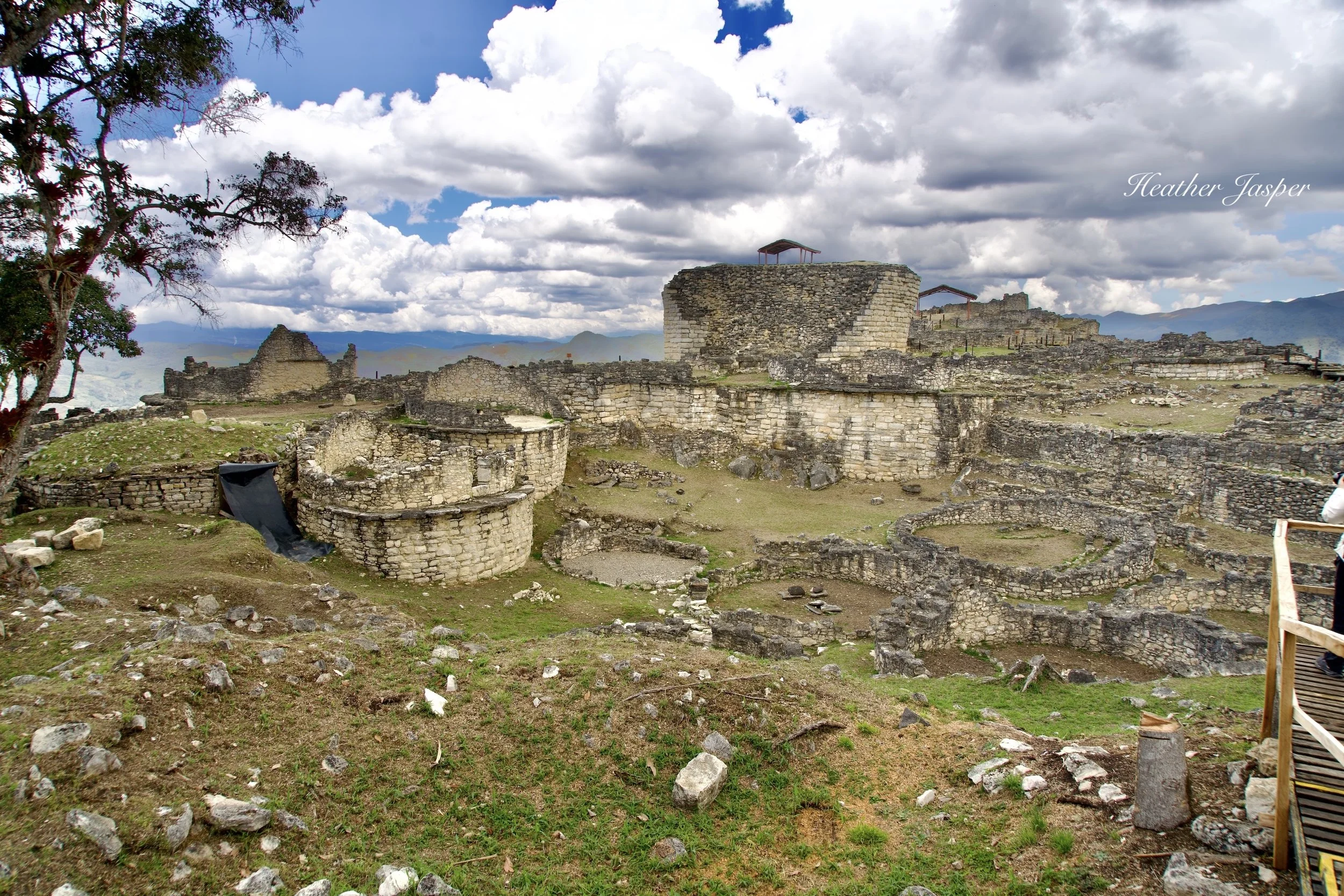
Kuélap’s homes are round
As you can see in the photos above, the Chachapoya built circular homes, some with enigmatic geometric designs of diamonds and zigzags. Most had a sort of verandah around the home at the level of the door.
They don’t appear to have had windows, though what’s left of most homes is only the lower sections of walls. The city was abandoned in the 1530s, during the Spanish invasion, and what’s left is only the ruins of what was once a great city.
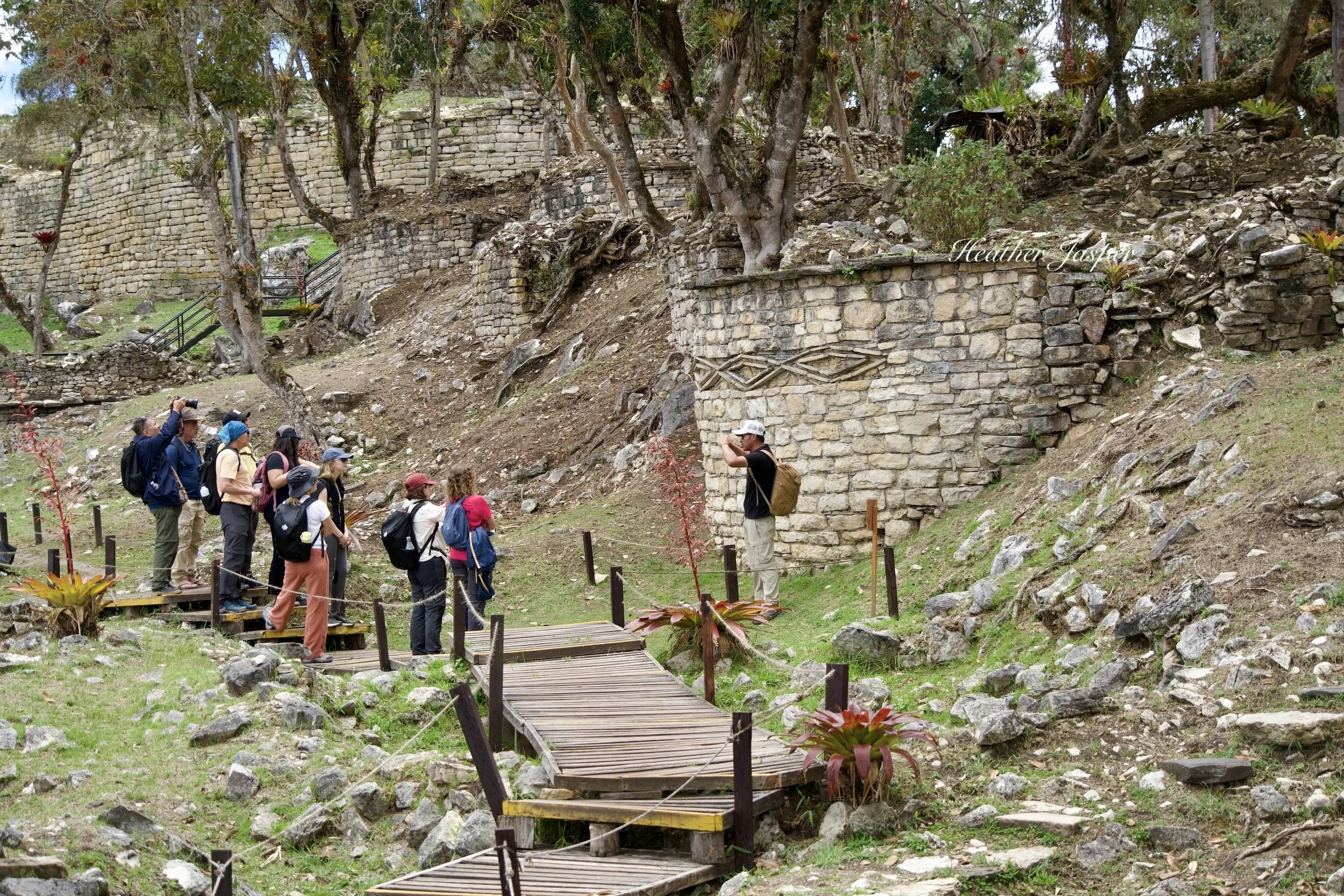
Visitors walk on wooden walkways and metal platforms to decrease the impact on Kuélap’s ruins.
Kuélap is being excavated but not rebuilt.
Kuélap is not yet a UNESCO World Heritage site but it is on the list for the World Monuments Fund. Unlike places in Peru that were developed for tourism before the impact of thousands of feet tromping around on ruins was understood, Kuélap is being protected. Rather than allowing people to walk on or near the ruins, like at Machu Picchu, Kuélap
Kuélap was built around 500 CE.
I don’t like comparing everything in Peru to Machu Picchu, but I realize that it’s the frame of reference for most of my readers. So, here’s the comparison: Kuélap is about a thousand years older than Machu Picchu. The area of the citadel is roughly the same. The position on a narrow fin of bedrock high above a river valley is similar.
The purpose is completely different.
Machu Picchu was a ceremonial center, likely visited once or twice a year by the Inca and his entourage of a few hundred people. Only a dozen or so people would have lived year round at Machu Picchu. Kuélap was a bustling city, home to around 3,000 people
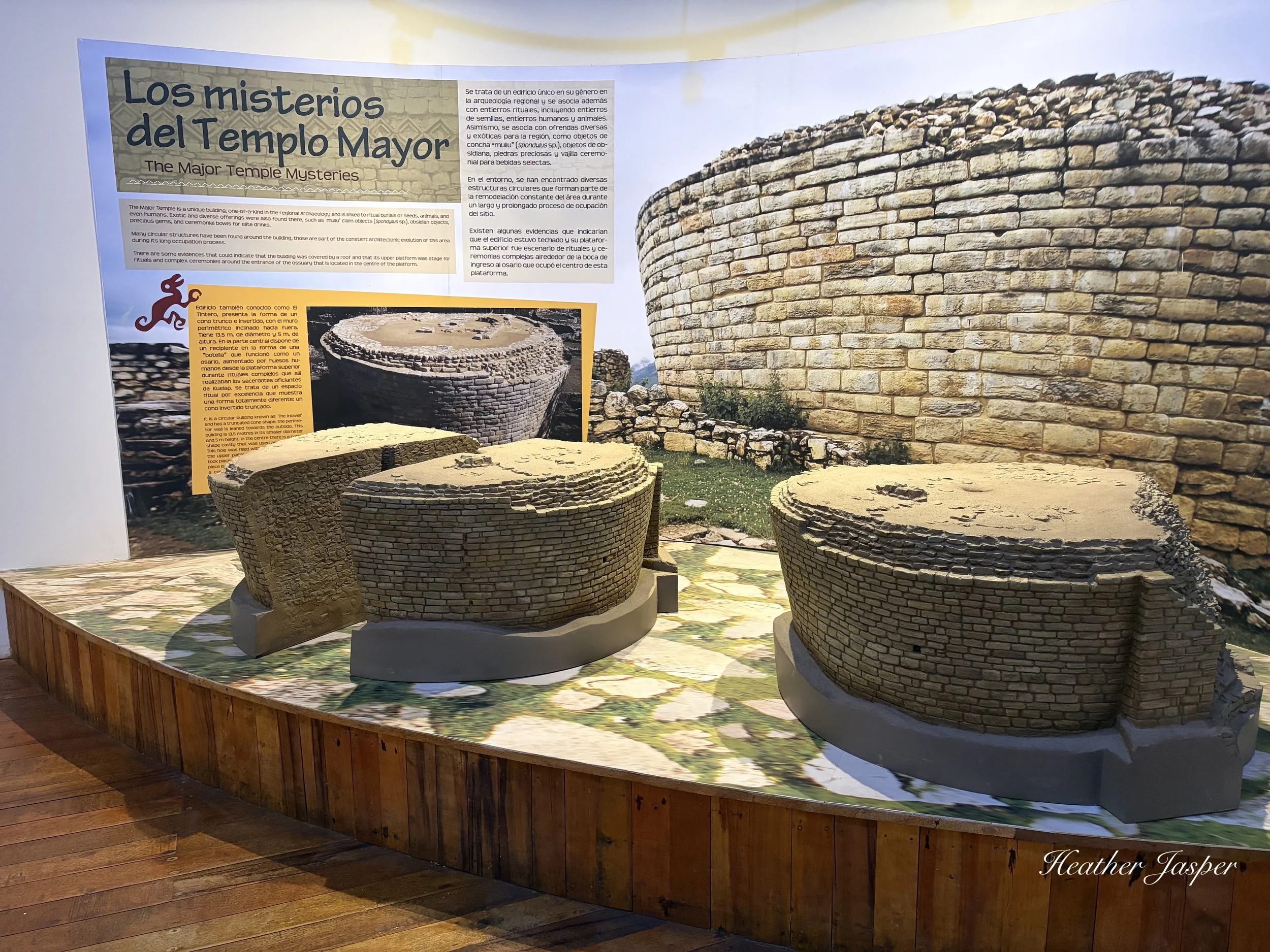
Kuélap’s Interpretive Center
This exhibit of the Templo Mayor shows a cross section so you can see inside the temple. In 2027, an exhibit about the newly discovered tomb will be added.
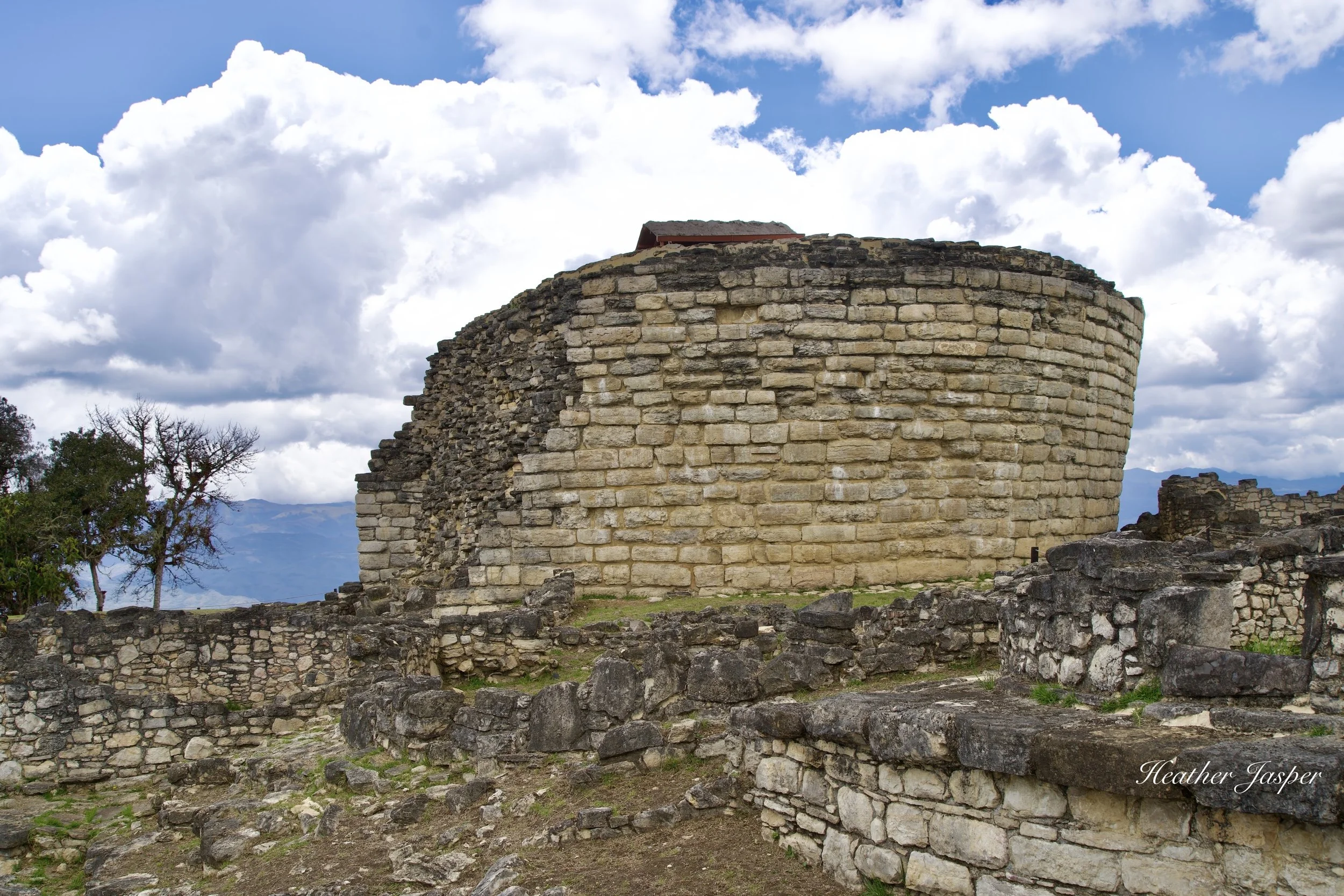
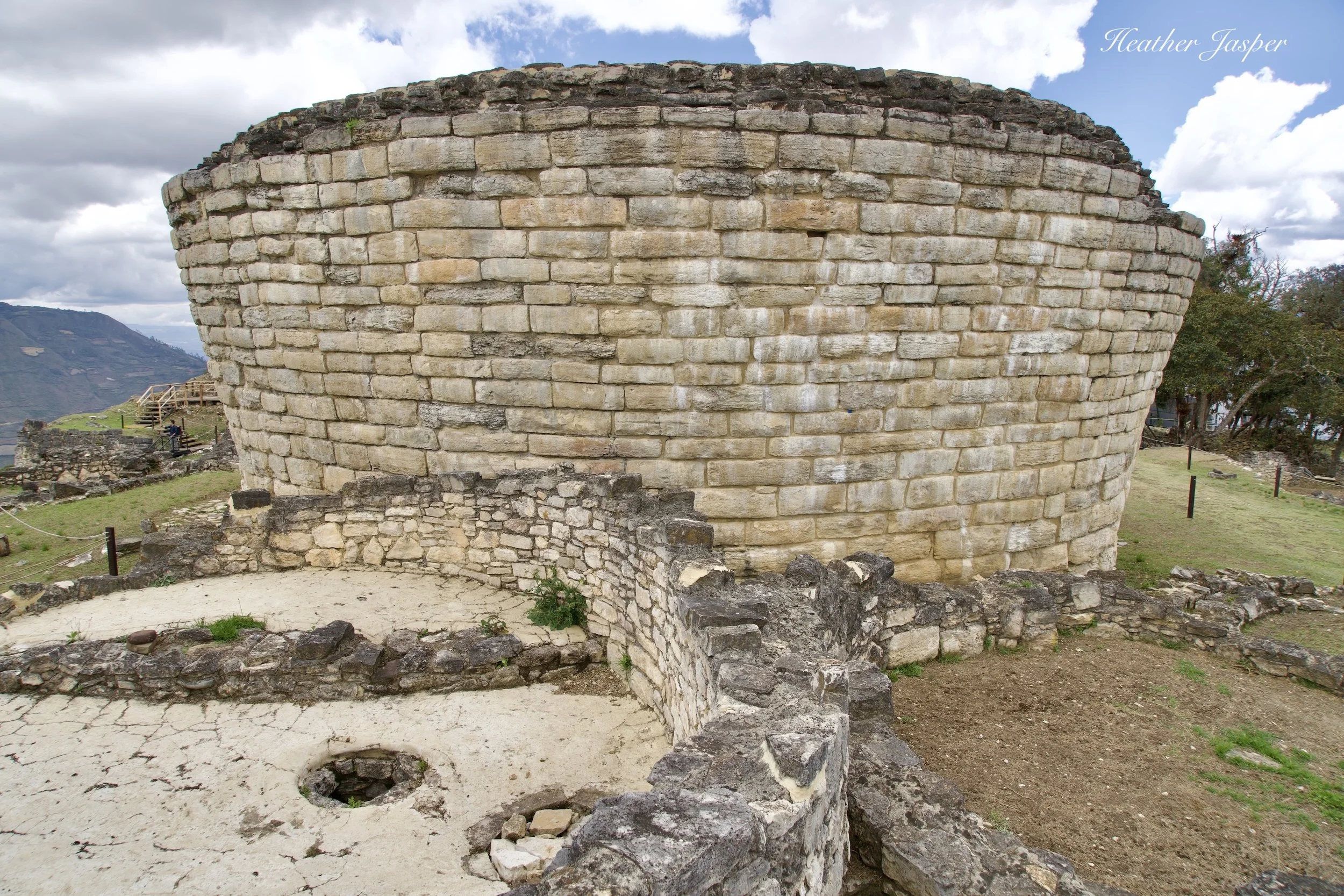
Kuélap’s Templo Mayor
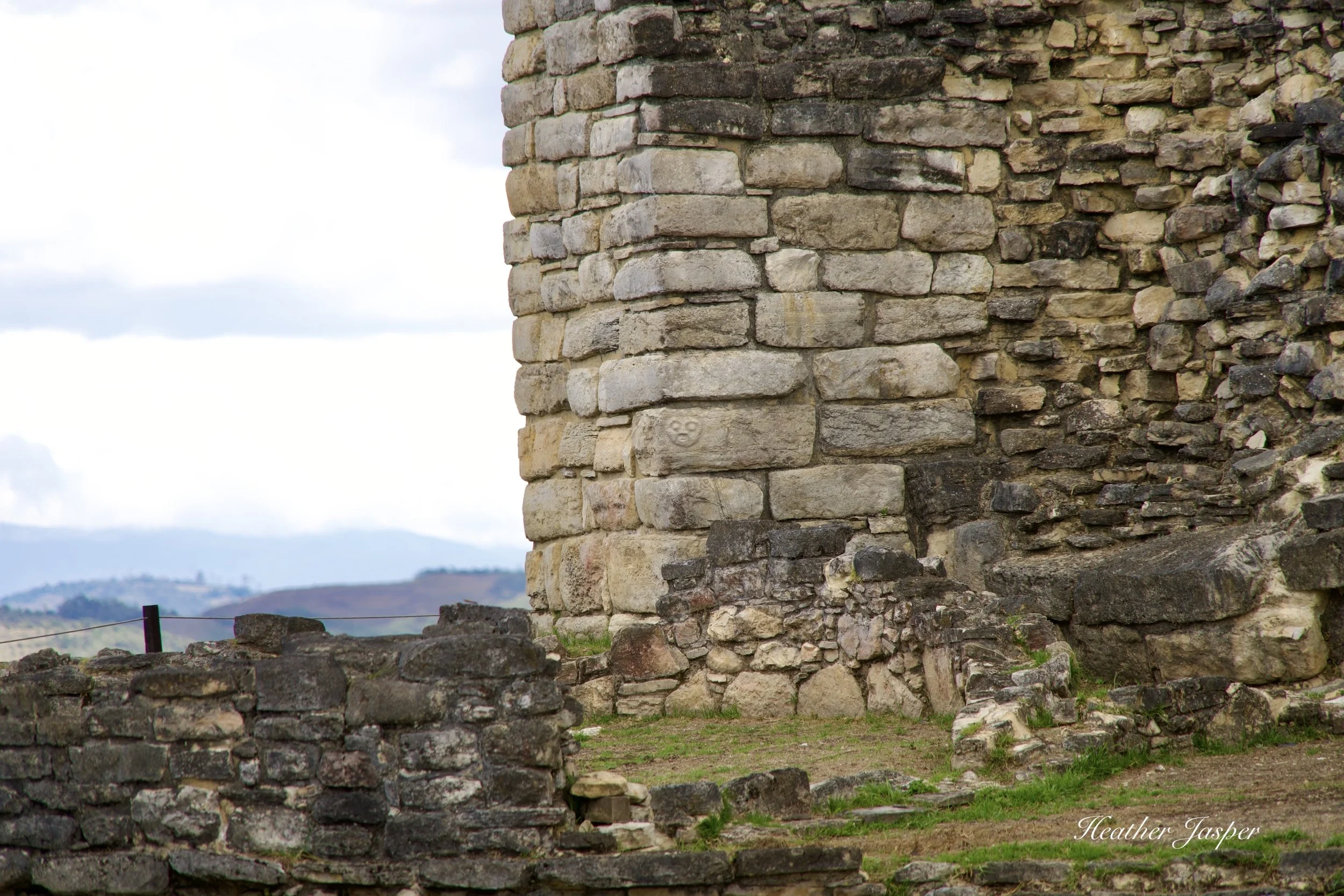
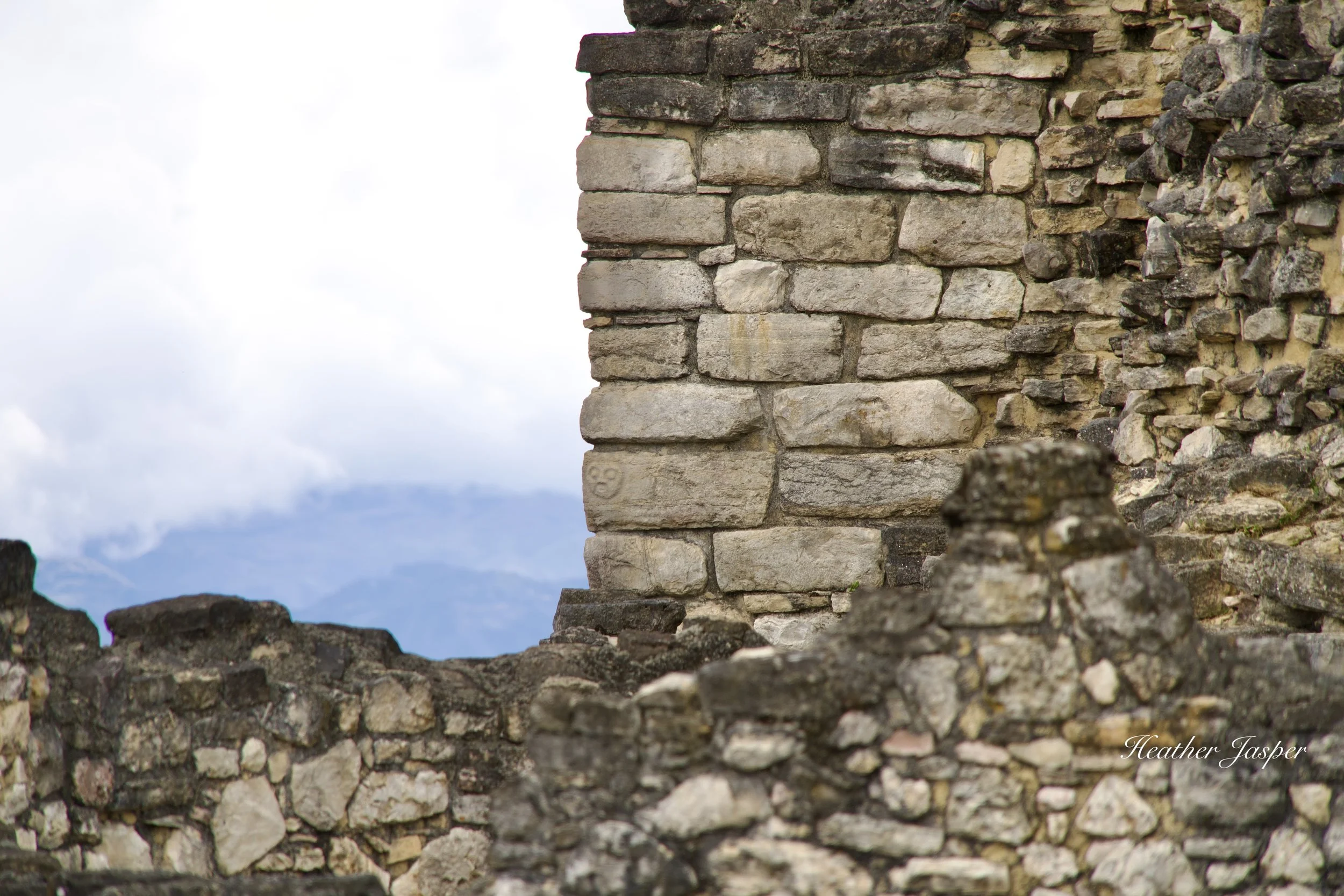
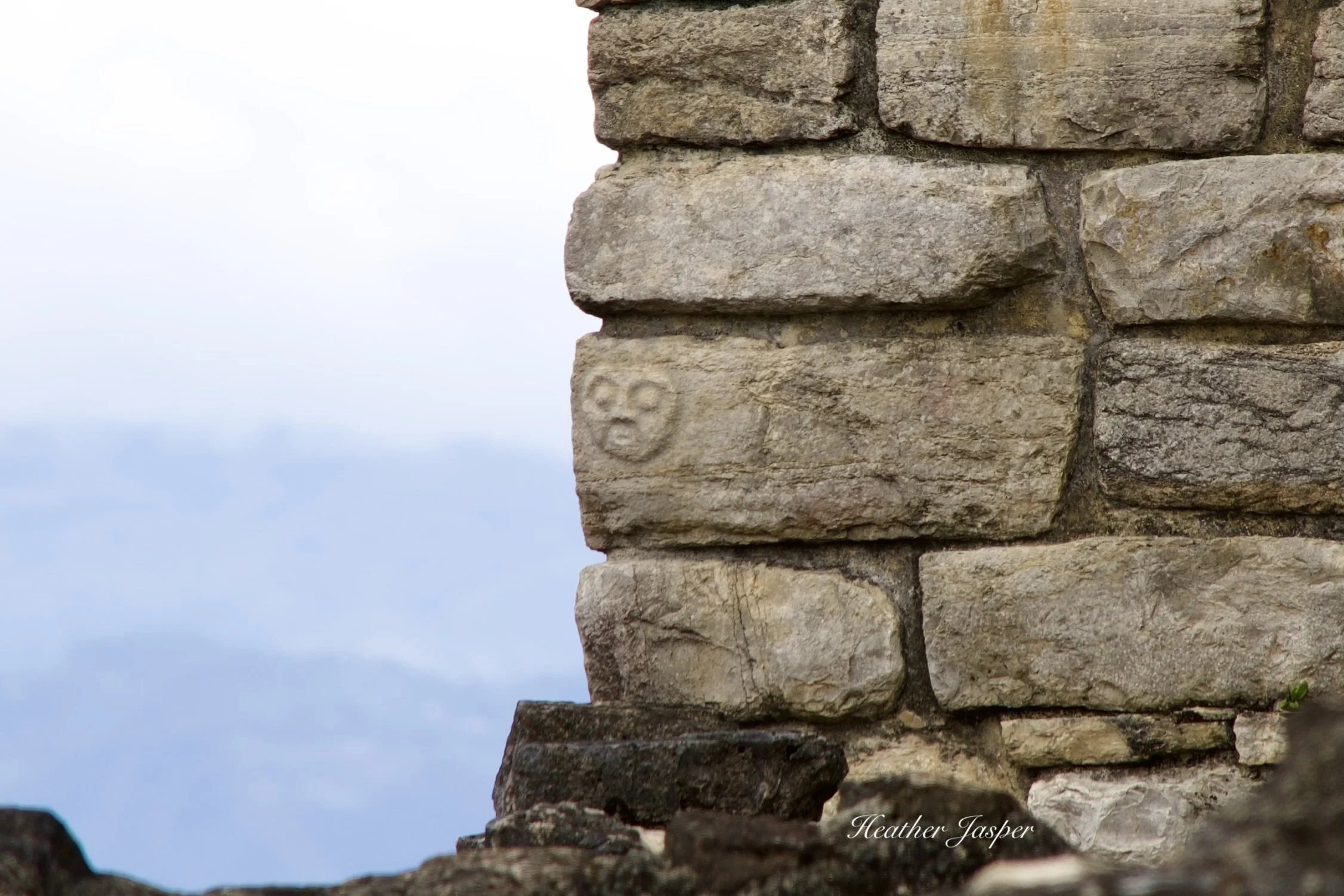
Simply called the Templo Mayor, or Major Temple, this fascinating structure has walls that lean out and inside is a bottle-shaped hole that was filled with offerings and sacrifices, including human bones.
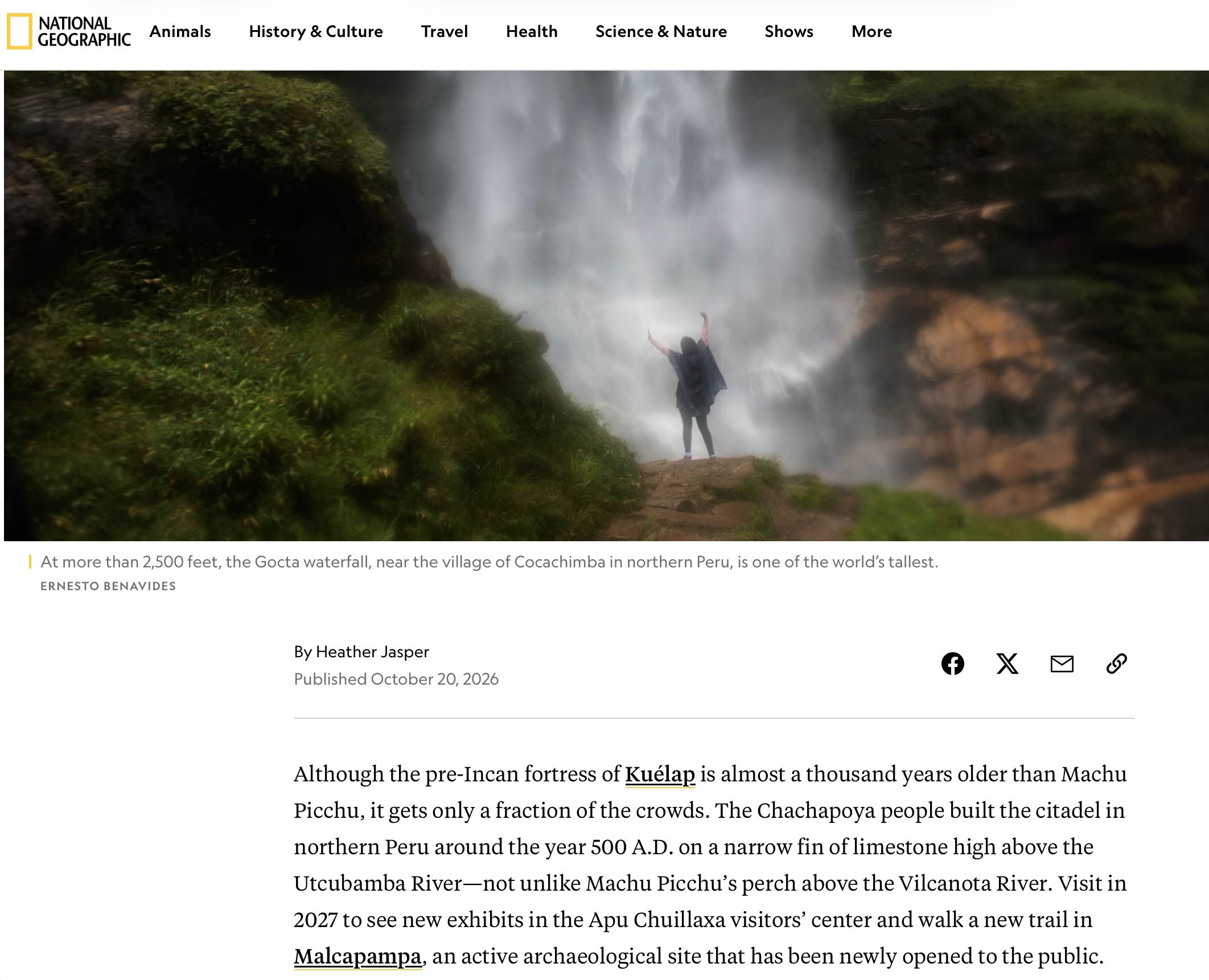
Read my full guide for how to visit Kuélap and Gocta in National Geographic!