Volunteering vs. Community Tourism
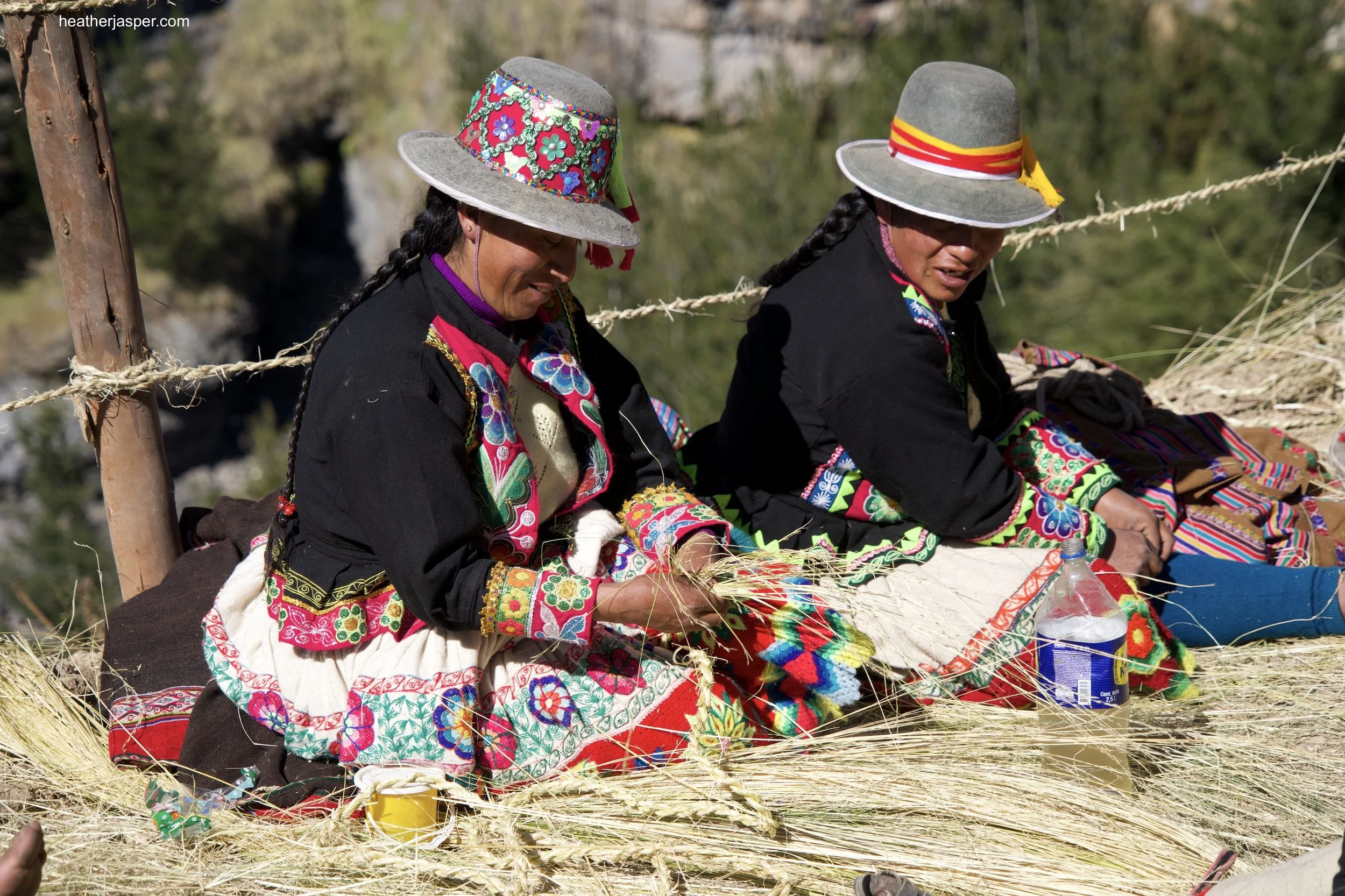
Staying with a community while the Q’eswachaka Bridge is being rebuilt is one of the most impactful community tourism opportunities in Peru because the tradition of building the bridge may be lost without tourism.
Travelers increasingly want to give back to the places they visit, but how to do that effectively is not always easy to figure out.
If I could generalize what I’ve seen regarding volunteering: the more developed a country is, the more likely they are to need unskilled volunteer labor and the less developed a country is, the more likely they are to need highly skilled volunteers.
Countries with more developed infrastructure and education often have volunteer programs that need unskilled labor. For example, Washington Trails Association, which I volunteered with when I lived in Seattle and loved, needs volunteers of any skill level to maintain trails. It’s a fantastic organization and just about anybody can be useful on a WTA project. In “more developed” countries, it can be difficult to find people who will do manual labor for little money and easier to find volunteers to do that same labor.
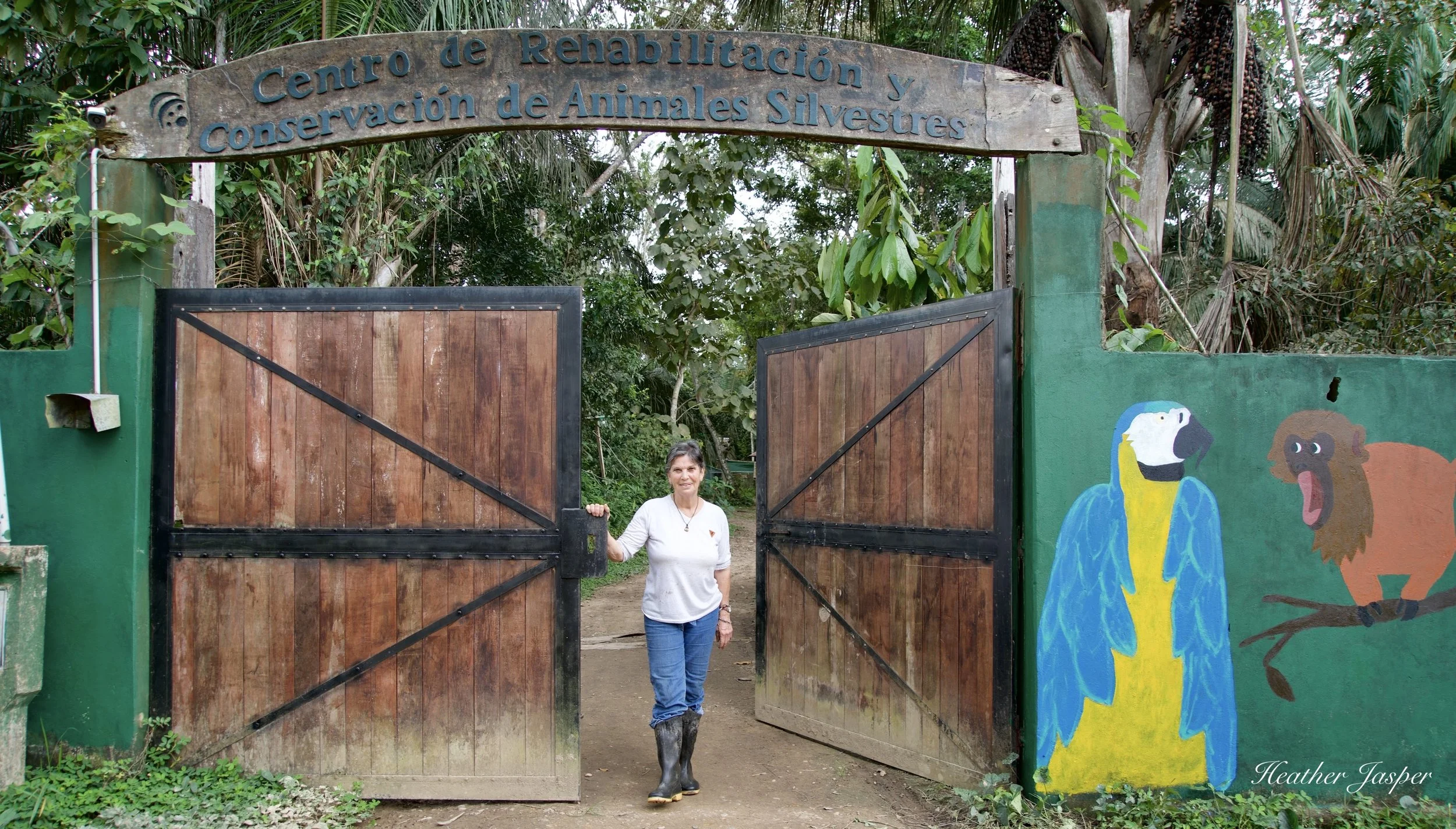
Magali Salinas founded Amazon Shelter so police who confiscate wildlife from traffickers have a place to take the injured animals.
Countries with less developed infrastructure and education often have plenty of people who will take a job doing manual labor for little pay. If international tourists come do that work for free, they might be preventing a local person from getting a job. However, less developed countries may need volunteers to do skilled jobs that NGOs can’t afford to pay people for. For example, Amazon Shelter in Peru needs skilled veterinarians who have experience with wildlife rescued from trafficking but can’t afford to pay them.
Community tourism, on the other hand, gives back to the place you’re visiting regardless of how developed the destination is.
I’ll break all that down for you.
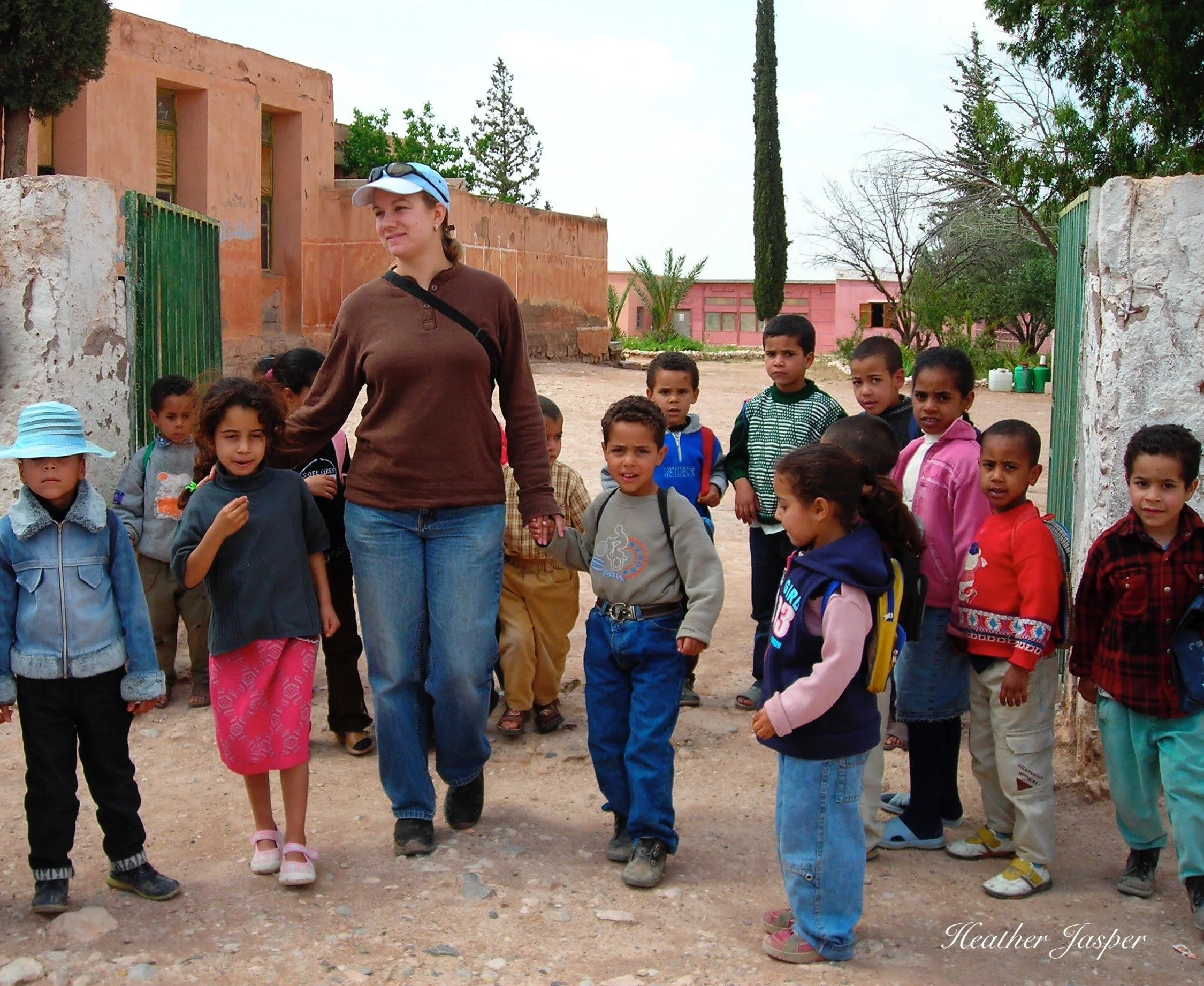
Who got more out of this day in Morocco? Probably me.
First, what is my experience as a volunteer?
I was a US Peace Corps Volunteer in Morocco from 2005-2007 and came away from the experience very skeptical of international volunteering. Though I had a university degree in education, I don’t think I really had the skills to effectively help the community I was assigned to.
Who did my Peace Corps service benefit?
The cultural exchange was personally meaningful, but I brought more back to the US than I gave to Morocco. The most positive, long-lasting effect of my volunteer service was to counter Islamophobia as a public school teacher in Idaho 2007-2011. I am still in touch with some people from Morocco and besides generating some goodwill for Americans, I don’t see any lasting impact there.
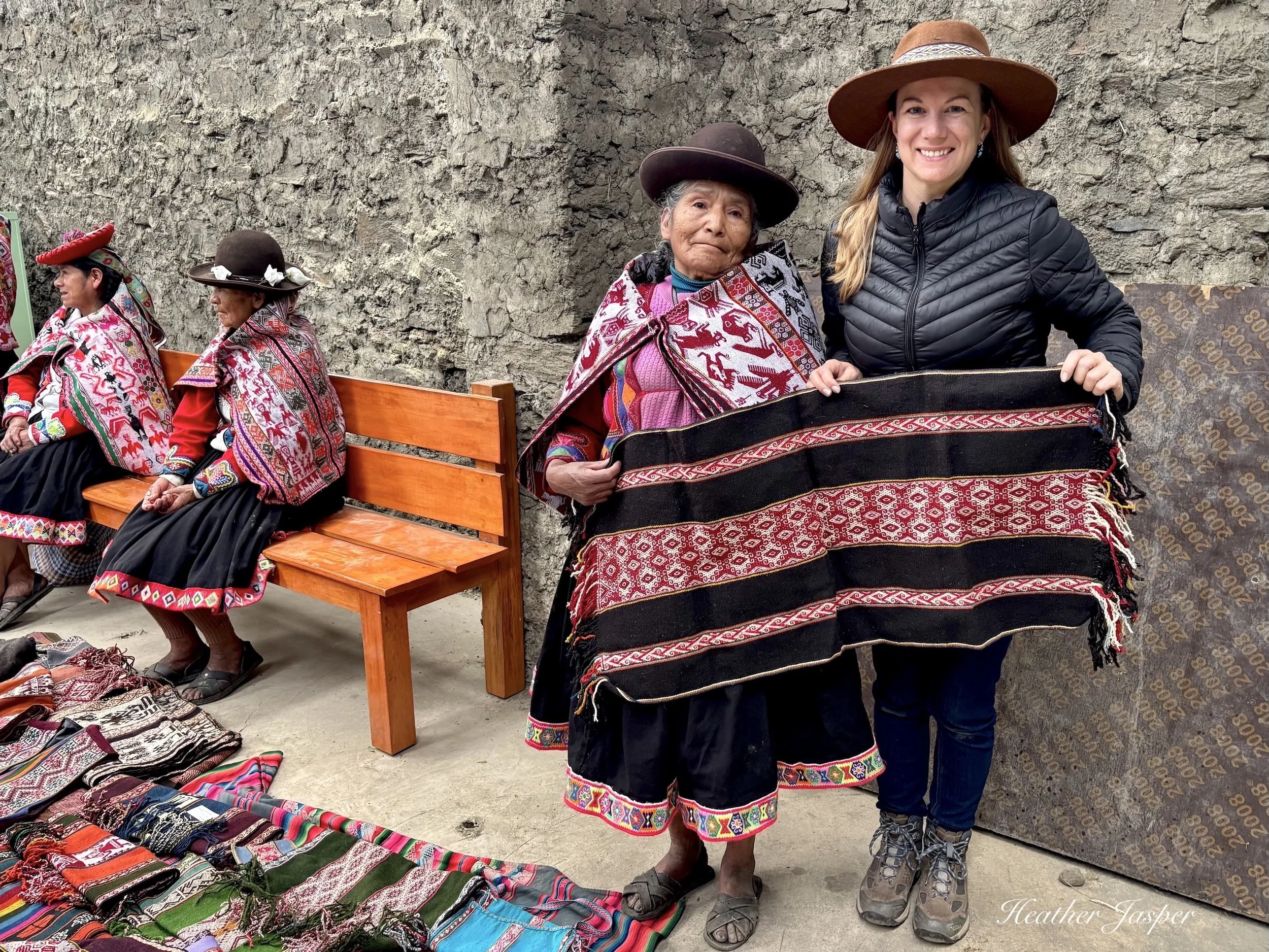
Community tourism in Choquecancha empowers local weavers to teach their art to tourists, and earn a living selling their art.
Second, what is my experience leading volunteer projects?
I was the Community, Action, Service (CAS) Coordinator at International School Dhaka 2012-2014 and saw the need for volunteers in Bangladesh, one of the least-developed countries in the world. As a school program and graduation requirement, CAS is about what the student learns more than the benefit to the organization they volunteered with.
I appreciate the CAS approach to volunteering.
I helped high school students volunteer with dozens of NGOs in Bangladesh, which is a country with almost endless needs that are not addressed by the government. Yet, high school students do not have the skills to make a difference for most of those NGOs. What they can do is learn about a community’s needs and see firsthand what NGOs do to address problems.
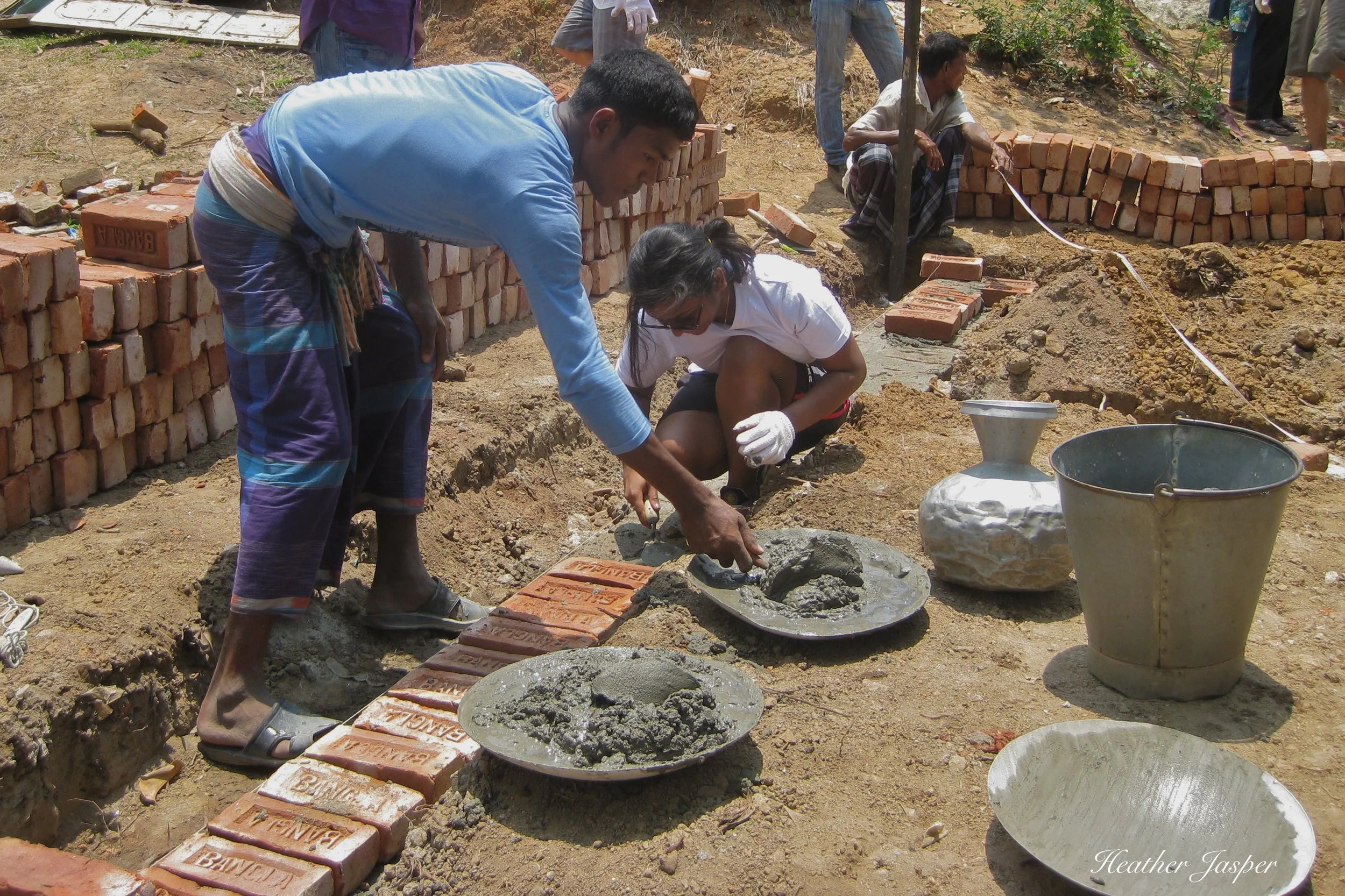
The bricklayer in a blue shirt helped my students, wearing gloves to protect their hands, lay about three rows of bricks before we left, our time up. Thankfully, professionals like him were there to finish the job - and were paid to do it.
I took kids to volunteer with Habitat for Humanity.
After a massive factory collapse in 2013, which killed over a thousand people and wounded more than two thousand more, I took high school students to build a house for somebody disabled in the disaster and unable to work. The physical work the students accomplished was minimal but thankfully they were working alongside paid workers who actually knew how to lay bricks and who were able to finish the house after my students left.
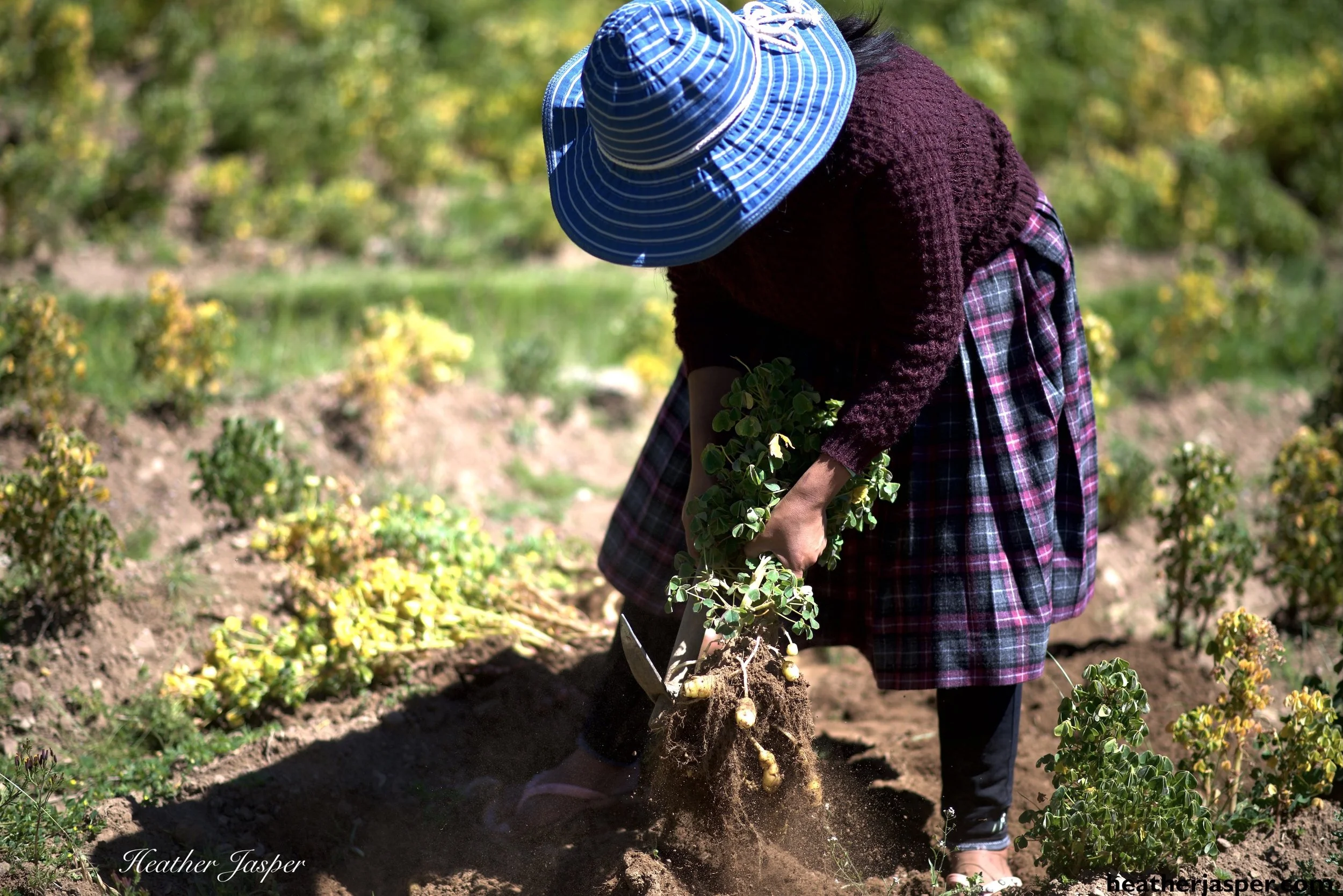
Community tourism on Amantaní Island empowers people like Alexa to show tourists how they grow oca and gives tourists the chance to spend the night on the island and see what it’s like to live and farm on this unique spot in Lake Titicaca.
What was my main takeaway from volunteering?
People need jobs more than charity. People in Savar, where the factory collapsed, were perfectly capable of building a house. They needed jobs, whether building houses or another line of work.
At the same time, my students needed to understand what life was like for people in such desperate situations. They were from privileged families who could afford an education at a private International Baccalaureate school, and many would go on to be leaders in Bangladeshi society, politics and business. Habitat for Humanity was an important learning experience.
Who does volunteering help?
I saw that it’s important for people who have financial means and privilege to understand the reality on the ground for people in dire economic situations. I also saw that unskilled volunteers benefit more from most volunteer experiences than the people they’re trying to help. That’s not a bad thing, but volunteers need to go into the experience with realistic expectations.
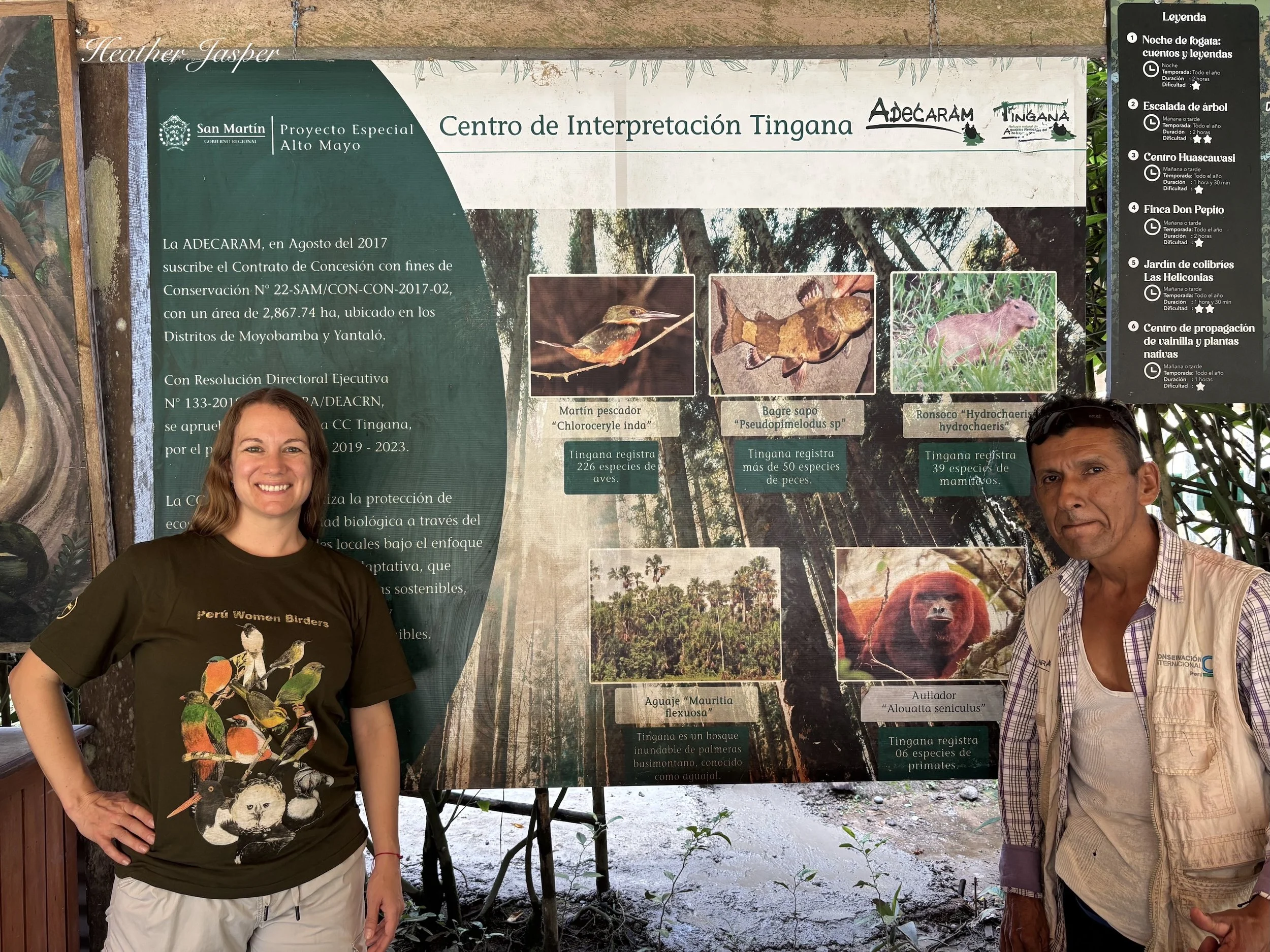
Community tourism at La Tingana in northern Peru employs people like Anderson who paddled my boat through the wetlands to see some of the region’s fantastic diversity of wildlife.
What is the (white) savior complex?
It’s hard to discuss international aid without addressing this difficult fact. Whether a result of colonial mindsets, missionary traditions, economic advantage or something else, many people from richer and more developed countries think that they can or should “save” people in poorer and less developed countries. Results from centuries of colonialism being what they are, that usually ends up being people from countries that are “western” and “white” wanting to help people in countries that were colonized by Europeans, often people of color.
That doesn’t mean volunteering is always a bad thing, as long as the volunteers have realistic expectations, are respectful of the people they’re volunteering with, and the community gets to decide what the volunteers do.
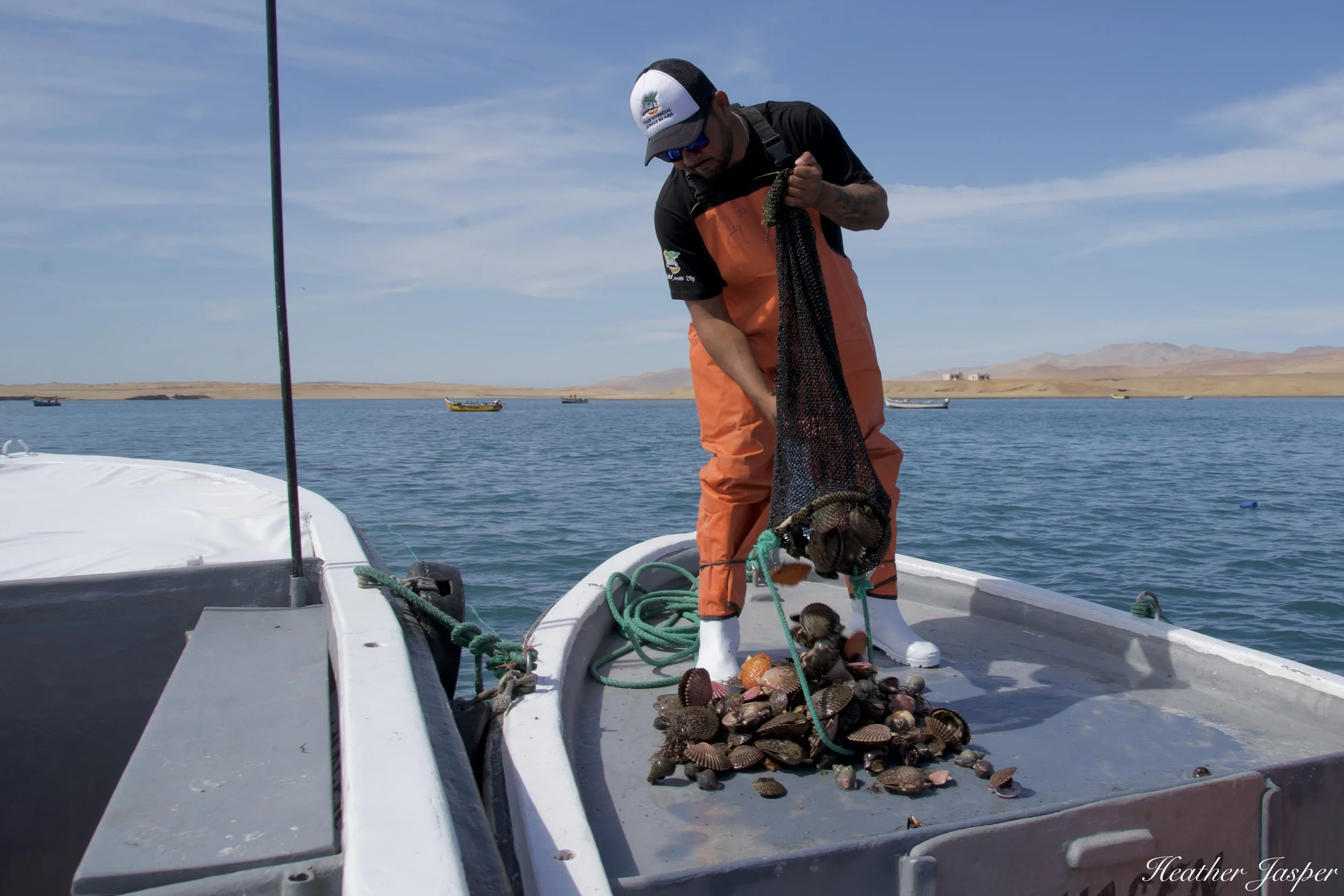
Community tourism at Atenas Beach gives fishermen in Paracas, Peru a second income after selling their catch to restaurants.
What’s the problem with volunteering?
In too many volunteer opportunities, especially ones marketed to tourists, the community doesn’t get to decide what the volunteers do. What I see all too often is that an international for-profit company creates volunteer opportunities that tourists want to do, with the focus being on the paying volunteer’s benefit over the community’s benefit.
What’s the solution?
Travelers who want to give back to places they visit need to critically assess who benefits from the volunteer opportunities they see marketed to tourists. I’m not enough of an expert to advise on how to fix problems with international aid, but I can say that in many countries I’ve visited and lived in, community tourism can benefit the community more than volunteering.
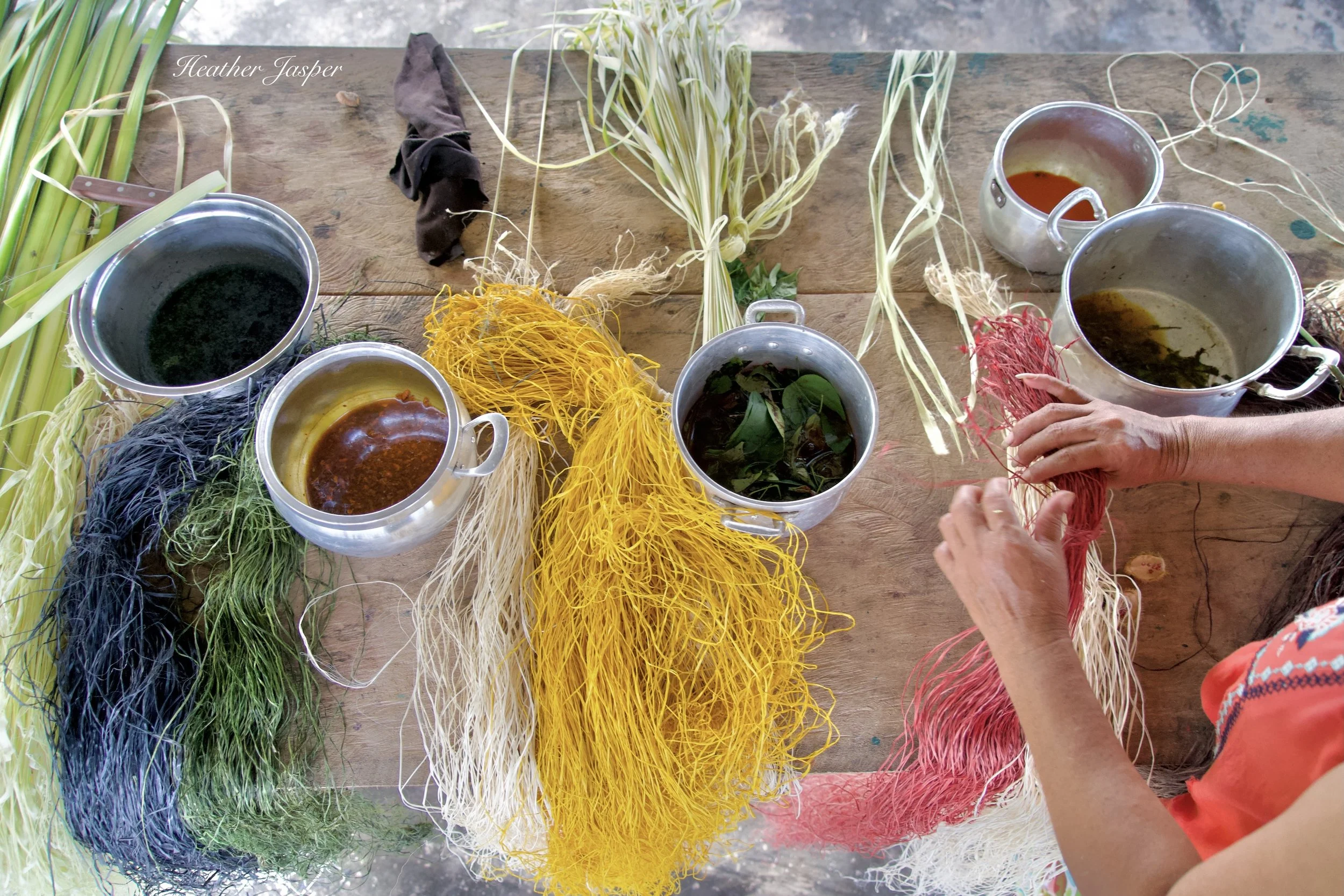
Community tourism in the village of Amazonas, near Iquitos Peru, empowers local artists to teach how they use plants to dye palm fibers for the hammocks, baskets and other household items that they use at home and sell to tourists.
Who benefits from community tourism?
If a community decides what they want tourists to do in their community, they are more likely to benefit from the interaction.
How can a community benefit from tourism?
In Peru, what I routinely hear from community members is that inviting international visitors to their community gives them more pride in their culture. When tourists show they’re interested in traditional art, like weaving in the Sacred Valley, it helps preserve ancient cultural knowledge that’s at risk of being erased by mass produced clothes from factories.
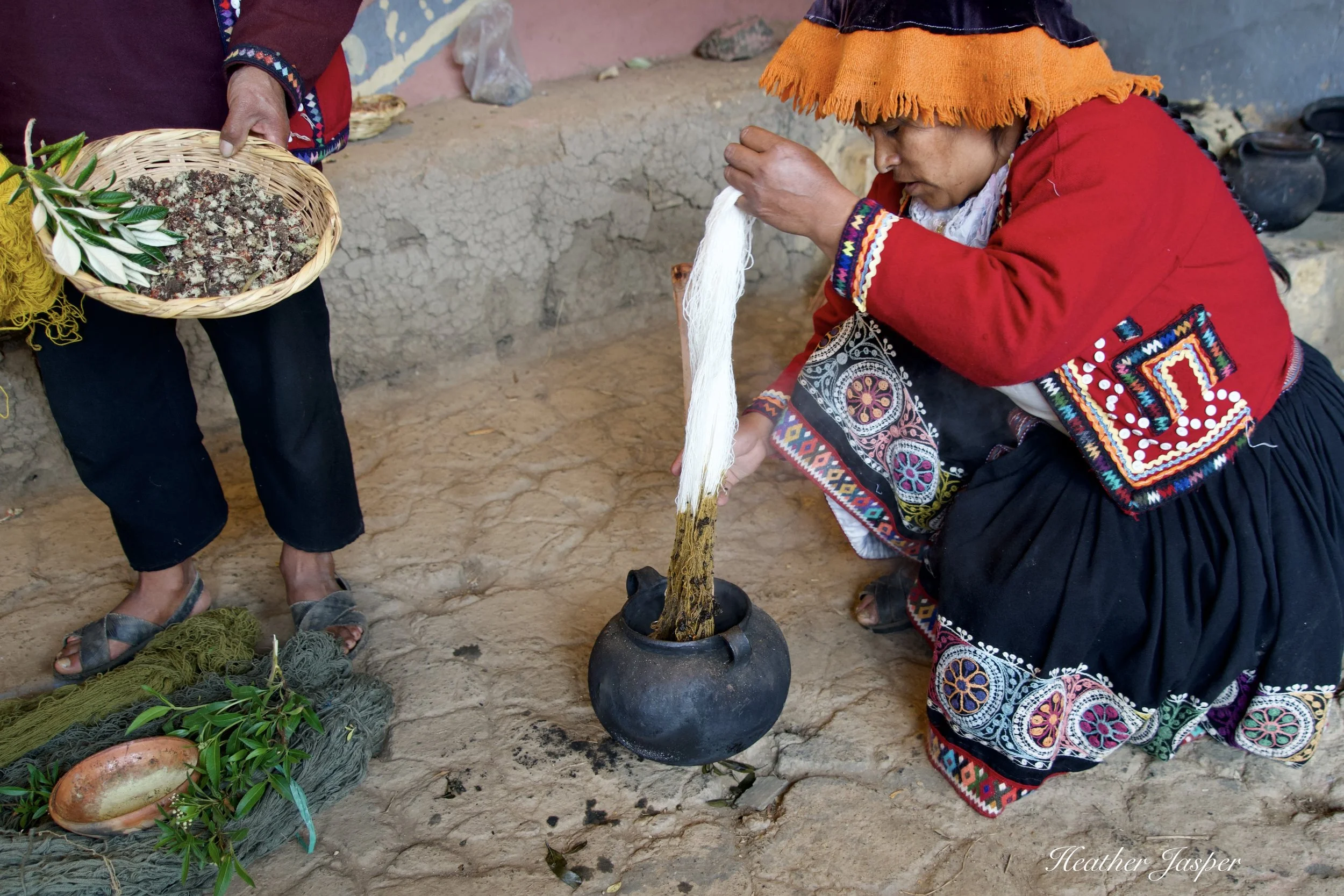
Community tourism in Chahuaytire empowers the community to share their ancestral knowledge in dying alpaca wool and weaving.
Beware monument building.
While helping a community preserve their culture may not sound like a satisfying outcome to people who want to leave a mark, like planting a tree or building a house, we need to recognize that most people in these communities are perfectly capable of planting trees and building houses. They don’t need foreigners to do for free what locals should be paid to do.
Again, most people I’ve spoken with would rather have jobs than charity. Community tourism can provide jobs and give people a choice in what those jobs are. If the job they want is teaching how to use leaves to dye wool, that’s what they should offer tourists.
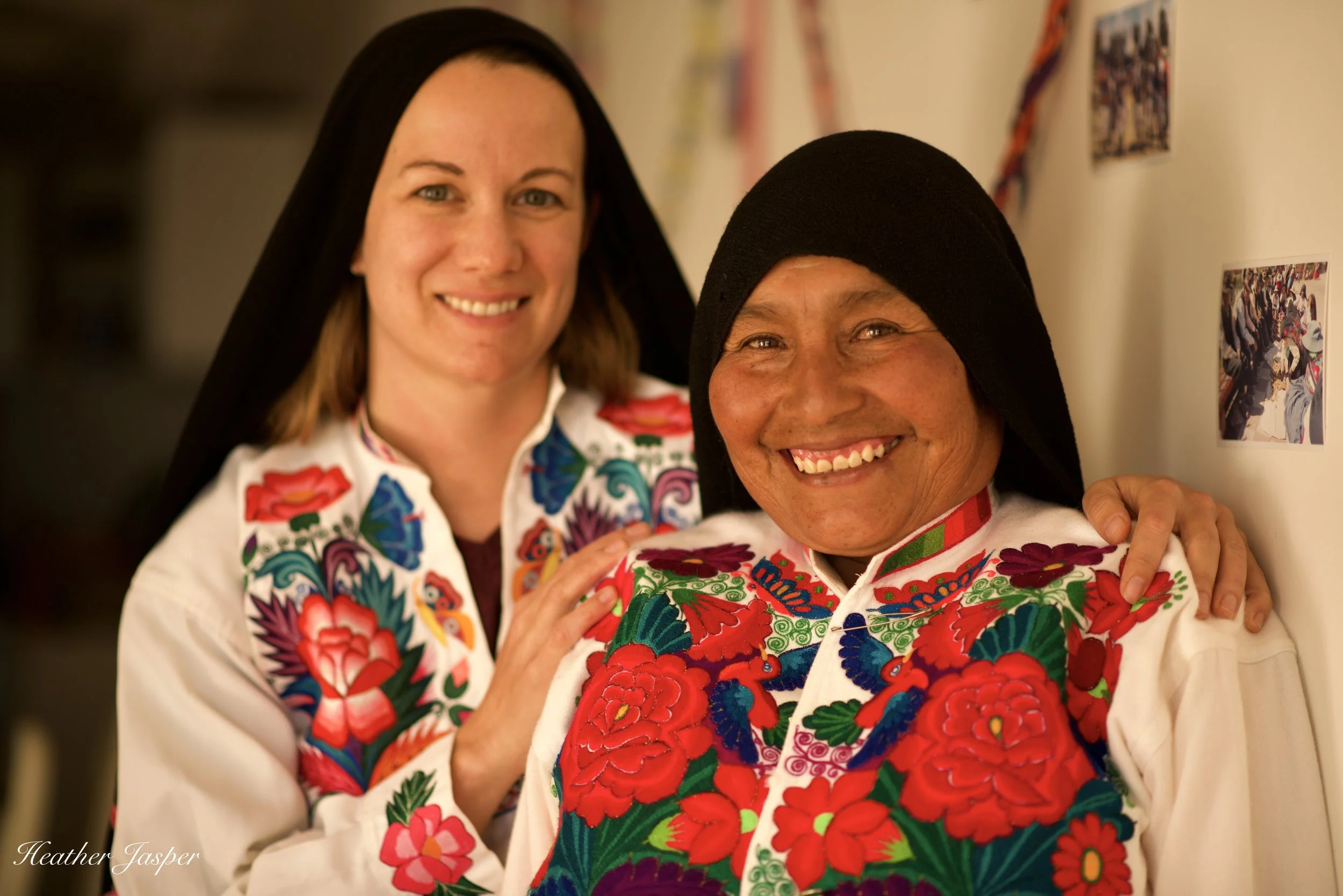
Anselma wanted to show me how she embroiders and to dress me up in an outfit she made when I stayed in her home on Amantaní Island.
What’s the bottom line?
I think international tourists and travelers need to re-evaluate what it means to give back. We need to let go of monument building and embrace being open to what the communities we visit want us to take away from our time with them.
We can choose to visit their communities or not. They should get to choose what we do when we’re in their homes.
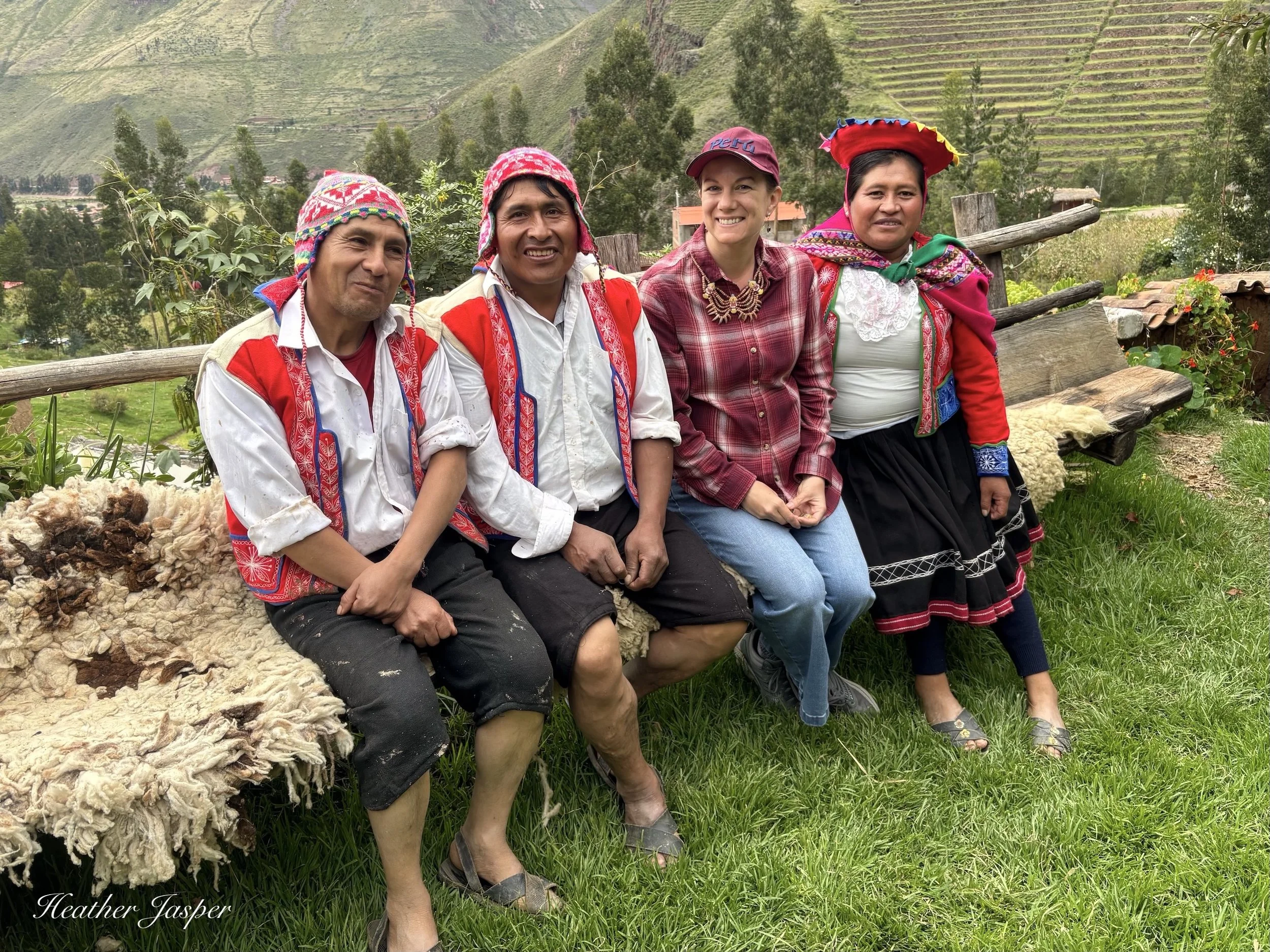
Eloy, Faustino and Mabel taught me how they find clay in the mountains, clean it so it can be used and how to make pottery with it.
New blog: Community Tourism in Cuyo Chico
I visited the village of Cuyo Chico in the Sacred Valley with CAS Trips and a group of students from Canada. We all had a fun and educational day, learning about Quechua culture and their traditional pottery. This blog also has links to seven more community tourism projects in Peru.