How to visit Kuélap
I’m interrupting my regularly scheduled travel tips for some shameless self-promotion.
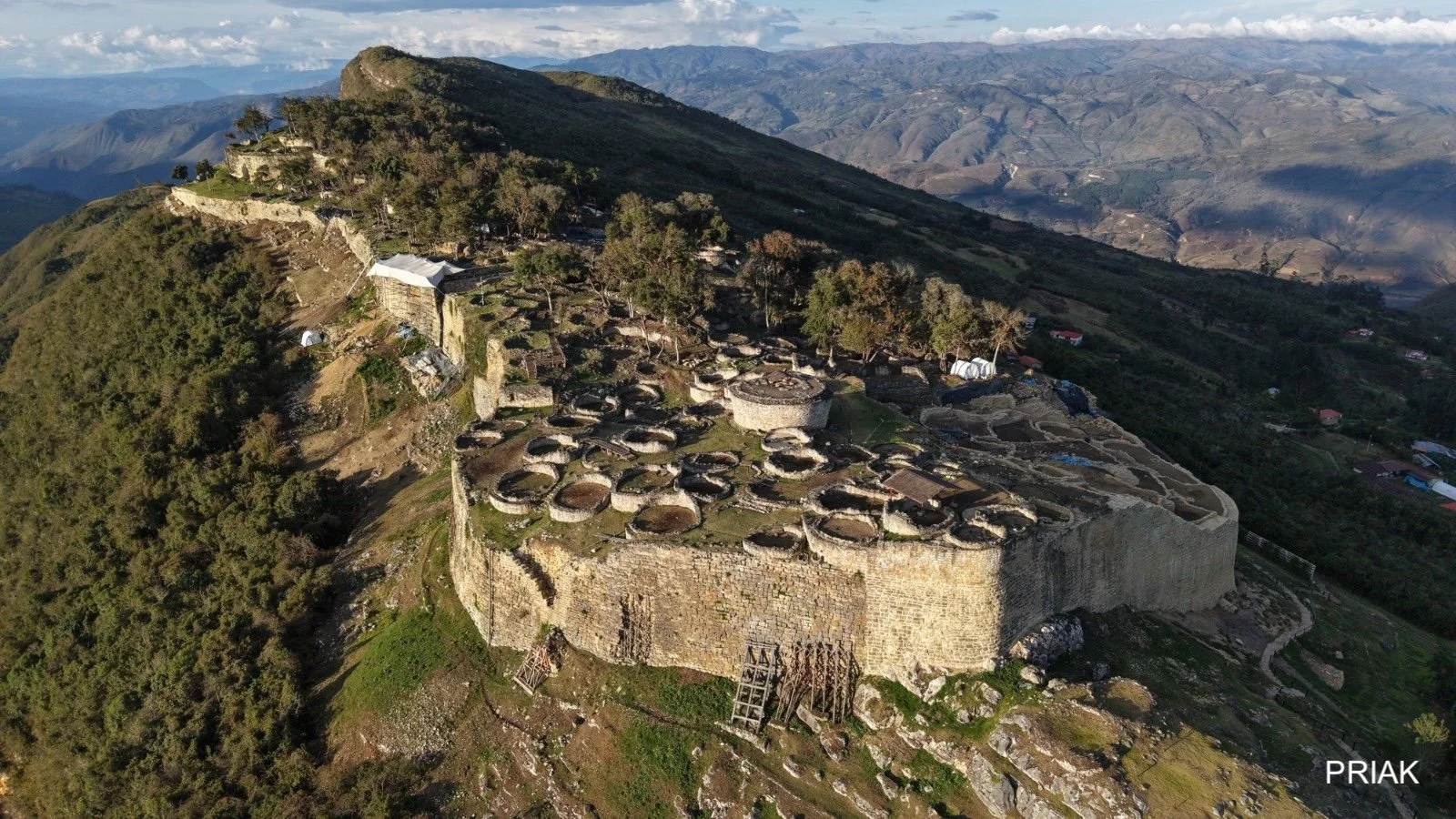
Kuélap is best appreciated from the air and I’m advocating for allowing visitors to fly drones from this spot near the site, but not above the site itself.
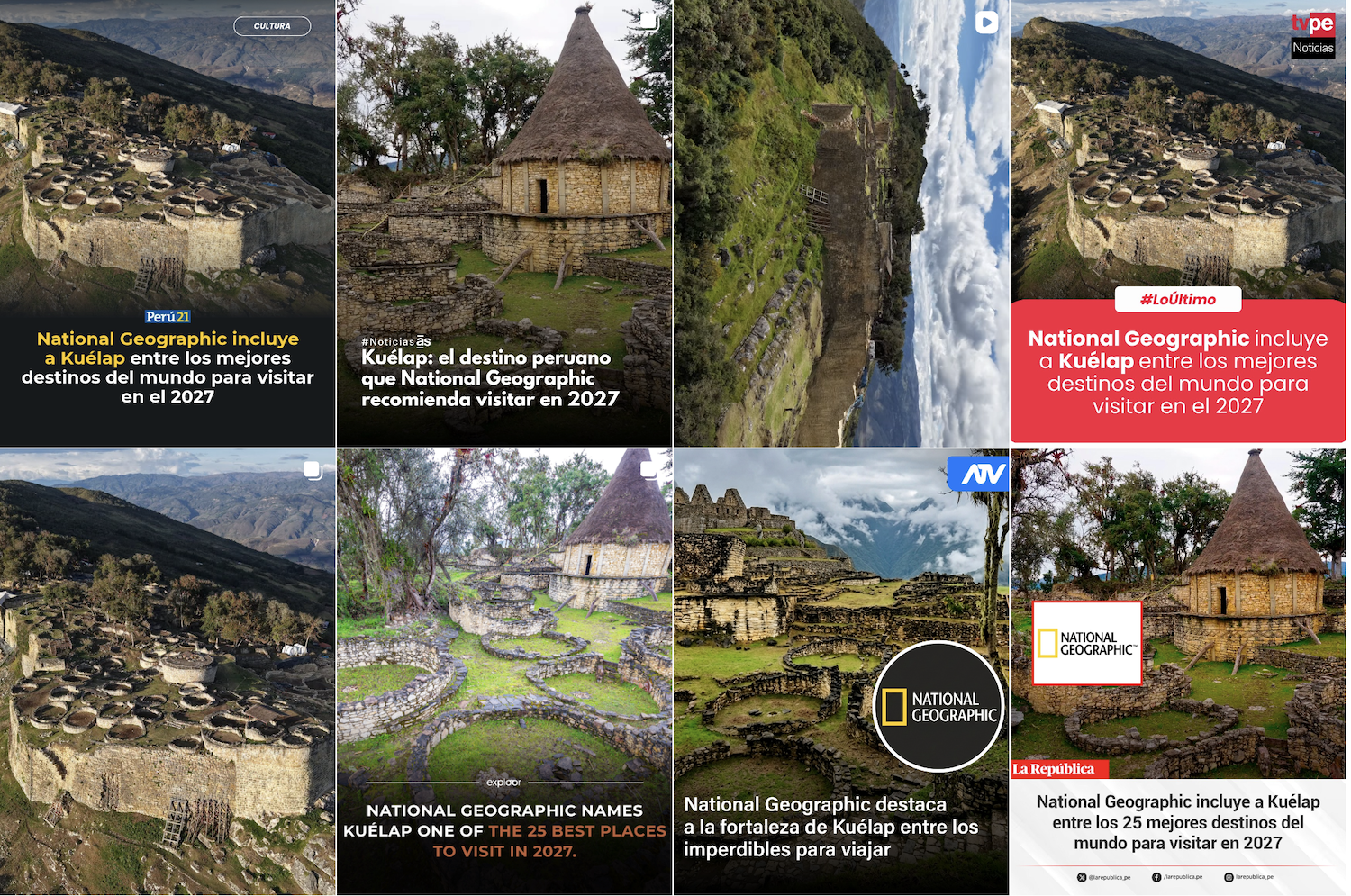
My National Geographic Travel début is Kuélap!
I’m thrilled that my first published article in National Geographic is about this fascinating and beautiful archeological site in northern Peru. I’ve been twice so far and am already planning my third trip.
You may remember I went to Kuélap in September 2025 and absolutely loved it. If you missed the blog post last year, read my 2025 post about why I loved Kuélap and how to visit.
Without further Ado
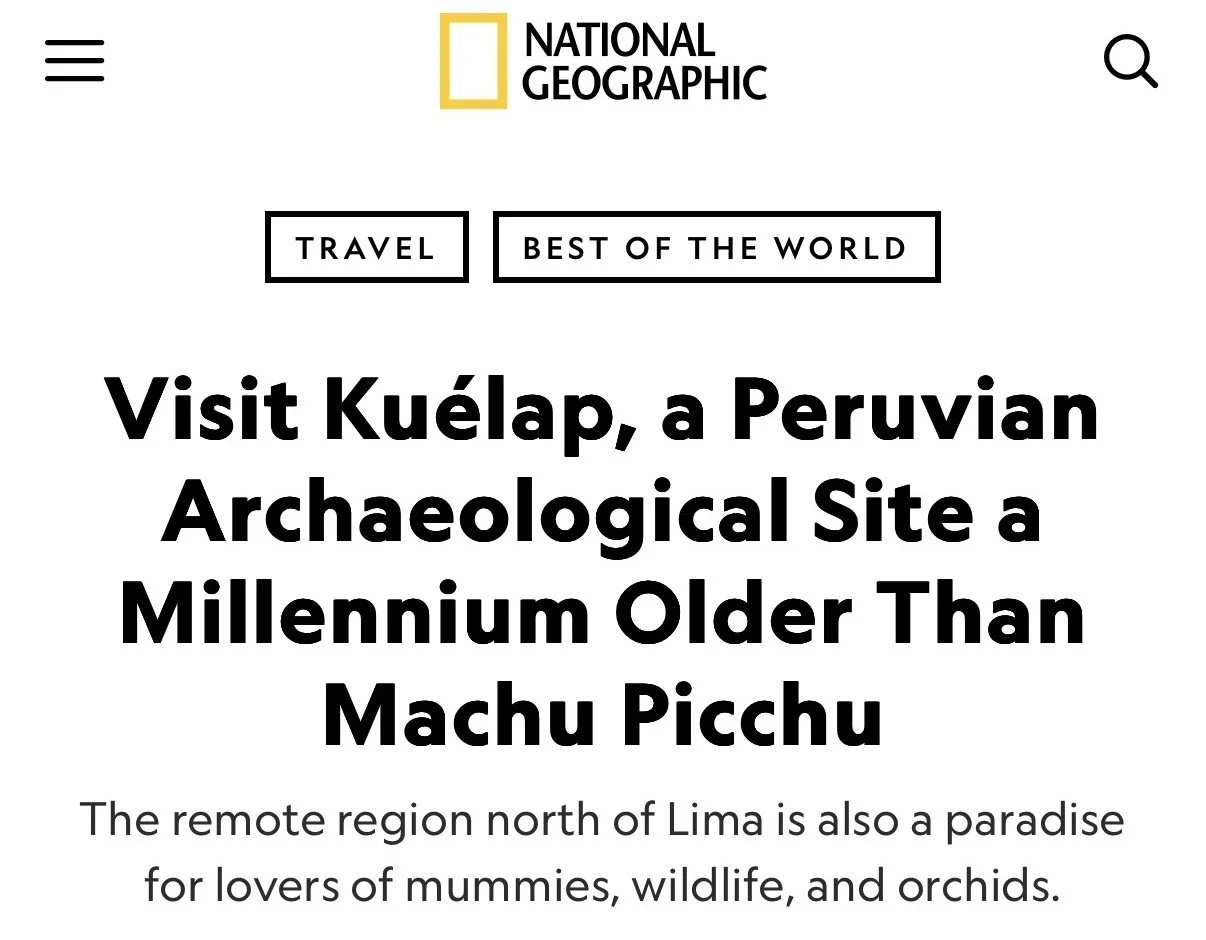
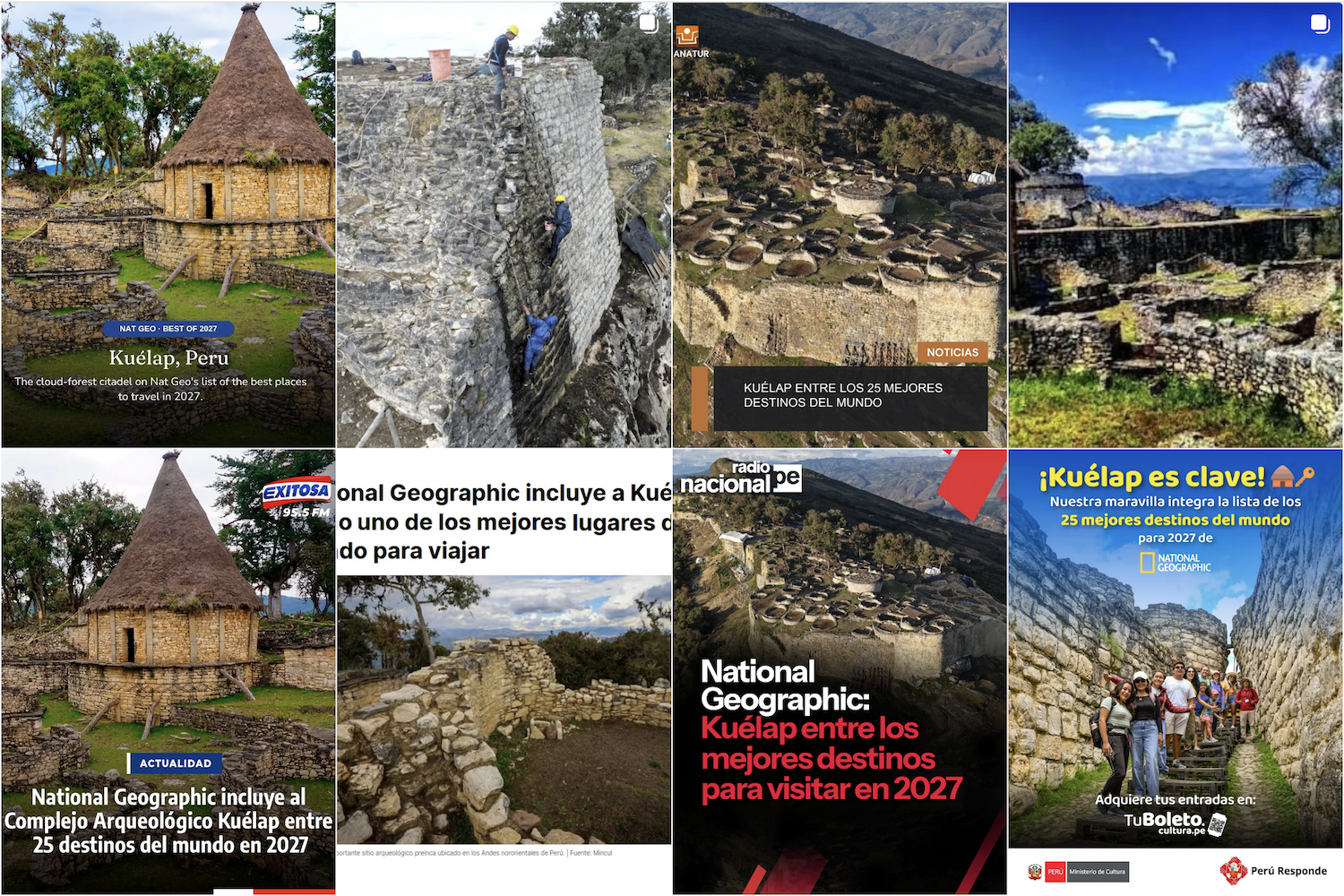
Here’s the link to National Geographic’s Best of the World 2027 about the top 25 places you have to visit next year. The entry for Kuélap is towards the end of the list, but it includes my article about how to visit Kuélap.
Depending on your location, NatGeo may ask for your email address to read one or both of the articles, but there’s no paywall.
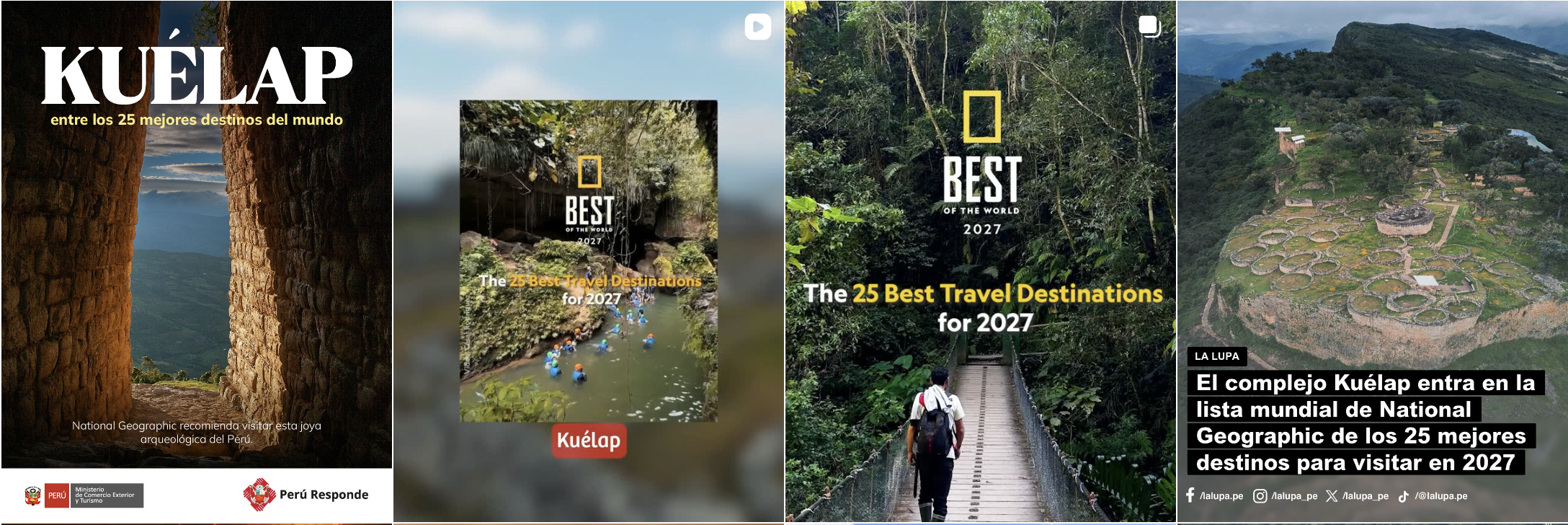
As soon as my article about Kuélap was published, Peruvian news sources all covered the event.
Peruvians Love National Geographic
Since National Geographic published a cover story about Machu Picchu in 1913 (it was the April issue, if you’re looking for the story), Peruvians have been very aware of the power of getting in that famous yellow frame.
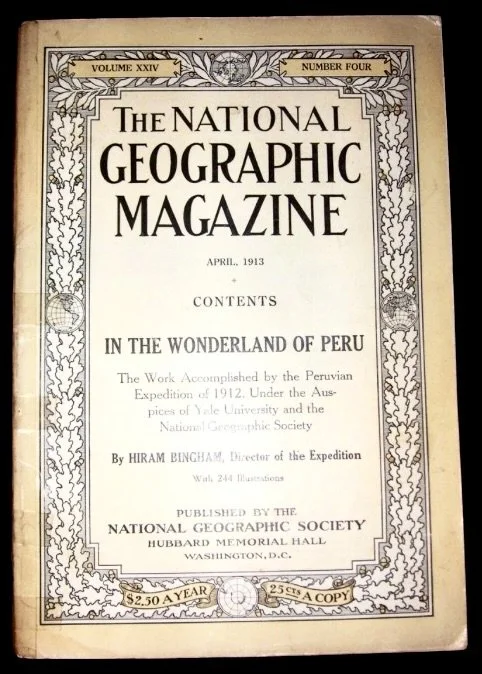
National Geographic, April 1913
Hiram Bingham’s article about Machu Picchu began a global obsession with the site, though claiming that he had discovered it was stretching the truth. Peruvians lived there, farmed the terraces and were very aware that Machu Picchu existed. It wasn’t lost.
In this year’s June issue, National Geographic readers learned about Taqrachullo, which I visited in August this year. It caused a stir not only because Taqrachullo was suddenly world famous but also because most Peruvians had never heard of it. I hadn’t even heard of it, and I consider myself an expert on Peru. The archeological study of Taqrachullo was from 2019 to 2025 and only this year was it opened to the public. It’s still being developed for tourism, with a new interpretive center and new paths through the ruins.
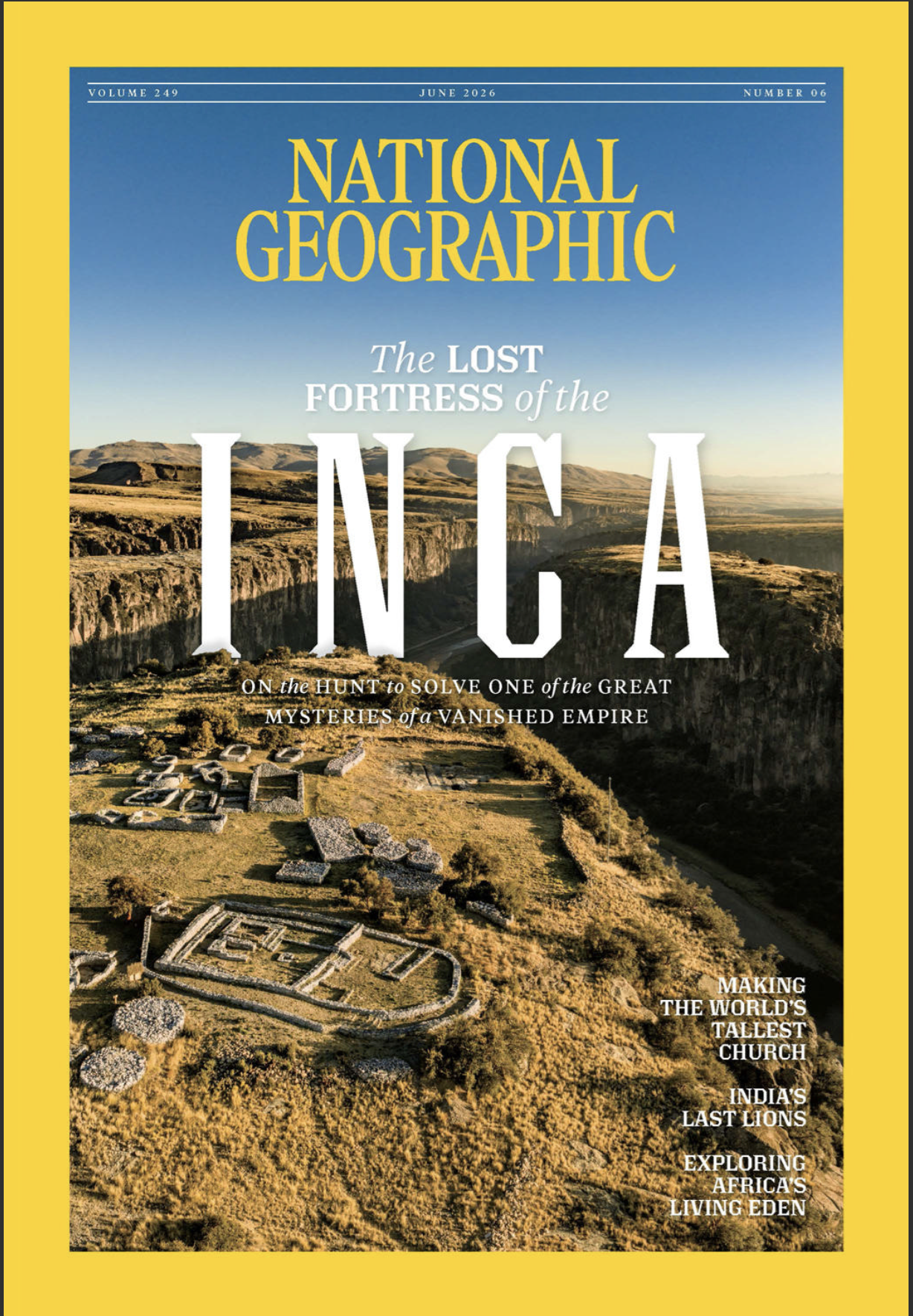
Visiting Taqrachullo isn’t easy, yet.
There are no guides onsite, no nearby restaurants and the closest hotels are in Espinar, an hour away. The closest airports are in Cusco (6 hours away), Juliaca (5 hours) and Arequipa (7 hours).
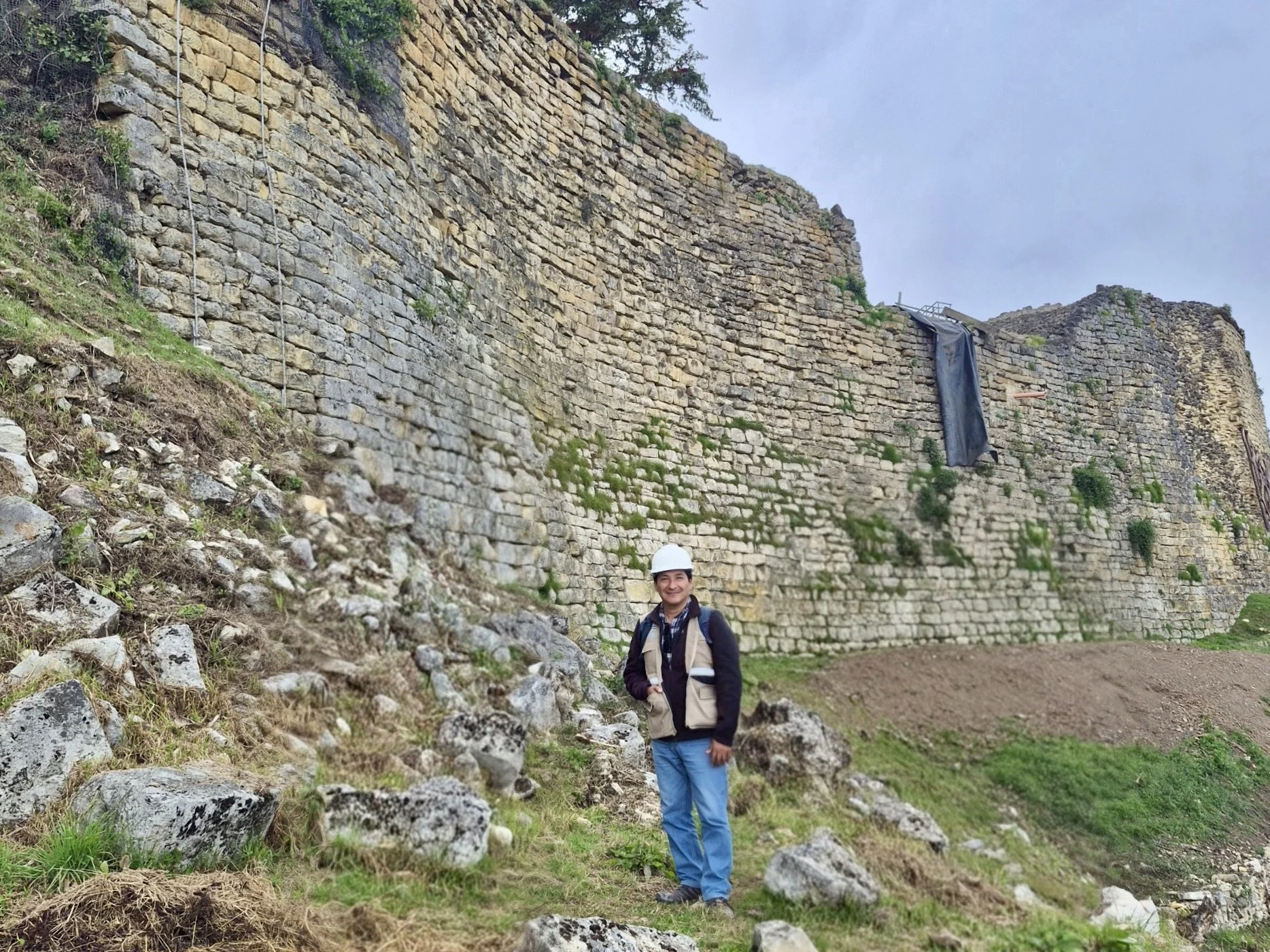
Archeologist Oliver Huamán Oros has been an immense help for everything I write about Kuélap.
The Key to Writing about Peruvian Archeology
Living in Peru, I have relatively easy access to the lead archeologists at the most important sites. I got to visit Taqrachullo with Emerson Pereyra, the head archeologist in charge of the Taqrachullo dig. Oliver Huamán Oros, the lead archeologist at Kuélap gave me a private guided tour of the site when I visited the first time in 2025.
Archeologists Know Each Other
I got to know Argentine archeologist Kevin Lane when I was writing for the BBC about Caral and Peñico last year and he introduced me to Oliver. I interviewed Óscar Montúfar when I was writing for the BBC about Waqra Pukará in 2023 and he’s introduced me to many other archeologists.
Spread the Word
If you know anybody interested in Peru, please forward this newsletter to them so they can read my National Geographic article about Kuélap. Here’s hoping this is just the first of many articles I will publish with National Geographic!
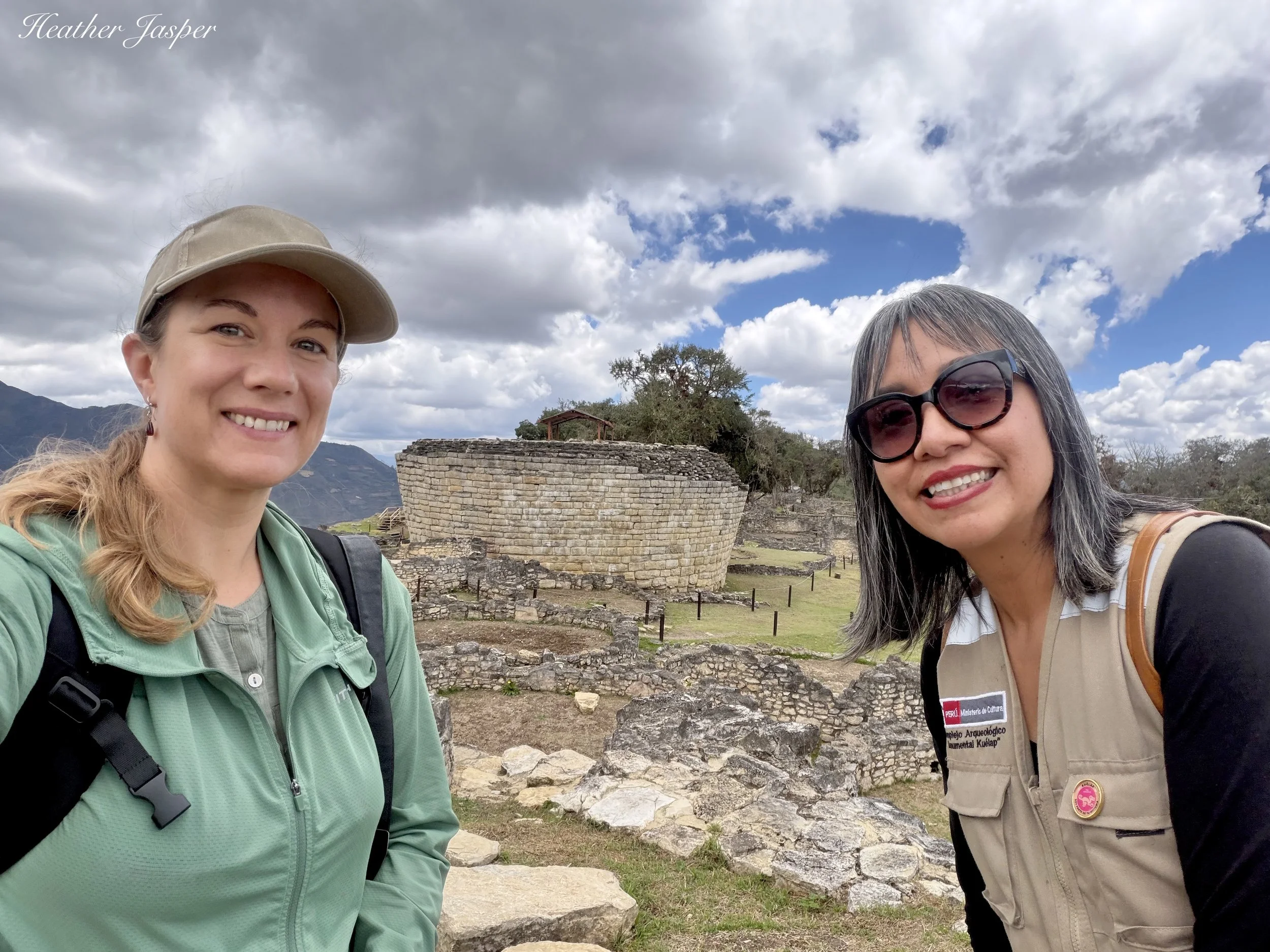
Rocío Sánchez was the director of the Amazonas region Ministry of Culture when I visited Kuélap in 2025 and 2026.
New blog post: Why Visit Kuélap
My most recent visit to Kuélap, just three weeks ago, was very different from the first in 2025. Click on the post title above to see what’s new at Kuélap in the past year and why I’m so excited to go back in 2027.