How to find travel deals
My top 4 tips for finding travel deals.
When the economy is rough and gas prices are high, travel is one of the first things people jettison from their monthly budgets. Here’s how to find deals so you can keep travel in your life. Basically, the more flexibility you have in your plans, the easier it will be to find deals and discounts.
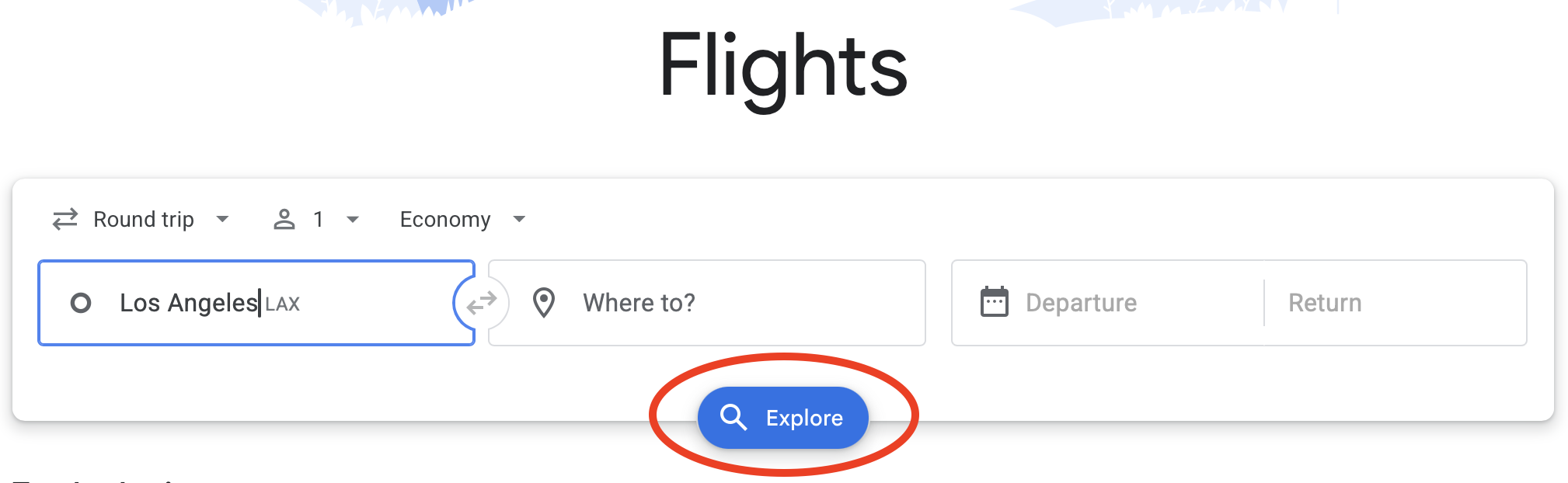
You don’t have to choose a destination or dates to search flights with Google.
1. How to be flexible when buying flights
If possible, try to travel when demand is lower, i.e. when fewer people are traveling. This means a couple weeks before or after holidays and times when most people take vacation. Check prices frequently for a few months before you plan to buy so you see how high and low prices get. Be ready to buy in case the price takes a dive and there’s a deal you can’t miss.
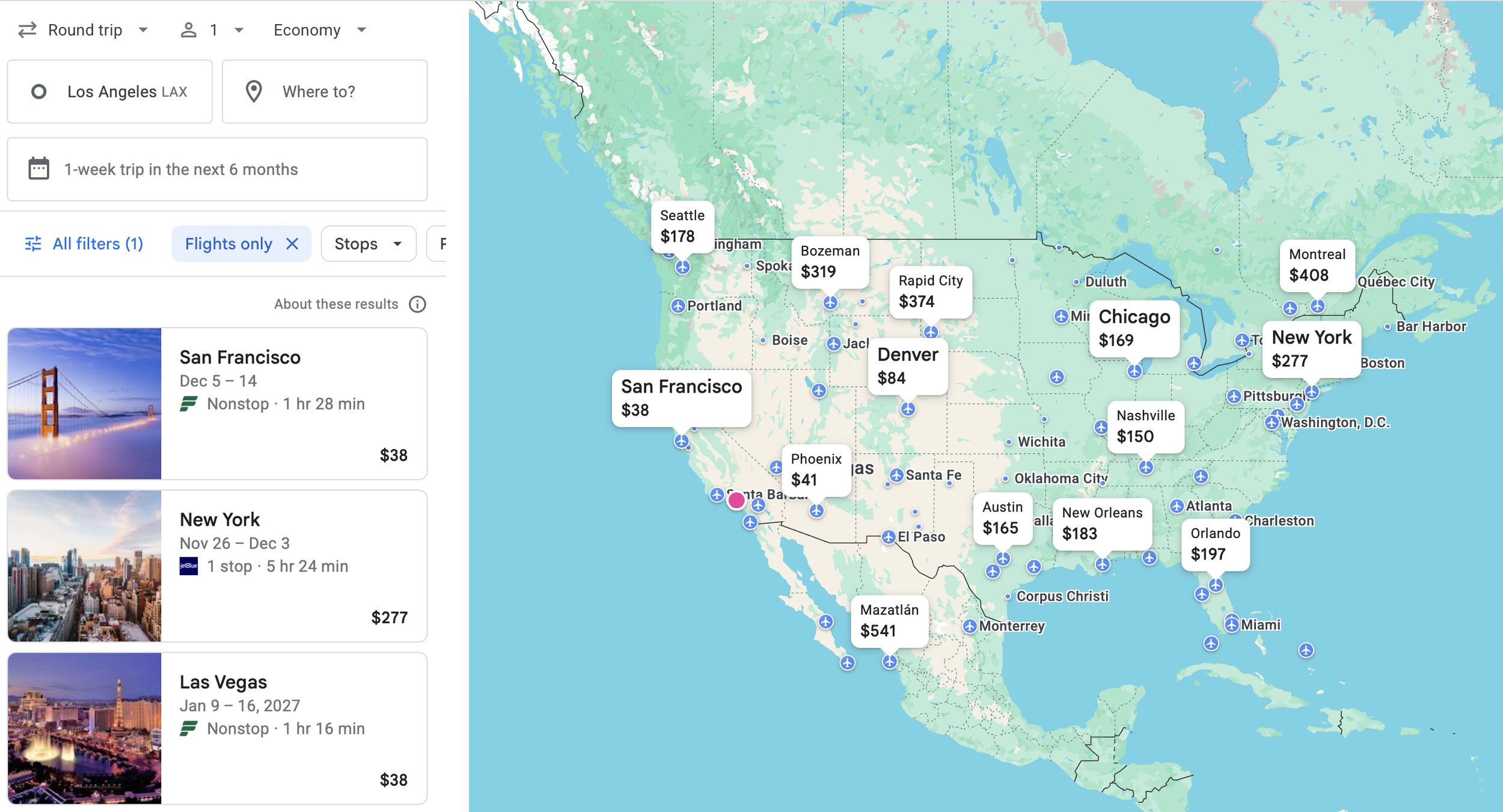
The prices shown are usually the lowest during the next six months, so you still need to look for specific dates with that deal.
While you’re playing around with dates, also look at nearby airports. Sometimes smaller airports have cheaper flights and if there’s a shuttle or public transport from that airport to your destination, it may be worth your time.
There are lots of apps and websites that track flight prices and I recommend you use them all, but only to track prices. When it comes to buying the flight, I recommend buying directly from the airline. Here’s why I don’t recommend buying from third parties.
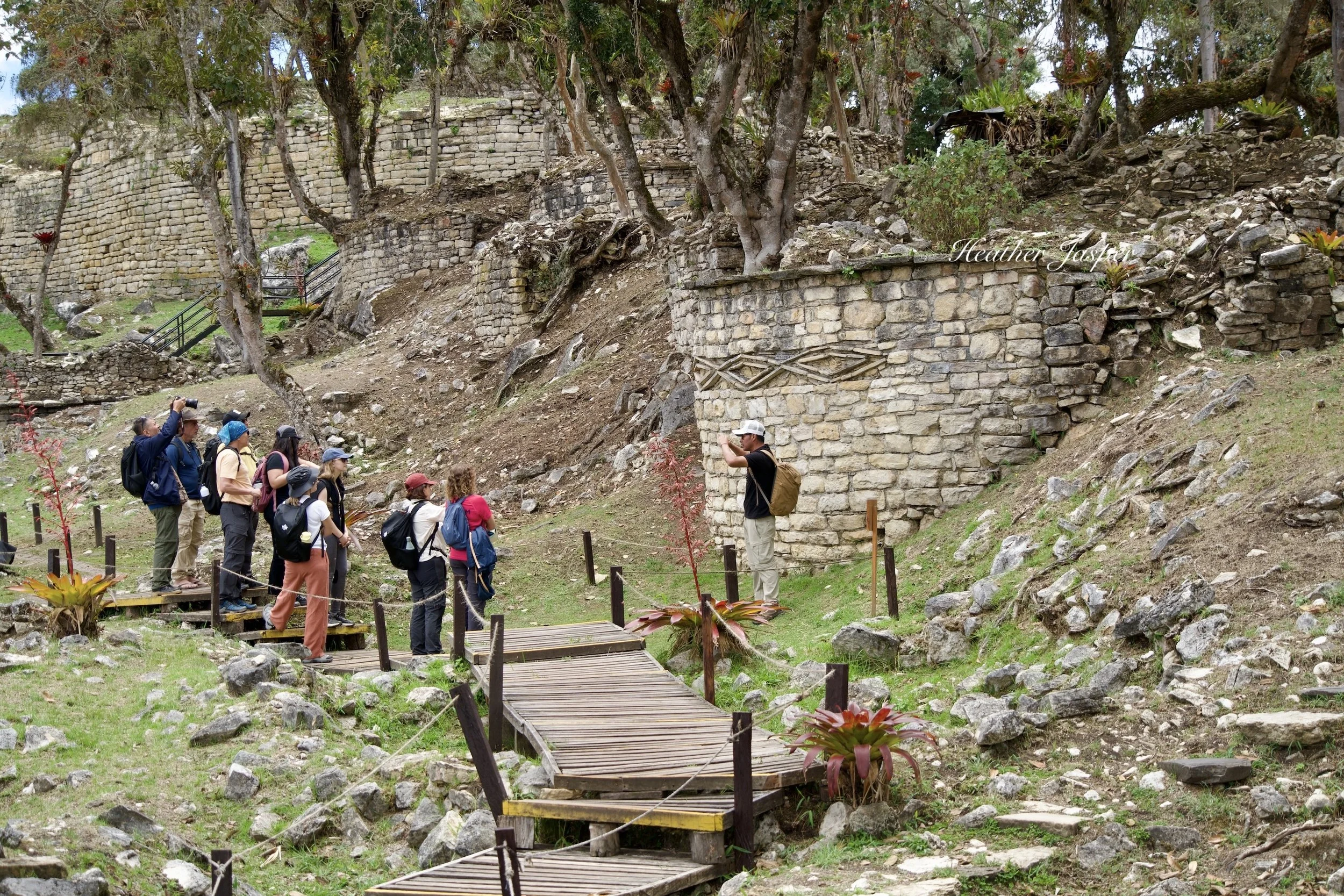
Some places you can go on your own but others, like Kuélap, are better with a tour.
2. How to be flexible when booking hotels and tours
I usually tell people to book hotels and tours as soon as you have your flights. However, if we’re headed into a recession and fewer people are traveling, hotels and tour operators might get desperate to fill rooms & tours two or three weeks before and drop prices. It’s a gamble, but choosing which day to book travel is always a gamble and last minute prices is one to keep in mind as the economy slows.

Look for destinations with lots of activities at different price points, so you can change plans if your budget changes.
3. How to be flexible planning activities
If you bought your flights then didn’t book hotels and tours because you thought prices would drop more, what will you do if prices don’t drop, or if they go up? Are you flexible enough to do something else entirely? This is when I recommend picking a destination that has lots of things to do.
Hawai’i has expensive golf courses, scuba trips and fancy resorts, but it also has free walks on the beach and inexpensive snorkel gear rentals. If you’re going to New Orleans and the prices for hotels in the French Quarter don’t drop, can you stay in a different part of the city? You may have to be more flexible than usual this year.
4. How to be flexible when exchanging currencies
Some currencies are very volatile and if you watch the exchange rate go up and down a lot, you’ll have a good idea when you can get the best rate. I use XE.com to track exchange rates over time. I use Wise to exchange payments I get from companies who buy my writing that pay in British pounds or euros and I wait to exchange those funds until I can get more dollars for each transfer to my US bank. You can do the same by opening an account with your home currency and the currency of where you’re going. This only makes sense if you’re going somewhere with a volatile currency and if you’ll be spending enough money to really make it worth it or if you go there frequently. If you go to Europe or Mexico every summer, I think it makes sense to get a euro or peso account and exchange your money when the rate is best, even if that’s not when you’re traveling.
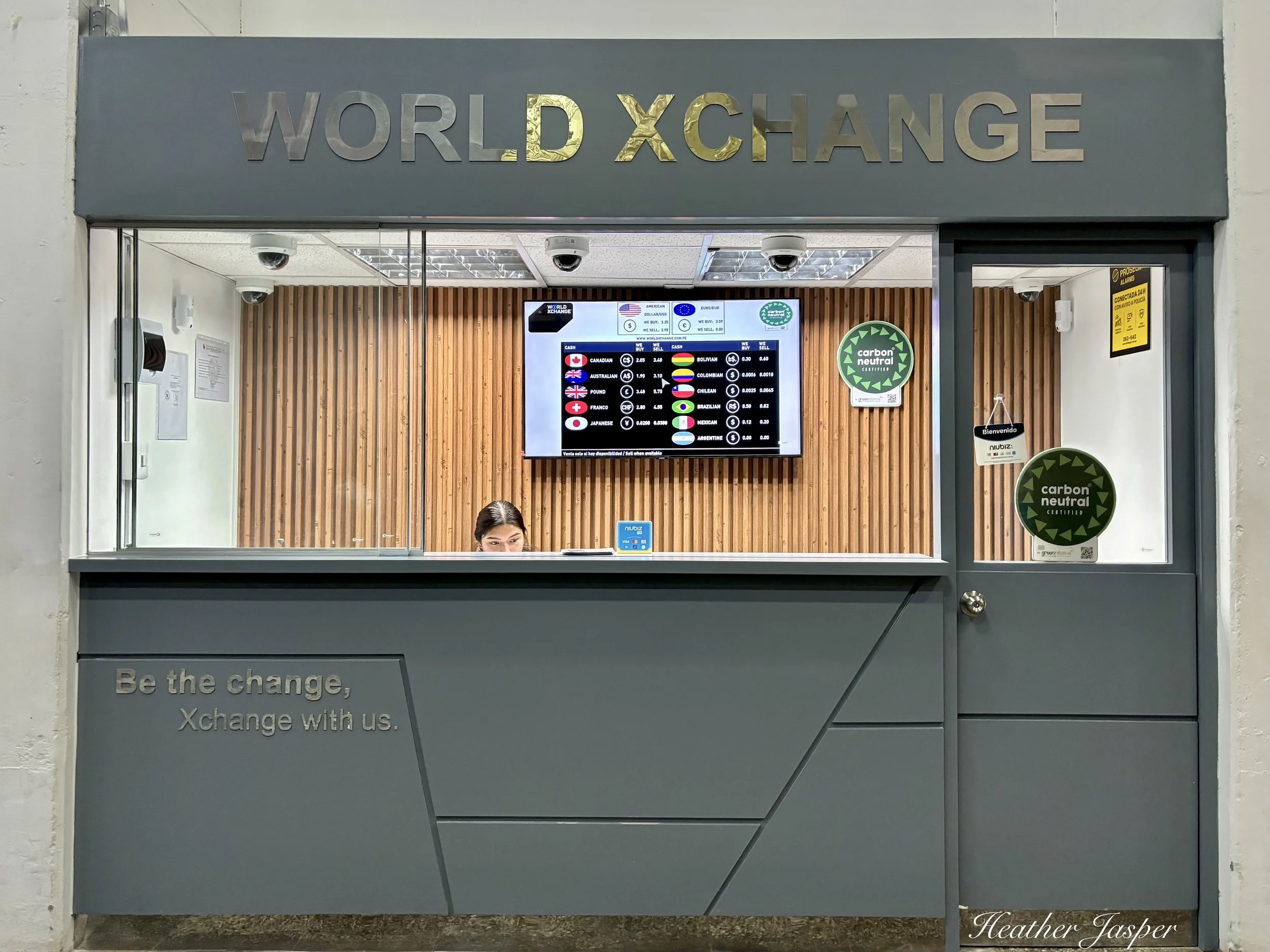
Airport currency exchange desks usually have the worst possible rate and are to be avoided.
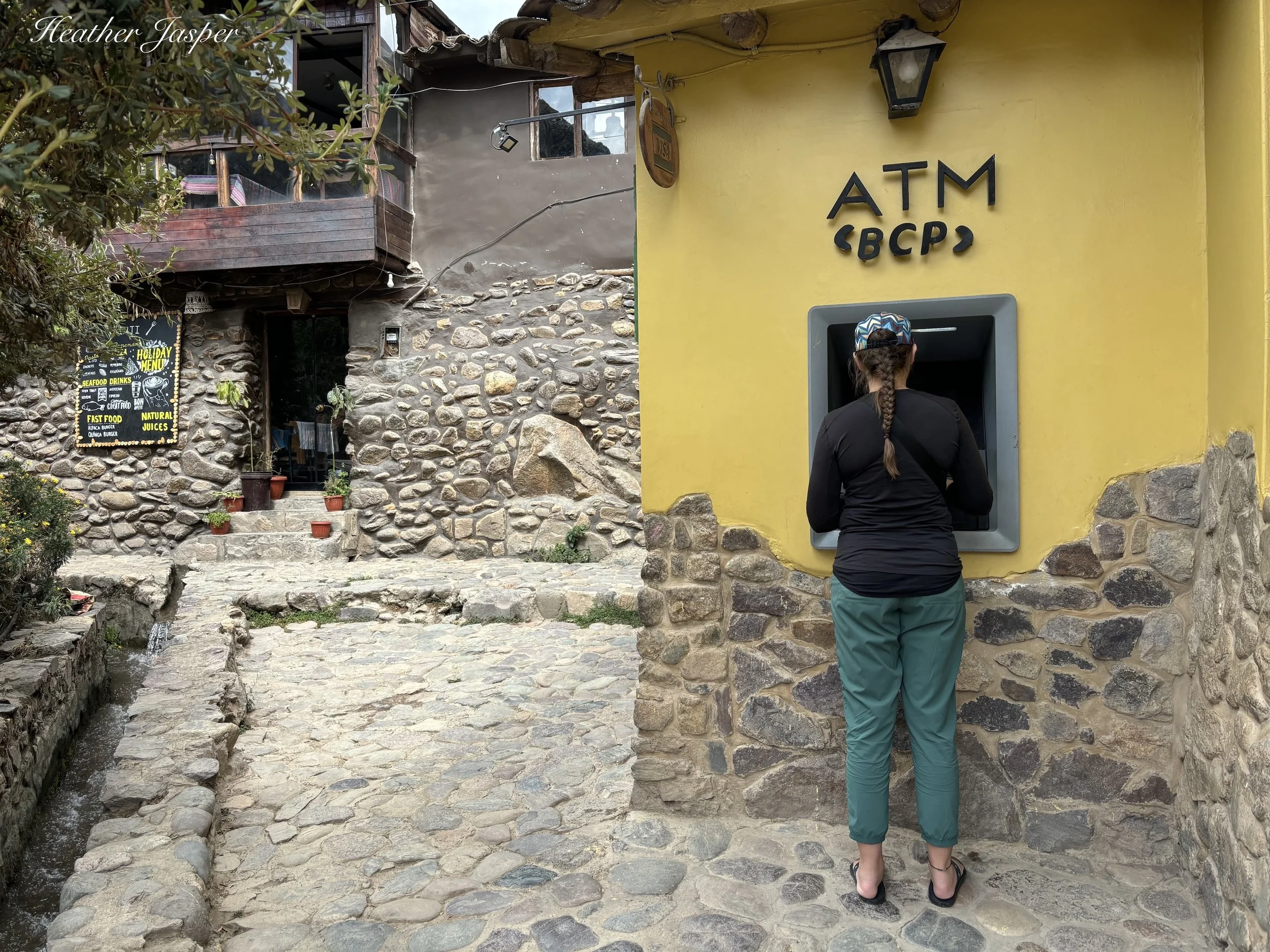
The other exchange rate you have to watch is when you get to the country and want to exchange cash. Kiosks in the airport tend to have the worst rates, so I never exchange money at airports. In most countries, withdrawing money from an Atm will get you the best rate – but not always! In Argentina I got twice as many pesos per dollar exchanging for cash on the street as I got withdrawing from an Atm. Research where you’re going on traveler blogs and check social media for people who are there now and ask them. Also watch Atm fees. In Peru, Banco de Credito de Peru (BCP) has Atms everywhere, but they also charge about $10 USD per transaction. Banco de la Nación has fewer Atms but they don’t charge any fees – and if your bank at home doesn’t charge fees then you’re in luck.
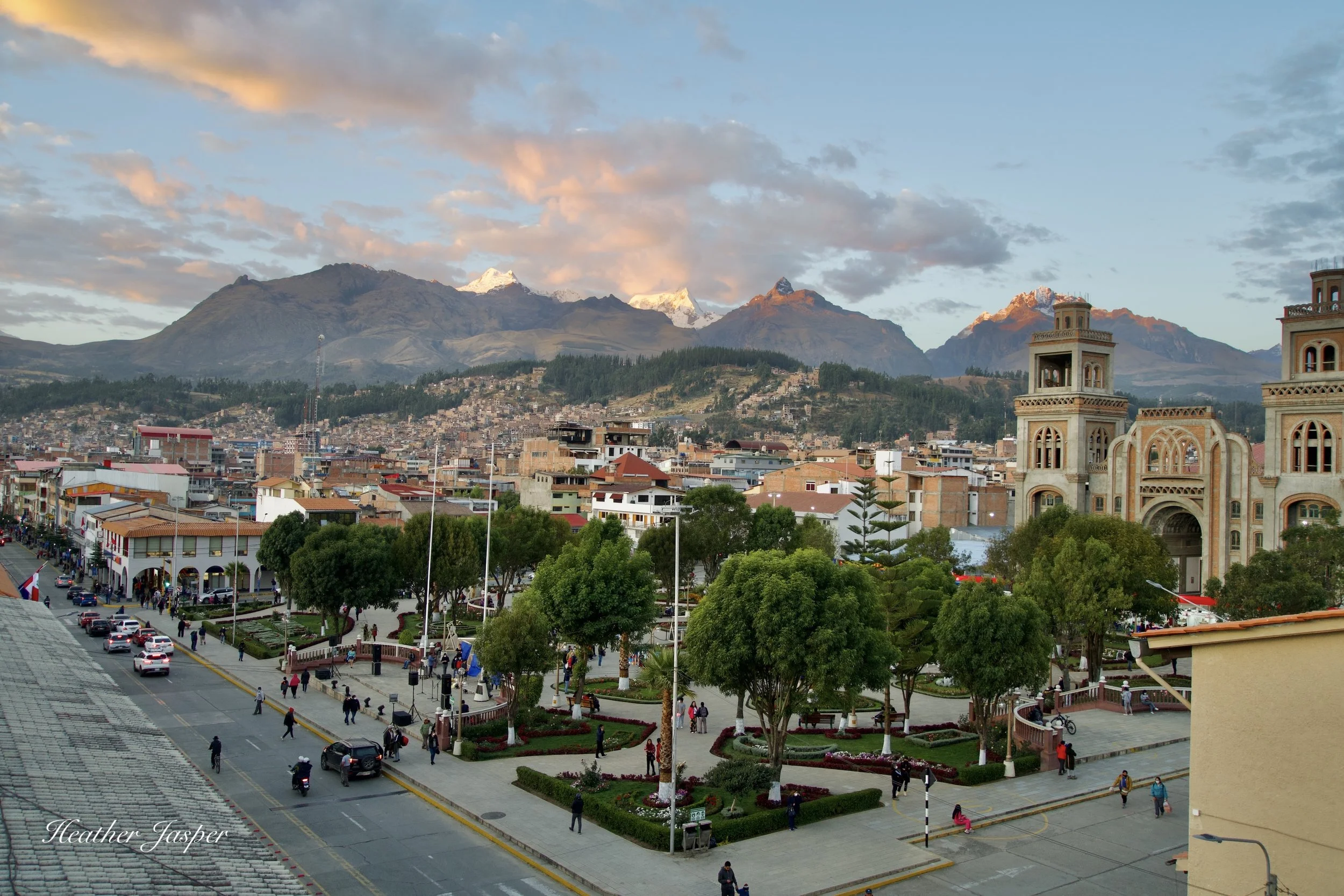
New Blog Post: The Complete Guide to Huaraz
I started on this guide when I first visited Huaraz in 2022 and this year was lucky enough to return three times. Here’s everything you need to know: what to do, where to eat, where to stay and how to get to Huaraz.