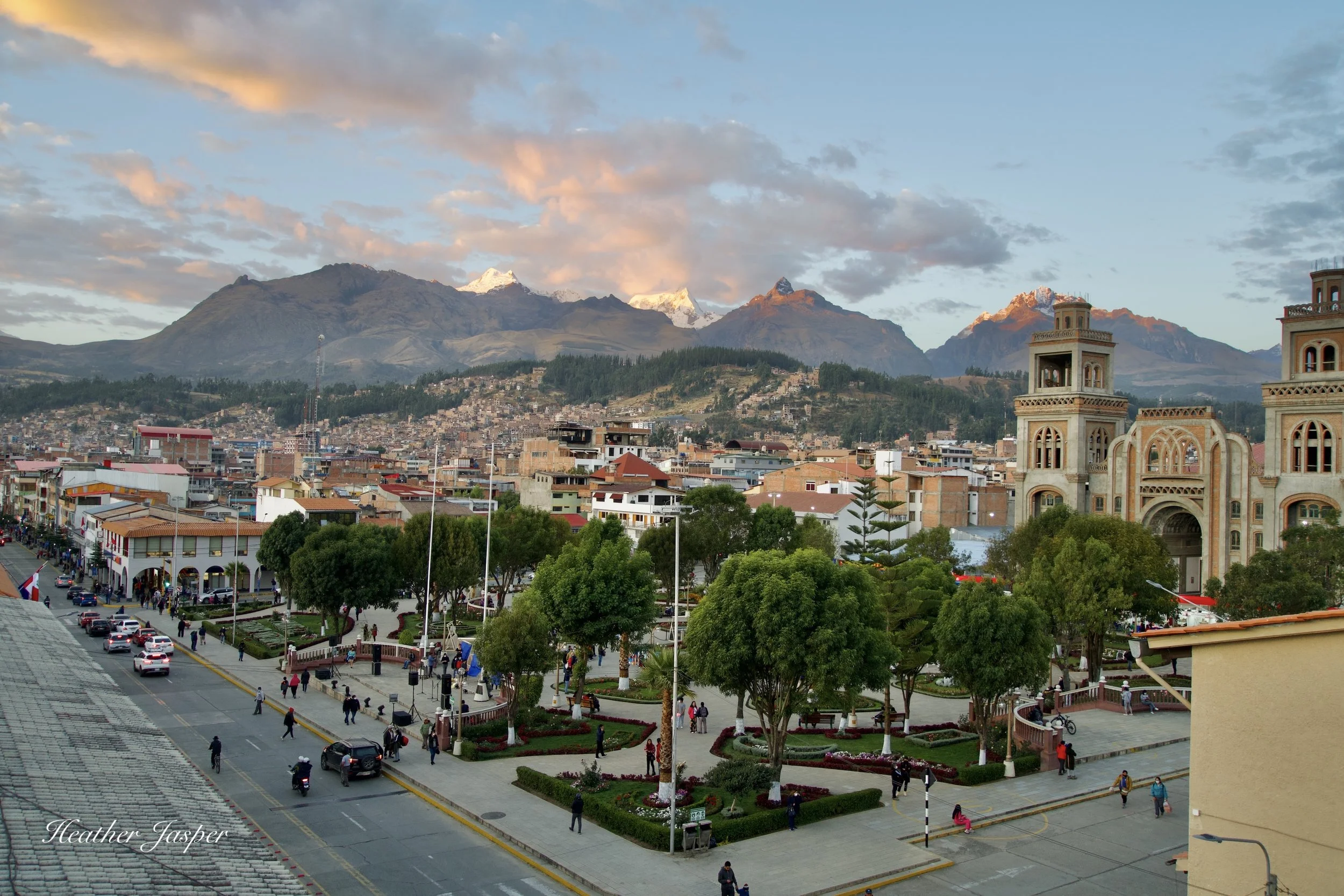
The Huaraz Plaza de Armas is beautiful, especially when the peaks above are pink with sunset.
Huaraz is postcard perfect everywhere you turn.
I’ve seen lots of people compare the Cordillera Blanca, the mountain range that towers above Huaraz, to the Swiss Alps, but honestly there’s no comparison. The Cordillera Blanca has the most tropical glaciers in the world and is home to Chavín de Huántar, one of South America’s oldest (and most psychedelic) cultures. It is truly unique for its topography, history and modern culture.
My first trip to Huaraz was in 2022 and I was lucky to have the opportunity to return three times in 2026. Huaraz is in the Peruvian coastal region of Áncash, a spectacularly beautiful place and my third favorite of the 22 regions I’ve visited in Peru. (My favorite is Cusco, for obvious reasons. San Martín and Amazonas are tied for second).
This blog covers: Huascarán National Park, Cordillera Blanca, Huaraz City 1. What to do 2. Where to eat 3. Where to stay 4. How to get around and 5. How to get to Huaraz
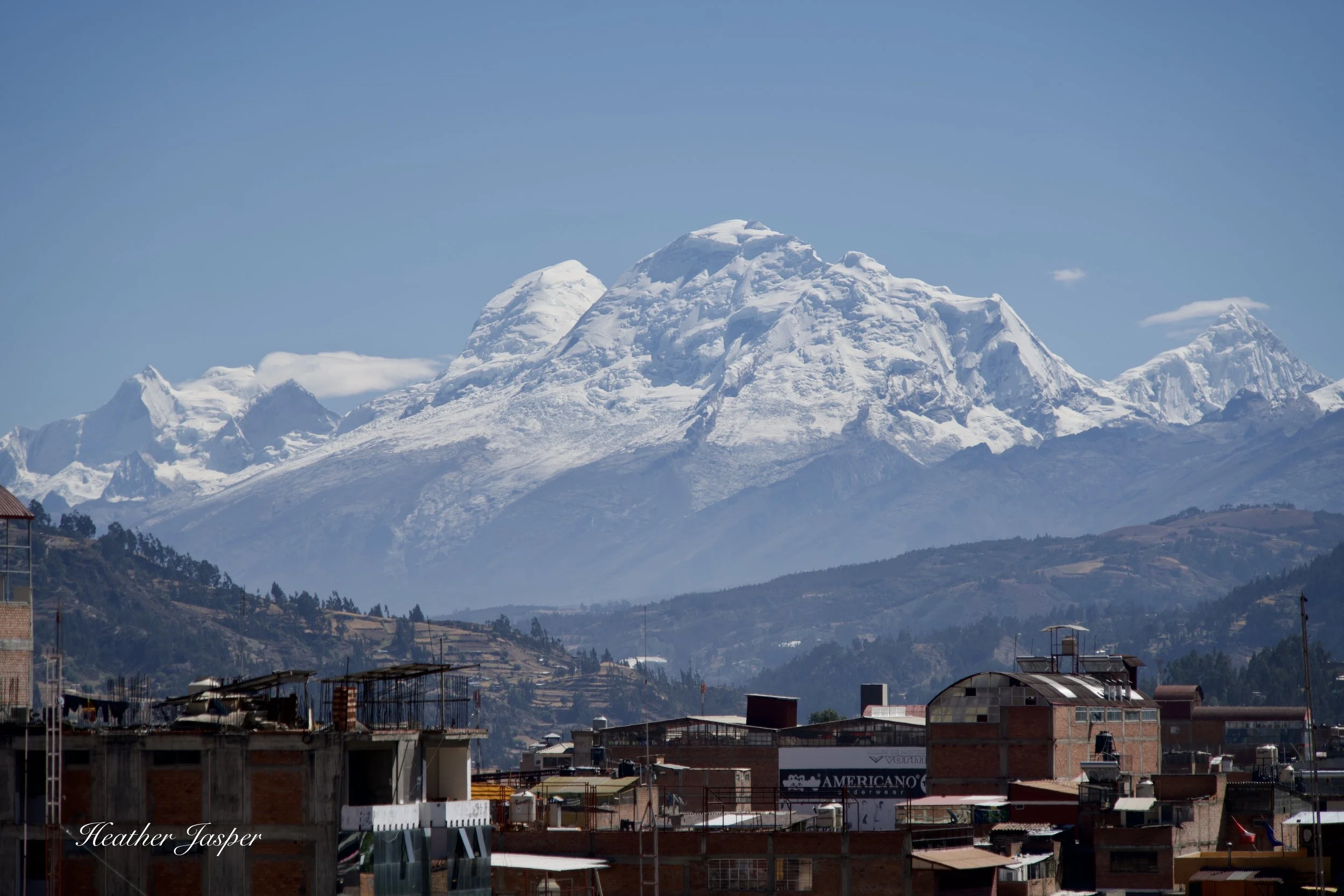
Most places in Huaraz have this impressive view of Mt Huascarán.
Huascarán National Park
The first part of this guide “What to do in Huaraz,” includes some day hikes and day trips Huascarán National Park. The park is in the Cordillera Blanca and covers 340,000 hectares/840,000 acres, larger than Yosemite National Park in California. It has over 700 glaciers and more than 30 peaks above 6,000 meters/19,685 feet above sea level, including Huascarán at 6768m/22,205ft. This Huaraz guide focuses on the city and does not include overnight treks in the park. I’ll put those in a separate guide to Huascarán National Park & Huayhuash.
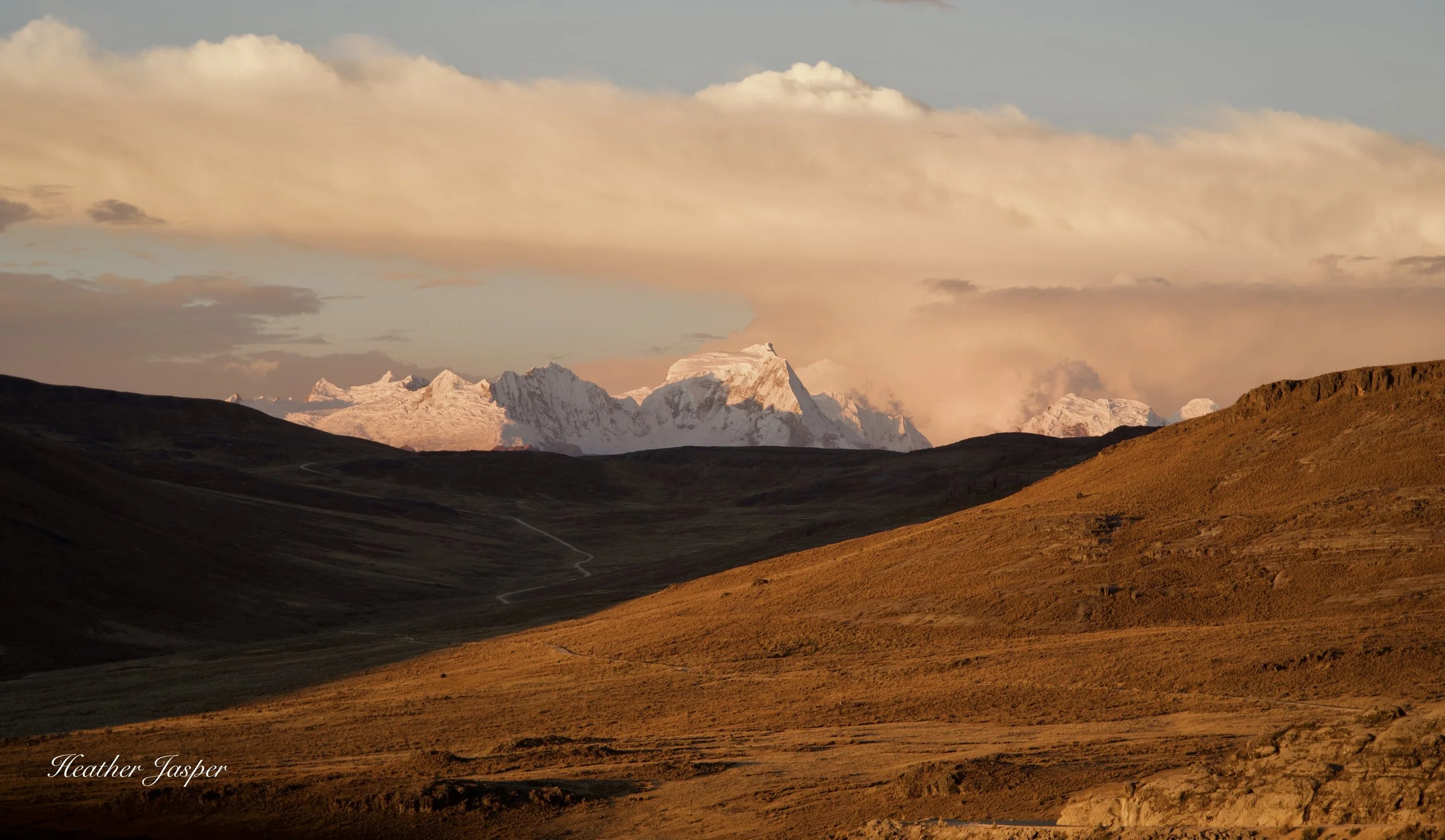
The snowy peaks of the Cordillera Blanca, as seen from the dry Cordillera Negra.
Cordillera Blanca vs. Cordillera Negra
The names of these two mountain ranges are best explained together. The Cordillera Blanca “White Range” has dozens of peaks that sparkle with white snow and white granite. The Cordillera Negra “Black Range” is much lower, so its black basalt peaks rarely get more than an occasional dusting of snow. Between the two is a valley called the Callejón de Huaylas (pronounced ka-yay-hone day why-lass).
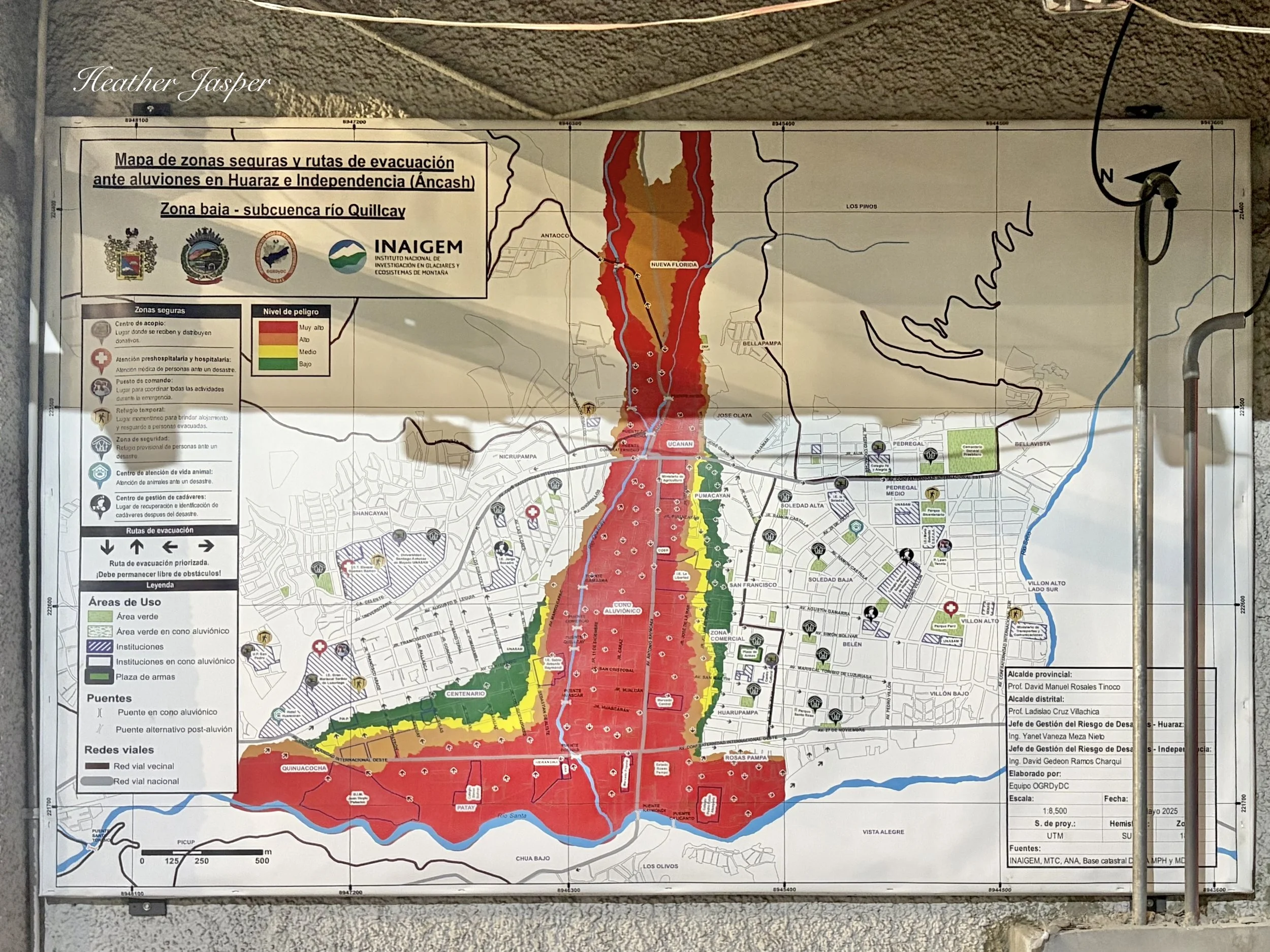
This map of Huaraz shows where to evacuate during a flood, or an earthquake which would likely cause a flood.
Huaraz City
Huaraz is more of a large town than a city, but locals call it a ciudad, so I’ll humor them on this one. The small size makes it a friendly place and the international climbing community is welcoming. Spend more than a week in Huaraz and feel like you know the whole town, I mean city.
Huaraz wasn’t an important place in Peru’s past, so it lacks impressive Inca and Spanish colonial architecture. The buildings are low, generally one to three stories, because the Cordillera Blanca is an active mountain chain and earthquakes are frequent.
All my recommendations for where to eat and where to stay are in the city of Huaraz.
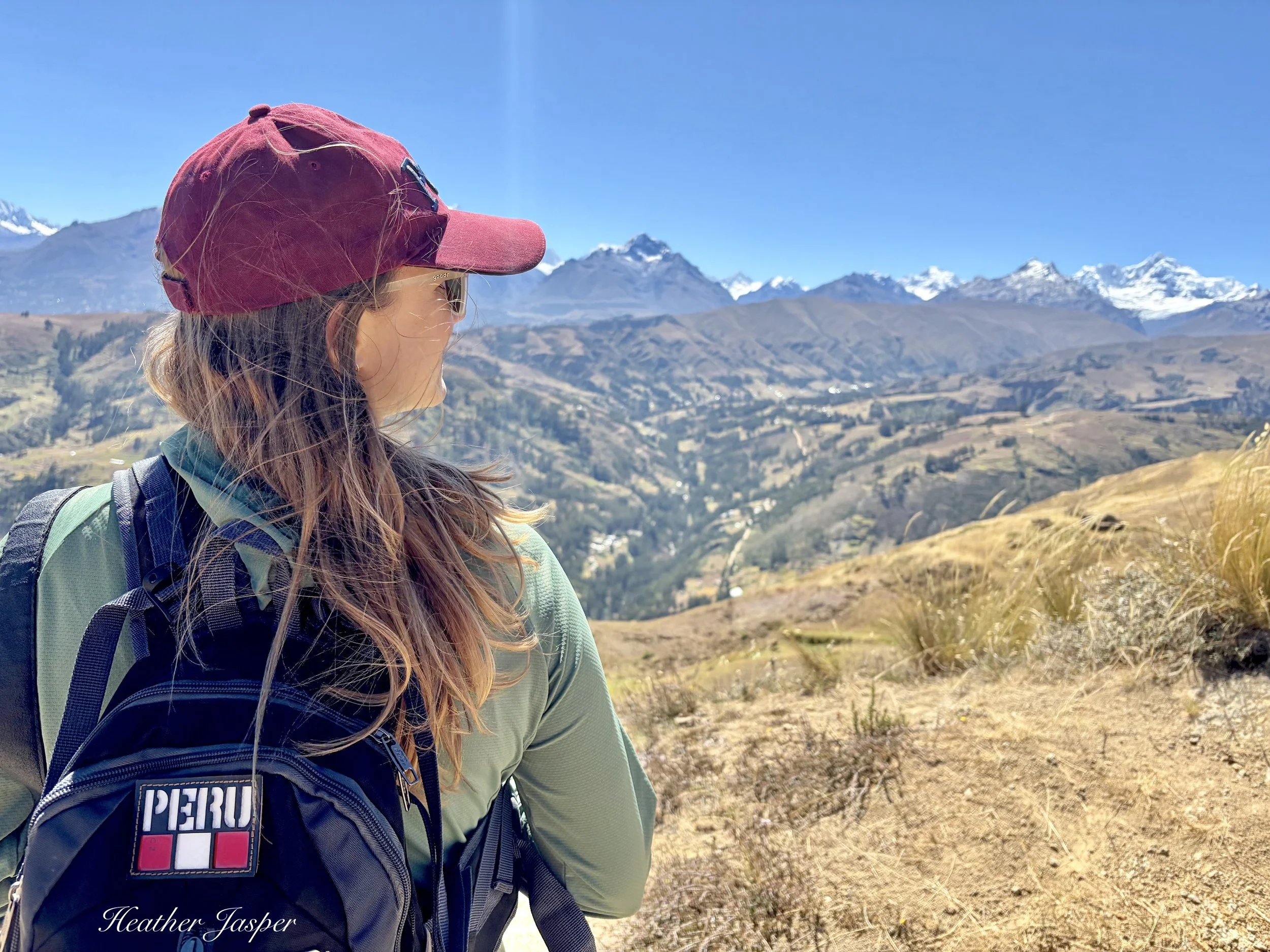
Wilkacocha is the first hike you should do and it has a fantastic view of the Cordillera Blanca.
1. What to Do
Most people go to Huaraz for hikes, treks and camping in the Cordillera Blanca, drawn by its turquoise lakes, high peaks and massive glaciers. Below are some of my favorite day hikes and day trips that you can do while staying in Huaraz. This is a guide for hikers, not serious mountaineers and doesn’t include any information for summiting the Cordillera Blanca’s formidable peaks.
No matter what you do in and around Huaraz, take the time to acclimate properly. Altitude sickness is a real risk in the Cordillera Blanca and most hikes are well above 4,000m/13,123ft. Spend a day resting in Huaraz at 3,052m/10,013ft before you start hiking at higher elevations. Do several day hikes before you attempt any multi-day trekking or camping trips above 5,000m/16,404ft. Take a wilderness first aid course and learn the symptoms of cerebral and pulmonary edema, which can be fatal.
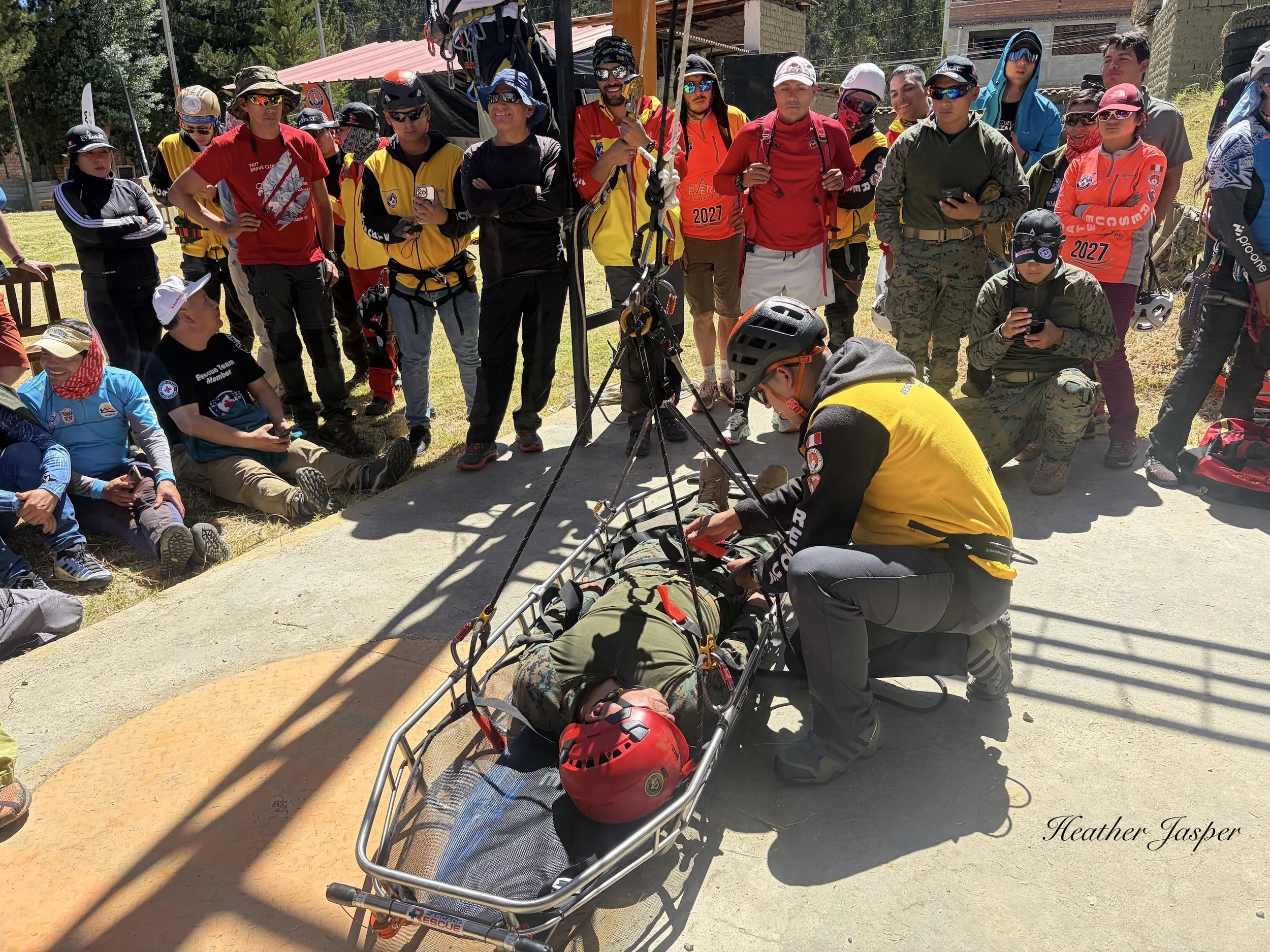
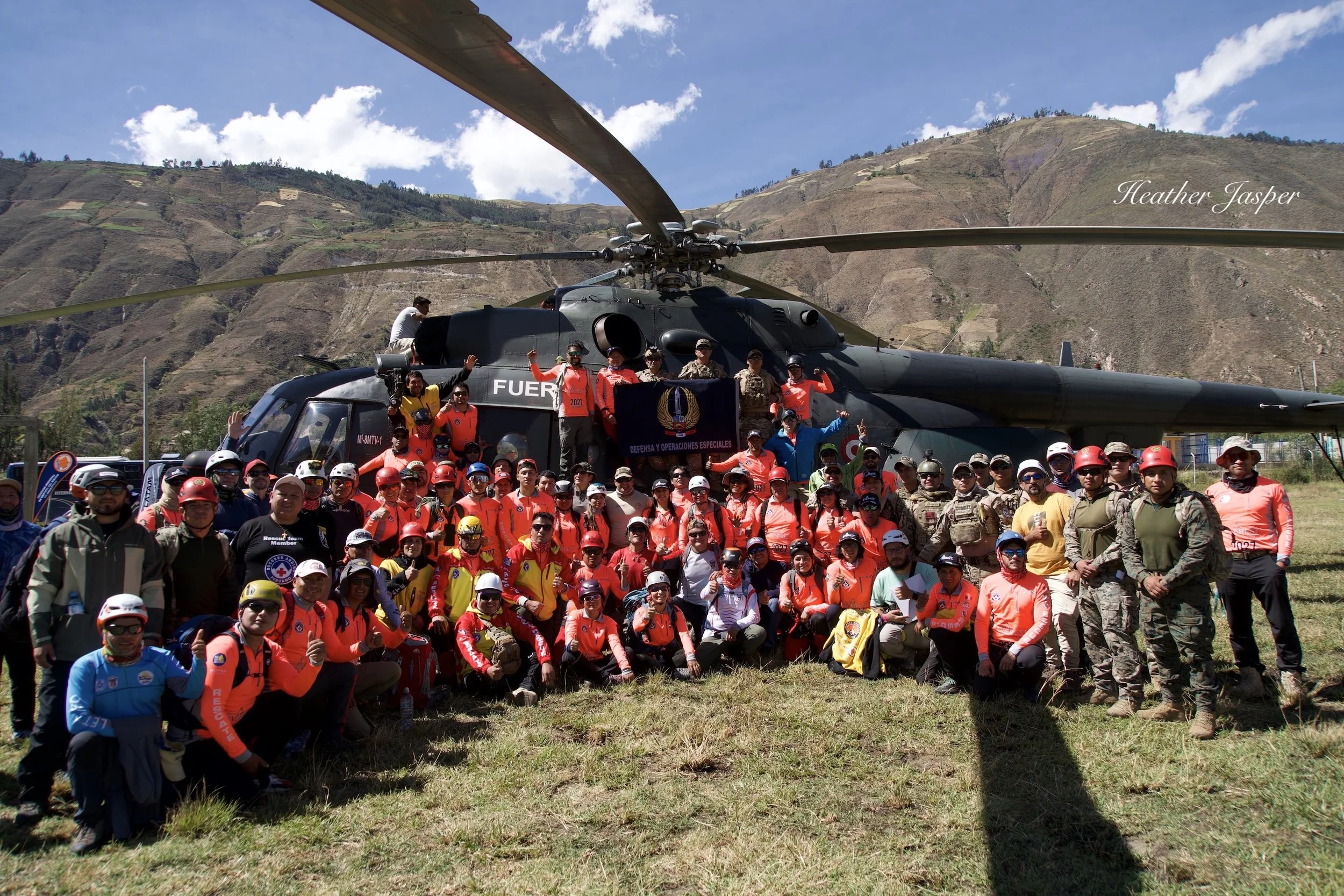
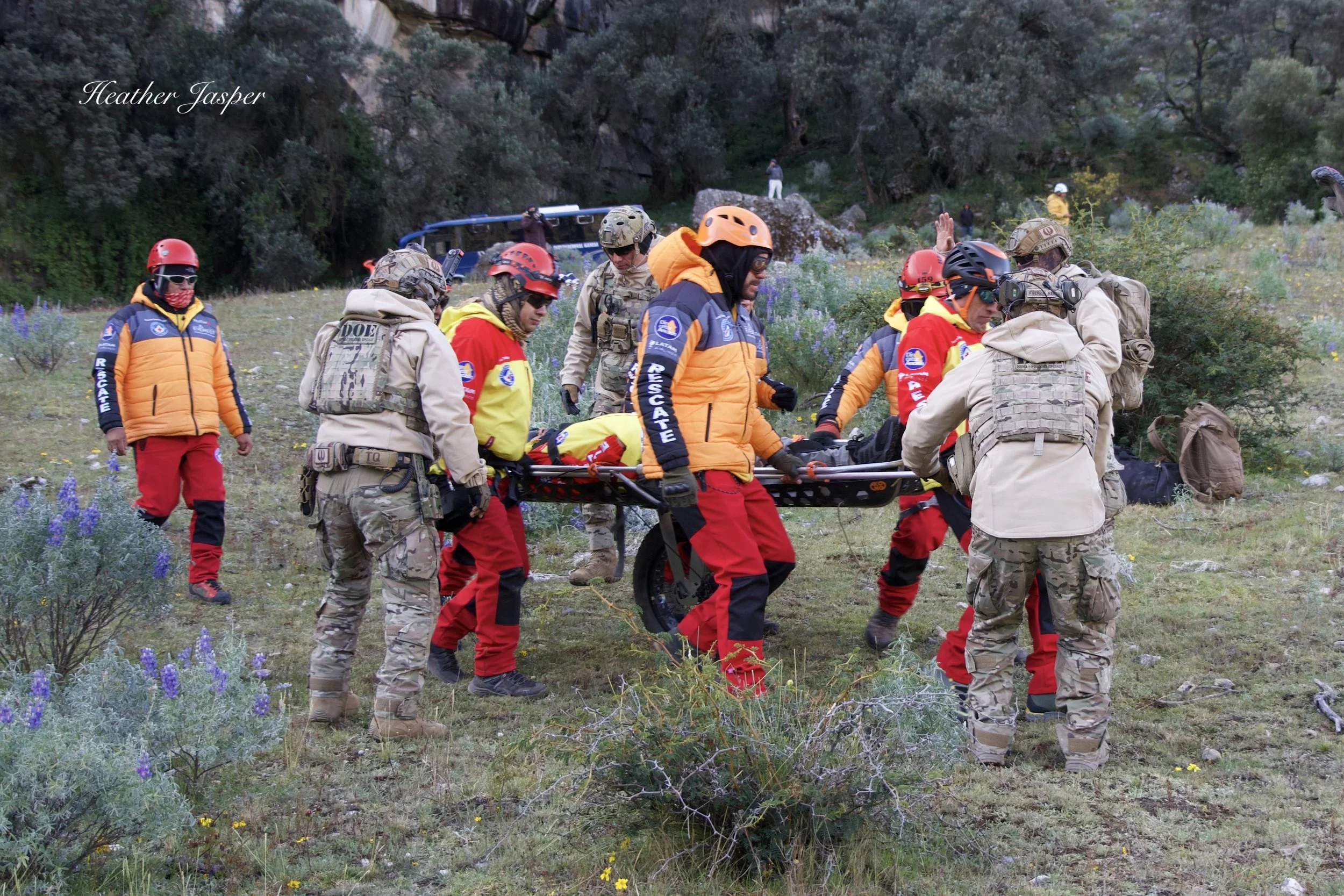
I highly recommend hiking with professional, experienced, local guides. In the case of emergency, local guides know how to evacuate people in need and how to get more help quickly. In June 2026, I was part of a 5-day course in Huaraz (above) which was Peru’s first helicopter evacuation training that integrated guides, rescuers, paramedics, firefighters, police and the military.
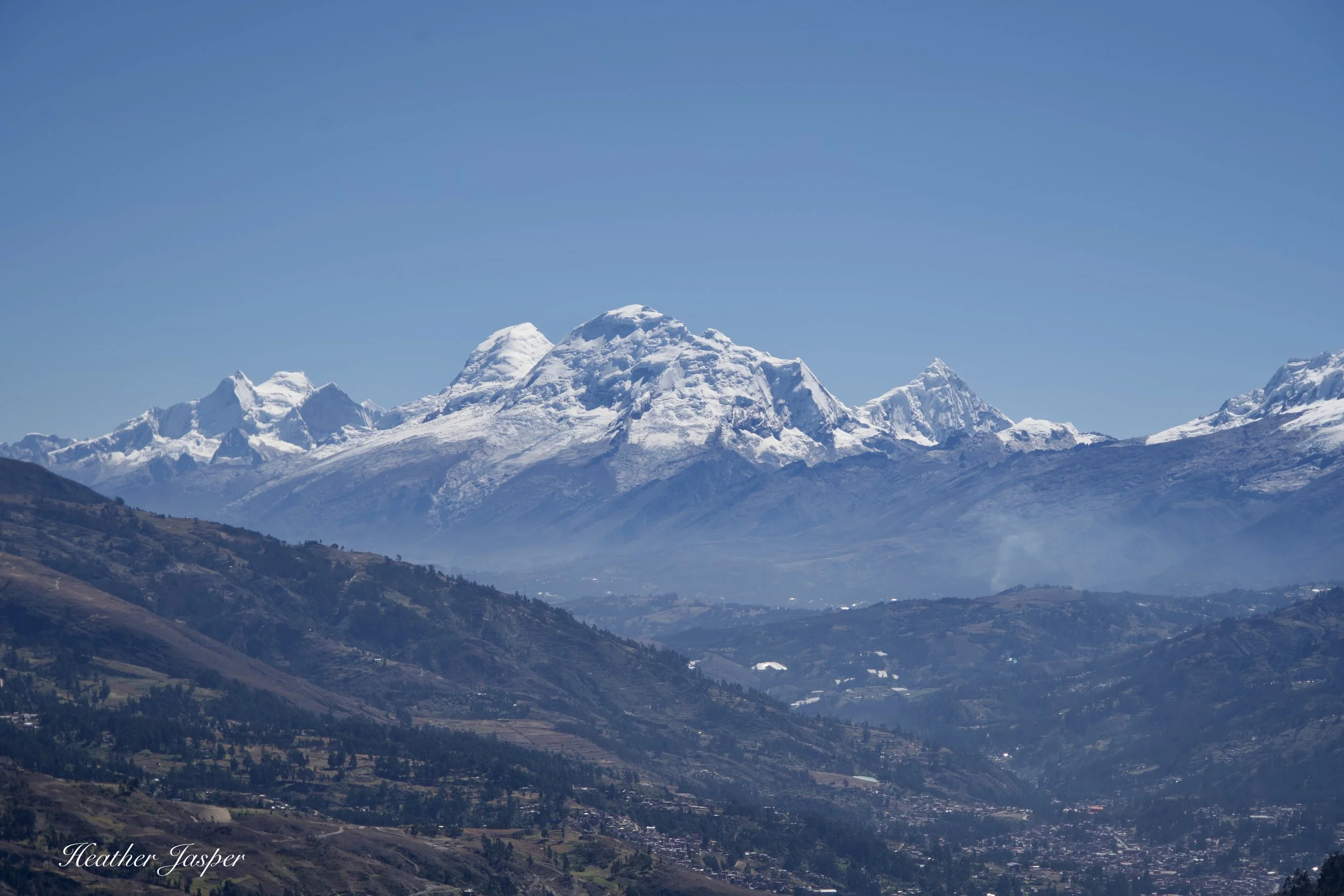
Many hikes have views of Mt. Huascarán, like this view from Wilkacocha. The triple peak left of Huascarán is Huandoy and the perfect triangle on the right is Pisco.
Day hikes around Huaraz
There are lots of fantastic day hikes that you can do from Huaraz.
Public transportation is impractical or impossible for most hikes. If you don’t have a vehicle, you should sign up for a tour. If you want a guide to walk with you and be helpful, go with a company like Explorandes. If you want to do it on your own, go with a cheap tour because you’ll end up walking alone. Cheap tours have so many people in the group that the guide is unable to help everybody.
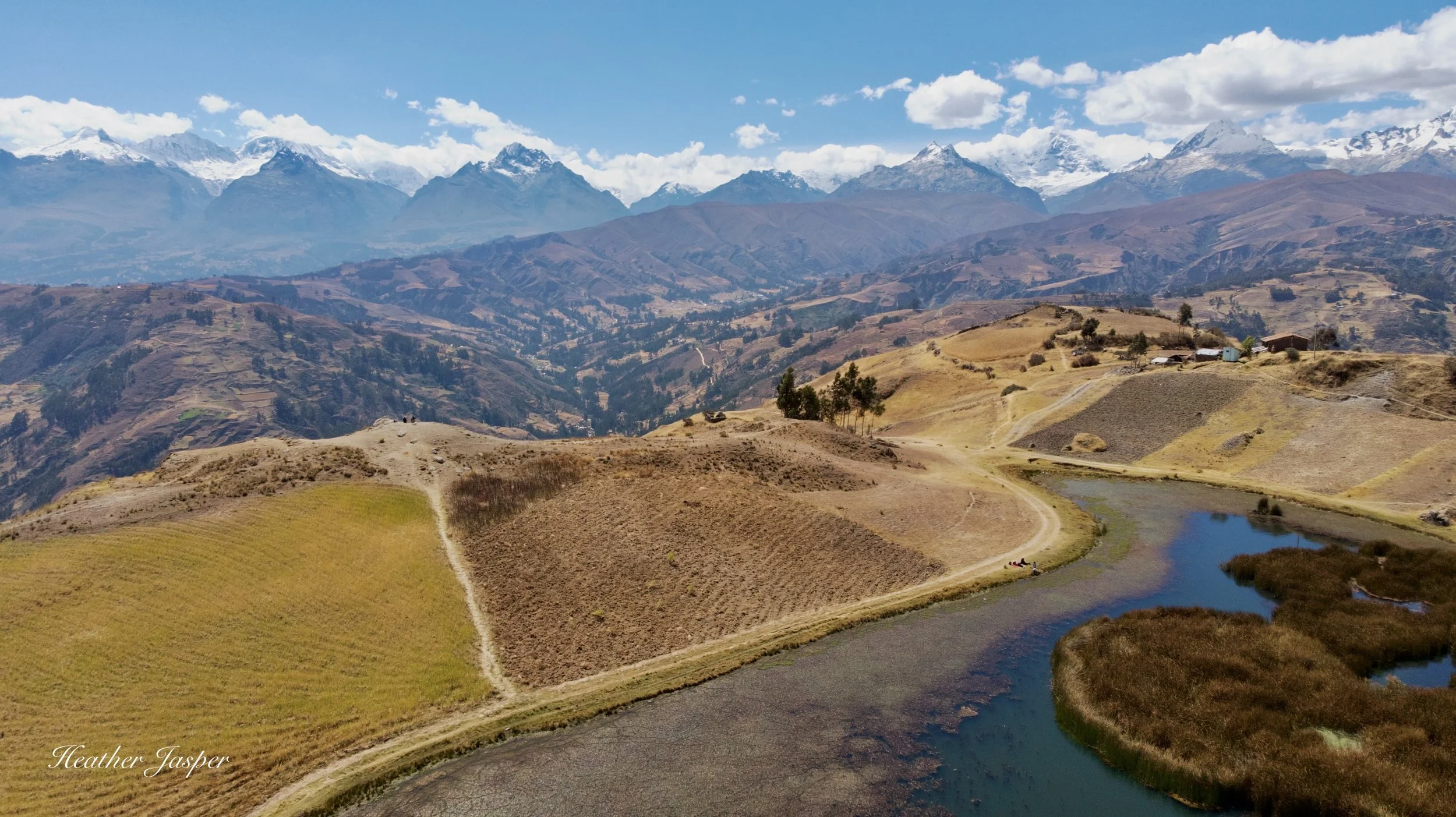
Wilkacocha has a fantastic view of a dozen peaks in the Cordillera Blanca.
Wilkacocha is the first hike you should do because it’s easier than almost everything else and has great views of Huascarán and many other peaks in the Cordillera Blanca. Wilkacocha means Sacred Lake in Quechua and it’s a shallow lake with lots of ducks and grebes. From Huaraz: 20 minutes in the E combi bus then a 3 hour hike or drive yourself up to the lake in half an hour and walk around the lake for half an hour. Lake Altitude: 3,725m/12,222ft
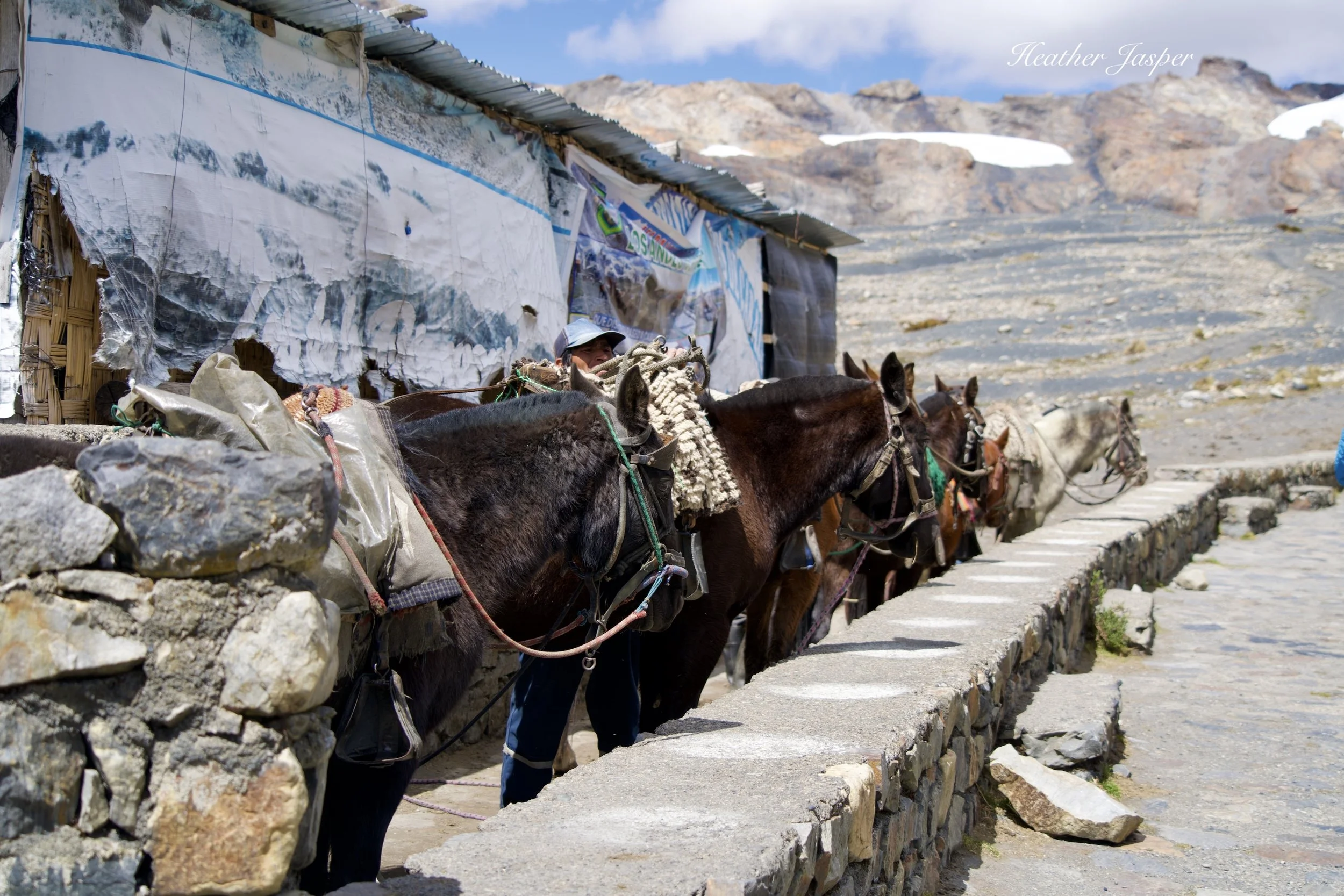
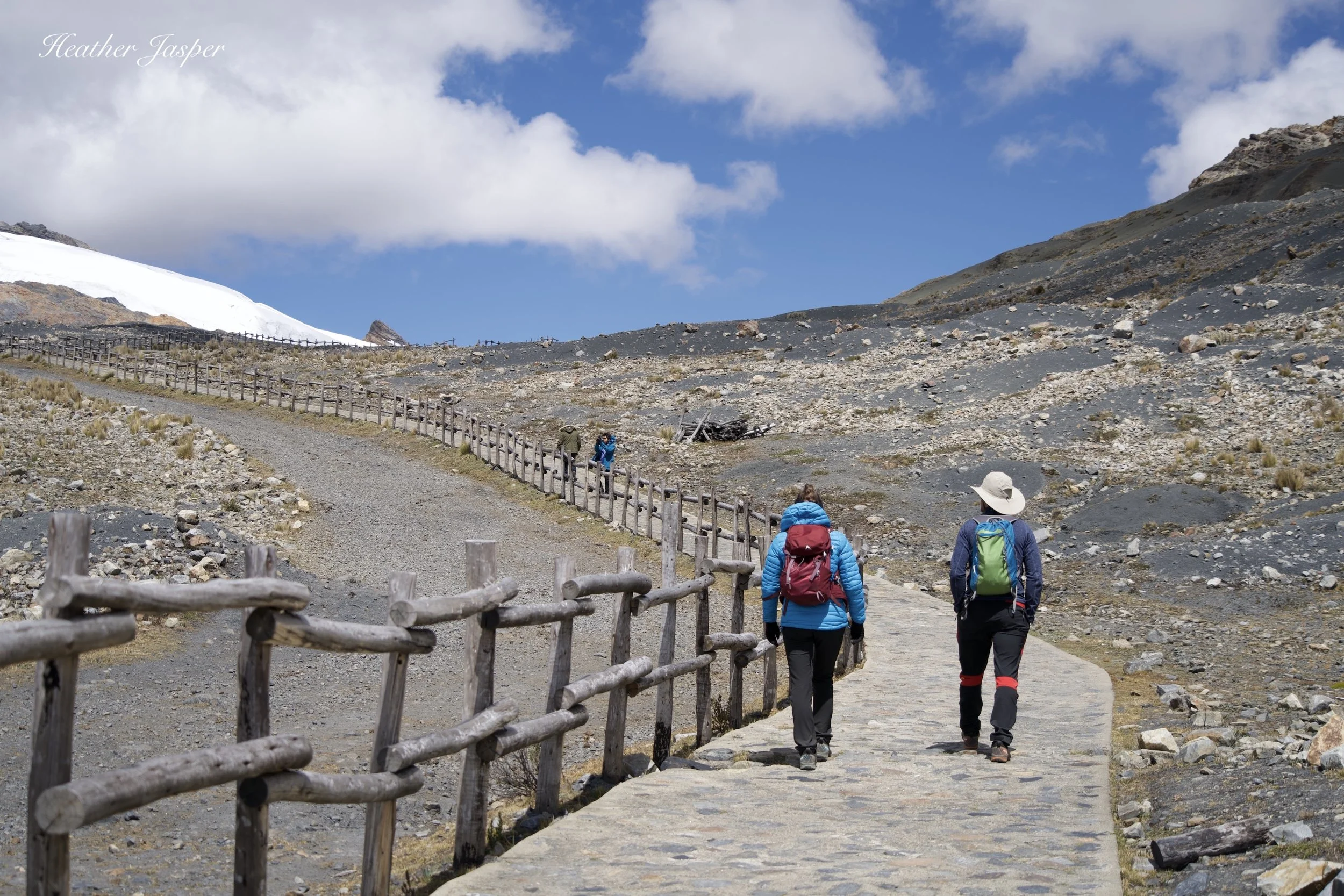
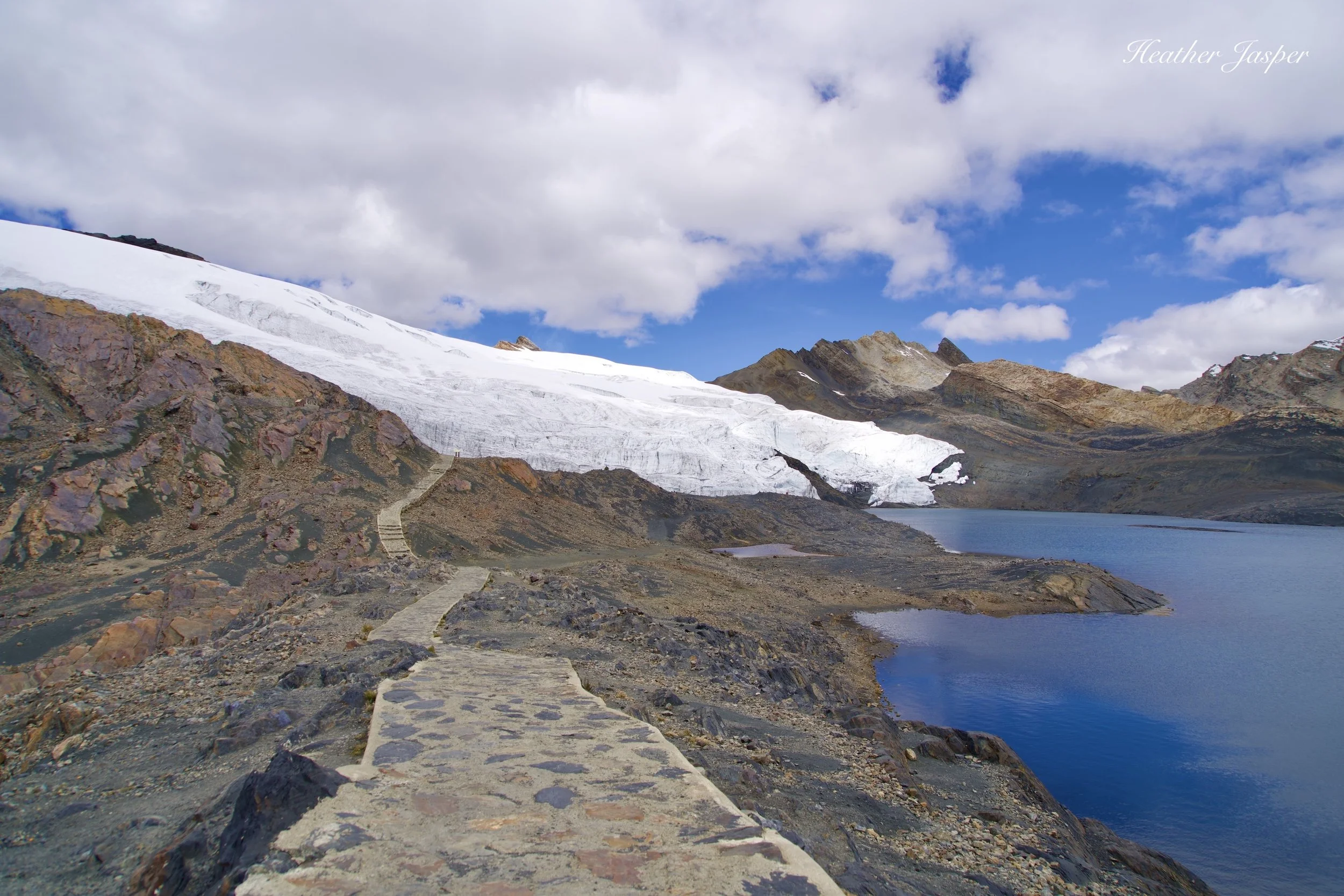
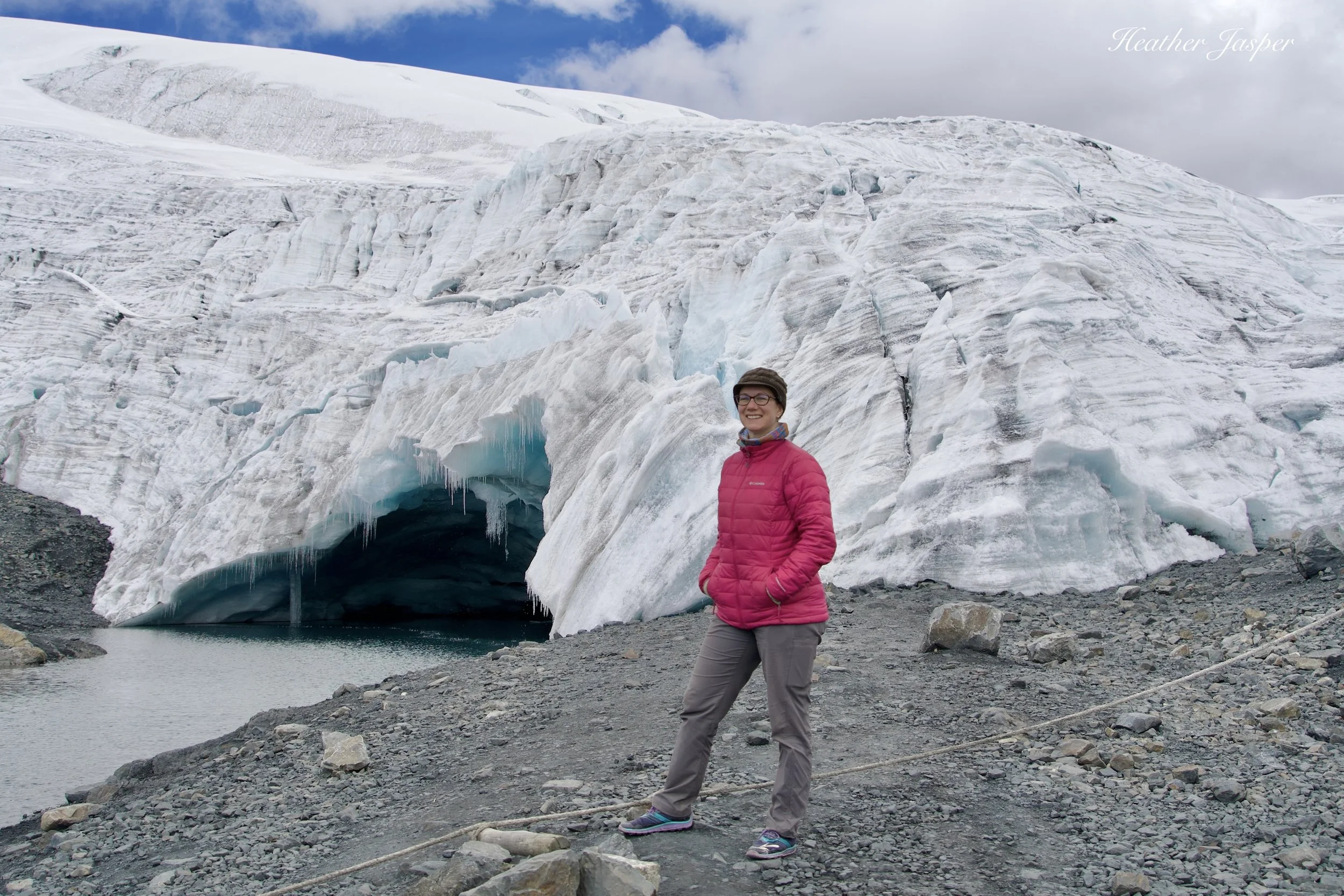
Pastoruri is higher altitude than Wilkacocha but in some ways an easier walk because it’s a paved path and you can ride a horse most of the way. Pastoruri used to be Peru’s only ski resort and where all Limeñians learned to ski. The glacier melted so much in the 1990s that the resort closed in 2007 and the chairlift was removed. The Pastoruri tour is now sold as the Ruta del Cambio Climatico “Climate Change Route.” From Huaraz: It’s a 3-hour drive each way to the trailhead and then a 1.5km/1mi walk on the path up to the glacier. Depending on how well you’re acclimated, the walk could take 20-45 minutes each way. Trailhead Altitude: 4,800m/15,748ft Glacier Altitude: 5,250m/17,225ft
Click on photos to enlarge them.
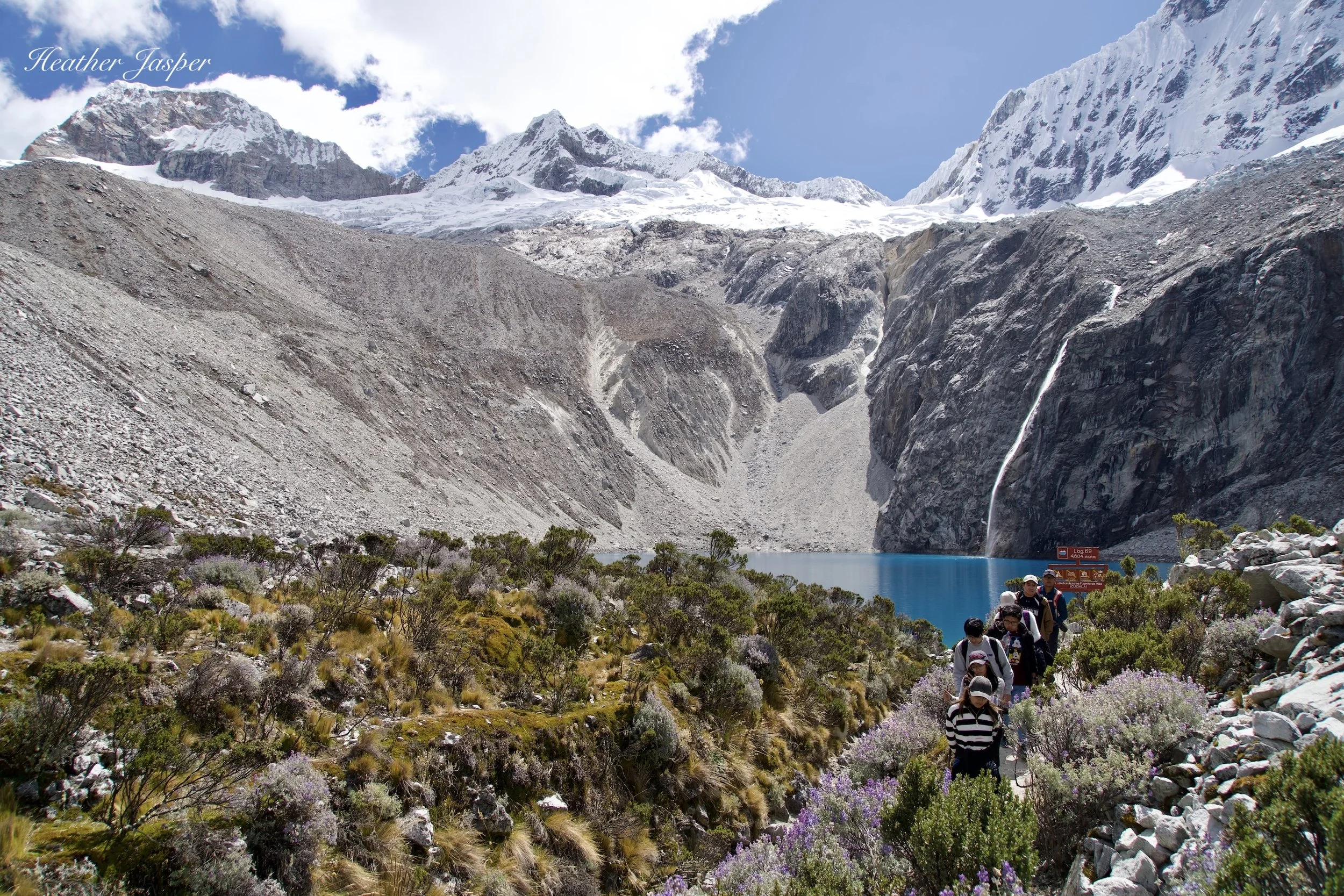
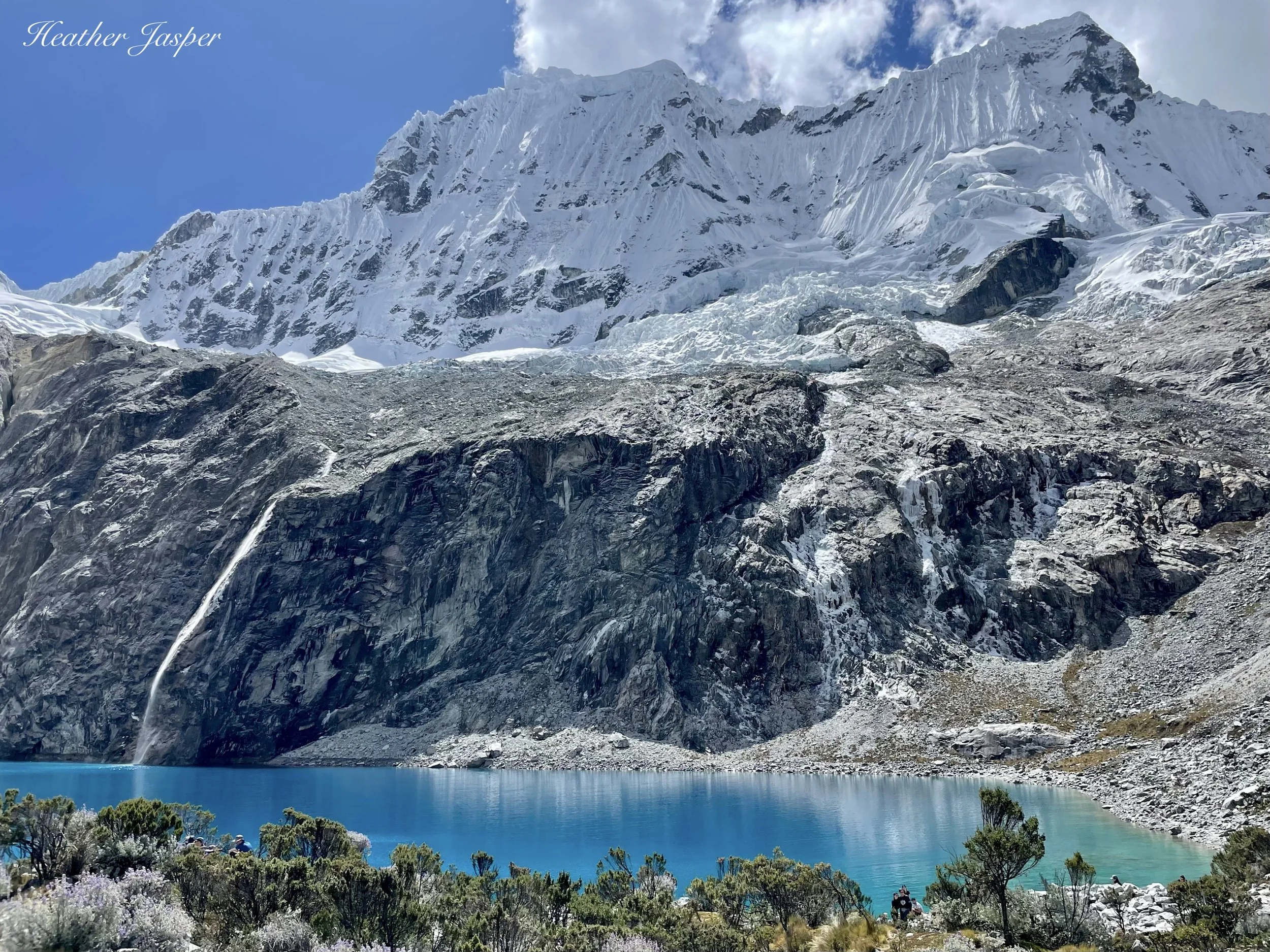
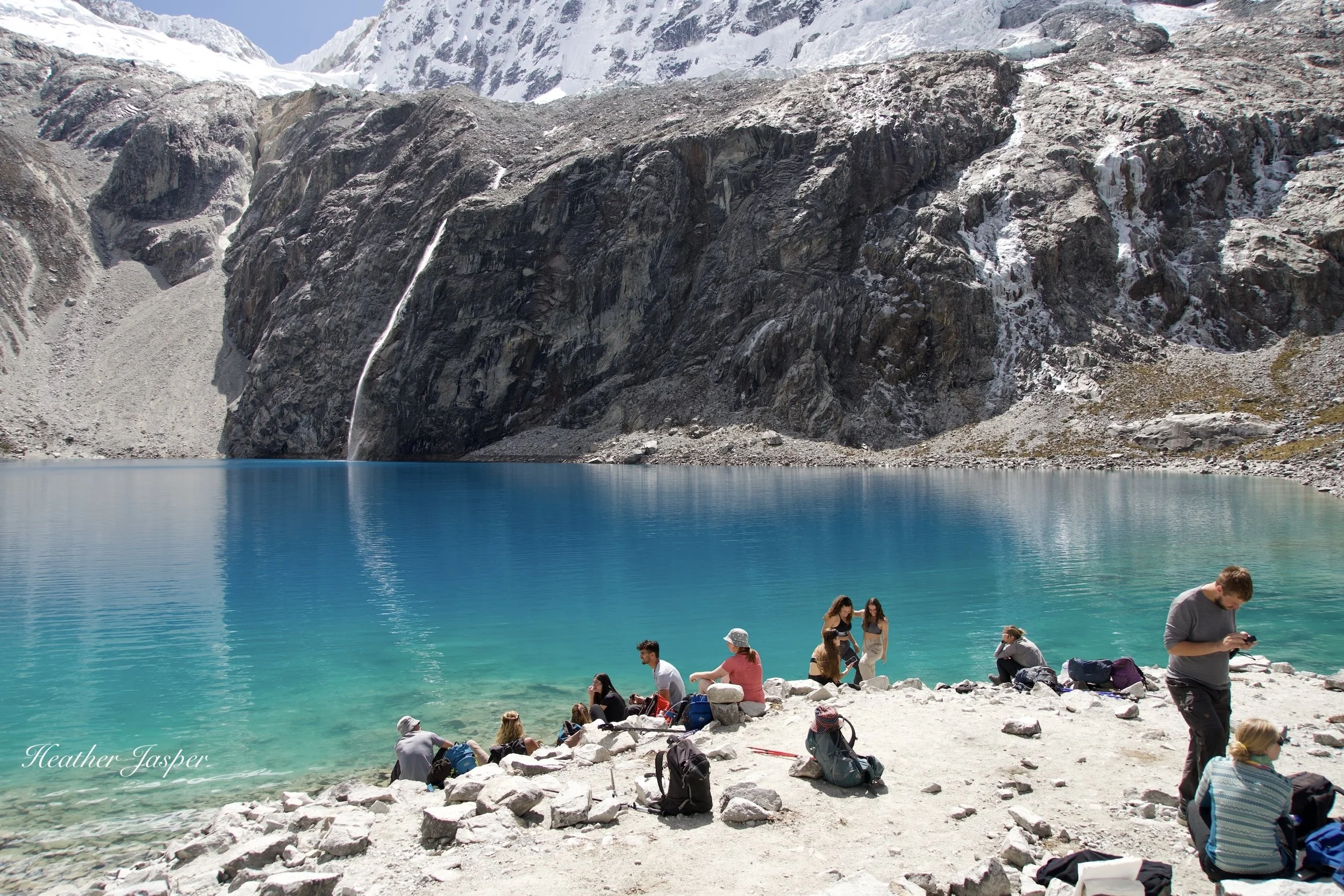
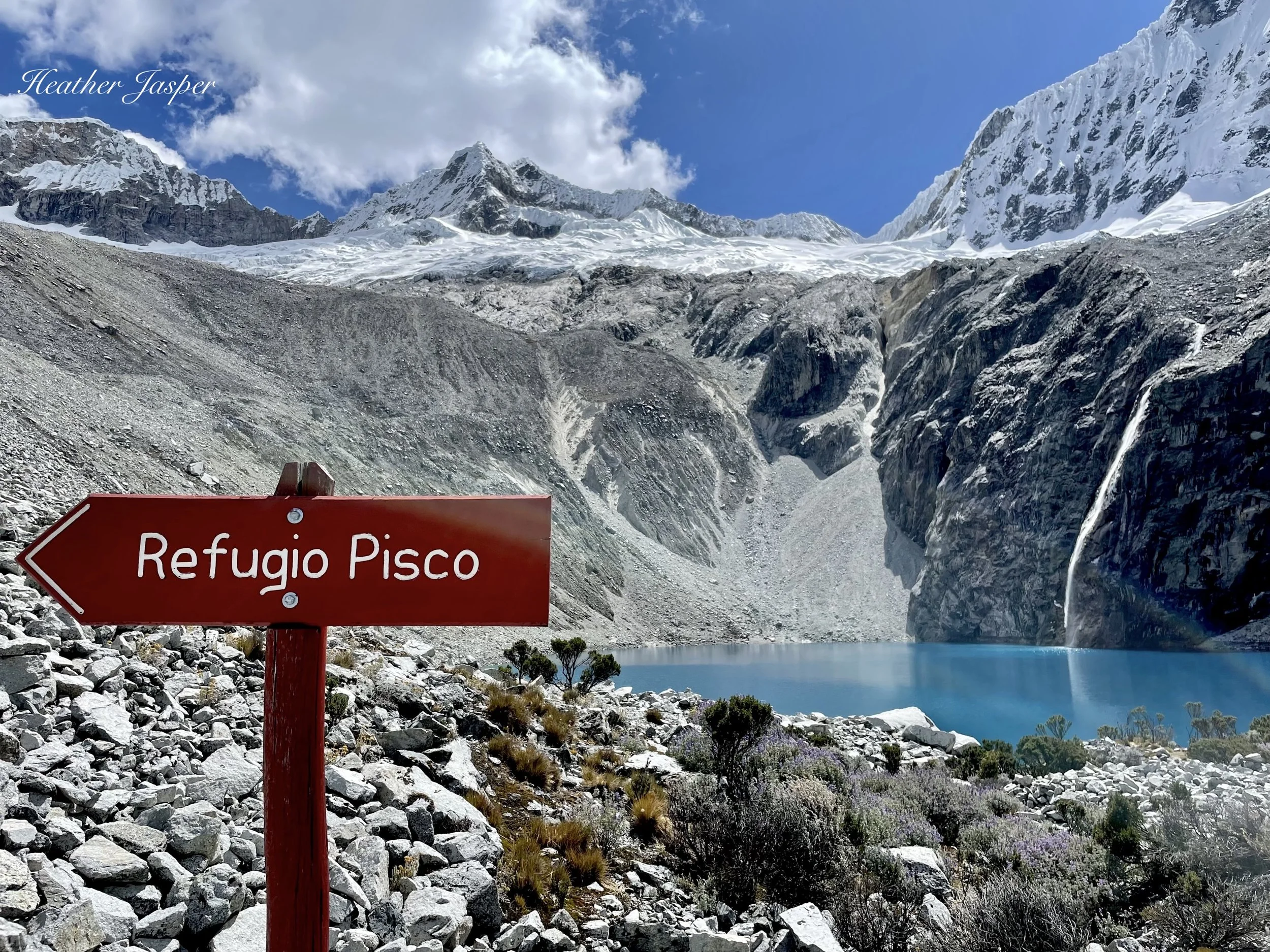
Lake 69 is the most popular day hike from Huaraz because the lake is exceptionally pretty. The name comes from being the 69th on the initial inventory of lakes when Huascarán National Park was first established. Read my blog post about the two times I hiked to Lake 69 and why I think it deserves a name. From Huaraz: It’s a 3-hour drive each way to the trailhead at Cebollapampa and a 15km/9mi hike each way from the trailhead to the lake. Cebollapampa Trailhead Altitude: 3,915m/12,844ft Lake Altitude: 4,604m/15,092ft
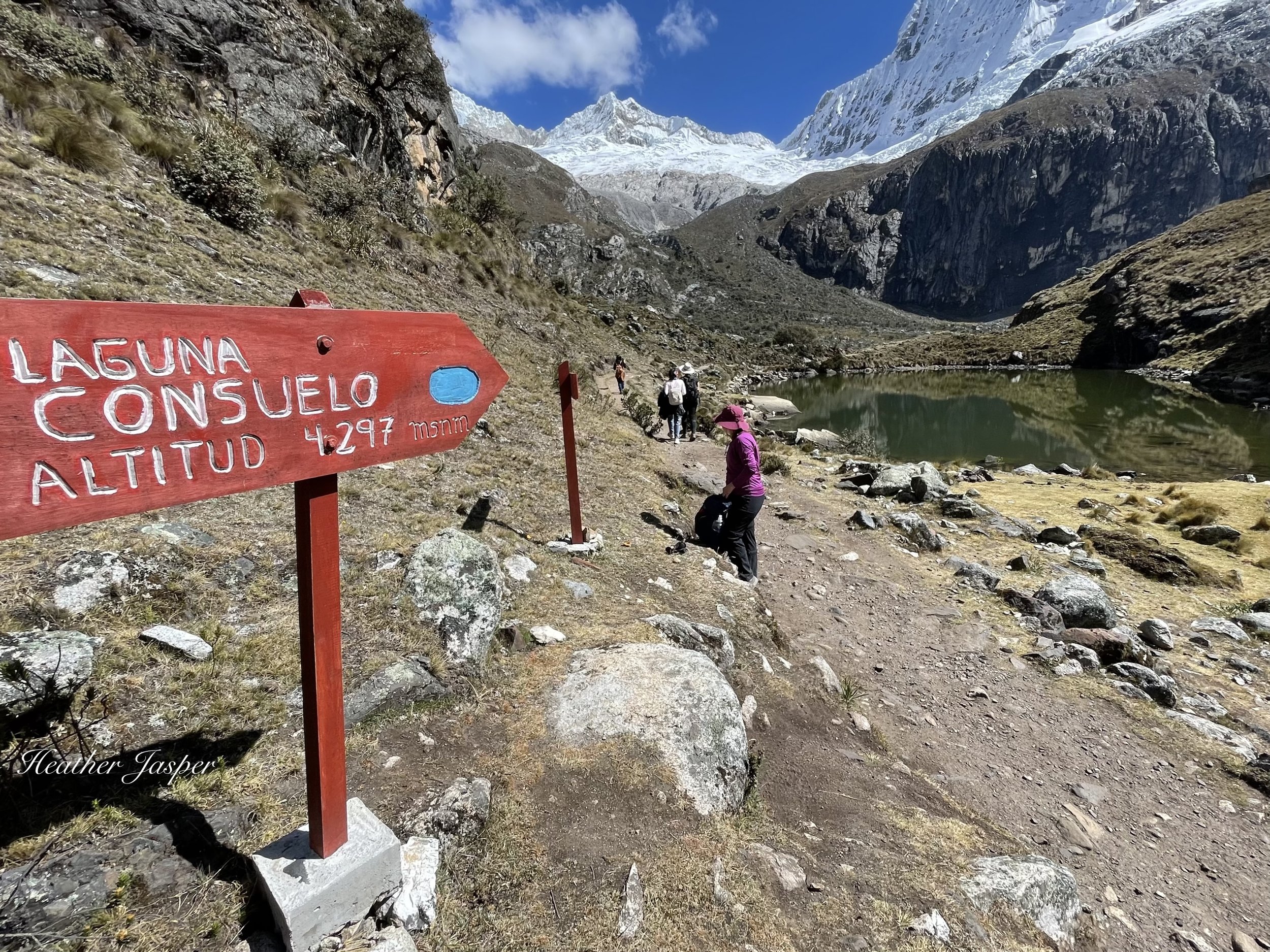
Laguna Consuelo
Literally named “Consolation Lake” this is where people stop on the way to Lake 69 if 4,297m/14,098ft is enough altitude and going higher would be too much.
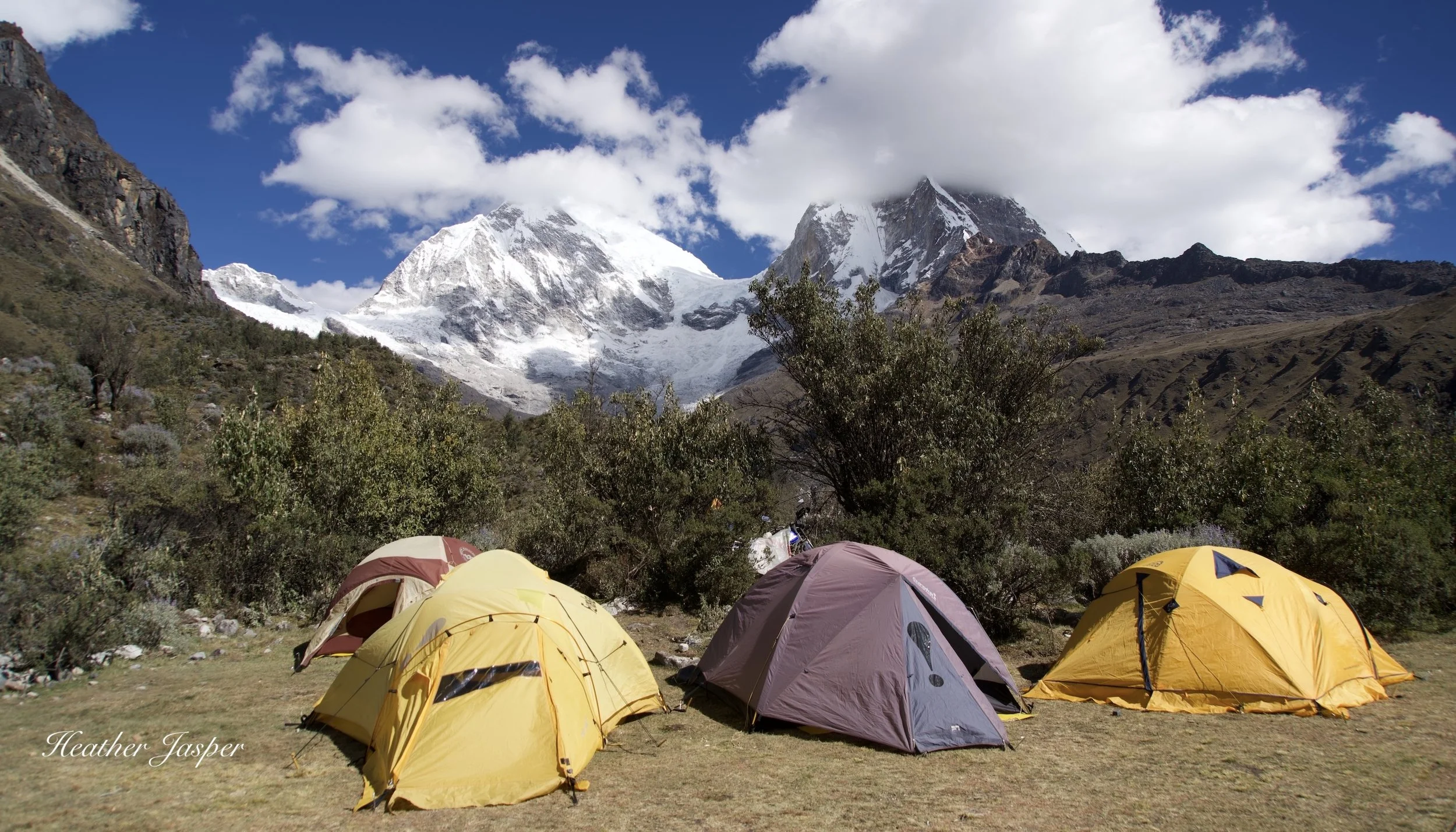
Camping with Explorandes
The second time I hiked to Lake 69 in 2026, I camped the night before with Explorandes and it was a much more pleasant trip than the first time in 2022.
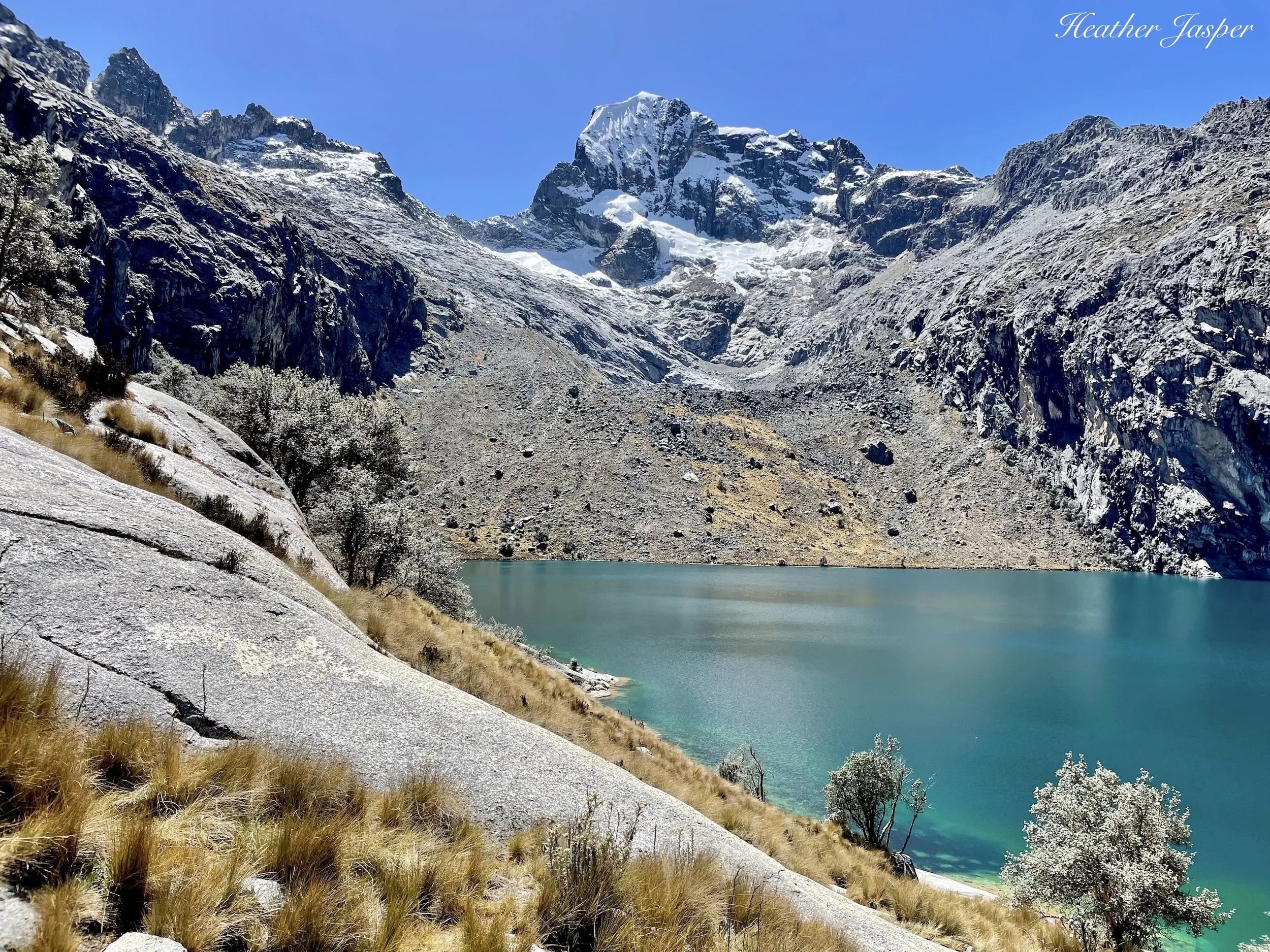
The squarish peak above Churup Lake is also named Churup. Churupita is above but hidden from this angle.
Churup is my favorite hike near Huaraz because the lake is beautiful, few people go there, the hike is fun but also challenging and it’s possible to get there by public transportation without a tour. Most of the trail is normal single-track but some parts have cables to help climbing up sheer rock faces and to walk along steep, sloping rock walls. Be back down at the trailhead before 3pm because that’s when the last colectivo leaves to go back to Huaraz. There is no other transportation.
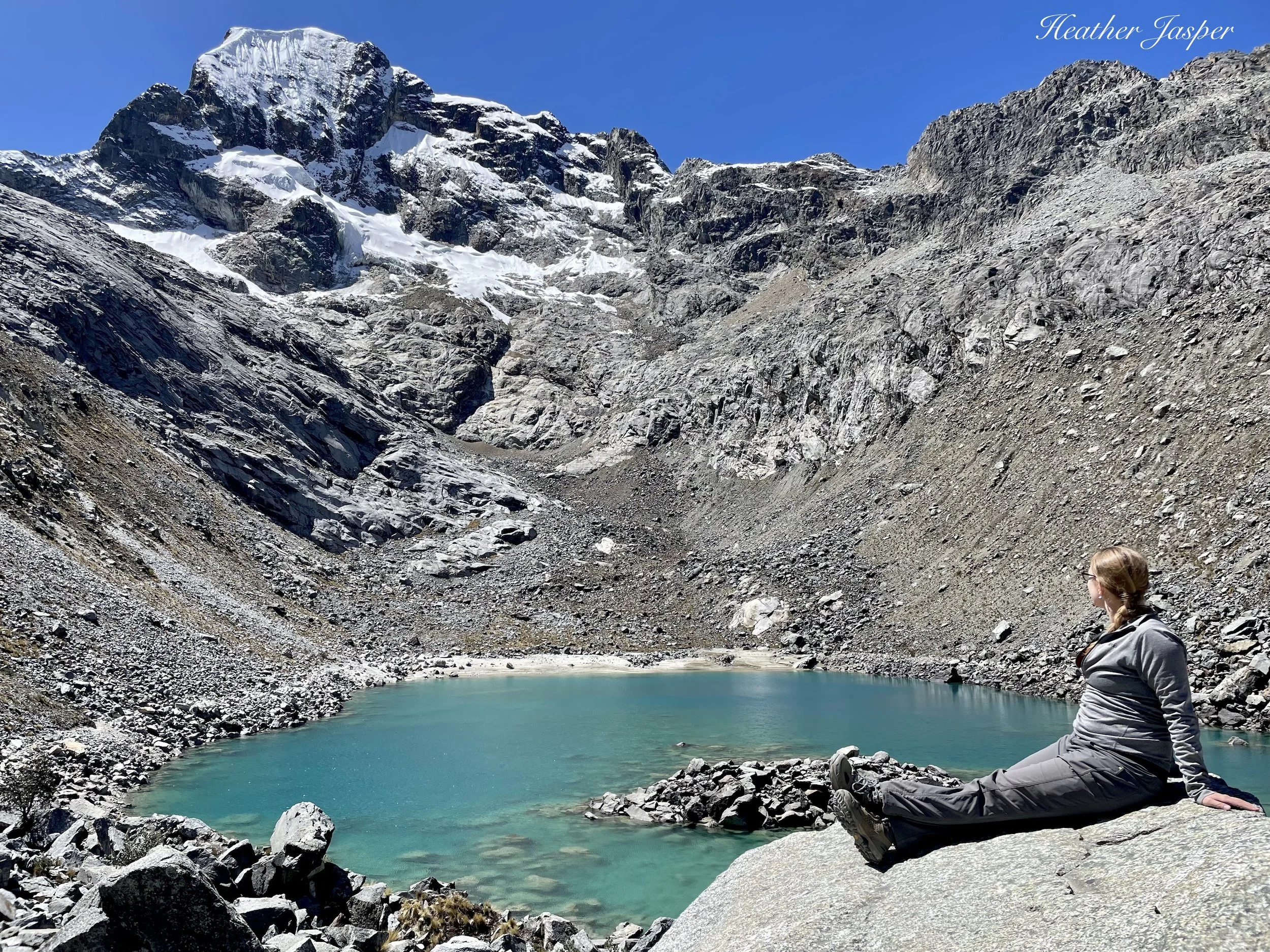
Churupita is so close to the summit that I didn’t bother to filter the water, which was pure and sweet.
If you get up to Churup before noon, you should have time to hike the last bit up to Churupita. This is a much smaller lake that gets even fewer visitors than Churup. The trail goes around the left side of Churup and is part single track part scramble up a loose moraine. From Huaraz: Take the Pitec colectivo van to the Churup trailhead. From the Pitec trailhead it’s a 3.5km/2mi hike to Churup and another 1km/half mile hike to Churupita. If you hike from Llupa it’s 7km/4.3mi Pitec Trailhead Altitude: 3,850m/12,631ft Churup Altitude: 4,450m/14,600ft Churupita Altitude: 4,584m/15,040ft
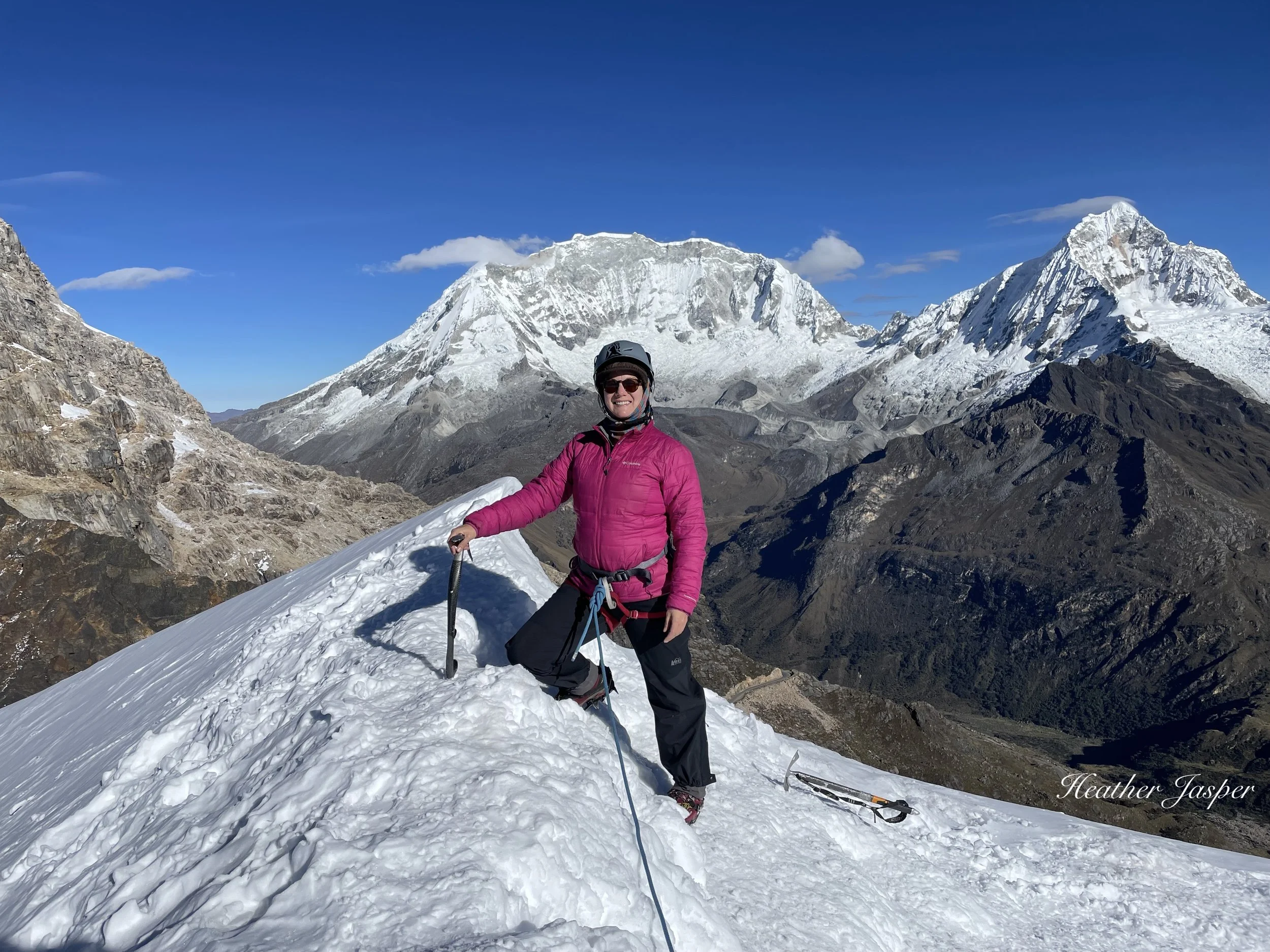
I was the first person to summit Mateo that morning and I had a perfect view of Huascarán behind me.
Mateo is the best beginner climb for people who have never used crampons or an ice ax before. Mateo was my first time using crampons and an ice ax but not my first time being roped up since I’ve rock climbed a fair amount. If you’re curious about mountaineering or acclimating for a big summit climb, Mateo is the place to start.
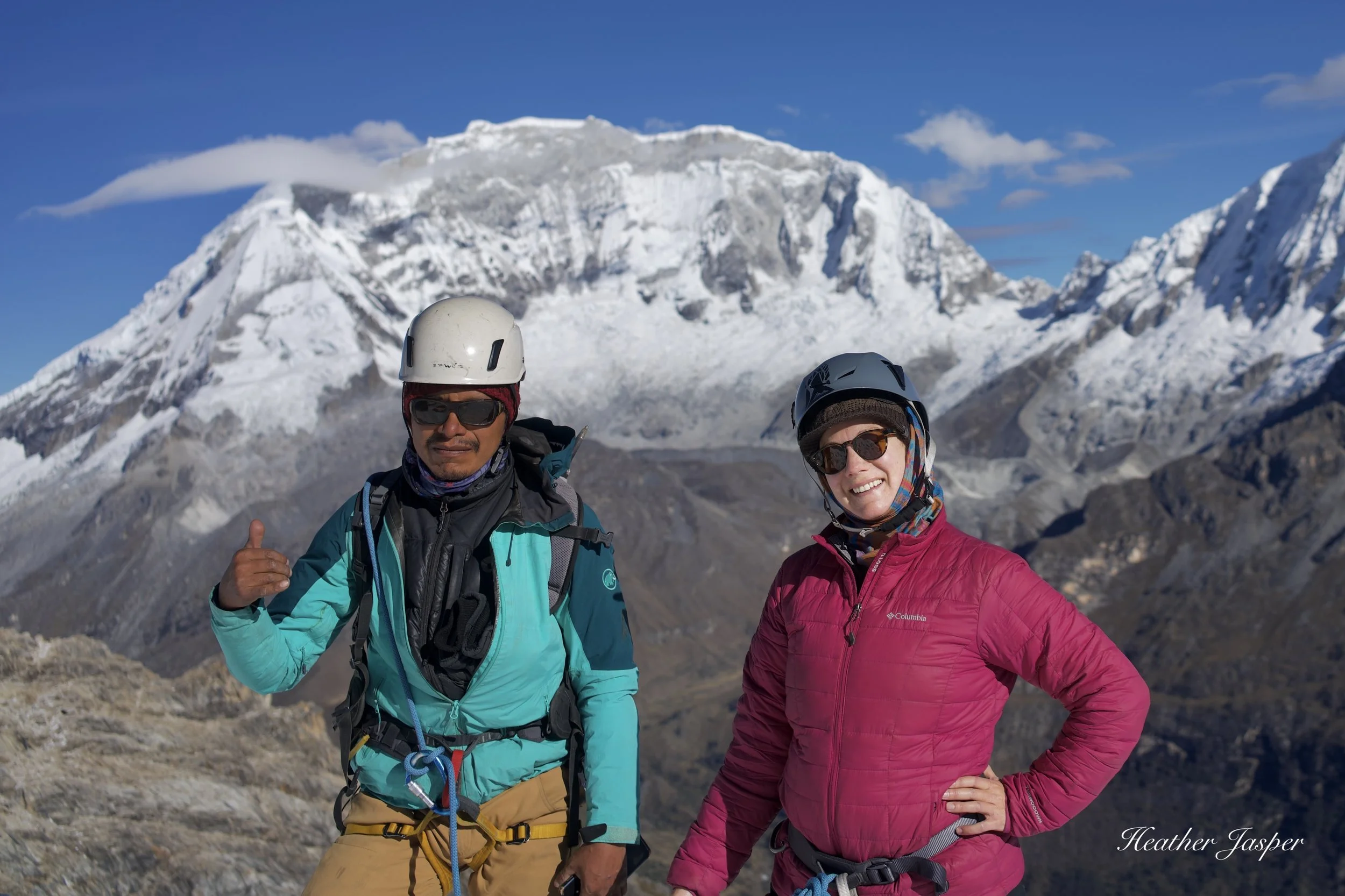
Angel Pacco is a certified mountaineering guide trained at the Huaraz Casa de Guías. (Call him at +51 958 887 313)
ONLY climb Mateo with mountaineering guides certified by the Casa de Guías, not with regular mountain guides. Mountaineering guides are trained for all kinds of accidents and disasters involving glaciers and high altitude. Mountain guides are trained for hiking and trekking. I can’t overstate the difference. From Huaraz: It’s a 2.5 hour drive to the Punta Olimpica tunnel, where you start climbing up to Mateo. The climb can take 2-3 hours, depending on how many people are on the mountain that day and how big and fast your group is. (Angel and I got to the top in about 1 hour 45 minutes). Trailhead Altitude: 4,735m/15,535ft Summit Altitude: 5,150m/16,896ft
Day trips around Huaraz
There are plenty of fun day trips that you can do from Huaraz without hiking.
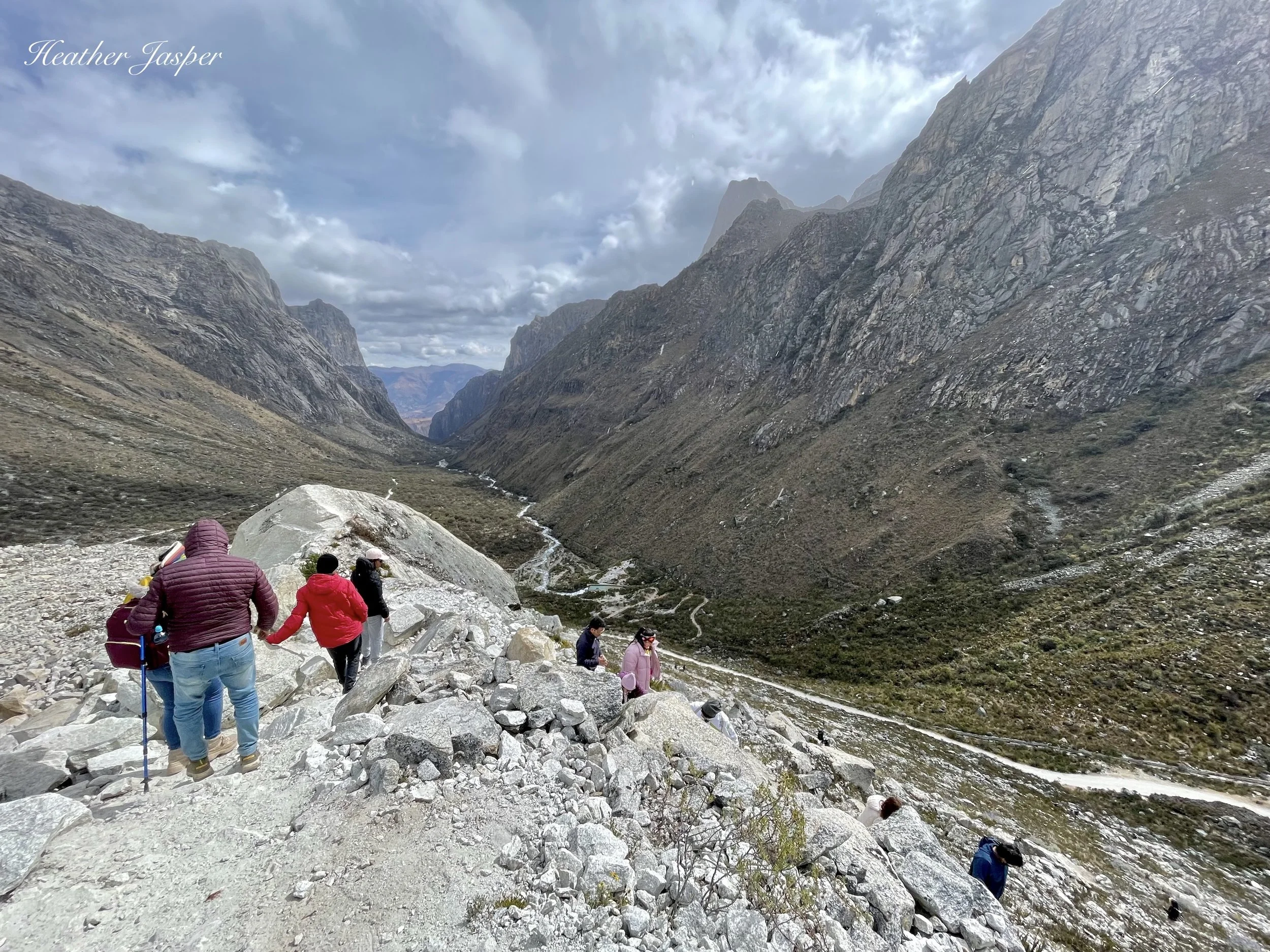
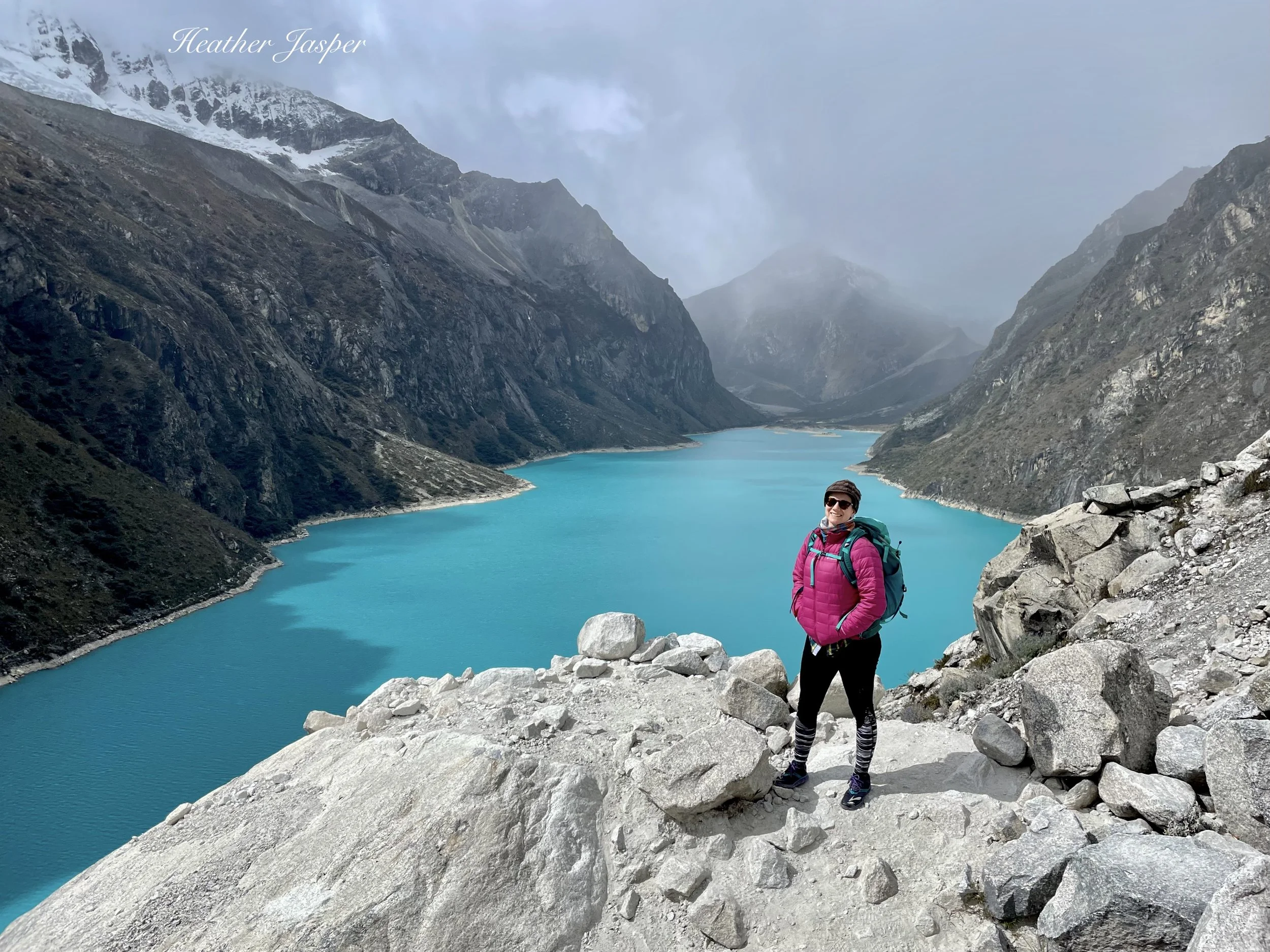
Parón is one of the most striking turquoise lakes in the Cordillera Blanca, with a short, optional walk up to the top of a glacial moraine. Most people skip the walk and stay by the lake where you can rent kayaks or rowboats. It’s a low key way to experience high altitude and to see the white granite that makes the Cordillera Blanca white even without snow. On clear days you have fantastic views across the lake of the peaks of Huandoy, Paria, Pisco, Arteson, Piramide and Caraz. From Huaraz: Unless you have a vehicle, sign up for a tour because there’s no public transportation and it’s a 3-hour drive each way. Altitude: 4,185m/13,730ft


Carhuaz is a small town most famous for ice cream that’s worth a day trip if you want to visit another town, a rest day between hikes or even if you just want to taste some odd ice cream flavors. The Porvenir ice cream shop has palta (avocado), borgoña (burgundy), rocoto (spicy chili pepper) and cushuro (algae) along with lots of normal flavors. There is plenty of public transportation if you don’t have a vehicle. From Huaraz: Drive an hour north, about 20 minutes past the airport. Altitude: 2,688m/8,819ft
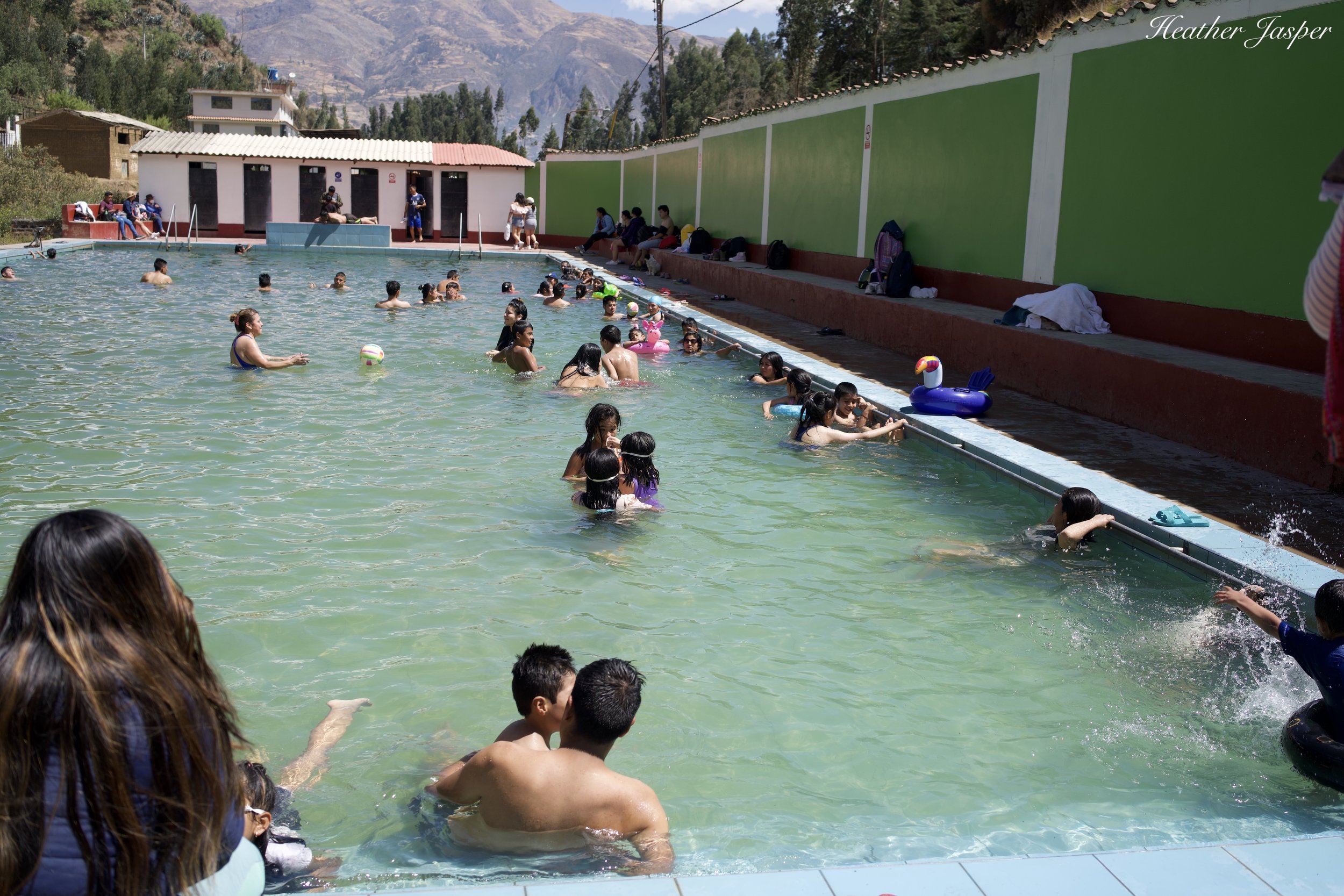
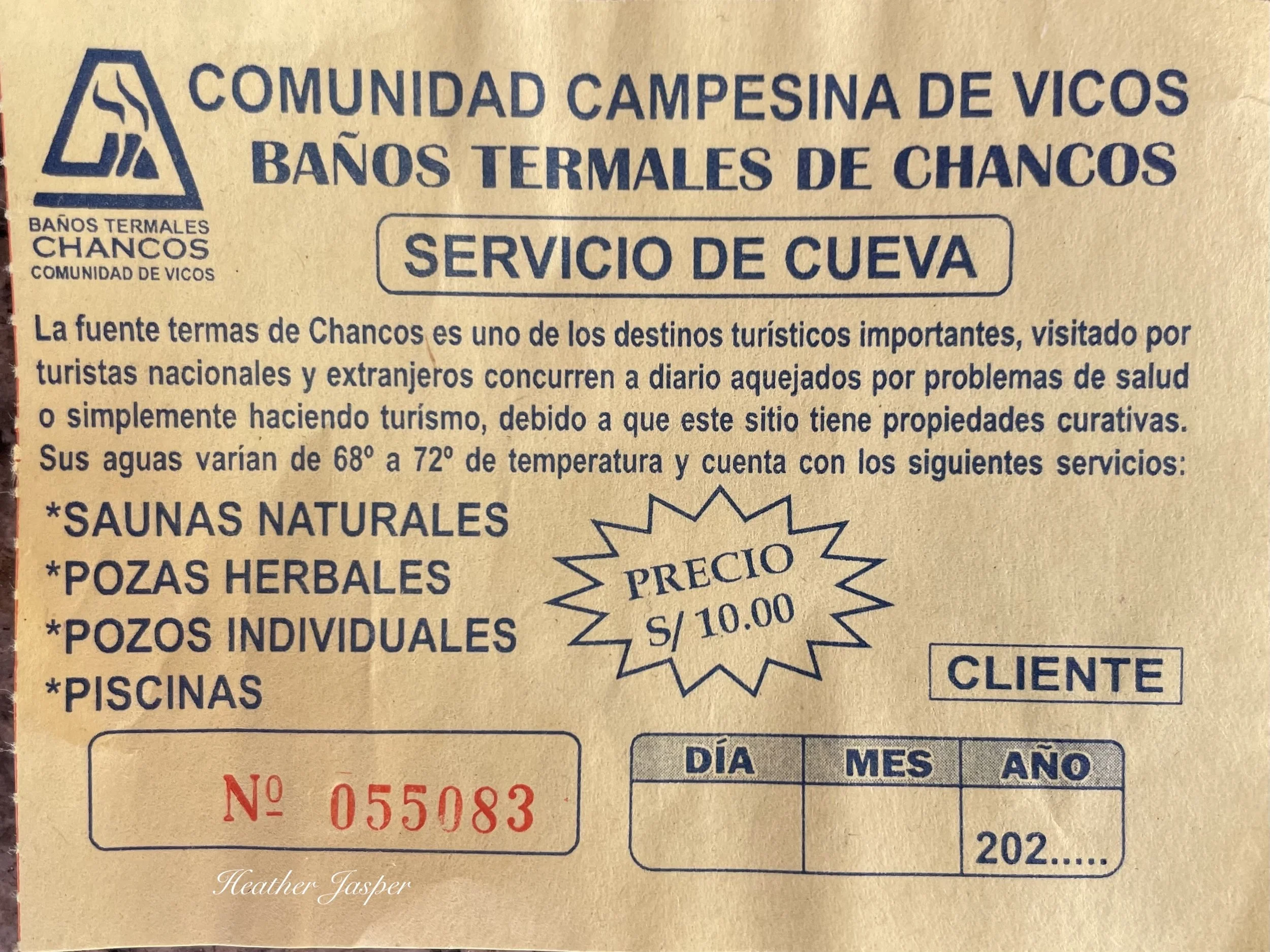
Chancos Hot Springs are one of many hot springs in the Callejón de Huaylas, since it’s such a seismically active area. Chancos has several options, from a big pool of naturally hot water to small pools you can rent individually by the hour to caves. Each cave is naturally a specific temperature and when you pay for an hour in a cave you can wait in line outside any cave. The coolest is 33C/91.4F and hottest is 54C/129F and each cave has an attached small changing room with a shower and benches. I tried the cave that is 45C/113F (below) and managed to stay inside about 15 minutes before I needed a cold shower. From Huaraz: 45-minute drive north to the village of Marcará and then 6 minute drive or 3.4km/2mi walk east Altitude: 2,950m/9,678ft
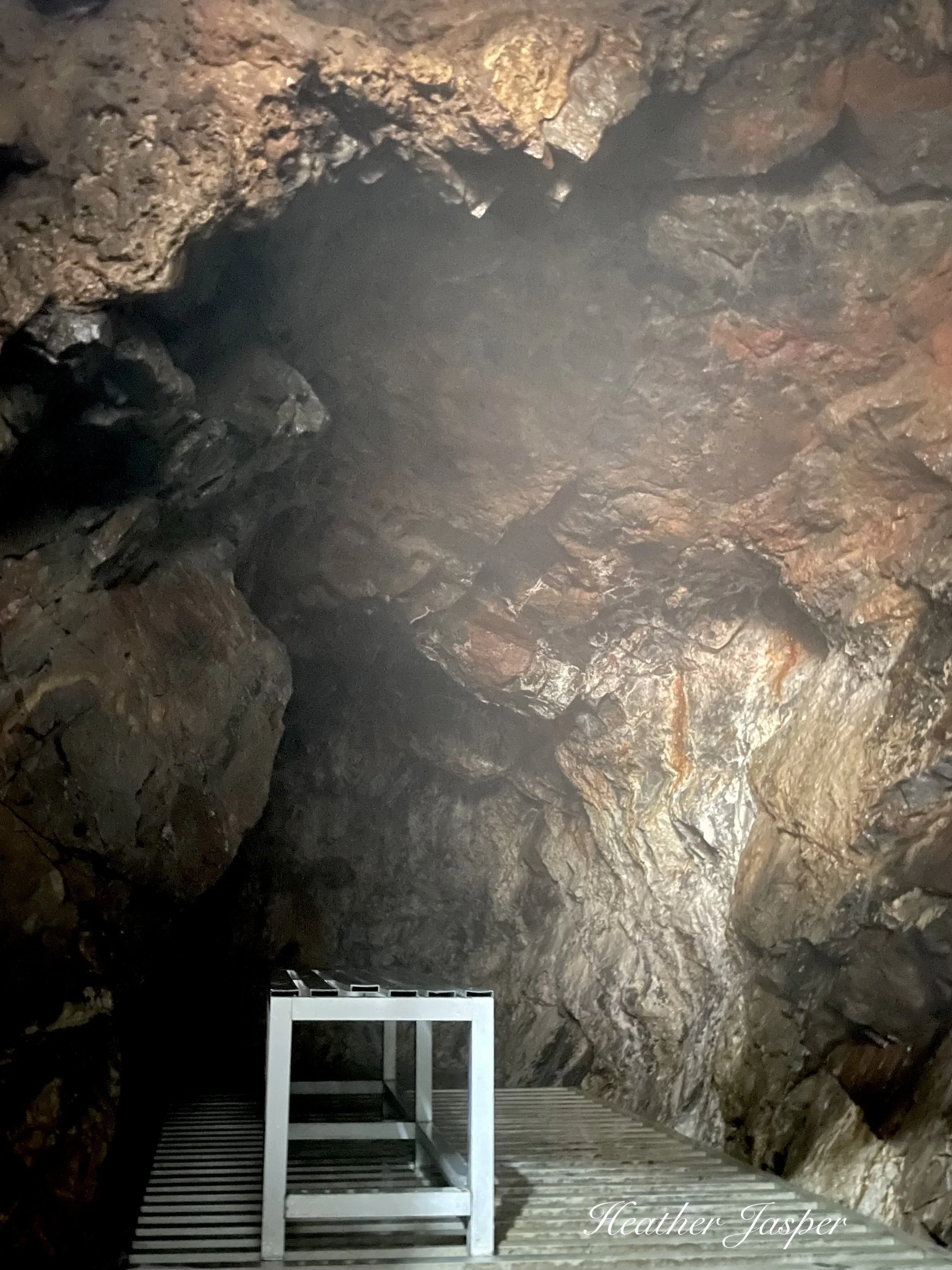
The 45C/113F Cave
The hot water hisses and steams directly out of the natural rock walls of the cave. The floor is part solid rock and part gravel, so the hot water doesn’t accumulate in deep pools under the platform.
Inside each cave is a platform and bench, which didn’t feel hot to the touch but I recommend sitting on a towel anyway.
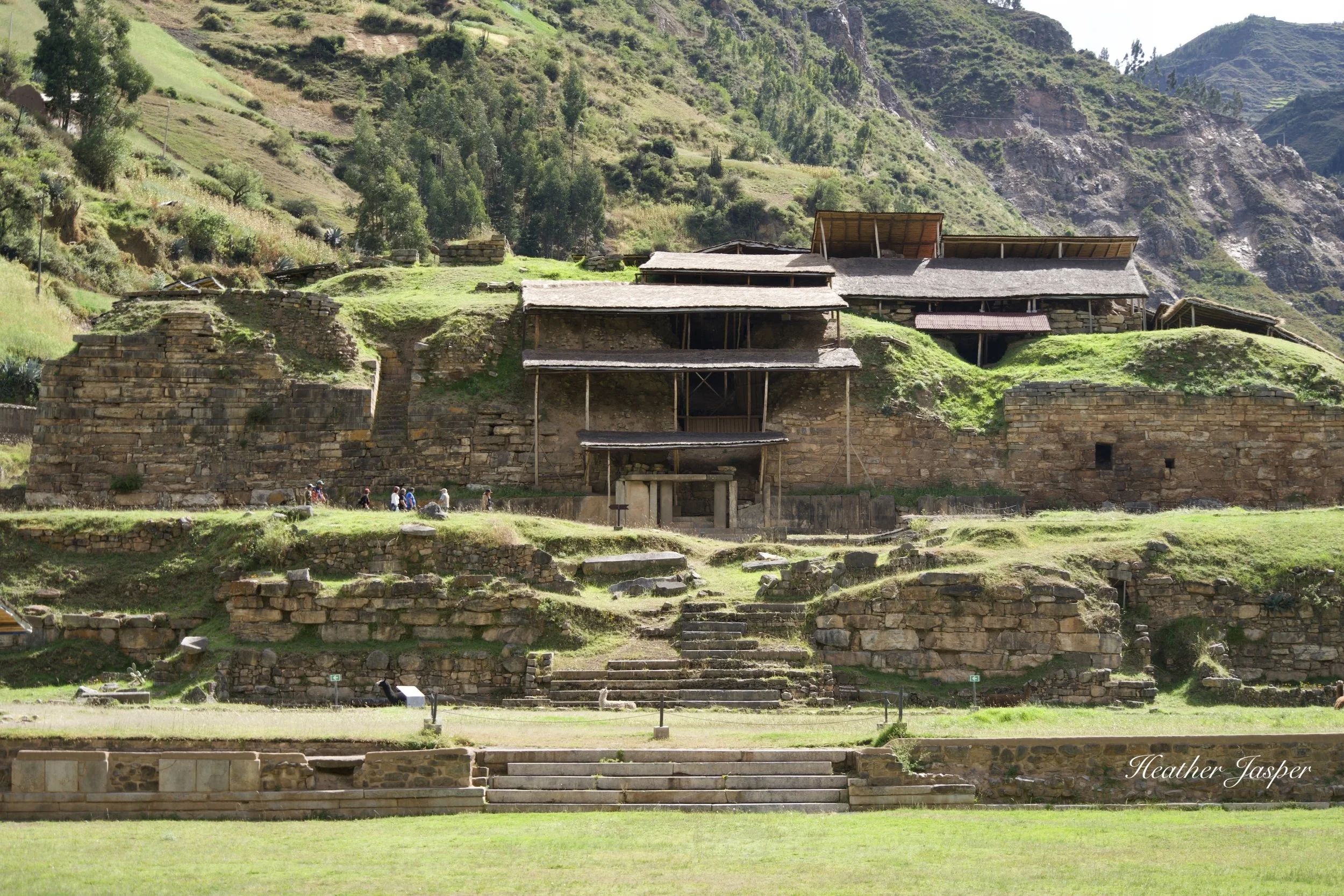
Above ground Chavín isn’t much to look at but the tunnels underneath are some of the trippiest things I’ve ever seen.
I’ve been to Chavín de Huántar twice and absolutely loved it. The place is so fascinating I’m sure I’ll go back again. Read my blog about why I loved Chavín so much and how it was designed for mescaline trips. Take a tour because public transportation is extremely limited. From Huaraz: It’s a 3-hour drive each way, and tours usually pause for a break halfway there, at Qerococha Lake. Altitude: 3,180m/10,433ft.
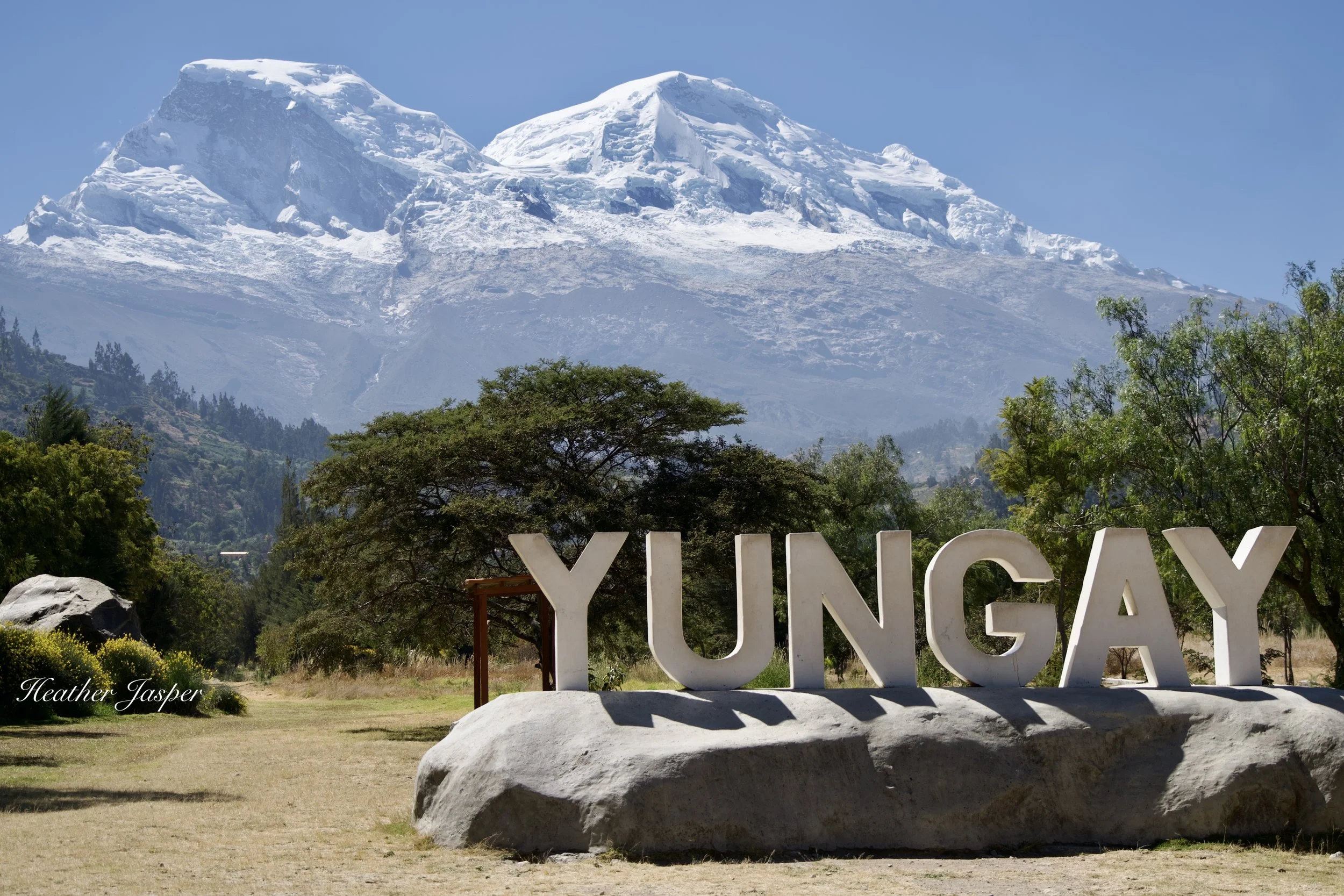
A visit to Yungay is good for a relaxing rest day between hikes and not as morbid as it sounds.
Until 1970, Yungay was the tourism capital of the Callejón de Huaylas and more developed than Huaraz. Avalanches off the north peak of Huascarán affected Yungay in 1917, 1962, 1964 and 1967. On May 31 1970, a 7.9 magnitude earthquake shook the region and triggered a massive landslide off the north peak of Huascarán, instantly burying Yungay and more than 18,000 people. Eventually, Yungay was rebuilt about a kilometer from the buried town. Today, you can visit the museum and park, built as a memorial on top of the old town. From Huaraz: Drive 57 km/34mi north (about an hour and 40 minutes) Altitude: 2,458m/8,064ft
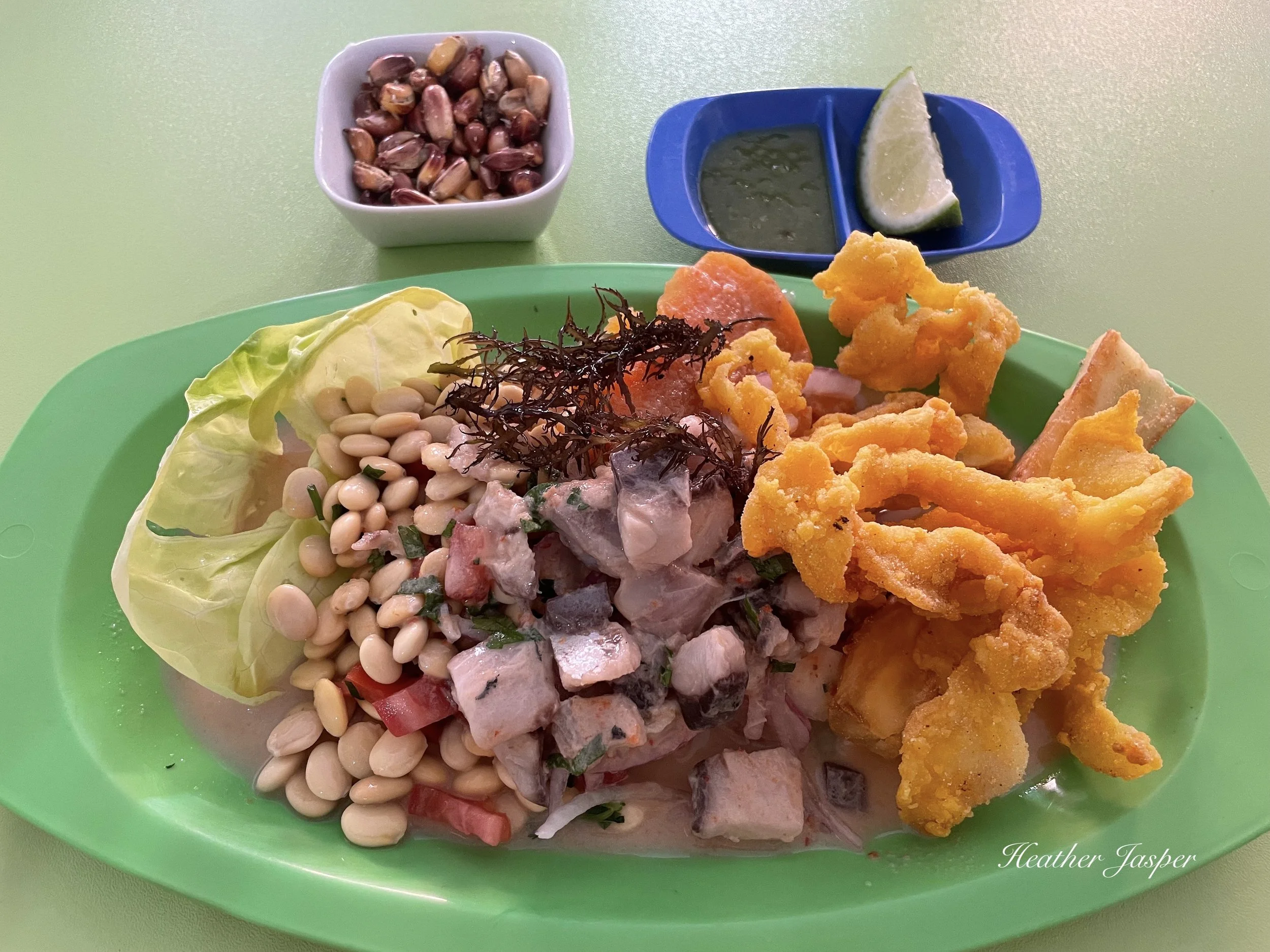
A Huaraz classic is cevichocho, ceviche served with chocho, lupine seeds (called tarwi in Cusco).
2. Where to Eat
Huaraz doesn’t have the haute cuisine of Lima or the creative chefs of Cusco but you can still get a great meal here. I’ve only included a short description and contact info for each restaurant because this post is already too long. The restaurants below are an easy walk from the Plaza de Armas that I’ve tried and liked, plus my favorite coffee shops in Huaraz.
Best Restaurants in Huaraz
Ancestral is Huaraz’s best effort at Peruvian haute cuisine. Great food but still not Lima. Info on the Ancestral Instagram.
Creperie Patrick is a Huaraz favorite since 1986 with fusion French-Peruvian cuisine. Info on the Creperie Patrick Instagram.
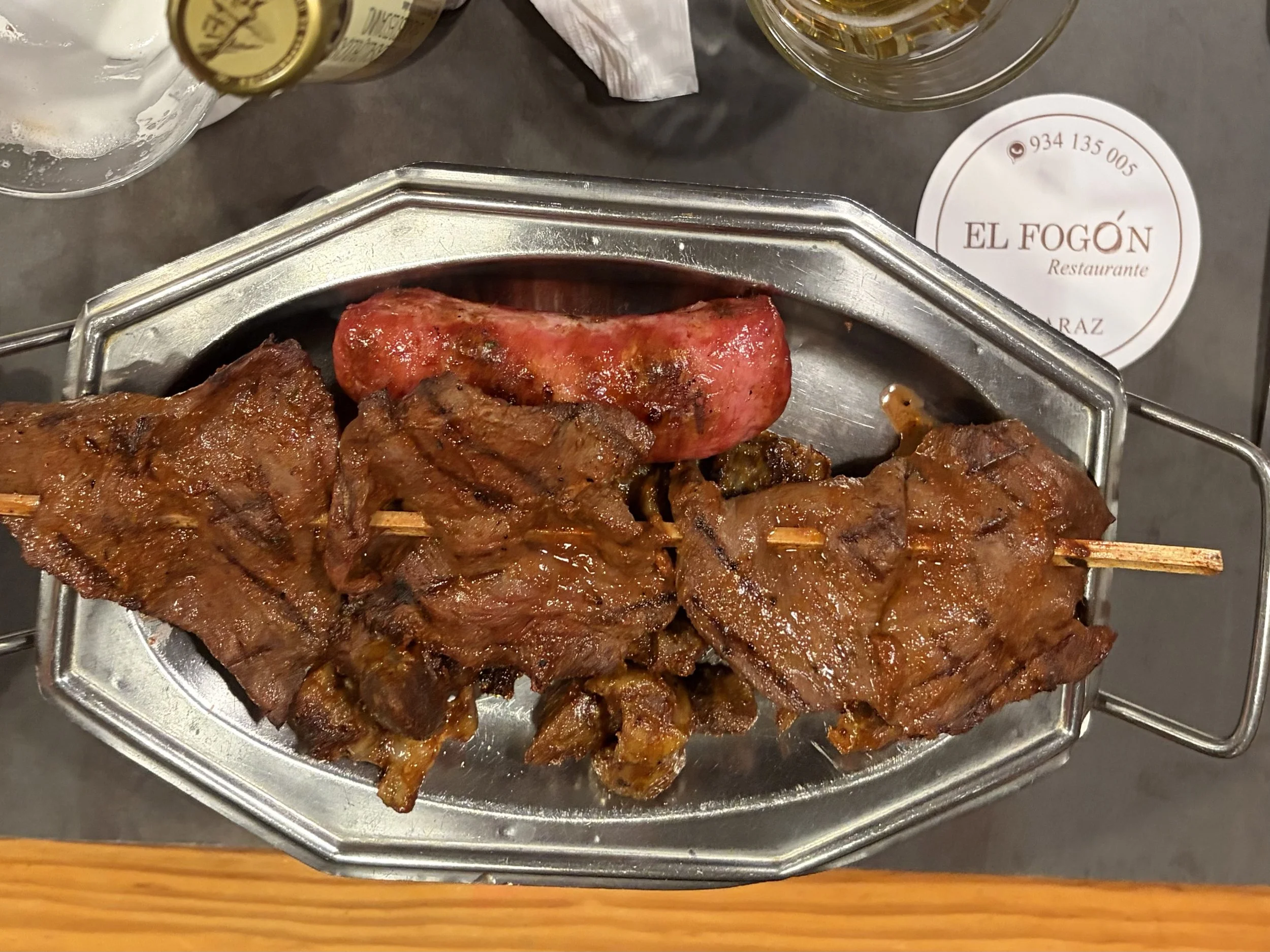
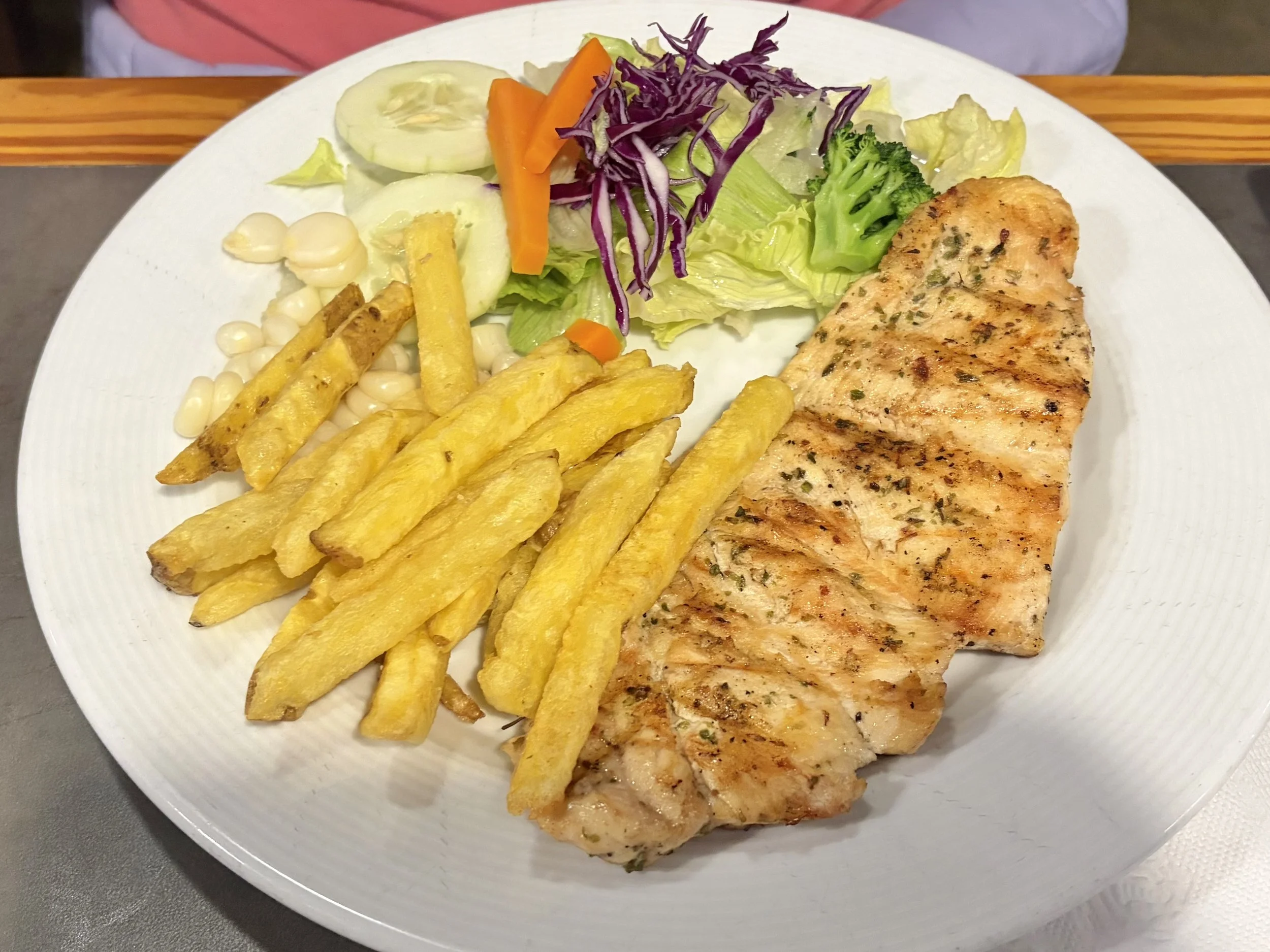
El Fogón has good quality Peruvian favorites like lomo saltado and ají de gallina. Also has a good lunch menú. Info on El Fogón’s Instagram.
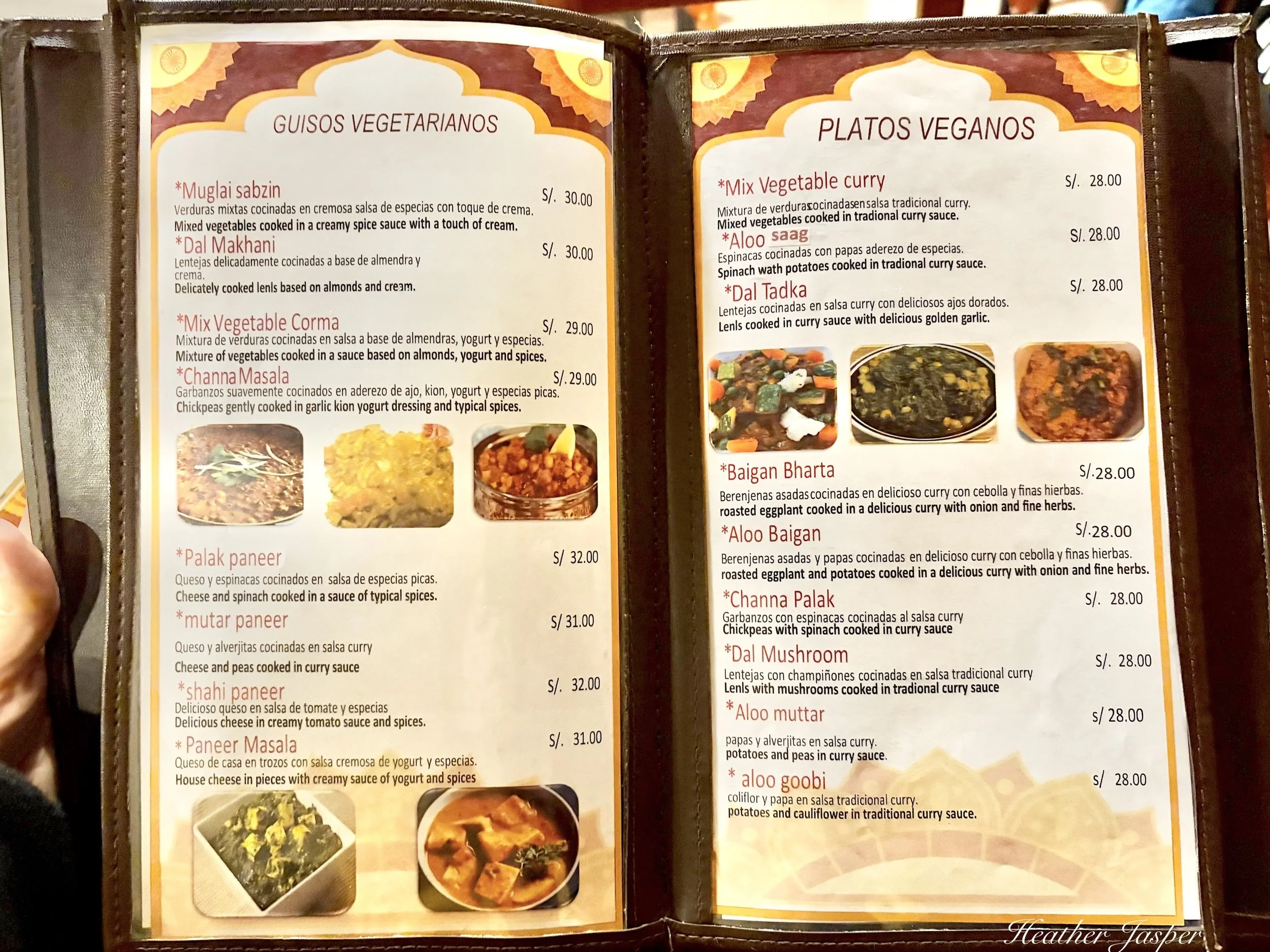
Paulino’s has the best Indian food and vegetarian food in Huaraz. Jirón Juan Bautista 859. Open for lunch and dinner, closed Monday.
Trivio is a brewpub with great beer and a good set lunch menu, simply called menú in Peru. Info on Trivio’s Instagram.



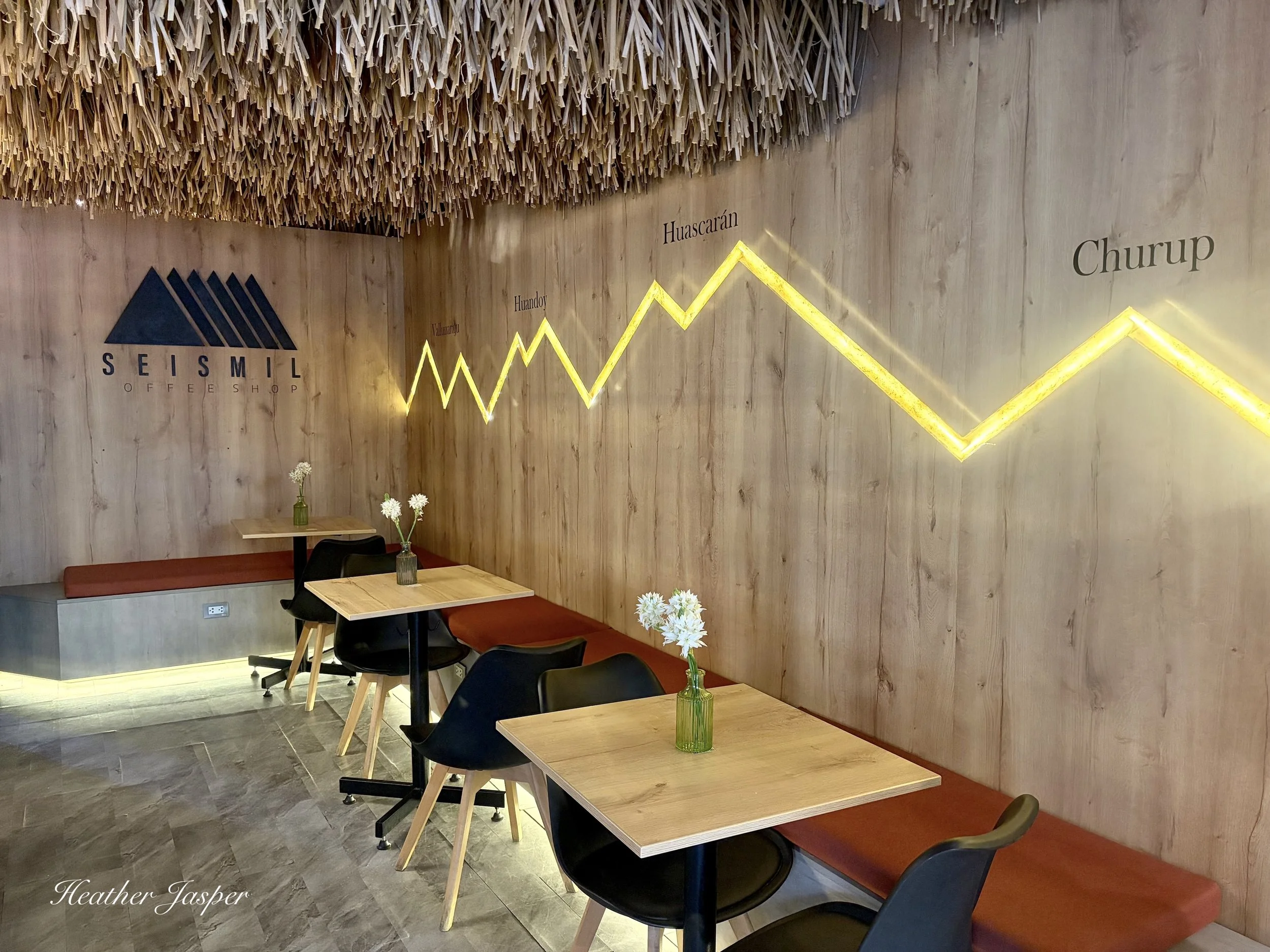


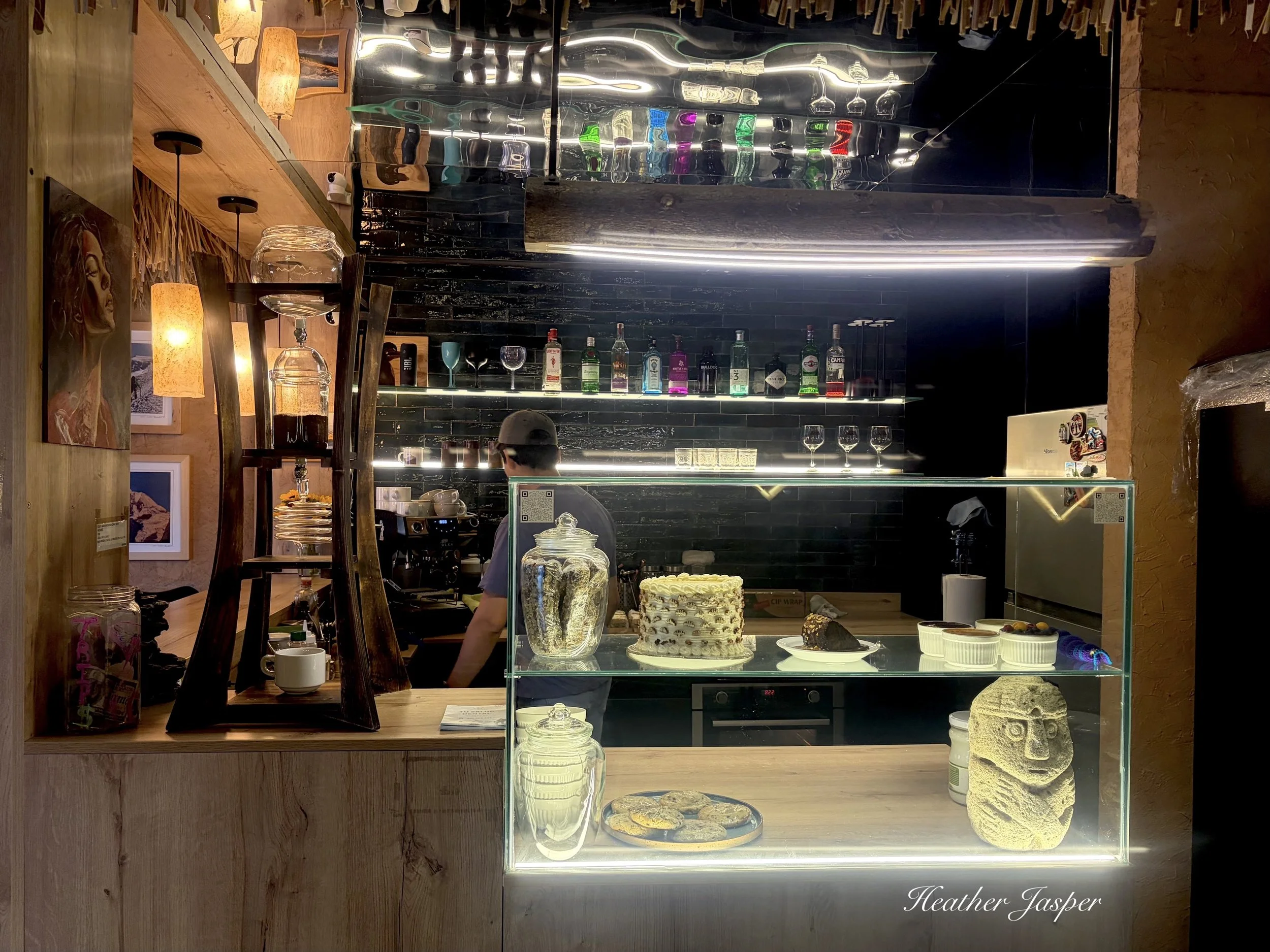

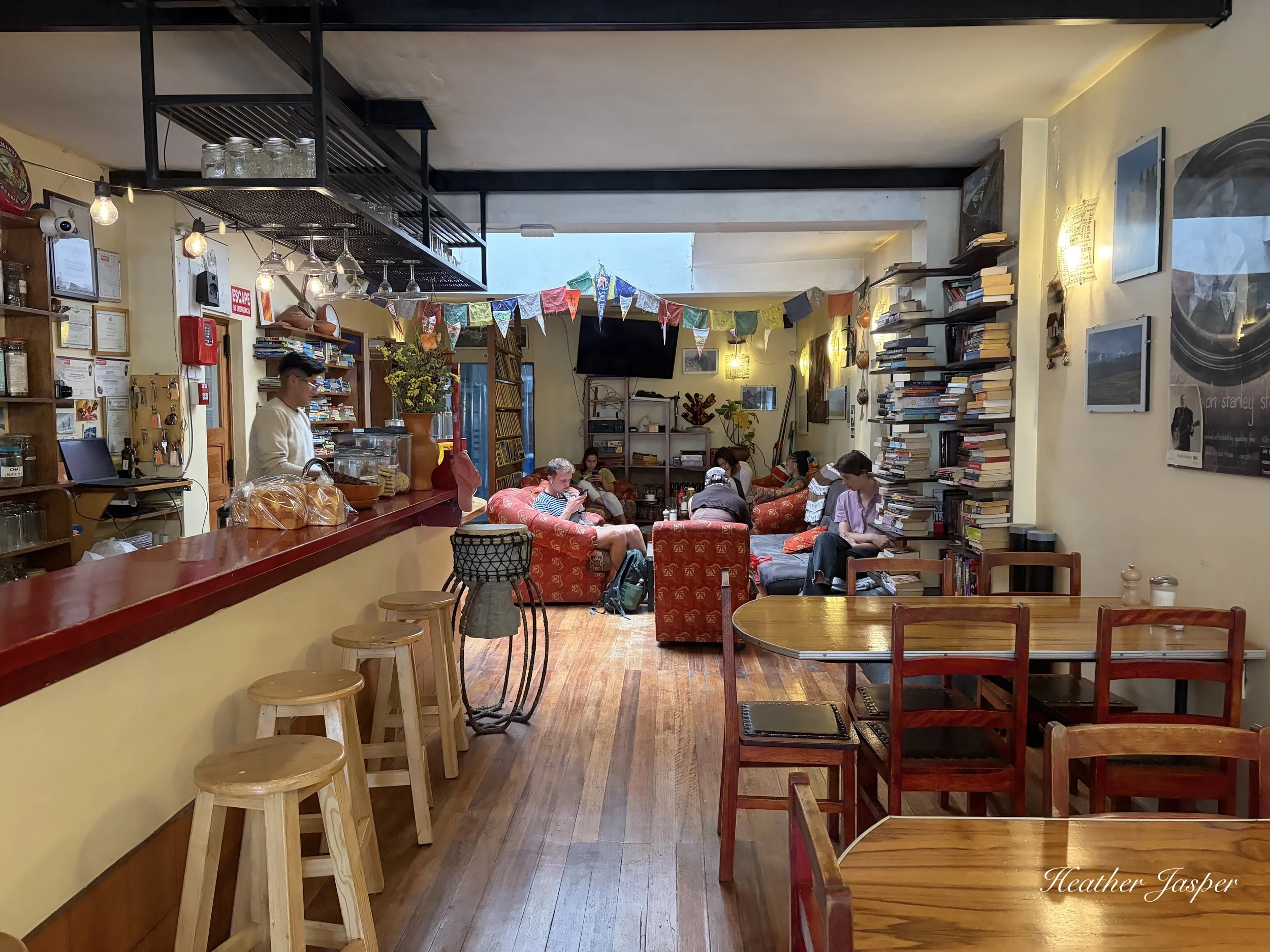
Best Coffee in Huaraz
California Café has Peruvian-grown coffee, a book exchange and is a hangout for the backpacker crowd. Info on the California Café Instagram.
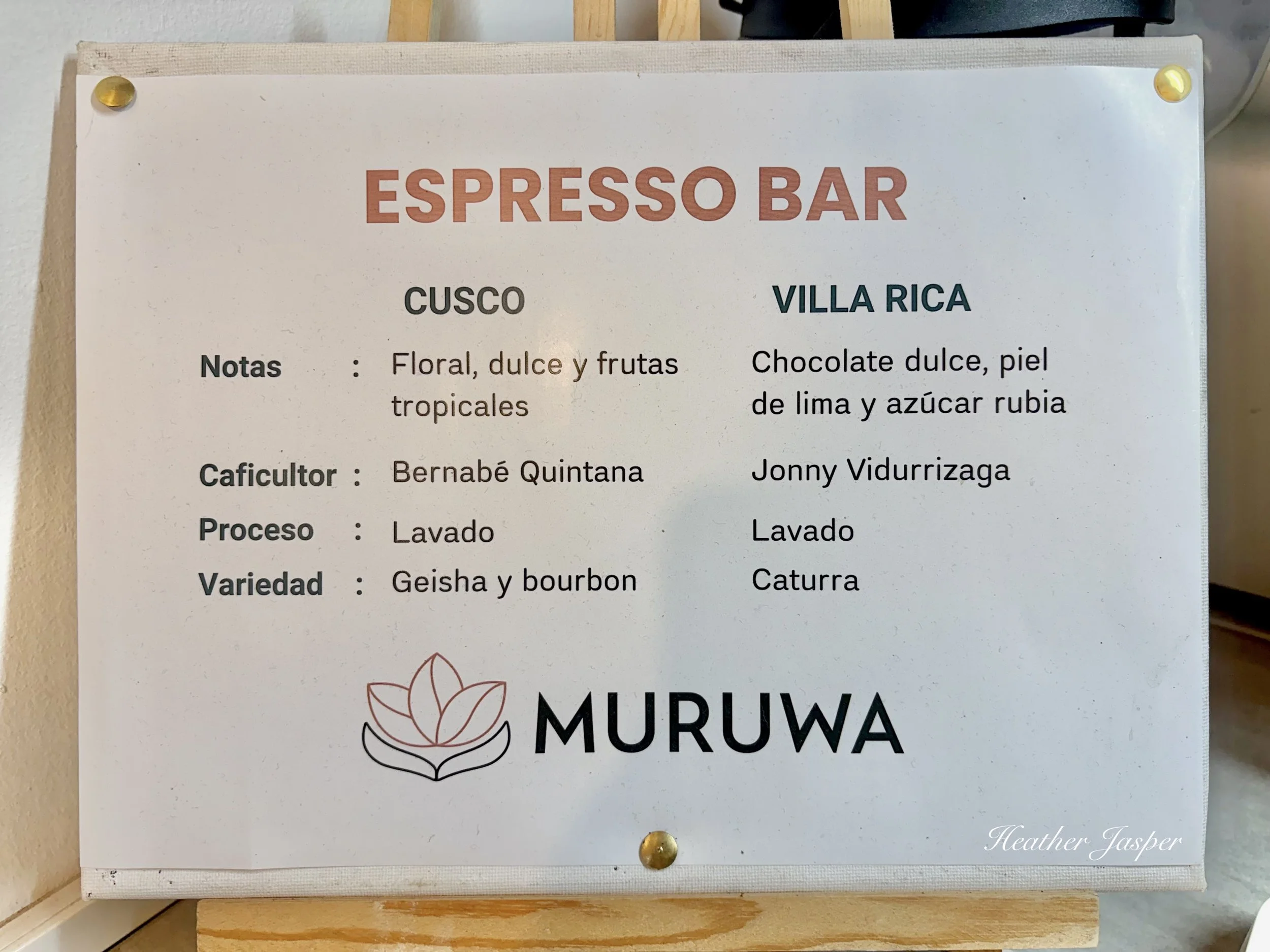
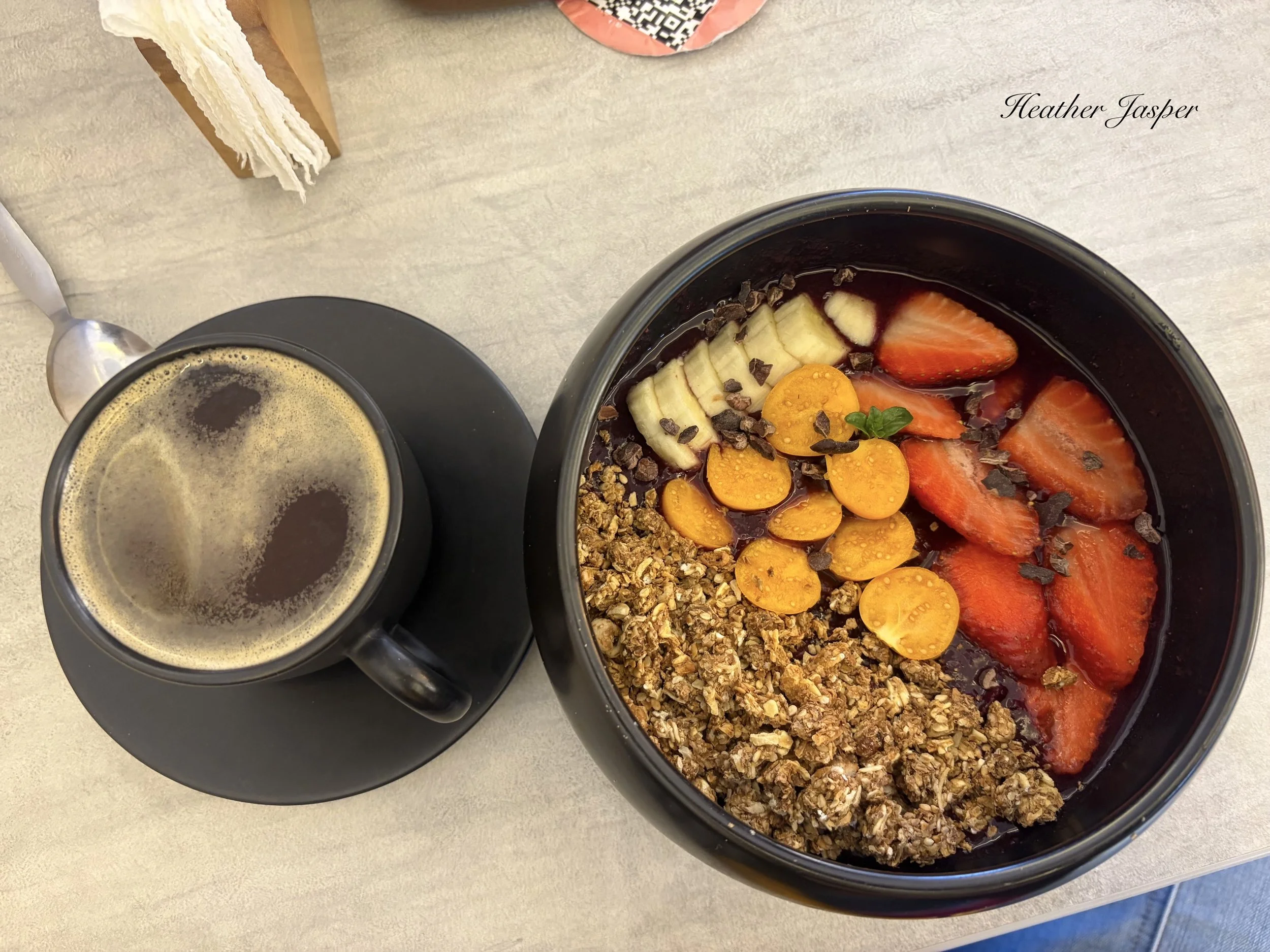
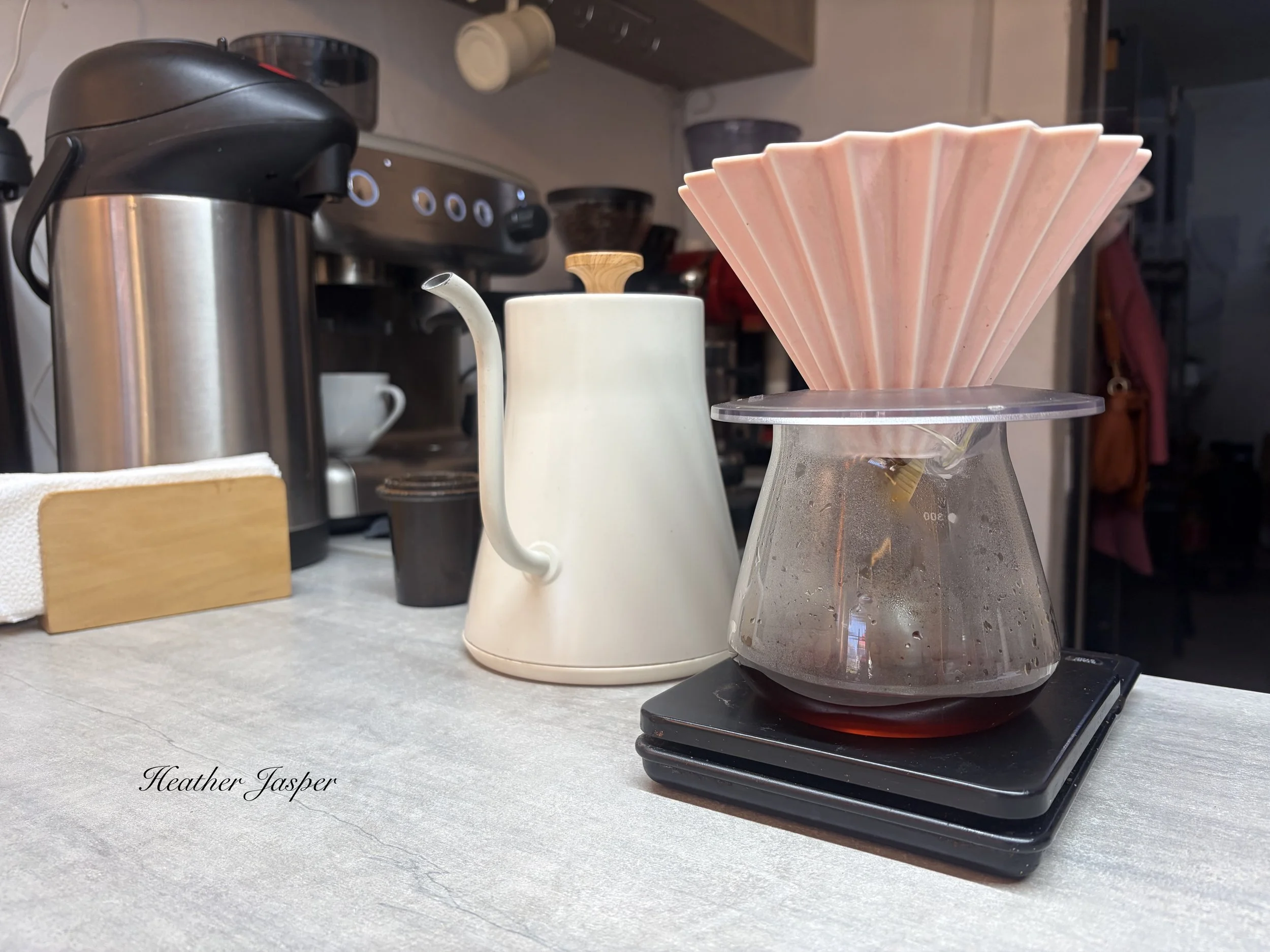
Muruwa serves the best Peruvian-grown coffee and has an excellent café menu. Info on Muruwa’s Instagram.
SeisMil also serves the best Peruvian-grown coffee, great cocktails and is a hangout for the mountaineering crowd. Info on the SeisMil Instagram.
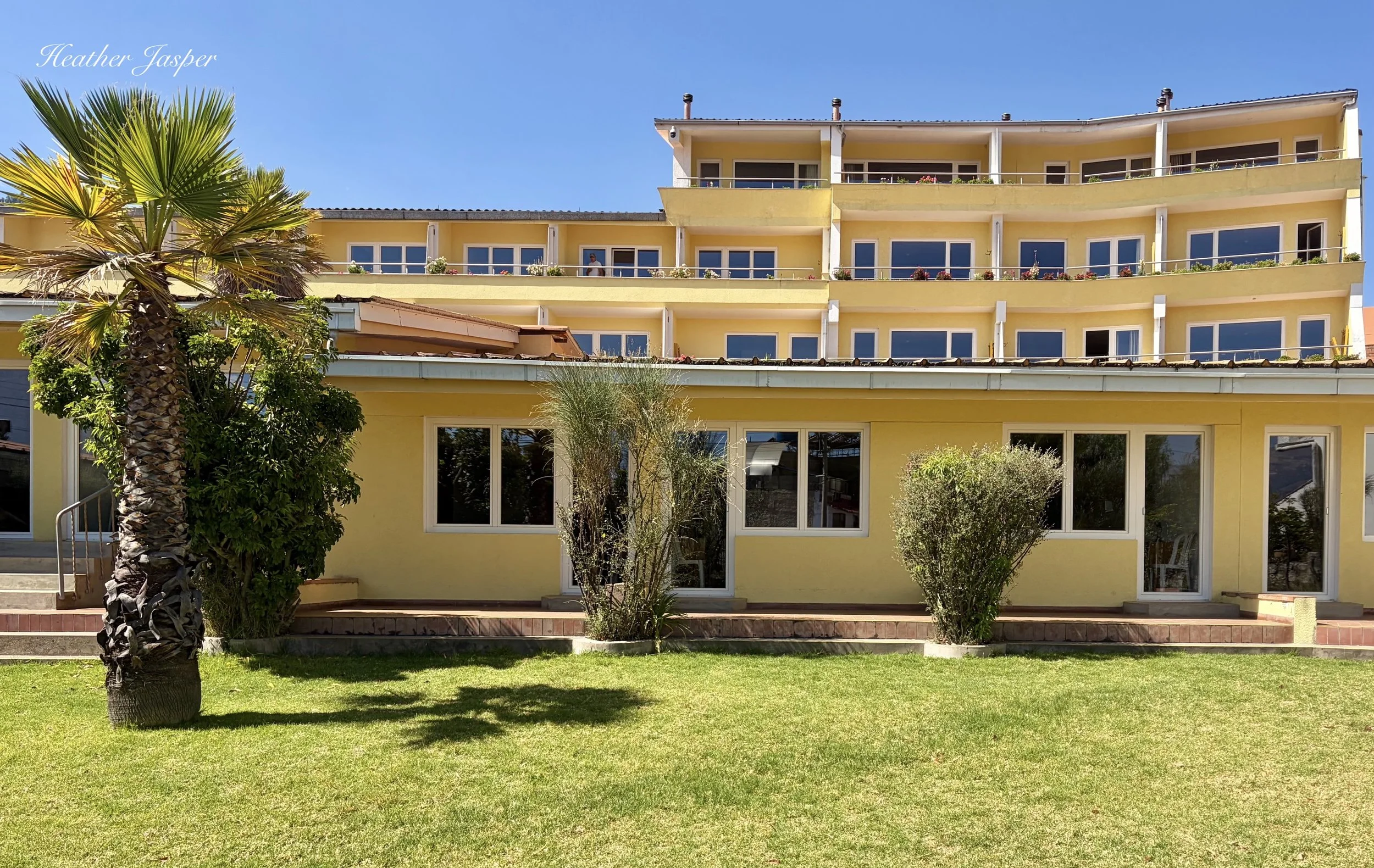
The Andino Club Hotel is my favorite place to stay in Huaraz.
3. Where to Stay
Andino Club Hotel is my favorite place in Huaraz. The rooms are comfortable and most have a fantastic view of Huascarán, the service friendly and the breakfast excellent. Just as important, this is one of the most sustainable hotels in Peru and certainly the most sustainable in Huaraz. Read more on my Andino Club Hotel review. Book on the Andino Club website.
Hotel Cordillera is another great hotel with good service, great breakfast and nice rooms with views of Huascarán. Info on the Hotel Cordillera website.
Los Portales is the only budget place I’ve stayed that’s relatively quiet. Rooms are a bit shabby and there’s no breakfast but it’s cheap. Info on Los Portales Facebook.
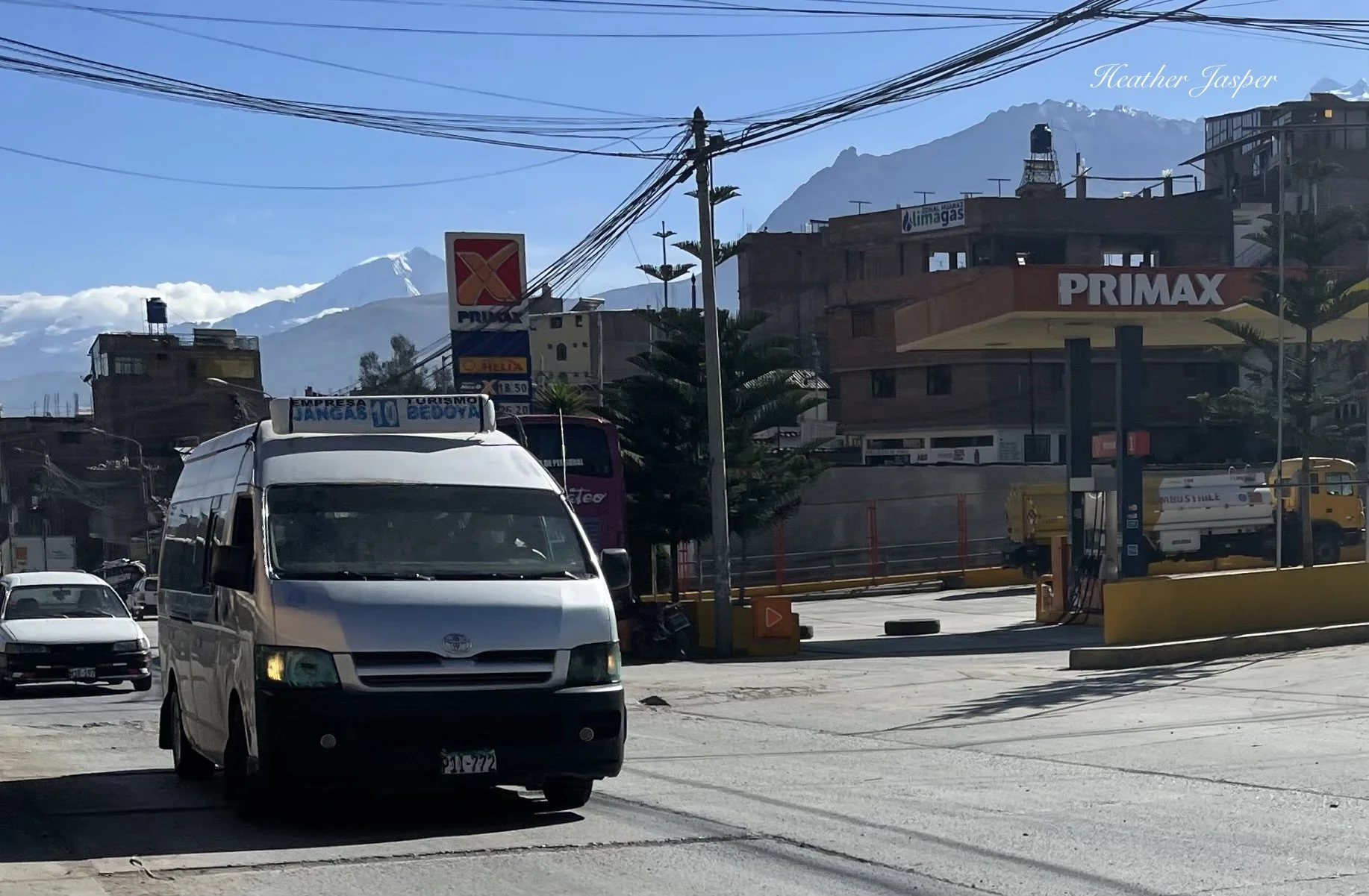
Instead of busses, public transportation in Huaraz is vans like this one, called a combi.
4. How to Get Around Huaraz
You can walk anywhere in Huaraz and if you’re there to acclimate before a hike or trek, walking at the city’s 3,052m/10,013ft is good for you. It’s small enough that there’s fewer taxis and mototaxis (like a tuktuk) than most other Peruvian cities, though you can still flag one down when you need one. Prices in town are around s/4-10 and hiring a driver for a full day runs s/80-200, depending on how far you go.
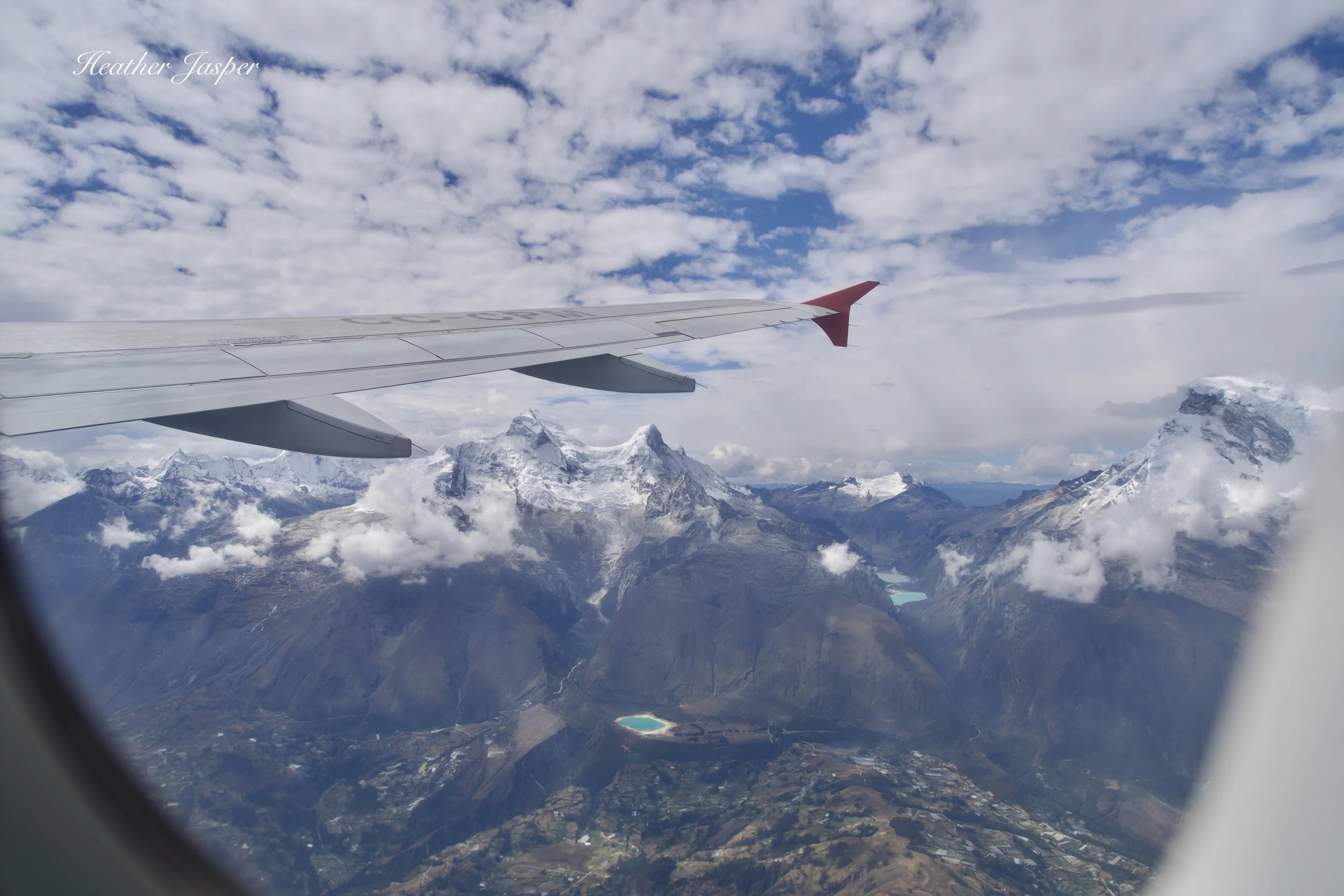
Departing Anta, get a window seat F on the right side of the plane for spectacular views of the Cordillera Blanca.
5. How to Get to Huaraz
Flying to Huaraz is much easier than it used to be now that there are multiple flights a day from Lima to Anta, about 40-minute drive north of Huaraz. As of 2026, all flights are from Lima and it’s likely to stay that way. Shuttle vans always meet incoming flights and drivers will have a sign for s/20 soles or so. They’ll drop you off at any central hotel in Huaraz. Ask for their card when they drop you off so you can call them to pick you up for your departing flight.
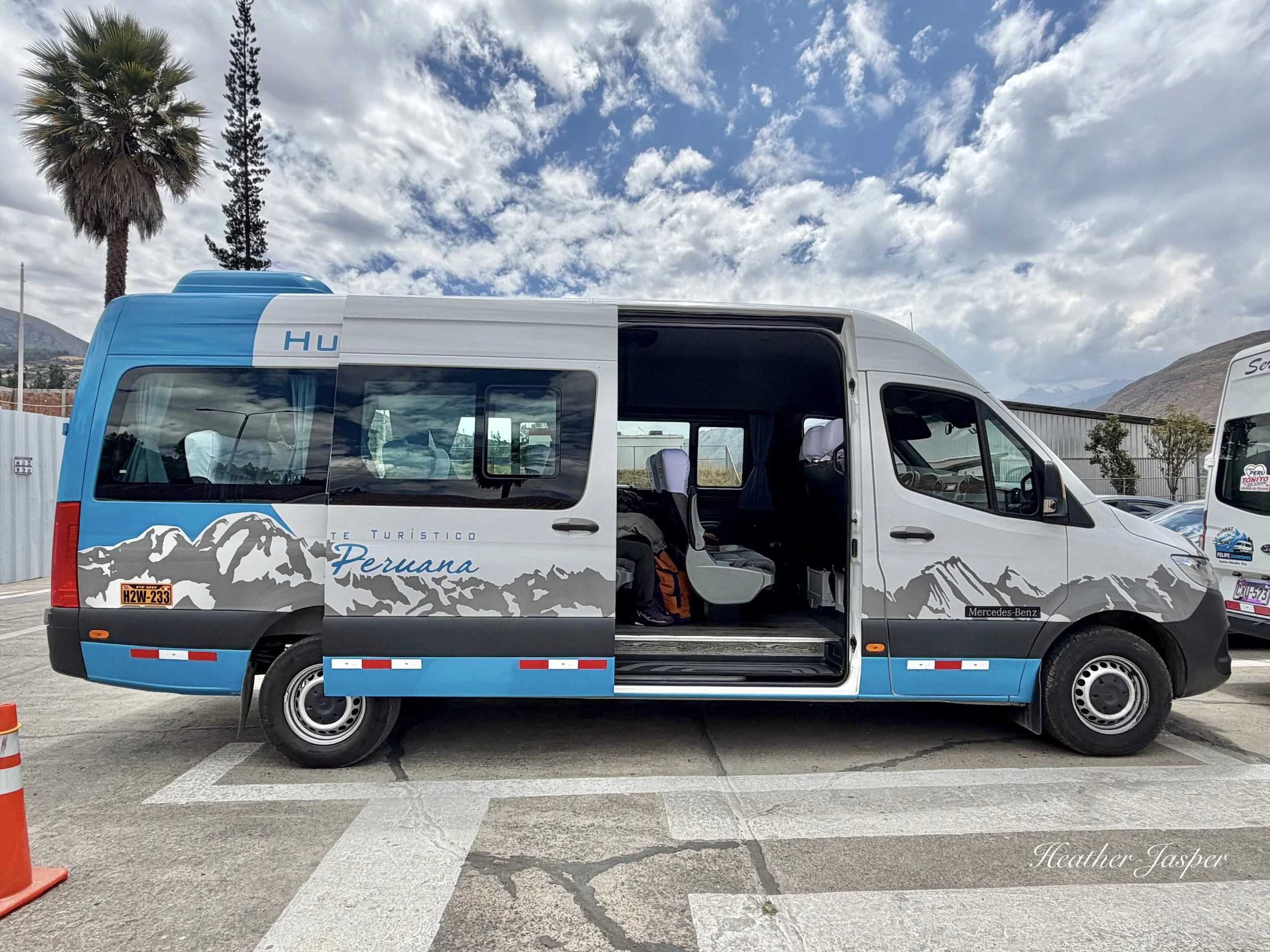
Huaraz airport shuttles
Several companies have shuttles waiting for arriving flights and you don’t need to make a reservation.
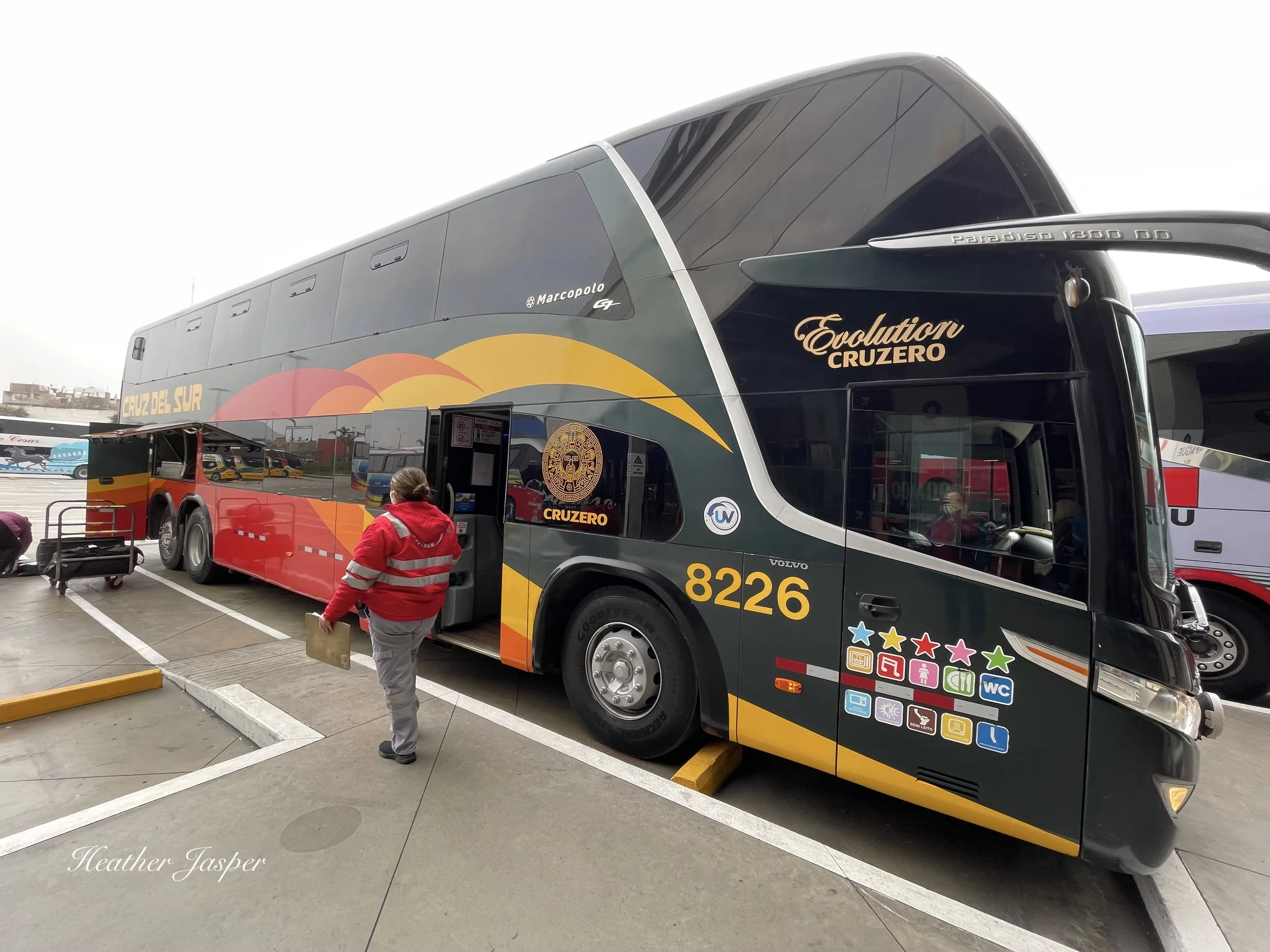
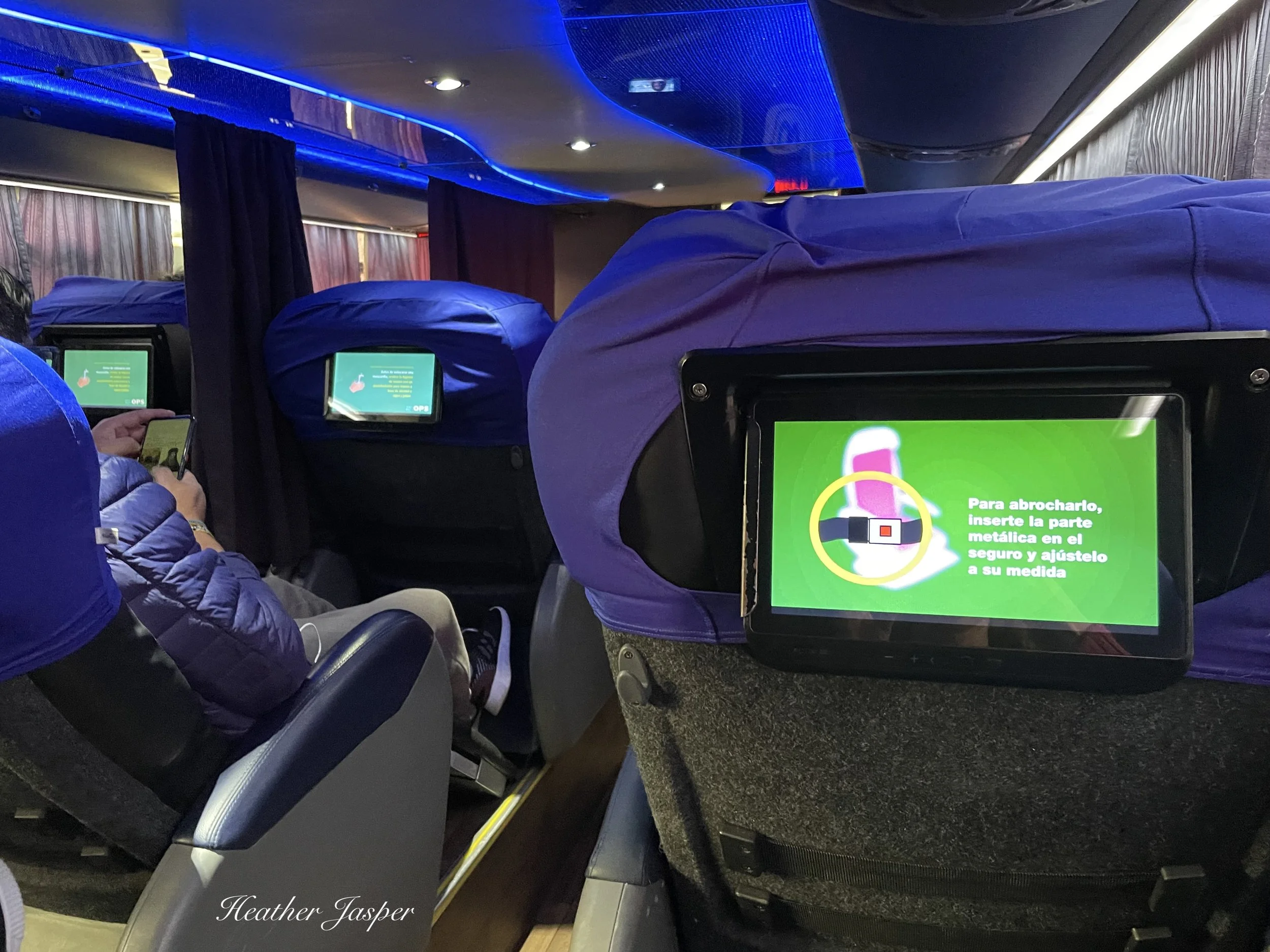
Taking the bus to Huaraz is best if you have a lot of heavy camping or climbing gear. There are several bus companies that have day and night buses from Lima’s Plaza Norte bus terminal that’s about a half hour east of the Lima airport. Cruz del Sur is the most reliable company and not much more expensive than the competition. If you’re on a tight budget, most of the other companies are good enough. Shop around online or in person at Plaza Norte.
Questions?
Download my app Peru’s Best, buy my 2026 update to the Rough Guide to Peru or Ask Me.
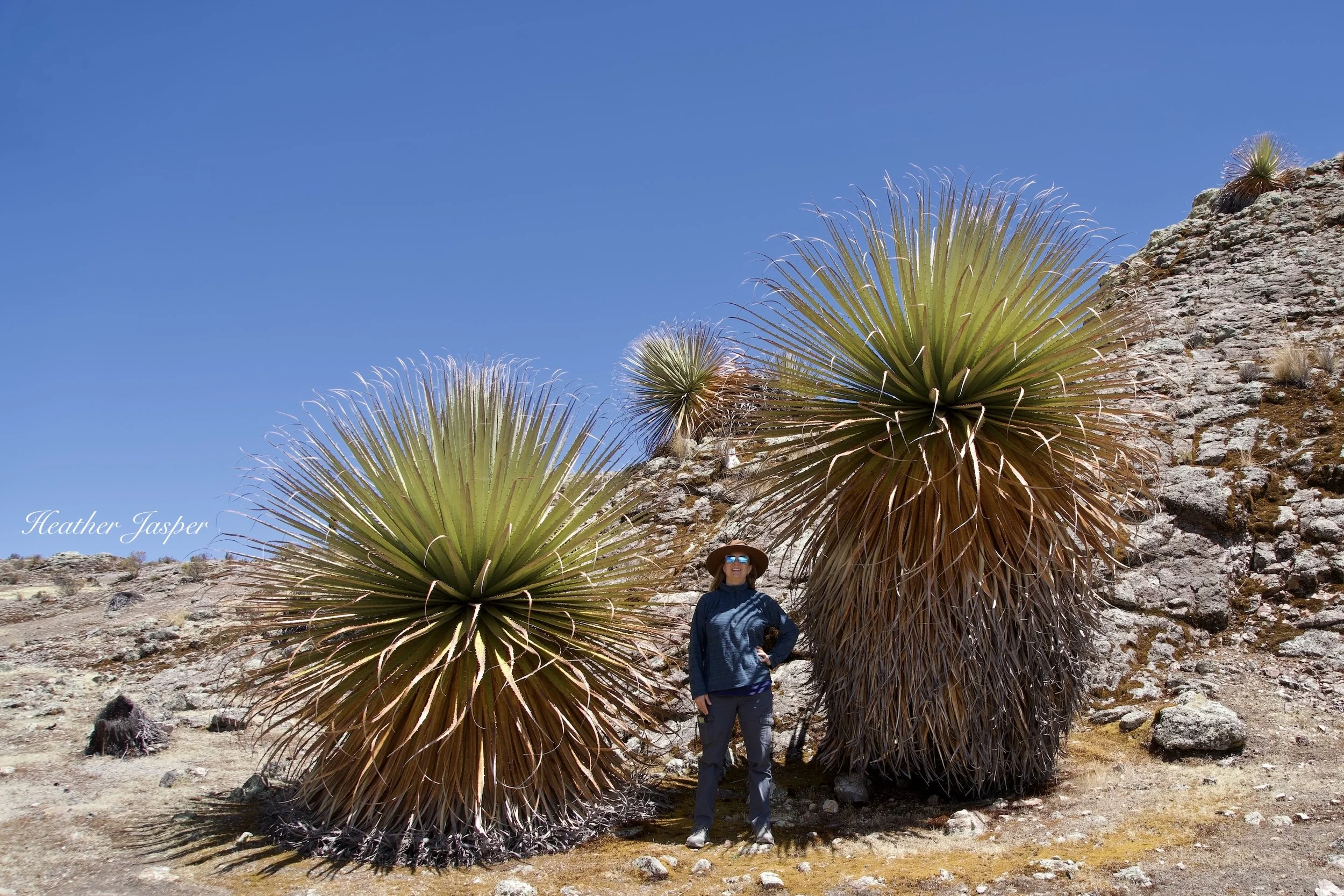
(These are puya raimondii, the world’s largest bromeliad, which grow in the Cordilleras Blanca & Negra).