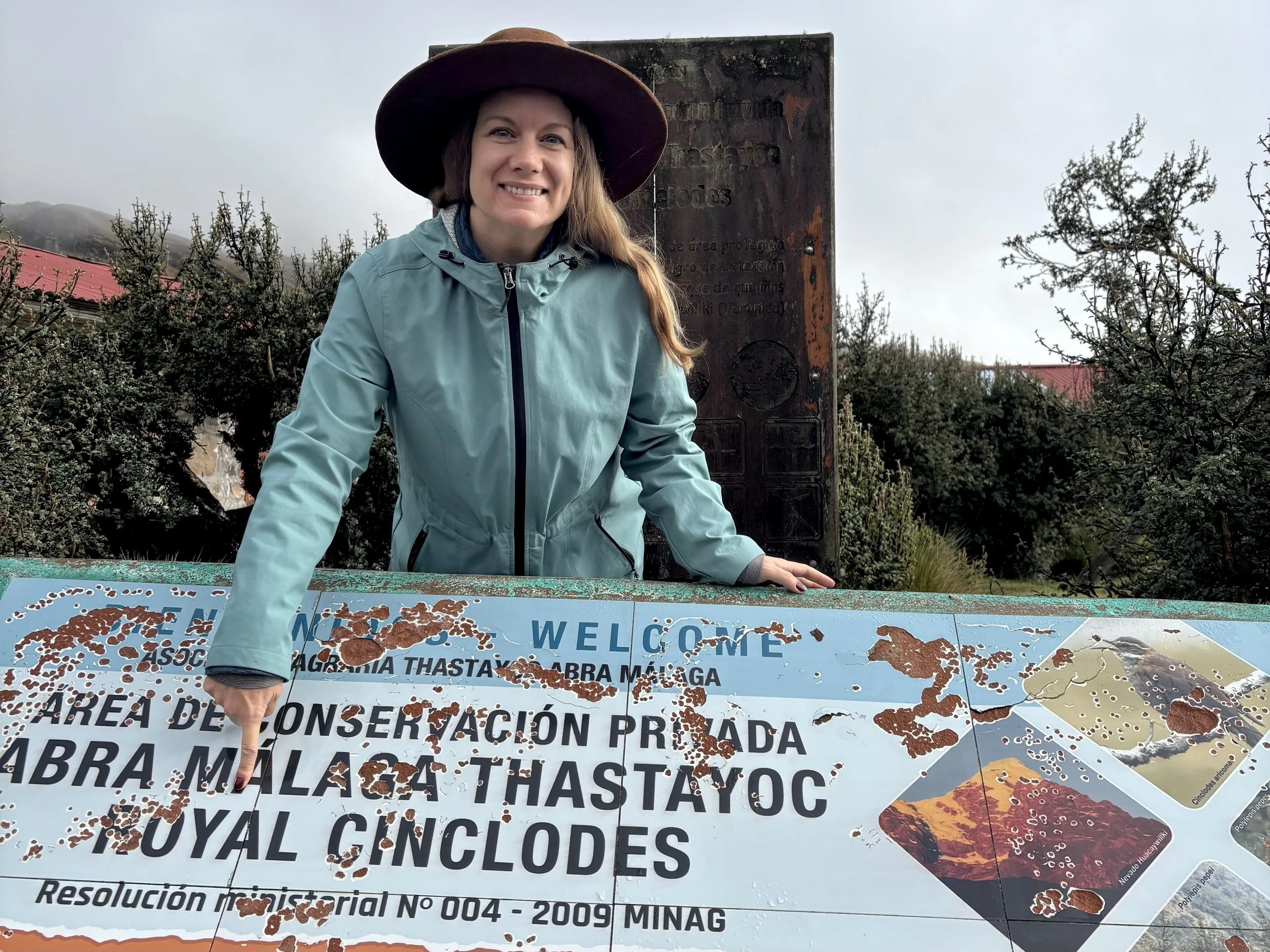
The Royal Cinclodes is an endemic species that we spent five hours trying to find.
Abra Málaga has extraordinary birdwatching!
I went birding with Eco Tours Peru at Abra Málaga, the highest pass you go over on the way from Ollantaytambo to Quillabamba. This is the same road you’d take to Santa Teresa for the back door route to Machu Picchu.
Abra Málaga is 4,316 meters (14,160ft) above sea level where the road crosses the pass. We left the car there and crossed the road to the south side of the pass and then hiked up to around 4,400 meters (14,436ft) and down a valley to an area of Polylepis forest.
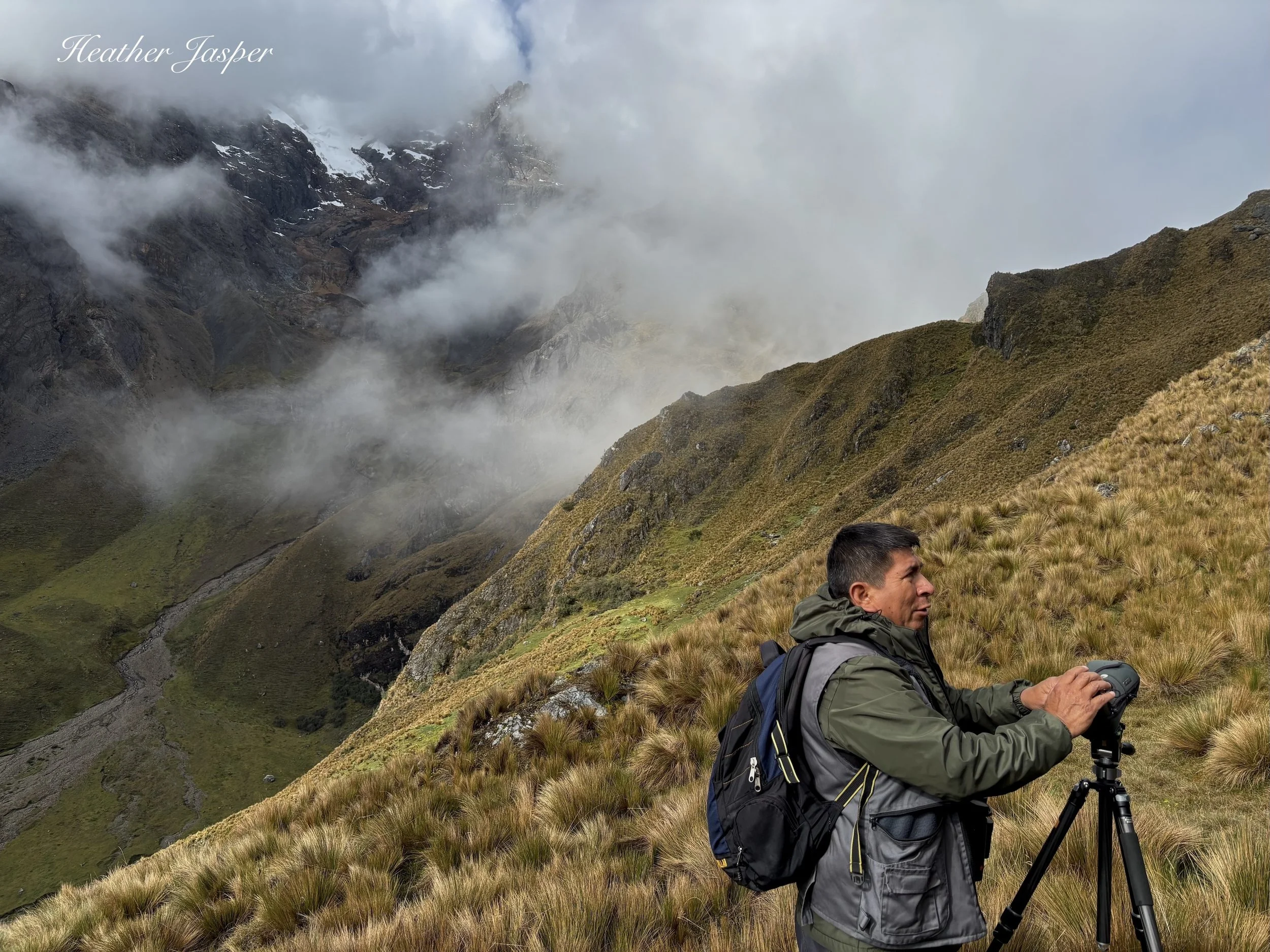
Birdwatching expert Silverio Duri Valdivia taught everybody in the group a lot about the endemic birds you can find around Abra Málaga.
There are 14 species of Polylepis that grow high in the Andes and as you would expect for high altitude, they’re short, scrubby trees with twisted trunks. They’re perfect bird habitat but useless for building stuff. Unfortunately, in many areas of Peru they’ve been taken out in favor of planting the invasive eucalyptus (from Australia) which makes better firewood and building material.
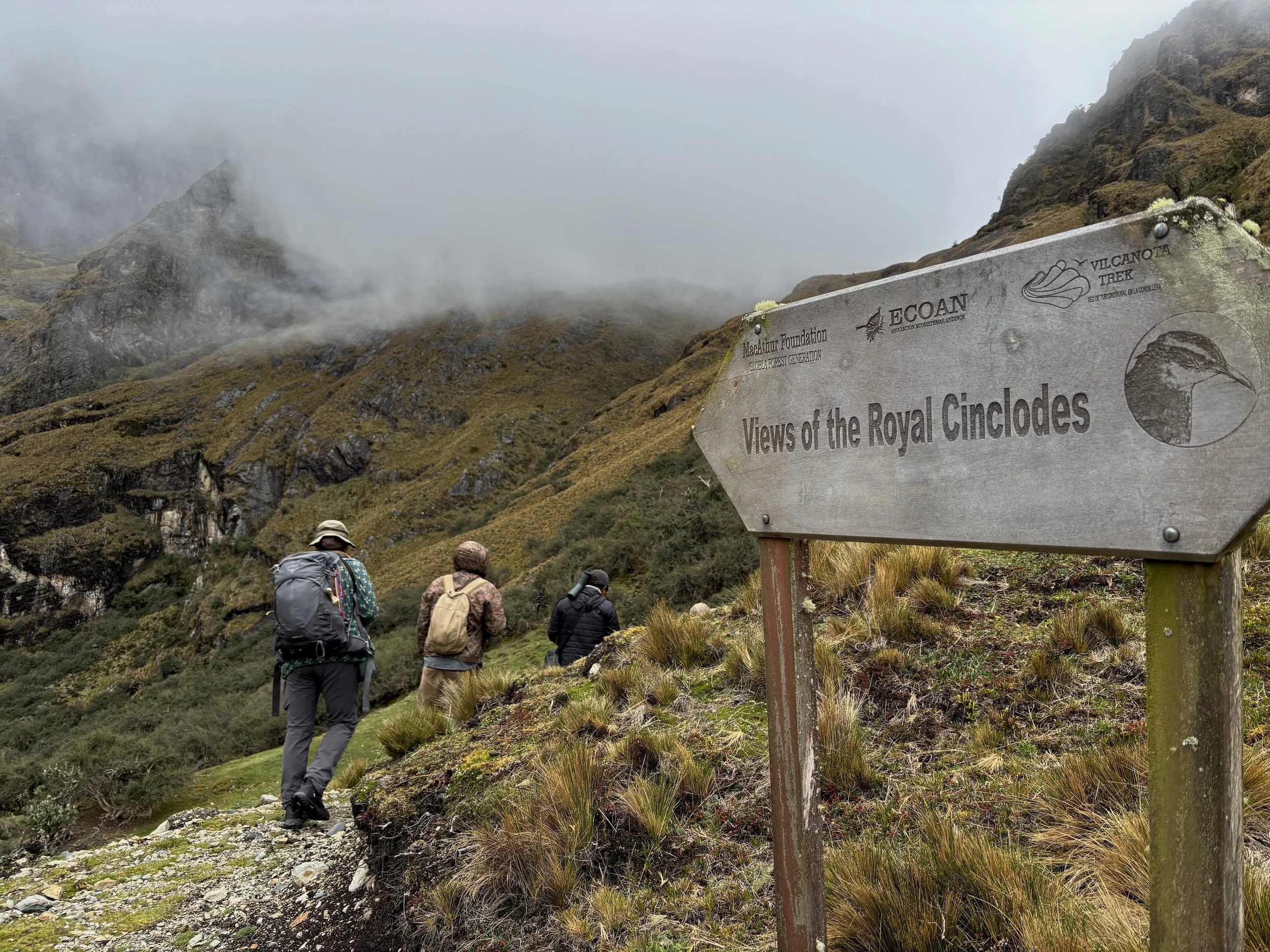
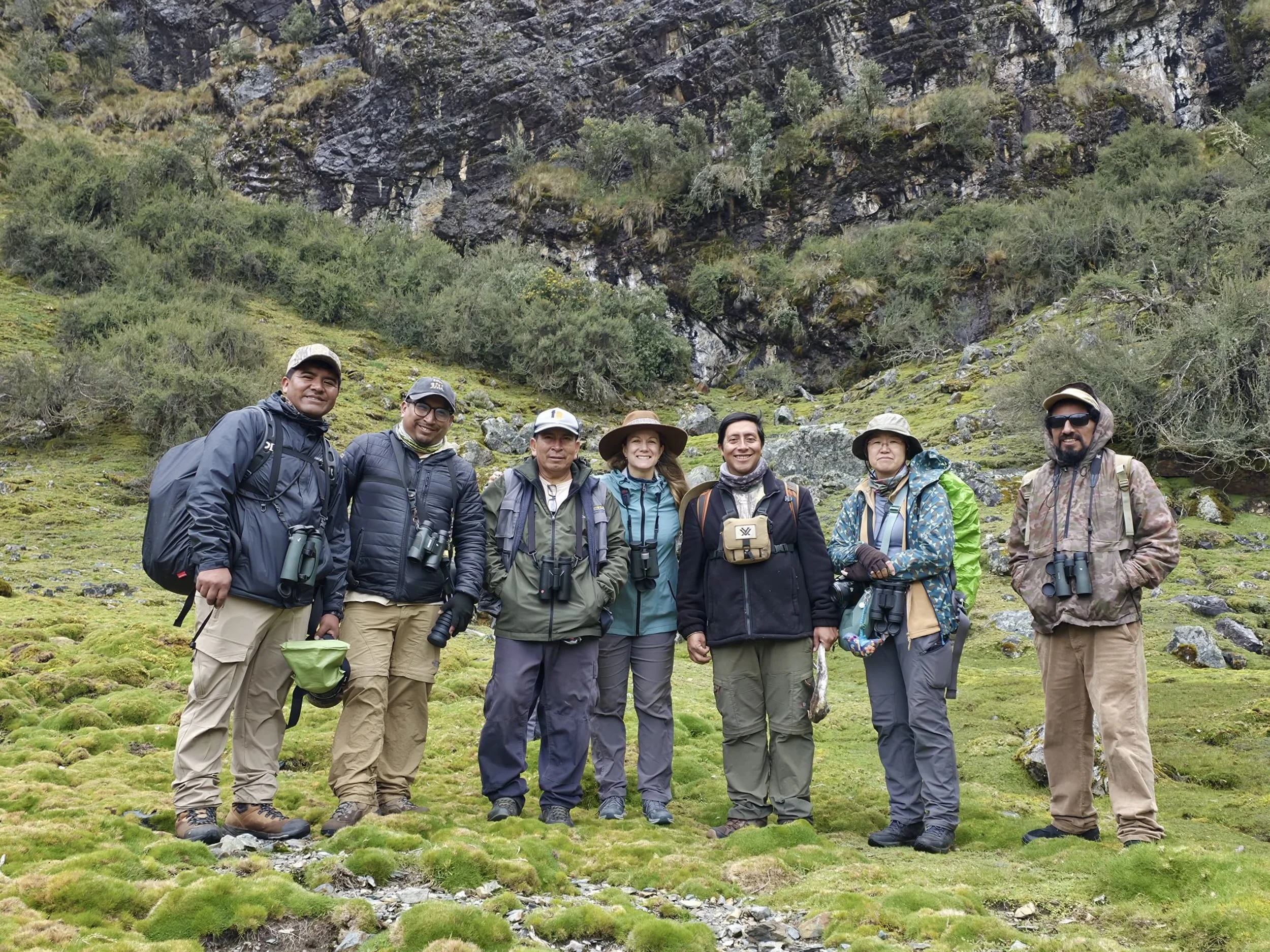
In the Polylepis forest we were looking for the Royal Cinclodes, which (spoiler) we didn’t see even after about five hours. We started hiking around 7am and got back to the car around noon. We did see a lot of other amazing birds, most of them lifers for me.
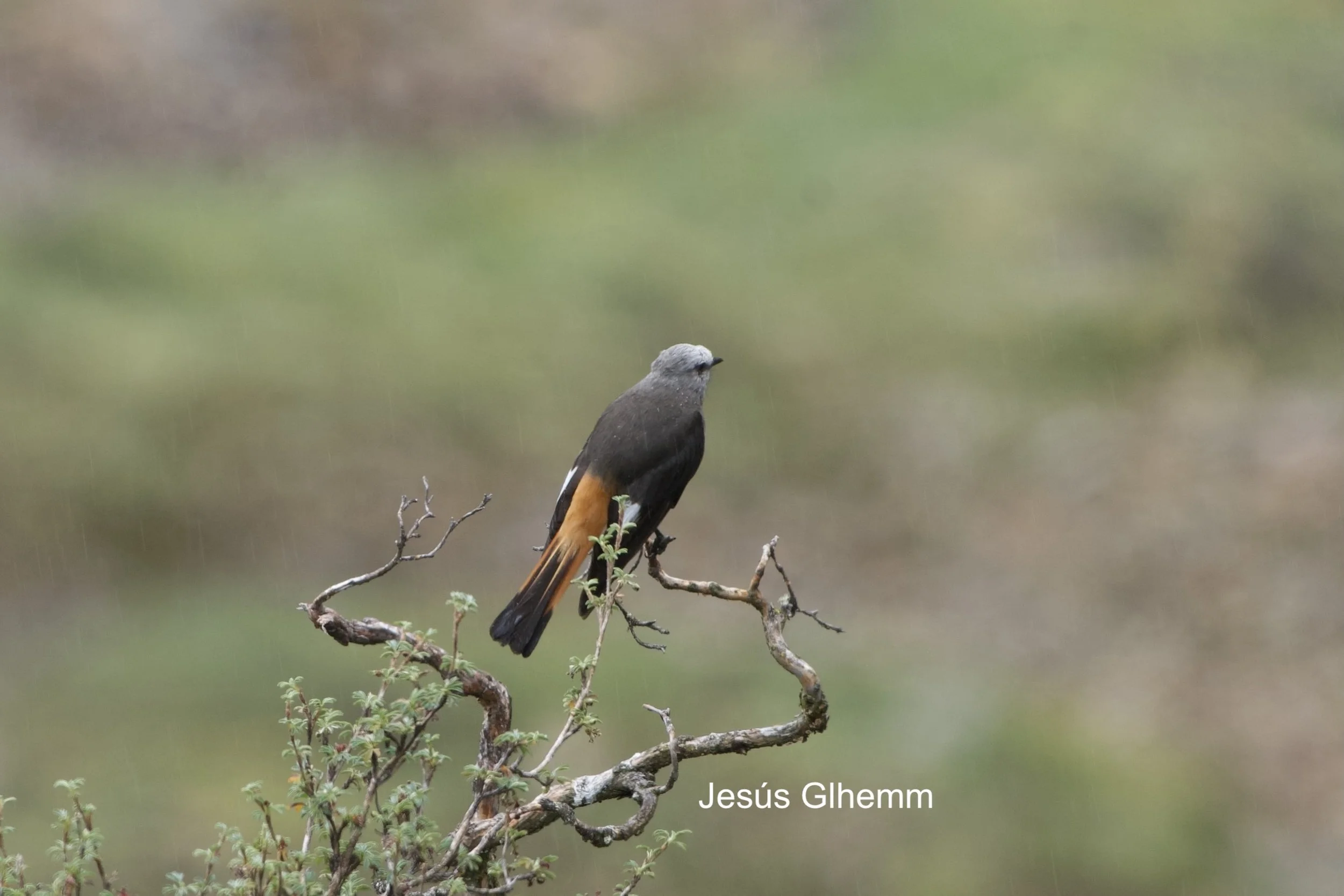
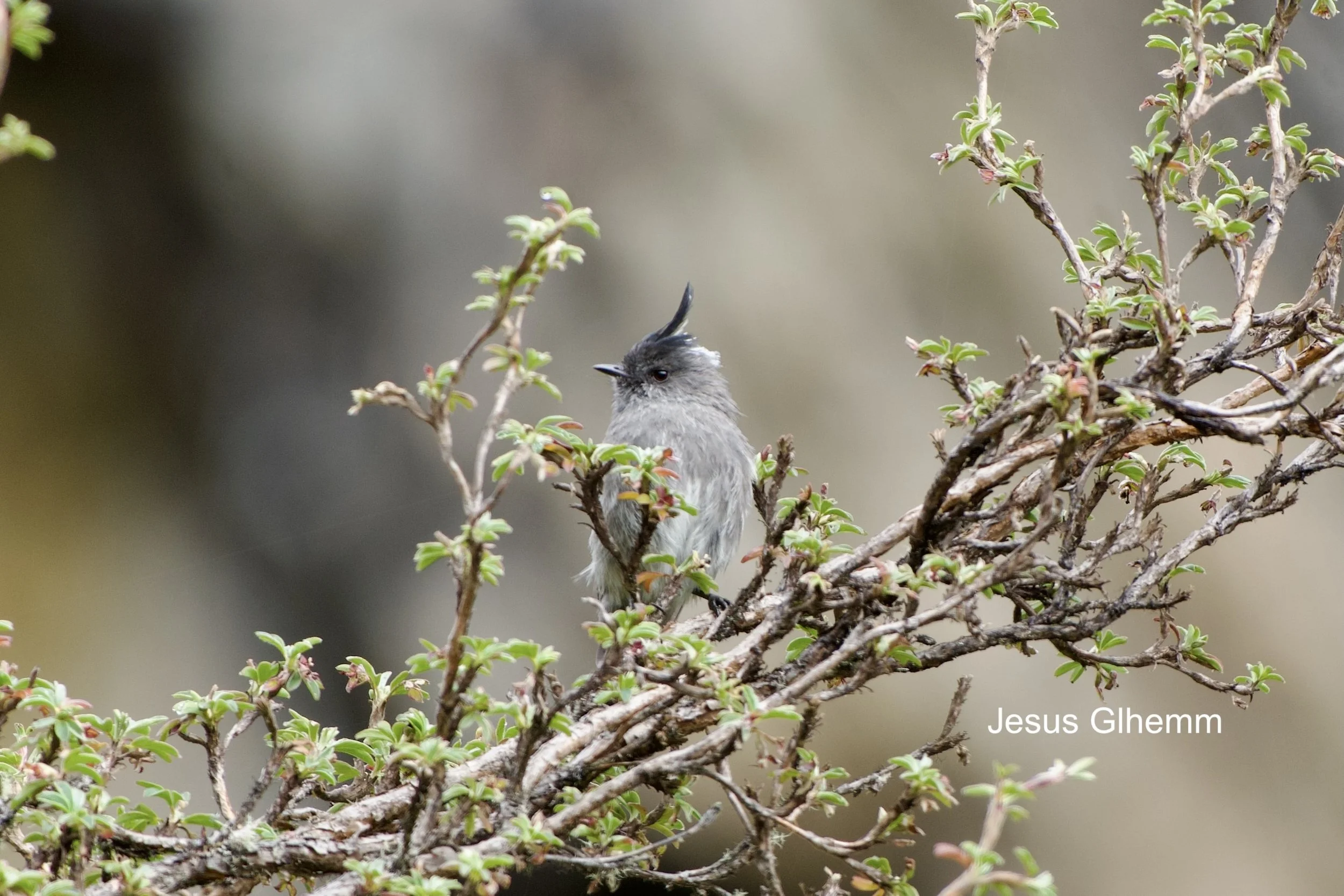
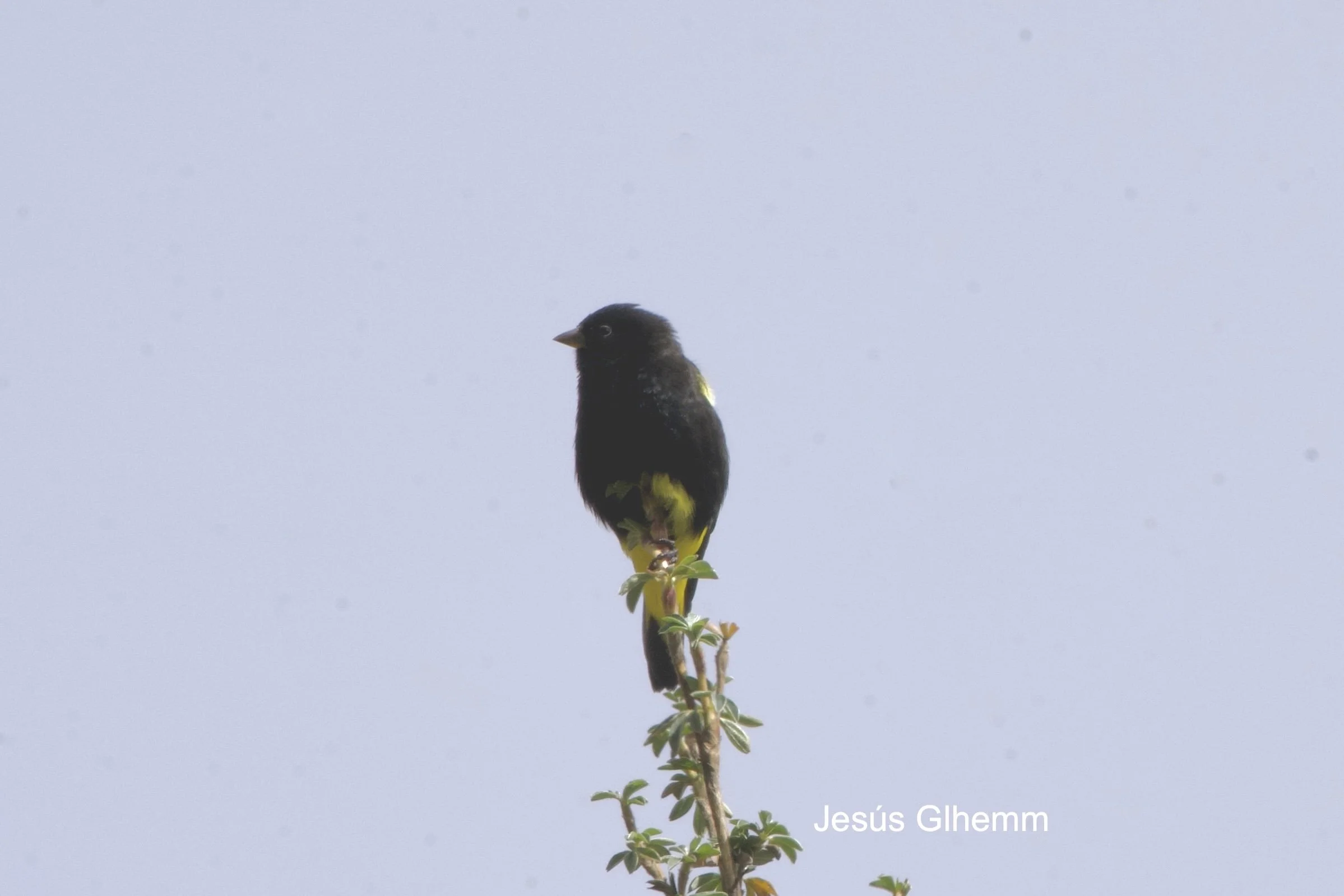
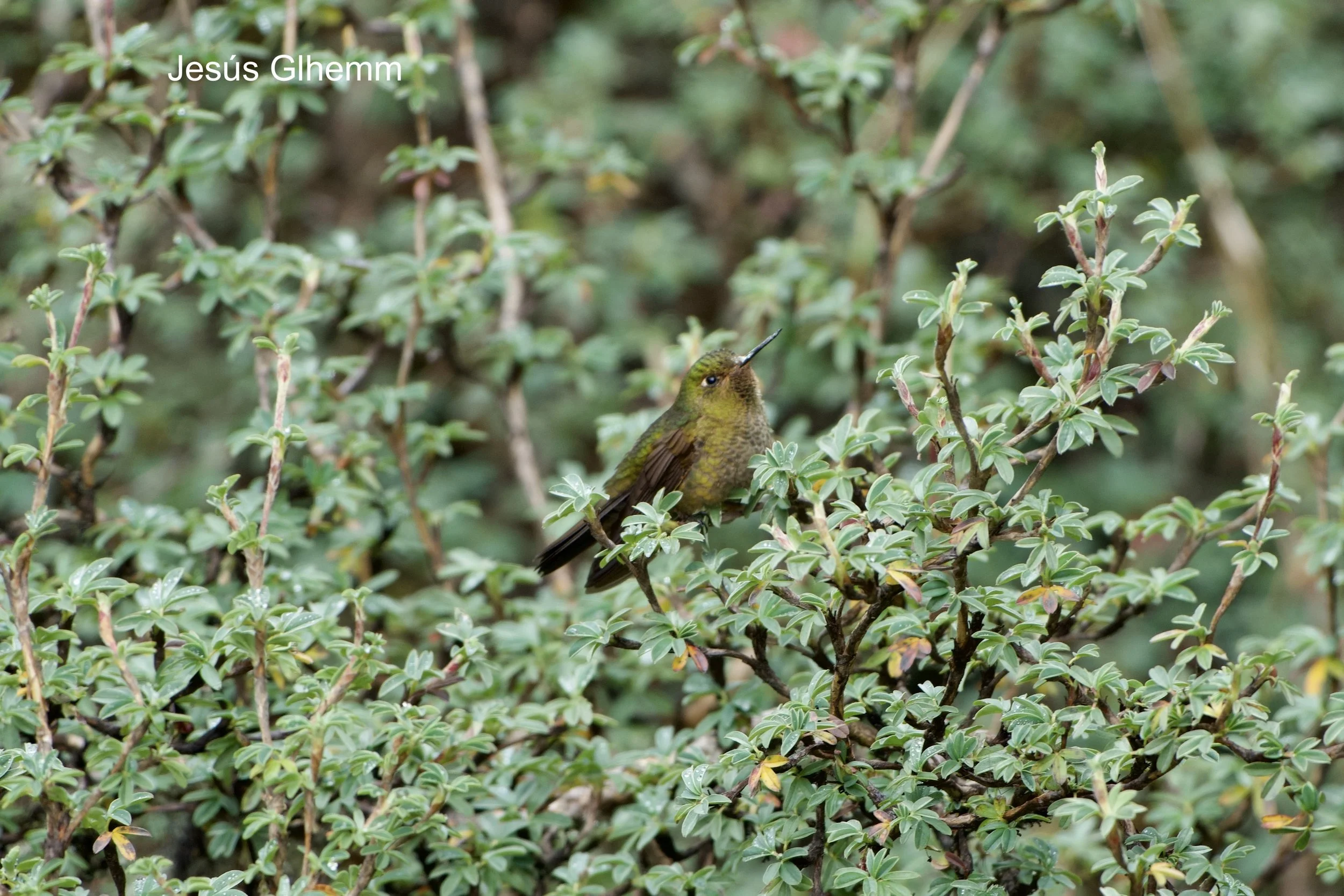
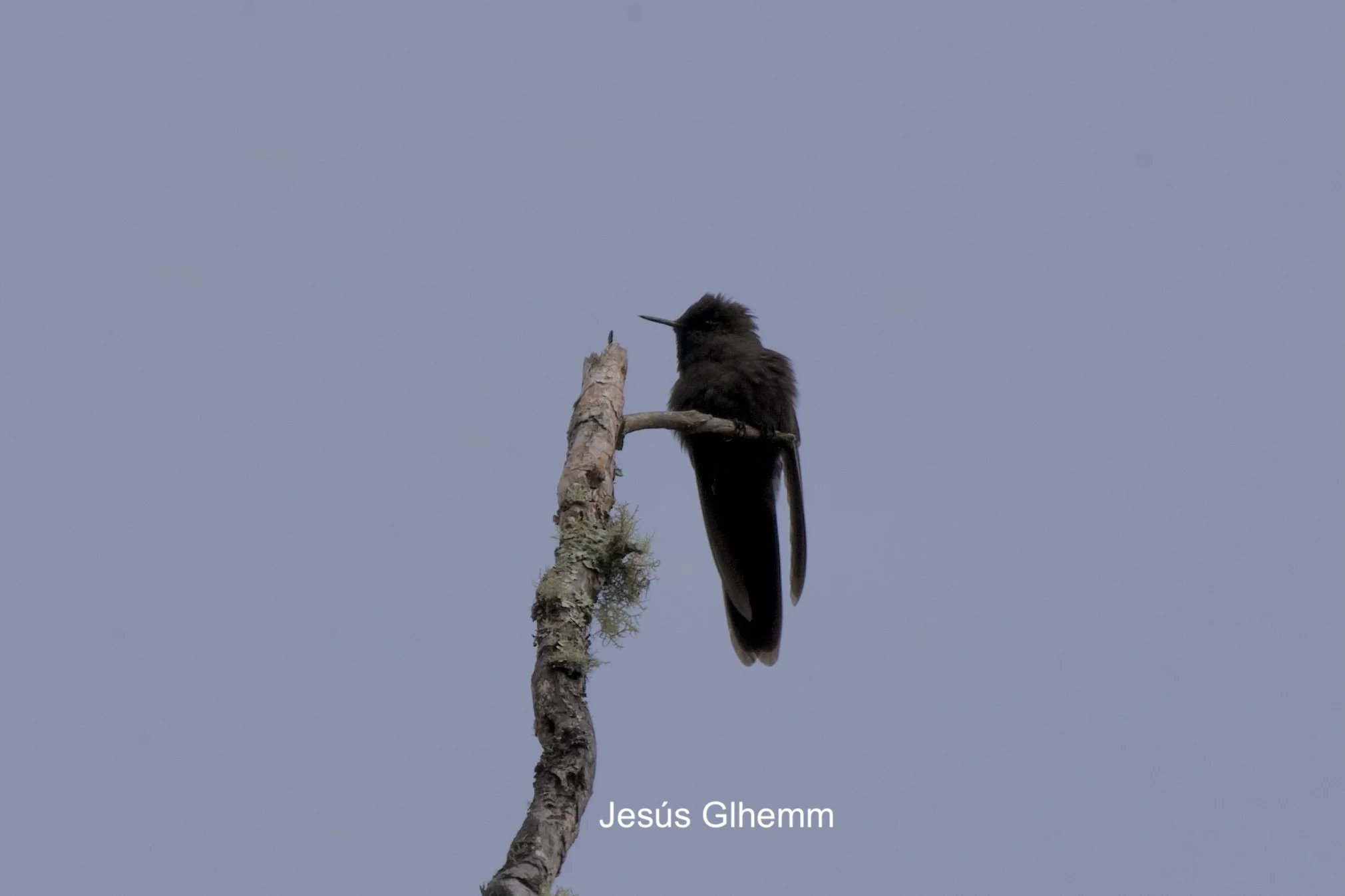
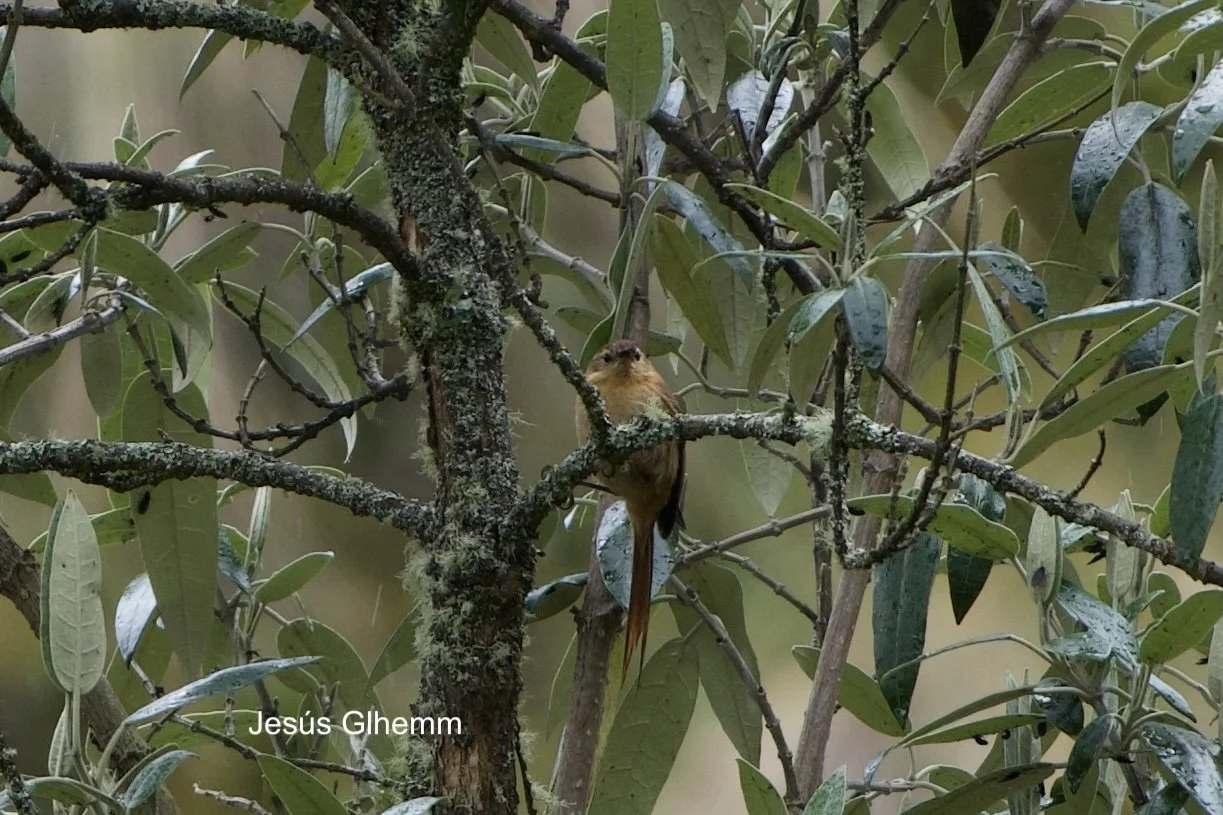
My bird list for the Polylepis forest on the south side of Abra Málaga: Junín Canastero, Rufous-webbed Bush-tyrant, Plumbeous Sierra Finch, Olivaceous Thornbill (hummingbird), Andean gull, Ash-breasted Tit-tyrant, Great Sapphirewing (hummingbird), Scaled Metaltail (hummingbird), Blue mantled thornbill Scaled Metaltail (hummingbird), Blue-andwhite Swallow, Brown-bellied Swallow, Black Siskin, Stripe-headed Antpitta, Brown-backed Chat-tyrant, Red-rumped Bush-tyrant, Puna Tapaculo, Tawny Tit-spinetail.
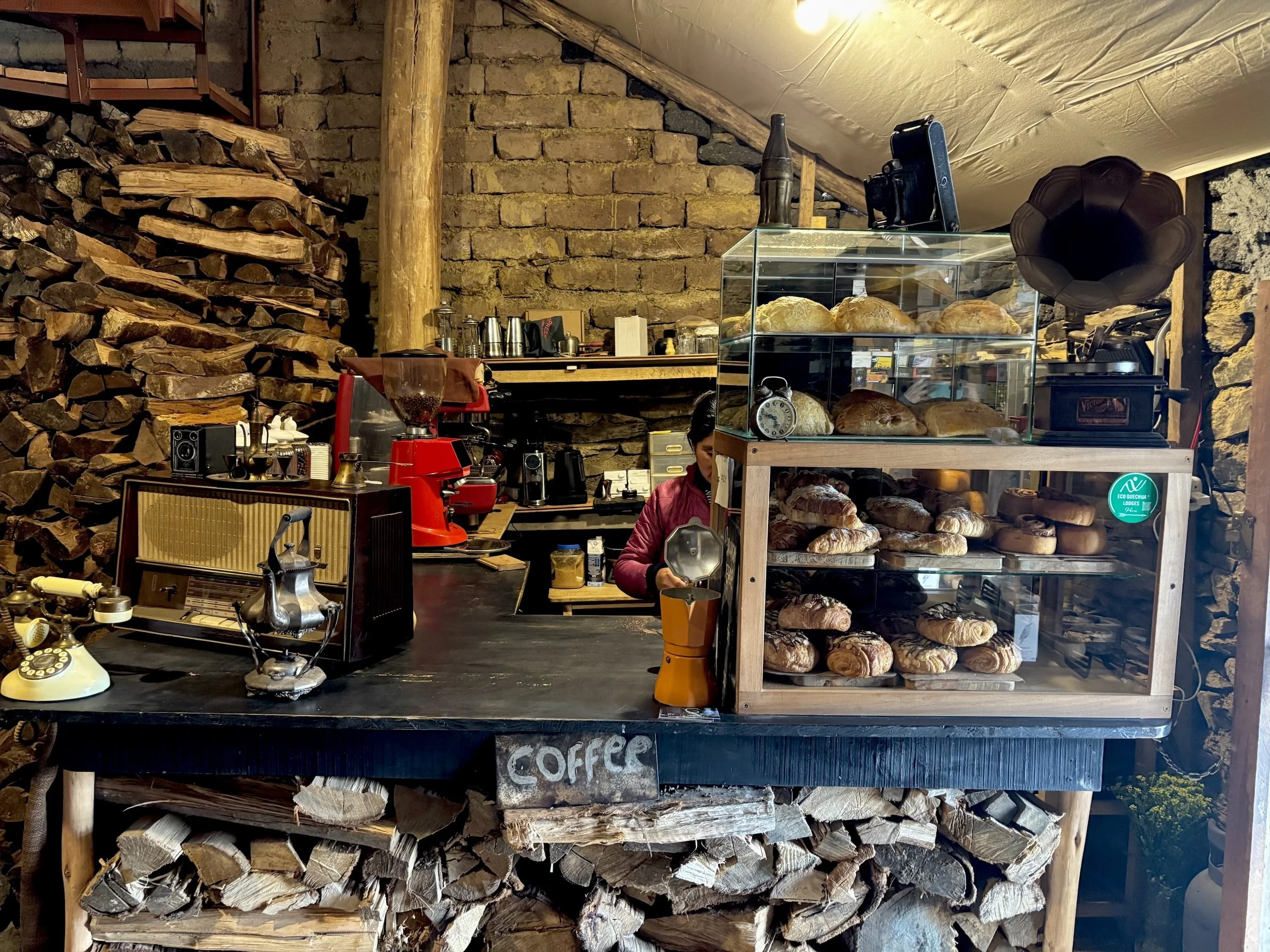
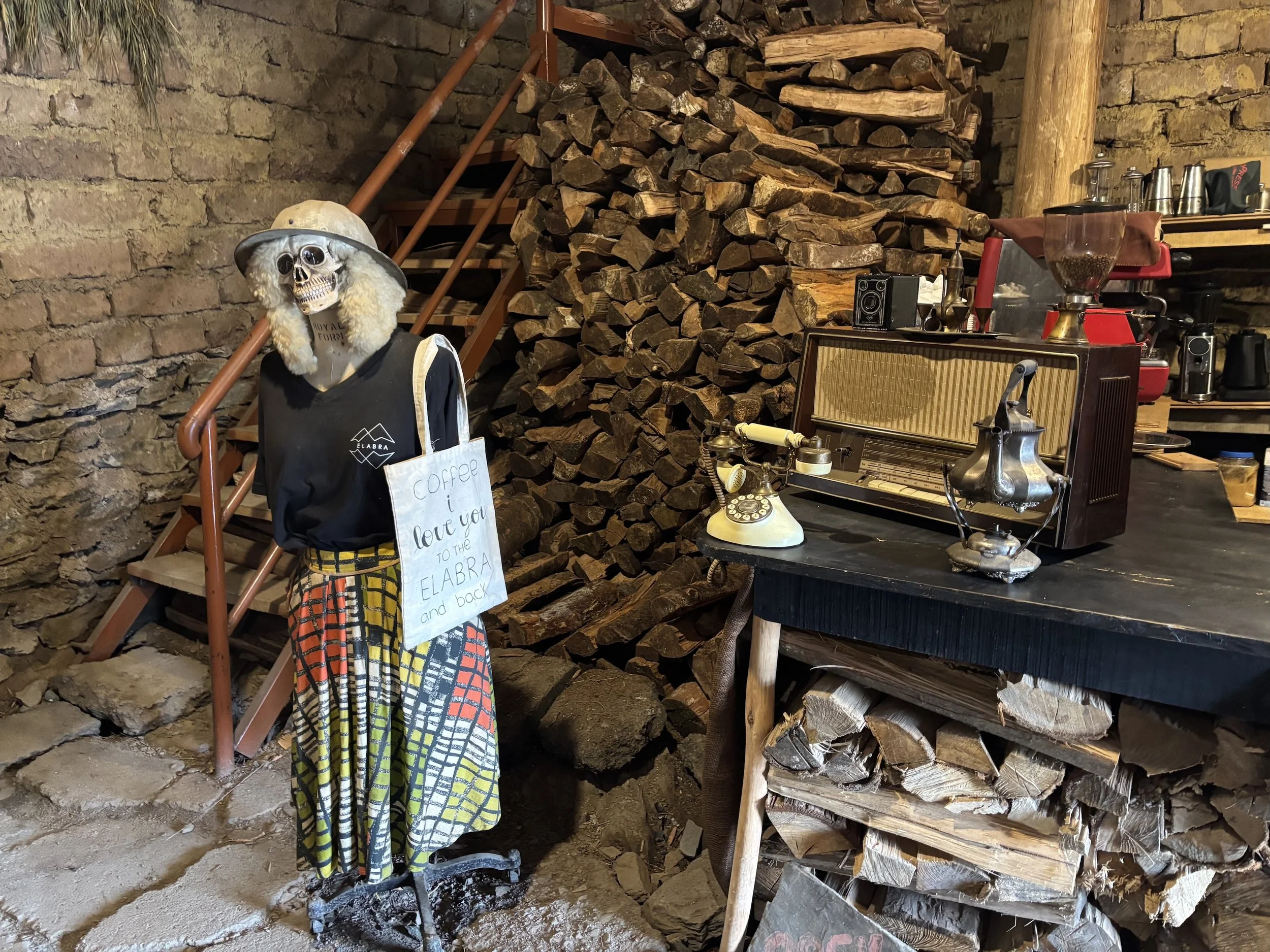
We had a light lunch at Abra Málaga, which has a quirky coffee shop called El Abra (above), with several excellent coffees grown around Quillabamba. I also had a delicious almond croissant and wish we’d had time for a second cup of coffee, but it was time to get back on the road and head downhill to an area of cloud forest on the Quillabamba side of the pass.
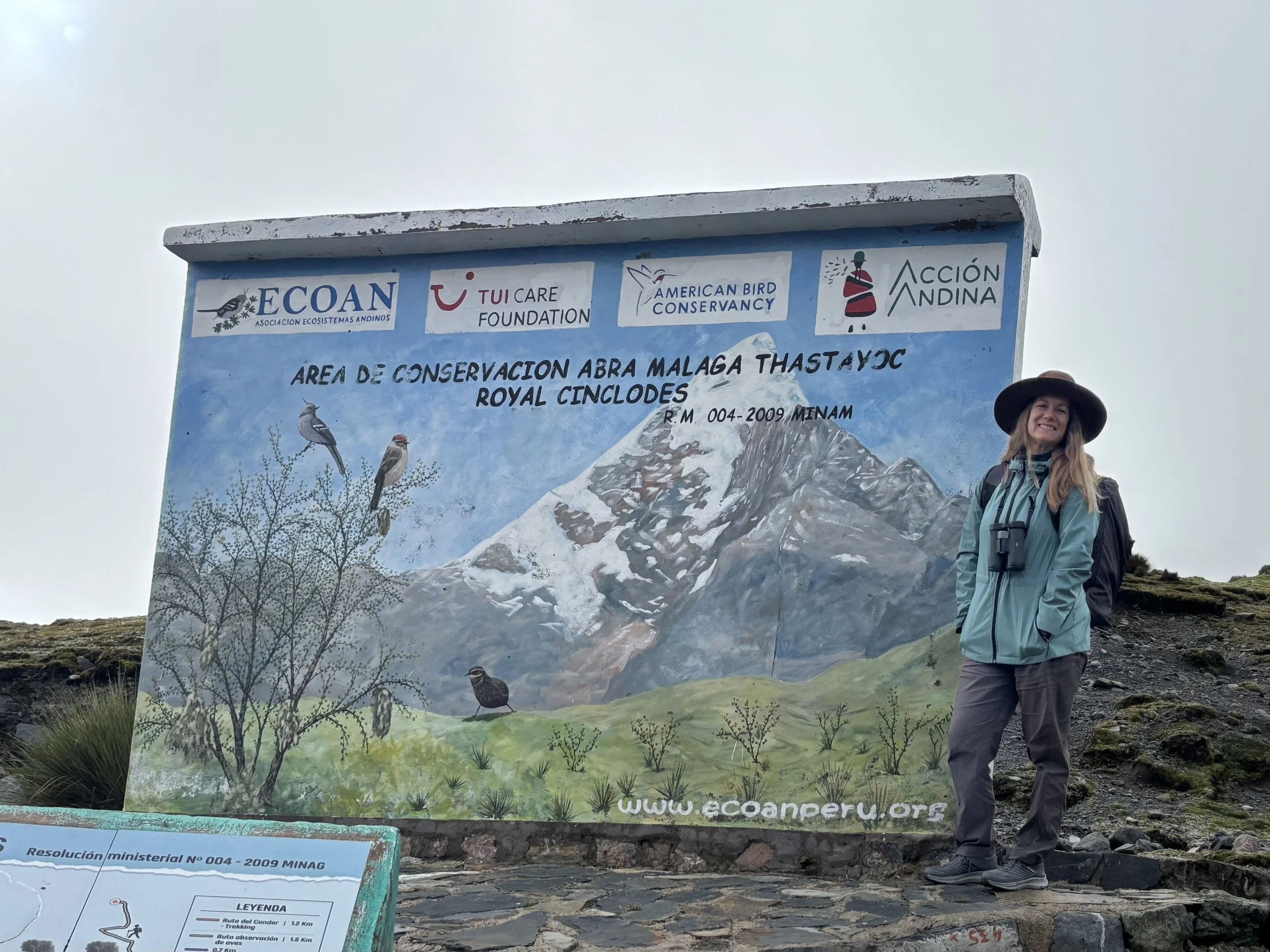
The Cusco region is lucky to have NGOs like Ecoan, which works to replant and restore Polylepis forests.
One of the best things about birding around Cusco is the roads that lead from high altitude down to the rainforest. The Manu Road is the most famous, going from Acjanaco Pass at 3,500 meters (11,483ft) down to Pillcopata at 550m (1,805ft). The road from Abra Málaga down to Quillabamba starts much higher and goes down to about the same elevation. On such an extreme altitude gradient, the ecosystem, and therefore birds, change every half hour or so driving down towards the rainforest.
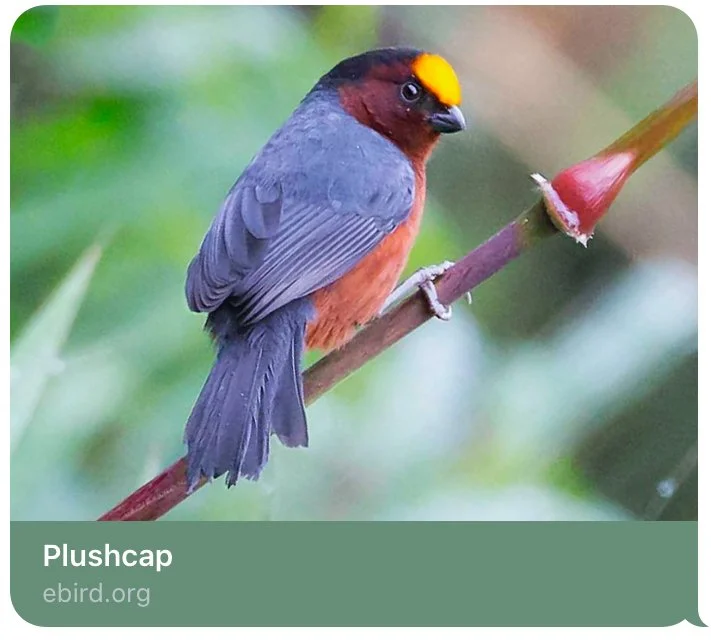
Target bird found!
I only saw it for a few seconds, and didn’t get a photo, but the Plushcap is so distinctive that there is no doubt that’s what we saw.
We were looking for cloud forest birds, so we stayed at an altitude similar to where I was birding on the Manu Road for Global Big Day in October this year. The bird I really wanted to see was a Plushcap, one of the target birds we tried to find on Big Day but didn’t spot. This time I wasn’t disappointed! We didn’t get a photo of it, but I did see a Plushcap, so I was happy. It more than made up for not seeing a Royal Cinclodes. We saw several mixed flocks and also a few birds on their own. Many were lifers for me.
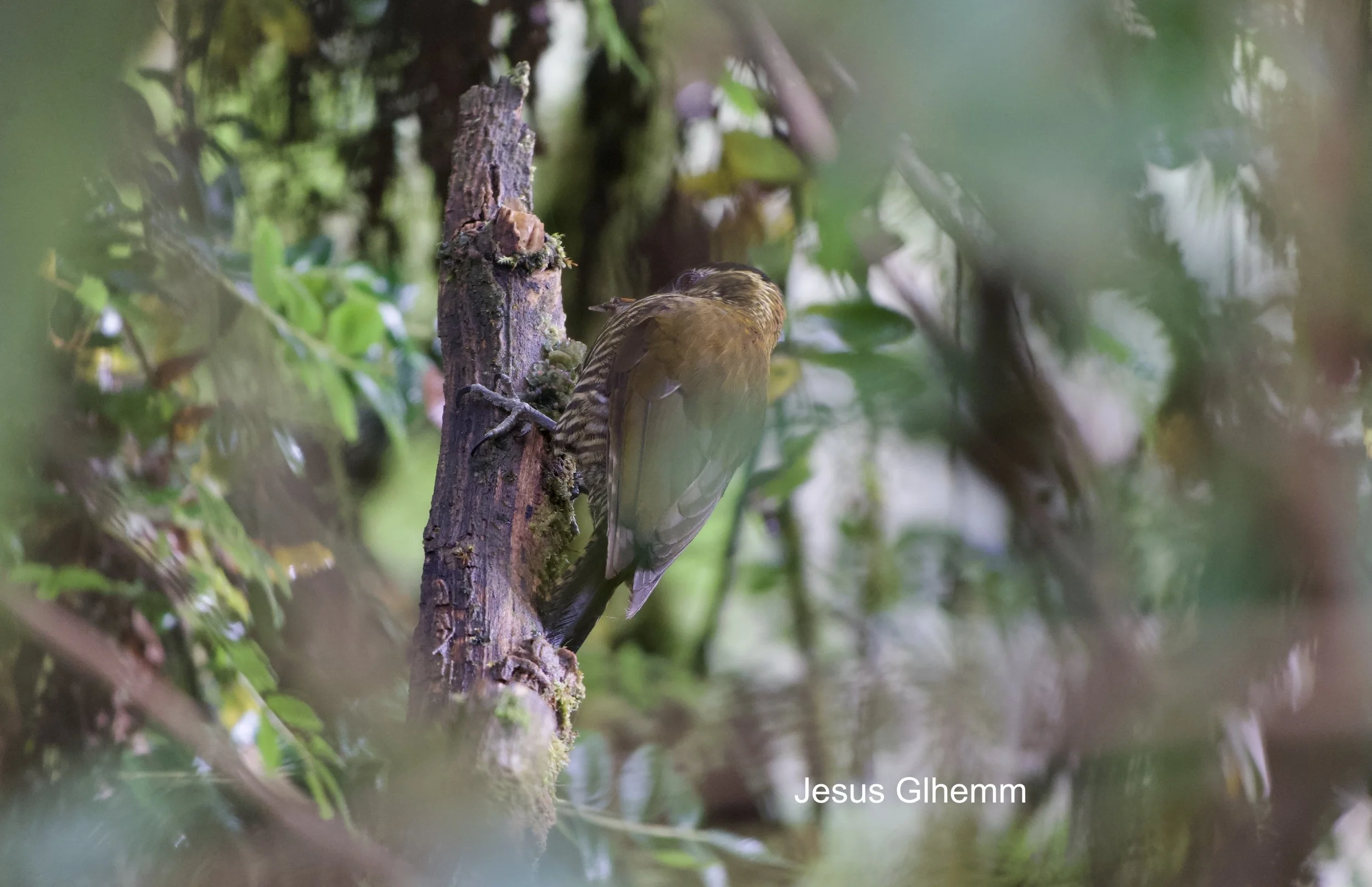
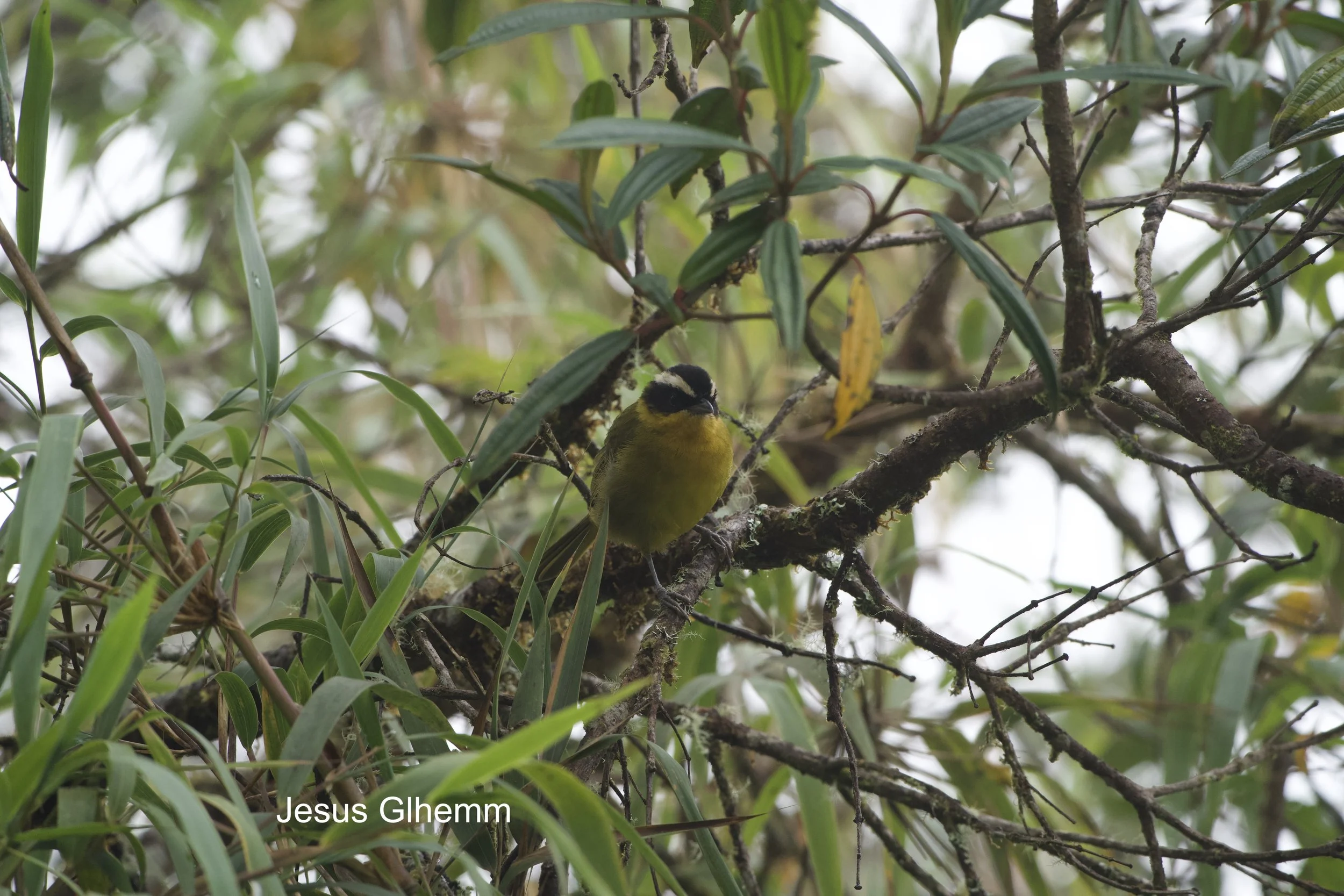
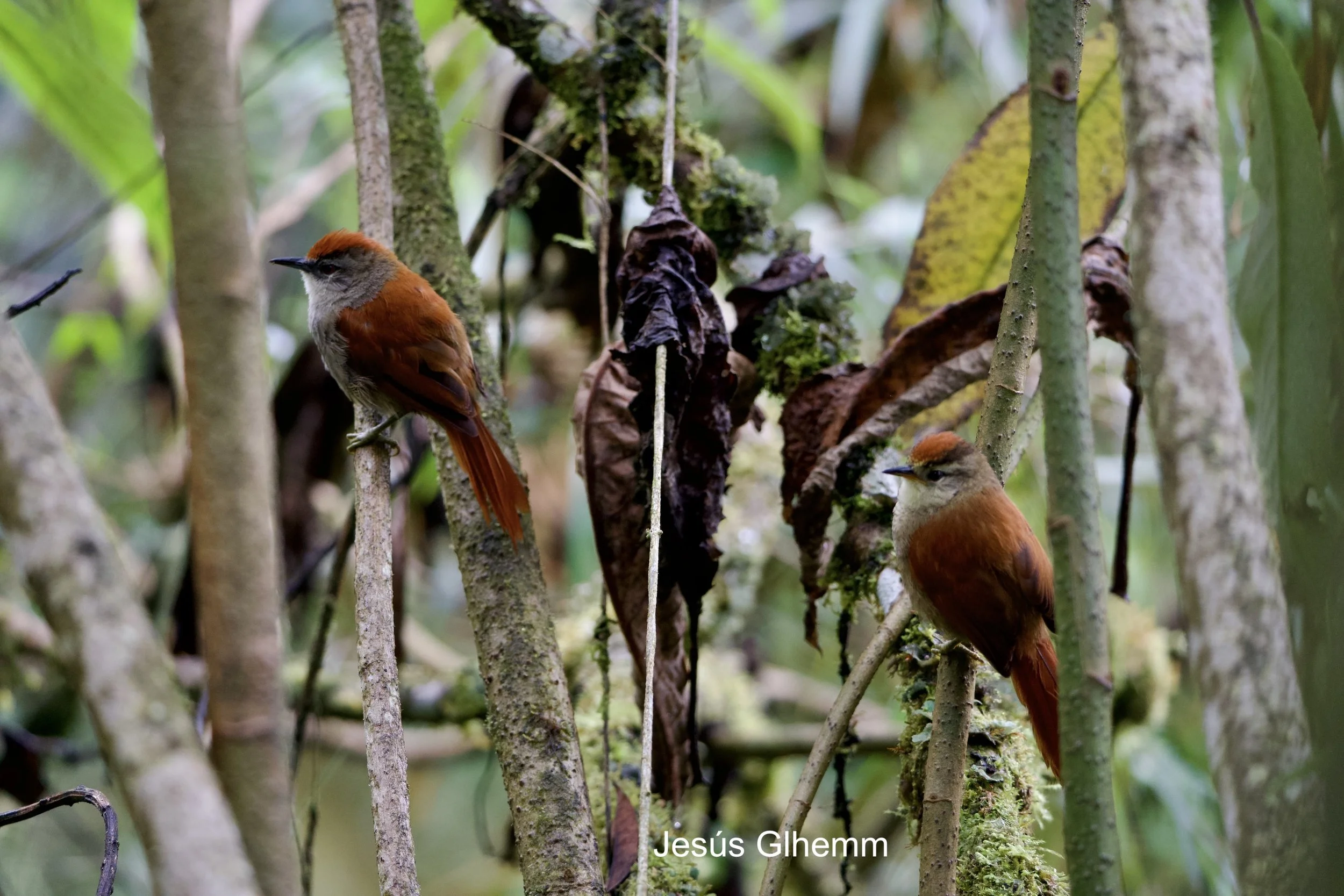
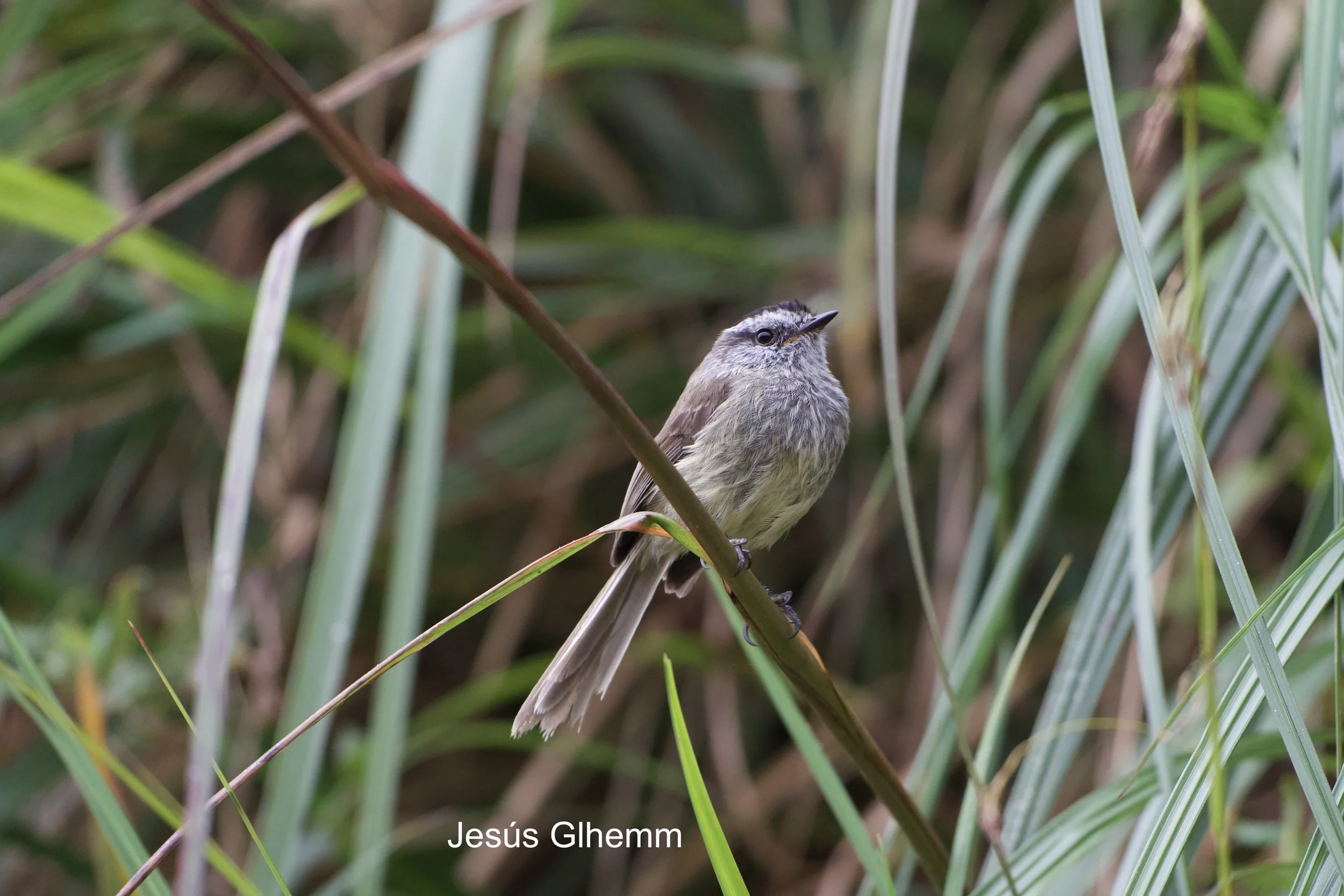
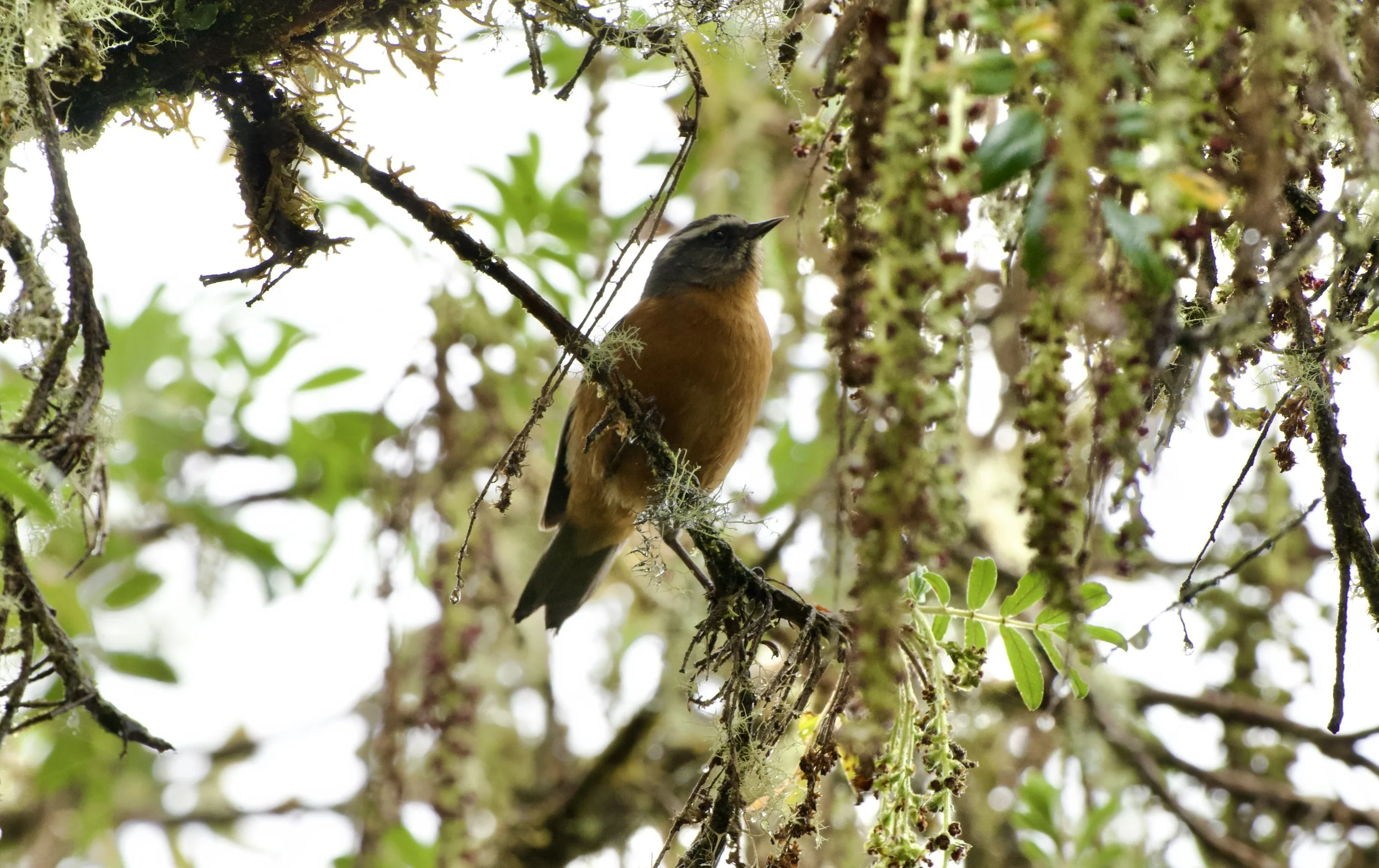
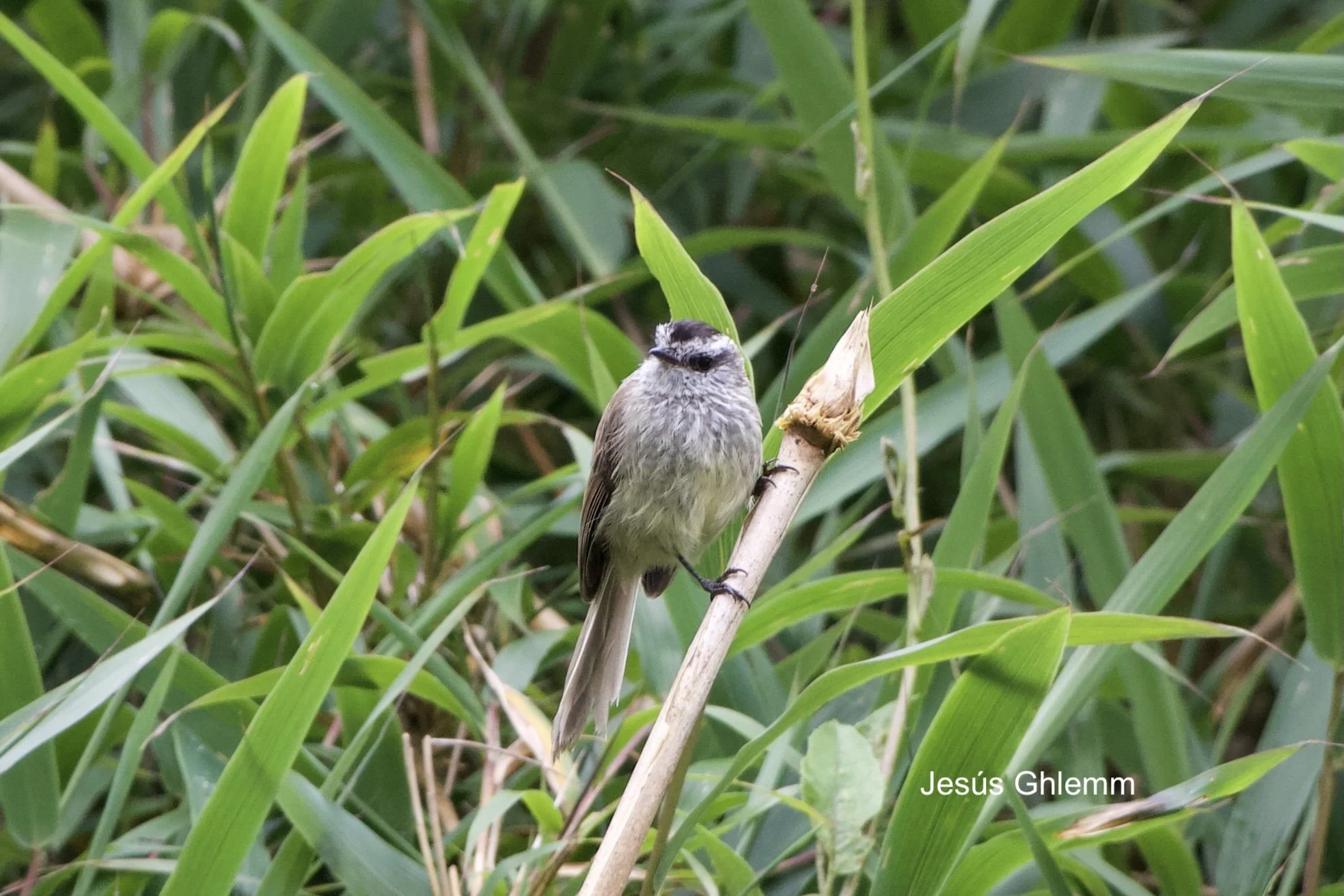
Here are the birds we saw in the cloud forest: Scaled metaltail (hummingbird), Marcapata Spinetail, Tyrian metaltail (hummingbird), Violet-throated starftontlet (hummingbird), Three-striped Hemispingus, Pearled Treerunner, Urubamba Antpitta, White-throated Tyrannulet, Inca Wren, White-browed Conebill, White-throated Tyrannulet, Spectacled Redstart, Bar-bellied Woodpecker, White-banded Tyrannulet, Unstreaked Tit-tyrant, Black -apped Hemispingus, Plushcap, Great Thrush, Rufous-breasted Chat-tyrant.
That gave me another 23 birds on my lifelist and 4 endemic birds!
After that we drove back down to Ollantaytambo and to Urubamba for dinner. We got back to Cusco around 9pm, which was a very long day because they picked me up at my hotel, Las Qolqas, in Ollantaytambo at 5am.
Thanks to Jesús Ghlemm for letting me put his photos of the birds we saw on this blog!
If you’re looking for a good birding experience near Cusco, I highly recommend Eco Peru Tours!
Looking for more information about birding in Peru and help planning your trip? Download my travel guide app Peru’s Best!
This is my 125th post for my Peru blog! If you’ve missed any, check out the full list here!