The Problem with Machu Picchu
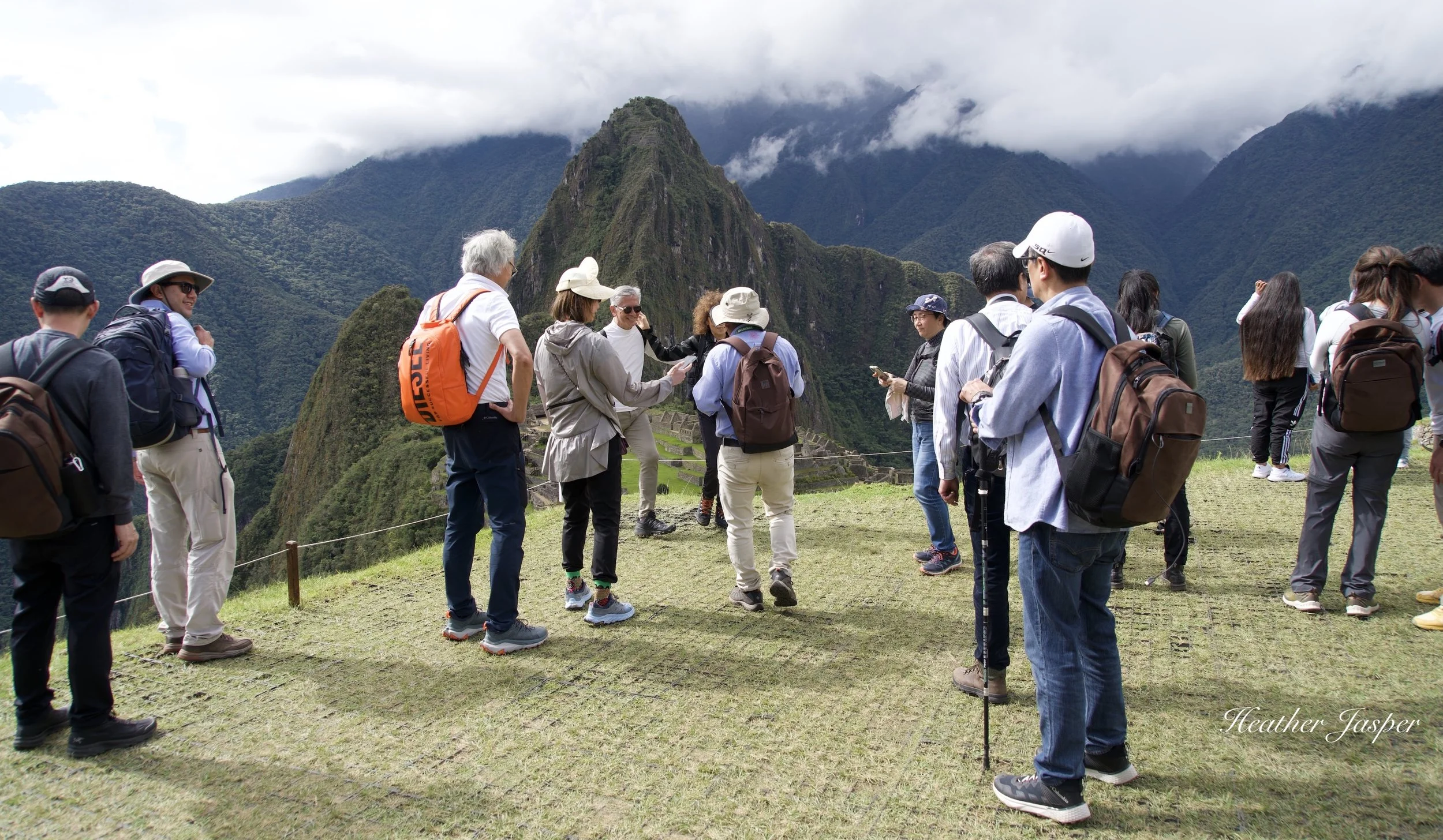
The problems I explain below are not tourists’ fault and we have the power to find solutions to these problems.
The problem with Machu Picchu that you see most often in the news is about overtourism and that’s true. More people want to tromp around on the ruins than the structure can withstand.
However, overtourism at Machu Picchu is a symptom of a much larger problem.
Yesterday that problem was clearly stated by the Cámara Peruana de Operadores de Turismo (Capotur), the Peruvian chamber of tourism companies. “Our priority is and will be the tourist.”
It was covered by Miradas Noticias who summed it up as “the priority should always be the experience of the tourist.”
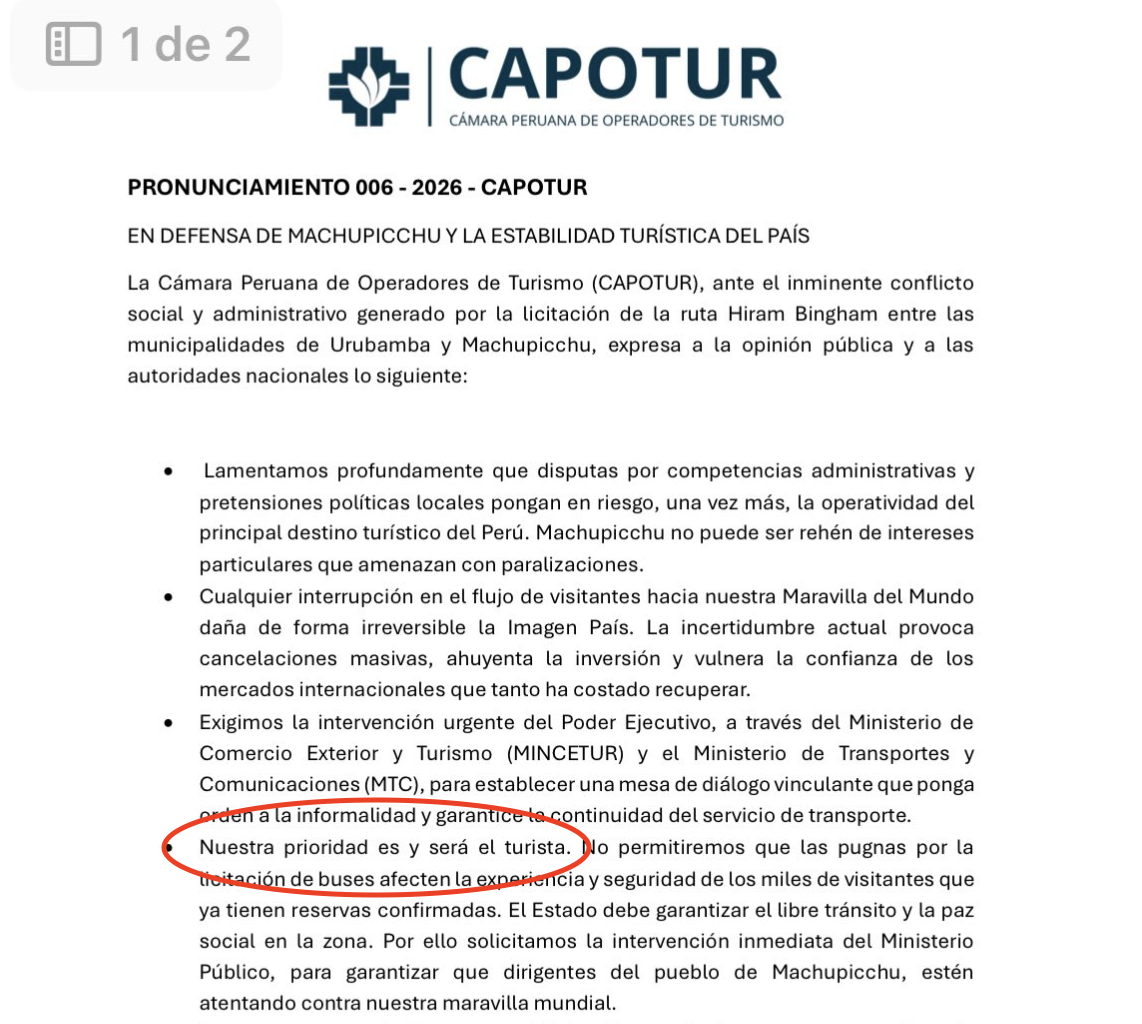
CAPOTUR wants the government to intervene in prioritizing tourists over the living conditions of local communities.
That sounds reasonable, right? A tourism board should prioritize tourism and that includes tourists.
Wrong.
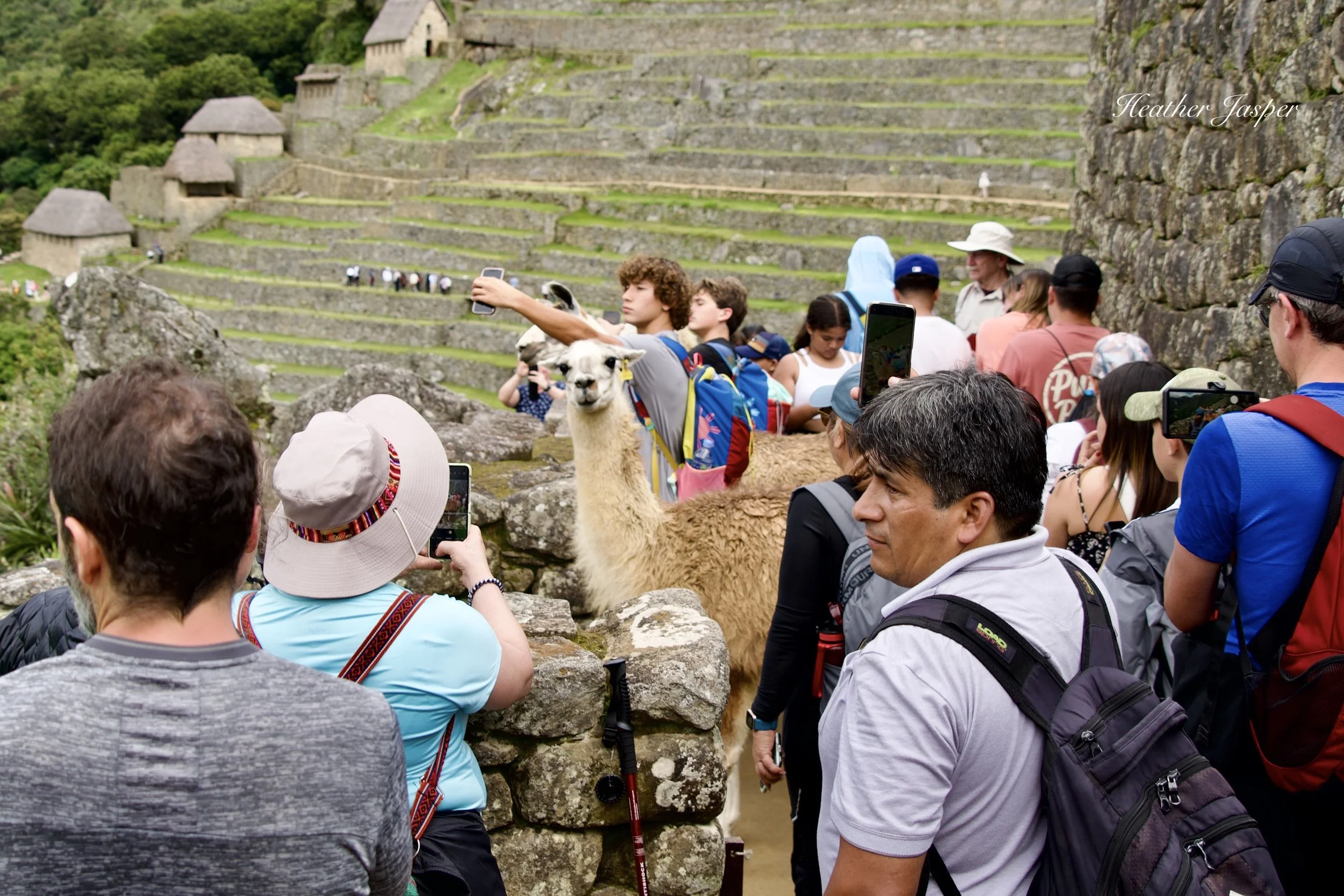
This blog is about prioritizing tourists over locals but prioritizing tourists over animals and the environment is related.
Putting the tourist first is unsustainable.
Putting the tourist first means their experience of a few hours or a few days is more important than the lives of the people who live there.
Putting the tourist first means that hotels are more important than public parks, swimming pools for tourists are more important than the municipal water supply, beach access should be for tourists, signs of poverty must be pushed past the gaze of the tourist and in general, tourists get first pick of all available resources.
Maybe there’s somewhere on the planet where locals don’t mind, but it’s not at Machu Picchu.
Machu Picchu suffers frequent strikes and protests because the system is entirely unsustainable.
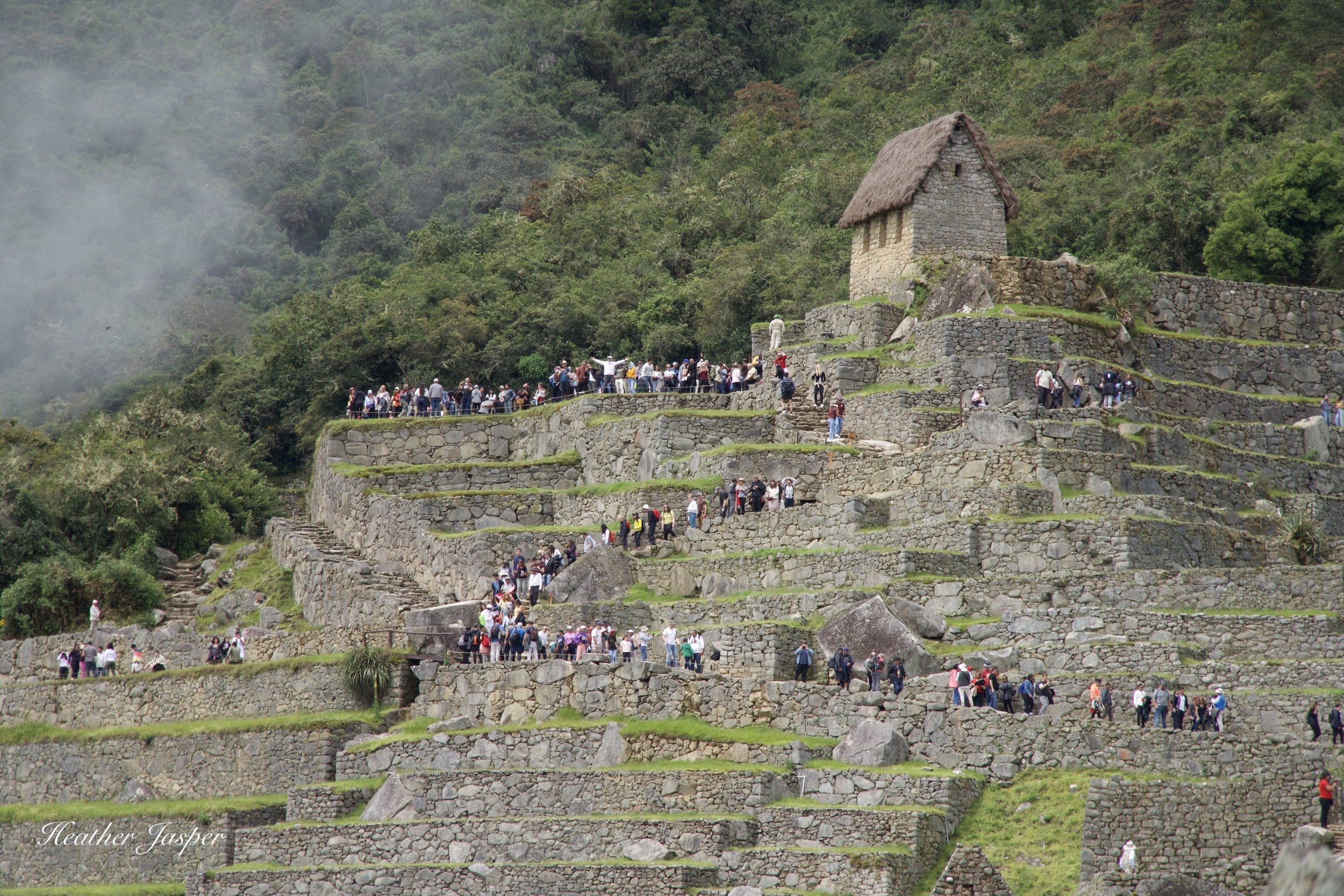
Thousands of people visit Machu Picchu every day and if you choose to go, be prepared to wait in long lines.
The problem is that the tourist always gets priority over the local communities.
I’ll explain how everything else you’ve seen in the news about Machu Picchu is a symptom of that one problem.
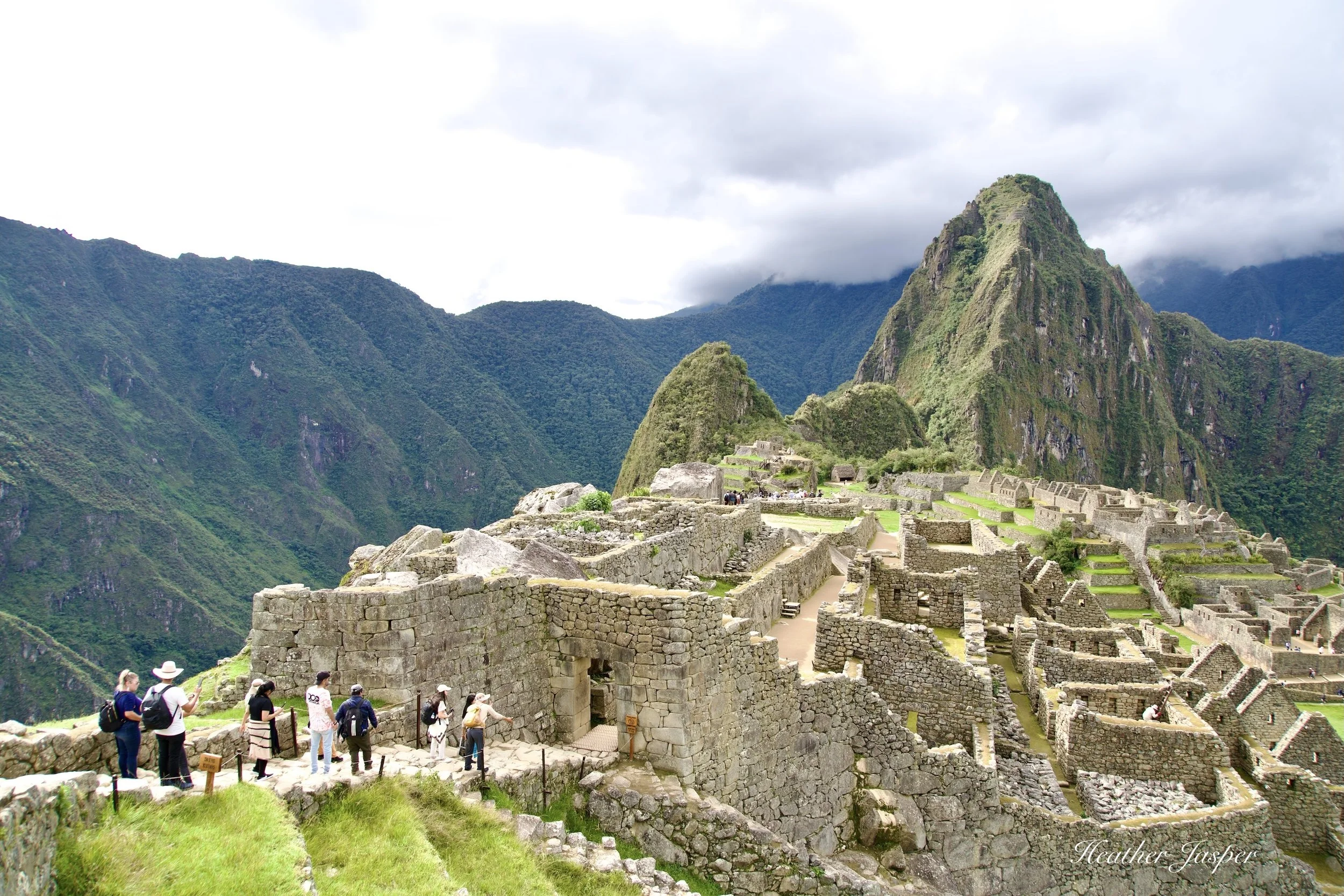
During the 2023 protests, I saw a lot fewer tourists than usual at Machu Picchu.
1. Protests at Machu Picchu happen every year.
No matter what is happening politically or economically in the Cusco region, everybody here knows that the fastest way to get politicians in Lima to pay attention is to block access to Machu Picchu.
Last year, in September 2025 there were massive protests against the company that had been running shuttle busses up to Machu Picchu. Most international news organizations, like CNN covered the Machu Picchu protests and even the US Embassy in Lima released a statement.
In 2024, Machu Picchu protests were over ticket sales being taken away from the Cusco region and given to a private company. The company charged high commissions, so while tourists were still paying the same price, the Cusco region had much less income to manage Machu Picchu and the 80,540 acres of protected land around it, called the Machu Picchu Historic Sanctuary. Le Monde and the New York Times both reported on local communities’ protests against privatizing Machu Picchu ticket sales.
In 2023, the protests at Machu Picchu were related to the arrest of President Pedro Castillo, who the Cusco region had overwhelmingly voted for and against the government’s deadly repression of those protests.
I could go on. I’ve lived in Cusco since 2019 and every year there are protests at Machu Picchu about something.
The protests are often not directly related to Machu Picchu, but tourism relies so heavily on this one place that it suffers from unrelated problems. (Does this sound like how TSA employees suffer from the US congress’ inability to agree on a budget?)
Protests are a symptom of the next problem, the fact that Machu Picchu has become so important than cutting off access to this one place immediately gets a reaction from the Peruvian government and international media.
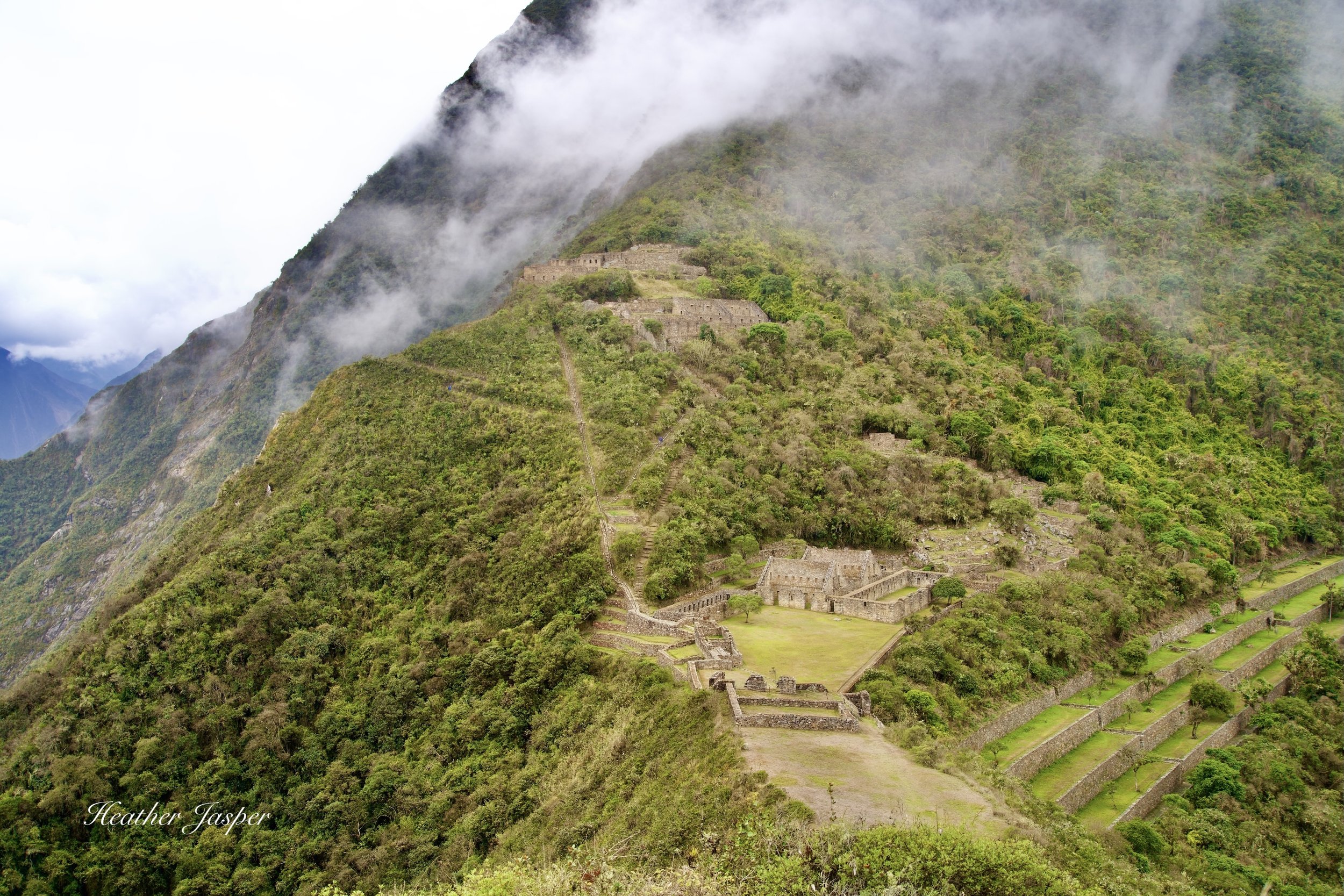
You don’t have to go to Machu Picchu. You can go to Choquequirao, which gets far fewer tourist.
2. Peru’s over-reliance on Machu Picchu caused overtourism
Tourism boards in Peru, international travel media and countless influencers focus so much attention on Machu Picchu that people planning a trip to Peru are often left with the impression that there’s nothing else to see in the whole country.
That is not the individual tourist’s fault. Focusing entirely on Machu Picchu is the media’s and tourist industry’s fault. It gives the tourist the extra task of having to search out other things to do in Peru, because it’s not always obvious.
It’s not our fault, but it is our responsibility to avoid contributing to the problem.
I do my very best to combat this by showing tourists that Peru is so much more than Machu Picchu. I want more people to go to Inca sites like Waqra Pukará and Huchuy Qosqo. I try to convince everybody to go see the Peruvian Amazon, north to Moyobamba and Chachapoyas and south to Tambopata and Manu, because visiting the rainforest is one of the best ways to save it.
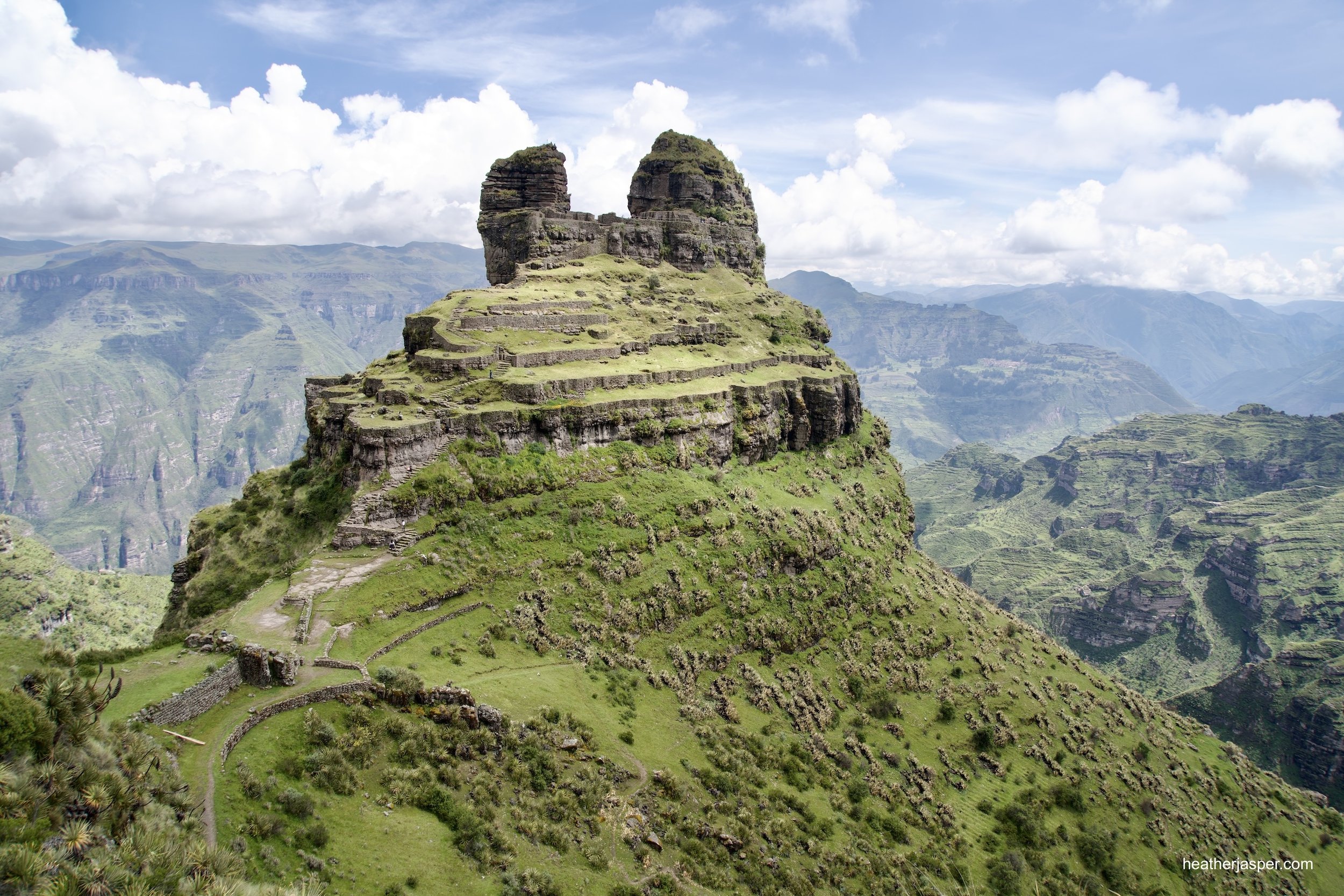
You don’t have to go to Machu Picchu. You can go to Waqra Pukará, which is an easier hike than Choquequirao.
Peruvian tourism has backed itself into a corner by relying so heavily on this one destination, as if Peru revolved around Machu Picchu.
The Peruvian tourism industry has worked so hard to erase the local population so that tourists can pretend they discovered an abandoned Inca ruin like the myth that Hiram Bingham “discovered” Machu Picchu. In fact, he was led there by the Recharte and Álvarez families who lived nearby and farmed some of Machu Picchu’s lower terraces. Plus, Cusqueñian Agustín Lizárraga visited in 1902, nine years before Bingham.
The other fact is that tourism companies haven’t completely erased the local population. People live in the mountains all around Machu Picchu and tourism profoundly affects their lives, in both positive and negative ways – but mostly negative.
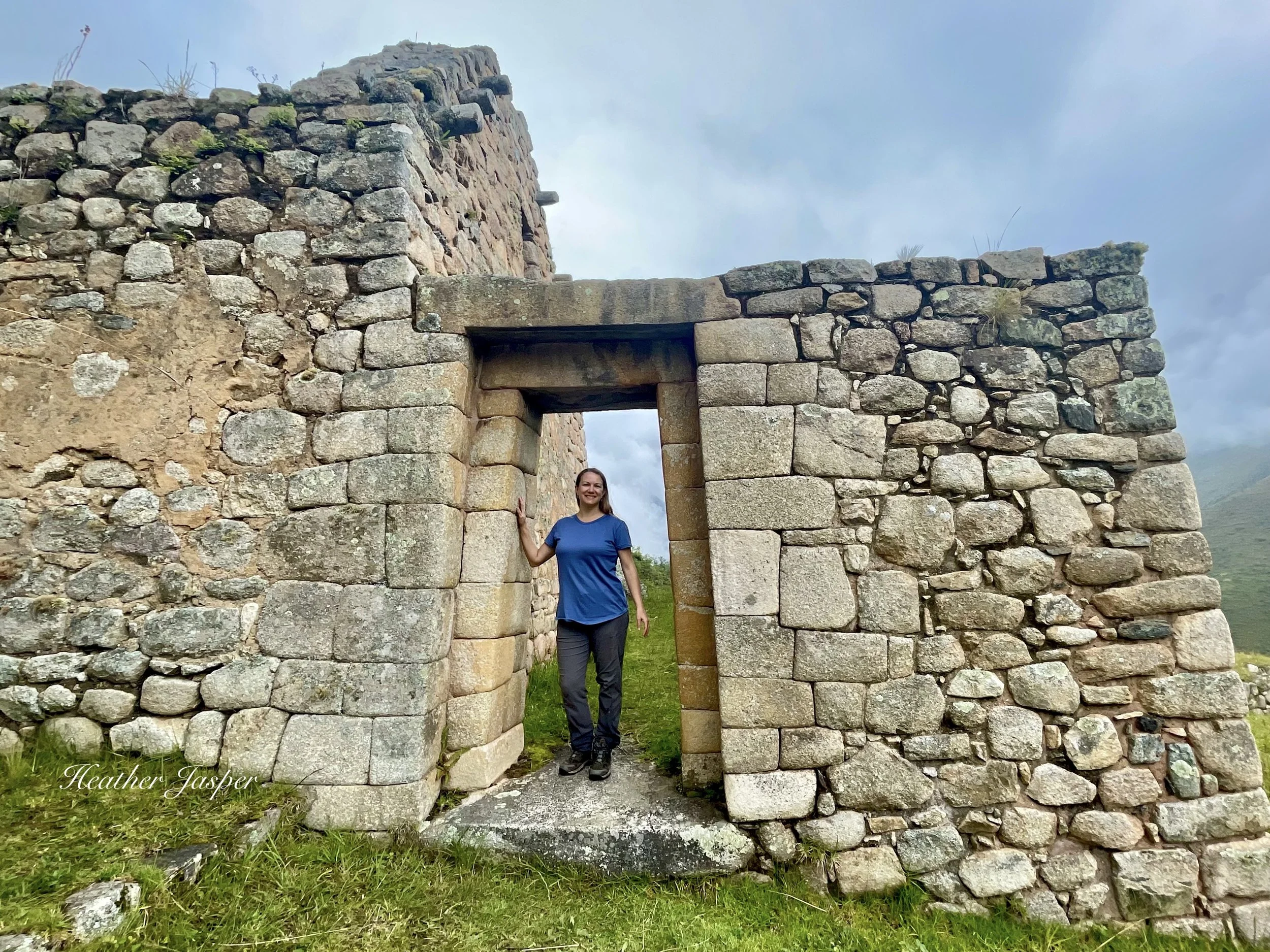
If authorities listened to local communities, you would be able to visit Huayna Qente. The Qoriwayrachina community wants to open this to tourism and they have restaurants and cabins ready for tourists.
3. Local communities are ignored
Ignoring local communities is the throughline in every symptom of prioritizing the person who will be in Peru for a few days over the people born here who will spend their whole lives here.
In 2024 I hiked a section of Inca trail that follows the river to Machu Picchu, roughly the same route as the train. There are several villages along the way (above) and at first I was starry-eyed – what would it be like to live IN the Machu Picchu Historic Sanctuary? Then they told me what it was like. I’m paraphrasing:
“We see the trains full of tourists go by every day, but they don’t stop. We have amazing Inca ruins in and around our villages, but the train company doesn’t stop here. We have built cabins tourists can rent and restaurants where they can eat, but the government doesn’t let them enter the Historic Sanctuary. They spend their money everywhere else because they have no way to get off the train here.”
Instead, the train stops in Ollantaytambo and Aguas Calientes, which have big international chain hotels and fancy restaurants. Tourists are literally not allowed to visit villages in the Historic Sanctuary. I can only enter with special permission and in the company of locals.
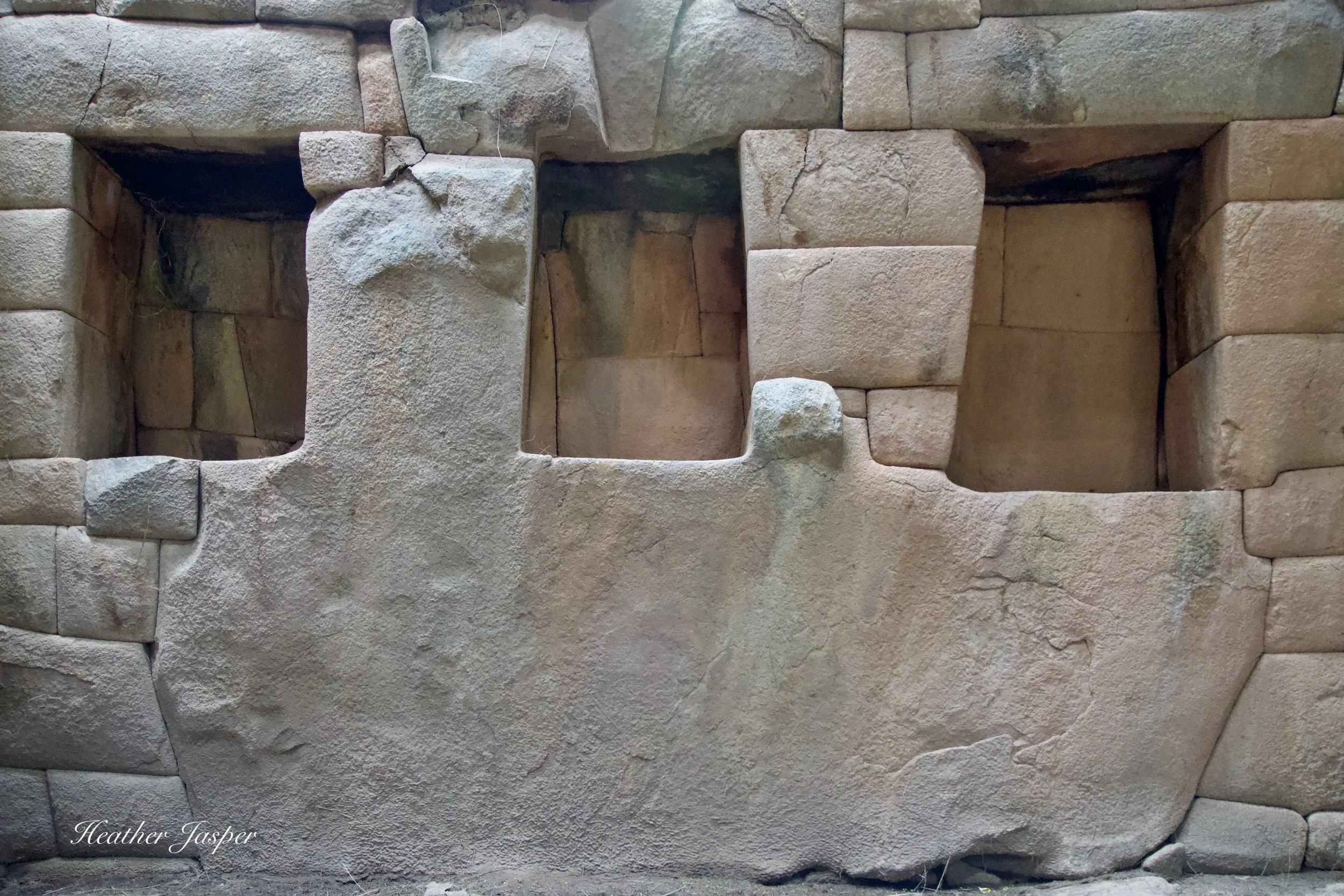
Torontoy’s 48 Angle Stone
My blog Another Inca Trail is about those amazing ruins that tourists aren’t allowed to see, including a building with a 48-angle stone. Cusco’s famous 12-angle stone is literally a lightweight in comparison.
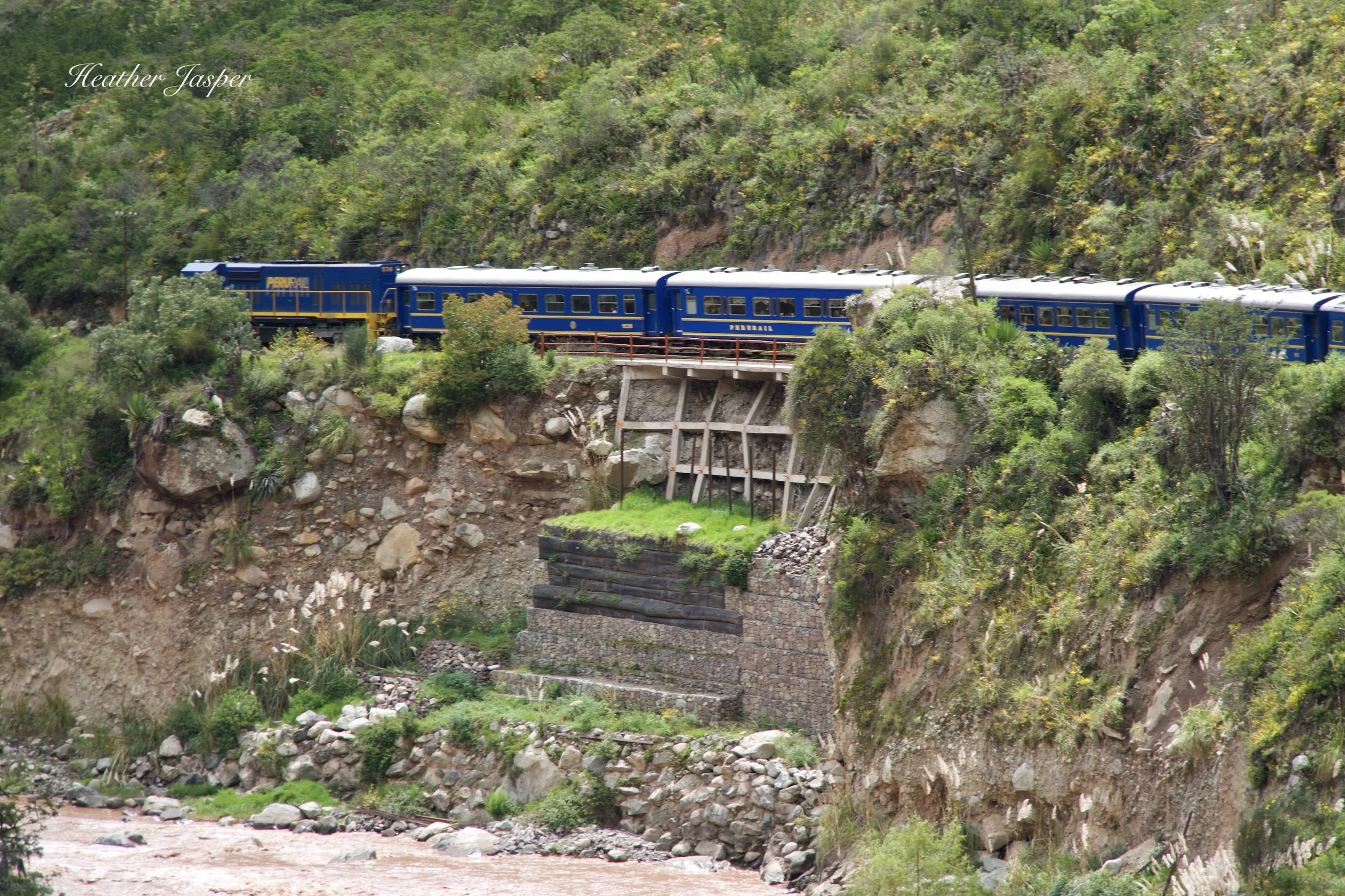
When the river washes out sections of train tracks, they’re fixed because tourists bought tickets to Machu Picchu, not because locals need transportation to get to work or the hospital in Cusco.
4. Resources go to tourists
Transportation is focused on getting tourists to and from Machu Picchu efficiently and local communities are an afterthought. Train tracks used to go past Aguas Calientes, the town below Machu Picchu, to the city of Quillabamba. After a landslide past Aguas, (as Cusqueñians call it), that section was abandoned. Now, the train exists to get to Aguas and prices for tourists are set like plane tickets, with higher prices on days and times there is more demand.
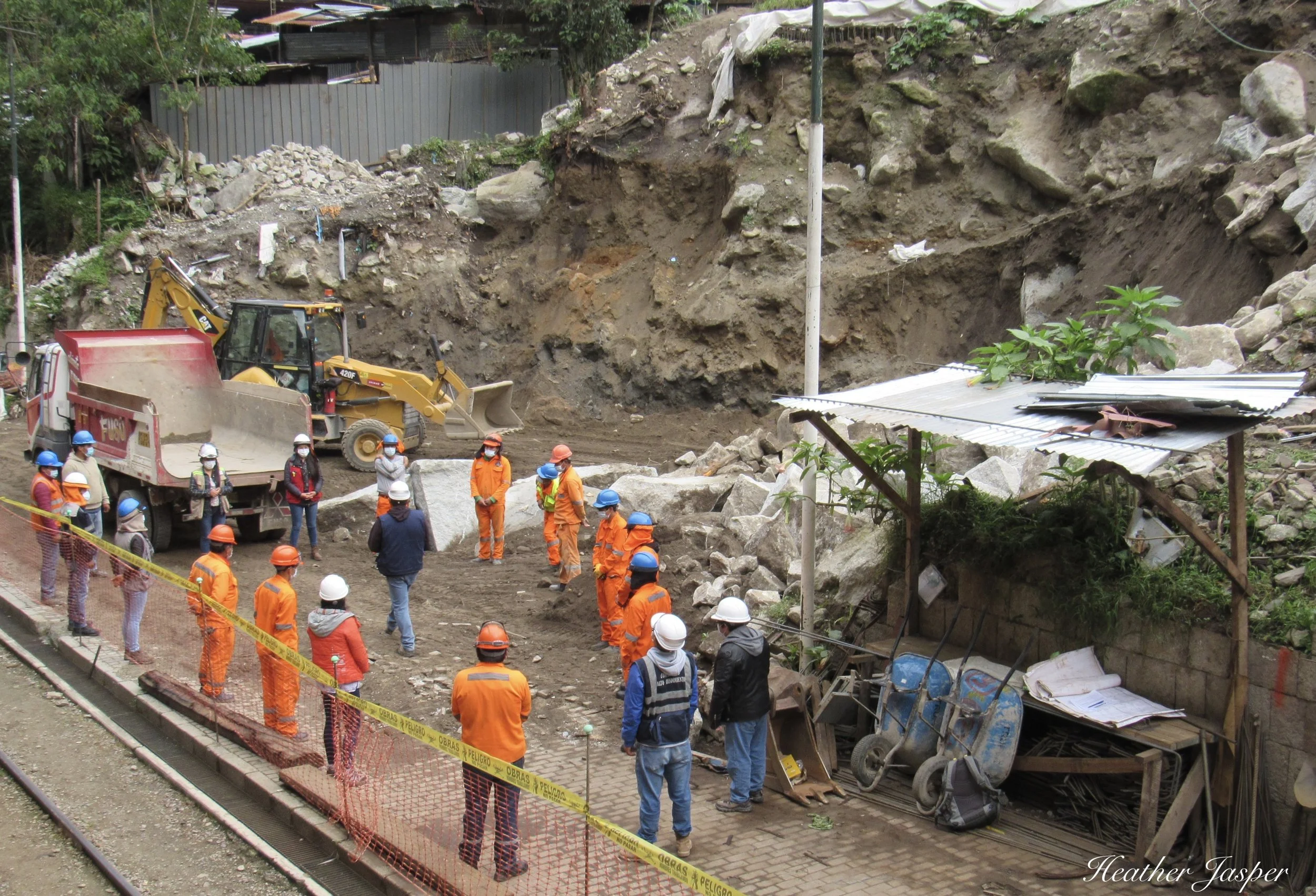
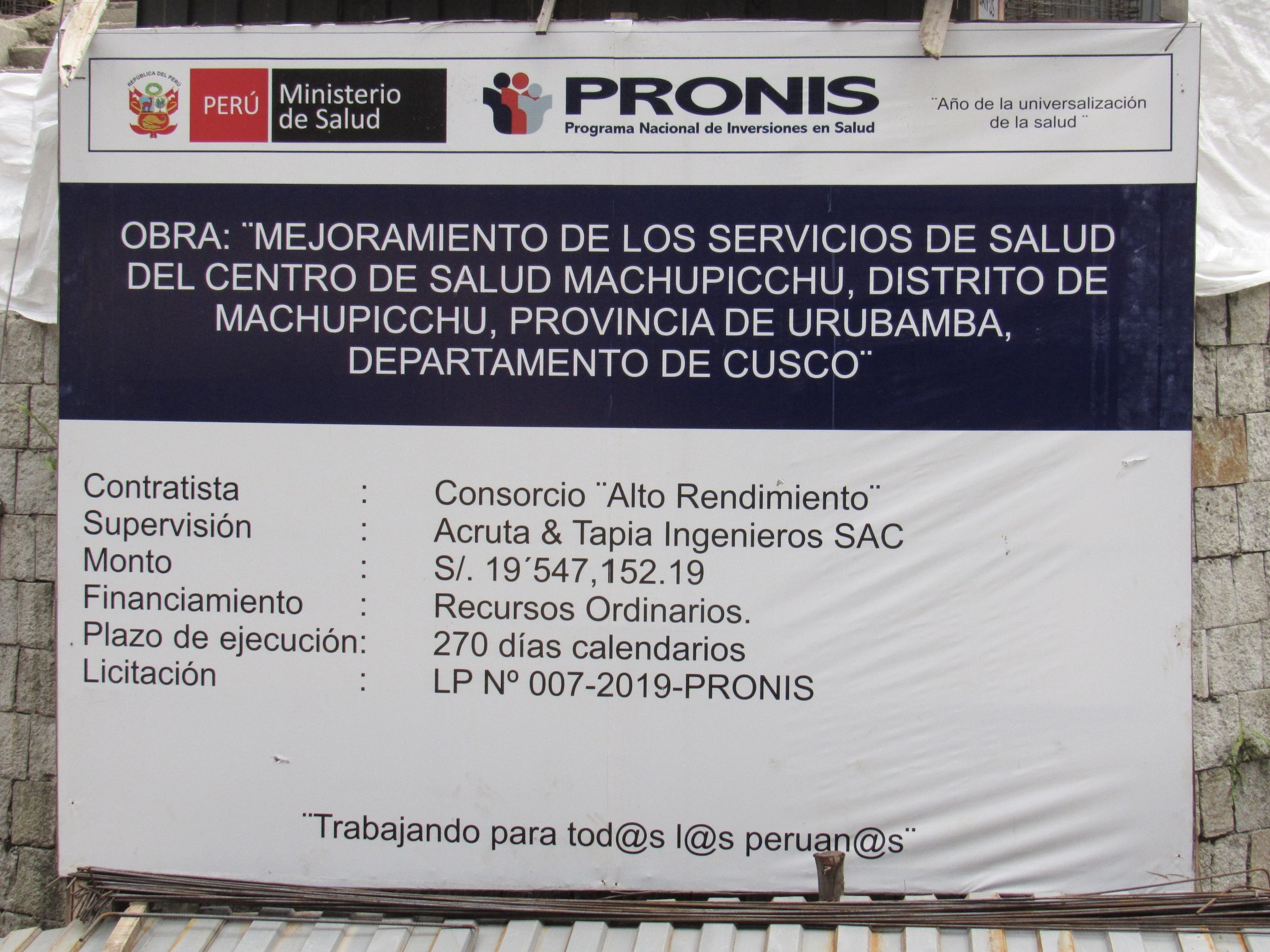
Health care for Aguas residents is very limited. In 2020, Machu Picchu closed with the rest of Peru for the Covid pandemic on March 15 and when the government wanted to reopen it in November the local population demanded a hospital or at least a health clinic. They were horrified that the government wanted to allow foreign tourists to come to their tiny town without providing any medical facilities. Note that locals didn’t have decent health facilities and only the prospect of foreign tourists having Covid in Aguas forced the government to consider providing healthcare.
Businesses for tourists are prioritized over businesses for residents. Hotels are prioritized over parks or open spaces for residents. And on and on.
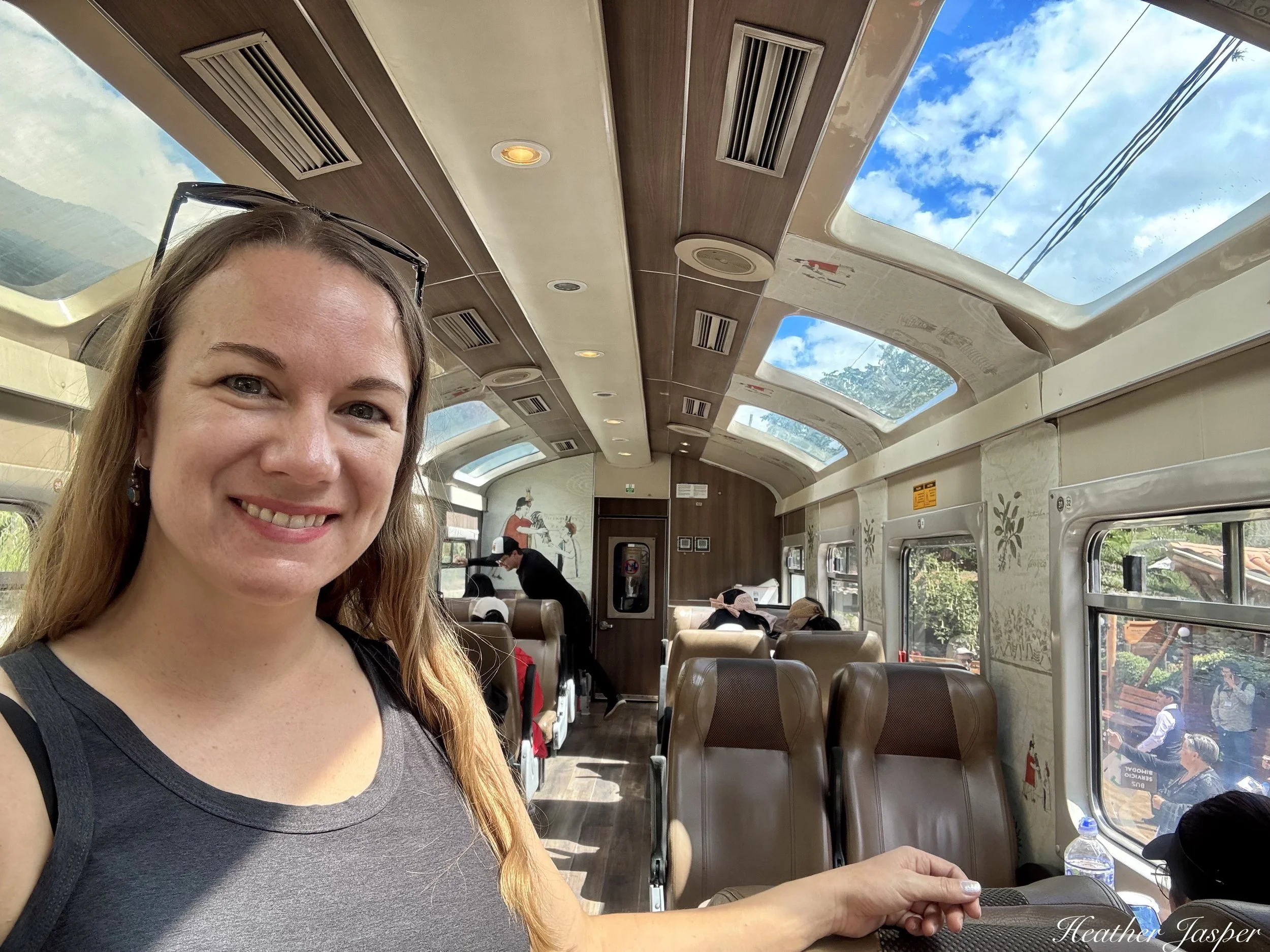
I’m not claiming innocence in all this. I benefit from being treated like a tourist and get more preferential treatment than I should.
5. Tourists are separated in an obvious first class.
There is a “local train” for Cusco region residents which is much cheaper and always overcrowded. As a Cusco resident, I can ride the local train, which is priced like public transportation, or the tourist train (above), which is priced to gouge the tourist as much as possible. Prices on the tourist trains do not reflect the cost of operating the train as much as the price that the company can extract from passengers.
The train to Aguas Calientes is the most obvious separation of local, lower-class people and foreign, higher-class people, but it’s not the only one. Restaurants for tourists, with higher prices and “international” menus, are everywhere, but it’s hard to find a place with prices residents can afford or that serve local cuisine.
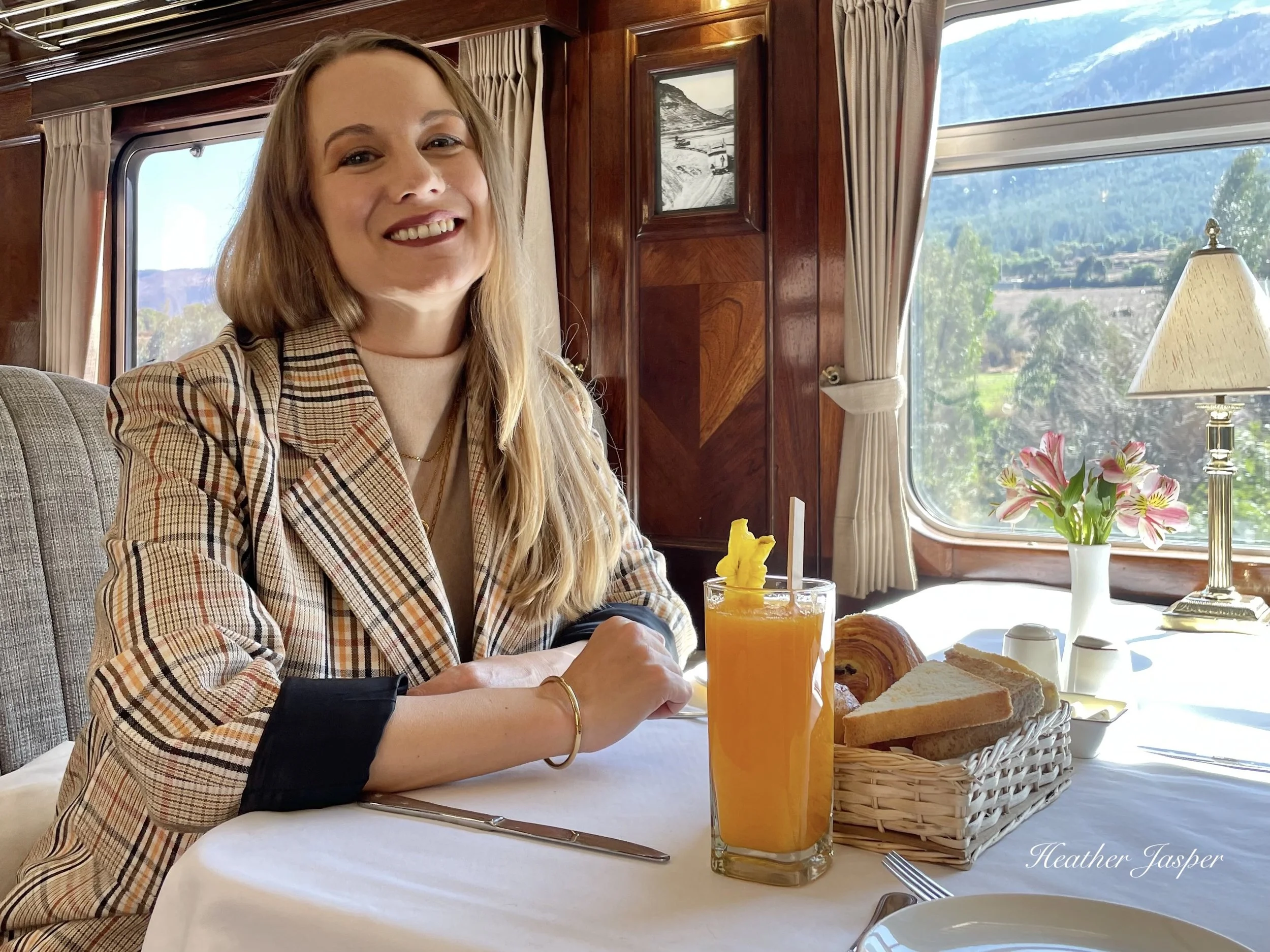
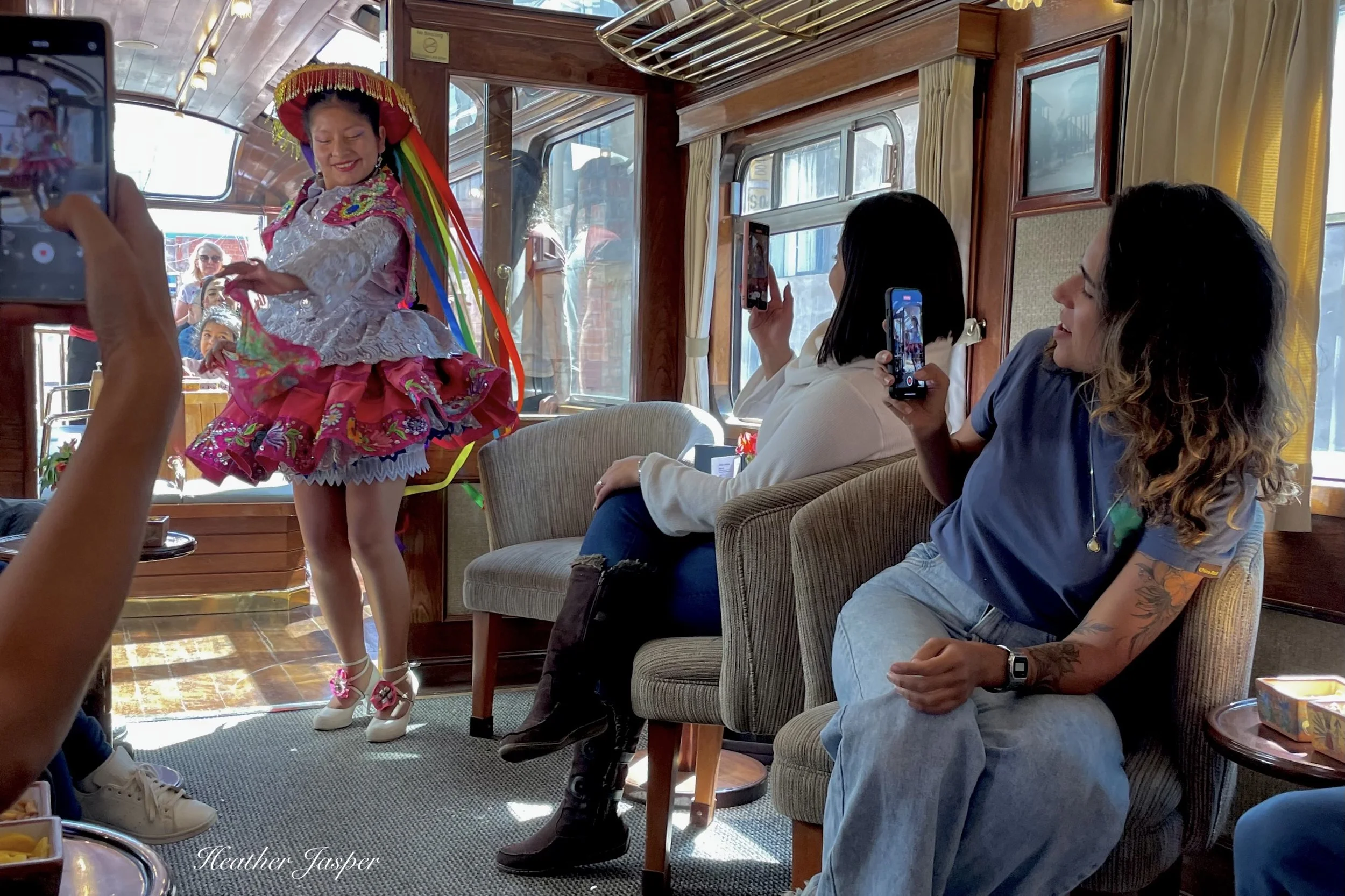
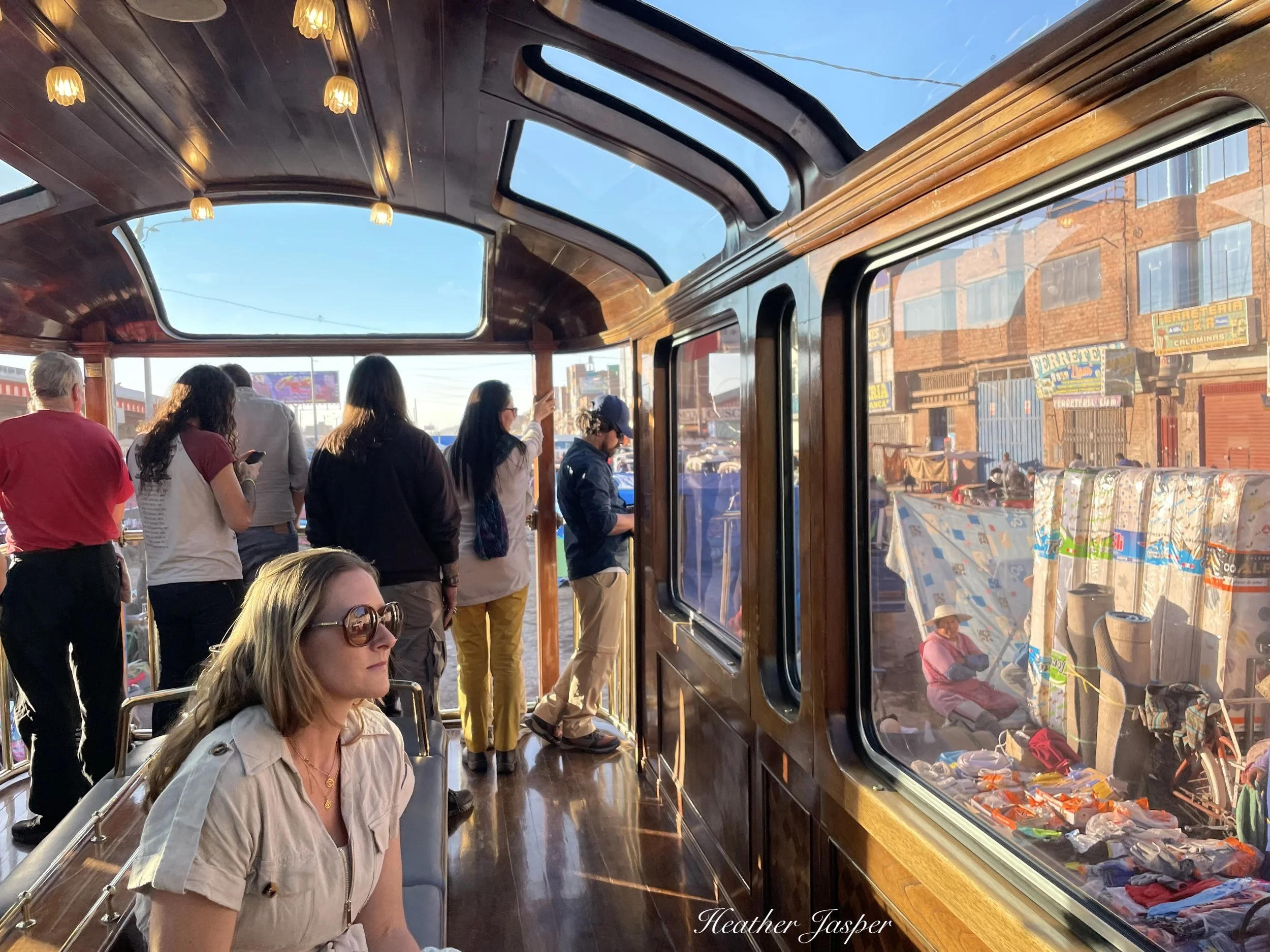
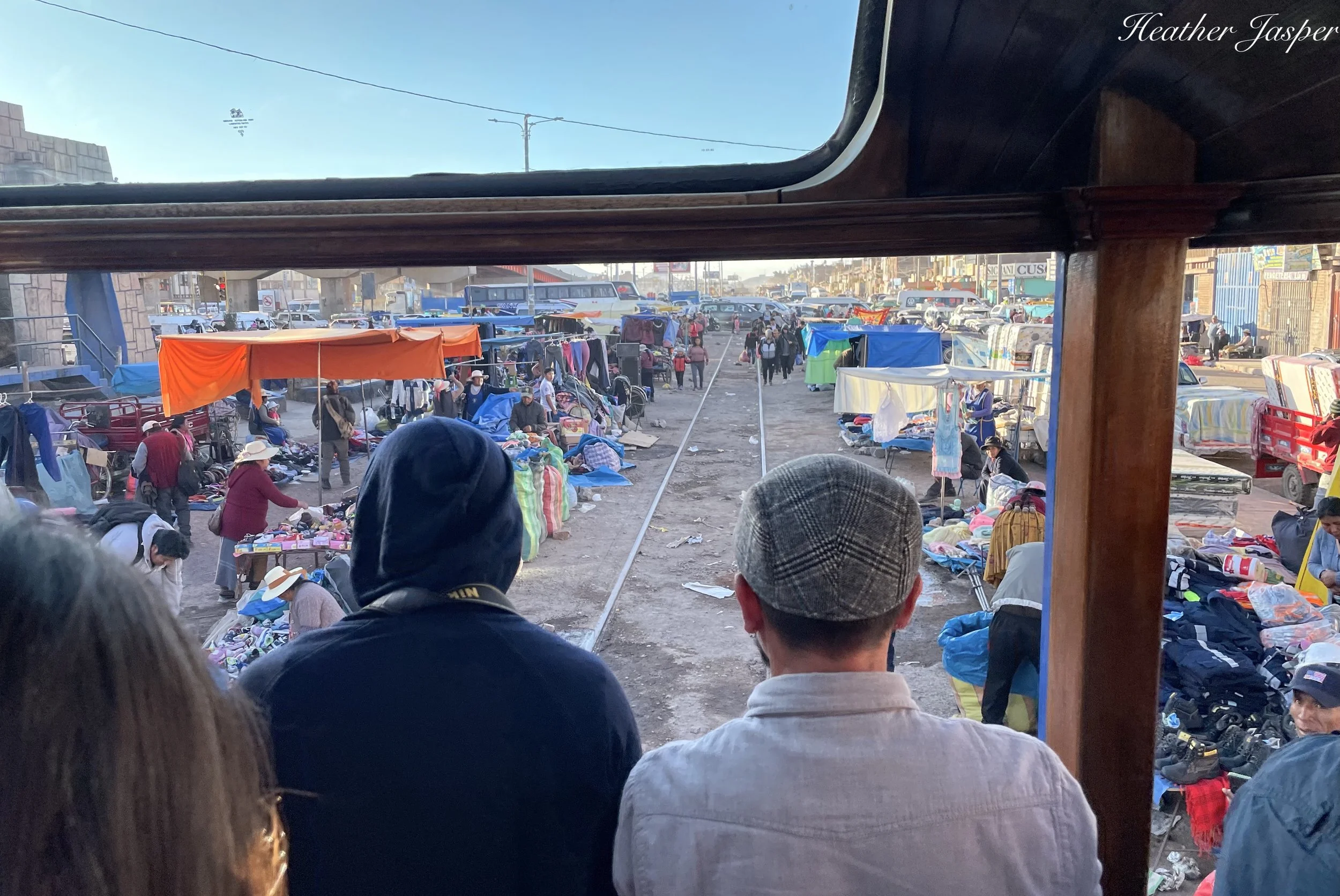
Aguas is the most extreme place in Peru to see this stark separation between tourists and locals, but most tourist destinations in Peru have this to some extent, as do most tourist destinations in the world. The photos above are the train from Cusco to Puno, which goes through some of the poorest neighborhoods of Juliaca. I’ve been on the ground and seen the luxury train go by and it feels like seeing a spaceship of aliens go through. When I was on the train, looking out the window felt like the worst kind of slum tourism.
It matters more in Aguas not only because it’s the most extreme but because tourism in Peru is so unsustainably reliant on Machu Picchu.
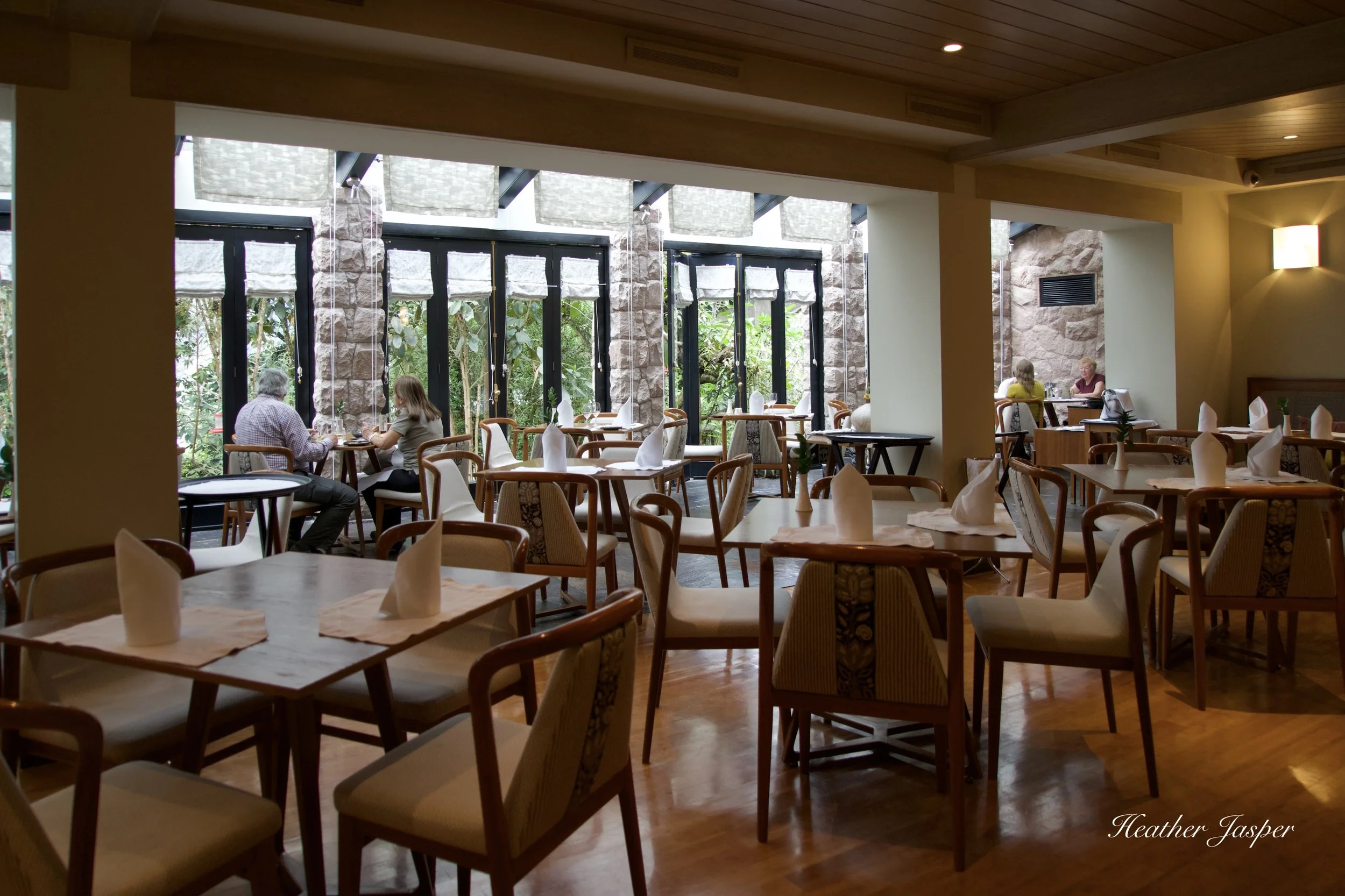
The most expensive hotel near Machu Picchu is the Sanctuary Lodge, a Belmond hotel that is entirely foreign-owned. I toured the hotel to see if it’s somewhere I can recommend. I hated it. Even if it was locally owned I couldn’t recommend it.
6. Tourist companies are foreign owned
It’s possible to visit Machu Picchu and not buy anything from a Peruvian-owned company. The train is foreign-owned, many of the hotels are foreign-owned and even some of the restaurants are foreign-owned. Most independent restaurants are locally owned, but also most tourists eat at their hotel. I don’t know if anybody keeps statistics on how many international visitors don’t patronize any local companies when they visit Machu Picchu, so if any of my readers know where I can find those numbers, please let me know!
Foreign companies are a symptom of the larger problem, prioritizing the tourist over the local, because so much emphasis is put on giving the tourist something “familiar.” Restaurants offer quinoa chaufa and lomo saltado, but also hamburgers and pizza. Hotels have to follow “international standards.” Locals are told to give the tourists what they want, even if what they want is to not experience Peruvian culture or eat Peruvian food.
Some will argue that employees mostly come from local communities but again that sets up a clear class divide between people who cook or change sheets in hotels and people who own the hotels. There is an obvious power imbalance between workers and company owners, and the foreigners have the power.
As Sara Frenning says, “the existence of a job does not mean it’s a good job.”
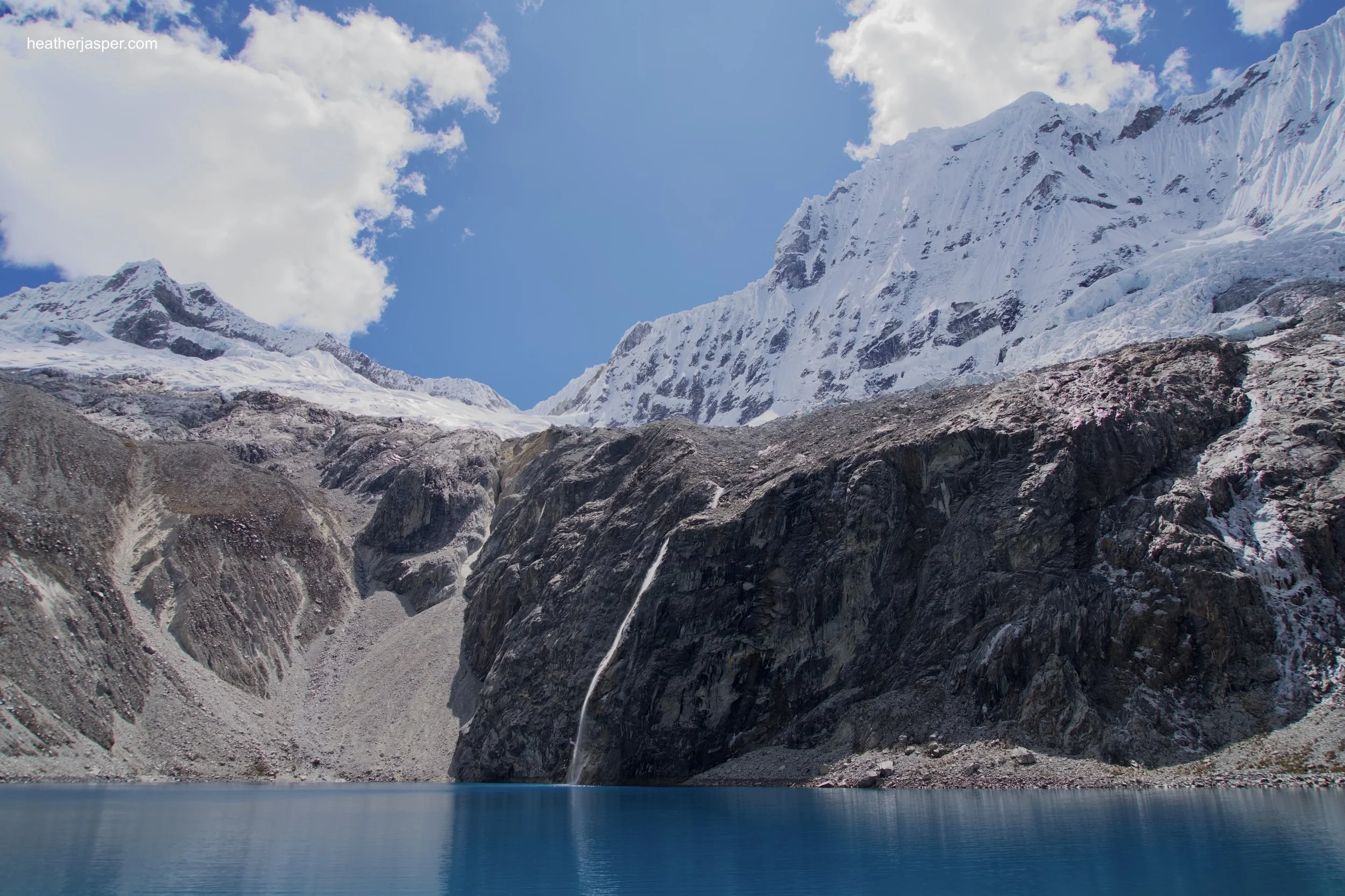
You don’t have to go to Machu Picchu. You can go hiking in Huaraz, where Huascarán National Park has hundreds of turquoise lakes like Laguna 69.
How does corruption affect Machu Picchu?
I know most of my Peruvian friends will read this and tell me that the problem is corruption. They’re not wrong. Companies, both Peruvian and foreign, pay government officials to look the other way when laws get in the way of business. Not all pay bribes, but enough do that it puts pressure on the companies that are trying to do things right to play along.
Since I moved here in 2019 not only have we had protests at Machu Picchu every year, the country has gone through seven presidents (Vizcarra, Merino, Sagasti, Castillo, Boluarte, Jerí and Balcázar) and elections for the eighth are this weekend. There are 35 candidates, so it’s likely that the runoff in June will be between two candidates that each get less than 10% in the first round.
With so much chaos at the top, good governance doesn’t reach the bottom. However, putting the tourist first and the local community second (or last) isn’t a Peruvian problem, it’s a global problem. If it’s possible to visit Machu Picchu without patronizing a single Peruvian company, then international companies are just as much to blame as Peruvian ones.
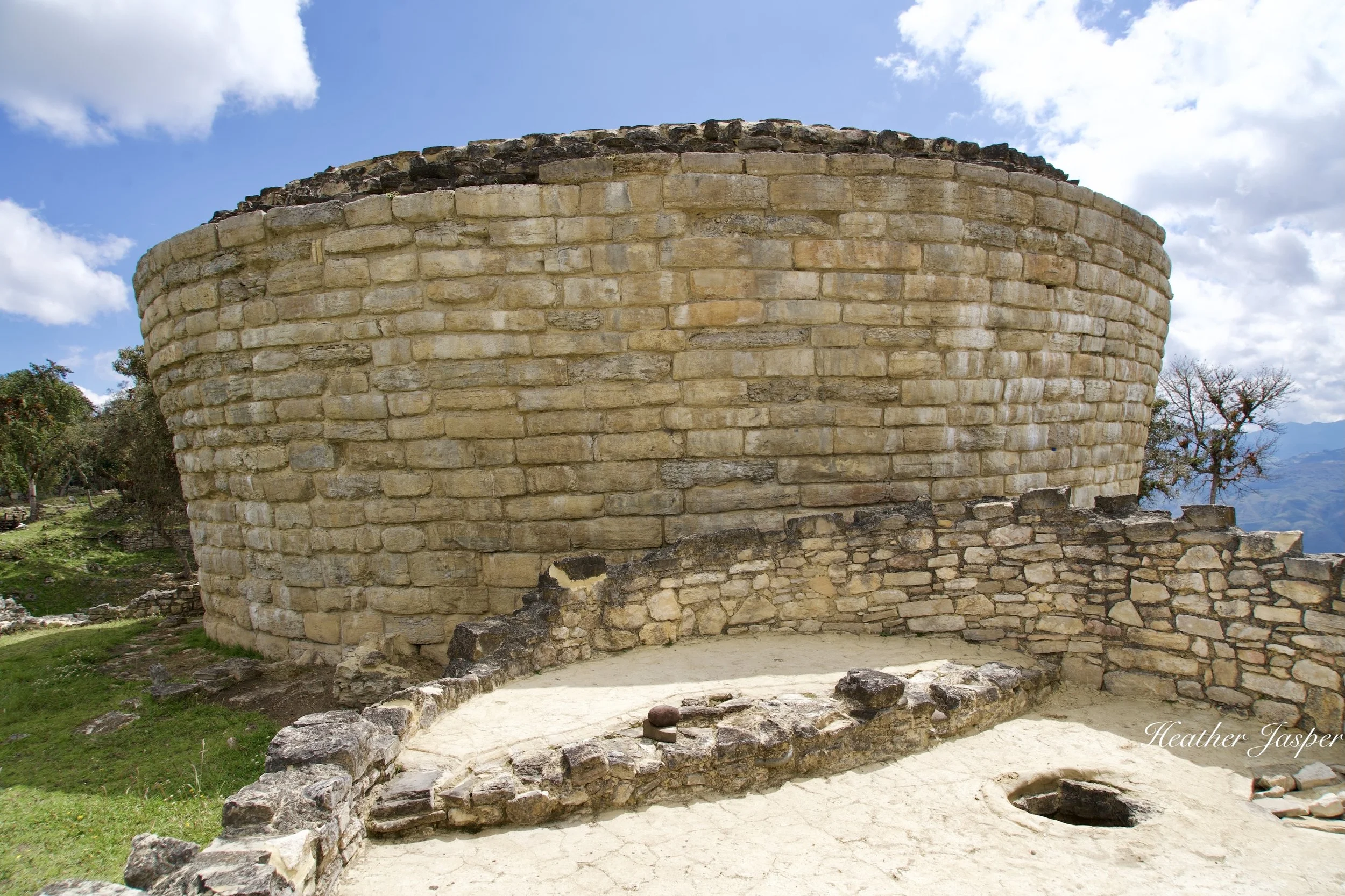
You don’t have to go to Machu Picchu or even come to Cusco. You can go to Chachapoyas and visit the pre-Inca city of Kuélap.
The Cusco vs. Lima discord affects everything.
The past five years I’ve noticed a concerted effort by business and government based in Lima (like Capotur) to take control of Machu Picchu away from local government. The accusation that local officials are incapable follows the 500-year-old pattern of Spanish colonizers, based first in Spain and then Lima, calling Andean people incapable.
Cusco was the seat of government and Cusqueñians had power for hundreds of years, until the Spanish showed up in the 1530s. They based their government in Lima, where their ships could take plundered gold to Spain, starting an extractive economy that is still in place.
Announcements like the one Capotur published yesterday are part of a pattern of saying that Cusqueñians are mis-managing Machu Picchu. Rather than providing assistance and training for local officials, Lima’s solution is to take control of Machu Picchu.
If/when local government loses control of Machu Picchu, local communities will be ignored even more than they already are. They have some voice in local government but prejudice and racism are still bad in Peru and many Limeñians (#notallLimeñians) won’t listen to anybody whose first language is Quechua, who speaks Spanish differently from them and who has dark skin.
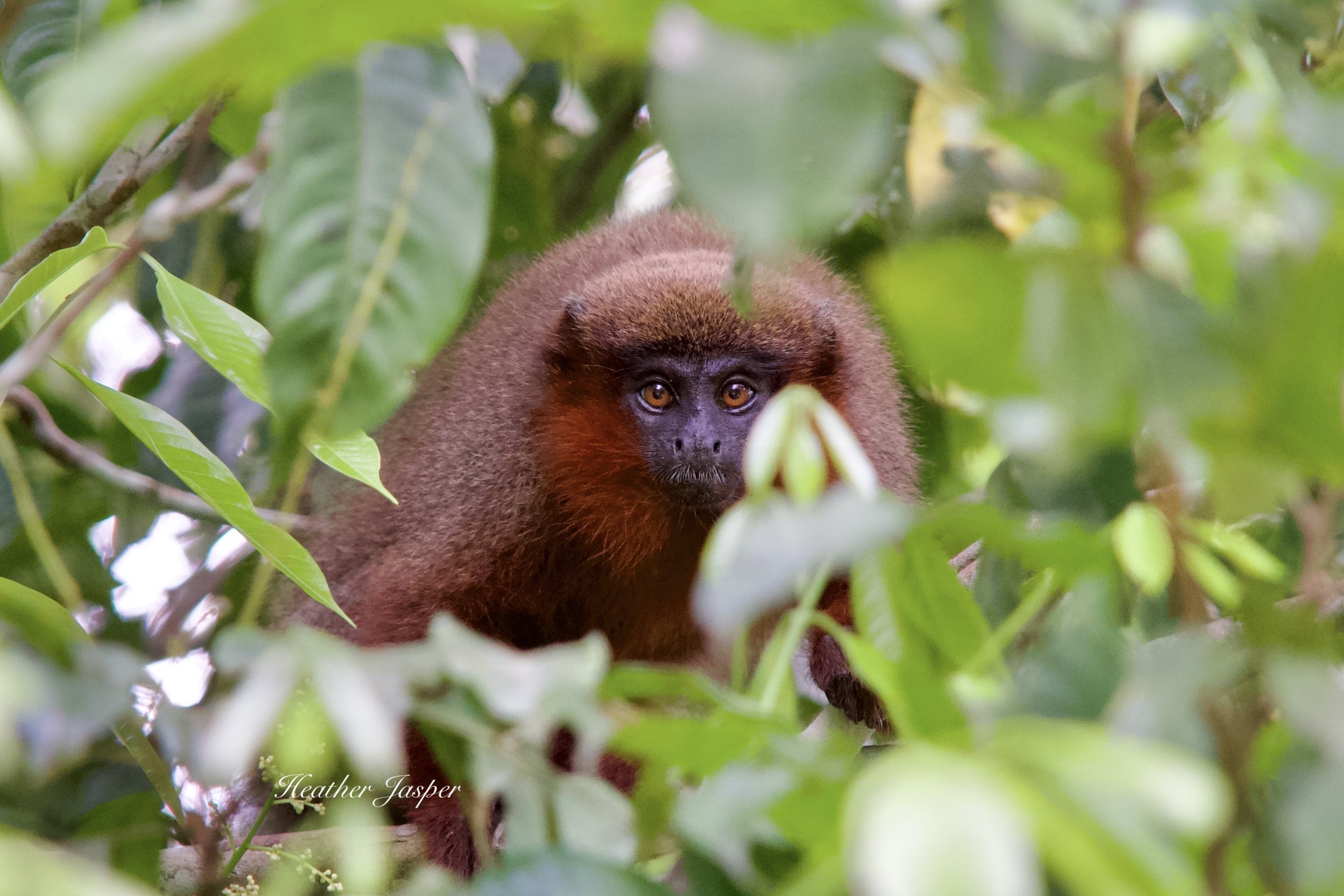
You don’t have to go to Machu Picchu. You can go to the rainforest where eco-tourism in national parks and nature preserves supports conservation of this vital piece of the Amazon rainforest.
Can I go to Peru and not see Machu Picchu?
Yes! Can you go to France and not see the Eiffel Tower? Yes! Go hiking in the Alps or surfing at Biarritz or wine tasting just about anywhere. Can you go to the US and not see the Statue of Liberty? Yes! Go see the Grand Canyon, Hollywood, the Redwoods, the Everglades, the Appalachian Trail or even Las Vegas.
So, yes, you can come to Peru and not go to Machu Picchu. You don’t have to contribute to Peru’s unsustainable reliance on one single place.
In the north, go to Kuélap, Tingana, Cajamarca, Sipán, and Huanchaco. On the coast go to Ica, Paracas, Chincha,Huacachina and Ilo. Go to the rainforest around Iquitos. Go climbing in Huaraz. There are millions of things to do in Peru that will blow your mind that aren’t Machu Picchu. If you really want to see an Inca city go to Choquequirao, Pisac, Ollantaytambo, Inkilltambo, Huchuy Qosqo and Waqra Pukará.
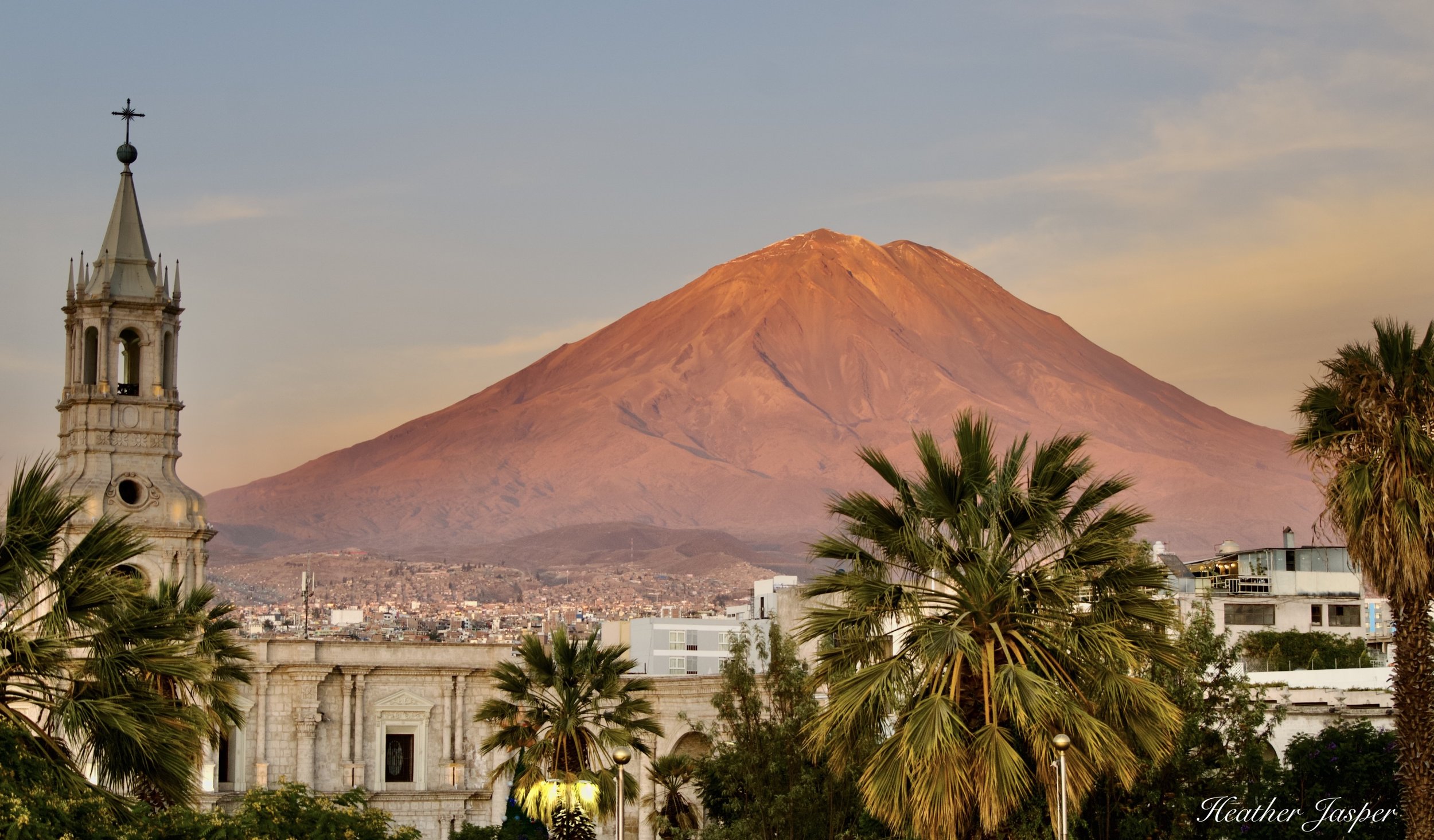
You don’t have to go to Machu Picchu. You can go to Arequipa for its amazing cuisine, history, hiking and volcanoes.
If you want to go to Machu Picchu, here are my recommendations.
1. Stay at Peruvian-owned hotels.
2. Eat at locally owned restaurants.
3. Hire a local (Cusco region) guide who speaks Quechua.
4. Be aware of the way tourists are prioritized and share your experience.
5. Leave reviews that share both the positives and negatives that you see.
If you want to hike the Inca Trail to Machu Picchu, read this first.
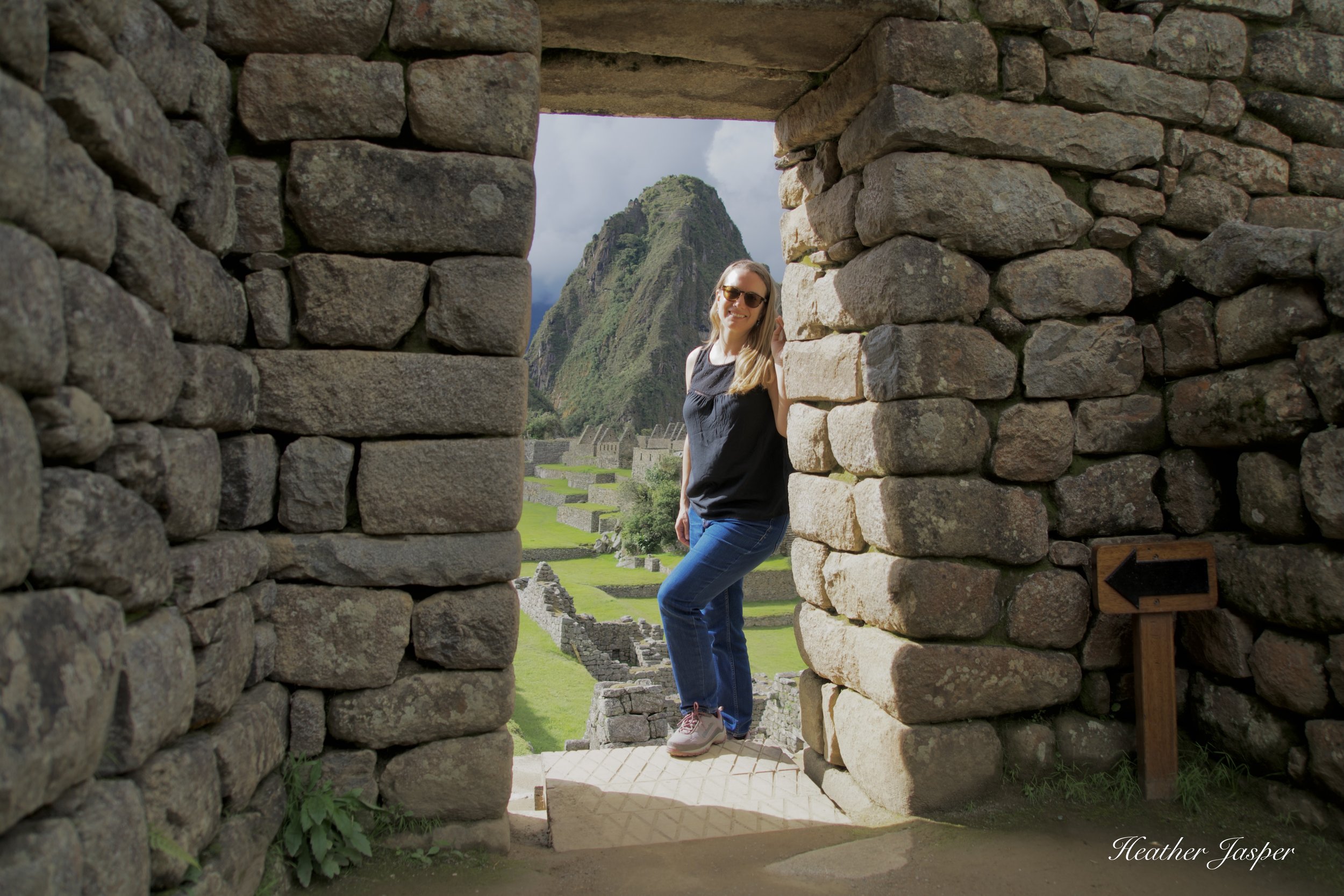
Machu Picchu is popular because it’s amazing, but it’s not the only amazing place in Peru.
Planning a trip to Peru? Download my travel guide app Peru’s Best!
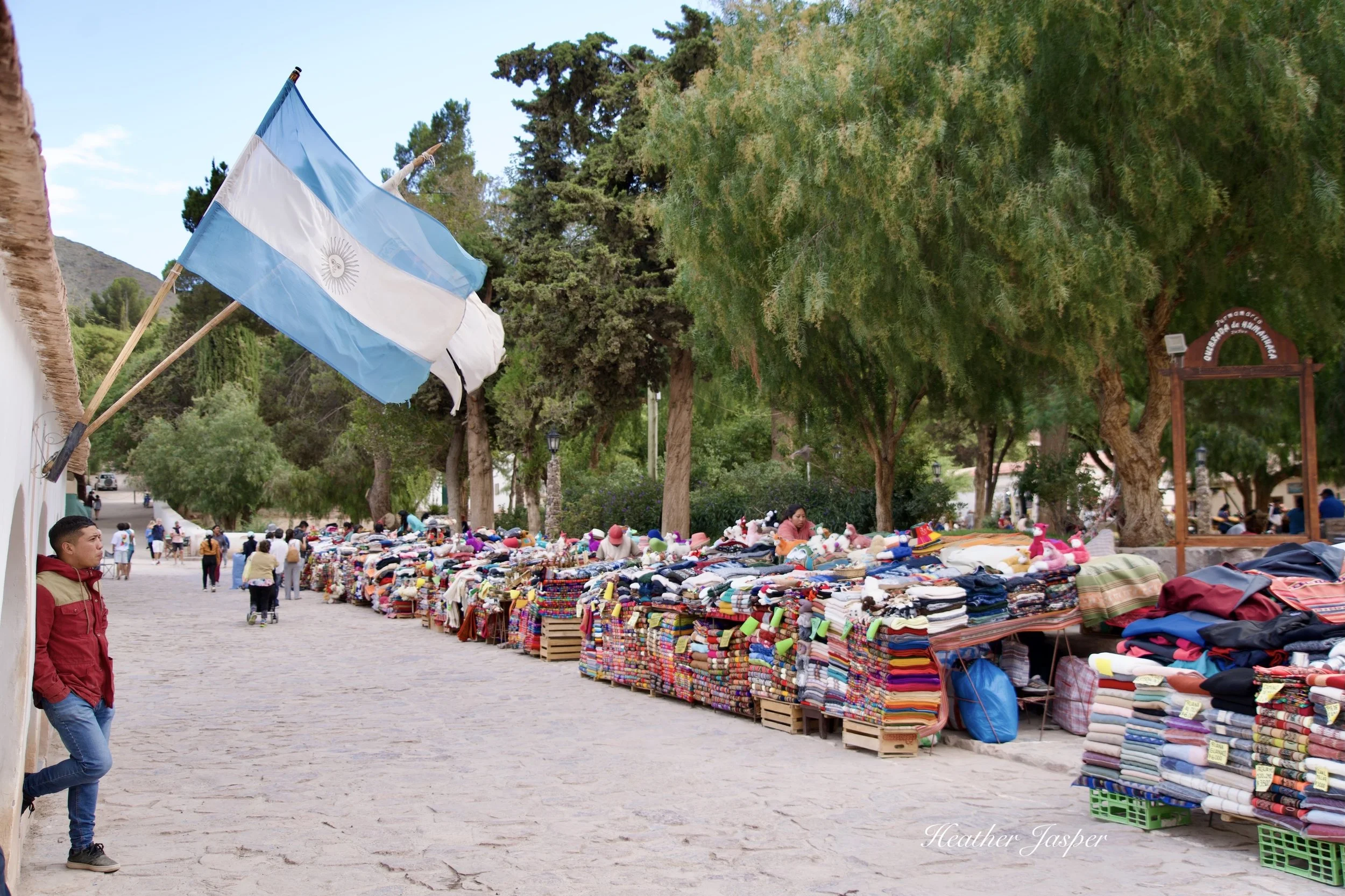
Again, this is NOT a Peruvian problem. Prioritizing tourists over local communities is a global problem, like this park in Argentina that’s obviously for selling souvenirs, not for local kids to play in.